Table of Contents
Forget the endless scroll of短视频 and the isolating glow of individual screens for a moment. Today’s teens navigate a complex world of digital overload and fragmented social connections, yet there’s a quiet renaissance happening around physical tables. Board games are experiencing a powerful resurgence among this generation, not as nostalgic relics, but as vital tools for genuine connection, strategic thinking, and collaborative fun. They offer a rare, screen-free space where laughter is loud, strategies are debated face-to-face, and friendships are forged through shared challenges and triumphs. It’s a deliberate pause from the digital noise, a chance to engage minds and hearts in the tangible world.
Choosing the right game, however, is far more nuanced than just grabbing the shiniest box off the shelf. Teens aren’t kids anymore, but they aren’t quite adults either – their interests, attention spans, and social dynamics are uniquely complex. A game that captivates a 12-year-old might feel childish, while one designed for hardcore adult gamers could overwhelm or disengage them. The magic lies in finding that sweet spot: mechanics sophisticated enough to challenge their developing brains, themes relevant to their evolving identities, and social dynamics that foster, rather than frustrate, their intricate peer relationships. This guide dives deep into the essential considerations for selecting board games that will genuinely resonate with teenagers in the current landscape, focusing on what truly matters beyond fleeting trends.
Top 10 Board Games for Teens
Detailed Product Reviews
1. USAOPOLY The Original TAPPLE, The Fast-Paced Family Board Game,Choose a Category & Race Against The Timer to be The Last Player,Learning Word Game for Ages 8 & Up, 2-8 Players, 15-20 Minute Play Time

Overview: TAPPLE delivers rapid-fire family fun, challenging 2-8 players to race against a built-in timer. Players select a category card, press the timer, and shout out words starting with a specific letter within the category before time runs out, pressing the corresponding tab after each word. Designed for ages 8+, it promises 15-20 minute bursts of energetic gameplay. What Makes It Stand Out: Its ingenious rotating wheel design integrates the timer and stores all 36 category cards (144 total categories), making it exceptionally portable. The pressure of the ticking timer creates intense, laughter-filled moments impossible to replicate with standard word games, ensuring no two rounds feel identical. Value for Money: Priced competitively against party games, TAPPLE offers significant replayability through its vast category library and portable design. It outperforms cheaper card-only alternatives by eliminating setup time and providing consistent, high-energy engagement without needing apps or extra components. Strengths and Weaknesses: Strengths: Highly portable, easy to learn, fantastic for building vocabulary under pressure, accommodates large groups. Weaknesses: Timer can feel overly harsh for younger players, limited strategic depth compared to complex board games, potential for arguments over word validity in fast-paced rounds. Bottom Line: An exceptional choice for families seeking quick, engaging, screen-free entertainment that sharpens thinking skills. Its portability and unique timer mechanic make it a standout value for dynamic game nights.
2. CATAN Board Game (6th Edition) Trade, Build & Settle in The Classic Strategy Game for Family, Kids & Adults, Ages 10+, 3-4 Players, 60-90 Min Playtime

Overview: CATAN 6th Edition invites 3-4 players (ages 10+) to compete in settling the island of Catan over 60-90 minutes. Players gather resources like wood and wheat to build roads, settlements, and cities, aiming for 10 victory points through strategic expansion and shrewd trading, all while navigating a dynamic board and the disruptive robber. What Makes It Stand Out: The modular hexagonal board ensures every game layout is unique, offering immense replayability. Its masterful blend of resource management, negotiation, and strategic planning creates deeply engaging sessions where player interaction—trading and blocking—is central to victory, setting it apart from luck-based games. Value for Money: As a cornerstone modern strategy game, CATAN justifies its price with exceptional longevity. The high-quality components and near-infinite strategic variations provide far more sustained value than most party or card games, making it a worthwhile investment for families and strategy fans. Strengths and Weaknesses: Strengths: Unmatched replayability, fosters meaningful social interaction and negotiation, elegant yet deep strategy, stunning component quality. Weaknesses: Can feel luck-dependent early on (dice rolls), longer setup than card games, potential for “kingmaking” where eliminated players influence the winner. Bottom Line: An essential, genre-defining strategy game that remains unparalleled for fostering critical thinking and social dynamics. Highly recommended for families and gamers seeking substantial, replayable fun.
3. HUES and CUES - Vibrant Color Guessing Board Game for 3-10 Players Ages 8+, Connect Clues and Guess from 480 Color Squares

Overview: HUES and CUES challenges 3-10 players (ages 8+) to connect single-word clues to specific colors from a vibrant wheel of 480 hues. One player gives a concise clue, and others race to identify the correct color square, creating a fast-paced, visually stimulating guessing experience perfect for parties or family nights. What Makes It Stand Out: Its innovative focus on color perception and creative language use is unique. The vast array of nuanced hues ensures no two clues yield identical interpretations, sparking surprising discussions and laughter as players discover how subjectively we view color, all within a compact, portable design. Value for Money: Offering immense replayability through its near-limitless color/clue combinations, HUES and CUES provides exceptional value. It outshines simpler charades-style games by demanding nuanced communication, making the price point justified for groups seeking fresh, interactive fun repeatedly. Strengths and Weaknesses: Strengths: Highly accessible rules, extraordinary replay value, sparks creativity and observation, accommodates large groups effortlessly. Weaknesses: Color perception differences can frustrate some players, limited strategic depth, relies heavily on group dynamics for optimal enjoyment. Bottom Line: A brilliantly original, visually engaging game that transforms color into a dynamic social challenge. An easy recommendation for inclusive, laughter-filled gatherings where creativity shines.
4. Taco Cat Goat Cheese Pizza Wildly Entertaining Card Game for Family and Group Game Night | Easy to Learn and Play with 10-15 Minute Rounds | Fun for Kids, Teens, Adults, and Families | 2-8 Players

Overview: This frantic card game for 2-8 players (ages 7+) delivers 10-15 minute rounds of slap-happy chaos. Players chant “Taco Cat Goat Cheese Pizza” while placing cards; when the spoken word matches the card, everyone slaps the pile. The last to slap takes the cards, with action cards adding wild twists to the non-stop action. What Makes It Stand Out: Its breakneck speed and physical engagement (slapping!) create an infectious, high-energy atmosphere unmatched by most card games. The perfect blend of simplicity—learnable in seconds—and escalating tension makes it ideal for mixed-age groups, ensuring constant laughter and adrenaline. Value for Money: As an ultra-portable, durable deck requiring zero setup, it offers tremendous value for its price. It surpasses similar reaction games through its clever thematic matching and hilarious physical component, providing near-instant entertainment for any group size without extra costs. Strengths and Weaknesses: Strengths: Incredibly easy to learn, perfect for large groups, develops reflexes and focus, highly portable, generates constant laughter. Weaknesses: Can become repetitive over extended play, physical slapping may not suit all settings (e.g., delicate surfaces), limited strategic element. Bottom Line: A must-have for families and parties seeking instant, uproarious fun. Its simplicity, portability, and energetic gameplay make it a phenomenal value for quick, screen-free entertainment.
5. Guess The Gibberish Card Game for Families by Relatable, From The Creators of Incohereant, Fun Kids Games for Kids 12+, Game Night With Friends, Includes 400 Cards, Instructions, and 1 Sand Timer

Overview: From the creators of Incohearent, this PG-12+ game challenges 2+ players to decode 400 cards of intentionally scrambled phrases (e.g., “Gloot Gag”). Using a one-minute sand timer, players hold up gibberish clues while others race to guess the real phrase, making it ideal for family nights, travel, or reunions. What Makes It Stand Out: It brilliantly adapts the viral “Incohearent” concept into a family-friendly format, focusing purely on decoding wordplay without mature content. The sheer volume of cards (400) and the addictive, “aha!” moment of solving phrases create compelling, screen-free group interaction centered on language and humor. Value for Money: With 400 cards and simple mechanics, it offers outstanding replayability per dollar spent. It surpasses similar phrase-guessing games by leveraging a proven viral concept with broad appeal, making it a cost-effective alternative to pricier board games for consistent laughs. Strengths and Weaknesses: Strengths: Highly accessible for teens/adults, massive content variety, encourages quick thinking and vocabulary, perfect travel size, fosters group collaboration. Weaknesses: Less engaging for very young children (strict 12+), some phrases may feel obscure, minimal physical component beyond cards. Bottom Line: An exceptionally fun, brain-teasing party game that successfully brings viral wordplay to family game nights. Highly recommended for groups seeking lighthearted, mentally stimulating entertainment.
6. DSS Games You Laugh You’re Out Game | Family Card Game for Adults, Kids & Teens | 125 Prompt Fun Cards for Game Nights & Parties Ages 14+

Overview:
“You Laugh You’re Out” is a high-energy party game centered on maintaining a straight face while others perform absurd challenges. Designed for ages 14+, it thrives in group settings where players act out prompts like “Dance like your pants are on fire” to trigger laughter in opponents. The included components—125 prompt cards, 36 laugh tokens, and a sand timer—facilitate quick, chaotic rounds where the last player with tokens wins.
What Makes It Stand Out:
Its brilliance lies in the simple, tension-filled mechanic: laughter equals elimination. Unlike trivia or strategy games, it demands physical comedy and emotional control, creating organic, unscripted hilarity. The prompts are creatively ridiculous yet easy to interpret, ensuring rapid gameplay. Backed by the creators of “Who’s Most Likely To,” it leverages proven party-game expertise.
Value for Money:
Priced competitively for a dedicated party game, it offers exceptional replayability with 125 unique prompts. While cheaper alternatives exist, the quality components (durable cards, tangible tokens) and immediate engagement justify the cost, especially for frequent game-night hosts seeking to replace screen-based entertainment.
Strengths and Weaknesses:
Strengths: Incredibly accessible (minimal rules), fosters non-stop laughter, compact and portable, inclusive for mixed-age groups (teens/adults).
Weaknesses: Age recommendation (14+) feels high—younger kids often succeed—but some prompts may confuse pre-teens. Limited strategic depth; purely reliant on spontaneity.
Bottom Line:
A must-have for lively gatherings, this game consistently delivers unforgettable moments. Its simplicity and universal appeal make it a standout investment for anyone prioritizing genuine connection over complexity. Highly recommended for parties and family nights.
7. WHAT DO YOU MEME? Family Edition by Relatable, Now with Refreshed Content - Kids Games 8+, Family Games for Kids and Adults, The TikTok Viral Sensation, Includes 300 Caption Cards, 108 Photo Cards

Overview:
The Family Edition of “WHAT DO YOU MEME?” adapts the viral adult meme game into a wholesome experience for ages 8+. Players compete to pair caption cards with photo cards, crafting the funniest memes each round. With 300 captions and 108 photos, it retains the core “judge picks the winner” mechanic while ensuring all content is kid-appropriate and TikTok-inspired.
What Makes It Stand Out:
Its genius is bridging generational gaps: parents recognize the format’s social media roots, while kids engage with familiar humor styles. The “refreshed content” removes edgy themes, focusing on universal silliness (e.g., pets, school mishaps). The rotating judge role encourages creativity and reading social cues, making it uniquely interactive.
Value for Money:
Excellent value given the high card count (408 total) and family longevity. It’s pricier than basic card games but comparable to premium board games. The sheer volume of combinations ensures years of play, easily justifying cost for households seeking screen-free group fun.
Strengths and Weaknesses:
Strengths: Perfectly age-tailored, sparks creativity and laughter, easy to learn, ideal for 3+ players, travel-friendly.
Weaknesses: Humor can feel “sanitized” compared to the original adult version. Some captions may confuse younger kids (8–10), requiring gentle guidance.
Bottom Line:
A brilliantly executed family adaptation that captures the original’s charm without compromise. It’s the ideal gateway for introducing meme culture safely, making it a top-tier choice for game nights with children and teens. Buy with confidence.
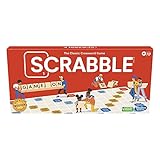
8. Hasbro Gaming Scrabble Board Game, Classic Word Games for Kids Ages 8 and Up, Fun Family Game for 2-4 Players, The Classic Crossword Game
Overview:
Scrabble remains the gold standard for word-based board games, challenging players to build high-scoring crossword grids using letter tiles. This edition includes a textured game board, 100 wooden tiles, and racks, staying true to the 70-year-old classic while offering tactile, screen-free engagement for ages 8+.
What Makes It Stand Out:
Timeless appeal meets refined physicality: the wooden tiles and board provide satisfying heft and durability unmatched by digital versions. Premium squares (double/triple word scores) and strategic depth—like leveraging two-letter words—create genuine tension. It uniquely blends vocabulary skills with spatial strategy, appealing to competitive and casual players alike.
Value for Money:
A solid investment for word-game enthusiasts. While cheaper plastic sets exist, the wooden components ensure longevity, justifying a moderate premium. Compared to subscription-based digital games, it offers infinite replayability without hidden costs, making it economically sensible for families.
Strengths and Weaknesses:
Strengths: Builds literacy and critical thinking, high-quality materials, fosters intergenerational play, endlessly replayable.
Weaknesses: Can frustrate younger kids with complex scoring; setup/takedown is slower than card games. Limited appeal for non-verbal learners.
Bottom Line:
An enduring classic that delivers educational value and strategic fun. Despite minor accessibility hurdles for young children, its craftsmanship and cognitive benefits make it a worthy staple for any family game shelf. Essential purchase.
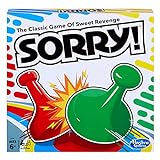
9. Sorry! Board Game for Kids Ages 6 and Up; Classic Hasbro Board Game; Each Player Gets 4 Pawns; Family Game
Overview:
“Sorry!” is a nostalgic race game where players sprint four pawns from start to home while sabotaging opponents via strategic card draws. This edition stays faithful to the original, emphasizing luck-driven chaos with slides, collisions, and the iconic “Sorry!” move that sends rivals backward—a perfect entry point for young gamers (ages 6+).
What Makes It Stand Out:
Pure, unadulterated excitement defines “Sorry!” The constant back-and-forth (thanks to cards like “4” or “10”) ensures no player is ever out of contention, maintaining engagement until the final move. Its simplicity—learnable in minutes—makes it ideal for teaching turn-taking and handling setbacks, all wrapped in vibrant, timeless design.
Value for Money:
Exceptional for the price. As a durable, mass-market classic, it costs less than many modern board games while offering decades of play. The straightforward rules reduce the need for replacements, providing unmatched longevity per dollar spent for families seeking reliable, repeatable fun.
Strengths and Weaknesses:
Strengths: Effortless to learn, wildly entertaining for kids, encourages emotional resilience, supports 2–4 players, compact storage.
Weaknesses: Heavy reliance on luck may frustrate strategy-focused players. Younger kids might struggle with card interpretation initially.
Bottom Line:
A cornerstone of family game nights that reliably delivers joyful chaos. Its accessibility and enduring charm make it a no-brainer for households with young children. An easy recommendation for first-time board game buyers.
10. Spin Master Games, Dumb Ways to Die, The Viral Meme Card Game from YouTube and TikTok, Survival Strategy Fun, 2-5 Players, for Ages 12 & Up

Overview:
Based on the viral safety campaign, this card game tasks players with keeping their “beans” alive using survival cards while dodging absurdly fatal scenarios (e.g., “eating super glue”). Designed for ages 12+, it merges dark humor with light strategy as players race to avoid being the last bean standing.
What Makes It Stand Out:
It brilliantly translates internet meme culture into tangible gameplay. The morbidly funny scenarios (“death by helmet removal in space”) spark immediate laughter, while the “everyone dies but you” mechanic creates hilarious alliances and betrayals. Its TikTok/YouTube roots ensure instant recognition and relevance for teens.
Value for Money:
Strong value for meme-centric party games. The compact box delivers high replayability through unpredictable card combinations, outperforming similarly priced games in novelty. While niche, it’s ideal for fans of the original video, justifying cost for targeted audiences seeking edgy humor.
Strengths and Weaknesses:
Strengths: Hilarious premise, fast-paced (15-min rounds), perfect for teen/young adult groups, leverages viral nostalgia effectively.
Weaknesses: Morbid humor won’t suit all families; strategy is shallow. Limited appeal for non-fans of the meme.
Bottom Line:
A niche but brilliantly executed party game for its intended audience. If your group enjoys dark comedy, it’s a riotous crowd-pleaser. Proceed with awareness of its tone—ideal for mature teens, less so for conservative households. Recommended with caveats.
Understanding the Teenage Gaming Mindset
Cognitive Development and Challenge Level
Teenagers are in a prime stage for developing advanced cognitive skills like abstract reasoning, strategic planning, and complex problem-solving. Games that offer layered decision-making, where choices have meaningful consequences several turns ahead, are incredibly engaging. Look for mechanics that require evaluating multiple variables, predicting opponents’ moves, and adapting strategies dynamically. Avoid games that rely heavily on pure luck or simplistic decisions, as these can quickly feel unsatisfying to their maturing intellects. The challenge should be significant but achievable, providing a genuine sense of accomplishment.
Social Dynamics and Interaction Style
The social environment is paramount for teens. Games can either enhance or damage group cohesion depending on their interaction style. Cooperative games, where players work together against the game system, are often excellent choices as they minimize direct player conflict that can lead to real-world friction. Semi-cooperative games, offering a blend of teamwork and individual goals, can also work well. If competitive play is preferred, opt for games with minimal “take-that” mechanics (directly hindering opponents in a negative way) and more indirect competition through area control or resource management. Games that encourage negotiation, alliance-building (with the understanding they might be temporary!), and shared storytelling often resonate deeply.
Relevance of Theme and Narrative
While mechanics are crucial, theme matters immensely for teen engagement. Themes should feel age-appropriate and resonate with their expanding worldview – think strategic exploration, intriguing mysteries, complex societal building, or narratives involving identity, discovery, and consequence. Avoid overly childish themes or those steeped in juvenile fantasy tropes unless the mechanics are exceptionally strong. Themes related to science, history (presented dynamically), contemporary social dynamics (handled thoughtfully), or even abstract concepts presented with strong visual identity can capture their imagination far more effectively than generic medieval quests aimed at younger audiences.
Key Gameplay Mechanics That Resonate
Strategic Depth Without Overwhelming Complexity
The sweet spot lies in games offering significant strategic depth but with streamlined rules. Teens appreciate meaningful choices, but lengthy, fiddly rulebooks are a major turn-off. Look for games with core mechanics that are easy to grasp initially but reveal deeper layers through repeated plays. Concepts like variable player powers (each player has unique abilities), legacy elements (where the game evolves permanently over multiple sessions), or deck-building (customizing a personal deck during play) provide this rewarding complexity without requiring PhD-level rule mastery on turn one.
Meaningful Player Agency and Impact
Teens need to feel their decisions truly matter. Games where early choices significantly shape the entire trajectory of the game, where players have multiple viable paths to victory, and where random elements (like dice rolls) don’t dominate the outcome are highly valued. Mechanics that allow for player expression – choosing a unique strategy, building a distinct engine, or making impactful narrative choices – foster investment and replayability. Avoid games where luck overwhelmingly dictates success or where players feel powerless after a few turns.
Engaging Turn Structure and Pacing
Downtime – the period waiting for your turn – is the enemy of teen engagement. Games with simultaneous action selection, player roles that stay active during others’ turns, or phases where all players participate continuously keep energy high. Ideal games typically have turns that are quick to execute once understood, maintaining a brisk pace. Sessions should ideally fit within a manageable timeframe, generally 60-90 minutes for most groups, avoiding marathon sessions that test patience unless the group specifically seeks that depth. Look for clear turn sequences that minimize confusion and delays.
Design and Physical Components Matter
Component Quality and Visual Appeal
Teens are discerning; cheap, flimsy components or dated, unappealing artwork will diminish the experience. Sturdy cards, well-sculpted miniatures (if used), satisfying tokens, and a board with clear, modern graphic design contribute significantly to the perceived value and enjoyment. High-quality components feel more engaging to handle and set the right tone for a premium experience. Artwork should be contemporary, thematic, and visually interesting – it’s often the first thing that draws them in and helps immerse them in the game’s world.
Table Presence and Setup Time
Consider the physical footprint. Games requiring excessive table space might be impractical for common teen hangout spots. Setup time is critical; lengthy, fiddly setup becomes a barrier to actually playing. Games that can be set up in 5 minutes or less, with components that are easy to organize and store, get played more often. A clean, intuitive board layout with clear player areas also reduces initial confusion and speeds up learning. Portability can be a plus for gaming on the go between classes or at different houses.
Accessibility and Learning Curve
The initial hurdle of learning a game is crucial. Games with intuitive iconography, well-structured rulebooks (preferably with visual examples), and a logical progression from basic to advanced rules are essential. Avoid games notorious for “analysis paralysis” (excessive overthinking turns) unless the group specifically enjoys that depth. Games that offer a streamlined “introductory scenario” or have modular complexity (starting simple and adding rules later) are excellent for easing teens into more strategic play without overwhelming them.
Practical Considerations for Selection
Group Size Flexibility
Teen gatherings are rarely perfectly consistent in size. Prioritize games that scale well across a range, typically accommodating 3-5 players effectively. Games that feel drastically different (or broken) at the minimum or maximum player count are less versatile. Check if the game includes official variants or community-tested modifications for different group sizes. Solo modes, while not the primary focus, can be a bonus for individual play or practice.
Replayability Factors
The investment in learning and buying a game needs to pay off in multiple plays. High replayability comes from variable setups (different maps, objectives, or player powers each game), legacy systems, scenario-based campaigns, or inherent randomness that creates unique challenges every time. Games where optimal strategies aren’t immediately obvious and evolve with player skill level also encourage repeated plays. Avoid games where the “best” path to victory becomes predictable after just a few sessions.
Age Appropriateness Beyond the Box
While manufacturer age ratings are a starting point, look deeper. Consider thematic maturity – does the game involve concepts, imagery, or discussions suitable for the specific teens? A game rated 14+ might have mechanics perfect for a mature 13-year-old but contain themes better suited for older players. Conversely, a mechanically simpler game rated 10+ might have a theme that feels too young for a 16-year-old. Evaluate both the cognitive demands and the thematic content independently.
Budget and Value Perception
Teens (and their parents) are often budget-conscious. Assess the price point against the component quality, depth of gameplay, and expected number of plays. A moderately priced game with high replayability often offers better value than a very expensive one played once. Consider durability – will the components hold up to enthusiastic play? Games that support expansions can offer long-term value, but the core experience must be strong and complete on its own.
Balancing Competition and Cooperation
Understanding the group’s preference is key. Some teen groups thrive on cutthroat competition, while others prefer collaborative problem-solving to avoid interpersonal tension. Observe or ask about past positive gaming experiences. Many modern games successfully blend both, offering cooperative frameworks with individual objectives or competitive games with strong positive interaction (trading, alliances). The key is ensuring the competitive elements feel fair and fun, not personally hostile.
Time Investment Realities
Be realistic about the time teens can commit. While epic 3-hour strategy sessions have their place, games fitting neatly into after-school hours, weekend afternoons, or before dinner are more likely to get frequent play. Prioritize games with clear, manageable time estimates that match typical teen schedules. Games offering “quick play” variants or modular sessions (play a scenario one day, the next another) can fit better into busy lives than rigid, lengthy campaigns.
Integrating Games into Teen Life
Fostering Social Connection Offline
In a hyper-connected digital world, board games provide irreplaceable face-to-face interaction. They create shared experiences, inside jokes, and memories built through direct communication and non-verbal cues. The collaborative problem-solving or friendly competition inherent in many games builds trust, empathy, and communication skills in a low-pressure, enjoyable setting. This tangible social bonding is a critical antidote to the isolation sometimes fostered by online interactions.
Developing Transferable Life Skills
Beyond fun, strategic board games are stealthy skill-builders. They enhance critical thinking, resource management, risk assessment, and long-term planning – all vital for academic and future career success. Negotiation games teach persuasion and reading social cues. Cooperative games foster teamwork, communication, and understanding different perspectives. Even managing frustration during a loss or adapting to unexpected setbacks within the game mirrors real-life resilience development.
Frequently Asked Questions
Frequently Asked Questions
What is the ideal playtime length for a board game with teens? Most teens engage best with games lasting between 60 and 90 minutes. This fits well after school or on weekends without becoming overwhelming. Games significantly shorter might feel insubstantial, while those consistently over 2 hours can test attention spans unless the group is highly dedicated.
How important is theme compared to game mechanics for teenagers? Both are crucial, but mechanics often underpin long-term enjoyment. A compelling theme draws initial interest, but if the core gameplay is shallow or frustrating, teens will quickly lose interest. The ideal game has a theme that resonates with their interests and mechanics that provide engaging, strategic depth to sustain play.
Are cooperative games generally better for teen groups than competitive ones? Cooperative games are often excellent starting points as they minimize direct conflict and foster teamwork, which can be ideal for mixed or newer groups. However, many teens also enjoy healthy competition. The key is choosing competitive games with positive interaction (like trading) and minimal direct “take-that” mechanics that can cause real friction.
How can I tell if a game’s complexity is right for a teenager? Look beyond the age rating. Check reviews specifically mentioning teen or young adult experiences. Games with modular rules (starting simple), clear visual aids, and a learning curve where basic play is accessible but depth unfolds over time are good indicators. Avoid games known for extremely lengthy rule explanations or excessive fiddliness.
What are the biggest turn-offs for teens when it comes to board games? Common turn-offs include excessive downtime between turns, rules that feel overly fiddly or arbitrary, themes that feel childish or irrelevant, components that are cheap or hard to manage, and games heavily reliant on luck rather than skill. Marathon playtimes for inexperienced groups are also a major barrier.
How can I encourage teens who are primarily video gamers to try board games? Start with games that have strong spatial elements, quick turns, or familiar strategic concepts (like territory control or deck-building) that might bridge the gap. Emphasize the unique social buzz of playing together in person. Choose visually appealing games with minimal setup. Avoid anything that feels like “homework” or too much like a traditional board game they might associate with childhood.
Do games with miniatures appeal more to teens? High-quality, detailed miniatures can enhance immersion and tactile enjoyment, which many teens appreciate. However, they aren’t essential. Games with excellent graphic design, unique tokens, or even abstract but satisfying components can be equally engaging. Poorly sculpted or flimsy miniatures are often worse than none at all.
How crucial is replayability when choosing a game for teens? Extremely crucial. Teens are less likely to invest time learning complex rules if a game feels “solved” after two or three plays. Look for elements like variable player powers, different scenarios, legacy progression, or inherent randomness that creates unique experiences each time, ensuring the game stays fresh and worth returning to.
Should I prioritize games that accommodate the exact number in my usual group? Flexibility is key. Groups often fluctuate. Prioritize games that work well across a small range (e.g., 3-5 players) rather than one perfect for exactly 4. Check if the game has official variants for different player counts. A game that scales poorly becomes unusable if one person can’t make it.
Can board games actually help with teenage social development? Absolutely. They provide structured, low-pressure environments for practicing communication, negotiation, teamwork, handling winning and losing gracefully, reading social cues, and building empathy – all vital social-emotional skills. The shared focus on the game itself can also make deeper conversations flow more naturally afterward.
See Also
- The 10 Best Mind Game Board Games for Sharpening Focus in 2026
- 10 Best Value Board Games for Game Night Hosts in 2026
- 10 Most Durable Classic Board Games Based on Real User Reviews in 2026
- The 10 Ultimate Best Mythology Board Games for Legend Lovers in 2026
- 10 Best Board Games After 6 Months of Testing in 2026