Table of Contents
Gather ‘round the table, but leave the rivalry at the door. For many families, the promise of a cozy game night often dissolves into tense standoffs, hurt feelings, or even full-blown arguments over who’s “winning” (or more accurately, who’s “losing”). If your household dreads the competitive edge of traditional board games, you’re not alone. The good news? The board game world has evolved far beyond cutthroat competition, offering a vibrant landscape of experiences designed specifically to bring people together, not push them apart. Imagine laughter that isn’t tinged with frustration, teamwork that feels genuine, and a shared sense of accomplishment where everyone truly wins – that’s the magic waiting for families seeking a different kind of play.
Moving away from head-to-head battles doesn’t mean sacrificing fun, strategy, or engagement. It opens the door to cooperative adventures, creative storytelling, and collaborative problem-solving where the family unit itself becomes the protagonist. These games shift the focus from individual triumph to collective success, fostering communication, empathy, and genuine connection around the table. Whether you have young children just learning the ropes, teens who usually roll their eyes at family time, or grandparents looking for relaxed interaction, there’s a perfect non-competitive experience out there. Let’s explore how to find games that turn game night into a cherished ritual of togetherness, not tension.
Top 10 Cooperative Board Games
Detailed Product Reviews
1. Gamewright - Forbidden Island - Cooperative Strategy Survival Board Game, 2-4 Players
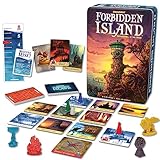
Overview: Forbidden Island plunges 2-4 players (ages 10+) into a race against time on a sinking island. Designed by Matt Leacock, players cooperate as adventurers retrieving sacred treasures before the island vanishes, emphasizing teamwork and strategic planning over competition. What Makes It Stand Out: Its innovative cooperative mechanics and dynamic, physically collapsing board create intense, shared tension. Rich illustrations immerse players in the perilous setting, while the straightforward ruleset makes it exceptionally accessible for families without sacrificing strategic depth or replayability. Value for Money: Priced moderately, it delivers exceptional value through high-quality components, robust replayability due to variable treasure locations and difficulty levels, and its proven ability to foster genuine collaboration—outperforming many competitive games in family engagement per dollar. Strengths and Weaknesses: Strengths: Excellent teamwork focus; easy to learn but challenging to master; durable components; promotes critical thinking. Weaknesses: Limited player count (max 4); replay value diminishes slightly after many plays without variants; younger kids may need guidance with strategy. Bottom Line: A near-perfect family cooperative game that masterfully balances excitement, strategy, and accessibility. Highly recommended for game nights seeking meaningful teamwork over cutthroat competition.
2. Ravensburger Horrified Games - Greek Monsters - Strategy Board Game - Boost Critical Thinking & Teamwork - Cooperative Gameplay - Unique Monster Challenges - 1 to 5 Players - Adults & Kids 10+

Overview: Horrified: Greek Monsters challenges 1-5 players to cooperatively banish six iconic Greek mythological threats (like Medusa and Cerberus) from the realm of Elysium. It combines thematic depth with strategic puzzle-solving, targeting ages 10+ for family or small group play. What Makes It Stand Out: Each monster presents a uniquely crafted, thematic challenge requiring distinct tactics, ensuring vastly different experiences per game. Stunning artwork and high-quality miniatures deeply immerse players, while the modular board and layered objectives create a rich, narrative-driven puzzle. Value for Money: Justifies its price point through exceptional component quality, remarkable replayability (thanks to six distinct monsters), and a robust 60-minute playtime packed with strategic decisions. It offers more varied content per session than many similarly priced cooperative games. Strengths and Weaknesses: Strengths: Highly replayable with unique monster mechanics; beautiful, thematic components; scales well for 1-5 players; strong critical thinking demand. Weaknesses: Setup can be time-consuming; some monster rules are complex for younger players; limited strategic depth compared to heavyweight eurogames. Bottom Line: A visually stunning, deeply engaging cooperative experience with immense replay value. Ideal for families and groups seeking thematic variety and strategic challenges, earning its place as a standout game night choice.
3. Flow: The Official Cooperative Board Game | Strategy Game for 1–4 Players Ages 8+ | Based on The Award-Winning Animated Film | Family & Solo Play | Survive The Flood, Rescue Allies
Overview: Flow translates the emotional, wordless animated film into a real-time cooperative board game for 1-6 players (ages 8+). Players navigate a beautifully illustrated, modular island environment threatened by rising floodwaters, working together to rescue allies before time runs out. What Makes It Stand Out: The real-time pressure of the rising water mechanic creates intense, heart-pounding urgency rarely seen in family co-ops. The modular board and scenario cards ensure high replayability, while the direct adaptation of the film’s poignant aesthetic provides a unique, emotionally resonant experience. Value for Money: Offers solid value with its solo-play capability, high replayability through scenarios and variable setups, and thematic depth. While components are good, the price feels slightly steep compared to simpler co-ops, though the unique real-time element justifies the cost for many. Strengths and Weaknesses: Strengths: Innovative real-time flooding mechanic; strong solo play; beautiful art tied to the film; high replayability; emotionally engaging theme. Weaknesses: Real-time pressure may frustrate some; rules for water movement can feel fiddly; component quality is decent but not premium. Bottom Line: A visually captivating and tense cooperative experience that successfully captures the film’s spirit. Highly recommended for families and solo gamers wanting immersive, emotionally driven gameplay with a unique time-pressure twist.
4. Pressman The Oregon Trail Card Game - Cooperative Gameplay Based on The Classic Computer Game, Ages 12 and Up, 2-6 Players

Overview: This card game distills the iconic computer game into a cooperative survival experience for 2-6 players (ages 12+). Players manage resources, face historical hardships like dysentery, and strive to guide their wagon train to Oregon using charming 8-bit retro art and dark humor. What Makes It Stand Out: Its brilliant blend of nostalgic 8-bit visuals and cheeky, morbid humor transforms grim historical challenges into lighthearted fun. The cooperative deck-building mechanics are simple yet engaging, perfectly capturing the spirit of the original game in a compact, portable format. Value for Money: An excellent budget-friendly option. The low price point delivers surprising depth and replayability through variable objectives and the sheer fun of overcoming shared misfortunes with humor. It outperforms pricier games in pure entertainment value for casual groups. Strengths and Weaknesses: Strengths: Hilarious theme execution; strong nostalgia factor; quick setup and play (30-45 mins); accessible rules; great group interaction. Weaknesses: Limited strategic depth; theme may not appeal to all; card quality is functional but thin; luck can heavily influence outcomes. Bottom Line: A witty, accessible, and highly enjoyable homage that nails the spirit of the original. Perfect for casual game nights seeking laughter and lighthearted cooperation, offering tremendous fun without breaking the bank.
5. Pandasaurus Cooperative Strategy Card Game - Fun Interactive Family Game for Ages 8+, 1-5 Players, 20 Minute Playtime
Overview: “The Game” (by Pandasaurus) is a minimalist, award-winning cooperative card game for 1-5 players (ages 8+). Players work together to play all 98 cards from two shared decks in ascending and descending sequences under strict communication constraints, aiming for the longest possible sequence. What Makes It Stand Out: Its deceptive simplicity—minimal components, near-silent communication rules—creates profound strategic depth and intense group focus. Winning requires exceptional non-verbal teamwork and foresight, delivering a uniquely pure cooperative puzzle experience that’s easy to learn but incredibly challenging to master. Value for Money: Exceptional value. The compact box contains high-quality cards and offers near-infinite replayability through its core mechanic. At its price, it delivers more strategic engagement per minute and per dollar than many larger, more complex games, especially given its global acclaim. Strengths and Weaknesses: Strengths: Brilliant, deep cooperative puzzle; extremely portable; fast setup/play (20 mins); highly replayable; award-winning design. Weaknesses: Very abstract theme; communication restrictions can frustrate new players; lacks visual flair; not suitable for those seeking narrative or luck-based fun. Bottom Line: A masterclass in minimalist cooperative design that’s both accessible and deeply strategic. An essential, high-value addition for families and groups seeking pure, challenging teamwork—a true modern classic deserving its accolades.
6. Spin Master Games, SolidRoots Escaping Extinction, Cooperative Strategy Board Game from The Makers of Mind The Gap, for Kids & Family, 1-4 Players, for Ages 12 & Up

Overview: SolidRoots Escaping Extinction is a cooperative strategy game where 1-4 players become clever dinosaurs racing to assemble a 3D rocket and flee an impending meteor strike. Players explore a dynamically shifting prehistoric world, gathering rocket parts while navigating environmental hazards before time runs out. Designed for ages 12+, it transforms family game night into a collaborative survival challenge.
What Makes It Stand Out: The game excels with its modular tile-based board, ensuring a unique layout and strategic puzzle every session. Earthquake cards dynamically alter the terrain mid-game, forcing adaptive teamwork. The tangible 3D rocket assembly provides satisfying physical engagement, while the dinosaur theme offers a fresh, non-violent narrative twist on cooperative play, distinguishing it from typical survival games.
Value for Money: Priced competitively for its component quality (including sturdy tiles and rocket pieces), it delivers exceptional replayability through variable setups. Compared to similar-priced strategy games, its focus on seamless family collaboration—without player elimination—offers better long-term value for households seeking inclusive, screen-free entertainment that grows with older kids.
Strengths and Weaknesses: Strengths: Highly replayable board configuration; intuitive cooperative mechanics ideal for introducing strategic thinking; engaging 3D assembly; dynamic earthquake events prevent predictable strategies. Weaknesses: Age recommendation feels slightly high for the core mechanics; rocket assembly can slow pace for younger players; limited strategic depth for hardcore gamers.
Bottom Line: SolidRoots Escaping Extinction is a vibrant, accessible cooperative gem that masterfully blends theme and mechanics. Its ever-changing challenges and hands-on rocket building make it a standout choice for families wanting thoughtful, replayable fun—highly recommended for game nights seeking unity over competition.
7. The Lord of The Rings: Adventure to Mount Doom | Family Game | Cooperative Game | Strategy Game

Overview: Adventure to Mount Doom thrusts 1-4 players into Middle-earth as they cooperatively guide Frodo toward Mount Doom to destroy the One Ring. This strategy game combines dice rolling and card management to navigate perils, evade Ringwraiths, and fulfill quests within a tense 50-minute playtime. It captures Tolkien’s epic narrative in a family-friendly package suitable for ages 10+.
What Makes It Stand Out: The game’s narrative immersion is exceptional, translating iconic LOTR moments into tangible gameplay decisions. Unique “corruption” mechanics escalate tension as players balance speed against the Ring’s corrupting influence. Solo mode is robust, and the dice/card synergy creates meaningful choices—like sacrificing progress to heal—without overwhelming complexity.
Value for Money: At its price point, it offers strong thematic depth rarely seen in entry-level cooperative games. While components are functional (not premium), the rich storytelling and high replayability through variable objectives justify the cost. It’s a more affordable gateway into Tolkien’s world than high-end LOTR board games, making epic strategy accessible.
Strengths and Weaknesses: Strengths: Compelling narrative integration; intuitive rules for newcomers; excellent solo play; tight 50-minute runtime; meaningful risk-reward decisions. Weaknesses: Dice reliance can frustrate with unlucky streaks; art style may feel generic next to premium LOTR games; minimal player differentiation.
Bottom Line: Adventure to Mount Doom succeeds as a streamlined, thematic cooperative experience that distills LOTR’s essence into digestible family gameplay. Despite minor randomness, its engaging quest structure and solo viability make it a worthy investment for casual fans and strategy novices alike.
8. Castle Panic 2nd Edition | Cooperative Board Game for Adults and Family | Ages 8+ | for 1 to 6 Players | Average Playtime 45 Minutes | Made by Fireside Games

Overview: Castle Panic 2nd Edition is a tower-defense cooperative game where 1-6 players band together to repel monstrous hordes besieging Castle Bravehold. Players use strategy cards to target enemies advancing from the forest, aiming to protect three 3D towers. With a 45-minute runtime and accessibility for ages 8+, it’s a staple for family or group game nights.
What Makes It Stand Out: The game shines with its inclusive design—allowing players of all ages/skill levels to contribute meaningfully. Four distinct modes (including competitive “Master Slayer” and asymmetric “Overlord”) vastly extend replayability. The tactile 3D towers and vibrant monster tokens create immediate visual engagement, while plague and boulder mechanics force dynamic teamwork under pressure.
Value for Money: Exceptional for its player count flexibility (1-6) and physical components. Compared to similar cooperative games, its durability and multiple play modes offer superior longevity. The 2nd Edition’s refined rules and enhanced art justify the cost, making it a budget-friendly cornerstone for any game library seeking adaptable, high-energy fun.
Strengths and Weaknesses: Strengths: Seamless scalability for groups; intuitive card-based combat; high replay value via modes; visually engaging components; minimal downtime. Weaknesses: Can feel chaotic with large groups; limited strategic depth for veteran gamers; tower assembly is fragile over time.
Bottom Line: Castle Panic remains a top-tier cooperative gateway game, blending approachability with tense, shared decision-making. Its versatility and enduring charm make it an essential, crowd-pleasing pick for families and casual gamers seeking reliable, heart-pounding teamwork.
9. Happy Camper - The Four Doors | New Cooperative Game by Creator of Forbidden Island and Pandemic | Super Portable | Great for Solo Play, Two Players, and Groups
Overview: Happy Camper: The Four Doors, designed by Pandemic’s Matt Leacock, challenges 1-5 players to recover sacred treasures from a mystical tower before shadows seal the exits. This compact cooperative game emphasizes quick setup, strategic door management, and treasure collection within a tight 30-minute session, targeting ages 10+ with its portable design.
What Makes It Stand Out: Leacock’s signature streamlined mechanics shine here—simple rules mask deep tactical choices, especially in balancing exploration against shadow threats. Its super-portable size (fits in a jacket pocket) and robust solo mode are unmatched in the genre. The “door rotation” mechanic creates elegant spatial puzzles, while the 30-minute playtime fits perfectly into tight schedules.
Value for Money: As a niche, expertly designed micro-game, it justifies its price through sheer elegance and portability. It lacks the components of bigger games but excels as a travel or filler game. Compared to Leacock’s heavier titles, this offers 80% of the strategic satisfaction at half the complexity and size, ideal for on-the-go gamers.
Strengths and Weaknesses: Strengths: Brilliantly portable; lightning-fast setup/play; deep yet accessible strategy; exceptional solo mode; Leacock’s refined design philosophy. Weaknesses: Minimal physical components (cardboard tokens); limited theme immersion; short playtime may disappoint those seeking epic sessions.
Bottom Line: Happy Camper delivers a masterclass in minimalist cooperative design. Perfect for travelers, couples, or quick game nights, its ingenious mechanics and portability make it a must-buy for fans of efficient, brain-teasing fun—proving big strategy fits in small packages.
10. Ravensburger Alien: Fate of The Nostromo Board Game for Ages 10 & Up – A Cooperative Strategy Game of Suspense
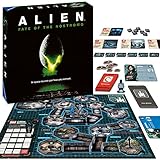
Overview: Alien: Fate of The Nostromo immerses 1-5 players as Nostromo crew members (including Ripley) racing to complete ship objectives while evading a relentless Xenomorph. This cooperative thriller blends item crafting, area movement, and morale management in tense 60-90 minute sessions, leveraging the iconic film’s suspense for ages 10+.
What Makes It Stand Out: The game masterfully replicates Alien’s claustrophobic horror through mechanics like the Alien’s hidden movement and limited crew visibility. Detailed miniatures and atmospheric art deepen immersion, while Ash’s “traitor-lite” role adds brilliant asymmetric tension. Variable final missions and encounter cards ensure high replayability within the ship’s modular corridors.
Value for Money: Premium components (miniatures, art, tokens) justify its higher price point. Compared to other licensed games, it avoids being a shallow cash-grab by embedding theme into core mechanics. The included online tutorial and robust solo rules maximize usability, offering substantial value for horror and strategy fans seeking cinematic depth.
Strengths and Weaknesses: Strengths: Exceptional thematic integration; stunning miniatures/art; Ash mechanic elevates tension; strong solo/co-op balance; high replayability via missions. Weaknesses: Setup is time-consuming; steep learning curve for new players; Alien AI can feel unpredictable.
Bottom Line: Ravensburger’s Alien is a triumph of thematic board gaming—intense, visually stunning, and mechanically sharp. Despite setup demands, its ability to evoke the film’s terror while delivering strategic depth makes it a worthy investment for horror enthusiasts and seasoned gamers.
Understanding the Shift from Competition to Collaboration
Why Traditional Competition Can Backfire for Families
Many classic board games are built on direct conflict – blocking opponents, stealing resources, or aiming to be the sole victor. For families, especially those with mixed ages or sensitivities, this structure can quickly escalate minor disagreements into major frustrations. Younger children may feel constantly defeated, leading to disengagement or meltdowns. Older players might feel pressured to “go easy,” which can feel patronizing or unfulfilling. The inherent stress of losing, particularly in a setting meant for relaxation, can overshadow the intended fun, making game night something to avoid rather than anticipate.
The Emotional Benefits of Cooperative Play
Games designed for shared goals fundamentally change the emotional dynamic. Instead of fostering “me vs. you,” they cultivate “us vs. the challenge.” This shift reduces defensiveness and blame, as setbacks become the group’s problem to solve together, not an individual’s failure. Success feels sweeter because it’s genuinely shared, building stronger bonds and positive associations with family time. Players learn to communicate effectively, support each other’s ideas, and celebrate collective wins, reinforcing valuable social-emotional skills in a low-stakes, enjoyable environment.
Recognizing Different Flavors of Non-Competitive Play
“Non-competitive” encompasses more than just pure cooperation. It includes semi-cooperative games where players might have individual elements but share an overarching goal, legacy games that evolve storylines through collaborative choices, and open-ended creative or narrative games with no winner declared at all. Understanding these variations helps match the game’s structure to your family’s specific preferences and tolerance for even mild individual agency within a group framework.
Key Mechanics to Look For in Family-Friendly Games
Pure Cooperative Objectives
This is the cornerstone for families averse to competition. In these games, everyone wins or loses together based on how well the group tackles a shared challenge against the game system itself. Look for mechanics where players combine their unique abilities, share resources openly, and make decisions through group discussion. The absence of player-vs-player conflict ensures the focus remains entirely on strategizing as a unified team against the game’s puzzles or obstacles.
Shared Decision-Making Processes
How decisions are made is crucial. Opt for games that encourage genuine group input rather than having one dominant player dictate moves (a common pitfall called “Quarterbacking”). Mechanics like consensus-building, voting on strategies, or轮流 taking lead roles in different phases can distribute agency and keep all players actively engaged in shaping the outcome, preventing frustration from passive participation.
Adjustable Difficulty for Mixed Ages
A game that’s too easy bores older kids, while one that’s too hard frustrates younger ones. Seek titles with clear, scalable difficulty settings – perhaps through variable starting conditions, adjustable challenge levels, or modular components. This flexibility ensures the game remains challenging and engaging for the whole family as skills develop, preventing it from becoming obsolete after just a few plays or causing constant struggle.
Evaluating Themes and Content for Family Appeal
Choosing Universally Engaging Settings
Theme matters immensely for buy-in. While pirates or knights might excite some, consider themes with broader appeal that spark imagination without relying on conflict: exploring magical forests, solving mysteries in a quirky town, building a community garden, or embarking on a space rescue mission. Themes centered around creativity, discovery, problem-solving, or lighthearted storytelling tend to resonate well across age groups and minimize potentially triggering competitive imagery.
Ensuring Age-Appropriate Complexity and Tone
Complex rulebooks are the enemy of relaxed family fun. Prioritize games with intuitive, teachable mechanics that get you playing quickly. The theme should also match the maturity level of your youngest player – avoid overly complex narratives or dark tones that might confuse or unsettle them. Simpler, visually engaging themes with clear objectives are often most successful for inclusive family play.
Fostering Creativity and Open-Ended Play
Games that encourage storytelling, artistic expression, or open-ended building can be perfect for non-competitive families. These often lack a defined “win condition,” focusing instead on the joy of creation and shared imagination. Mechanics like collaborative drawing, building structures together, or weaving a group story allow for self-expression without judgment or comparison, making every session unique and pressure-free.
Practical Considerations for Family Game Selection
Managing Game Length and Pacing
Respect everyone’s attention spans. For families new to non-competitive games or with younger members, shorter playtimes (20-45 minutes) are often ideal to maintain energy and focus. Look for games with clear phases or natural stopping points. Avoid games with excessive downtime between turns, as this can lead to disengagement, especially for children. Smooth, continuous gameplay keeps the whole group involved and excited.
Assessing Component Quality and Setup Time
Frustration often starts before the game even begins. Complex setups with dozens of tiny pieces are a recipe for annoyance. Prioritize games with intuitive organization, durable components (thick cards, solid miniatures), and reasonably quick setup/cleanup times. If getting the game ready feels like a chore, it won’t become a regular activity. Streamlined setup preserves the positive mood you’re aiming for.
Considering Player Count Flexibility
Family sizes vary, and players might not always be available. Games that play well across a range of player counts (e.g., 2-5 players) offer much greater long-term value. Check if the game scales meaningfully – does it feel equally engaging with two players as it does with five? Games that rely heavily on group discussion often shine with more players, while others might become unwieldy. Know your typical group size.
Overcoming Potential Hurdles
Addressing the “Where’s the Winner?” Mentality
Players accustomed to competitive games might initially feel unsatisfied without a declared victor. Emphasize the different rewards: the satisfaction of solving a tough puzzle together, the fun of the shared story created, or the simple joy of uninterrupted, positive interaction. Frame success as “Did we enjoy ourselves and work well as a team?” rather than “Who got the most points?” Celebrate the process, not just the outcome.
Preventing Analysis Paralysis in Group Decisions
When the whole group decides every move, discussions can stall. Establish gentle ground rules beforehand: set time limits for decisions, encourage players to propose solutions (“I think we should do X because…”), or use a simple voting system for major choices. The goal is collaborative efficiency, not endless debate. Sometimes, just starting the timer for a turn can keep momentum going.
Integrating Players Who Prefer Mild Competition
Not every family member might dislike competition equally. Semi-cooperative games can be a great bridge. These often have a shared main objective but include minor individual goals or hidden roles that add a touch of personal stakes without direct conflict. The key is ensuring the primary focus remains on the group succeeding, with any individual elements being secondary and non-sabotaging.
Building the Perfect Non-Competitive Game Night Routine
Setting the Stage for Positive Interaction
Create an environment conducive to collaboration. Ensure comfortable seating, good lighting, and minimal distractions. Start with a quick reminder of the night’s goal: “Tonight, we’re working together as a team – let’s support each other and have fun!” A little intention-setting goes a long way in establishing the right mindset before the first card is drawn.
Facilitating Inclusive Participation
Actively encourage quieter members to share ideas, especially children. Use open-ended questions: “What do you think our next move should be?” or “How could we use this card?” Rotate who reads rules or sets up components to give everyone a sense of ownership. The facilitator (often an adult initially) should gently guide discussion towards consensus without dominating it.
Reflecting on the Experience Together
After the game, take 5 minutes to debrief positively. Ask: “What was the most fun part for you?” or “How did we work well as a team when we faced [specific challenge]?” Avoid dwelling on mistakes; focus on the collaborative effort. This reflection reinforces the positive aspects of non-competitive play and strengthens the family bond created during the game.
Frequently Asked Questions
How do I explain the concept of “no winner” to my kids used to competitive games?
Focus on the shared adventure: “Instead of racing to be first, we’re all on the same team trying to solve this puzzle/save the kingdom/build the coolest city together. Our win is seeing what we can create as a family!”
Can truly cooperative games still be challenging and strategic?
Absolutely. The challenge comes from mastering the game’s mechanics and working together efficiently against the system’s obstacles. Many offer deep strategic layers in resource management, planning, and adapting to random events, requiring real teamwork to overcome.
What if one family member really enjoys competition? Won’t they be bored?
Semi-cooperative games are ideal here. They offer a shared main goal but might include minor personal objectives or variable roles that provide individual engagement without direct conflict, satisfying the competitive spark within a collaborative framework.
Are non-competitive games suitable for very young children (under 5)?
Yes! Look for games focused on simple cooperative actions, storytelling, or creative play with minimal rules. Games involving rolling a single die for the group, collaborative coloring, or building a story together are perfect entry points.
How do I stop one person from dominating decisions (Quarterbacking)?
Set ground rules: “Everyone suggests one idea before we discuss,” use a talking stick, or assign rotating “lead thinker” roles each turn. Emphasize that the best solutions come from combining everyone’s thoughts.
Do these games help with sibling rivalry?
Indirectly, yes. By shifting the dynamic to “us vs. the game,” siblings learn to communicate, compromise, and support each other towards a common goal, building positive interaction patterns that can carry over outside game night.
Are non-competitive games more expensive than traditional ones?
Not inherently. Price varies widely based on components and complexity, just like competitive games. Many excellent cooperative and creative games fall within standard family game price ranges. Focus on value through replayability and family enjoyment.
How long does it take for a competitive player to adjust to cooperative play?
It varies. Be patient and positive. Start with lighter, faster games. Highlight the fun aspects they do enjoy (story, art, puzzle-solving). Often, experiencing the stress-free enjoyment of a few sessions is the best conversion tool.
Can we play these games with extended family or mixed-age groups?
Often, yes! Many non-competitive games scale well and have adjustable difficulty, making them excellent for gatherings. The shared goal naturally includes everyone, regardless of age or gaming experience, fostering intergenerational connection.
What’s the biggest mistake new players make with cooperative games?
Trying to play too quietly or not communicating enough. Active discussion, sharing information openly, and brainstorming together are essential mechanics in themselves. Encourage constant, positive table talk – it’s not cheating, it’s how you win!
See Also
- 10 Best Board Games for Families with Young Children in 2026
- 10 Game-Changing Doodle Board Games for Creative Families in 2026
- The 10 Best Mind Game Board Games for Sharpening Focus in 2026
- 10 Best Value Board Games for Game Night Hosts in 2026
- 10 Most Durable Classic Board Games Based on Real User Reviews in 2026