Table of Contents
Throwing a party where guests actually mingle, laugh until their sides hurt, and forget about their phones? It’s the dream, right? Forget awkward silences or the slow creep towards the snack table followed by an early exit. The secret weapon for transforming any gathering from meh to legendary isn’t just the playlist or the punch bowl – it’s the right game. Choosing the perfect adult party game is like finding the ultimate social catalyst; it breaks the ice, builds connections, and injects pure, unadulterated fun into the atmosphere. But with so many options flooding the market, promising wild nights and unforgettable memories, how do you cut through the noise and pick the one that actually delivers for your unique crew?
It’s easy to get tempted by flashy packaging or viral TikTok trends, only to end up with a box that collects dust after one confusing playthrough. The truth is, the “best” game isn’t a universal crown; it’s deeply personal to your group’s vibe, size, energy level, and even the space you have. A game that sends one crowd into fits of hysterics might leave another scratching their heads. That’s why diving into the why and how behind selecting the ideal game is far more valuable than any static “top 10” list. Understanding the core elements that make a game thrive in your specific context is the real key to unlocking those wild, laughter-filled nights you’re envisioning for 2026 and beyond. Let’s unpack the essential considerations.
Top 10 Adult Party Games
Detailed Product Reviews
1. CMYK Wavelength: The Mind Reading Party Game

Overview: CMYK Wavelength is a telepathic party game where players collaborate to pinpoint where a clue (e.g., “wizard or not a wizard”) falls on a spectrum. Supporting 2–12+ players, it boasts effortless setup (5 seconds) and a 30-minute playtime, making it ideal for parties, family gatherings, or team offsites.
What Makes It Stand Out: Its unique “spectrum guessing” mechanic fosters genuine teamwork and intuitive communication, distinguishing it from typical party games. Endorsements from POLYGON (“one of the best party games ever”) and NYT WIRECUTTER add credibility, while its scalability ensures seamless integration into large groups without chaos.
Value for Money: Priced competitively for a high-quality, durable game, it outperforms alternatives by accommodating huge player counts without extra purchases. The quick learn curve (1 minute) maximizes playtime, offering exceptional replayability for its cost—especially compared to games requiring expansions for larger groups.
Strengths and Weaknesses:
Strengths: Incredibly inclusive for all ages; sparks laughter and deep conversation; minimal setup; robust social proof.
Weaknesses: Abstract clues may confuse younger players; relies heavily on group dynamics (less engaging with reserved players).
Bottom Line: A must-buy for social gatherings seeking innovative, cooperative fun. Its simplicity, versatility, and critical acclaim make it worth every penny for groups prioritizing connection over competition.
2. WHAT DO YOU MEME? Incohearent, The Guess The Gibberish Party Game by Relatable, A Funny Card Game for Adults, Great for Bachelorette Party Games or Game Night Games, Includes 300 Cards

Overview: Incohearent is a viral card game where players decode gibberish phrases (e.g., “schmamily schmammer”) against a timer. Designed for 3–8 adults (17+), it leverages meme culture with 300 cards across Party, Spicy, and Pop Culture categories, promising rapid, laughter-filled rounds.
What Makes It Stand Out: Its TikTok fame (750M+ views) and “guess the gibberish” twist create instant, chaotic fun. Unlike traditional word games, it thrives on mispronunciations and quick thinking, with updated content ensuring freshness. The three difficulty tiers cater to varied group vibes, from tame family nights to rowdy bachelor(ette) parties.
Value for Money: At its price point, the 300-card deck offers immense replayability compared to similar games with fewer cards. It’s a steal for groups seeking a low-cost, high-impact icebreaker—though the niche humor may not resonate universally.
Strengths and Weaknesses:
Strengths: Highly shareable/social-media-friendly; easy rules; diverse card categories; great for bonding.
Weaknesses: Humor can feel dated; limited depth for strategy lovers; “Spicy” cards may alienate conservative groups.
Bottom Line: An excellent choice for meme-loving crowds wanting lighthearted, fast-paced chaos. Worth buying if your group enjoys pop-culture humor, but skip if you prefer nuanced gameplay.
3. USAOPOLY BLANK SLATE, Where Great Minds Think Alike, Fun Family-Friendly Board Game, Word Association Party Game, Easy to Learn, Fun to Play Family Game Night, 3-8 Players, Ages 8+
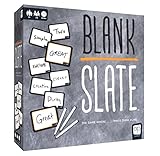
Overview: Blank Slate challenges players to predict common associations by writing single words to complete phrases (e.g., “_______ minds think alike”). For 3–8 players aged 8+, it includes 250 double-sided cue cards, 8 dry-erase slates, and a scoreboard, delivering quick, family-friendly fun in 20-minute sessions.
What Makes It Stand Out: The clever “prediction psychology” mechanic—where matching others’ answers scores points—creates hilarious “aha!” moments. Its genius lies in simplicity: no reading required, making it accessible for kids while still engaging adults. The dry-erase slates add tactile fun and reduce waste versus paper-based alternatives.
Value for Money: The robust components (reusable slates, thick cards) justify the cost, outlasting cheaper card-only games. It’s a superior investment for families versus disposable party games, though smaller groups might find it repetitive over time.
Strengths and Weaknesses:
Strengths: Truly all-ages appeal; zero setup; encourages creative thinking; durable components.
Weaknesses: Limited replayability with small groups; cue cards can feel repetitive after multiple plays.
Bottom Line: A top-tier family game night staple that bridges generational gaps. Highly recommended for households seeking inclusive, screen-free fun—just ensure you have 4+ players for optimal enjoyment.
4. Fofeadm Drinking Board Games for Adults, Rubber Mat Drinking Board Game, Funny Party Interactive Drinking Games for Game Night, Birthday, Family Play or Any Occasion, Age 21+, 2-8 Players

Overview: This rubber mat-based game transforms beverages into a party mechanic, where players roll dice, move pieces, and complete dares or questions. Designed for 2–8 adults (21+), it includes a 15"x11" mat, 8 pieces, and 2 dice, targeting events like birthdays or bachelorette parties.
What Makes It Stand Out: Its portability and versatility shine—it’s a compact mat (not bulky boards) that fits any space, from tailgates to living rooms. The “all-purpose” design encourages spontaneous drinking challenges, fostering loud, unscripted moments ideal for breaking the ice at adult gatherings.
Value for Money: As a low-cost mat (not a full board), it’s affordable but lacks depth. Cheaper than elaborate drinking games, yet the novelty may wear thin faster than strategy-based alternatives. Best as a supplementary activity, not a centerpiece.
Strengths and Weaknesses:
Strengths: Ultra-portable; simple rules; sparks instant energy; great conversation starter.
Weaknesses: Shallow gameplay; mat quality feels flimsy; requires BYO drinks/alcohol; repetitive after 1–2 plays.
Bottom Line: A decent impulse buy for casual drinking events but not a long-term investment. Opt for this if you prioritize convenience over substance—skip if you prefer games with strategic depth.
5. What Do You Meme? After Hours by Relatable, The Explicit Expansion Pack for Game Night, Board Games, Adult Games, and Party Games, Includes 100 Caption Cards to Play with Full-Sized Game
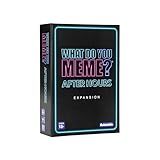
Overview: After Hours is an explicit 100-card expansion pack for the base What Do You Meme? game, featuring NSFW captions for creating raunchy memes. Targeted at 18+ players, it’s designed for 21st birthdays, bachelorette parties, or adult gatherings where edgy humor thrives.
What Makes It Stand Out: It elevates the base game with unapologetically bold content, diving into taboo topics that mainstream expansions avoid. The “judge’s choice” meme-creation mechanic stays intact, but the spicy captions guarantee outrageous moments—perfect for groups comfortable with dark humor.
Value for Money: At expansion-pack pricing, it’s a cost-effective way to refresh your base game. However, its niche appeal (requiring the core set) limits value if your group dislikes explicit themes. Far cheaper than buying a new game, but only worthwhile for compatible audiences.
Strengths and Weaknesses:
Strengths: Amplifies replayability of base game; high shock-value entertainment; compact and travel-friendly.
Weaknesses: Useless without core game; humor may offend; not suitable for mixed-company events.
Bottom Line: A niche but hilarious add-on for fans of the base game seeking uncensored fun. Only purchase if your circle enjoys boundary-pushing comedy—otherwise, stick to the original.
6. Put A Finger Down Party Game by Hunch Games | Viral Prompt and Challenge Card Game for Adults, Teens, and College Groups | Hilarious Social Icebreaker with 400 Cards for 2+ Players

Overview: Put A Finger Down transforms the viral social media trend into a physical card game designed to spark laughter and conversation among adults, teens, and college groups. With 400 prompt cards, it challenges players to react physically by lowering fingers based on shared experiences, creating instant, relatable connections.
What Makes It Stand Out: Its genius lies in simplicity—no setup, just hold up five fingers and react to cards read aloud. Unexpected “Up and Down” twist cards introduce penalties and storytelling, ensuring dynamic, expressive interactions. It scales seamlessly from intimate pairs to large gatherings, making it ideal for icebreaking at parties or casual hangouts.
Value for Money: Priced competitively for a high-quality card deck, it outshines pricier board games by delivering pure social engagement. Compared to similar prompt games, its viral familiarity and 400-card variety offer exceptional replay value without app dependencies.
Strengths and Weaknesses: Strengths: Effortless rules, inclusive for all group sizes, generates genuine laughter and storytelling, highly portable. Weaknesses: Lacks physical components beyond cards (e.g., no score tracker), prompts may feel repetitive after extensive play, relies heavily on group chemistry.
Bottom Line: An outstanding, accessible icebreaker that consistently delivers laughter and connection; perfect for social gatherings seeking low-prep, high-energy fun. Highly recommended for teens and adults.
7. It’s Bananas! The Monkey Tail Game – Funny Family & Party Game for Kids & Adults | Hilarious Gift for Birthday, Christmas, Bachelorette, Thanksgiving, White Elephant

Overview: It’s Bananas! is a physically active party game where players mimic monkey poses (like tail tugs and backward squats) based on card prompts, promising uncontrollable laughter for families and adults alike. Its viral TikTok fame (250M+ views) and eco-conscious design underscore its appeal.
What Makes It Stand Out: The game’s physical comedy—forcing players into wacky, expressive movements—is its standout feature, amplified by celebrity endorsements (ABC, ITV). As a carbon-neutral product with reduced packaging, it merges sustainability with multi-generational fun, working equally well for kids’ birthdays or bachelorette parties.
Value for Money: Justifying its mid-range price, it replaces screen-based entertainment with durable, tech-free hilarity. While similar games exist, its award-winning status (People of Play, Toy Insider) and viral credibility offer better perceived value than generic charades kits.
Strengths and Weaknesses: Strengths: Incredibly energetic and inclusive, eco-friendly packaging, proven crowd-pleaser across ages, minimal setup. Weaknesses: Physically demanding (may exclude less mobile players), limited replayability per card set, requires sufficient space to play.
Bottom Line: A top-tier choice for active, laughter-filled gatherings; ideal for eco-conscious hosts wanting guaranteed fun. Buy it for holidays or parties confident it’ll be a hit.
8. Cards Against Humanity

Overview: Cards Against Humanity (CAH) is a deliberately offensive party game where players fill in the blanks with absurd, dark-humored white cards to match provocative black prompts. Now in version 2.0, it targets “horrible people” seeking edgy, no-holds-barred comedy.
What Makes It Stand Out: Its unapologetic irreverence sets it apart—500 white and 100 black cards (including 150+ new ones) generate shockingly hilarious combinations. The included alternate rules booklet encourages creative, chaotic gameplay, cementing its cult status as a staple for mature game nights.
Value for Money: Priced affordably for its card count and durability, CAH offers immense replay value. While cheaper alternatives exist, its cultural ubiquity and consistent humor justify the cost; expansions (like Product 10) extend longevity but require the base game.
Strengths and Weaknesses: Strengths: Unmatched humor for mature audiences, highly replayable, simple rules, fosters bold group dynamics. Weaknesses: Offensive content alienates conservative players, humor can feel repetitive, no physical components beyond cards.
Bottom Line: A must-have for groups embracing dark comedy, but avoid if sensitive to explicit content. The definitive version 2.0 is worth every penny for its target audience.
9. Lucky Egg Official Grab The Mic – Family Karaoke Board Game w/Foam Mic, 8+ Ages, 2-10 Players - Games for Bad Singers w/ 240 Lyrics (120 Cards) (First Edition)

Overview: Grab The Mic is a fast-paced karaoke game designed for non-singers, challenging players to race for a foam microphone and belt out song lyrics containing a randomly drawn word. With 240 lyrics across 120 cards, it turns musical mishaps into group comedy.
What Makes It Stand Out: It brilliantly lowers the barrier to karaoke—no singing skill needed! The pressure of quick recall creates hilarious, spontaneous moments, while multiple game modes on the board ensure varied play. The foam mic and tokens add tactile fun, making it ideal for family nights or parties.
Value for Money: Competitively priced against standard board games, it delivers disproportionate fun for its cost. Unlike app-based karaoke, it’s screen-free and inclusive for 2–10 players, offering better group engagement than most musical party games in its range.
Strengths and Weaknesses: Strengths: Perfect for shy or untalented singers, highly adaptable gameplay, encourages quick thinking and laughter, includes all necessary components. Weaknesses: Limited to English lyrics, replayability hinges on pop-culture knowledge, younger kids may struggle with obscure words.
Bottom Line: A joyful, accessible karaoke alternative that guarantees laughs—highly recommended for families and casual game nights seeking lighthearted musical chaos.
10. Cards Against Humanity: Nasty Bundle • 6 Nasty Themed Packs + 10 All-New Cards
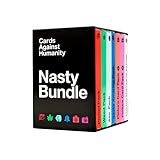
Overview: The Nasty Bundle is an expansion for Cards Against Humanity, bundling six themed packs (Period, Weed, Ass, Saves America, and two Picture Card sets) plus 10 exclusive cards. It’s designed to intensify the base game’s edgy humor with ultra-spicy content.
What Makes It Stand Out: These packs dive into taboo topics with relentless audacity, offering niche humor (e.g., Picture Cards’ visual gags) that base-game fans crave. The “Saves America” pack satirizes politics, while themed sets like “Ass” double down on shock value—perfect for groups wanting to push boundaries.
Value for Money: Priced fairly as an expansion, it multiplies the base game’s replayability at a fraction of a new game’s cost. Compared to individual packs, the bundle offers savings, though it’s only valuable if you own CAH and seek darker, more specific humor.
Strengths and Weaknesses: Strengths: Deepens CAH’s humor with targeted themes, high-quality card stock, easy integration into existing games. Weaknesses: Useless without base game, humor may be too niche/offensive even for CAH fans, minimal new mechanics.
Bottom Line: A must-buy for dedicated CAH players craving extra edge—but skip if you lack the base game or prefer milder comedy. It fulfills its “nasty” promise brilliantly.
Understanding Your Party’s Unique Personality
Before you even glance at a game description, take a hard look at the gathering you’re planning. This foundational step is crucial for avoiding mismatched energy and disappointed guests.
Assessing Group Size and Dynamics
The number of people and how well they know each other dictates game feasibility. Intimate groups of 4-6 need different mechanics than a boisterous crowd of 15+. Consider existing relationships: are they all close friends, a mix of colleagues and partners, or mostly strangers? Games requiring deep personal sharing might flop with acquaintances, while competitive elimination styles can fracture a tight-knit group.
Gauging Energy Levels and Preferences
Is your crowd known for high-energy shenanigans, or do they prefer witty banter and strategy? Some groups thrive on physical movement and loud chaos, while others lean towards clever wordplay or collaborative puzzles. Be brutally honest about the collective personality – forcing a hyper-competitive game on a chill group is a recipe for discomfort.
Defining the Desired Atmosphere
What’s the goal of the game? Pure, unadulterated laughter? Sparking interesting conversations? Encouraging teamwork? Or perhaps a healthy dose of friendly rivalry? Pinpointing the intended mood (raucous, flirty, intellectual, nostalgic) helps narrow down game styles significantly.
Key Gameplay Mechanics to Evaluate
Not all games function the same way. Understanding core mechanics helps predict if the flow will suit your party’s rhythm and keep everyone engaged.
Turn-Based vs. Free-For-All Flow
Does the game progress in orderly turns, giving everyone equal airtime? Or is it a free-for-all where anyone can jump in at any moment? Turn-based games offer structure but can lead to downtime for some; free-for-all styles are chaotic and energetic but risk louder personalities dominating.
Required Physical Space and Movement
Be realistic about your venue. Does the game demand a large open floor for physical challenges, or can it be played seated around a table? Consider furniture layout, potential tripping hazards, and noise levels that might disturb neighbors. Games involving running or loud noises need ample room and tolerance.
Complexity of Rules and Setup Time
Nobody wants a 20-minute rule explanation killing the party momentum. Evaluate the learning curve. Can the core concept be grasped in under 5 minutes? Is setup quick (shuffling cards, placing a board) or does it require intricate preparation? Simpler rules often lead to faster, more inclusive fun.
Duration and Pacing of Gameplay
How long does a typical round or full game last? Is it designed for short bursts (5-15 mins) or longer, immersive sessions (30+ mins)? Match this to your party schedule. A marathon game might work for a dedicated game night but feels overwhelming at a casual cocktail party.
Content and Theme Considerations
The subject matter and tone of the game are paramount for ensuring comfort and enjoyment for all attendees. Getting this wrong can derail the entire evening.
Navigating Humor Styles and Sensitivity
Humor is highly subjective. Does the game rely on edgy, potentially offensive jokes, or is it built on clever, universally accessible wit? Consider cultural backgrounds, political leanings, and known sensitivities within your group. When in doubt, err on the side of inclusivity and avoid humor targeting specific groups.
Understanding Interaction Intensity
How close does the game force people to get? Does it involve physical contact, intense eye contact, whispering secrets, or revealing personal anecdotes? Gauge your group’s comfort level with vulnerability and proximity. High-intensity interaction can be magical for some groups and deeply uncomfortable for others.
Evaluating Thematic Appropriateness
Is the theme lighthearted and silly (aliens, pirates, absurd scenarios), or does it lean into darker, more mature territory? Ensure the theme aligns with your party’s overall vibe and guest list. A murder mystery might be perfect for one crowd but utterly wrong for a relaxed birthday gathering.
Practical Logistics for Seamless Play
Even the most brilliantly designed game can fail if the practical aspects aren’t considered. Don’t overlook these essential factors.
Material Durability and Component Quality
Will the cards withstand sticky fingers and multiple plays? Are tokens easy to handle? Cheaply made components that bend, tear, or are hard to read will frustrate players and shorten the game’s lifespan. Look for sturdy materials, especially if the game will see heavy use.
Clarity of Instructions and Visual Design
Can the rules be easily understood by someone reading them for the first time? Are icons intuitive? Is the text large enough? Poorly written rules or confusing layout are the fastest way to kill engagement. Good visual design aids quick comprehension during play.
Storage and Portability Factors
How bulky is the box? Can it fit in your car easily for game nights elsewhere? Does it have compartments to keep pieces organized? A game that’s a pain to store or transport is less likely to get played. Compact, well-organized games have a higher chance of seeing action.
Replay Value and Scalability Features
Does the game offer enough variety through random elements, different scenarios, or modular rules to stay fresh over multiple plays? Crucially, does it scale well – meaning it works equally well with the minimum and maximum player counts, or even slightly outside that range? High replay value justifies the investment.
Maximizing Inclusivity and Engagement
The ultimate goal is for everyone to feel involved and have fun, not just the loudest or most competitive players. Prioritize games that foster this.
Minimizing Elimination Mechanics
Games that eliminate players early often lead to disengagement. Seek out designs where everyone stays actively involved throughout the entire game, perhaps through team play, rotating roles, or continuous scoring opportunities. Bored spectators are party poopers.
Accommodating Diverse Skill Sets
Does the game rely solely on one type of skill (e.g., only quick reflexes, only vocabulary)? The best party games blend different skills – a bit of creativity, some memory, a dash of strategy, a sprinkle of luck – so various players can shine at different moments, preventing the same people from dominating every time.
Facilitating Easy Entry for New Players
Can someone jump into an ongoing game with minimal disruption? Games with simple, ongoing actions or clear “phase” structures are easier for latecomers to integrate into than those with complex, sequential turns that are hard to catch up on.
Frequently Asked Questions
What’s the most important factor when choosing a party game for adults?
The absolute most critical factor is matching the game to your specific group’s size, energy level, and comfort zone. A game perfect for rowdy friends might flop with a professional networking group, regardless of its popularity.
How can I avoid games that make people uncomfortable?
Prioritize games with clear content warnings if available, avoid themes or humor targeting sensitive topics, and choose mechanics with adjustable interaction levels. When unsure, opt for games focused on universal humor, creativity, or light strategy over deeply personal sharing or physical contact.
Are complicated strategy games suitable for most parties?
Generally, no. Most successful party games prioritize accessibility, quick setup, and fast-paced fun over deep strategy. Save complex eurogames for dedicated game nights with enthusiasts; parties need low barrier-to-entry mechanics.
What if I have guests who are shy or new to game nights?
Seek out cooperative games, team-based formats, or games with asynchronous elements (like writing answers individually before sharing). Avoid high-pressure elimination games or those requiring instant, spotlight moments for shy players.
How many players is ideal for the best party game experience?
Most party games shine with 5-8 players. Below 4, many lack energy; above 10, managing turns and keeping everyone engaged becomes challenging. Always check the recommended player count on the box for optimal design.
Can party games work well for virtual gatherings?
Yes, but choose carefully! Prioritize games specifically designed for online play or easily adaptable ones (like trivia, charades via video, or simple deduction games using screen sharing). Avoid games heavily reliant on physical components or passing items.
How do I handle a game that isn’t resonating with the group?
Don’t force it! Have a plan B ready. The host can gracefully suggest switching games after one round if energy is low, or pivot to a shorter icebreaker. Reading the room and being flexible is key to a successful night.
Are “wild” party games inherently inappropriate?
Not necessarily. “Wild” often refers to high energy and laughter, not explicit content. Many games deliver raucous fun through absurd prompts, physical challenges, or hilarious dares without crossing into offensive territory. Focus on the game’s mechanism for generating fun.
How important is the game’s replay value for a single party?
Surprisingly high! A game with good replay value means you can play multiple quick rounds, adapting to the party’s evolving energy. It provides more bang for your buck during the event itself, not just for future nights.
What’s a red flag that a party game might not be a good fit?
Major red flags include: rules taking longer than 10 minutes to explain, mandatory player elimination, themes clearly mismatched to your group’s sensibilities, requiring specialized equipment you don’t have, or a player count that doesn’t match your guest list. Trust your gut on these.
See Also
- 10 Must-Have Adult Party Games for Wild Gatherings in 2026
- 10 Premium Adult Party Games for Wild Nights (Worth the Investment)
- How to Solve Boring Game Nights with the 10 Best Party Board Games in 2026
- The 10 Best Adult Party Games for Awkward Gatherings in 2026
- 10 Best Adult Party Games for New Year’s Eve in 2026