Table of Contents
Cooperative board games offer a unique magic – that shared triumph when the group conquers a challenge together, or the collective groan as a cleverly designed obstacle thwarts your best-laid plans. Unlike competitive games where victory is individual, these experiences build camaraderie, foster communication, and create stories you reminisce about long after the pieces are put away. In a world often dominated by screens, gathering around a table to tackle a common foe or solve a puzzle as a team provides a refreshing, deeply satisfying connection that’s increasingly precious. The thrill isn’t in beating each other, but in beating the game – together.
Yet, the perception persists that high-quality cooperative play comes with a steep price tag, reserved for elaborate productions with miniatures and sprawling boards. This simply isn’t true. The modern board game landscape is rich with thoughtfully designed cooperative experiences that deliver exceptional depth, engagement, and production value without demanding a major financial commitment. Forget the outdated notion that affordability means flimsy components or shallow mechanics; savvy designers and publishers are proving that clever gameplay and meaningful interaction can shine brilliantly within accessible price points. Discovering these gems is about knowing what to look for, not just what not to pay for.
Top 10 Cooperative Board Games
Detailed Product Reviews
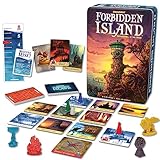
1. Gamewright - Forbidden Island - Cooperative Strategy Survival Board Game, 2-4 Players
Overview:
Forbidden Island is a critically acclaimed cooperative board game where 2-4 players work as a team to retrieve sacred treasures from a rapidly sinking island before it vanishes. Designed by Matt Leacock for ages 10+, it emphasizes shared strategy over competition, making it ideal for family game nights focused on collaboration and problem-solving.
What Makes It Stand Out:
Its innovative “sinking tile” mechanic creates escalating tension as the board physically shrinks, demanding adaptive teamwork. Rich thematic visuals immerse players in a perilous paradise, while the non-competitive structure uniquely fosters communication and collective decision-making, distinguishing it from traditional adversarial games.
Value for Money:
Priced accessibly, it delivers exceptional replayability through variable treasure placements and difficulty levels. Compared to similarly complex strategy games, its durable components and compact design offer better longevity per dollar, especially for families seeking screen-free, skill-building entertainment.
Strengths and Weaknesses:
Strengths: Intuitive rules, stunning artwork, promotes critical thinking and empathy; scales perfectly for small groups.
Weaknesses: Limited player count (max 4); replay depth slightly less than Leacock’s Pandemic; younger kids may need guidance.
Bottom Line:
A must-have gateway cooperative game that masterfully balances challenge and accessibility. Highly recommended for families and educators seeking to nurture teamwork and strategic foresight in an engaging, visually captivating package.
2. Ravensburger Horrified Games - Greek Monsters - Strategy Board Game - Boost Critical Thinking & Teamwork - Cooperative Gameplay - Unique Monster Challenges - 1 to 5 Players - Adults & Kids 10+

Overview:
Horrified: Greek Monsters challenges 1–5 players to defeat six iconic Greek mythological beasts—like Medusa and Cerberus—across a modular board. This cooperative strategy game tasks heroes with navigating thematic environments using unique monster-killing mechanics, blending narrative depth with tactical planning for ages 10+.
What Makes It Stand Out:
Each monster requires distinct, lore-accurate strategies (e.g., avoiding Medusa’s gaze), ensuring vastly different gameplay per session. The stunning artwork and thematic components—like the Underworld Door—create an immersive, cinematic experience rarely seen in family-friendly cooperative games.
Value for Money:
With high-quality miniatures, multiple victory conditions, and near-infinite replayability due to varied monster combinations, it justifies its premium price. It outperforms generic horror-themed games by delivering rich narrative integration and strategic depth per dollar spent.
Strengths and Weaknesses:
Strengths: Exceptional theme execution; scalable for solo to group play; encourages creative problem-solving; minimal setup.
Weaknesses: Learning curve for younger players; monster abilities can feel unbalanced initially; storage organization is cumbersome.
Bottom Line:
A brilliantly thematic, replayable gem that transforms myth into thrilling cooperative strategy. Strongly recommended for fans of narrative-driven games seeking fresh challenges and vivid storytelling in every session.
3. Flow: The Official Cooperative Board Game | Strategy Game for 1–4 Players Ages 8+ | Based on The Award-Winning Animated Film | Family & Solo Play | Survive The Flood, Rescue Allies
Overview:
Flow adapts the beloved animated film into a real-time cooperative game where 1–6 players navigate a modular, flood-threatened landscape to rescue allies. With a rising water mechanic and shifting tiles, it combines urgent decision-making with emotional storytelling for ages 8+, excelling in both solo and group play.
What Makes It Stand Out:
The dynamic “rising water” system creates palpable tension as players race against a physical flood marker, while scenario cards and interchangeable tiles ensure no two games play alike. Its seamless film integration and emotional resonance elevate it beyond typical strategy fare.
Value for Money:
Priced competitively, its modular board, 11 scenarios, and solo-mode compatibility offer remarkable variety. It provides deeper narrative engagement than similarly priced abstract strategy games, making it a standout investment for film fans and strategy enthusiasts.
Strengths and Weaknesses:
Strengths: Brilliant real-time pressure; exceptional replayability; emotionally compelling; intuitive for younger players.
Weaknesses: Solo mode lacks depth; component storage is inefficient; water mechanic can feel overly punishing on first plays.
Bottom Line:
A beautifully executed, replay-rich experience that captures the film’s heart while delivering tense, cooperative thrills. Essential for families wanting emotionally resonant gameplay that’s easy to learn but strategically nuanced.
4. Pressman The Oregon Trail Card Game - Cooperative Gameplay Based on The Classic Computer Game, Ages 12 and Up, 2-6 Players

Overview:
This card game reimagines the iconic computer game as a cooperative survival challenge for 2–6 players (ages 12+). Teams manage resources, avoid dysentery, and navigate trail hazards using cheeky 8-bit art, blending nostalgia with lighthearted strategy to reach Oregon.
What Makes It Stand Out:
Its sharp humor—turning grim historical realities like disease into playful moments—and retro aesthetic create a uniquely entertaining experience. The cooperative “wagon party” dynamic encourages shared laughter and tough choices, standing out in the nostalgia-driven game market.
Value for Money:
At a budget-friendly price, it delivers high re-play value through variable event cards and escalating challenges. While simpler than complex strategy games, its charm and accessibility make it a superb value for casual gamers seeking quick, social fun.
Strengths and Weaknesses:
Strengths: Hilarious theme execution; quick setup and playtime; strong nostalgia appeal; perfect for larger groups.
Weaknesses: Shallow strategy; luck-heavy mechanics; limited depth for hardcore gamers; art may not resonate with non-fans.
Bottom Line:
A delightful, humorous tribute that captures the spirit of the original with infectious charm. Highly recommended for casual game nights where laughter and lighthearted cooperation matter more than deep tactics.
5. Pandasaurus Cooperative Strategy Card Game - Fun Interactive Family Game for Ages 8+, 1-5 Players, 20 Minute Playtime
Overview:
The Game is a minimalist, award-winning cooperative card challenge where 1–5 players work together to play ascending/descending number sequences from two decks. With a 20-minute runtime and no player elimination, it’s a streamlined test of communication and foresight for ages 8+.
What Makes It Stand Out:
Its deceptive simplicity—only four core rules—hides profound strategic depth, demanding precise non-verbal teamwork to avoid breaking sequences. As a Spiel Des Jahres winner, it redefines cooperative play by making every decision feel critical despite its elegant design.
Value for Money:
Exceptionally priced for its replayability; the near-infinite combinations from 98 cards ensure lasting engagement. It outperforms pricier “filler” games by delivering intense, brain-teasing fun without complex rules, maximizing value through pure gameplay innovation.
Strengths and Weaknesses:
Strengths: Ultra-portable; lightning-fast setup; fosters incredible teamwork; addictive challenge; award-winning depth.
Weaknesses: Strict “no talking” rule frustrates some; minimal theme; limited appeal for players who prefer narrative-driven games.
Bottom Line:
A masterclass in minimalist design that proves profound fun needs no frills. An essential purchase for families and strategy fans seeking a brilliantly executed, endlessly replayable cooperative puzzle.
6. Spin Master Games, SolidRoots Escaping Extinction, Cooperative Strategy Board Game from The Makers of Mind The Gap, for Kids & Family, 1-4 Players, for Ages 12 & Up

Overview: SolidRoots Escaping Extinction casts players as clever dinosaurs racing to build a 3D rocket and flee an impending meteor strike. This cooperative strategy game tasks families with exploring a dynamic prehistoric world to collect scattered rocket parts before time runs out. What Makes It Stand Out: The standout feature is the innovative tile-based board that reshapes with each play, ensuring high replayability. Earthquake cards dynamically alter the layout mid-game, injecting thrilling unpredictability. Successfully constructing the physical 3D rocket provides a uniquely tangible goal absent in most board games. Value for Money: Priced competitively within the family strategy segment, it offers significant value through its durable components, engaging theme, and near-limitless replayability thanks to the modular board. It surpasses simpler family games in depth while remaining more accessible than complex strategy titles. Strengths and Weaknesses: Strengths: Highly replayable modular board; exciting earthquake mechanics; satisfying 3D rocket assembly; fosters genuine teamwork. Weaknesses: Theme may not resonate with all teens; setup can be slightly fiddly; strategy depth might feel light for hardcore gamers. Bottom Line: SolidRoots delivers a fresh, engaging cooperative experience perfect for family game nights, blending accessible strategy with dynamic gameplay and a unique physical objective, making it a worthwhile investment for families seeking replayable fun.
7. The Lord of The Rings: Adventure to Mount Doom | Family Game | Cooperative Game | Strategy Game

Overview: Adventure to Mount Doom immerses players in Tolkien’s Middle-earth as they cooperatively guide Frodo towards Mount Doom to destroy the One Ring. Players must navigate perils, evade Ringwraiths, and manage resources within a tight 50-minute timeframe. What Makes It Stand Out: The game excels in thematic immersion, directly translating the Fellowship’s desperate quest into accessible mechanics. Dice rolls and card draws create constant tension mirroring the books/films, while the solo-play option significantly broadens its appeal beyond standard family groups. Value for Money: For Tolkien fans, this offers exceptional thematic value at its price point, capturing the epic journey’s essence efficiently. While component depth may not match premium LOTR games, the focused 50-minute playtime and strong narrative integration provide solid entertainment relative to cost. Strengths and Weaknesses: Strengths: Strong Tolkien immersion; intuitive dice/card mechanics; excellent solo mode; concise playtime ideal for families. Weaknesses: Limited strategic depth for experienced gamers; component quality is functional rather than premium; randomness can sometimes overshadow planning. Bottom Line: A compelling, accessible entry point for LOTR fans seeking cooperative family fun, Adventure to Mount Doom succeeds in evoking the saga’s spirit within a tight timeframe, though it prioritizes theme over deep strategy.
8. Castle Panic 2nd Edition | Cooperative Board Game for Adults and Family | Ages 8+ | for 1 to 6 Players | Average Playtime 45 Minutes | Made by Fireside Games

Overview: Castle Panic 2nd Edition is a cooperative tower defense game where 1-6 players unite to protect Castle Bravehold from relentless monster hordes. Players strategically use cards to attack invaders approaching from the forest, aiming to preserve at least one tower. What Makes It Stand Out: Its brilliance lies in versatile gameplay modes (Co-op, Solo, Competitive Master Slayer, Overlord) and the tactile 3D towers that create immediate visual stakes. Plague and boulder events disrupt plans, while the accessible rules (learnable in minutes) cater perfectly to mixed-age groups. Value for Money: An outstanding value; the 2nd Edition refines a proven formula with enhanced components and modes. Its capacity for 6 players, high replayability across modes, and durable construction justify the price, especially compared to games with narrower player counts or less variety. Strengths and Weaknesses: Strengths: Highly accessible yet strategically satisfying; multiple engaging play modes; excellent for large groups; vibrant components; strong replayability. Weaknesses: Can feel chaotic with max players; limited long-term campaign elements; some luck involved in card draws. Bottom Line: Castle Panic 2nd Edition is a near-perfect family and group game, offering thrilling cooperative tension, easy setup, and remarkable versatility, making it a cornerstone recommendation for any game shelf.
9. Happy Camper - The Four Doors | New Cooperative Game by Creator of Forbidden Island and Pandemic | Super Portable | Great for Solo Play, Two Players, and Groups
Overview: Happy Camper: The Four Doors, designed by Pandemic’s Matt Leacock, is a compact cooperative game where 1-5 players explore a mystical tower to retrieve four sacred treasures before sinister shadows seal the doors forever. What Makes It Stand Out: Leacock’s signature cooperative design shines in its elegant mechanics and intense, focused gameplay within just 30 minutes. Its super-portable size (perfect for travel) and exceptional scalability from solo to 5 players are major differentiators, retaining strategic depth at all counts. Value for Money: Priced accessibly, its value is amplified by the Pandemic pedigree, portability, and flawless solo/co-op integration. It delivers a premium, thematic experience rivaling larger-box games, making it an exceptional travel and filler-game investment. Strengths and Weaknesses: Strengths: Truly portable; masterful Pandemic-style cooperation; scales perfectly for 1-5 players; quick setup and play; highly replayable. Weaknesses: Minimal component depth (cards/tokens); theme less immersive than heavier games; very short playtime may not satisfy all. Bottom Line: Happy Camper is an essential portable cooperative gem, offering Leacock’s renowned design brilliance in a travel-ready package, ideal for quick, strategic sessions anywhere.
10. Ravensburger Alien: Fate of The Nostromo Board Game for Ages 10 & Up – A Cooperative Strategy Game of Suspense
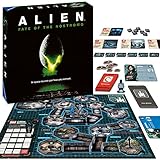
Overview: Alien: Fate of The Nostromo plunges players into the iconic sci-fi horror film, where 1-5 crew members must work together aboard the Nostromo to gather supplies, complete objectives, and survive the lurking Xenomorph before evacuating or self-destructing the ship. What Makes It Stand Out: The game masterfully replicates the film’s unbearable tension through its movement mechanics and the ever-present, unpredictable Alien threat. High-quality miniatures, thematic artwork, and variable final missions significantly enhance immersion and replayability. Value for Money: While premium-priced, it justifies cost with exceptional components (detailed miniatures, thick tokens) and deep thematic integration. The inclusion of multiple objectives, final missions, and the Ash expansion offers substantial content, outperforming many similarly priced narrative games. Strengths and Weaknesses: Strengths: Unmatched thematic tension; superb miniatures and components; high replayability via missions; clear rules/tutorial; strong solo suitability. Weaknesses: High price point; setup can be time-consuming; luck can dominate late-game survival. Bottom Line: A must-have for Alien fans and cooperative game enthusiasts, Fate of The Nostromo delivers a chillingly faithful and strategically engaging experience that justifies its premium cost through exceptional production and atmosphere.
Understanding Affordability in the Modern Board Game Market
Defining “affordable” requires context, especially as production costs and market dynamics shift. It’s no longer just about the lowest sticker price on the shelf. True affordability considers the value delivered per play, the durability of components, and the game’s ability to hold your group’s interest over multiple sessions. A slightly higher initial investment in a game that sees constant rotation is far more economical than a cheap title that gathers dust after two plays. The sweet spot often lies in games offering robust, replayable experiences crafted with sustainable materials, avoiding the premium costs associated with excessive miniatures or proprietary tech.
Defining Your Budget Realistically
Setting a realistic budget is the crucial first step. Consider how frequently your group plays and the size of your typical gatherings. A game intended for weekly family game nights might warrant a different investment level than one for occasional adult gatherings. Factor in the cost per play – a $30 game played 20 times costs $1.50 per session, offering incredible value. Look beyond the initial purchase to potential expansions (though many excellent co-ops stand strong solo) and storage solutions. Remember, affordability is personal; focus on what fits your gaming habits and financial comfort zone, not an arbitrary number.
Beyond the Sticker Price: Value Indicators
A low price tag alone doesn’t guarantee value. Scrutinize what that price encompasses. Does the game utilize clever, efficient design to maximize engagement without unnecessary bulk? High-quality cardstock, well-illustrated components that enhance gameplay (not just aesthetics), and clear, intuitive rulebooks are hallmarks of value-driven production. Games relying on strong core mechanics, variable setups, or modular elements often provide far more long-term enjoyment than those with static scenarios, even if the latter seem initially impressive. Prioritize games where the design ingenuity is the star, not just the physical footprint.
Navigating Price Fluctuations and Sales
The board game market experiences natural ebbs and flows. Understanding these can help you snag quality co-ops affordably. Keep an eye on major retail holidays, publisher direct sales, and the end-of-year clearance events at local game stores. Don’t shy away from the secondary market (like reputable online marketplaces or local game swaps) for gently used copies of out-of-print or older titles – many timeless cooperative designs remain highly playable. Subscribing to newsletters from your favorite local game store or online retailer can provide early alerts on sales targeting specific genres like cooperative play.
Essential Features of High-Quality Cooperative Gameplay
The heart of any great cooperative game lies in its mechanics and how they facilitate genuine teamwork. The best designs avoid the “quarterbacking” pitfall, where one dominant player dictates everyone else’s moves, reducing others to passive executors. Look for mechanics that necessitate distributed information, requiring players to share insights and make decisions based on incomplete knowledge. Simultaneous action selection, unique player roles with asymmetric abilities that demand coordination, and time pressure elements are excellent indicators of engaged, non-competitive group play where everyone feels essential to the outcome.
Mechanics That Foster True Collaboration
Mechanics are the engine driving cooperative interaction. Games employing “hidden traitor” elements (used thoughtfully) or communication restrictions create fascinating social dynamics and deep strategic discussion. Variable player powers that complement rather than duplicate each other encourage players to understand and leverage the group’s collective strengths. Resource management systems where pooling or trading is crucial, or spatial puzzles requiring multiple perspectives, inherently demand collaboration. The most satisfying co-ops make you feel like the victory (or the noble defeat) was earned by the team’s collective effort and cleverness, not just individual skill.
Replayability: The Key to Long-Term Value
A game’s true cost-effectiveness hinges on replayability. How many distinct, engaging experiences can you pull from the box? Look for significant variability: modular boards or scenario decks that create unique setups each time, legacy elements that evolve the game over sessions (though these can increase cost), or robust solo variants that extend usability. Games with adjustable difficulty sliders allow you to tailor the challenge as your group’s skill improves, keeping the experience fresh. High replayability transforms a single purchase into dozens of potential adventures, dramatically increasing its value proposition and justifying its place in your collection.
Component Quality That Lasts
Affordability shouldn’t mean sacrificing durability. While you won’t find heavy miniatures in budget-friendly co-ops, assess the quality of what is included. Thick, linen-finished cards resist shuffling wear; sturdy punchboard tokens won’t bend easily; and clear iconography ensures components remain functional over time. Well-organized storage solutions, even if simple, prevent frustration and component loss. Consider how the components serve the gameplay – clear player aids, readable text sizes, and distinct visual design for different elements significantly enhance the experience without requiring expensive materials. Good design often uses component limitations creatively.
Evaluating Production Quality on a Budget
Don’t equate a lower price with cheapness. Savvy publishers maximize value through smart design choices that minimize cost without compromising the core experience. This might mean using a standard card size instead of custom shapes, opting for illustrated tokens over detailed miniatures, or employing a single, highly versatile game board that changes function through card placement. Clever graphic design can make simpler components feel premium and significantly aid gameplay clarity. Focus on whether the components work effectively within the game’s system, not whether they mimic the look of high-end productions.
The Role of Art and Graphic Design
Exceptional graphic design is non-negotiable for usability, especially in cooperative games where players must quickly interpret information and coordinate. Clear iconography, intuitive layout, and a color scheme that differentiates elements without being garish are vital. Good art enhances the theme and immersion without obscuring critical game information. In budget-friendly games, strong graphic design often compensates for less elaborate physical components, making the game easier to learn, set up, and play repeatedly. Prioritize games where the visual language feels purposeful and integrated into the gameplay flow.
Durability Considerations for Frequent Play
If a game is affordable and gets played often, it needs to withstand that love. Examine the materials: Are the cards thick enough to resist scuffs and bends during regular shuffling? Is the board material rigid enough to stay flat? Does the box have adequate internal space to prevent component damage during transport or storage? While you might not get plastic trays in an entry-level game, look for thoughtful organization – perhaps compartmentalization via the board itself or well-cut card dividers. Games designed with durability in mind in the $25-$40 range can easily outlast flashier, more expensive counterparts that fall apart after a few sessions.
Where to Discover Budget-Friendly Cooperative Gems
Your local game store (LGS) is an invaluable resource, often staffed by passionate enthusiasts who know their inventory inside and out. Many LGSs host regular game nights, including dedicated cooperative sessions or “demo shelves” where you can try before you buy. Staff recommendations based on your specific group size, desired complexity, and theme preferences are far more valuable than generic online lists. Supporting your LGS also helps sustain the local gaming community, which often runs events, tournaments, and provides a space to connect with other players looking for co-op partners.
Leveraging Online Resources Wisely
The internet offers a wealth of information, but requires discernment. Seek out reputable review channels and websites known for deep dives into game mechanics and component quality, not just flashy unboxings. Look for reviews that specifically address replayability, scalability for different player counts, and how well the game facilitates true cooperation versus potential quarterbacking. Board game databases with user ratings and comments can highlight common praises or pitfalls, but focus on detailed reviews that explain why a game works (or doesn’t) rather than just star ratings. Filter searches for cooperative games within your target price range.
The Secondary Market: Used Games Done Right
The pre-owned game market is a treasure trove for affordable quality. Reputable online marketplaces and local game store used sections often have gently played cooperative games at significant discounts. Pay close attention to condition descriptions, especially regarding card quality and completeness. Many excellent cooperative designs from the past 5-10 years remain highly relevant and playable, offering proven value at a fraction of the original cost. Buying used extends the life of the game and is an eco-friendlier option. Always verify the edition and ensure all essential components (rulebooks, critical cards) are included.
Building a Sustainable Cooperative Game Collection
Start small and focus on versatility. One or two exceptionally strong cooperative games that accommodate your most common player counts (e.g., 2-4 players) are far more valuable than several games that only work for specific group sizes. Look for titles known for their adaptability – games that play well at both lower and higher player counts, or offer robust solo modes, maximize your investment. Consider how a new addition complements your existing collection in terms of playtime, complexity, and theme variety to keep game nights fresh and appealing to different moods.
Prioritizing Games That Grow With Your Group
The best affordable co-ops offer depth that reveals itself over multiple plays. They might have simple core rules for easy onboarding but layers of strategic nuance that emerge as your group becomes more proficient. Games with variable setups, difficulty adjustments, or modular elements naturally provide this growth. Avoid games that feel “solved” after just a few plays; instead, seek those where discussion about how to approach the next session becomes part of the fun. This inherent re-play depth ensures the game remains engaging long after the initial novelty fades, solidifying its value.
The Importance of Community and Shared Discovery
Part of the joy of cooperative gaming is the shared learning experience. Don’t feel pressured to master a new game instantly. Embrace the first few plays as a group discovery process – figuring out strategies, making mistakes together, and laughing at unexpected failures. Discussing the game afterward, what worked, what didn’t, and what to try next, strengthens the cooperative spirit beyond the table. Sharing discoveries about clever tactics or overlooked rules interpretations with your regular group builds a unique communal knowledge base, enhancing the value and enjoyment of each game you own.
Frequently Asked Questions
Can truly high-quality cooperative games be found under $30?
Absolutely. Many publishers focus on elegant design and efficient component use, delivering deep, engaging cooperative experiences with durable cards, solid boards, and clear rules within this range. Value comes from gameplay depth and replayability, not just physical heft.
How do I avoid games that encourage “quarterbacking”?
Look for mechanics that distribute critical information or roles, require simultaneous decisions, or impose communication limits. Games where each player has unique, essential abilities that necessitate coordination are usually strong indicators of balanced teamwork.
Are cheaper games less durable?
Not necessarily. Assess the materials: thick cardstock, sturdy tokens, and well-printed boards can be very durable. Focus on how components are used within the game – simpler, well-protected components often last longer than fragile miniatures in pricier boxes.
Do affordable co-ops have good replay value?
The best ones excel here. Prioritize games with variable setups, modular scenarios, adjustable difficulty, or legacy elements. Replayability is a key factor in the long-term value of any game, especially budget-friendly ones.
Is it worth buying older cooperative games used?
Often, yes. Many classic and modern cooperative designs remain excellent and playable for years. The secondary market offers significant savings on proven games with strong community support for rules clarification.
How important is theme in a cooperative game?
Theme enhances immersion and can make decisions more meaningful, but mechanics are paramount. A strong cooperative system works regardless of theme. Choose a theme that resonates with your group to boost engagement, but don’t sacrifice core gameplay quality.
Can two-player groups enjoy cooperative games?
Many excellent cooperative designs scale perfectly (or even excel) for two players. Look specifically for games listing 2 players in their count; some mechanics, like shared hand management or intense communication puzzles, shine brightest with just two.
What should I check in a review for a budget co-op?
Focus on discussions of component durability relative to price, replayability factors (variability, difficulty scaling), how effectively the game prevents quarterbacking, and the clarity of rules and iconography. Avoid reviews fixated solely on aesthetics without gameplay analysis.
Are expansions necessary for affordable co-ops?
Generally, no. The best budget-friendly cooperative games are designed as complete, satisfying experiences out of the box. While expansions can add value later, prioritize core games that stand strong independently to maximize your initial investment.
How do I know if a game’s difficulty is right for my group?
Look for games with built-in difficulty sliders or variable setups. Read reviews noting how the challenge scales with player count and experience. Starting on an easier setting and gradually increasing the difficulty as your group learns is often the best approach.
See Also
- 10 Affordable Escape Room Board Games That Don’t Sacrifice Quality in 2026
- 10 Affordable Cooperative Board Games That Don’t Sacrifice Depth in 2026
- 10 Affordable Cooperative Game Expansions That Don’t Sacrifice Quality in 2026
- 10 Most Durable Cooperative Board Games Based on Real User Reviews in 2026
- 10 Best Cooperative Board Games for Team-Building with the Whole Family in 2026