Table of Contents
Ever felt that pang of disappointment when your game group reluctantly passes on a promising cooperative title because the price tag feels more like an investment than entertainment? You’re not alone. In today’s board game market, where elaborate miniatures and sprawling boxes dominate headlines, it’s easy to assume that meaningful, strategic cooperative play comes with a hefty cost. But what if you could dive into rich, collaborative storytelling and brain-teasing challenges without draining your wallet? The truth is, affordability and depth aren’t mutually exclusive – they’re a powerful combination waiting to be discovered by savvy players who know where to look.
Forget the misconception that budget-friendly equals shallow or simplistic. The cooperative board game landscape has evolved dramatically, proving that clever design and thoughtful mechanics can deliver profound experiences without relying on expensive components. Whether you’re a seasoned gamer building a diverse collection or a newcomer eager to experience the unique joy of truly working together towards a common goal, understanding how to identify games that maximize strategic depth per dollar is key. This guide cuts through the noise, focusing on the tangible features and design philosophies that signal a genuinely engaging, replayable cooperative experience that respects both your intellect and your budget. Let’s explore how to find your next favorite game without the financial hangover.
Top 10 Cooperative Board Games
Detailed Product Reviews
1. Gamewright - Forbidden Island - Cooperative Strategy Survival Board Game, 2-4 Players
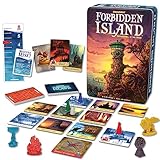
Overview: Forbidden Island, designed by Matt Leacock, is a foundational cooperative board game where 2-4 players race against rising waters to retrieve four sacred treasures from a sinking island. Suitable for ages 10+, it emphasizes teamwork over competition, challenging players to strategize collectively to escape before the island vanishes.
What Makes It Stand Out: Its innovative tile-based board dynamically floods and sinks, creating escalating tension. The unique role system grants each player special abilities critical for survival, fostering genuine interdependence. Stunning artwork immerses players in the perilous setting, while the streamlined rules make complex strategic decisions accessible for families.
Value for Money: Priced accessibly, it delivers exceptional replayability through variable island layouts and difficulty levels. Compared to similar strategy games, its compact size, durable components, and broad age appeal offer superior longevity, making it a cornerstone for family game nights without breaking the bank.
Strengths and Weaknesses: Strengths: Promotes vital teamwork and problem-solving; visually engaging; easy to learn but challenging to master; scalable difficulty. Weaknesses: High luck element in card draws can frustrate strategic players; limited player count (max 4); experienced gamers may find depth lacking after many plays.
Bottom Line: Forbidden Island remains a near-perfect gateway into cooperative gaming. Its blend of tension, strategy, and accessibility justifies its status as a modern classic, highly recommended for families and newcomers seeking meaningful shared challenges.
2. Scorpion Masqué Sky Team | Voted Game of The Year 2024 | Best 2 Player Game | Work Together to Land The Plane | Ages 14+ | 20 Minutes

Overview: Sky Team, the 2024 Game of the Year winner, is a tense 20-minute cooperative dice game where two players embody a pilot and co-pilot landing a plane. With only dice rolls dictating actions, communication is restricted, simulating real cockpit pressure as you navigate speed, altitude, and runway clearance.
What Makes It Stand Out: Its unique communication constraint—planning allowed only between rounds—forces absolute trust during dice execution. Immersive cockpit components and optional modules (like fuel leaks) heighten realism. Twenty global airport scenarios introduce escalating challenges, ensuring no two landings feel identical.
Value for Money: Despite a premium price, its award-winning design, exceptional replayability via scenarios/modules, and laser-focused 20-minute sessions deliver outstanding value. It surpasses similar two-player games in thematic depth and innovative mechanics, justifying the cost for dedicated duos.
Strengths and Weaknesses: Strengths: Unmatched tension and teamwork; brilliant communication mechanic; highly replayable scenarios; perfect session length; stunning components. Weaknesses: Strictly two players limits group inclusion; steep learning curve for casual gamers; dice reliance can feel punishing during critical failures.
Bottom Line: Sky Team is a masterclass in cooperative design, offering unparalleled intensity and innovation. Essential for two-player enthusiasts, it earns its Game of the Year title and comes highly recommended despite niche limitations.
3. Happy Camper - The Four Doors | Cooperative Game by Pandemic and Forbidden Island Creator | Perfect for Solo Play, Two Players, and Small Groups | Portable Adventure Game
Overview: Created by Matt Leacock (Pandemic), Happy Camper: The Four Doors is a portable cooperative adventure for 1-5 players. Teams explore a light tower across four shifting doors, racing to collect treasures and ignite a beacon before shadows seal the exits—a compact, thematic challenge playable in 30 minutes.
What Makes It Stand Out: Its exceptional portability and seamless solo/co-op integration stand out, rare for strategic games. The “door” mechanism dynamically alters the board, requiring adaptive teamwork. Leacock’s signature cooperative tension is distilled into a travel-friendly format without sacrificing depth.
Value for Money: Priced moderately, its versatility (solo to 5 players), durable travel components, and consistent replayability offer strong value. It undercuts larger strategy games in cost while providing comparable engagement, ideal for on-the-go gamers seeking meaningful challenges.
Strengths and Weaknesses: Strengths: Superb portability; excellent solo mode; intuitive rules; quick setup/playtime; fosters creative problem-solving. Weaknesses: Thematic depth less immersive than Leacock’s bigger titles; treasure mechanics may feel repetitive after extended play; limited player interaction in solo mode.
Bottom Line: Happy Camper excels as a travel-ready cooperative gem. While not his most complex work, Leacock delivers a polished, accessible experience perfect for casual or solo play—highly recommended for adventurers on the move.
4. Pandasaurus Cooperative Strategy Card Game - Fun Interactive Family Game for Ages 8+, 1-5 Players, 20 Minute Playtime
Overview: Pandasaurus’ The Game is a wildly popular cooperative card game where 1-5 players race to play all cards from two shared decks in ascending/descending order. With no turns or communication allowed during play, it demands silent teamwork to avoid losing all lives—tested by over 1.3 million copies sold globally.
What Makes It Stand Out: Its genius lies in enforced silence during play, creating intense, wordless collaboration. Simple rules (play cards higher/lower than current stacks) belie deep strategic tension. The Spiel des Jahres award reflects its perfect balance of accessibility and punishing challenge, scaling elegantly for any group size.
Value for Money: At a budget-friendly price, this compact card game offers near-infinite replayability through variable card distributions and difficulty modes. It outperforms pricier strategy games in pure engagement per dollar, especially for families seeking quick, brain-teasing sessions.
Strengths and Weaknesses: Strengths: Incredibly easy to learn; highly replayable; fosters non-verbal communication; perfect for all ages; minimal components. Weaknesses: Lacks thematic immersion; high luck element can frustrate; silent-play mechanic may feel restrictive to some; no solo mode.
Bottom Line: The Game is a must-have for its ingenious, accessible cooperation. Despite minimal theme, its addictive challenge and universal appeal make it an exceptional value—highly recommended as a family game-night staple.
5. The Night Cage by Smirk and Dagger | Cooperative Candlelit Horror Strategy Game | Tile Laying Labyrinth Escape Adventure | for 1 to 5 Players | Ages 14+

Overview: The Night Cage plunges 1-5 players into a candlelit horror labyrinth where shifting tiles, encroaching darkness, and lurking Wax Eaters force teams to navigate by literal candlelight. Players must collect keys and escape before the maze collapses—a uniquely atmospheric tile-laying experience for ages 14+.
What Makes It Stand Out: The physical candle is revolutionary: its light reveals adjacent tiles, while darkness swallows explored paths, creating organic tension. Award-winning theme integration makes every decision visceral, and adjustable difficulty with advanced modes ensures long-term engagement through evolving threats.
Value for Money: Priced fairly for its innovative components (real candle, custom tiles), it justifies cost through unmatched atmosphere and high replayability. Compared to narrative-heavy games, its physical light mechanic offers a tangible edge, delivering premium immersion without excessive runtime.
Strengths and Weaknesses: Strengths: Groundbreaking candle mechanic; exceptional horror atmosphere; scalable difficulty; strong solo/co-op balance; award-winning design. Weaknesses: Candle maintenance (dripping, replacement); limited visibility can frustrate; tile setup may feel repetitive; not suitable for bright playspaces.
Bottom Line: The Night Cage is a bold, immersive triumph in cooperative horror. Its candle-driven tension elevates it beyond standard strategy games—highly recommended for thrill-seekers despite minor practical quirks.
6. Flow: The Official Cooperative Board Game | Strategy Game for 1–4 Players Ages 8+ | Based on The Award-Winning Animated Film | Family & Solo Play | Survive The Flood, Rescue Allies
Overview: Flow translates the poignant animated film into a real-time cooperative board game where players navigate a flooded world, rescuing allies before rising waters overwhelm them. Designed for 1–6 players aged 8+, it emphasizes teamwork under pressure with a modular board that evolves each session.
What Makes It Stand Out: The dynamic rising water mechanic creates palpable urgency, forcing adaptive strategies as the board physically floods. Its emotional storytelling, authentic art, and seamless solo/co-op flexibility (rare for real-time games) elevate it beyond typical family titles. The 11 scenario cards and modular tiles ensure no two games feel alike.
Value for Money: Priced competitively against mid-tier strategy games, Flow offers exceptional replayability and production quality. It outperforms cheaper cooperative games with shallow mechanics and justifies its cost through durable components and the film’s immersive narrative depth.
Strengths and Weaknesses: Strengths: Intense yet accessible real-time gameplay; stunning thematic integration; high replayability; works brilliantly solo. Weaknesses: Chaos can overwhelm younger players; limited communication may frustrate competitive gamers; storage for modular tiles feels haphazard.
Bottom Line: A masterful blend of emotion and strategy, Flow is a must-buy for families and solo gamers seeking cooperative tension. Its minor flaws are overshadowed by innovative mechanics and heartfelt storytelling—highly recommended.
7. The Crew - Mission Deep Sea | Card Game | Cooperative | 2 to 5 Players | Ages 10+ | Trick-Taking | 32 Levels of Difficulty | Endless Replayability
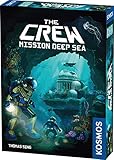
Overview: Mission Deep Sea refines the award-winning trick-taking formula of The Crew with an underwater expedition theme. Players collaborate to complete 50 missions (spanning 32 difficulty tiers) by winning specific tricks—but with strict communication limits mimicking deep-sea constraints.
What Makes It Stand Out: Its genius lies in transforming classic card-play into a cooperative puzzle. The “underwater comms” restriction (using only thumbs-up/down signals) forces creative problem-solving, while escalating mission complexity keeps veterans engaged. The 50-mission arc provides a structured, narrative-driven campaign.
Value for Money: At its price point, it delivers extraordinary depth for trick-taking enthusiasts. The progressive difficulty curve offers 15+ hours of gameplay, outlasting most party card games. Cheaper alternatives lack its strategic richness or replay-focused mission system.
Strengths and Weaknesses: Strengths: Brilliant cooperative twist on trick-taking; perfect difficulty progression; compact and travel-friendly; highly replayable. Weaknesses: Steep learning curve for card-game novices; mission repetition can feel rigid; minimal player interaction beyond signals.
Bottom Line: An essential evolution for trick-taking fans, Mission Deep Sea balances innovation with accessibility. Despite a niche appeal, its clever design and campaign depth make it a stellar investment for strategic gamers.
8. Ravensburger Minecraft Heroes of The Village | Cooperative Board Game | Exciting & Unpredictable | Perfect for Families and Minecraft Enthusiasts | Suitable for Kids & Adults
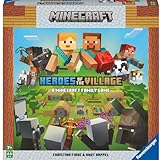
Overview: Ravensburger adapts Minecraft’s block-building charm into a cooperative board game where players defend a village from mobs by constructing paths and structures. Aimed at ages 7+, it supports 2–4 players in a race to build defenses before zombies breach the walls.
What Makes It Stand Out: Authentic Minecraft aesthetics shine through quality wooden blocks and mob tokens, while the modular world tiles ensure dynamic layouts. The cooperative path-building—where players jointly plan routes to gather resources—encourages teamwork without competition, ideal for younger audiences.
Value for Money: Priced fairly for Ravensburger’s premium components, it outvalues flimsier Minecraft tie-ins. The reusable tiles and strategic depth justify the cost for families, though non-fans may find it niche. Comparable cooperative games often lack its tactile engagement.
Strengths and Weaknesses: Strengths: Durable, kid-safe components; seamless integration of Minecraft lore; excellent replayability; fosters collaborative planning. Weaknesses: Luck-dependent card draws can undermine strategy; building phase may frustrate impatient players; limited appeal beyond Minecraft fans.
Bottom Line: A charming, high-quality entry for Minecraft families, blending cooperative play with beloved aesthetics. Best for ages 7–12; casual gamers seeking pure fun over deep strategy will adore it.
9. Peaceable Kingdom Race to the Treasure! Cooperative Path Building Game for 2 to 4 Kids Ages 5+

Overview: A preschool-friendly cooperative game where players race to build a path to treasure before the Ogre catches them. With no reading required, it’s designed for ages 5+ to learn teamwork through simple tile placement and shared decision-making.
What Makes It Stand Out: Its effortless accessibility stands out—children grasp rules in minutes while developing spatial reasoning and social skills. The frustration-free design (e.g., clear tile icons, cooperative win/loss) and award-winning simplicity make it a standout for early learners.
Value for Money: Exceptional for its price, offering durable components and endless replayability through randomized tile setups. Cheaper alternatives often skimp on quality; this justifies cost with educational value and longevity across childhood years.
Strengths and Weaknesses: Strengths: Perfect intro to cooperation; builds strategy/social skills; minimal setup; award-winning inclusivity; eco-friendly packaging. Weaknesses: Short playtime (10 mins) may bore older kids; limited strategic depth for adults; path randomness can feel arbitrary.
Bottom Line: An ideal first cooperative game that turns teamwork into joyful play. Highly recommended for families with young children—it’s affordable, educational, and genuinely fun.
10. The Lord of The Rings: Adventure to Mount Doom | Family Game | Cooperative Game | Strategy Game

Overview: Players join Frodo’s quest to destroy the One Ring in this cooperative strategy game. Rolling dice and drawing event cards, they navigate Middle-earth while evading Ringwraiths across a 50-minute journey for 1–4 players.
What Makes It Stand Out: Strong Tolkien immersion through art and narrative-driven cards creates genuine thematic tension. The balance between dice-driven risk and strategic card management captures the peril of the journey, while solo compatibility is a rare plus for thematic co-ops.
Value for Money: Solid for Tolkien fans, though non-devotees may question its depth. It outshines generic cooperative games with rich storytelling but costs more than simpler family titles. Replayability is moderate despite variable card draws.
Strengths and Weaknesses: Strengths: Compelling Middle-earth atmosphere; intuitive dice/card mechanics; accessible solo play; tight playtime. Weaknesses: Luck-heavy outcomes; shallow strategy for hardcore gamers; limited component variety; inconsistent card balance.
Bottom Line: A charming, accessible gateway into Tolkien’s world for families. Worthwhile for fans seeking light cooperation, but strategy enthusiasts should look deeper. A good entry point for casual game nights.
Understanding Affordability in the Cooperative Space
Defining “Affordable” for Modern Gamers
Affordability isn’t just about a single low number on the box; it’s about value relative to your gaming habits and group size. For many, a game priced under $40 USD represents accessible entry, especially when it serves 3-5 players regularly. Consider the cost per play – a $35 game played 20 times offers incredible value, while a $70 game played twice feels like a loss. True affordability also factors in durability; a well-made card-driven game might withstand years of play where a cheaper game with flimsy components fails quickly, negating its initial savings.
The Hidden Costs Beyond the Sticker Price
Don’t overlook expansion fatigue. Some seemingly affordable base games require essential expansions to reach their full potential or even achieve balance, rapidly inflating the real cost. Factor in storage space too – compact games save money on organizers and shelf real estate. Additionally, consider setup and teardown time as a hidden “cost.” A game that takes 10 minutes to set up encourages frequent plays, maximizing your investment, whereas a 30-minute setup ritual often leads to the box gathering dust, making even a cheap game feel like a poor value over time.
What Truly Constitutes “Depth” in Cooperative Play
Beyond Simple Win/Loss: Meaningful Player Agency
Depth emerges when every decision carries significant weight and consequence. In a shallow game, players might feel like they’re just following steps on a path. Depth means having multiple viable strategies at any given moment, where choosing not to take an obvious action could be the key to long-term survival. It’s the tension of knowing your choice might doom the group, but also the exhilaration when a risky, unconventional play leads to a hard-fought victory through genuine teamwork and foresight.
Emergent Complexity from Streamlined Systems
The hallmark of deep design is systems that interact in unpredictable ways, creating unique scenarios every time you play. This isn’t about having dozens of fiddly rules, but rather a few elegant mechanics that combine dynamically. Think variable player roles that drastically alter group strategy, or evolving game states where early decisions ripple through the entire session. Depth arises when the game presents problems that require creative, collaborative solutions beyond what the rulebook explicitly outlines, fostering genuine discussion and shared “aha!” moments.
Key Features Signaling Affordable Depth
Card-Driven Engines Over Miniature Mountains
Games utilizing cards as the primary driver for actions, events, and threats often achieve remarkable depth at lower price points. Cards are relatively inexpensive to produce compared to sculpted miniatures and detailed boards. A well-designed card game can offer immense variability through deck composition, hand management, and card interactions, creating complex strategic landscapes. The focus shifts from physical components to the intellectual challenge of managing information and resources, which is where true cooperative depth often resides.
Modular Boards and Variable Setup as Replayability Engines
Look for games where the core board is simple or segmented, allowing for countless configurations. Combined with variable player roles, randomized threat decks, or scenario books, this modularity ensures no two games play alike. This inherent replayability is a massive value driver – you’re not paying for one static experience, but dozens of potential challenges within a single box. It transforms an affordable purchase into a long-term gaming asset, constantly presenting fresh puzzles for your group to solve together.
Elegant Scaling Mechanisms for Any Group Size
True depth shines when a game adapts seamlessly whether you have two players or the maximum. Avoid games where the difficulty plummets or becomes impossible based on player count. Depth-friendly scaling often involves adjustable threat levels, dynamic difficulty systems that respond to player performance, or role-based adjustments that maintain tension. This flexibility ensures your affordable game remains a reliable choice for spontaneous game nights, regardless of who shows up, maximizing its utility and your return on investment.
Evaluating Component Quality vs. Gameplay Value
When Simpler Components Enhance the Experience
Sometimes, less is more. A game using minimalist tokens or abstract representations can actually foster deeper immersion by forcing players to focus on the strategic puzzle rather than intricate miniatures. High-quality cardstock and a well-organized insert often contribute more to long-term playability (and thus value) than fragile, expensive components. Consider if the components serve the gameplay clearly and durably – a $25 game with punchboard tokens that last 100 plays offers better value than a $50 game whose delicate miniatures break after five sessions.
Identifying Cost-Cutting That Hurts Gameplay
Not all cost-saving is equal. Be wary of games where critical information is hard to read due to poor graphic design, or where components feel so flimsy they impede play (e.g., cards that won’t shuffle properly). Avoid titles where essential rules references are missing, forcing constant rulebook checks that disrupt the flow. Affordability shouldn’t mean sacrificing usability. A slightly higher price for a game with a clear player aid, durable cards, and intuitive iconography often pays dividends in smoother, more enjoyable sessions that encourage repeated plays.
Strategic Depth Through Player Interaction
The Power of Asymmetric Roles Done Right
Asymmetry is a cornerstone of deep cooperative play, but its value isn’t tied to expensive miniatures. Effective asymmetric roles give each player distinct abilities, resources, and objectives that must be integrated for the group to succeed. The depth comes from the constant negotiation, planning, and adaptation required to leverage these differences. A game achieving this through well-written role cards and clear ability tokens delivers immense strategic variety without inflating the price, fostering rich communication and interdependence.
Communication Constraints as Depth Multipliers
Some of the most compelling cooperative experiences deliberately limit how players can share information. Games employing hidden traitors, restricted communication phases, or simultaneous action selection create intense, strategic layers. These mechanics force players to infer intentions, make educated guesses, and develop non-verbal cues, deepening engagement significantly. Implementing these constraints through clever card play or timing mechanisms is far more cost-effective than complex tech integrations, offering profound depth within an affordable framework.
Replayability: The Ultimate Value Indicator
Scenario-Based Frameworks Over Static Campaigns
While legacy-style campaigns are popular, they often require significant investment. Affordable depth frequently lives in scenario-based systems. A game offering 10-15 distinct scenarios, each with unique setups, win conditions, and challenges, provides immense variety. Better yet, look for systems where scenarios can be mixed, matched, or modified using modular elements. This approach delivers campaign-like narrative progression and escalating complexity without the need for expensive, one-time-use components, ensuring your budget game stays fresh for years.
Legacy-Lite Mechanics for Lasting Engagement
Don’t dismiss “legacy-lite” elements in affordable games. These might involve simple sticker sheets for minor board alterations, persistent player upgrades tracked on a sheet, or unlocking new role cards based on past victories. Unlike full legacy games, these features add meaningful progression and narrative weight without locking you into a single, expensive path. They create memorable group history and evolving strategies, significantly boosting replay value while keeping the initial cost accessible and the components reusable.
Navigating the Market for Smart Purchases
Leveraging Reviews Focused on Gameplay Value
When researching, seek out reviewers who explicitly discuss “cost per hour of quality gameplay” or “replayability factor.” Ignore reviews overly fixated on component hauls unless durability is a specific concern. Pay attention to comments about how the game feels after 5+ plays – does the strategy deepen, or does it become predictable? Reviews analyzing the game’s internal balance and decision density are far more valuable for assessing depth than those showcasing unboxing glitter.
The Secondhand Market: A Goldmine for Value
The secondary market is often where affordable depth truly shines. Many excellent cooperative games see high turnover as groups complete campaigns or move on, making them available at steep discounts shortly after release. Look for games known for durable components (cardboard, cards) rather than those reliant on fragile bits. Buying secondhand allows you to access deeper, potentially slightly higher-priced games at budget-friendly levels, especially if you verify the completeness of the copy. It’s a sustainable way to expand your library without breaking the bank.
Building a Sustainable Cooperative Library
Prioritizing Core Mechanics Over Theme
While theme is enticing, focus on the underlying mechanics when seeking value. A game with a generic “survival” theme built on strong card-drafting and set collection might offer more strategic depth and replayability than a heavily themed game with simplistic roll-and-move mechanics, even if the latter has cooler miniatures. Mechanics like hand management, area control, or action programming are proven engines for depth and often translate well across different affordable titles, allowing you to leverage your learned skills.
The Group Fit Factor: Ensuring Long-Term Value
The most affordable, deep game is worthless if it doesn’t resonate with your group. Consider your collective playstyle: Do you prefer intense problem-solving or lighter social deduction? How much rules complexity can you handle? A $30 game perfectly matched to your group’s preferences will see far more plays (and thus deliver more value) than a $50 “critically acclaimed” title that gathers dust because it’s too stressful or slow. Honest assessment of your group’s dynamics is crucial for turning an affordable purchase into a lasting library staple.
Frequently Asked Questions
How can I tell if a cheap cooperative game has real strategic depth?
Look beyond the component list. Read rule summaries focusing on decision points: Are there meaningful choices each turn? Does player interaction significantly impact outcomes? Does the game state evolve dynamically? Reviews discussing “tough decisions” or “emergent strategies” are positive signs, whereas mentions of “luck-heavy” or “obvious best moves” suggest shallowness.
Are card-based cooperative games inherently less deep than those with miniatures?
Absolutely not. Depth comes from mechanics, not materials. Many card-driven games offer incredible strategic layers through hand management, card synergies, and variable setups. Miniatures often add visual appeal but don’t automatically create deeper gameplay; sometimes they even simplify mechanics to accommodate the components.
Does “affordable” mean the game will break quickly?
Not necessarily. Durability depends on component quality within the price point, not just the price itself. Look for games with thick cardstock, a sturdy box, and a well-designed insert that protects components. Many affordable games prioritize functional, durable materials over flashy but fragile elements.
Can a truly deep cooperative game be under $30?
Yes, especially in today’s market. Focus on card-centric designs, print-and-play titles, or games from smaller publishers prioritizing mechanics over production value. Games utilizing minimal boards, token-based systems, and strong card engines often deliver surprising depth at very accessible price points.
How important is variable setup for replayability in budget games?
It’s critical. Without modularity (variable roles, randomized elements, scenario setups), even a deep game can become stale quickly. An affordable game with high replayability through setup variation offers exponentially more value than a deeper game with a single, static experience.
Do affordable cooperative games often need expansions to be good?
Be cautious. While some expansions add great value, many budget-friendly base games are designed to be complete experiences. Prioritize games with strong standalone replayability. If expansions are essential for balance or depth, the true cost often negates the initial affordability.
Is player count flexibility a sign of a well-designed affordable game?
Generally, yes. Games that scale smoothly (not just in difficulty, but in meaningful interaction) for different group sizes maximize your investment. You won’t be stuck unable to play because one person is missing, making the game a reliable choice for more occasions.
Can abstract or minimalist-themed games offer the same depth as highly thematic ones?
Absolutely. Theme enhances immersion, but depth resides in the mechanics. Many abstract or lightly themed cooperative games focus entirely on intricate systems and player interaction, providing immense strategic depth without the production costs of heavy theming.
How do I avoid “analysis paralysis” in deep but affordable cooperative games?
Look for games with clear player roles, structured turns, or time limits that facilitate decision-making. Reviews mentioning “smooth gameplay” or “good pacing” despite complexity are helpful. Games where discussion is encouraged but not overly cumbersome often strike the best balance for group play.
Are print-and-play cooperative games a viable option for depth?
Definitely. Many high-quality, deeply strategic cooperative games are released as print-and-play (PnP). While requiring your effort to assemble, they offer exceptional depth at minimal cost. Look for PnP titles with well-organized component sheets and positive feedback on playability after assembly.
See Also
- 10 Affordable Cooperative Board Games That Don’t Sacrifice Quality in 2026
- 10 Affordable Escape Room Board Games That Don’t Sacrifice Quality in 2026
- 10 Most Durable Cooperative Board Games Based on Real User Reviews in 2026
- 10 Best Cooperative Board Games for Team-Building with the Whole Family in 2026
- The 10 Most Revolutionary Horror Cooperative Board Games of 2026