Table of Contents
Escape room board games have transformed from niche novelties into mainstream entertainment powerhouses, and 2026 promises even more innovation at price points that won’t make your wallet weep. The thrill of solving intricate puzzles, unraveling compelling mysteries, and racing against the clock no longer requires dropping premium dollars on elaborate components or licensed properties. Smart designers have cracked the code on delivering immersive experiences using clever mechanisms, streamlined production, and community-driven content that keeps costs down while engagement stays sky-high.
What makes this golden age of affordable escape gaming truly exciting is how budget-friendly options have evolved beyond simple card-and-paper affairs. Today’s value-priced titles often include app integration, legacy-style campaign progression, and component quality that rivals their triple-A counterparts. Whether you’re a solo puzzle enthusiast hunting for your next brain-teaser or a game night host seeking fresh experiences for your group, understanding what separates genuinely great affordable games from cheap cash-grabs will transform how you build your collection. Let’s explore how to identify these hidden gems and what features matter most when quality can’t be compromised.
Top 10 Escape Room Board Games
Detailed Product Reviews
1. Exit: The Abandoned Cabin - Kennerspiel Des Jahres Winner, Card-Based Family Escape Room Game for 1-4 Players, Ages 12+, Blue

Overview: Exit: The Abandoned Cabin delivers an authentic escape room experience in a compact box. Designed for 1-4 players and lasting 1-2 hours, this award-winning game transforms your living room into a puzzle-filled challenge. As a single-use adventure, players physically alter components—folding, marking, and tearing materials—to reveal clues and advance through the narrative of being trapped in a mysterious cabin.
What Makes It Stand Out: This game’s Kennerspiel Des Jahres pedigree guarantees exceptional design quality and puzzle ingenuity. The tactile destruction mechanic creates unprecedented immersion; you’re not just solving puzzles but physically dismantling your environment. The difficulty curve expertly balances accessibility for newcomers with satisfying “aha!” moments for seasoned puzzlers. Its minimalist card-based system eliminates setup complexity while maintaining narrative depth.
Value for Money: At approximately half the cost of a single admission to a physical escape room, this delivers comparable entertainment for up to four people. While single-use design might seem limiting, the 1-2 hour experience rivals premium entertainment options like movie tickets or dining out. The irreversible modifications ensure every puzzle feels consequential and fresh.
Strengths and Weaknesses:
- Strengths: Award-winning puzzle design; highly immersive tactile gameplay; excellent value for groups; zero setup time; compact storage.
- Weaknesses: Single-use only; cannot replay or pass along; some puzzles require precise cutting that could reveal spoilers if mishandled; limited hint system.
Bottom Line: Perfect for puzzle enthusiasts seeking a premium at-home experience. The Abandoned Cabin justifies its single-use nature through masterful design and remains the gold standard for entry-level escape room games.
2. Clue Escape: The Midnight Hotel Board Game, Clue Escape Room Game, 1-Time Solve Mystery Games, Family Games for Ages 10+, 1-6 Players, 90 Mins. Avg.

Overview: Clue Escape: The Midnight Hotel ingeniously merges classic murder mystery with escape room mechanics. This cooperative game accommodates 1-6 players for a 90-minute session, continuing the Clue narrative after Mr. Boddy’s murder. Players collaboratively solve puzzles to identify who attempted to steal blackmail files while physically escaping a hotel that literally builds itself through a 3D board mechanism.
What Makes It Stand Out: The dynamic 3D gameboard sets this apart—rooms physically unfold as puzzles are solved, creating visual progression that mirrors narrative tension. Integrating beloved Clue characters adds nostalgic appeal while the cooperative format modernizes the competitive original. The dual objective (escape + solve mystery) provides layered satisfaction that extends beyond standard puzzle-solving.
Value for Money: Supporting up to six players extends its cost-per-person value significantly. While single-use like most escape room games, the higher player count and 3D components feel more substantial. The 90-minute runtime delivers dense content without filler. Compared to organizing a group outing, this offers considerable savings while maintaining social engagement.
Strengths and Weaknesses:
- Strengths: Innovative 3D board construction; familiar Clue theming; accommodates larger groups (1-6); cooperative gameplay; two-layered victory conditions.
- Weaknesses: Single-play limitation; 3D components require careful handling; puzzles may feel straightforward for experts; narrative requires Clue familiarity for full appreciation.
Bottom Line: Ideal for families and Clue fans seeking a narrative-driven cooperative challenge. The Midnight Hotel successfully reinvents a classic while delivering solid escape room entertainment for larger groups.
3. Escape Room The Game, Version 2 - with 4 Thrilling Escape Rooms | Solve The Mystery Board Game for Adults and Teens
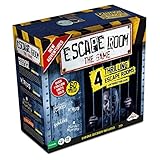
Overview: Escape Room The Game Version 2 provides a comprehensive home escape room system with four distinct scenarios designed for 3-5 players aged 16+. Each 60-minute adventure uses a combination of physical components, a Chrono Decoder device, and a companion app to create an authentic timed challenge. The kit includes progressively difficult scenarios, with expansion packs available for extended replayability.
What Makes It Stand Out: The electronic Chrono Decoder elevates tension through digital countdowns and audio feedback, while the app integration provides thematic soundtracks and immersive atmospherics. Unlike single-title games, this offers four complete adventures in one purchase, with a clever difficulty progression that trains players for harder challenges. The expansion ecosystem makes this a platform rather than a disposable experience.
Value for Money: Though pricier than individual EXIT games, four included scenarios reduce the per-game cost substantially. The reusable decoder and app infrastructure justify the initial investment, especially for regular game nights. Expansion packs extend value further, making this economical for committed enthusiasts who would otherwise spend more on multiple separate titles.
Strengths and Weaknesses:
- Strengths: Four distinct scenarios; electronic decoder enhances immersion; app integration; difficulty progression; expansion availability; reusable components.
- Weaknesses: Higher upfront cost; requires smartphone/tablet; 16+ age rating limits family play; some puzzles feel dated; decoder requires batteries.
Bottom Line: Best suited for dedicated puzzle groups and teens seeking authentic escape room pressure. The multi-game format and tech integration make this the premier choice for repeat entertainment.
4. Thames & Kosmos EXIT: The Enchanted Forest| A Kosmos Escape Room Game in a Box| Family Friendly, Card-Based at-Home Escape Room Experience for 1 to 4 Players, Ages 12+ , Black

Overview: EXIT: The Enchanted Forest transports players into a whimsical woodland adventure where fairy tale creatures obstruct your path home. This card-based escape room supports 1-4 players aged 12+ and follows the signature EXIT formula of single-use, destructible gameplay. Players encounter riddles that require creative thinking and physical manipulation of game materials over a 1-2 hour session.
What Makes It Stand Out: The fairy tale theme offers refreshing family-friendly appeal compared to darker escape room narratives. Its integrated clue card system prevents frustration by offering tiered hints without spoiling solutions prematurely. As part of the Kennerspiel des Jahres-winning series, it maintains the same design excellence as The Abandoned Cabin while providing a gentler, more fantastical atmosphere that resonates with younger players.
Value for Money: Positioned similarly to other EXIT titles, this delivers exceptional value for families seeking quality screen-free entertainment. The single-use design feels justified through meticulous puzzle craftsmanship. For parents, the cost equates to a family movie night but provides interactive engagement that passive entertainment cannot match, especially for mixed-age siblings.
Strengths and Weaknesses:
- Strengths: Charming fairy tale theme; excellent clue system; award-winning design; accessible difficulty for families; compact packaging.
- Weaknesses: Single-play only; less challenging for experienced adults; theme may not appeal to hardcore mystery fans; requires precise component destruction.
Bottom Line: Excellent choice for families with younger teens seeking a magical puzzle adventure. The Enchanted Forest balances accessibility with satisfying challenges, making it a standout entry point into escape room gaming.
5. ThinkFun Escape The Room Stargazer’s Manor - A Thrilling Escape Room Game in a Box for Ages 10 and Up | Enhances Logical Reasoning | Perfect for Family Game Night | Ideal Gift for Puzzle Lovers

Overview: ThinkFun’s Stargazer’s Manor targets 3-8 players aged 10+ with a focus on logical reasoning and deductive thinking. This escape room game emphasizes skill development while delivering narrative intrigue through sealed envelopes, a scenic gameboard, and a unique solution wheel mechanism. The experience typically runs 90 minutes and prioritizes cognitive challenges over tactile destruction, making components reusable for multiple sessions.
What Makes It Stand Out: The solution wheel mechanism provides satisfying tactile feedback when entering codes, eliminating the need for app integration or electronic components. ThinkFun’s educational pedigree ensures puzzles genuinely enhance logical reasoning skills, making this stealthily educational. The generous 3-8 player range accommodates larger groups than most competitors, perfect for parties or classroom settings where collaborative problem-solving is desired.
Value for Money: While containing only one scenario, the reusable components and larger player capacity deliver strong per-person value. ThinkFun’s reputation for durability means the game withstands repeated handling. For educators or frequent hosts, the investment pays dividends across multiple game nights. The focus on skill development adds intangible value beyond pure entertainment.
Strengths and Weaknesses:
- Strengths: Reusable components; accommodates up to 8 players; enhances logical reasoning; no tech required; trusted brand quality; excellent instruction manual.
- Weaknesses: Single scenario included; less immersive than destructive games; puzzles may feel academic; narrative is secondary to mechanics; limited replayability.
Bottom Line: Perfect for large groups, educators, and families prioritizing skill development over narrative immersion. Stargazer’s Manor delivers reliable, reusable puzzle entertainment from a trusted educational brand.
6. EXIT: The Game - Adventures on Catan | Interactive Escape Room Experience| Cooperative | 1-4 Players | 10+ | Kosmos | Game for Kids and Adults

Overview: EXIT: The Game - Adventures on Catan merges the beloved board game universe with escape room puzzle mechanics. Players leave their mundane village life behind to explore and settle the mysterious island of Catan, solving a series of interconnected puzzles to build a new existence. This cooperative experience accommodates 1-4 players and typically runs 1-2 hours, making it an ideal evening activity for families and gaming groups.
What Makes It Stand Out: The integration of genuine Catan mechanics like resource collection and trading sets this apart from standard escape room games. Rather than simply solving disconnected puzzles, players physically build out the island using Catan pieces, creating a tangible sense of progression. The thematic cohesion between classic Catan gameplay and escape room challenges creates a uniquely immersive experience that feels authentic to both genres.
Value for Money: Priced similarly to other EXIT titles ($15-20), this offers exceptional value for Catan fans who gain a fresh perspective on their favorite franchise. The reusable Catan components provide lasting value beyond the single-play puzzle sequence, unlike traditional escape room games that offer no replayability. Compared to standalone EXIT games, the branded content justifies any premium.
Strengths and Weaknesses: Strengths include clever puzzle integration with Catan’s trading mechanics, high-quality components, and accessible difficulty for ages 10+. The cooperative nature encourages teamwork without alpha-player issues. Weaknesses stem from its one-time-use nature—once solved, puzzles lose surprise—and experienced escape room enthusiasts may find it less challenging than dedicated EXIT titles.
Bottom Line: Perfect for Catan enthusiasts seeking a narrative-driven puzzle experience, this game brilliantly bridges two worlds. Families with teens and adult gaming groups will appreciate its innovative design, though hardcore puzzlers should expect moderate difficulty. A must-have for fans of both franchises.
7. Clue Escape: The Illusionist’s Club Board Game | Escape Room Family Game | 1-Time Solve Mystery | Ages 10+ | 1-6 Players | Difficulty 4 | 90-120 Mins. (Amazon Exclusive)

Overview: Clue Escape: The Illusionist’s Club reimagines the classic deduction franchise as a cinematic escape room experience. Players infiltrate a magic club where a famous magician has been sabotaged, working cooperatively to escape and identify the culprit. Designed for 1-6 players ages 10+ and lasting 90-120 minutes, this one-time solve mystery combines strategic sleuthing with immersive puzzle-solving.
What Makes It Stand Out: The dynamic gameboard physically transforms as you progress, revealing new rooms and secrets that mirror the unpredictable nature of a magic club. A secret “magical” tool adds tactile engagement beyond standard paper puzzles, while magic trick-inspired riddles create thematic consistency. The Clue brand’s familiar cast provides immediate narrative investment for longtime fans.
Value for Money: At $20-25, it sits at the higher end of escape room games but delivers a more polished, narrative-rich experience than budget alternatives. The Amazon exclusive status ensures quality control, and the 6-player capacity offers better per-person value than 4-player competitors. While single-use, the 2-hour runtime and cinematic components justify the investment for a memorable game night.
Strengths and Weaknesses: Strengths include the evolving board mechanics, strong thematic integration, and flexible player count from solo to six. The magic theme offers fresh puzzles beyond typical lock-and-key challenges. Weaknesses include moderate difficulty (rated 4/5) that may frustrate younger players, and the single-play nature means no replay value once mysteries are solved.
Bottom Line: Ideal for families and friend groups seeking a narrative-driven evening, this game excels as a gateway between traditional board games and escape rooms. Magic enthusiasts and Clue fans will find particular delight, though puzzle veterans should expect a moderate challenge level rather than extreme difficulty.
8. Hunt A Killer: Death At The Dive Bar, Solve a Murder at Old Scratch Tavern, Immersive Murder Mystery Game, Play Detective in Unsolved Mysteries, Great Gift For True Crime Fans, Designed for Ages 14+
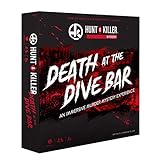
Overview: Hunt A Killer: Death At The Dive Bar delivers an immersive true crime investigation where players probe the suspicious death of bar owner Nick Webster. Marketed as an accident, evidence suggests murder, and players must sift through forensic files and physical clues to prove foul play. Designed for ages 14+ with a 1/5 difficulty rating, this 45-60 minute experience targets true crime newcomers.
What Makes It Stand Out: Unlike fictional escape rooms, this game emphasizes realism through authentic-looking evidence documents, witness statements, and forensic analysis. The dive bar setting feels grounded and relatable, while the beginner-friendly design ensures accessibility without overwhelming complexity. The narrative’s mature tone distinguishes it from family-oriented mystery games.
Value for Money: At $25-30, it’s pricier than mass-market escape rooms but cheaper than Hunt A Killer’s subscription boxes. The standalone format offers a low-commitment entry point to the series. While shorter than competitors, the high-quality physical evidence and realistic presentation justify the cost for true crime enthusiasts seeking a concise investigation.
Strengths and Weaknesses: Strengths include exceptional thematic authenticity, realistic prop quality, and approachable difficulty for investigation novices. The solo or team flexibility adds versatility. Weaknesses include the brief 45-60 minute runtime—shorter than advertised—and experienced true crime fans may find the 1/5 difficulty too simplistic, solving it too quickly for satisfaction.
Bottom Line: Perfect for true crime podcast fans and murder mystery beginners seeking a realistic investigation experience. The mature theme and authentic evidence create genuine immersion, though puzzle veterans should seek higher-difficulty entries. An excellent gift for crime enthusiasts wanting a taste of detective work without subscription commitment.
9. Escape From the Museum Escape Room Game

Overview: Escape From the Museum places players in a classic locked-in scenario, challenging them to solve brain-busting puzzles after being trapped in a museum after hours. Part of Professor Puzzle’s Escape Room Collection, this compact game supports 1-4 players and emphasizes deductive reasoning over narrative complexity, offering a straightforward puzzle-solving experience.
What Makes It Stand Out: The museum setting provides diverse puzzle opportunities—from ancient artifacts to modern exhibits—creating thematic variety within a single location. As a mini escape room game, its compact packaging makes it highly portable and affordable, while still delivering the core escape room tension. Professor Puzzle’s established reputation ensures consistent puzzle quality and logical flow.
Value for Money: Typically priced under $15, this represents excellent value for casual gamers seeking an accessible entry point into escape room games. While less elaborate than premium titles, the lower cost reflects the streamlined experience appropriately. For families testing the genre, the minimal investment reduces risk while providing genuine puzzle challenges that exceed typical party game expectations.
Strengths and Weaknesses: Strengths include affordability, logical puzzle progression, and portability for travel or game nights. The museum theme offers broad appeal without niche requirements. Weaknesses include limited narrative depth compared to story-driven competitors, and experienced puzzlers may complete it in under an hour. The component quality, while functional, lacks the premium feel of higher-priced alternatives.
Bottom Line: An ideal starter escape room game for families and casual gamers seeking affordable fun. The straightforward puzzle design and accessible theme make it perfect for introducing new players to the genre, though enthusiasts should expect moderate challenge rather than complex innovation. Great value for impromptu game nights.
10. Clue Escape: The World’s Fair Board Game | Escape Room 1-Time Solve Mystery Games | Ages 10+ | 1 to 6 Players | 90 - 120 Mins.| Family Games

Overview: Clue Escape: The World’s Fair transports players to a historic exhibition where a brilliant scientist has been murdered, tasking them with escaping the fairgrounds while identifying the killer. As the sixth installment in the Clue Escape series, this 1-6 player game maintains the franchise’s signature blend of escape room mechanics and classic deduction across 90-120 minutes of cinematic gameplay.
What Makes It Stand Out: The World’s Fair setting offers rich thematic potential with exhibit halls and scientific wonders, creating more diverse puzzles than indoor locations. The dynamic board evolves throughout play, while a secret tool helps uncover hidden evidence. The scientist murder plot adds intellectual stakes, and the included fair brochure serves as an integrated clue source, enhancing immersion.
Value for Money: Positioned at $20-25, it matches other Clue Escape entries in price and quality. The 6-player capacity and 2-hour runtime provide solid entertainment value, while the established series reputation ensures consistent design standards. For fans collecting the series, it offers fresh content with familiar mechanics, justifying the investment despite single-use limitations.
Strengths and Weaknesses: Strengths include the vibrant World’s Fair theme, polished production values, and scalable difficulty suitable for ages 10+. The cooperative deduction mechanics work seamlessly solo or in groups. Weaknesses include formulaic similarity to previous Clue Escape titles, which may feel repetitive for series veterans, and the one-time nature limits replayability, reducing long-term value.
Bottom Line: An excellent choice for mystery fans and Clue enthusiasts seeking a fresh narrative within a proven system. The World’s Fair theme provides visual and puzzle variety, making it accessible to newcomers while satisfying series collectors. Best for groups wanting a structured, story-driven escape experience rather than open-ended puzzle chaos.
What Defines an Escape Room Board Game?
Escape room board games capture the essence of their real-life counterparts by dropping players into narrative-driven scenarios where puzzles, clues, and logical deduction lead to progression. Unlike traditional board games focused on competition or resource management, these experiences prioritize collaborative problem-solving against a ticking clock—real or simulated. The defining DNA includes a central mystery or objective, interconnected challenges that build upon each other, and that signature “aha!” moment when a seemingly impossible solution clicks into place. In 2026, the genre has expanded to include hybrid digital-physical experiences, compact travel-friendly versions, and campaign-based games that evolve with your group.
Key Features to Look for in Quality Budget Options
Replayability Factors
The biggest concern with affordable escape games is often their single-use nature, but clever design can circumvent this limitation. Look for games with destructible components that include reset guides or downloadable replacement sheets. Many budget titles now offer “replay kits” sold separately, while others use non-destructive puzzle mechanisms like reusable clue cards, dry-erase markers, or modular boards that reconfigure for different scenarios. Some designers have embraced the “one-and-done” model but pack so much content into a 2-3 hour experience that the price-per-play rivals a movie ticket—excellent value when the narrative and puzzle quality deliver.
Component Quality on a Budget
Affordable doesn’t have to mean flimsy. In 2026, production innovations have made thick cardstock, linen-finished cards, and sturdy cardboard components standard even in sub-$20 titles. Pay attention to print quality—sharp, clear iconography and text prevent frustration during gameplay. Good budget games often prioritize fewer, higher-quality pieces over an abundance of cheap tokens. The best value titles might surprise you with custom-shaped components, embossed elements, or clever use of translucent overlays that feel premium despite the low price tag.
Narrative Depth vs. Price Point
Storytelling costs nothing to write but everything to get right. Exceptional budget escape games weave compelling narratives through puzzle context rather than expensive artwork or components. They use flavor text strategically, making each clue feel purposeful to the plot. The writing quality becomes the star, with atmospheric descriptions that spark imagination without requiring elaborate illustrations. In 2026, many affordable titles include QR codes linking to free audio narration or atmospheric soundtracks, adding production value without raising the box price.
Difficulty Curve Considerations
A well-designed escape game builds puzzle complexity gradually, teaching you its logic language before throwing the brain-benders at you. Quality budget options include smart hint systems—often tiered so you can get nudges without full spoilers. Watch for games that advertise difficulty levels or include “beginner” and “expert” modes, which essentially give you two experiences in one. The best value games respect your time, offering 45-90 minute experiences that feel complete rather than padded with filler puzzles.
Player Count Flexibility
The sweet spot for most escape games is 2-4 players, but the best affordable options scale gracefully. Look for titles that include specific rules for solo play—essential for pandemic-era gamers who still enjoy isolated puzzling. Games that support 5-6 players without becoming chaotic often use parallel puzzle tracks or designated “clue master” roles. In 2026, many budget games include “duel” modes where two teams can race separately using the same components, effectively doubling the game’s utility.
Types of Escape Room Board Games Available
Linear Puzzle Chains
These classics present puzzles that must be solved in sequence, with each solution providing the key to the next challenge. Think of them as interactive storybooks where progression feels incredibly satisfying. Budget linear games excel at focused narratives and often include fewer components, keeping costs low. The trade-off is less player agency, but the guided experience ensures you won’t get stuck with multiple unsolved puzzles blocking progress. For newcomers, this structure provides the most authentic “escape room” feeling.
Non-Linear Exploration Games
These sandbox-style experiences give players multiple puzzles to tackle simultaneously, mimicking the freedom of physical escape rooms where different team members work on different locks. Affordable versions often use location cards, exploration tokens, or simple map boards. This structure shines for groups of 4+ players but requires stronger hint systems since you might be stuck on puzzle #3 while your friend breezes through puzzle #7. The best budget non-linear games include clever “progress gates” that prevent you from solving everything in the wrong order.
App-Integrated Hybrid Experiences
2026 has seen explosion in free companion apps that add timers, sound effects, and digital puzzle inputs to physical components. These games keep box costs down by offloading expensive components to your smartphone or tablet. The app might handle inventory management, provide atmospheric audio, or even use AR to transform simple cards into 3D puzzles. Quality budget hybrids ensure the app works offline and doesn’t require subscriptions or in-app purchases to complete the core experience.
Legacy and Campaign-Style Games
While legacy games traditionally command premium prices, 2026’s budget market includes “light legacy” titles where permanence is optional or reversible. These might use sticker sheets you can photocopy, or have you mark a separate campaign log rather than destroying game pieces. The value proposition is enormous—getting 5-10 interconnected escape scenarios for the price of what one used to cost. Look for campaigns where individual episodes stand alone, so you’re not locked into a 20-hour commitment.
Print-and-Play Options
The ultimate budget category has matured beyond amateur hour. Professional designers now release polished print-and-play escape games with graphic design rivaling commercial products. These cost only paper and ink, often under $5 total. In 2026, many include video introductions, online hint systems, and community forums. The quality varies wildly, so check for designer reputation and user reviews mentioning clear instructions and puzzle logic. Some even offer “upgrade packs” with professionally printed components for a modest fee.
Budget-Friendly Price Ranges Explained
Understanding what you get at each price tier helps set expectations. The $10-15 range typically offers 60-90 minute experiences with minimalist components—often just cards and paper. These excel when puzzle design is innovative and narrative is strong. The $15-25 sweet spot adds better components, longer playtimes (90-120 minutes), and more complex narratives. Here you’ll find the best value-to-quality ratio. Games under $10 exist but scrutinize them carefully; many are puzzle pamphlets rather than full experiences. Above $25, you’re entering premium territory, but even here, “affordable” means getting 3+ plays or campaign content.
How to Spot True Value vs. Compromised Quality
Red Flags in Cheap Escape Room Games
Beware games with vague puzzle descriptions on the box—“over 100 puzzles” often means 100 simple riddles rather than integrated challenges. Poor translation quality in rulebooks suggests rushed production. Avoid titles with no online presence or community; a healthy fan base indicates the game is solvable and enjoyable. Be skeptical of games requiring proprietary apps that have poor reviews mentioning bugs or paywalls. Finally, watch for excessive component lists with no gameplay purpose—flashy pieces often mask weak puzzle design.
Indicators of Surprising Quality
Quality budget games often have active social media communities posting solution discussions (spoiler-free zones). Look for awards or nominations in “best budget game” categories. Designers who respond to player questions online care about their product’s reputation. Games that include “designer notes” explaining puzzle philosophy usually have thoughtful construction. Check if the publisher offers free bonus scenarios online—this shows commitment beyond the initial sale. In 2026, many excellent affordable games have QR codes linking to tutorial videos, demonstrating confidence in their product.
Maximizing Your Escape Room Game Investment
Storage and Preservation Tips
Preserve your investment by using sheet protectors for paper components you’ll need to write on. Photocopy destructible elements before playing. Store cards in affordable deck boxes to prevent wear. For games with apps, screenshot important clues in case the app gets updated and changes. Keep a “game journal” to track your group’s progress in campaign games, preserving the physical components for replay. Many budget games have small boxes—consolidate several into a larger storage case with labeled dividers for easy browsing.
Community and Online Resources
The escape room board game community is your best friend for stretching value. Facebook groups and Discord servers offer spoiler-free hint exchanges and component replacement advice. BoardGameGeek’s forums have dedicated threads for most titles where you can download fan-made expansions or alternative endings. YouTube channels often post non-spoiler reviews that show component quality up close. In 2026, many designers host live play-along events where they guide groups through their games, offering unprecedented access to creative minds behind your budget purchase.
Expansion and Custom Content Options
Some affordable base games have free fan-created scenarios using the same components—essentially unlimited content. Look for games with “puzzle construction kits” that let you build and share your own challenges. Publishers increasingly release digital expansion packs for $2-5 that reuse physical components with new app content. The modding community has exploded; simple games with open-ended systems often have dozens of free user-generated scenarios. This effectively turns your $15 purchase into a platform for hundreds of hours of gameplay.
2026 Market Trends for Affordable Escape Games
Sustainability in Game Production
Eco-conscious manufacturing has become a selling point that actually reduces costs. Publishers are using smaller boxes, eliminating plastic trays, and printing on recycled materials—savings passed to consumers. Soy-based inks and digital rulebooks are standard. Some budget lines use “component sharing” where buying multiple games in a series gives you a shared pool of pieces, reducing redundant production. This green approach isn’t just ethical; it makes games cheaper to produce and ship.
Digital Integration Advances
The line between physical and digital has blurred in exciting ways. NFC-enabled cards that trigger app events cost pennies to produce but add huge functionality. Voice-activated hint systems through smart speakers are appearing in budget titles. Some games use blockchain (yes, really) for unique puzzle verification, preventing spoilers in secondhand sales. The key is that these digital enhancements are free to use—no subscriptions, no hidden costs—making them true value additions.
Community-Driven Design
Crowdsourced puzzle testing has slashed development costs while improving quality. Publishers release beta versions to loyal fans for free, getting thousands of playtest hours. This direct-to-consumer feedback loop means budget games launch more polished than premium titles did five years ago. Some companies have “community contributor” programs where fans design puzzles that get officially published, with revenue sharing that keeps the base game price low. This collaborative model is redefining what “indie” and “budget” mean in 2026.
Building Your Collection Strategically
Start with a versatile “gateway” game in the $15-20 range that supports 1-4 players and offers 90+ minutes of content. This becomes your benchmark for quality. Next, add a print-and-play title to test the waters of ultra-budget gaming. Then consider a campaign-style game for extended value. Fill gaps with specialized titles: a quick 30-minute game for weeknights, a travel-sized option, and a party game supporting 6+ players. Rotate games within your group—trade with friends to experience more titles without buying everything. Track your “cost per hour of entertainment” to justify purchases; even a $25 game that gives your group 4 hours of fun beats most entertainment options.
Frequently Asked Questions
What price range qualifies as “affordable” for escape room board games in 2026?
Most enthusiasts consider $10-25 the sweet spot for affordable quality. Games under $15 typically offer 60-90 minute standalone experiences, while $15-25 range provides longer playtimes, better components, and sometimes campaign content. Anything under $10 should be scrutinized for actual gameplay depth versus puzzle pamphlet status.
How can I tell if a cheap escape room game is solvable without buying it first?
Check BoardGameGeek for user ratings on “puzzle fairness” and browse spoiler-free reviews on YouTube. Look for active community forums where players discuss hint usage—games with robust, well-structured hint systems are usually solvable. Avoid titles with multiple reviews mentioning “logic leaps” or puzzles requiring external knowledge not provided in the game.
Are app-integrated games worth it if I’m concerned about long-term value?
Yes, if the app is free and doesn’t require subscriptions. Quality budget hybrids in 2026 offer offline functionality and don’t gate core content behind paywalls. Check app store reviews for mentions of bugs and developer responsiveness. Good apps add atmosphere and reduce component costs, actually increasing value.
Can I replay escape room games after solving them?
Some are designed for single use, but many budget titles include reset guides or non-destructive puzzles. Look for games advertising replayability or offering “replay kits.” Even “one-shot” games can be replayed with new players, letting you enjoy their discoveries. Campaign games naturally offer multiple scenarios, while print-and-play titles can be reprinted infinitely.
What’s the ideal player count for maximizing value?
Two to four players offers the best experience-to-cost ratio. Solo modes add flexibility for the same purchase price. Games supporting 5-6 players often include parallel puzzle tracks, effectively giving you a different experience at larger counts. Calculate value by dividing price by total possible player-hours across all supported counts.
How do print-and-play escape games compare to boxed versions?
Professional print-and-play games in 2026 rival commercial quality in puzzle design and graphic design. They cost $2-5 in materials versus $15-20 for boxed equivalents. The trade-off is your time spent printing and cutting. For maximum value, use cardstock and a corner rounder to improve durability. Many designers offer “deluxe” printed versions for $10-12, bridging the gap.
What should I do if my group gets stuck on a puzzle?
Use the game’s hint system progressively—take small nudges before full solutions. Set a 10-minute timer; if no progress, take a hint. For budget games without formal systems, online communities offer spoiler-free hints. Some groups designate a “hint captain” who checks solutions without spoiling the group, providing tailored guidance. Taking hints isn’t cheating—it prevents frustration and keeps the experience fun.
Are legacy-style escape games really affordable?
“Light legacy” games in 2026 offer campaign experiences without permanent destruction, keeping them replayable and resaleable. These typically cost $20-25 for 5-10 scenarios, working out to $2-5 per session—excellent value. Avoid true legacy games that destroy components unless you’re certain about commitment, as they have zero replay value.
How important is component quality in budget games?
Component quality directly impacts enjoyment. Flimsy cards that shuffle poorly or unclear printing that causes misreads ruin experiences. However, quality doesn’t require thick plastic miniatures. Good budget games use thick cardstock, clear iconography, and smart component choices. Prioritize games where components serve gameplay over flashy but unnecessary pieces.
Can I create my own escape room experiences using budget games as inspiration?
Absolutely! Many affordable games include “designer notes” explaining puzzle logic, which teaches you construction principles. Start by remixing existing puzzles with new narratives. Use free online puzzle generators for crosswords, ciphers, and logic grids. Some publishers release “creator kits” with graphic templates. The escape room community actively shares custom scenarios, turning your $15 purchase into a learning platform for unlimited DIY content.
See Also
- 10 Affordable Cooperative Board Games That Don’t Sacrifice Quality in 2026
- Top 10 Best Escape Room Board Games for Family Game Night in 2026
- 10 Must-Have Themed Board Games for Escape Room Lovers in 2026
- 10 Expert-Recommended Escape Room Board Games for Teens in 2026
- 10 Best Escape Room Board Games for Classroom Learning in 2026