Table of Contents
There’s something uniquely satisfying about the click of tiles hitting the table during an intense two-player showdown. Whether you’re building ancient civilizations, cultivating landscapes, or claiming territory tile by tile, the head-to-head dynamic transforms tile placement from a peaceful puzzle into a battlefield of wits. For couples, roommates, or gaming partners seeking that perfect competitive edge, 2026’s landscape of tile placement games offers unprecedented variety and sophistication.
But finding the right two-player tile game isn’t just about grabbing the newest release or the highest-rated box on the shelf. It’s about understanding which mechanics create those nail-biting moments, which design elements keep games fresh after dozens of plays, and how different features cater to your specific playstyle preferences. This guide walks you through everything you need to evaluate before your next purchase, ensuring your game nights are filled with strategic depth rather than buyer’s remorse.
Top 10 Tile Placement Games for Two-Player Board Games
Detailed Product Reviews
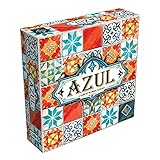
1. Azul Asmodee Azul Board Game - Award-Winning Tile-Placement Strategy Game, Beautiful Mosaic Art, Family Fun for Kids & Adults, Ages 8+, 2-4 Players, 30-45 Minute Playtime
Overview:
Azul is a critically acclaimed tile-placement strategy game where players compete as artisans decorating Portuguese palace walls. By drafting colorful resin tiles from shared factories and strategically placing them on personal boards, you score points through clever pattern-building and set collection. The game combines tactile satisfaction with meaningful decisions in a 30-45 minute experience that works equally well for families and serious gamers.
What Makes It Stand Out:
The game’s most striking feature is its premium components—heavy, gem-like tiles that create a satisfying tactile experience rare in board games. The elegant mechanics hide surprising depth; while rules are teachable in five minutes, mastering the delicate balance between securing needed tiles and denying opponents requires multiple plays. The visual payoff of completed mosaics creates an Instagram-worthy table presence that immediately draws non-gamers in.
Value for Money:
Priced around $40-50, Azul sits comfortably in the premium family game category. The component quality justifies the cost—the tiles feel like small works of art. Compared to similarly priced strategy games, it offers superior production value and higher replayability through variable scoring patterns. It’s a better investment than many licensed titles that cost more but deliver less strategic depth.
Strengths and Weaknesses:
Strengths: Exceptional component quality; intuitive rules with strategic depth; scales well at all player counts; high replay value; stunning table presence.
Weaknesses: Can trigger analysis paralysis in competitive players; limited to four players; score tracking can be fiddly; some may find the “take-that” element frustrating.
Bottom Line:
Azul belongs in nearly every board game collection. Its perfect balance of accessibility and depth, combined with jaw-dropping components, makes it ideal for family game nights and strategic gamers alike. While the four-player limit may disappoint larger groups, it’s a masterpiece of modern game design that rewards repeated play.
2. The Architects of Amytis | 2 Player Tile Placement Strategy Board Game | Compete to Build The Best City of Babylon for Queen Amytis | Takes Only 5 Minutes to Learn | Ages 10+ | 2 Players | 30 Min

Overview:
This two-player tile-laying game casts you as architects building Babylon for Queen Amytis. Players draft building tiles and place them on a shared grid, scoring through area control and pattern completion. A unique worker-placement element lets you place architect tokens to trigger powerful bonuses when three align. The 30-minute playtime and five-minute teach make it an accessible entry into strategic gaming for couples and dedicated duos.
What Makes It Stand Out:
The innovative tic-tac-toe style worker alignment mechanic distinguishes it from other tile-layers. Creating three-in-a-row triggers the “King’s Favor,” delivering game-changing bonuses that add a satisfying combo element. The variable scoring objectives ensure no two sessions feel identical, while the direct two-player competition creates a tense, chess-like atmosphere in a fraction of the time.
Value for Money:
At approximately $30-35, this represents solid value for a specialized two-player game. While you could find cheaper two-player card games, the quality components and replayability justify the price. It competes favorably with other couple-centric games like “7 Wonders Duel,” offering comparable depth at a lower cost. For duos seeking strategic depth without a large group, it’s a worthwhile investment.
Strengths and Weaknesses:
Strengths: Lightning-fast setup; genuine strategic depth; excellent replayability through variable scoring; perfect for couples; compact box footprint.
Weaknesses: Exclusive two-player limit restricts flexibility; theme feels pasted-on; iconography takes a game to internalize; experienced gamers may exhaust strategies quickly.
Bottom Line:
The Architects of Amytis excels as a couple’s game or filler for two-player households. While it won’t replace heavier strategy games, its clever worker alignment mechanic and quick playtime make it a frequent table presence. Consider it essential if you primarily game with one partner, but skip it if you need multi-player flexibility.
3. Solstis: Firefly - Expansion to The Two-Player Tile Placement Board Game | Main Game Required | Encounter New Mystical Spirits on a Magical Mountain Hike | Ages 8+ | 2 Players | 15 Min

Overview:
This expansion for the base Solstis game introduces four new spirits and a firefly collection mechanic that can trigger instant victory. Players now chase glowing firefly tokens across the mountain while encountering whimsical new characters that add strategic wrinkles. The 15-minute playtime remains unchanged, but the added elements create fresh decision points for veterans of the original two-player tile-layer.
What Makes It Stand Out:
The firefly chase introduces a compelling alternate win condition that forces players to balance traditional mountain-building with opportunistic firefly grabbing. This creates delicious tension and prevents optimal strategies from becoming stale. The new spirits’ abilities integrate seamlessly, offering surprising combos without overcomplicating the elegant base system. The glowing tokens and enchanting artwork enhance the game’s already strong visual appeal.
Value for Money:
Priced around $15-20, this expansion delivers adequate value—but only if you love the base game. It doesn’t fundamentally reinvent Solstis, instead offering a “more of the same with twists” experience. Compared to similarly priced expansions, the content feels slightly light, though the firefly mechanic is genuinely innovative. It’s a luxury purchase rather than essential upgrade.
Strengths and Weaknesses:
Strengths: Firefly mechanic adds strategic depth; maintains quick playtime; beautiful new art; easy to learn and integrate; increases replayability for fans.
Weaknesses: Requires base game (not included); limited content for the price; may dilute the pure experience some loved; only for two players.
Bottom Line:
Firefly is a must-buy for Solstis enthusiasts who’ve played the base game extensively. The new win condition breathes fresh life into the experience. However, casual players should master the original first, and those seeking radical changes will be disappointed. Treat it as a flavorful enhancement, not a necessary evolution.
4. Tile Lock Scrabble by Winning Moves Games USA, Innovative Gameboard Locks Tiles in Place, for 2 to 4 Players, Ages 8 and Up

Overview:
Tile Lock Scrabble solves the classic Scrabble frustration of bumped boards scattering tiles. This version features an all-plastic board with small posts that grip tiles securely, letting you play anywhere without disaster. The gameplay remains identical to traditional Scrabble—form crosswords, score points, use premium squares—but adds stability for travel or family settings where accidents happen. Four rubber feet protect tables while keeping the board stationary.
What Makes It Stand Out:
The innovative locking mechanism is genuinely transformative for Scrabble purists. You can literally pick up the board mid-game to examine it from different angles without disturbing a single tile. This makes it ideal for RVs, boats, or households with pets and children. The design preserves the classic experience while eliminating its most persistent physical annoyance, creating a “why didn’t they always do this?” moment.
Value for Money:
At $25-30, it costs slightly more than standard Scrabble but delivers superior functionality. The plastic construction reduces long-term wear compared to cardboard boards. For anyone who’s lost a game to a table bump, the premium is justified. However, purists may miss the wooden tiles and classic board feel. It’s a practical upgrade rather than a luxury item.
Strengths and Weaknesses:
Strengths: Tiles lock securely; excellent for travel; prevents accidental disruption; same classic gameplay; durable plastic construction.
Weaknesses: Plastic components feel cheaper than traditional wood; board size is slightly smaller; tile racks are flimsy; limited aesthetic appeal.
Bottom Line:
Tile Lock Scrabble is the definitive version for practical players prioritizing function over form. Families with kids and traveling word nerds should buy immediately. Traditionalists who cherish the classic wooden aesthetic may hesitate, but the frustration-free experience wins out. It’s Scrabble as it should have always been—stable, portable, and focused on words, not tile management.
5. Azul Mini Board Game - Portable Tile-Placement Fun, Strategy Game for Kids and Adults, Ages 8+, 2-4 Players, 30-45 Minute Playtime, Made by Next Move Games

Overview:
Azul Mini compresses the beloved tile-placement strategy into a travel-friendly package without sacrificing gameplay depth. The core experience remains identical—draft tiles, build patterns, score points—but now fits in a box smaller than a paperback. Built-in score trackers with sliding clips and indented trays keep everything secure during play. It’s designed for planes, trains, and anywhere space is premium while delivering the full 30-45 minute strategic experience.
What Makes It Stand Out:
The engineering marvel is how seamlessly it shrinks the experience. The mini-tiles retain the satisfying tactile feel despite their reduced size, and the integrated scoring system eliminates the need for separate paper tracks. The indented player boards prevent the tile-sliding disasters that plague travel games. Remarkably, the strategic depth and visual pleasure remain intact—you’re playing real Azul, just smaller.
Value for Money:
Priced around $25-30, it’s about $15 cheaper than the full version, making it attractive for budget-conscious buyers or as a second copy. For travelers, the value is exceptional—it’s cheaper than many inferior travel games while delivering a premium experience. However, if you only play at home, the standard version’s visual impact and component heft justify the extra cost.
Strengths and Weaknesses:
Strengths: Highly portable; secure tile trays; integrated scoring; maintains full gameplay; significantly cheaper; perfect for travel.
Weaknesses: Smaller tiles are harder to handle; less visually impressive; storage trays are less organized; not ideal for players with dexterity issues.
Bottom Line:
Azul Mini is essential for frequent travelers and makes an excellent entry point for newcomers. It sacrifices nothing important while gaining massive portability. Own the full version for home game nights, but keep Mini in your bag for unexpected opportunities. For space-conscious gamers, this isn’t a compromise—it’s the smarter choice. Skip only if you prioritize component grandeur above all else.
6. Asmodee Azul Crystal Mosaic Board Game EXPANSION - Tile-Placement Strategy, Family Fun for Kids & Adults, Ages 8+, 2-4 Players, 30-45 Minute Playtime

Overview: The Crystal Mosaic expansion enriches the award-winning Azul experience with four double-sided player boards and practical plastic overlays. This expansion addresses strategic variety and component management by introducing new board configurations with unique scoring paths while maintaining the core tile-drafting mechanics. The overlays serve as both functional organizers and aesthetic enhancements, preventing tile slippage during gameplay.
What Makes It Stand Out: The dual-layered player boards offer distinct mid-game and end-game scoring opportunities that fundamentally alter strategic priorities. One side emphasizes pattern completion bonuses, while the other rewards efficient tile placement sequences. The rigid plastic overlays are the standout feature—their precisely molded ridges create individual compartments that secure tiles in place, eliminating the frustration of bumped boards and ruined mosaics.
Value for Money: Priced modestly for an expansion, Crystal Mosaic delivers substantial replay value at a fraction of a full game’s cost. For dedicated players who’ve exhausted the base game’s strategic depths, this represents excellent ROI, breathing fresh life into your collection for roughly the price of two movie tickets. Casual players may find the base game sufficient.
Strengths and Weaknesses: Strengths include dramatically increased strategic variety, superior component organization, and seamless integration with base Azul. The overlays particularly benefit families with younger players. Weaknesses: requires the base game to function, and the strategic complexity may intimidate newer players. The expansion doesn’t address player scaling beyond four players.
Bottom Line: Crystal Mosaic is essential for Azul enthusiasts seeking strategic depth and component durability. It’s a smart, focused upgrade that honors the original design while adding meaningful variety. Master the base game first before investing.
7. ECO CORAL REEF | Strategic Tile-Laying Board Game | Colorful Tile Placement Tabletop Game | 2-4 Players | Playtime 30-60 min | by Unique Board Games (Standard Edition)

Overview: ECO Coral Reef casts players as marine biologists collaboratively constructing a vibrant coral reef ecosystem through strategic tile placement. Each participant works on a shared board while pursuing hidden personal objectives that reshape the communal landscape. The game combines pattern matching with mission completion, advancing your sea turtle meeple toward victory in an abstract dance reminiscent of dominoes and chess.
What Makes It Stand Out: The hidden goal system creates delicious tension—your actions to fulfill private objectives inevitably disrupt opponents’ plans, transforming cooperative-looking placement into cutthroat strategy. The dual-layered victory condition, where players match species while advancing turtles along a track, offers multiple paths to win. The turtle meeples serve as both scoring markers and thematic anchors, making abstract mechanics feel purposeful and emotionally engaging.
Value for Money: As a standalone game with 60 cardboard tiles, scoreboard, four turtle meeples, and gems, ECO Coral Reef delivers solid value comparable to gateway games like Kingdomino. The components are functional rather than luxurious, but the unique ecological theme and clever hidden-information mechanics justify the modest price point, especially for families seeking educational content disguised as competitive fun.
Strengths and Weaknesses: Strengths include a refreshing oceanic theme, strong player interaction through hidden goals, and accessible rules with surprising depth. The abstract gameplay rewards forward planning and adaptation. Weaknesses: cardboard tiles lack the tactile satisfaction of heavier components, and the game’s relative obscurity means fewer online resources. Some players may find the 30-60 minute playtime variable depending on analysis paralysis.
Bottom Line: ECO Coral Reef excels for families and educators wanting a strategic game with environmental themes. Its hidden objective system creates memorable moments of clever sabotage. Component quality is adequate but not exceptional.
8. Asmodee Azul Duel Board Game - Competitive Head-to-Head Tile-Placement Strategy Game, Stunning Mosaic Art and Quick Gameplay for Kids & Adults, Ages 8+, 2 Players, 30-45 Minute Playtime

Overview: Azul Duel distills the beloved tile-drafting mechanics into a fierce two-player experience optimized for intimate strategic battles. This standalone adaptation maintains the core mosaic-building satisfaction while introducing streamlined rules that create constant tension between partners or rivals. The Chinese shadow theatre-inspired artwork transforms competitive gameplay into a visually arresting cultural experience, making every session feel like a curated artistic duel.
What Makes It Stand Out: Unlike simply scaling the base game down, Azul Duel rebuilds the experience around two-player dynamics. The variable setup ensures no two games repeat, while the simplified drafting mechanism intensifies the zero-sum competition—every tile you take directly denies your opponent. The shadow theatre aesthetic isn’t merely decorative; it infuses each decision with dramatic weight, turning simple tile selection into a narrative of light and darkness.
Value for Money: As a standalone two-player game, Azul Duel offers exceptional value for couples or dedicated gaming pairs. It eliminates the need to purchase the full Azul for two-player sessions, priced competitively against other head-to-head titles like 7 Wonders Duel. The high replayability and premium components justify the investment, though solo gamers or those needing group flexibility should look elsewhere.
Strengths and Weaknesses: Strengths include laser-focused two-player optimization, portable footprint, quick setup, and maintained strategic depth. The artwork elevates the entire experience. Weaknesses: strictly limited to two players, making it inflexible for game nights. Some purists miss the multi-player drafting tension, and the streamlined rules may feel slightly simplified for hardcore strategists.
Bottom Line: Azul Duel is the definitive two-player Azul experience, perfect for couples or competitive duos. It sacrifices player count flexibility for pure, distilled head-to-head excellence. An essential purchase for two-player households.
9. Asmodee Carcassonne Board Game - Classic Tile-Laying Strategy Game, Family Fun Medieval Adventure for Kids & Adults, Ages 7+, 2-5 Players, 35 Minute Playtime
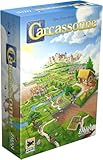
Overview: Carcassonne remains the quintessential gateway to modern strategy gaming, inviting players to build a medieval landscape through intuitive tile placement and meeple deployment. This timeless classic balances accessibility with surprising depth, making it equally welcoming for newcomers and rewarding for veterans. The redesigned rulebook streamlines learning, while the included Abbot mini-expansion and River variant add immediate variety to the foundational experience.
What Makes It Stand Out: The game’s genius lies in its elegant simplicity—placing one tile and optionally one meeple creates endless strategic possibilities. The beautifully illustrated tiles transform your table into a sprawling French countryside, with each game generating a unique narrative. Its expandable nature means the base game serves as a foundation for dozens of expansions, creating a customizable gaming ecosystem that grows with your group’s sophistication.
Value for Money: Carcassonne offers extraordinary value through its timeless replayability and expansion ecosystem. For the price of a single modern board game, you acquire a system that can evolve across decades of play. While newer games offer more complex mechanisms, few match Carcassonne’s price-to-longevity ratio. The included mini-expansions provide immediate variety, delaying the need for additional purchases.
Strengths and Weaknesses: Strengths include unmatched accessibility, quick playtime, beautiful production, and vast expansion library. It excels as a family game and strategic foundation. Weaknesses: tile draw luck can frustrate planners, and the base game may feel too simple after extensive play. Player interaction can devolve into kingmaking in larger groups, and scoring requires careful tracking.
Bottom Line: Carcassonne belongs in every collection as the definitive gateway game. Its perfect blend of simplicity and strategy creates timeless appeal. Invest here before exploring more complex titles.
10. Asmodee Azul Summer Pavilion Glazed Pavilion Board Game EXPANSION - Enhanced Player Boards, Tile-Placement Strategy Game for Kids & Adults, Ages 8+, 2-4 Players, 30-45 Min Playtime

Overview: Glazed Pavilion specifically enhances Azul: Summer Pavilion with two meticulously designed player boards and matching scoreboards. This targeted expansion deepens the Summer Pavilion experience by introducing fresh strategic configurations while maintaining the elegant tile-placement core. The included plastic overlays with ridges keep tiles secure during play, solving the common frustration of disrupted mosaics in this more complex Azul variant.
What Makes It Stand Out: Unlike generic expansions, Glazed Pavilion crafts unique board layouts that complement Summer Pavilion’s specialized scoring mechanisms. Each new board presents distinct pattern challenges and star placement opportunities, forcing veterans to rethink established strategies. The overlays are precisely engineered for the Summer Pavilion tile dimensions, demonstrating thoughtful design that respects the base game’s elevated production standards.
Value for Money: For dedicated Summer Pavilion players, this expansion offers solid value by doubling your strategic options at minimal cost. However, its exclusive compatibility means it adds zero value to base Azul owners—a critical distinction. Compared to the base game’s price, this modest investment extends replayability significantly, though the two-board offering feels lean compared to Crystal Mosaic’s four double-sided boards.
Strengths and Weaknesses: Strengths include seamless integration, enhanced component organization, and thoughtfully designed new configurations that respect Summer Pavilion’s complexity. The overlays are particularly valuable for this more elaborate scoring system. Weaknesses: extremely limited scope—only two boards and strict compatibility with Summer Pavilion only. The expansion does little to address the base variant’s longer setup time, and casual players may not exhaust the original boards quickly enough to need more.
Bottom Line: Glazed Pavilion is a must-have for Azul: Summer Pavilion devotees who’ve mastered the original boards. Its exclusive focus makes it irrelevant to other Azul fans. Purchase only if Summer Pavilion hits your table regularly.
What Makes a Tile Placement Game Perfect for Two Players?
The Duel Dynamic: Why Two-Player Tile Games Feel Different
Two-player tile placement creates an entirely different psychological landscape than multiplayer sessions. Every tile you place directly impacts your single opponent, making each decision feel personal and immediate. The zero-sum nature means you’re not just optimizing your own board—you’re actively disrupting your opponent’s plans while advancing your own. This creates a fascinating dance of action and reaction that multi-player games often dilute.
The best two-player tile games amplify this tension through tight scoring margins and limited resources. When only two players compete for those precious tiles, the drafting or selection mechanism becomes a weapon. You’re not just taking the best tile for yourself; you’re often denying your opponent a crucial piece of their engine. This interactive tension is the hallmark of exceptional two-player design.
Core Mechanics That Shine in Head-to-Head Play
Certain mechanical frameworks naturally excel in duels. Variable player powers, for instance, gain tremendous depth when you’re facing just one opponent who must specifically counter your abilities. Similarly, tile-drafting mechanics become intensely strategic with two players—every tile you pass over becomes a calculated risk rather than a random discard.
Pattern-building requirements also reach new heights in two-player formats. When you’re racing to complete specific configurations, you must constantly anticipate whether your opponent will grab that crucial tile before your next turn. The psychological element of “do I take what I need or block what they need” creates delicious decision points that define memorable gaming moments.
Balance Considerations in Two-Player Design
Game designers face unique challenges when optimizing tile placement for two players. What works beautifully for three or four players often falls flat in a duel. The most successful two-player tile games typically include specific mechanisms to maintain tension: dynamic scoring scales, special two-player rules that adjust resource availability, or dual-purpose tiles that offer both offensive and defensive options.
Watch for games that address the “runaway leader” problem through catch-up mechanics or variable endgame triggers. The best designs ensure that a single mistake doesn’t doom you three turns in, keeping both players engaged until the final tile placement. This balance between punishment for errors and opportunity for recovery separates good two-player games from great ones.
Key Features to Evaluate in 2026’s Tile Placement Landscape
Replayability Through Modular Boards and Variable Setups
The longevity of any tile placement game hinges on its ability to present fresh challenges. Modern games achieve this through modular board pieces that create different landscapes each session, variable setup cards that change scoring conditions, or randomized tile pools that ensure no two games feel identical. For two-player sessions, this variety is crucial—playing the same matchup repeatedly demands new puzzles to solve.
Look for games offering multiple scenarios or asymmetric starting positions. These elements force you to adapt strategies rather than memorizing optimal patterns. The most robust designs allow you to explore different strategic avenues across dozens of plays without the game feeling “solved.”
Strategic Depth vs. Accessibility: Finding Your Sweet Spot
Two-player games often struggle with the depth-accessibility balance. Ultra-heavy games can become mentally exhausting when you’re solely responsible for countering every opponent move, while overly simple games lose their spark after a few plays. The sweet spot involves clear rules with emergent complexity—easy to teach but challenging to master.
Consider your opponent’s experience level and your collective appetite for rules overhead. Games that layer complexity gradually through optional modules or advanced variants offer the best long-term value. You can start with the base experience and introduce complexity as your familiarity grows, preventing early burnout while promising future discoveries.
Component Quality and Tactile Satisfaction
Tile placement games are inherently tactile experiences. The weight, texture, and visual appeal of tiles significantly impact enjoyment. Thick, chunky tiles with satisfying heft and crisp artwork enhance the physical pleasure of building your tableau. For two-player games where you’ll handle components frequently, durability matters—chipped corners or fading prints quickly diminish the experience.
Pay attention to tile size and how they fit on the table. Oversized tiles might create impressive table presence but can make small gaming spaces impractical. Conversely, tiny tiles become fiddly and difficult to manipulate. The best designs balance visual impact with practical handling, especially important when two players are constantly reaching across the table.
Game Length and Session Pacing for Two Players
Two-player tile games typically run shorter than their multiplayer counterparts, but ideal length varies dramatically by design. Quick 20-30 minute duels excel as filler games or best-of-three series, while 60-90 minute experiences provide deep strategic immersion. The key is honest pacing—does the game maintain engagement throughout, or does it overstay its welcome?
Evaluate how the turn structure affects flow. Games with simultaneous selection or minimal downtime between turns keep both players constantly invested. Be wary of designs where one player’s complex engine forces the other into extended waiting periods. The best two-player games make you feel like you’re always participating, even during your opponent’s turn.
Theme Integration and Immersive Experience
While many tile placement games lean abstract, modern designs increasingly weave compelling themes into their mechanics. Strong theme integration helps you internalize rules intuitively—you’re not just placing blue tiles; you’re building ocean trade routes or connecting power grids. This narrative layer becomes more pronounced in two-player games where you can directly tell the story of your rivalry.
Consider whether you prefer pure abstract strategy or thematic immersion. Some players relish the cold logic of pattern optimization, while others need the narrative hook of competing civilizations or rival architects. The best thematic games ensure the theme enhances rather than obscures the mechanics, creating memorable moments that stick with you beyond the final score.
Advanced Mechanics to Watch For
Drafting Systems in Two-Player Tile Games
Drafting mechanics in two-player games require special design consideration. Traditional “pick and pass” systems lose tension with only two players, so innovative designers have developed alternatives: market-based selection where you pay for positioning, I-cut-you-choose mechanisms, or rotating display pools where tile availability shifts each turn.
These systems create delicious dilemmas. Do you take the tile that perfectly fits your plan, or grab the one your opponent desperately needs? The most elegant drafting systems make every selection meaningful while preventing feel-bad moments where you’re stuck with useless tiles. Look for games that offer tactical flexibility even when the draft doesn’t go your way.
Hidden Information and Bluffing Elements
Introducing hidden information transforms tile placement from a perfect-information puzzle into a psychological duel. Concealed objectives, hidden scoring conditions, or face-down tiles add layers of deduction and misdirection. You’re not just optimizing patterns; you’re trying to read your opponent’s intentions while disguising your own.
The best implementations balance information asymmetry without making the game feel random. You should be able to make educated guesses based on visible plays while retaining enough uncertainty to prevent perfect counter-play. This cat-and-mouse dynamic elevates two-player sessions beyond pure calculation into mind-game territory.
Engine-Building Synergies with Tile Placement
Modern tile placement often intertwines with engine-building mechanics where tiles generate resources, unlock abilities, or modify future placements. In two-player games, these engines become direct statements of intent—your opponent watches your capabilities grow and must respond before your engine overwhelms them.
The most engaging designs create engines that require careful tile positioning to maximize efficiency. You’re not just collecting sets; you’re spatially arranging components to create cascading effects. This spatial puzzle combined with engine optimization creates multi-layered strategic depth that rewards both long-term planning and tactical adaptation.
Area Control and Majority Mechanics
When tile placement intersects with area control, every placement becomes a territorial claim. You’re not just building patterns; you’re vying for dominance in shared spaces. Two-player area control creates intense zero-sum battles where each tile directly impacts your opponent’s scoring potential.
Look for games that offer multiple avenues for area influence—direct placement, majority bonuses, or network connections. The best designs prevent early-game placements from locking up entire regions, ensuring the board remains contested until the final tiles. This tension keeps both players invested in every single placement decision.
Pattern Recognition and Scoring Variability
Scoring systems define the strategic landscape of tile placement games. Fixed scoring patterns create clear optimization goals but can feel repetitive. Variable scoring conditions—whether through changing objectives, modular goal cards, or emergent scoring opportunities—keep the puzzle fresh.
For two players, scoring variability prevents games from becoming rote exercises in efficiency. When objectives shift, you must constantly reevaluate which tiles are valuable and where to place them. The most elegant systems reward both pre-planned strategies and opportunistic adaptation, ensuring neither player can dominate through memorization alone.
Understanding Different Subgenres
Abstract Strategy vs. Thematic Experiences
Abstract tile placement games strip away theme to focus on pure mechanical elegance. These games often feature simple rulesets that generate profound strategic depth. In two-player duels, abstracts create a pure contest of skill where every advantage comes from superior play. They’re perfect for players who enjoy chess-like mental sparring where nothing is hidden behind narrative complexity.
Thematic tile games, conversely, use setting and story to frame the mechanics. You’re not just placing tiles; you’re terraforming planets or developing city districts. For two players, strong themes can intensify the rivalry—you’re not just beating an opponent; you’re thwarting their civilization’s expansion. Choose based on whether you prefer pure mental gymnastics or narrative-driven competition.
Competitive vs. Cooperative Two-Player Modes
While this guide focuses on showdowns, many modern tile placement games include both competitive and cooperative variants. Cooperative modes task you and your partner with solving a shared puzzle against the game itself—building together to meet objectives before time runs out. These modes offer refreshing alternatives to constant competition and can strengthen gaming partnerships.
When evaluating a game’s cooperative mode, assess whether it maintains the tactical satisfaction of tile placement or devolves into one player quarterbacking. The best cooperative implementations create true collaboration where both players contribute meaningfully to the shared strategy, offering value beyond just the competitive duel.
Legacy and Campaign-Based Systems
Legacy tile placement games introduce permanence to your decisions—stickers placed permanently, components destroyed, or storylines that evolve across multiple sessions. For dedicated two-player partnerships, these campaigns create shared narratives and inside jokes that deepen the gaming relationship. You’re not just playing games; you’re experiencing a story together.
Consider your commitment level before diving into legacy games. They require regular play with the same partner and a willingness to permanently alter components. The payoff is an unforgettable shared journey, but the investment is significant. For less committed partnerships, look for games with “legacy-light” elements—campaigns that reset between stories or use reversible modifications.
Practical Buying Considerations
Price Point and Value Proposition
Tile placement games range from budget-friendly card-based titles to premium productions with elaborate components. For two-player-focused purchases, calculate cost-per-play rather than sticker price. A $60 game you play 50 times delivers better value than a $30 game you play twice. Consider the depth and replayability factors discussed earlier when evaluating whether a premium price tag is justified.
Watch for games that include dedicated two-player content. Some titles add extra tiles, specialized boards, or variant rules specifically for duels—these inclusions significantly boost value for two-player households. Conversely, avoid games where the two-player mode feels tacked on; you’re paying for content you won’t use.
Storage Solutions and Table Footprint
Two-player gaming often happens in intimate spaces—kitchen tables, coffee tables, or small dining surfaces. Evaluate how much real estate a game demands both during play and for storage. Games with elaborate three-dimensional tile stacks or sprawling boards might overwhelm smaller spaces, while compact designs fit anywhere.
Consider box organization too. Games with custom inserts or logical component trays setup and teardown in minutes, encouraging frequent play. Loose baggies and disorganized boxes create friction that can kill gaming momentum. For two-player households where games see regular use, storage efficiency directly impacts enjoyment.
Expansion Compatibility and Longevity
Many tile placement games receive expansions that add tiles, mechanics, or variants. For two-player games, expansions can dramatically extend lifespan by introducing new strategic considerations. Before buying a base game, research its expansion roadmap—does it have a healthy content pipeline, or has it been abandoned by the publisher?
Evaluate whether expansions specifically enhance two-player play or primarily add multiplayer content. The best expansions for duels offer new tile types that create fresh tactical dilemmas or additional scoring modules that change the strategic landscape. Avoid expansions that simply add more players or bloat the game with unnecessary complexity.
Digital Implementation and Solo Play Options
Modern board gaming increasingly includes digital companions or full app implementations. For two-player tile games, digital versions let you practice strategies or play when your partner is unavailable. Some apps include AI opponents that help you understand optimal play patterns, improving your head-to-head skills.
Solo modes, whether app-driven or built into the physical game, add tremendous value. They let you explore strategies without pressure, learn the game thoroughly before teaching it, and provide entertainment when your gaming partner is busy. The best solo modes capture the essence of the two-player experience rather than feeling like afterthoughts.
Setting Up the Perfect Two-Player Gaming Environment
Table Setup for Optimal Interaction
Two-player tile placement thrives on intimacy. Position yourselves at a corner of the table rather than opposite sides—this allows both players to easily reach the shared pool and see each other’s boards without craning necks. Place the main supply between you for equal access and to facilitate the psychological element of watching what tiles your opponent considers.
Lighting matters more than you might think. Good illumination reduces eye strain during pattern recognition and makes colors pop, especially important for games with subtle tile distinctions. Consider adjustable lamps that you can position to eliminate shadows on the board, ensuring both players can clearly see all available information.
Managing Downtime and Keeping Both Players Engaged
Even in two-player games, analysis paralysis can create dead time. Establish a gentle social contract about turn pacing—perhaps a soft time limit or agreement to announce your thinking process aloud. This keeps the non-active player mentally engaged and provides insight into your strategic thinking.
Use downtime productively. Study your opponent’s board for patterns, pre-plan your next few moves based on likely tile availability, or simply enjoy the tactile pleasure of organizing your personal supply. The best two-player dynamics happen when both players remain mentally present throughout, creating a continuous conversation of moves and counter-moves rather than discrete, isolated turns.
Frequently Asked Questions
What should I look for in a two-player tile placement game if I’m new to the genre?
Focus on games with clear iconography, low rules overhead, and moderate playtime. Look for titles that teach core concepts through gameplay rather than dense rulebooks. Avoid games with extensive setup or complex scoring until you’ve developed familiarity with basic tile placement patterns.
How important is theme versus abstract mechanics in two-player tile games?
This depends entirely on your preferences. Abstract games offer pure strategic competition where skill determines outcomes. Thematic games provide narrative context that can make losses feel less harsh and victories more memorable. Many successful two-player partnerships own both types for different moods.
Can tile placement games designed for more players work well with just two?
Some adapt beautifully through official two-player variants, while others feel diluted. Key indicators of good two-player adaptation include adjusted tile counts, modified scoring, or specialized setup rules. Research specifically whether a game’s two-player mode is highly rated rather than assuming it scales down effectively.
What’s the ideal game length for regular two-player tile placement sessions?
For frequent play, aim for 30-45 minutes. This provides satisfying strategic depth without mental fatigue. Shorter 20-minute games work great for best-of-three series, while 60+ minute games suit dedicated strategy nights. The sweet spot lets you play twice in one sitting, allowing rematches and strategic adjustments.
How do I prevent tile placement games from becoming repetitive with the same opponent?
Rotate between different games, use randomized setup elements, and occasionally play “open-handed” where you discuss strategies mid-game to learn from each other. Some partnerships create house rules or variant scoring to refresh familiar titles. The key is maintaining curiosity about unexplored strategic paths.
Are expensive component-heavy tile games worth it for two players only?
Calculate your expected play frequency. Premium components enhance tactile satisfaction and durability, which matters for games that hit the table regularly. If you’ll play a $60 game 30+ times, the cost per session justifies the investment. For occasional play, budget options often provide better value.
What storage solutions work best for two-player tile game collections?
Use stackable plastic containers that fit inside game boxes to keep tiles organized by type. Label everything clearly for quick setup. For frequently played games, consider dedicated storage solutions that let you grab and play in under five minutes. Vertical storage on shelves maximizes space efficiency for growing collections.
How can I improve at two-player tile placement games without a regular practice partner?
Study solo modes, watch digital implementations with AI opponents, and analyze your games afterward to identify mistakes. Some players maintain decision logs to track which tile choices led to victories or defeats. Joining online communities dedicated to strategy discussion can also accelerate improvement.
What’s the difference between tile placement and tile-laying games?
While often used interchangeably, tile placement typically refers to building personal boards or tableaus (like a puzzle in front of you), while tile-laying usually means building a shared map together. Both create spatial puzzles, but placement games emphasize personal optimization while laying games focus on shared spatial competition.
Should I buy multiple tile placement games or focus on mastering one?
Diversification prevents burnout and lets you match games to your mood and available time. However, deep mastery of one game creates incredibly satisfying high-level play. Many two-player partnerships maintain a “core” game they play regularly while rotating 2-3 others for variety, striking a balance between depth and breadth.
See Also
- The 10 Ultimate Best Tile Placement Games for Pattern Lovers in 2026
- The 10 Ultimate Best Tile Placement Games for Competitive Game Nights in 2026
- The 10 Ultimate Best Tile Placement Games for Puzzle Lovers in 2026
- The 10 Ultimate Best Tile Placement Games for Spatial Thinkers in 2026
- The 10 Ultimate Best Tile Placement Games for Competitive Players in 2026