Table of Contents
Gathering friends around the table for game night has evolved into a cherished ritual, and tile placement games have emerged as the perfect centerpiece for these social occasions. These games blend tactile satisfaction with strategic depth, offering that satisfying click of pieces fitting together while challenging players to think several moves ahead. As we look toward 2026, the landscape of tabletop gaming continues to expand with innovative mechanisms, stunning artwork, and designs that cater to every type of player—from casual newcomers to seasoned strategists.
Finding the ideal tile placement game for your specific group dynamic requires more than just picking something with pretty pieces. You need to consider the unique chemistry of your game night regulars, the time you have available, and the kind of experience everyone wants to share. Whether you’re hosting a weekly gathering of competitive thinkers or an occasional get-together with friends who just want to relax and socialize, these ten comprehensive tips will help you navigate the selection process and discover games that will have everyone asking for “just one more round.”
Top 10 Tile Placement Games for Family Board Games
Detailed Product Reviews
1. Azul Asmodee Azul Board Game - Award-Winning Tile-Placement Strategy Game, Beautiful Mosaic Art, Family Fun for Kids & Adults, Ages 8+, 2-4 Players, 30-45 Minute Playtime
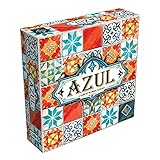
Overview: Azul is a masterfully designed tile-placement game where players draft colorful tiles to create stunning mosaics. Inspired by Portuguese azulejos, it combines visual appeal with strategic depth in a 30-45 minute experience for 2-4 players. The game’s elegant mechanics have earned it numerous awards, making it a modern classic that bridges the gap between casual family entertainment and serious gamer appeal. What Makes It Stand Out: The tactile satisfaction of handling heavy, resin tiles sets Azul apart from cardboard-heavy games. Its drafting mechanism creates delicious tension—players must balance personal goals with denying opponents key pieces. The visual payoff is immediate; even losing players create something beautiful. The rule set is lean enough for ages 8+ to grasp quickly, yet offers layered strategies that reward repeated plays. Value for Money: Priced competitively with premium board games, Azul justifies its cost through exceptional component quality and near-infinite replayability. Unlike many games that rely on expansion content, the base game offers substantial depth. When compared to similarly priced strategy games, Azul’s production values and accessibility give it a clear advantage. Strengths and Weaknesses: Strengths include gorgeous components, intuitive rules, scalable complexity, and high replay value. The game scales well across player counts. Weaknesses: player interaction can be aggressively cutthroat, potentially frustrating younger players. The 2-4 player limit excludes larger groups, and some may find the scoring slightly abstract initially. Bottom Line: Azul is an essential addition to any board game collection, perfectly balancing beauty and brains. It’s ideal for families seeking strategic depth without overwhelming complexity.
2. Tile Lock Scrabble by Winning Moves Games USA, Innovative Gameboard Locks Tiles in Place, for 2 to 4 Players, Ages 8 and Up

Overview: Tile Lock Scrabble revolutionizes America’s favorite word game by solving its most persistent frustration: scattered tiles. This ingenious redesign features a plastic board with small posts that lock each letter tile securely in place, eliminating the disaster of a bumped board. The core Scrabble experience remains untouched—100 tiles, standard scoring, and classic gameplay for 2-4 players. What Makes It Stand Out: The tile-locking mechanism is a game-changer for households with pets, children, or clumsy adults. You can literally lift the board vertically without disturbing the layout. Four rubber feet protect surfaces and keep the board stable during intense word battles. This innovation preserves game state integrity without altering the timeless mechanics purists love. Value for Money: While slightly pricier than standard Scrabble editions, the premium is justified for anyone who’s ever rage-quit after a table bump. The all-plastic construction ensures durability for decades of play. Compared to electronic alternatives, it maintains the satisfying tactile experience of physical tiles at a fraction of the cost of high-end board game equivalents. Strengths and Weaknesses: Strengths include unmatched tile security, durable construction, and unchanged classic gameplay. The plastic components are easier to clean than traditional wood. Weaknesses: purists may miss the premium feel of wooden tiles and board. The posts can occasionally make tile placement fiddly, and the plastic aesthetic lacks the warmth of classic editions. Bottom Line: An indispensable upgrade for serious Scrabble enthusiasts and families. It preserves everything you love about Scrabble while eliminating its biggest physical flaw.
3. AEG & Flatout Games | Cascadia - Award-Winning Board Game Set in the Pacific Northwest | Easy to Learn | Quick to Play | Ages 10+

Overview: Cascadia is a 2022 Spiel des Jahres winner that transports players to the Pacific Northwest, where they build interconnected habitats and populate them with wildlife. This tile-laying game for 1-4 players delivers a satisfying puzzle in just 15-30 minutes, making it an ideal gateway game that doesn’t sacrifice strategic depth for accessibility. What Makes It Stand Out: The dual-layer puzzle system is brilliant—players simultaneously optimize habitat corridors and wildlife placement patterns. Each animal species scores differently, creating emergent strategies every game. The solo mode is robust, not an afterthought, and the family variant streamlines rules for younger players. The game’s elegance shines in how quickly it teaches while offering meaningful decisions. Value for Money: With multiple prestigious awards and exceptional replayability, Cascadia punches above its weight class. The price point aligns with quality gateway games like Azul, but the solo capability adds significant value. The variable scoring objectives and random tile distribution ensure no two games feel identical, maximizing entertainment per dollar. Strengths and Weaknesses: Strengths include lightning-fast setup, intuitive rules, gorgeous nature-themed artwork, and genuine strategic depth. The 1-4 player range is versatile. Weaknesses: the abstract spatial puzzle may not satisfy players craving thematic narrative. Experienced gamers might find it too light after many plays, and the scoring can be counterintuitive initially. Bottom Line: Cascadia is a must-have for families and newcomers to modern board gaming. It delivers award-winning design in an accessible, quick-playing package.
4. Alpine Trails | Strategic Tile Placement Board Game for Families

Overview: Alpine Trails is a thoughtful path-building game where up to five players create unique trail maps using 132 tiles. Each game presents a personal objective that shapes your strategy, forcing adaptation as you draw tiles with multiple scoring opportunities. The game balances accessibility with surprising strategic depth in a puzzling spatial challenge. What Makes It Stand Out: The absence of board constraints allows for genuinely unique creations every session—no two trail maps ever look alike. The 57 fully painted wood tokens (tents, signs, and wildlife) provide tactile satisfaction rarely seen at this price point. Personal objectives create asymmetric gameplay without complexity bloat, ensuring each player pursues distinct strategies within the same system. Value for Money: The quality wood components alone justify the investment, rivaling premium games costing significantly more. With support for five players out of the box and high variability, it offers excellent group value. Compared to tile-laying competitors, Alpine Trails distinguishes itself through component quality and scalable complexity. Strengths and Weaknesses: Strengths include exceptional wood components, flexible player count (up to 5), clever objective system, and beautiful table presence. The rules are easy to teach. Weaknesses: lesser-known publisher may mean limited community support. The iconography can be dense for first-time players, and the game occupies substantial table space at higher player counts. Bottom Line: Alpine Trails is a hidden gem for families who appreciate tactile components and flexible puzzle-solving. It’s an outstanding value with premium touches.
5. Wild Flowers Family Fun Strategy Game, Grow & Claim Flowers by Placing Tiles & Bumble Bees to Secure Your Blooms Before Others, Complete Garden Cards to Score Big! Solo Play & 1 to 4 Players Aged 8+

Overview: Wild Flowers is a vibrant tile-placement strategy game where 1-4 players aged 8+ collaboratively build a garden while competing to claim flowers with bumblebee tokens. Players grow flowers petal-by-petal, aiming to complete pattern objectives before opponents place all five of their bees. Games last 20-45 minutes, balancing quick play with strategic depth. What Makes It Stand Out: The hybrid collaborative-competitive board creates unique tension—you share the garden space but race to claim completed flowers. The bee-placement mechanism is delightfully thematic and provides clear game-end triggers. Solo mode is integrated seamlessly, offering genuine solo puzzle challenges. The colorful artwork and accessible theme make it immediately appealing to families. Value for Money: Positioned as a family gateway game, Wild Flowers offers strong value with its solo mode and 1-4 player flexibility. The component quality matches its price point, and the variable garden cards provide decent replayability. While not as deep as premium strategy games, it delivers consistent family entertainment at a fair cost. Strengths and Weaknesses: Strengths include gorgeous floral artwork, intuitive rules, excellent solo mode, and quick setup. The 20-45 minute playtime fits perfectly into family schedules. Weaknesses: the “first to place all bees” ending can create runaway leader issues. Strategic depth is limited for experienced gamers, and the collaborative board may frustrate those preferring direct conflict. Bottom Line: Wild Flowers blooms as an excellent light strategy game for families seeking quick, beautiful gameplay with solid solo options.
6. Asmodee Azul Crystal Mosaic Board Game EXPANSION - Tile-Placement Strategy, Family Fun for Kids & Adults, Ages 8+, 2-4 Players, 30-45 Minute Playtime

Overview: The Crystal Mosaic expansion builds upon Azul’s award-winning tile-drafting foundation with four double-sided player boards and precision-molded plastic overlays. This modular addition introduces fresh scoring pathways and organizational elegance to the beloved abstract strategy game. Designed for existing Azul owners, it refreshes the experience without altering the core mechanics that made the original a modern classic.
What Makes It Stand Out: The dual-layered player boards with snap-on overlays represent a significant tactile upgrade, eliminating tile-sliding frustration during heated gameplay. Each board side offers distinct scoring matrices—some reward mid-game patterns while others emphasize end-game bonuses, creating strategic variety. The overlays’ raised ridges keep tiles locked in place, transforming the physical experience into something more refined and tournament-ready.
Value for Money: Priced modestly compared to full games, this expansion delivers disproportionate replay value. The four boards effectively create eight unique player configurations, extending Azul’s longevity for a fraction of a new game’s cost. For enthusiasts who’ve played the base game extensively, it postpones shelf fatigue indefinitely. Casual players may find it non-essential, but dedicated fans gain tremendous mileage.
Strengths and Weaknesses: Strengths include premium component quality, zero learning curve for returning players, and genuinely different strategic avenues that reward advanced planning. The overlays solve a genuine ergonomic issue. Weaknesses center on its reliance on the base game—it’s unusable alone—and that some board variations feel more balanced than others. The expansion doesn’t fix underlying player scaling issues at two versus four players.
Bottom Line: A near-mandatory upgrade for Azul devotees who value component excellence and strategic depth. Casual players can safely skip it, but frequent players will find the investment immediately justified.
7. Forever Home – Family Board Game About Rescuing and Training Dogs | Tile Placement & Pattern Building Strategy Game by Birdwood Games | Ages 8+ | 1–5 Players | 20–45 Min

Overview: Forever Home merges heartfelt dog rescue themes with approachable strategy gaming. Players operate animal shelters, drafting tiles representing dogs, training facilities, and adoption events to build reputation points. The game combines tile placement, set collection, and pattern building into a family-friendly package that supports solo play and accommodates up to five participants in under an hour.
What Makes It Stand Out: The emotionally resonant theme distinguishes it in a crowded market, transforming abstract mechanics into meaningful narrative moments. Its dual-layered design—simple rules for families, advanced player boards for gamers—creates rare accessibility without sacrificing depth. The dedicated solo mode with AI opponent variability demonstrates thoughtful design, while wooden dog meeples add tactile charm that matches the theme’s warmth.
Value for Money: Competitively priced against gateway games like Cascadia or Isle of Cats, Forever Home offers exceptional versatility. The inclusion of solo components, advanced variants, and high-quality wooden pieces provides tangible value. For families seeking a game that grows with player skill, it eliminates the need to purchase multiple titles across complexity levels.
Strengths and Weaknesses: Strengths include the universally appealing theme, scalable complexity, smooth teachability, and genuine strategic decisions beneath the accessible surface. Component quality exceeds expectations at this price point. Weaknesses involve slightly ambiguous iconography on some tiles and that advanced boards, while interesting, can overwhelm younger players despite the 8+ rating. Player interaction remains indirect, which may disappoint those seeking confrontation.
Bottom Line: An outstanding family-weight game that succeeds emotionally and mechanically. Perfect for dog lovers, families, and solo gamers seeking wholesome but substantive gameplay.
8. Asmodee Carcassonne Board Game - Classic Tile-Laying Strategy Game, Family Fun Medieval Adventure for Kids & Adults, Ages 7+, 2-5 Players, 35 Minute Playtime
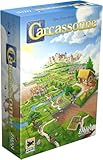
Overview: Carcassonne remains the quintessential gateway strategy game, tasking players with building a medieval French landscape by placing tiles and deploying meeples as knights, monks, farmers, and thieves. This edition includes the Abbot mini-expansion and a streamlined River variant, offering refined rules that maintain the original’s elegant simplicity while improving teachability for newcomers.
What Makes It Stand Out: Its enduring legacy stems from perfect information transparency—everyone sees the emerging map—combined with subtle tactical depth. The redesigned rulebook eliminates ambiguity that plagued earlier editions, while the included mini-expansions add variety without complexity bloat. The game’s visual table presence, with its sprawling landscape of cities and roads, creates immediate satisfaction that transcends age barriers.
Value for Money: As one of hobby gaming’s best values, Carcassonne delivers infinite replayability at an entry-level price point. The base game alone provides hundreds of sessions before feeling repetitive, and the expansive ecosystem of affordable expansions allows customized experiences. Compared to modern Kickstarter games costing triple, its price-to-play ratio remains unmatched.
Strengths and Weaknesses: Strengths include unparalleled accessibility, genuine strategic choices about when to complete features versus block opponents, and scalable player counts. The tactile joy of tile placement and meeple deployment creates immediate engagement. Weaknesses involve significant luck of tile draw, which can frustrate strategic players, and potential for “mean” blocking that may sour family dynamics. The farmer scoring rule requires careful explanation.
Bottom Line: An essential foundation for any board game collection. Brilliantly balances simplicity and depth, making it perpetually relevant despite its age.
9. My Shelfie Board Game - Organize Your Shelf and Show Off Your Treasures! Strategy Game, Fun Family Game for Kids and Adults, Ages 8+, 2-4 Players, 30 Minute Playtime, Made by Lucky Duck Games

Overview: My Shelfie transforms the mundane act of organizing into a delightful spatial puzzle. Players draft item tiles from a central living room board to fill their 3D bookshelf, connecting like items for points while pursuing personal and common objectives. The game merges tactile component building with pattern recognition in a quick, thinky experience that celebrates the joy of curation.
What Makes It Stand Out: The three-dimensional bookshelf boards create immediate visual appeal and tangible satisfaction as shelves fill with colorful game boxes, books, and collectibles. Its line-of-sight drafting mechanism—taking tiles in straight lines with open sides—introduces spatial constraints that feel fresh. The dual goal system (personal and shared) generates interesting decision tension between immediate scoring and long-term objectives.
Value for Money: Positioned in the family-strategy bracket, My Shelfie offers solid value through its unique 3D components and replayable goal combinations. While not as deep as heavier tile-layers like A Feast for Odin, it costs significantly less and plays faster. The component quality justifies the price, though experienced gamers might want more complexity for the investment.
Strengths and Weaknesses: Strengths include the novel 3D presentation, accessible rules that still reward planning, and variable goals that keep sessions distinct. The theme resonates with board game enthusiasts who appreciate shelf organization as meta-humor. Weaknesses involve limited player interaction beyond drafting competition, and the 2-4 player range feels restrictive. Some goal cards can create runaway leaders if completed early.
Bottom Line: A charming, visually distinctive puzzle game perfect for families and hobbyists who enjoy spatial reasoning without heavy rules overhead. Ideal for casual strategy nights.
10. A Gentle Rain – Calming Tile-Laying Puzzle Game – Mindful Solo, 2-Player, or Cooperative Play in 15 Minutes – Soft-Touch Tiles & Wooden Blossoms – Compact, Giftable, Family-Friendly Board Game
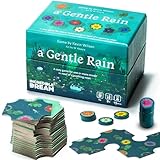
Overview: A Gentle Rain offers a radical departure from competitive gaming, presenting a meditative tile-laying experience where players collaboratively place 28 soft-touch tiles to bloom wooden blossoms across a serene lake. With no scoring, timers, or conflict, it serves as a mindful reset—solo or shared—in just 15 minutes. The game prioritizes sensory engagement and presence over strategic complexity.
What Makes It Stand Out: Its commitment to tranquility is unprecedented in modern board gaming. The soft-touch tiles and glossy wooden blossoms engage tactile senses deliberately, while hand-drawn artwork creates visual calm. The draw-and-place rhythm becomes almost ritualistic, making it a legitimate mindfulness tool disguised as entertainment. Its palm-sized portability and zero-setup requirement enable spontaneous moments of peace anywhere.
Value for Money: As a niche product, its value depends entirely on your need for what it provides. For those seeking competitive depth, it’s poor value. For individuals needing screen-free decompression, it’s priceless. The component quality—especially the wooden blossoms—exceeds expectations for the price, positioning it as an affordable wellness product rather than a traditional game.
Strengths and Weaknesses: Strengths include immediate accessibility, genuine stress relief, beautiful sensory components, and versatile play modes (solo, two-player, cooperative). It successfully achieves its design goal of calming engagement. Weaknesses are its extremely limited replayability for gamers seeking variety, lack of challenge for hobbyists, and that its peacefulness may feel aimless to achievement-oriented players. The 15-minute runtime can feel abrupt.
Bottom Line: A specialty product that excels at its singular purpose. Perfect for mindfulness practitioners, anxious gamers, or as a thoughtful gift for the overstressed. Not a traditional game, but a valuable tool for mental wellness.
Understand Your Group’s Skill Level and Experience
Before browsing any game catalog, take an honest assessment of who will be sitting at your table. The perfect tile placement game matches your group’s collective experience while providing enough interest to keep everyone engaged throughout the session. A mismatch in complexity can lead to frustrated beginners or bored veterans, so this foundational step deserves careful consideration.
Recognizing Beginner-Friendly Features
Look for games with intuitive core mechanisms that players can grasp within the first few minutes. Games that use simple matching principles—like connecting similar edges or completing basic patterns—allow newcomers to feel successful early. Visual cues on the tiles themselves, such as clear iconography or color coding, reduce the cognitive load and let players focus on the fun rather than constantly referencing rulebooks. The best entry-level options include helpful player aids that summarize scoring conditions and available actions without requiring memorization.
Identifying Intermediate Challenges
For groups with moderate gaming experience, seek titles that introduce layered decision points without overwhelming complexity. These games typically feature multiple scoring paths or minor combo potential that rewards experience while remaining accessible. The tile placement itself might involve area control elements, resource generation, or light engine-building aspects that create interesting tactical choices. Intermediate games shine when they offer enough depth for strategic thinking but don’t punish suboptimal moves too harshly, keeping the atmosphere friendly and encouraging.
Evaluating Advanced Strategic Depth
Experienced gaming groups crave tile placement titles with rich strategic landscapes and high replayability. These games often feature intricate scoring systems, long-term planning requirements, and significant interaction between players’ decisions. Look for designs where tile placement affects multiple systems simultaneously—perhaps influencing resources, board position, and future options all at once. Advanced games reward repeated plays as participants discover deeper strategies and subtle interactions, making them perfect for regular groups that enjoy mastering complex systems together.
Consider Player Count Flexibility
Game night attendance can be unpredictable, and the ideal tile placement game adapts smoothly to fluctuating player numbers. A title that works equally well with three, four, or five players gives you maximum utility and ensures your purchase won’t sit on the shelf when someone cancels at the last minute.
Scaling Mechanisms to Evaluate
Investigate how games handle different player counts through their design. Some titles use double-sided boards with different configurations, while others adjust the tile pool or modify scoring conditions. The best scaling mechanisms maintain the game’s core feel and strategic depth regardless of player count, rather than simply adding downtime with more participants. Watch for games that include official solo variants—these extend the game’s value and let you practice strategies before teaching them to your group.
Optimal vs. Acceptable Player Counts
Every game has a sweet spot where it truly shines, but understanding the acceptable range is crucial for game night success. Research whether a game feels too tight with fewer players or drags with more participants. Some tile placement games become more interactive and cutthroat at higher counts, while others lose tension and become multiplayer solitaire. Reading community discussions about how games perform at various player numbers helps you set realistic expectations for your group’s typical size.
Evaluate Game Duration and Session Length
Nothing kills game night momentum like a game that overstays its welcome or finishes too quickly to feel satisfying. Tile placement games span a wide spectrum from 15-minute fillers to multi-hour epics, and matching duration to your available time ensures everyone leaves happy rather than checking their watch.
Quick Fillers vs. Main Event Games
Determine whether you’re looking for a warm-up game, a centerpiece experience, or something in between. Shorter tile placement games (under 30 minutes) work brilliantly as opening acts or for nights when time is limited. These often feature simultaneous play or rapid turns that keep everyone constantly involved. Longer games (60+ minutes) typically offer deeper strategic development and more dramatic narrative arcs, making them the star attraction for dedicated gaming evenings.
Time Estimation Tools and Resources
Manufacturer estimates often assume experienced players and optimal conditions, so seek out community-sourced data for realistic timing. Many gaming platforms and forums track actual play times across different player counts and experience levels. Look for games with built-in timers or natural end conditions that prevent analysis paralysis from extending sessions indefinitely. Games with visible progress trackers or depleting resource pools give players a sense of pacing and help maintain momentum throughout the evening.
Analyze Complexity vs. Accessibility
The relationship between a game’s complexity and its accessibility determines how quickly you can get it to the table and how often it will return. A game that’s too complex may never get played, while one that’s too simple might not hold your group’s interest beyond a few sessions.
Rulebook Clarity and Teachability
A well-designed tile placement game should have a logical rule structure that builds upon itself naturally. The best rulebooks use visual examples and step-by-step turn breakdowns that make teaching straightforward. Consider the “teach time”—how long it takes to get new players started—when evaluating potential purchases. Games that can be taught in under 10 minutes while players handle components often hit the table more frequently than those requiring lengthy explanations before the first tile is placed.
Iconography and Component Design
Modern tile placement games rely heavily on symbols and visual language to convey information efficiently. Examine whether a game’s iconography is intuitive and consistent throughout its components. Well-designed games create a visual grammar that players internalize quickly, reducing rulebook dependency after the first few turns. Look for tiles with clear orientation markers, distinct color palettes, and unambiguous scoring indicators that make the game state readable at a glance from any seat at the table.
Assess Theme and Aesthetic Appeal
While mechanisms drive gameplay, theme and aesthetics create the initial spark of interest and maintain engagement throughout the session. A tile placement game’s visual presentation and narrative context can transform abstract decisions into meaningful, memorable experiences that resonate with your group’s interests.
Visual Table Presence and Component Quality
The tactile pleasure of handling beautifully crafted tiles adds immeasurably to game night enjoyment. Consider the physical quality—thick, satisfying tiles with clear printing and pleasant texture enhance the experience. The visual impact when the board develops throughout the game creates a centerpiece that draws interest from spectators and satisfaction from participants. Games with evolving landscapes or patterns that create a unique piece of art by session’s end provide Instagram-worthy moments that celebrate the hobby.
Thematic Integration with Mechanisms
The strongest tile placement games weave theme into every placement decision. Rather than simply pasting a theme onto abstract mechanisms, these designs make you feel like you’re building a city, exploring a jungle, or cultivating a kingdom. When the act of placing a tile creates a narrative moment—perhaps completing a district or discovering a new region—the game transcends its components and creates stories your group will recount in future sessions.
Look at Interaction Levels
Tile placement games range from peaceful parallel puzzles to directly confrontational experiences where every placement affects opponents. Matching the interaction style to your group’s social dynamic prevents mismatched expectations and ensures everyone enjoys the competitive (or cooperative) atmosphere.
Competitive vs. Peaceful Gameplay
Determine whether your group prefers direct confrontation, indirect competition, or collaborative experiences. Some tile placement games feature aggressive mechanisms where you can block opponents, steal territory, or force difficult decisions. Others offer peaceful optimization puzzles where players race to build the most efficient configuration. The right choice depends on your group’s temperament—some friends thrive on cutthroat competition, while others prefer a more relaxed, social atmosphere where conversation flows freely.
Player Interaction Types to Consider
Beyond simple competition levels, examine how players actually interact during gameplay. Some games create tension through shared resources or drafting mechanisms where you must anticipate opponents’ needs. Others feature area majority contests or network building where connections matter more than isolation. Cooperative tile placement games task players with building together against the game itself, fostering discussion and joint problem-solving. The nature of interaction shapes the table talk and social dynamics throughout the evening.
Check Setup and Teardown Time
The time between arriving at game night and actually starting to play significantly impacts everyone’s enjoyment. A game that takes 20 minutes to set up and another 20 to put away eats into precious playing time and can discourage you from bringing it to casual gatherings.
Component Organization Solutions
Well-designed tile placement games include storage solutions that speed up setup and streamline teardown. Look for games with pre-organized compartments, bagged components, or custom inserts that keep tiles sorted and ready. Some titles even include setup variants or “fast start” configurations for repeat plays. The best games get you from box to first placement in under five minutes, maximizing your actual gaming time.
Storage and Table Space Requirements
Consider the physical footprint both in storage and on the table. Tile placement games with many components require adequate space to lay out available tiles and build the main board. Ensure the game fits your typical playing surface without feeling cramped. For storage, think about shelf space and whether the box size is justified by the gameplay experience. Games with efficient packaging that protects components without excessive air space demonstrate thoughtful production design.
Examine Replayability Factors
A game’s longevity in your collection depends on how often you can return to it without the experience feeling repetitive. Tile placement games offer various paths to replayability, from random setups to deep strategic exploration that reveals new possibilities over dozens of sessions.
Variability Through Setup and Modules
Investigate how much the game changes between sessions. Random tile draws, variable setup configurations, and modular board components create fresh challenges each time you play. Some games include different scenario cards or alternate rule modules that fundamentally change the strategic landscape. The best designs make every game feel distinct while maintaining a coherent identity that your group can master over time.
Expansion Potential and Long-Term Value
Consider whether the base game offers room for growth through expansions. A well-supported tile placement game might add new tile types, additional mechanisms, or alternative scoring paths that breathe new life into a familiar system. However, ensure the base game feels complete on its own—reliance on expansions for basic enjoyment suggests a weak core design. Look for games where expansions enhance rather than fix the experience, providing optional variety for dedicated groups.
Budget Considerations for 2026
Tile placement games span a wide price range, and understanding what drives cost helps you make informed purchasing decisions. Setting a realistic budget while recognizing value indicators ensures you get the most entertainment for your investment without buyer’s remorse.
Price Tiers and What to Expect
Entry-level tile placement games typically offer streamlined mechanisms and fewer components, making them accessible for under $30. Mid-range options ($40-60) often provide richer component quality, more extensive tile sets, and greater strategic depth. Premium titles ($70+) might feature deluxe components, massive tile counts, or licensed intellectual property. Determine which tier matches your group’s commitment level—there’s no need to splurge on a luxury edition if you’re still exploring the genre.
Value Assessment Beyond Component Count
A game’s value lies in how often it hits the table, not just how many pieces come in the box. A $25 game played twenty times delivers better value than a $60 game played twice. Consider the “cost per play” when evaluating purchases. Additionally, assess whether premium components actually enhance gameplay or merely add expense. Sometimes a modestly produced game with brilliant design outperforms a lavishly produced but mediocre one in long-term satisfaction.
Research Community and Support
The modern board gaming hobby thrives on community engagement, and tile placement games with active followings offer benefits beyond the rulebook. A vibrant community provides strategy discussions, rules clarifications, and user-generated content that extends a game’s lifespan and your enjoyment.
Online Communities and Discussion Platforms
Search for active discussion threads, strategy guides, and rules questions on major board gaming platforms. A game with an engaged community typically indicates lasting appeal and depth worth exploring. These communities often share house rules, variant setups, and solutions to common edge cases that improve the playing experience. The existence of strategy articles and video tutorials suggests a game rich enough to reward dedicated study while remaining accessible for casual play.
Digital Implementation and Playtesting Opportunities
Many modern tile placement games offer digital versions or official apps that let you practice solo or play remotely with friends. These tools help you learn rules thoroughly before teaching and allow you to explore strategies without committing table time. Some apps include tutorials, AI opponents of varying difficulty, and even challenge scenarios that extend the game’s value. Digital implementations also help you determine if a game suits your group before purchasing the physical copy.
Frequently Asked Questions
What makes tile placement games different from other board game types?
Tile placement games focus on the physical or conceptual act of adding tiles to a shared or personal board, where spatial relationships and positioning drive the core strategy. Unlike card games that emphasize hand management or worker placement games that focus on action selection, tile placement centers on building patterns, networks, or landscapes through direct spatial decisions.
How many tile placement games should a typical game night collection include?
Most groups benefit from having two to three tile placement games that offer different experiences—perhaps one quick filler, one medium-weight strategy game, and one heavier, more complex option. This variety ensures you have appropriate choices for different moods, time constraints, and player energy levels without overwhelming your collection with similar mechanisms.
Can tile placement games work well for families with children?
Absolutely! Many tile placement games feature intuitive spatial reasoning that children grasp naturally. Look for titles with simple scoring, visual pattern matching, and no reading requirements. The tactile nature of handling tiles also appeals to younger players, and many family-friendly options include advanced variants that grow with the children’s developing skills.
What’s the typical learning curve for most tile placement games?
Most medium-weight tile placement games can be taught in 10-15 minutes, with players understanding basic strategies by their second or third play. The visual nature of tile placement helps comprehension, as players can see possibilities directly on the board rather than imagining abstract combinations. Complex scoring systems may take several sessions to master fully.
How do I store and organize tile placement games to prevent damage?
Store tiles vertically in baggies or small containers within the box to prevent scratching. Keep them away from extreme temperatures and humidity, which can cause warping. For frequently played games, consider investing in custom inserts or plano boxes that keep tiles sorted by type, making setup faster and protecting components from wear during storage.
Are tile placement games generally more competitive or cooperative?
The genre includes both styles, though competitive games are more common. Competitive tile placement often involves area control, drafting, or racing to complete objectives. Cooperative titles task players with building together to achieve shared goals or defeat the game itself. Your group’s preference should guide which style you choose.
What should I look for in a tile placement game’s rulebook before purchasing?
Check for clear turn structure examples, visual diagrams showing tile placement rules, and a comprehensive reference section. Quality rulebooks include a “first game” setup guide and highlight common mistakes. Previewing the rulebook online before buying reveals whether the designer has prioritized teachability and clarity.
How important is table space for tile placement games?
Table space is crucial since tiles need room to spread out and players require personal areas for planning. Most tile placement games need at least a 3x3 foot surface for four players, plus space for central tile displays. Games with individual player boards require even more room. Always check the box for table space recommendations before planning your game night layout.
Can tile placement games be combined with other game mechanisms successfully?
Many modern designs blend tile placement with deck-building, worker placement, or engine-building to create hybrid experiences. These combinations work well when tile placement remains central rather than tacked on. The key is whether placing tiles feels meaningful to the other systems rather than being a separate, disconnected activity.
What trends are emerging in tile placement games for 2026?
Current trends include increased use of app integration for hidden information and scenario generation, more eco-friendly component production, and designs that emphasize positive player interaction over direct confrontation. We’re also seeing innovative uses of three-dimensional tiles and multi-layered placement decisions that create emergent narratives through spatial development.
See Also
- 10 Tips for Finding the Perfect Tile Placement Games in 2026
- How to Solve Boring Game Nights with the 10 Best Tile Placement Games in 2026
- The 10 Ultimate Best Tile Placement Games for Competitive Game Nights in 2026
- 10 Top-Rated Tile Placement Games According to Experts in 2026
- 10 Must-Have Abstract Board Games for Tile Placement Masters in 2026