Table of Contents
Imagine this: your team is gathered around a table, but instead of the usual meeting monotony, there’s genuine laughter, intense whispers of strategy, and a shared sense of urgency. Someone proposes a bold move, others quickly weigh in, and when it succeeds (or fails spectacularly), the collective reaction is pure, unscripted teamwork. This isn’t a corporate training video cliché; it’s the tangible magic that happens when teams dive into the right cooperative board game. Forget forced trust falls or awkward icebreakers – the most effective team building often emerges organically when colleagues unite against a common challenge, strategizing, communicating, and celebrating (or learning from) outcomes together, all within the engaging framework of a shared narrative.
The power of well-designed cooperative play for professional development is undeniable and growing. As workplaces evolve, prioritizing psychological safety, clear communication, and collective problem-solving becomes paramount. Modern cooperative board games offer a uniquely potent blend: they provide a safe, low-stakes environment to practice critical soft skills, foster genuine connection beyond job titles, and create memorable shared experiences that translate directly back to the office. For 2026, understanding how to leverage this medium effectively – knowing which features truly build teams and how to implement them successfully – is the key to unlocking a more cohesive, resilient, and innovative workforce. Let’s explore the essential elements that make cooperative board games the ultimate team-building tool.
Top 10 Cooperative Board Games
Detailed Product Reviews
1. Gamewright - Forbidden Island - Cooperative Strategy Survival Board Game, 2-4 Players
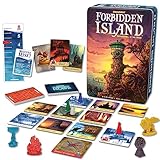
Overview: Forbidden Island, designed by Matt Leacock, is a cooperative board game where players race to collect four sacred treasures from a sinking island before it vanishes. Aimed at ages 10+, it emphasizes teamwork over competition. What Makes It Stand Out: Its dynamic tile-based board physically sinks as the game progresses, creating urgent, ever-changing challenges. Rich thematic artwork and intuitive mechanics make complex strategy accessible, while the shared victory condition fosters genuine collaboration—no player elimination keeps everyone engaged. Value for Money: Priced moderately, it delivers exceptional replayability through variable island layouts and difficulty levels. Compared to similar-priced competitive games, its focus on cooperative problem-solving offers unique educational value, teaching strategic planning and communication without high-cost expansions. Strengths and Weaknesses: Strengths: Highly accessible rules, strong family appeal, promotes critical thinking, and durable components. Weaknesses: Limited player count (max 4), and experienced gamers may find it less challenging after multiple plays due to predictable card draws. Bottom Line: An essential, affordable gateway into cooperative gaming that excels at bonding families and teaching teamwork—ideal for beginners but slightly shallow for hardcore strategists.
2. Spin Master Games, SolidRoots Escaping Extinction, Cooperative Strategy Board Game from The Makers of Mind The Gap, Easter Gift, 1-4 Players, for Ages 12 & Up

Overview: In Escaping Extinction, players cooperate as dinosaurs racing to build a 3D rocket before a meteor strikes. This tile-based adventure tasks teams with gathering parts while navigating a shifting prehistoric world. What Makes It Stand Out: The physical 3D rocket assembly and earthquake-triggered board reshuffling create tangible, high-stakes excitement. Each game features a unique layout, and the dinosaur theme offers fresh narrative depth beyond typical coop mechanics, blending resource management with spatial puzzle-solving. Value for Money: Positioned as a mid-range family game, its innovative rocket-building component justifies the cost. While pricier than card-only alternatives, the durable 3D pieces and high replayability (via variable boards) offer long-term engagement, especially for STEM-focused play. Strengths and Weaknesses: Strengths: Engaging 3D element, exceptional replayability, and dynamic board changes. Weaknesses: Age recommendation (12+) may exclude younger kids, and setup is slightly time-consuming due to multi-part assembly. Bottom Line: A brilliantly inventive coop experience that stands out with physical craftsmanship—perfect for families seeking immersive, replayable strategy, though younger players might need guidance.
3. Flow: The Official Cooperative Board Game | Strategy Game for 1–4 Players Ages 8+ | Based on The Award-Winning Animated Film | Family & Solo Play | Survive The Flood, Rescue Allies
Overview: Flow adapts the animated film into a real-time cooperative game where players guide animal characters through a flooding landscape to rescue allies. Its modular board and rising water mechanic drive urgent, adaptive teamwork. What Makes It Stand Out: The real-time pressure—using sand timers for actions—creates intense, cinematic moments. The modular board floods visibly as water levels rise, forcing rapid strategic pivots. Solo mode functionality and emotional storytelling deepen its appeal beyond standard coop fare. Value for Money: Competitive pricing for a film-licensed game with high-quality components. It surpasses cheaper abstract coop games in thematic immersion and offers exceptional solo play value, though expansions could enhance longevity. Strengths and Weaknesses: Strengths: Thrilling real-time tension, beautiful art, seamless solo integration, and strong replayability via 11 scenarios. Weaknesses: Real-time element may overwhelm younger players, and scenario variety, while good, can feel repetitive after 20+ plays. Bottom Line: A visually stunning, adrenaline-fueled coop gem that masterfully translates its source material—highly recommended for families and solo gamers seeking immersive, quick-play strategy.
4. Pandasaurus Cooperative Strategy Card Game - Fun Interactive Family Game for Ages 8+, 1-5 Players, 20 Minute Playtime
Overview: Pandasaurus’ “The Game” challenges players to cooperatively play descending and ascending number sequences from two central decks while managing limited hand visibility—testing communication and foresight in a minimalist card framework. What Makes It Stand Out: Its deceptive simplicity—using only number cards—creates profound strategic depth. The “no talking” rule (beyond limited cues) forces creative non-verbal teamwork, and 20-minute playtime makes it perfect for quick, intense sessions. Over 1.3 million copies sold attest to its universal appeal. Value for Money: An outstanding bargain; the compact box houses award-winning gameplay that rivals pricier board games. Its portability and scalability (1–5 players) maximize utility, though component quality is basic compared to premium titles. Strengths and Weaknesses: Strengths: Lightning-fast setup, incredibly portable, brilliant communication mechanics, and high replayability. Weaknesses: Card-only design lacks visual flair, and the abstract theme may not resonate with story-driven players. Bottom Line: A must-have for any game collection—a brilliantly streamlined coop card game that delivers deep strategy at an unbeatable price point, ideal for casual and seasoned gamers alike.
5. Ravensburger Horrified Games - Greek Monsters - Strategy Board Game - Boost Critical Thinking & Teamwork - Cooperative Gameplay - Unique Monster Challenges - 1 to 5 Players - Adults & Kids 10+

Overview: Horrified: Greek Monsters tasks players with banishing six iconic mythological threats—from Medusa to Cerberus—from ancient Elysium using distinct tactics, blending strategy with rich Greek mythology. What Makes It Stand Out: Each monster requires a unique defeat method (e.g., avoiding Medusa’s gaze), ensuring no two games play alike. The thematic integration of lore into mechanics, combined with stunning miniatures and dual-layer board (Labyrinth/Underworld), creates exceptional immersion. Value for Money: Priced at a premium, it justifies cost through high-quality miniatures, exceptional artwork, and modular scenarios. While more expensive than card-based coop games, its physical components and 60-minute sessions offer substantial replay value per dollar. Strengths and Weaknesses: Strengths: Gorgeous production, deeply thematic monster mechanics, scalable difficulty, and strong educational value for critical thinking. Weaknesses: Setup takes longer than lighter games, and monster variety can overwhelm new players initially. Bottom Line: A premium, visually spectacular coop experience that masterfully merges myth with strategy—highly recommended for families and educators seeking engaging, thought-provoking gameplay, despite a steeper learning curve.
6. Happy Camper - The Four Doors | Cooperative Game by Pandemic and Forbidden Island Creator | Super Portable | Great for Solo Play, Two Players, and Groups
Overview:
Happy Camper: The Four Doors is a compact cooperative strategy game from Matt Leacock (designer of Pandemic and Forbidden Island), designed for 1–5 players aged 10+. Players collaborate as adventurers retrieving sacred treasures from a mystical light tower before sinister shadows seal the doors permanently. With a 30-minute playtime, it emphasizes teamwork and accessible mechanics.
What Makes It Stand Out:
Leacock’s signature cooperative design shines through streamlined rules and meaningful player interaction. Its super-portable size makes it ideal for travel, while the solo-play compatibility is a significant plus. The tense race against the “shadow swarm” mechanic creates escalating pressure without overwhelming complexity, distinguishing it from heavier strategy games.
Value for Money:
Priced competitively for a Leacock title, it offers exceptional replayability through variable setup and difficulty scaling. Compared to bulkier cooperative games, its portability and focus on pure gameplay (minimal components) justify the cost, especially for frequent travelers or households needing quick, engaging sessions.
Strengths and Weaknesses:
Strengths: Highly portable; intuitive rules for families; seamless solo/co-op integration; tense, non-elimination gameplay.
Weaknesses: Limited thematic depth; component quality may feel sparse; shorter playtime might not satisfy hardcore gamers seeking depth.
Bottom Line:
An excellent, travel-friendly cooperative game that delivers Leacock’s polished design in a pocket-sized package. Highly recommended for casual gamers, families, and solo players seeking quick, strategic fun without setup hassle.
7. Castle Panic 2nd Edition | Cooperative Board Game for Adults and Family | Ages 8+ | for 1 to 6 Players | Average Playtime 45 Minutes | Made by Fireside Games

Overview:
Castle Panic 2nd Edition is a tower-defense cooperative game where 1–6 players defend Castle Bravehold from marauding monsters. Using card-based strategy, players must coordinate attacks to prevent all three towers from collapsing. With a 45-minute runtime and age 8+ accessibility, it bridges family and adult gaming.
What Makes It Stand Out:
The immersive 3D cardboard towers and vibrant monster tokens create tangible stakes. Four distinct modes (including competitive “Master Slayer” and asymmetric “Overlord”) vastly expand replayability. The edge-of-your-seat tension from boss monsters and plague mechanics keeps each session fresh and unpredictable.
Value for Money:
This edition’s robust components and multi-mode design offer outstanding longevity per dollar. Compared to similar strategy games, its blend of physical engagement (tower building) and accessible tactics provides superior group entertainment value, especially for larger gatherings.
Strengths and Weaknesses:
Strengths: Highly replayable with multiple modes; intuitive for new players; 3D towers enhance immersion; scales perfectly from solo to 6 players.
Weaknesses: Artwork may feel dated; competitive modes disrupt pure co-op synergy; tower assembly can be fiddly.
Bottom Line:
A near-perfect gateway cooperative game that balances simplicity with strategic depth. Essential for family game nights and casual groups wanting dynamic, visually engaging teamwork—just avoid if preferring purely competitive play.
8. The Lord of The Rings: Adventure to Mount Doom | Family Game | Cooperative Game | Strategy Game

Overview:
This cooperative strategy game tasks 1–4 players with guiding Frodo across Middle-earth to destroy the One Ring. Using dice rolls and card draws, players navigate threats like Ringwraiths within a 50-minute session. It targets Tolkien fans seeking a family-friendly cooperative experience.
What Makes It Stand Out:
The game leverages Tolkien’s iconic lore to create immediate thematic resonance, immersing players in Frodo’s perilous journey. The dual focus on dice-driven movement and card-based threat management offers accessible strategy, while solo compatibility broadens its appeal beyond small groups.
Value for Money:
While leveraging a beloved IP adds premium appeal, the relatively simple mechanics may not justify higher price points compared to deeper co-op titles. However, for LOTR enthusiasts, the strong thematic integration offers unique value that generic strategy games can’t match.
Strengths and Weaknesses:
Strengths: Strong Tolkien immersion; easy to learn; solid solo/co-op flexibility; compact playtime.
Weaknesses: Mechanics lack innovation; replayability limited by linear progression; thematic depth outweighs strategic complexity.
Bottom Line:
A charming but lightweight pick for LOTR devotees wanting cooperative gameplay. Recommended primarily for fans of the franchise rather than strategy purists seeking mechanical depth.
9. Gamewright - Forbidden Jungle - Cooperative Board Game

Overview:
Forbidden Jungle, designed by Pandemic’s Matt Leacock, challenges 2–5 players (age 10+) to cooperatively explore a lush, perilous jungle and escape with ancient artifacts. With 30–45 minute sessions, it emphasizes strategic resource management and communication under time pressure.
What Makes It Stand Out:
Leacock’s refined co-op mechanics shine through innovative “landscape” tiles that dynamically alter the board. Stunning, detailed artwork immerses players in the jungle theme, while the 47 miniatures and custom components elevate tactile engagement. The balance of simplicity and strategic depth is masterful.
Value for Money:
Priced mid-range for a strategy game, its high-quality components, exceptional artwork, and near-limitless replayability (via variable setups) deliver strong value. It outperforms cheaper alternatives with flimsy parts and surpasses pricier games in accessibility for family audiences.
Strengths and Weaknesses:
Strengths: Gorgeous, durable components; seamless integration of theme and mechanics; perfect difficulty curve; highly replayable.
Weaknesses: Setup time slightly lengthy; newer players may struggle with spatial strategy; limited solo-mode depth.
Bottom Line:
A visually stunning, expertly crafted cooperative adventure that excels as a family game night staple. Highly recommended for both co-op newcomers and veterans seeking polished, immersive gameplay.
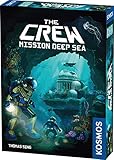
10. The Crew - Mission Deep Sea | Card Game | Cooperative | 2 to 5 Players | Ages 10+ | Trick-Taking | 32 Levels of Difficulty | Endless Replayability
Overview:
The Crew: Mission Deep Sea is a cooperative trick-taking card game for 2–5 players, acting as a sequel to the award-winning The Crew. Players complete 50+ missions across 32 difficulty tiers by strategically winning specific tricks, all while navigating underwater communication constraints.
What Makes It Stand Out:
It brilliantly reinvents classic trick-taking with cooperative mission objectives and strict communication limits (using tokens instead of speech). The progressive difficulty curve—from gentle intro to brain-busting challenges—caters to all skill levels. The underwater theme cleverly justifies gameplay restrictions.
Value for Money:
With 50+ sequentially challenging missions included, it offers extraordinary replayability per dollar. Compared to traditional trick-taking games, its cooperative puzzle-like structure provides unique longevity, making it a standout investment for card game enthusiasts.
Strengths and Weaknesses:
Strengths: Incredibly innovative co-op twist on trick-taking; scalable difficulty; compact and travel-friendly; high replay value.
Weaknesses: Communication rules feel restrictive early on; minimal thematic integration; not suitable for players who dislike structured puzzles.
Bottom Line:
A genre-defining cooperative card game that transforms trick-taking into a thrilling shared puzzle. Essential for strategy lovers and perfect for couples or small groups craving cerebral, replayable challenges.
Why Cooperative Games Are Uniquely Powerful for Team Building
The Psychology of Shared Goals
When a team faces a common, tangible objective presented by the game – whether it’s curing diseases, escaping a temple, or surviving a storm – it fundamentally shifts the dynamic. Individual egos take a backseat to collective survival or success. This shared purpose naturally fosters interdependence, as players quickly realize that no single person holds all the solutions. The psychological safety to suggest ideas, make mistakes, and rely on others is built through the game’s structure, creating a microcosm of ideal team behavior.
Moving Beyond Competition
Traditional competitive games can inadvertently reinforce silos or highlight individual weaknesses under pressure. Cooperative play eliminates this internal friction. There’s no “winning” at a teammate’s expense; success or failure is genuinely shared. This removes defensiveness and encourages open information sharing, active listening, and constructive feedback – skills that are difficult to practice authentically in purely competitive or purely lecture-based training scenarios.
Creating Neutral Ground for Interaction
The game table becomes a neutral space, distinct from the office hierarchy. Junior staff can confidently propose strategies that senior leaders adopt. Introverts often find a voice through game mechanics that require specific contributions. The focus shifts entirely to solving the game’s puzzle, allowing personalities and working styles to emerge in a context that feels less formal and more engaging than a typical meeting room.
Essential Game Mechanics That Foster True Collaboration
Asymmetric Player Roles and Abilities
Games where each participant has unique capabilities or information are goldmines for team building. This mechanic forces communication and reliance on others. You simply cannot succeed without understanding what your teammates can do and sharing your own constraints. It mirrors real-world project teams where diverse expertise is essential, teaching players to value different perspectives and proactively seek input.
Hidden Information and Communication Constraints
Some of the most potent cooperative experiences involve limited information sharing – perhaps players can only describe cards they hold using specific words, or certain information is physically hidden from view. These constraints simulate real-world communication challenges (like remote work or departmental silos) and compel teams to develop clear, concise, and creative ways to convey critical data under pressure, building vital communication muscles.
Time Pressure and Escalating Challenges
A well-calibrated sense of urgency is crucial. Games that introduce a ticking clock (literal or mechanical) or progressively worsening conditions prevent analysis paralysis and encourage decisive action. Teams learn to prioritize, delegate on the fly, and make collective judgments quickly – directly translating to handling real project deadlines and unexpected crises where hesitation is costly.
Meaningful Consequences and Shared Accountability
The game must present genuine stakes where poor decisions lead to tangible setbacks, and good teamwork yields clear progress. This creates authentic investment and shared accountability. When the team loses because communication broke down in a critical moment, the lesson about active listening or clear instruction is deeply felt and memorable, far more so than in a hypothetical discussion.
Key Features to Prioritize for Maximum Team Impact
Scalability for Your Group Size
Not all cooperative games handle varying player counts gracefully. For team building, prioritize titles designed to work well across the typical range you’ll use (often 3-6 players, sometimes up to 8). A game that becomes trivial with too few or chaotic with too many undermines the experience. Look for mechanics that dynamically adjust difficulty or role distribution based on headcount.
Clear Onboarding and Manageable Complexity
The learning curve is critical. If the rules take longer to explain than the game lasts, or are so complex they frustrate beginners, the team-building potential evaporates. Prioritize games with intuitive core mechanics, excellent rulebooks (or quick-start guides), and a setup time that doesn’t eat into valuable interaction. The focus should be on playing and collaborating, not deciphering instructions.
Balanced Cognitive Load and Engagement
Watch out for games prone to “alpha player” syndrome, where one dominant person takes over all decisions. Seek designs that actively distribute decision-making power, perhaps through simultaneous action selection, private information requiring input, or mechanics that prevent one player from controlling the board state. Every participant should feel consistently engaged and necessary throughout the session.
Thematic Resonance and Immersion
While mechanics are king, a compelling theme significantly boosts engagement and buy-in. A narrative that feels relevant (even loosely – like resource management, crisis response, or strategic planning) helps players connect emotionally to the challenge. Immersion makes the collaboration feel more meaningful and the lessons learned more readily transferable to the workplace context.
Developing Critical Soft Skills Through Gameplay
Active Listening in Action
Cooperative games are unparalleled listening trainers. Players must hear and process what others are saying about card positions, available actions, or potential threats. Mishearing a single number or color can doom the team. This repeated, high-stakes practice in focusing on and accurately interpreting verbal input directly translates to better meeting participation and reduced misunderstandings at work.
Constructive Conflict Resolution
Disagreements on strategy are inevitable. The game provides a safe space to practice resolving these conflicts productively. Teams learn to articulate reasoning clearly (“If we do X now, we free up Y for later”), weigh alternatives objectively against the shared goal, and reach consensus (or a clear majority decision) without personal animosity – mirroring healthy workplace debate.
Strategic Delegation and Trust Building
Recognizing who is best suited for a specific task within the game (based on their role or current position) and then trusting them to execute it is fundamental. This practice in identifying strengths and empowering others builds the trust necessary for effective delegation in real projects, moving beyond micromanagement towards empowered teamwork.
Learning from Collective Failure
Losing together is often more valuable than winning. When the team fails, the debrief is rich with learning: Where did communication break down? Did we misprioritize? Did we not utilize someone’s role effectively? Analyzing this shared failure constructively, without blame, normalizes setbacks as learning opportunities – a crucial mindset for innovative and resilient teams.
Implementing Cooperative Games Successfully in Your Organization
Setting the Right Context and Expectations
Don’t just plop a game on the table. Frame it purposefully: “We’re playing this to practice clear communication under time pressure, just like in client deadlines.” Explain it’s about the process of working together, not just winning. Manage expectations – it might feel awkward at first, and that’s okay. Emphasize psychological safety: all ideas are welcome, mistakes are part of learning.
Facilitation Over Participation
For the first few sessions, have a skilled facilitator (not necessarily a manager) who knows the game well. Their role is to gently guide the team through the game, not play in it. They can pause to highlight good communication (“Great job, Sam, clearly stating your available action!”), ask probing questions (“What information do we still need from the other side of the board?”), and ensure everyone is included, especially quieter members.
Structured Debriefing is Non-Negotiable
The real learning happens after the game ends. Dedicate 10-15 minutes specifically for reflection. Use open-ended questions: “What communication strategy worked best for us?” “When did we almost fail, and what saved us?” “How did we handle disagreeing on the next move?” Link observations directly back to workplace scenarios. This bridges the gap between the game table and the office.
Choosing the Right Time and Environment
Don’t schedule complex team games right before a major deadline or when stress is already high. Ensure a comfortable physical space free from interruptions – a dedicated meeting room, not a noisy cafeteria corner. Allocate sufficient time (usually 60-90 minutes total, including setup, play, and debrief) so the team doesn’t feel rushed, which defeats the purpose of collaborative thinking.
Common Pitfalls to Avoid
Ignoring Player Experience Levels
Mixing complete board game novices with seasoned strategists can lead to frustration. Either choose very accessible入门 titles for mixed groups or consider grouping by experience level for deeper dives. The goal is inclusive challenge, not alienating beginners or boring veterans.
Overemphasizing Winning
If the focus becomes solely on beating the game, it can recreate competitive pressure and blame. Constantly reinforce that the value is in how the team works together. Sometimes, intentionally playing a slightly easier scenario to ensure success (and positive reinforcement) is more valuable than a crushing defeat for a new team.
Skipping the Debrief
Playing the game without reflection wastes 80% of the potential value. It becomes mere entertainment. The structured conversation where teams articulate what they did, why it worked (or didn’t), and how it applies to work is where the skill transfer happens. Never skip this step.
Poor Game Selection for the Goal
Don’t pick a game just because it’s popular. Match the game’s core mechanics to the specific skill you want to develop. Need better listening? Choose one with communication constraints. Need strategic planning? Pick one with complex resource management and long-term goals. Intentionality is key.
Looking Ahead: The Future of Cooperative Team Building Games
Integration with Hybrid and Remote Work
Expect more games explicitly designed for seamless hybrid play – physical components paired with intuitive digital apps that sync player actions and game state across locations. The focus will be on ensuring remote participants have an equally engaging and vital role, not just a secondary view.
Data-Driven Insights for Teams
Advanced companion apps may begin offering anonymized, aggregate insights post-game: “Your team communicated critical information 85% of the time under time pressure,” or “Delegation occurred most effectively after the first 15 minutes.” This provides concrete, non-judgmental feedback on team dynamics.
Personalized Learning Paths
Future game systems might adapt scenarios or difficulty based on observed team weaknesses from previous sessions, creating a tailored “curriculum” for developing specific collaborative competencies over multiple engagements, much like a fitness plan for team skills.
Frequently Asked Questions
How long should a typical cooperative board game session last for effective team building?
Are there cooperative games suitable for very large teams (10+ people)?
Can these games genuinely improve workplace communication, or is it just fun?
What’s the biggest mistake teams make when trying cooperative games for the first time?
How do I handle a dominant “alpha player” who takes over the game?
Are there cooperative games that work well for virtual or remote team building?
How often should teams play these games to see lasting benefits?
Do we need a game facilitator, or can the team run it themselves?
What’s the ideal number of players for most team-building cooperative games?
How do I convince skeptical leadership that this is a worthwhile use of time?
See Also
- The 10 Ultimate Best Adventure Cooperative Board Games for Explorers in 2026
- We Tested 50 Cooperative Board Games - Here are the 10 Best for Team Building
- The 10 Ultimate Best Thematic Cooperative Board Games for Immersive Play in 2026
- The 10 Ultimate Best Fantasy Cooperative Board Games for Epic Adventures in 2026
- 10 Must-Have Cooperative Board Games for Building Teamwork in 2026