Table of Contents
Forget the stale image of deck-building as a clinical exercise in card efficiency. Today’s immersive experiences transport you into fully realized worlds where every draw, discard, and shuffle isn’t just a mechanic—it’s a narrative beat, a sensory pulse, a moment charged with the weight of your character’s journey. We’ve moved far beyond abstract point salads; modern thematic deck-builders weave story, atmosphere, and player agency into the very fabric of the card play, making you feel the rustle of ancient scrolls in a forgotten library or the tension of a high-stakes heist in a neon-drenched metropolis. This evolution isn’t slowing down—it’s accelerating.
As we look toward the horizon of 2026, the bar for immersion is being set higher than ever. Players aren’t just seeking clever card interactions; they crave experiences that engage multiple senses, adapt dynamically to their choices, and leave a lasting emotional resonance long after the cards are sleeved. The games rising to this challenge masterfully blend innovative mechanics with deep narrative integration, ensuring that the act of building your deck is the story unfolding. Understanding what truly elevates a deck-builder from merely good to genuinely transformative in this new era is crucial for any enthusiast ready to dive deep. Let’s unpack the essential elements that define the next wave of unforgettable adventures.
Top 10 Thematic Board Games for Deck Building
Detailed Product Reviews
1. DC Deck-Building Game Multiverse Box

Overview:
This storage solution and expansion pack from Cryptozoic consolidates the sprawling DC Deck-Building Game universe. It includes a dedicated box with foam inserts and dividers for card organization, plus the exclusive Multiverse Crossover Pack tied to DC’s Convergence storyline. Crucially, it is not a standalone game and requires an existing base set or expansion.
What Makes It Stand Out:
The innovative “Events” card type creates dynamic secondary Line-Ups from your entire collection, enabling chaotic multiverse battles without shuffling massive decks. The storage system neatly houses all current sets and future expansions, while the Crossover Pack introduces Location-based strategy and randomized timelines for fresh gameplay.
Value for Money:
Priced competitively for dedicated fans, it justifies cost through exceptional utility and exclusive content. If you own multiple DC DBG expansions, the organizational benefits and new mechanics offer significant replay value. However, it’s a poor investment for newcomers lacking base games.
Strengths and Weaknesses:
Strengths: Solves card-storage headaches; “Events” add strategic depth; high-quality foam inserts; future-proof design.
Weaknesses: Useless without prior purchases; Crossover Pack mechanics may overwhelm new players; limited appeal to casual collectors.
Bottom Line:
Essential for DC DBG veterans seeking organization and expanded gameplay, but irrelevant for beginners. Its niche utility and exclusive content make it a worthy upgrade for invested fans, though the dependency on other sets demands careful consideration.
2. Goblins & Glory Strategy Board Game – Fantasy Deck Building Adventure with Heroes, Monsters & Quests – Fun Card Game for Adults & Teens, Ages 14+, 3–5 Players, 30+ Minute Gameplay

Overview:
A fantasy deck-builder where 3–5 players (ages 14+) compete as heroes in the Tournament of the Hunt. Players gather gear, battle monsters, and earn glory through strategic card combos. Designed for 30+ minute sessions, it blends thematic adventure with accessible mechanics for family or adult game nights.
What Makes It Stand Out:
Its seamless fusion of deck-building and light tactical combat stands out, featuring dynamic monster encounters and modular progression. The intuitive rulebook and visual aids lower entry barriers, while deep card synergies and variable setups cater to veterans—offering Dominion-like depth with stronger narrative immersion.
Value for Money:
Priced fairly against comparable strategy games, it delivers exceptional replayability through diverse hero builds and monster strategies. It outshines pricier alternatives by balancing complexity and accessibility, making it ideal for groups wanting depth without overwhelming rules.
Strengths and Weaknesses:
Strengths: Approachable for beginners; high strategic depth; quick setup; strong thematic cohesion; excellent replay value.
Weaknesses: Limited player count (max 5); minimal interaction beyond competition; art style may not appeal to all.
Bottom Line:
A standout deck-builder that excels in versatility and engagement. Highly recommended for strategy enthusiasts seeking a polished, narrative-driven experience that bridges casual and hardcore gaming without lengthy sessions.
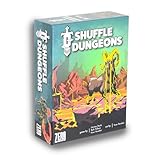
3. Zero Strategy Games Shuffle Dungeons Board Game – Solo and Co-op Dungeon Crawler for 1–4 Players
Overview:
A compact co-op/solo dungeon crawler for 1–4 players where modular tiles and dual-use cards dynamically reshape the dungeon. Players control unique heroes, combining abilities to defeat bosses in 30–45 minute sessions. Its minimalist design emphasizes tactical teamwork without physical bulk.
What Makes It Stand Out:
The ingenious dual-purpose card system—where every card builds the dungeon or boosts heroes—creates constant meaningful choices. The small-box format belies deep strategy, while modular tiles and scalable difficulty ensure fresh adventures whether playing solo or in a team.
Value for Money:
Offers remarkable depth for its price and footprint, rivaling larger dungeon crawlers. The solo mode and replayability (via variable hero/loadout combos) maximize value, especially for players seeking bite-sized adventures without sacrificing strategic richness.
Strengths and Weaknesses:
Strengths: Brilliant card-tile synergy; effortless portability; intuitive co-op dynamics; near-infinite replayability; quick setup.
Weaknesses: Limited enemy variety; minimal narrative depth; compact components may feel flimsy.
Bottom Line:
A masterclass in efficient design, delivering intense tactical fun in a travel-friendly package. Perfect for casual groups or solo gamers wanting a streamlined dungeon crawler—highly recommended for its innovation and accessibility.
4. Renegade Game Studios Renegade Game Studios G.I. Joe Deck-Building Game: New Alliances - A Transformers Crossover Expansion - Take On The Role of A Pony, Ages 14+, 1-4 Players, 30-70 Min

Overview:
This expansion merges G.I. Joe with Transformers, requiring the base G.I. Joe Deck-Building Game. Players deploy Autobots in dual modes (robot for missions, vehicle for transport) while managing Energon dice to power abilities. Designed for 1–4 players (ages 14+), sessions last 30–70 minutes.
What Makes It Stand Out:
The transformative Autobot mechanics—switching between combat and transport roles—add unique strategic layers. The Energon dice pool introduces resource management tension, encouraging careful planning to fuel high-impact tech without depleting critical energy reserves.
Value for Money:
A solid investment only for existing G.I. Joe DBG owners, as it expands replayability with fresh synergies. While pricier than some expansions, the dual-mode Autobots and dice mechanics justify cost for fans, though newcomers should prioritize the base game first.
Strengths and Weaknesses:
Strengths: Creative crossover integration; Energon dice deepen strategy; enhances base game’s pacing; high fan-service appeal.
Weaknesses: Useless without base game; niche theme limits broader appeal; dice reliance may frustrate luck-averse players.
Bottom Line:
A fun, mechanically rich expansion that revitalizes the base game for franchise loyalists. Recommended exclusively for current owners seeking fresh challenges, but strictly avoid if you lack the core set.
5. Board Games DC Comics Deckbuilding Game: Injustice

Overview:
A streamlined deck-builder where 2–4 players embody Regime or Insurgency factions from DC’s Injustice universe. Focused on quick clashes for family and friends, it simplifies complex themes into accessible 20–30 minute matches, though marketing contradictions (e.g., “helps children”) warrant scrutiny.
What Makes It Stand Out:
Its dual-faction conflict system creates asymmetric strategies, with characters like Superman (Regime) and Batman (Insurgency) driving narrative tension. The rapid pace and low rules overhead distinguish it as an entry point for younger teens or casual groups exploring competitive deck-builders.
Value for Money:
Budget-friendly for casual play, but thin depth limits longevity compared to fuller DC DBG titles. It serves as a decent gateway for families, though the confusing “childrens” claim misrepresents its strategic demands—better suited for teens+ seeking lighter gameplay.
Strengths and Weaknesses:
Strengths: Fast setup; clear faction differentiation; approachable for novices; strong IP appeal.
Weaknesses: Shallow strategy; inconsistent age targeting; lacks expansion potential; minimal replay incentives.
Bottom Line:
A functional but unspectacular entry in the DC deck-builder line. Recommended only for fans wanting a quick, thematic two-player duel—manage expectations given its limited depth and marketing ambiguities.
6. DC Deck Building Game: Rebirth - Multiple Campaign Scenarious with Unique Gameplay and Cards - Features Iconic DC Universe Location - Compatible with Other DC Deck-Building Game Series

Overview:
DC Deck Building Game: Rebirth revolutionizes the series with a dynamic campaign system. Players embody Justice League members navigating iconic DC locations, battling villains, and completing linked scenarios that evolve across play sessions. As a standalone title compatible with prior sets, it merges cooperative strategy with character progression.
What Makes It Stand Out:
Rebirth’s campaign structure is groundbreaking for the series, introducing persistent character progression, location-based movement, and intricate scenario chains. The “Position Matters” mechanic forces tactical board navigation to access cards or disrupt villains, while ally proximity enables Assist cards for critical support. Unique side missions and location repairs add narrative depth, all wrapped in vibrant DC artistry.
Value for Money:
Priced competitively for its scope, Rebirth delivers exceptional replayability through 20+ scenarios and modular setups. Its standalone nature justifies the cost, though existing owners gain added value via cross-compatibility. Compared to similar cooperative deck-builders, the evolving campaign offers richer long-term engagement than static alternatives.
Strengths and Weaknesses:
Strengths: Deep campaign integration; intuitive location mechanics; robust solo/competitive modes; seamless series compatibility; immersive DC storytelling.
Weaknesses: Steeper learning curve for newcomers; board setup can feel fiddly; limited character uniqueness among Justice League options.
Bottom Line:
A masterful evolution of the DC deck-builder, Rebirth excels with its campaign depth and strategic positioning. Highly recommended for series veterans and cooperative game enthusiasts seeking narrative-driven replayability, despite minor setup complexities.
7. The Lord of The Rings: The Return of King Deck Building Game

Overview:
This deck-builder transports players into Peter Jackson’s Return of the King film, casting them as Frodo, Aragorn, Legolas, or other heroes. The compact game focuses on acquiring powerful cards to combat Sauron’s forces, emphasizing straightforward deck advancement within Tolkien’s epic finale.
What Makes It Stand Out:
Authentic film integration defines its appeal, with art and scenarios directly lifted from the trilogy’s climax. Each hero’s unique special card tailors strategies—Frodo’s resilience contrasts Aragorn’s frontline strength—while the streamlined ruleset lowers barriers for casual fans. It captures the trilogy’s urgency without complex subsystems.
Value for Money:
Affordable for licensed film adaptations, it offers solid replayability through distinct hero roles and variable villain encounters. However, its narrow scope (lacking campaign depth or expansions) makes it less compelling than pricier alternatives like Arkham Horror. Best for LOTR devotees seeking accessible play.
Strengths and Weaknesses:
Strengths: Strong thematic immersion; intuitive rules ideal for beginners; high-quality hero-specific cards; faithful adaptation of film’s climax.
Weaknesses: Shallow strategic depth; minimal player interaction; limited replay value after mastering core mechanics; no expansion support.
Bottom Line:
A charming but lightweight entry for LOTR fans craving a quick, thematic deck-builder. Recommended primarily for collectors or casual players, though seasoned strategists may crave more complexity.
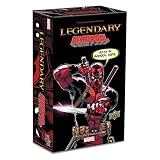
8. Legendary A Marvel Deck Building Deadpool Expansion Board Game
Overview:
This expansion injects Deadpool’s chaotic energy into Legendary: A Marvel Deck Building Game, requiring the core set. It introduces 5 new heroes (including Domino and Cable), 2 villain groups, 2 masterminds, and 4 schemes, all wrapped in irreverent humor and original Deadpool-centric art.
What Makes It Stand Out:
Deadpool’s signature meta-humor permeates the expansion, with cards breaking the fourth wall and mechanics encouraging unpredictable alliances. The “work with/against players” dynamic adds fresh political tension, while the Merc with a Mouth’s unique card effects enable wild combo potential unavailable in base Legendary.
Value for Money:
At expansion price points, it delivers exceptional content volume and thematic novelty. However, its dependency on the core set inflates total cost for newcomers. For existing Legendary owners, it’s a must-buy—the humor and mechanics justify the investment, outperforming many generic expansions.
Strengths and Weaknesses:
Strengths: Hilarious, on-brand storytelling; innovative player-interaction mechanics; high art quality; seamless integration with core game.
Weaknesses: Useless without core set; humor may not resonate universally; minimal strategic depth beyond novelty effects.
Bottom Line:
An essential, laugh-out-loud worthy add-on for Legendary veterans. While inaccessible to newcomers, it brilliantly captures Deadpool’s spirit and enhances replayability—highly recommended for existing fans.
9. DC Deck Building Game - Dark Nights Metal - Defeat The Batman Who Laughs and his Dark Knights - for 2 to 5 Players - Ages 15+ - Cryptozoic Entertainment

Overview:
Based on the acclaimed DC comics event, Dark Nights: Metal challenges players to rescue captured heroes while battling The Batman Who Laughs. This standalone entry introduces “Recruitment” and “Capture” mechanics, where saving allies is as vital as defeating villains in a race to stop the Dark Multiverse.
What Makes It Stand Out:
The Capture/Recruit system creates urgent, dynamic tension—villains actively imprison heroes, forcing players to balance defense and offense. Shiny foil “Metal” cards and oversized hero tokens elevate presentation, while the Batman Who Laughs’ persistent threat drives relentless narrative momentum across scenarios.
Value for Money:
Packed with 202 cards, foil treatments, and oversized components, it offers robust standalone value. Compatibility with other DC sets enhances longevity, though the $40 price tag feels steep for 2-5 players compared to leaner competitors. Still, comic fans get premium thematic immersion.
Strengths and Weaknesses:
Strengths: Innovative capture/recruit mechanics; stunning comic-accurate art; strong solo/co-op versatility; high component quality.
Weaknesses: High player count dilutes strategy; vulnerability cards can feel punishing; setup is time-intensive for casual play.
Bottom Line:
A visually striking, mechanically fresh entry that honors its source material. Ideal for DC comics fans and series veterans, though the complexity may overwhelm beginners—worthwhile for its unique tension.
10. Legendary®: A Marvel Deck Building Game: Legendary Champions Expansion

Overview:
Legendary Champions expands Legendary: A Marvel Deck Building Game with 100 new cards centered on Marvel’s Champions team. Requiring the core set, it adds 5 heroes (Ms. Marvel, Nova), 2 villain groups, 2 masterminds, and 4 schemes focused on young heroes’ idealism versus experience.
What Makes It Stand Out:
The expansion’s thematic focus on youth-driven narratives sets it apart, with heroes like Spider-Man (Miles Morales) enabling growth-focused strategies. New schemes like “Generational Conflict” introduce asymmetric objectives, while vibrant art highlights the Champions’ distinct personalities within Legendary’s framework.
Value for Money:
For $20, it delivers substantial content that revitalizes the core game. The Champions’ synergy-focused mechanics encourage fresh deck archetypes, offering excellent replayability. However, its non-standalone nature means new players face a $70+ total entry cost, reducing accessibility.
Strengths and Weaknesses:
Strengths: Thematic depth with Champions lore; innovative growth mechanics; high art consistency; smooth integration with core rules.
Weaknesses: Niche appeal for non-Champions fans; minimal mechanical innovation beyond theme; redundant with other hero-centric expansions.
Bottom Line:
A polished, thematically rich expansion that breathes new life into Legendary. Highly recommended for Marvel fans and series veterans, but less essential for those uninvested in the Champions storyline.
Why Thematic Depth Transcends Simple Deck Mechanics
The Shift from Abstract to Embodied Experience
Gone are the days when deck-building was primarily about optimizing point-scoring combinations. True thematic depth means the mechanics don’t just support the theme—they are the theme. When drawing cards represents gathering scarce resources in a post-apocalyptic wasteland, or discarding cards signifies the emotional toll of difficult choices in a haunted mansion, the gameplay becomes visceral. This embodiment transforms mathematical decisions into meaningful, emotionally resonant actions that stick with you.
Narrative Integration Through Card Design
Look beyond the art. The most compelling games weave story directly into the card text, effects, and progression. A card isn’t just “+2 Gold”; it’s “Scavenged Parts: Salvage components from the crashed airship, gaining resources but attracting unwanted attention (Draw an encounter card).” This level of integration ensures every hand dealt advances the plot and reinforces your role within the world, making the deck feel like a living journal of your character’s trials.
Player Agency Within the Story Arc
Immersive deck-builders recognize players as co-authors of the narrative. Instead of a rigid, linear story, they offer meaningful branching paths shaped by your deck composition and in-game choices. Does your deck lean towards stealth or brute force? Do you prioritize healing allies or exploiting enemy weaknesses? These strategic deck-building decisions directly influence how the narrative unfolds, creating a deeply personal adventure where your playstyle shapes the outcome.
Essential Features for Next-Level Immersion in 2026
Dynamic World States and Reactive Systems
The world shouldn’t feel static while you build your deck. Seek out games where your actions trigger cascading consequences. Successfully completing a mission might open new regions on the map but also alert a powerful antagonist, altering encounter difficulties or introducing new card types into the market. A truly dynamic environment reacts to your deck’s evolution, making each session feel unique and your choices genuinely impactful on the game’s state.
Multi-Sensory Engagement Beyond the Card
Immersion in 2026 leverages more than just visuals. Consider how sound design (via companion apps), the tactile quality of custom-shaped tokens or unique card materials, and even subtle scent elements (in premium editions) can deepen the connection. A companion app providing ambient soundscapes for a deep-sea expedition, or textured resource tokens mimicking ancient stone, pulls you further into the setting, making the abstract tangible.
Meaningful Solo Mode Design Philosophy
With solo play being a major driver, the best 2026 experiences treat it as a primary design pillar, not an afterthought. This means AI opponents that don’t just follow rigid scripts but exhibit thematic behaviors, adapting their “deck” and tactics based on the narrative context and your actions. Truly great solo modes provide a challenging, atmospheric experience that feels like a living story unfolding against you, not just a puzzle to solve.
Evaluating Deck-Building Innovation for Thematic Cohesion
Mechanics That Serve the Narrative Purpose
Scrutinize whether every core mechanic directly enhances the theme. Does the “corruption” track that alters card effects actually reflect the moral decay your character faces? Does the unique “echo” system, where discarded cards return with modified text, symbolize haunting memories influencing present choices? Mechanics shouldn’t feel clever for cleverness’ sake; they must feel inevitable within the story’s logic, reinforcing the world’s rules and your character’s journey.
Avoiding Thematic Dissonance in Card Effects
Beware of jarring disconnects. A game set in a gritty, low-magic medieval realm should avoid cards with effects like “Teleport 3 Spaces” unless it’s deeply explained within the lore (e.g., “Ancient Fay Passage - Use with extreme caution, risks madness”). Consistent thematic logic in card abilities prevents immersion-breaking moments and maintains the integrity of the world you’re supposed to be inhabiting.
The Role of Asymmetry in Character Identity
Strong thematic deck-builders often feature distinct starting decks or unique abilities that define different characters or factions. This asymmetry shouldn’t just be mechanical variety; it should scream personality and background. Playing as a cunning rogue should feel fundamentally different in how you build and use your deck compared to a stoic paladin, with card pools, core strategies, and narrative paths reflecting their core identities and values.
Practical Considerations for Lasting Enjoyment
Replayability Through Modular Systems
Long-term appeal hinges on avoiding predictability. Look for games utilizing modular boards, randomized narrative events, variable player powers, or multiple distinct campaign chapters. Systems that allow you to mix and match scenarios, encounter decks, or even core rule modules ensure that each session presents fresh thematic challenges and deck-building puzzles, keeping the experience vibrant over dozens of plays.
Accessibility Without Sacrificing Depth
The most immersive experiences welcome newcomers. Clear iconography, well-integrated tutorials woven into the early-game narrative, and intuitive rulebooks that explain why a rule exists within the theme (not just how it works) are vital. Depth should emerge organically through play and discovery, not be buried under opaque terminology or excessive initial complexity. A game that teaches itself through engaging early scenarios is a keeper.
Component Quality Supporting the Atmosphere
Flimsy cards or generic tokens shatter immersion. Premium card stock, thematic resource materials (like metal coins for a pirate game), and artwork that consistently tells a story on every card matter immensely. Components should feel of the world they represent. Durability is also key—high-quality sleeves shouldn’t be mandatory to preserve the aesthetic and tactile experience over many plays.
Future-Proofing Your Deck-Building Experience
Integration of Technology Enhancing, Not Dominating
Companion apps in 2026 should be seamless enhancers, not mandatory crutches. The best use apps for dynamic narrative delivery, atmospheric soundscapes, or managing complex AI, while ensuring the core deck-building experience remains fully playable offline. NFC chips in components for automated setup or scenario unlocks can be brilliant, but only if they feel integrated and never disrupt the tactile flow of the physical game.
Community-Driven Narrative Expansion
The most forward-thinking games embrace player creativity. Look for systems designed with official pathways for curated community scenarios or narrative expansions that maintain thematic consistency. Games that provide clear tools and frameworks for players to craft their own thematic campaigns or card sets foster lasting communities and extend the narrative life far beyond the core box.
Sustainability as a Core Design Value
Ethical production is increasingly part of the immersion. Games using recycled/recyclable components, responsibly sourced wood for tokens, and minimizing plastic waste reflect values that resonate with modern players. Knowing your immersive adventure aligns with sustainable practices adds an extra layer of positive engagement, making the experience feel responsible and future-oriented.
Frequently Asked Questions
Frequently Asked Questions
What’s the biggest difference between a “themed” and a truly “thematic” deck-builder? A themed game uses a setting as superficial decoration (e.g., space art on cards that function identically to a fantasy game). A truly thematic game has mechanics, card effects, and progression deeply intertwined with the narrative and world logic, where the way you play directly embodies the story.
How can I tell if a deck-builder has good narrative integration before buying? Read reviews focusing on how the story unfolds during play, not just the plot summary. Look for mentions of card text driving choices, mechanics reflecting character struggles, and whether decisions feel impactful to the narrative. Avoid reviews that only discuss point efficiency.
Are companion apps necessary for the best immersive experience in 2026? Not necessarily. While well-implemented apps can add soundscapes or manage complex AI, the strongest thematic deck-builders ensure the core experience—physically shuffling, drawing, and playing cards—remains deeply engaging and complete without any digital component. Tech should enhance, not enable.
What should I prioritize: deck-building complexity or thematic depth? It depends on your goal. For pure strategic challenge, complexity might win. For an unforgettable adventure, prioritize thematic depth where the complexity serves the story (e.g., a challenging “survival” mechanic that reflects a harsh environment). The best 2026 games achieve both harmoniously.
How important is physical component quality for immersion? Critically important. Flimsy cards, distracting generic tokens, or poor art cohesion constantly pull you out of the experience. Premium components that feel tactile and authentic to the setting (e.g., textured relic tokens, sturdy cards with evocative art) are fundamental to sustained immersion.
Can a deck-builder be too thematic and sacrifice replayability? Yes, if the narrative is extremely linear. The best balance offers a strong core story arc while incorporating significant variability through modular setups, multiple branching paths based on deck choices, or randomized narrative events, ensuring thematic richness doesn’t equal predictability.
What makes solo mode truly immersive in a thematic deck-builder? It requires an AI that behaves thematically (e.g., a cunning enemy adapting tactics, not just rolling dice), narrative events triggered by your actions, and a sense that the world reacts to your deck’s evolution. It should feel like a dynamic story unfolding with you, not against a script.
How do I evaluate if a game’s “innovative” mechanic actually serves the theme? Ask: “Would this mechanic make sense only in this specific setting/story?” If it feels like it could be dropped into any generic deck-builder without change, it’s likely not deeply thematic. True integration means the mechanic feels born from the world’s unique logic.
Is high player count (4-5+) detrimental to thematic deck-building immersion? It can be, as interaction often shifts focus from personal narrative to direct competition. However, some games excel by making multi-player sessions feel like cooperative struggles against the game’s narrative systems (e.g., shared threats), maintaining the thematic focus even with more players.
How significant is setup time for maintaining immersion? Excessively long or fiddly setup breaks the spell before you begin. Games designed for immersion often streamline setup through clever organization, clear player aids, or companion apps that handle initial configuration, allowing you to transition smoothly from opening the box to stepping into the story.
See Also
- 10 Premium Thematic Board Games for Deck Building Lovers (Worth the Investment)
- Stop Wasting Time with Weak Combos: 10 Best Thematic Board Games with Deep Deck Building in 2026
- 2026’s Top 10 Strategy Board Games with Strong Deck Building Mechanics
- 2026’s Top 10 Deck Building Games for Replayability
- 2026’s Top 10 Portable Card Games for Deck Building On the Go