Table of Contents
Imagine gazing up at a starry sky, feeling that familiar pull of cosmic wonder—the same yearning that drove ancient explorers to set sail beyond the horizon. Now picture translating that boundless curiosity into your living room, where cardboard stars and plastic ships become vessels for interstellar adventure. Space exploration board games offer something profoundly unique: a tactile, social, and deeply imaginative escape that screens simply can’t replicate. They transform abstract astronomical concepts into hands-on journeys, letting you chart unknown systems, negotiate with alien civilizations, or survive derelict space stations—all while sharing laughter and strategic tension around a table.
Unlike fleeting digital experiences, these analog adventures foster genuine connection and creative problem-solving. There’s magic in physically moving a miniature cruiser across a modular board, feeling the weight of decision-making as your crew faces a nebula’s radiation storm, or debating diplomacy with friends over a shared vision of galactic peace. In an era of digital overload, space-themed board games provide a refreshing return to collaborative storytelling and strategic depth. They’re not just games; they’re shared expeditions where every playthrough writes a new chapter in your personal space opera.
Top 10 Sci-Fi Board Games
Detailed Product Reviews
1. Ravensburger Alien: Fate of The Nostromo Board Game for Ages 10 & Up – A Cooperative Strategy Game of Suspense
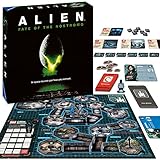
Overview: This cooperative board game masterfully translates the suspense of Ridley Scott’s Alien into a tense, strategic experience for 1–5 players. As Nostromo crew members, you navigate the ship’s corridors, managing limited resources while evading a relentless Xenomorph. The game balances thematic immersion with accessible mechanics, targeting fans of horror and strategy alike. What Makes It Stand Out: Its standout feature is the deeply thematic execution—detailed miniatures, atmospheric artwork, and modular objectives (including five final missions) ensure high replayability. The inclusion of Ash as a challenging variable player adds strategic depth, while the step-by-step rulebook and online tutorials lower the entry barrier for newcomers. Value for Money: Priced competitively for its component quality (miniatures, tokens, and art), it outshines cheaper abstract strategy games. While pricier than card-only alternatives, the physical production justifies the cost for fans seeking an immersive, narrative-driven experience that captures the film’s essence. Strengths and Weaknesses: Strengths: Exceptional theme integration; high replay value via variable missions; intuitive cooperative mechanics; stunning visual design. Weaknesses: Limited strategic depth for hardcore gamers; setup can be time-consuming; Alien AI may feel predictable after repeated plays. Bottom Line: A must-have for Alien enthusiasts and cooperative game lovers, offering thrilling, accessible gameplay that honors the source material. Despite minor depth limitations, it’s a well-crafted investment for thematic immersion.
2. Escape The Dark Sector Board Game - Sci-Fi Adventure, Cooperative Gameplay, Strategy Game for Teens and Adults, Ages 14+, 1-4 Players, 45 Minute Playtime, Made by Themeborne

Overview: A streamlined sci-fi adventure where 1–4 players collaborate to escape a space station detention block. Focused on storytelling and quick decision-making, it uses a deck of illustrated cards to drive narrative choices, combat, and exploration, delivering a cinematic experience in under an hour. What Makes It Stand Out: Its simplicity and atmospheric storytelling shine—minimal setup, intuitive card-driven mechanics, and a focus on cooperative problem-solving make it ideal for gaming newcomers. The rotating space station setting and gear-based objectives create dynamic, replayable scenarios without complex rules. Value for Money: Excellent value for casual and introductory gamers. The compact box (under $30) includes high-quality cards and components rivaling pricier games. While less complex than heavy strategy titles, its accessibility and consistent replayability offer superior bang for buck for social or family play. Strengths and Weaknesses: Strengths: Lightning-fast setup; perfect entry point for new players; strong narrative immersion; highly portable. Weaknesses: Limited strategic depth for veterans; card-draw luck can influence outcomes; minimal component variety beyond cards. Bottom Line: An outstanding gateway game for sci-fi fans seeking quick, cooperative fun. Its simplicity and charm make it a top recommendation for beginners or as a palate cleanser between heavier sessions, though seasoned strategists may crave more complexity.
3. Age of Galaxy: Second Edition – 4X Sci-Fi Strategy Card Game by Portal Games | Empire Building, Technology Development & Faction Synergies | 1–4 Players, Ages 14+, 45–60 Min

Overview: A compact yet deep 4X (explore, expand, exploit, exterminate) card game condensing galactic conquest into 45–60 minutes. Players build empires using asymmetric factions, research technologies, and vie for dominance through clever card synergies—all in a travel-sized box. What Makes It Stand Out: It defies expectations by packing substantial 4X depth into a short runtime. The 40 unique factions enable wildly varied strategies, while the tech tree and faction combinations foster emergent storytelling. The solo mode with competitive AI scenarios adds exceptional replayability. Value for Money: Justifies its premium price ($50–60) with deluxe components (linen cards, wooden pieces) and remarkable strategic richness. It outperforms bulkier 4X games in portability and speed, offering veteran-level depth without the time commitment, making it ideal for busy strategists. Strengths and Weaknesses: Strengths: Brilliant faction asymmetry; tight, engaging gameplay loop; excellent solo mode; premium components. Weaknesses: Steeper learning curve than light games; faction balance can vary; limited physical table presence due to card focus. Bottom Line: A near-perfect blend of accessibility and depth for 4X fans. Despite a moderate complexity spike, its replayability and refined mechanics make it an essential buy for strategy enthusiasts seeking a portable, high-stakes galactic experience.
4. Renegade Games Studios: The Search for UAPs - Strategy Board Game, Search for UFO’s, Sci-Fi Deduction & Strategy, Ages 14+, 60-75 Min, 1-5 Players

Overview: A logic-driven deduction game where players scan the skies for Unidentified Anomalous Phenomena (UAPs) using satellite data. Building on The Search for Planet X, it tasks 1–5 players with interpreting clues to locate UFOs amid space debris, blending scientific reasoning with thematic intrigue. What Makes It Stand Out: Its innovative magnetic, rotating Space Boards revolutionize spatial deduction—players physically track sightings across orbital paths. Automated government report mechanics and varied satellite data types create a uniquely tactile, cerebral puzzle that evolves each round. Value for Money: Priced fairly ($45) for its novel mechanics and solo mode compatibility. While niche, it surpasses similar deduction games in interactivity and theme integration. Repeat plays reveal nuanced strategies, offering strong longevity for puzzle lovers despite a smaller audience. Strengths and Weaknesses: Strengths: Ingenious rotating board system; seamless solo/co-op integration; fresh sci-fi theme; low player conflict. Weaknesses: Can feel dry for non-puzzle fans; satellite mechanics require careful explanation; limited visual flair compared to thematic games. Bottom Line: A cerebral triumph for deduction enthusiasts, leveraging its magnetic boards to deliver a fresh, replayable challenge. Recommended for logic-game veterans, though its academic tone may not appeal to casual players seeking narrative depth.
5. Nemesis Lockdown - Sci-Fi Horror Tabletop Miniatures Strategy Game, Cooperative Adventure for Teens & Adults, Ages 14+, 1-5 Players, 90-180 Min Playtime

Overview: A semi-cooperative miniatures game set in a multi-level Mars base overrun by aliens. Players—each with unique skills—must complete objectives while evading deadly extraterrestrials, with tension amplified by flickering lights, power failures, and hidden traitors. What Makes It Stand Out: The revolutionary multi-level base (with elevators/stairs) adds genuine vertical strategy, while separate power/light systems per level create dynamic, cinematic horror. It seamlessly integrates with the original Nemesis universe, expanding lore and mechanics without requiring prior ownership. Value for Money: A premium investment ($100+) justified by intricate miniatures, the modular base, and deep strategic layers. Though costly, its standalone/integrated versatility and intense replayability outvalue comparable horror games, especially for existing Nemesis fans. Strengths and Weaknesses: Strengths: Groundbreaking 3D gameplay; exceptional thematic tension; flexible integration with original game; rich roleplay potential. Weaknesses: Very high price point; complex setup/rules; lengthy playtime may deter casual groups. Bottom Line: A pinnacle of sci-fi horror gaming for dedicated groups, offering unmatched atmosphere and strategic depth. Despite its cost and complexity, it’s a must-play for Nemesis veterans or teams seeking an immersive, high-stakes cooperative challenge.
6. Shackleton Base: A Journey to The Moon Board Game - Sci-Fi Strategy Game of Space Exploration, Fun for Family, Kids & Adults, Ages 14+, 1-4 Players, 60-120 Minute Playtime

Overview:
Shackleton Base immerses players in the challenging endeavor of establishing humanity’s first lunar base at the Moon’s South Pole. As heads of competing space agencies sponsored by rival corporations, participants must navigate resource management, technological advancement, and strategic mission planning within the harsh Shackleton crater environment, blending cooperation and competition over 60–120 minutes.
What Makes It Stand Out:
The game excels through its unique duality of corporate rivalry and necessary collaboration. Players simultaneously pursue distinct corporate objectives while ensuring the collective survival of the lunar colony, creating dynamic tension. The thematic integration of real-world lunar exploration challenges—like resource scarcity and environmental hazards—adds depth, distinguishing it from purely competitive strategy games.
Value for Money:
Priced competitively for a 14+ strategy title, it offers substantial replayability through variable corporate goals and modular setup. While not budget-friendly, its niche focus on cooperative-competitive space exploration justifies the cost compared to simpler family games, delivering nuanced strategy absent in many mid-range offerings.
Strengths and Weaknesses:
Strengths: Deep thematic integration; clever balance of teamwork and competition; high replayability via corporate objectives; accessible yet strategic decision-making.
Weaknesses: Potential analysis paralysis in larger groups; setup complexity may deter casual gamers; limited solo-play options.
Bottom Line:
Shackleton Base is a standout for strategy enthusiasts seeking immersive, thematically rich gameplay. Its innovative blend of cooperation and rivalry makes it a compelling, replayable investment for sci-fi fans, despite a moderate learning curve.
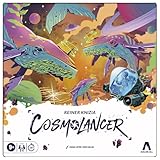
7. Cosmolancer Board Game | A Strategy Game by Reiner Knizia | Ages 9 and Up | 2 to 4 Players | 30 Mins. | Family Games for Kids, Teens, and Adults
Overview:
Cosmolancer reimagines Reiner Knizia’s classic Kingdoms as a fast-paced space photography contest. Players act as “Cosmolancers” capturing celestial phenomena across a shared galaxy board, using tile placement to maximize Interstellar Credits while sabotaging opponents with cosmic hazards like Black Holes and Abominable Worms.
What Makes It Stand Out:
Award-winning designer Reiner Knizia’s signature elegance shines in this 30-minute gem. The tile-laying mechanics are intuitive yet deeply strategic, elevated by humorous sci-fi artwork and sabotage elements that inject lively interaction. Premium wooden tokens and vibrant custom art enhance tactile appeal, making it accessible for ages 9+.
Value for Money:
An exceptional value for a quick-play strategy game. The compact box delivers high-quality components and Knizia’s refined design at a mid-range price, outperforming many family games in replayability and depth. It’s a cost-effective gateway to strategic gaming for new and casual players.
Strengths and Weaknesses:
Strengths: Lightning-fast setup and playtime; engaging sabotage mechanics; superb component quality; perfect blend of simplicity and strategy; appealing art.
Weaknesses: Limited depth for hardcore strategists; luck-influenced tile draws; minimal thematic weight beyond surface-level charm.
Bottom Line:
Cosmolancer is a must-have for families and casual gamers seeking a fun, interactive tile-layer. Its clever design, premium feel, and brisk gameplay make it an outstanding value and a versatile addition to any game library.
8. Stonemaier Games: Metal Sci-Fi Coins (Vantage) | Sci-Fi Coins to Enhance Your Gameplay | 45 Metal Coins - $1 (x18), $2 (x12), $5 (x9), and $10 (x6) Coins Made of zinc Alloy

Overview:
These 45 zinc-alloy metal coins from Stonemaier Games elevate sci-fi tabletop experiences with premium tactile immersion. Designed for Vantage but universally compatible, they replace flimsy cardboard tokens in games like Terraforming Mars or Clank! In! Space! with satisfying, weighty currency in four denominations and striking color-coded finishes.
What Makes It Stand Out:
The coins deliver an unparalleled sensory upgrade: a resonant “clink” during play, substantial heft (1.5–2g each), and crisp, double-sided sci-fi engravings. The color scheme—copper ($1), silver ($2), metallic blue ($5), and gold ($10)—ensures instant readability while enhancing thematic cohesion across diverse games.
Value for Money:
Priced moderately for metal components, they offer exceptional value through durability and versatility. Though not essential, they significantly enrich gameplay immersion, justifying the cost versus cheaper alternatives. Compatible with dozens of popular titles, they’re a one-time investment for long-term table presence.
Strengths and Weaknesses:
Strengths: Premium weight and sound; stunning visual design; universal compatibility; durable zinc construction; intuitive denomination system.
Weaknesses: Slight learning curve for identifying values mid-game; minimal functional advantage over cardboard; potential for surface scratches over time.
Bottom Line:
A highly recommended luxury upgrade for sci-fi tabletop enthusiasts. These coins transform mundane transactions into immersive moments, delivering tangible value through enhanced aesthetics and feel across countless games.
9. Arcs Board Game by Leder Games | Ages 14+ | 2–4 Players | Tactical Space Opera Strategy Game with Trick-Taking Action System, Galactic Warfare, Diplomacy & Asymmetric Play

Overview:
Arcs plunges players into a witty, tactical space opera where asymmetric factions vie for galactic dominance through battles, diplomacy, and shifting political ambitions. Its innovative trick-taking–inspired action system uses a four-suit card deck to drive initiative-based decisions, with campaigns expanding into an epic narrative-driven saga.
What Makes It Stand Out:
The revolutionary “ambitions” mechanic—where only specific, contested objectives score each round—creates thrilling unpredictability. Combined with attacker-driven combat and seamless campaign integration, Arcs merges strategic depth with narrative richness, all wrapped in Leder Games’ signature high-production-value components and darkly humorous tone.
Value for Money:
Priced at a premium, it delivers extraordinary depth and replayability. The core game’s scalability (from 30-minute skirmishes to full campaigns) and modular expansions offer immense longevity, outshining similarly priced titles in strategic innovation and component quality.
Strengths and Weaknesses:
Strengths: Brilliant ambition-scoring system; dynamic trick-taking action flow; exceptional campaign integration; high replayability; gorgeous asymmetric factions.
Weaknesses: Steep initial learning curve; complex rulebook; analysis paralysis risks in competitive play; requires full player buy-in for best experience.
Bottom Line:
Arcs is a masterpiece for experienced strategists, offering unparalleled depth and narrative engagement. Despite its complexity, it’s a worthy investment for those seeking a transformative, campaign-driven space opera.
10. Battle Systems - Core Space First Born - Sci-Fi Miniatures Board Game - Cyberpunk 28mm Science Fiction Figures for 40K Wargame - Tabletop Modular 3D Gaming Terrain - (First Born Starter Set)

Overview:
Core Space: First Born is a standalone sci-fi miniatures game set 40,000 years in the future. Players lead Traders salvaging alien temples while battling the hostile First Born species, using modular 3D terrain and 20 unpainted PVC miniatures across persistent, narrative-driven campaigns.
What Makes It Stand Out:
Its persistent campaign system—where crews earn permanent upgrades and scars—creates deep investment. The fully modular 3D board (compatible with Warhammer terrain) and flexible solo/co-op play distinguish it, while the gritty cyberpunk aesthetic and Rock Worm miniatures add visceral appeal for miniatures enthusiasts.
Value for Money:
An outstanding value for a complete starter set. It includes terrain, minis, and rules at a fraction of comparable wargame costs, functioning as both a campaign system and skirmish game. The unpainted minis encourage customization, enhancing long-term engagement without extra expense.
Strengths and Weaknesses:
Strengths: Robust campaign progression; high-quality modular terrain; versatile solo/co-op design; excellent miniatures variety; seamless Warhammer compatibility.
Weaknesses: Requires painting for full visual impact; rulebook could be clearer; limited factions in base set; terrain assembly time.
Bottom Line:
Core Space: First Born is a gateway to immersive, narrative-rich skirmishing. Its campaign depth, modularity, and affordability make it essential for miniatures gamers seeking story-driven sci-fi action without franchise dependencies.
Understanding Space Exploration Game Mechanics
Core Movement Systems and Navigation Challenges
How players traverse the cosmos defines the game’s rhythm. Some titles use hex-based maps for precise tactical movement, while others employ card-driven systems where route choices involve resource management or risk assessment. Look for mechanics that simulate the vastness of space—like limited fuel dictating jump distances or gravitational slingshots enabling strategic shortcuts. These systems should create meaningful decisions, not just random travel.
Resource Management and Survival Elements
Authentic space exploration hinges on scarcity. Games that excel integrate oxygen, energy, crew morale, or exotic matter as critical resources. Consider how these elements interact: does repairing a damaged engine deplete oxygen reserves? Can you scavenge asteroids for fuel but risk hull integrity? Effective designs make every resource trade-off feel consequential, mirroring real astronautical challenges.
Encounter Resolution and Narrative Branching
Random events shouldn’t feel arbitrary. Top-tier games use encounter decks or modular scenarios where choices cascade into unique narratives. Does investigating a distress signal lead to a diplomatic opportunity, a trap, or a technological boon? The best systems ensure player agency shapes outcomes, turning dice rolls or card draws into pivotal storytelling moments rather than luck-dependent interruptions.
Evaluating Theme Integration and Immersion
World-Building Through Component Design
Immersion starts with what’s on the table. High-quality games use art, symbols, and physical components to reinforce the theme without overwhelming rules. Think textured asteroid tiles, faction-specific ship miniatures with distinct silhouettes, or tech tree cards featuring plausible futuristic schematics. Avoid titles where flashy art distracts from intuitive iconography—clarity should enhance, not hinder, the cosmic atmosphere.
Lore Depth Without Rule Bloat
Compelling space settings provide just enough backstory to spark imagination but avoid drowning players in encyclopedic manuals. Look for integrated lore: mission briefings that frame objectives, alien species with clear behavioral quirks reflected in gameplay, or environmental hazards tied to narrative context (e.g., “ion storms disrupt communication, forcing blind navigation”). The theme should serve the mechanics, not overshadow them.
Atmosphere Creation Through Sensory Elements
Sound and touch matter more than you’d think. Games that include ambient soundtrack recommendations, textured resource tokens (like cool metal alloys for rare minerals), or even UV-reactive elements for nebula effects deepen engagement. These subtle touches transform gameplay from abstract strategy to a multisensory voyage—without requiring expensive tech add-ons.
Assessing Component Quality and Longevity
Board and Tile Durability for Repeated Cosmic Journeys
Space exploration games see heavy use—their boards endure countless ship placements and resource shifts. Prioritize thick, warp-resistant boards with matte finishes to prevent glare during long sessions. Modular tile systems should feature sturdy cardboard with crisp, fade-resistant art; flimsy tiles that curl or scuff after three plays break immersion fast.
Miniature and Token Craftsmanship Standards
Ships and crew miniatures should snap cleanly from sprues with minimal cleanup needed. Pre-painted isn’t essential, but sculpted details should suggest distinct factions or technologies (e.g., sleek human cruisers vs. organic alien bio-ships). Resource tokens must be thick enough to shuffle repeatedly without fraying edges—consider games using recycled metal coins for critical resources like antimatter.
Rulebook Clarity for Navigating Complex Systems
A galaxy-spanning game’s rulebook must be your trusty star chart. Top examples use progressive rule disclosure: core concepts upfront, advanced modules unlocked after initial plays. Icons should be intuitive (a radiation symbol universally meaning “hazard”), and illustrated examples of play should clarify edge cases. Avoid dense text walls—look for clean layouts with color-coded sections matching component colors.
Maximizing Replayability and Strategic Depth
Modular Setup Options for Unique Star Systems
True replayability comes from variability baked into setup. Games featuring randomized planet configurations, shifting nebula placements, or asymmetric faction objectives ensure no two missions feel identical. The best designs allow customization—like adding pirate dens or ancient ruins—to scale complexity based on your group’s experience.
Player-Driven Narrative Evolution
Games that record persistent outcomes (e.g., damaged stations remain wrecked in subsequent sessions) create emergent storytelling. Consider systems where early-game alliances affect late-game diplomacy, or where technological discoveries permanently alter available strategies. This “living universe” approach turns standalone sessions into an evolving epic.
Scalable Difficulty for Growing Crews
Whether playing solo or with six, the challenge should adjust intelligently. Look for AI opponents with tiered tactics (not just “dumb” or “brutal” modes) and objective variants that reward creative problem-solving over brute force. The sweet spot: a game that feels accessible in your first voyage but reveals deeper strategic layers after a dozen missions.
Considering Player Experience Factors
Onboarding New Cadets: Accessibility for Beginners
The best space games ease newcomers into the cosmos with tutorial scenarios that introduce mechanics incrementally. Avoid titles requiring simultaneous mastery of 15 subsystems. Ideal designs use “role sheets” assigning specific crew responsibilities (pilot, engineer, diplomat), letting each player focus on digestible chunks of the ruleset.
Social Dynamics and Cooperative Tension
Pure cooperation can feel safe; the most engaging games inject controlled conflict. Shared resources might force tough allocation choices, or hidden objectives could create gentle distrust (“Why is Commander Vega hoarding all the dilithium?”). Balance is key—mechanics should encourage teamwork while allowing for dramatic, character-driven moments of sacrifice or ambition.
Session Length and Pacing Control
Aim for games with clear “mission phases” (exploration, crisis, resolution) that let groups pause naturally. Avoid open-ended time sinks; look for built-in pacing tools like a “galactic event tracker” that accelerates threats as playtime extends. Thirty-minute increments should feel meaningful—even if you must abandon the mission, you’ll have tangible progress to build on next time.
Practical Buying Considerations
Tabletop Footprint vs. Living Space Realities
Be brutally honest about your play area. A game promising epic scope but requiring 4x4 feet of table space might gather dust in a cramped apartment. Seek clever storage solutions—compartments that double as resource trays, or fold-out boards that tuck away neatly. Compact designs with expandable modules often offer the best long-term value.
Long-Term Value Through Expandable Frameworks
Invest in systems designed for growth. Games using standardized component sizes (like uniform card sleeves or modular board connectors) allow future expansions to integrate seamlessly. Avoid “complete experience” titles that leave no room for narrative or mechanical evolution—true space exploration should feel limitless.
Frequently Asked Questions
How do I know if a space exploration game suits beginners?
Look for titles emphasizing role-based gameplay with dedicated reference sheets, step-by-step tutorials, and 60-90 minute session times. Avoid games where setup alone takes 20 minutes or uses more than three types of resource tokens initially.
Can these games work well for solo play?
Yes—prioritize games with adaptive AI systems that modify tactics based on in-game events (not just dice-driven opponents). Look for solo modes that track narrative progress between sessions, creating a persistent campaign feel.
What’s the ideal player count for immersive space exploration?
Most excel with 3-4 players: enough for dynamic interactions but avoiding downtime. Larger groups often work best with team-based roles (e.g., two players co-managing a single starship). Avoid titles where player count drastically alters core mechanics.
Are expensive miniatures worth it for immersion?
Only if they serve gameplay. Detailed ships that obscure board icons or require excessive assembly hinder immersion. Prioritize miniatures with clear visual differentiation between factions—simple silhouettes often communicate “alien dreadnought” faster than intricate paint jobs.
How important is historical/scientific accuracy?
It depends on your group. Some prioritize plausible physics (e.g., orbital mechanics affecting travel time), while others prefer mythic space opera. Check if inaccuracies serve fun—like “warp jumps ignoring light-speed limits” enabling tactical choices—rather than creating frustrating contradictions.
What red flags indicate poor replayability?
Beware of static maps, fixed encounter decks without reshuffling mechanics, or victory conditions requiring identical strategies each time. True replayability means your second game feels like a new expedition, not a rerun.
How can I assess component quality before buying?
Watch unboxing videos focusing on card stock thickness and board rigidity. Check forums for reports of “chad” issues (excess cardboard bits) or paint defects on miniatures. Reputable publishers often provide material specs in pre-launch campaigns.
Do complex games always mean better space exploration?
Not necessarily. Elegant designs often create deeper immersion with fewer rules—like using a single “stress track” to represent crew fatigue, hull damage, and system overloads. Complexity should enhance narrative richness, not obscure it.
What makes a space theme feel fresh versus clichéd?
Avoid overused tropes (e.g., generic “alien bugs” or energy-draining “Omega Particles”). Seek unique hooks: exploring a universe where physics laws vary by sector, or negotiating with AI entities that communicate through puzzle-like data streams.
How do I store large space games efficiently?
Invest in custom foam inserts or compartmentalized storage trays that organize by mission phase (e.g., “exploration tokens” separate from “combat cards”). Label every bag—trying to find “nebula tiles” in a sea of identical chits kills post-game enthusiasm.
See Also
- 10 Must-Have Sci-Fi Board Games for Space Exploration Fans in 2026
- 2026’s Top 10 Adventure Board Games for Immersive Escape Experiences
- 2026’s Top 10 Horror Board Games for Late-Night Thrills
- How to Choose the 10 Best Sci-Fi Board Games for Your Collection in 2026
- 2026’s Top 10 Horror Board Games for Thrilling Game Nights