Table of Contents
The landscape of tabletop gaming has transformed dramatically, with adventure board games that simulate escape room experiences leading one of the most exciting revolutions in the industry. As we move through 2026, these games have evolved from simple puzzle collections into rich, narrative-driven journeys that transport players into meticulously crafted worlds where every component tells a story. The modern adventure board game doesn’t just challenge your intellect—it engages your senses, sparks your imagination, and creates shared memories that linger long after the final puzzle is solved.
What makes this genre particularly compelling in 2026 is the sophisticated blend of physical and digital elements, creating hybrid experiences that were unimaginable just a few years ago. Whether you’re a seasoned puzzle enthusiast or someone looking to recreate the thrill of escape rooms from the comfort of your dining table, understanding what separates exceptional adventure games from mediocre ones has never been more crucial. This guide will walk you through the essential features, mechanics, and considerations that define the best immersive escape experiences available today, helping you make informed decisions for your next game night investment.
Top 10 Adventure Board Games
Detailed Product Reviews
1. Storyfold: Wildwoods – Solo Narrative Adventure Board Game | 1 Player Board Game | Immersive Storybook Gameplay, Unique River Card Mechanic, Learn as You Play, Fast Setup

Overview: Storyfold: Wildwoods delivers a deeply personal solo adventure where you guide Luma and her bear companion Brom through a corrupted forest. Driven by a richly illustrated storybook, this game creates a living fairy tale experience. Each chapter’s cards come pre-packaged, enabling setup in under two minutes—a rarity for narrative-driven games that typically require extensive sorting.
What Makes It Stand Out: The innovative River Card Mechanic creates dynamic narrative tension as cards flow like water through each scene, representing story progression and mounting stakes. As the debut of the Storyfold system, Wildwoods introduces learn-as-you-play accessibility that removes barriers for solo newcomers. The frictionless setup and integrated storage system set new standards for the genre, making it instantly approachable.
Value for Money: Compared to living card games like Arkham Horror LCG, Wildwoods offers a complete 6-8 hour narrative arc in a single box with no expansion dependency. This self-contained design provides premium solo storytelling without ongoing investment, making it ideal for players seeking closure rather than endless campaigns. The production quality rivals games at twice the price.
Strengths and Weaknesses: Strengths include stunning artwork, emotional storytelling, and revolutionary quick-setup design. The pre-sorted chapters eliminate setup fatigue entirely. However, the narrative focus limits replayability after completing the story, and the solo-only design excludes multiplayer options. Veteran gamers may find the challenge curve moderate rather than demanding.
Bottom Line: Wildwoods redefines accessible solo narrative gaming. It’s perfect for players wanting a moving story without administrative burden. While it won’t satisfy those seeking infinite replayability, it excels as a premium, self-contained solo experience that delivers magic in every session.
2. Brotherwise Games Call to Adventure
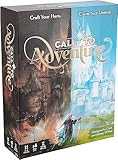
Overview: Call to Adventure invites you to forge a hero’s destiny through a card-driven storytelling system. From the creators of Boss Monster, this game tasks you with overcoming challenges and acquiring traits to craft a unique fantasy narrative. With over 150 fully illustrated cards, each playthrough generates a distinct hero’s journey worthy of legend, supporting 1-4 players in under an hour.
What Makes It Stand Out: The custom rune casting system adds tactile drama to challenge resolution, elevating gameplay beyond simple dice rolling. Origin stories, motivations, and destiny cards create surprising narrative cohesion, making your character feel genuinely developed rather than randomly assembled. Brotherwise’s signature artwork brings each card to life with personality and flair that enhances immersion.
Value for Money: Positioned as a mid-weight narrative game, Call to Adventure offers substantial content in its base box. While it lacks the campaign depth of Gloomhaven, it provides more replayability than storybook games at a similar price point. The 150+ cards ensure dozens of unique combinations before repetition sets in, delivering solid value for casual-to-moderate play groups seeking variety.
Strengths and Weaknesses: Strengths include gorgeous illustrations, flexible player count, and genuine narrative emergence. The rune system feels fresh and thematic. However, the storytelling can feel disjointed with unlucky draws, and the gameplay lacks the strategic depth of heavier Eurogames. The base game may feel limited after extensive play without expansions to add variety.
Bottom Line: Call to Adventure succeeds as a narrative-light strategy game perfect for groups wanting storytelling without heavy rules overhead. It’s an excellent gateway game that shines brightest with creative players who embrace emergent tales. Consider expansions for extended longevity.
3. The Lord of The Rings: Adventure to Mount Doom | Family Game | Cooperative Game | Strategy Game

Overview: This cooperative strategy game thrusts players into Frodo’s perilous journey across Middle Earth. Supporting 1-4 players, you’ll roll dice and draw cards to evade Ringwraiths while managing the Fellowship’s resources. With approximately 50 minutes of playtime, it delivers a complete narrative arc without overstaying its welcome, making it ideal for family game nights.
What Makes It Stand Out: The game captures Tolkien’s atmosphere through elegant simplicity rather than complex simulation. Push-your-luck dice mechanics mirror the story’s tension, while card drawing represents the unpredictable nature of the quest. Its true standout feature is scaling seamlessly from solo to four players without losing narrative intimacy, a rare achievement in cooperative design.
Value for Money: As a family-weight licensed game, it offers accessible entry into cooperative gaming at a competitive price point. While less deep than Journeys in Middle-earth, it costs significantly less and plays in half the time. For families and casual fans, it delivers authentic LOTR flavor without investment in sprawling campaign systems or numerous expansions.
Strengths and Weaknesses: Strengths include genuine thematic immersion, quick playtime, and flexible player count. The rules are learnable in five minutes, making it highly accessible for all ages. However, heavy reliance on dice and card luck may frustrate strategic players seeking control. The simplified mechanics might feel too light for hobbyists wanting deeper Middle Earth simulation or complex decisions.
Bottom Line: Adventure to Mount Doom excels as a family gateway game that authentically captures LOTR’s spirit. It’s perfect for casual fans and families, though seasoned gamers may crave more agency. An essential for Tolkien enthusiasts seeking a quick, thematic cooperative experience.
4. Avalon Hill Talisman: The Magical Quest Board Game, 5th Edition | Fantasy Tabletop Adventure Games | Ages 12 and Up | 2 to 6 Players | Roleplaying Strategy Games

Overview: Talisman returns in its 5th edition as the quintessential fantasy adventure board game. Players select from 12 detailed characters and race across three regions to acquire the Talisman and claim the Crown of Command. This edition modernizes the 1983 classic with updated artwork, streamlined rules, and improved components while preserving its signature blend of luck and strategy for 2-6 players.
What Makes It Stand Out: The 5th edition successfully balances nostalgia with modernization. Twelve unique character figures with matching ability cards provide tremendous variety, while the Adventure card system ensures the board evolves dynamically. The redesigned figures and board artwork elevate production to contemporary standards without sacrificing the game’s beloved chaotic charm that has endured for decades.
Value for Money: Talisman competes in the premium classic game category. While pricier than gateway games, it offers decades-proven gameplay with modern production values. Compared to campaign games like Gloomhaven, it provides infinite replayability in a single box. For fans of adventure games, it’s a worthwhile investment that never requires expansions to remain engaging, though many are available.
Strengths and Weaknesses: Strengths include massive replayability, strong thematic immersion, and flexible 2-6 player scaling. The streamlined rules improve accessibility for newcomers. However, the game’s heavy luck dependence and potential for player elimination may alienate modern Eurogame fans. Sessions can run long (2-3 hours), and downtime increases significantly with higher player counts.
Bottom Line: Talisman 5th Edition is the definitive version of a fantasy classic. It rewards players who embrace chaos and narrative over pure strategy. Perfect for groups wanting epic adventure without rules complexity, though those preferring tight, controlled experiences should look elsewhere.
5. A Wild Venture Board Game - Engine-Building & Adventure Strategy Game, Whimsical Fantasy World with 100+ Unique Cards, Fast-Paced Gameplay for Kids & Adults, Ages 10+, 2 Players, 40-60 Min Playtime
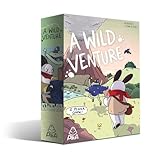
Overview: A Wild Venture is a head-to-head engine-building game where two players compete for the Community Cup in a whimsical fantasy world. Over 40-60 minutes, you’ll build and strategically dismantle your engine through 100+ unique cards on a double-sided board. The game combines resource management with quest completion in a charming, interactive package designed specifically for duels.
What Makes It Stand Out: The innovative engine-dismantling mechanic forces players to destroy their own creations to score points, creating delicious tension between building efficiency and timely demolition. This unique scoring system prevents runaway leaders and rewards adaptability. Shared decks and quick turns maintain constant engagement, eliminating downtime in this two-player duel while maintaining strategic depth.
Value for Money: As a dedicated two-player game, it occupies a niche between filler and heavyweight duel games. The 100+ cards and double-sided board offer substantial replayability for its price point. Compared to two-player staples like 7 Wonders Duel, it provides a fresh mechanical twist at a similar cost, making it a strong value for couples and dedicated dueling partners seeking variety.
Strengths and Weaknesses: Strengths include the clever dismantling mechanic, zero downtime, and charming art direction. The game plays at a satisfying strategic depth without overwhelming complexity. However, the two-player limitation restricts group play versatility, and the whimsical theme may not appeal to those preferring serious fantasy. The learning curve for optimal dismantling timing can be steep for casual players.
Bottom Line: A Wild Venture is a brilliant two-player design that revitalizes engine-building through its destructive scoring twist. Ideal for couples and competitive duos seeking interactive, strategic gameplay. While not versatile for larger groups, it excels within its niche as a fresh, engaging head-to-head experience.
6. Bag of Dungeon–Fantasy Adventure Board Game for Families & RPG Fans | 1–4 Players, Ages 7+ | Classic Dungeon Crawler | Portable Tabletop RPG with Endless Replayability

Overview: Bag of Dungeon distills the essence of tabletop RPGs into a pocket-sized package that families can actually finish before bedtime. Designed for 1-4 players ages seven and up, this tile-based dungeon crawler eliminates the intimidating rulebooks and marathon sessions that often gatekeep the genre. Setup takes under ten minutes, making it ideal for spontaneous adventures.
What Makes It Stand Out: The true genius lies in its accessibility—it’s a genuine gateway RPG that teaches core concepts like character progression, tactical combat, and resource management through intuitive dice rolling and tile placement. The 120 modular dungeon tiles and 13 bonus quests create genuinely unique layouts every session, while the signature pouch makes it ridiculously portable for camping trips or restaurant tables.
Value for Money: At its price point, you’re getting near-infinite replayability that rivals games costing twice as much. Unlike full RPGs requiring expensive rulebooks and miniatures, this single purchase delivers hundreds of hours of content, making it one of the best value propositions in family gaming.
Strengths and Weaknesses: Strengths include lightning-fast setup, true portability, and age-appropriate complexity that grows with players. The randomized tile system ensures no two quests feel identical. Weaknesses: Hardcore RPG enthusiasts may find the streamlined mechanics too simplistic, and the component quality, while functional, doesn’t match premium board game standards.
Bottom Line: For families seeking D&D-lite without the commitment, or gamers needing a travel-friendly dungeon crawler, Bag of Dungeon is an essential purchase that delivers far more than its unassuming pouch suggests.
7. Asmodee Ticket to Ride Board Game (2025 Refresh) - A Cross-Country Train Adventure for Friends and Family, Strategy Game for Kids & Adults, Ages 8+, 2-5 Players, 30-60 Minute Playtime

Overview: The 2025 refresh of Ticket to Ride preserves everything that made this train-building classic essential while polishing the experience for modern tables. Players collect colored train cards to claim routes across a beautifully illustrated North American map, balancing short-term tactics against long-term strategy in 30-60 minute sessions that never overstay their welcome.
What Makes It Stand Out: This edition’s refined components and subtle rule clarifications elevate an already stellar design. The “easy to learn, hard to master” formula remains undefeated—children grasp the basics in minutes, while adults engage in cutthroat competition for critical routes. Multiple victory paths through ticket completion, route length, and network building create surprising depth that reveals itself over dozens of plays.
Value for Money: Ticket to Ride has always offered exceptional value, and this refresh extends that legacy. The component upgrades and rule tweaks breathe new life into a game with nearly two decades of staying power, making it a smarter investment than many newer titles that burn out after a dozen plays.
Strengths and Weaknesses: Strengths include unmatched accessibility, elegant mechanics, and genuine strategic depth that rewards repeat plays. The 2025 components are noticeably improved. Weaknesses: The core gameplay remains unchanged, so owners of recent editions may not need to upgrade. The luck of card draws can frustrate pure strategists despite the planning opportunities.
Bottom Line: Whether you’re building your first board game collection or upgrading a family favorite, the 2025 refresh cements Ticket to Ride as the gold standard for gateway strategy games.
8. Dungeons & Dragons - Starter Set: Heroes of The Borderlands

Overview: Heroes of the Borderlands reimagines the D&D Starter Set as a truly accessible family experience. This boxed introduction to roleplaying ditches the 300-page rulebooks in favor of bite-sized, hour-long adventures that setup in minutes. It’s D&D for people who love the idea but lack the time or patience for traditional campaigns that consume entire evenings.
What Makes It Stand Out: The learn-as-you-play structure is revolutionary—players start rolling dice within minutes while the system naturally introduces complexity. Three distinct adventure booklets offer dozens of encounters covering combat, social interaction, and exploration, showcasing D&D’s versatility without overwhelming newcomers. The quick-start guide alone is worth the price of admission.
Value for Money: This set provides everything a group needs for months of weekly sessions: pre-generated characters, dice, rulebook, and three complete adventures. Compared to purchasing the core rulebooks ($90+) and adventure modules separately, it’s an absolute steal for budget-conscious families testing the RPG waters.
Strengths and Weaknesses: Strengths include low time commitment, structured learning curve, and authentic D&D mechanics that transition seamlessly to full campaigns. The pre-made characters eliminate the intimidating creation process. Weaknesses: Experienced players will outgrow the simplified rules quickly, and the limited character options may feel restrictive after several sessions.
Bottom Line: For families curious about D&D but intimidated by the learning curve, Heroes of the Borderlands is the perfect on-ramp—genuine fantasy roleplaying that respects your schedule.
9. Asmodee Choose Your Own Adventure: House of Danger Board Game - Embark on a Perilous Journey in this Cooperative Narrative Adventure, Ages 10+, 1+ Players, 1+ Hour Playtime
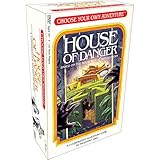
Overview: Asmodee’s House of Danger adapts the beloved Choose Your Own Adventure books into a cooperative narrative board game. Players collectively make decisions that branch the story through a perilous haunted mansion, rolling dice to overcome challenges in sessions lasting 60+ minutes. The format works for solo play or groups, emphasizing story over complex mechanics.
What Makes It Stand Out: The cooperative CYOA mechanism feels genuinely fresh—rather than competitive gameplay, the group experiences a shared story with real consequences. The nostalgic appeal is undeniable for anyone who grew up with the books. Branching narratives and dice-based challenge resolution create tension while maintaining accessibility for younger players, making it a unique hybrid of book and game.
Value for Money: While priced competitively with other narrative games, the value depends entirely on replayability. Experiencing all story branches requires multiple playthroughs, but once the mysteries are revealed, the magic diminishes. It’s comparable to a premium storybook rather than a traditional board game with infinite combinations, best viewed as an experience purchase.
Strengths and Weaknesses: Strengths include immersive storytelling, genuine cooperation, and low barrier to entry. The atmospheric writing captures the source material perfectly. Weaknesses: Replayability is inherently limited—knowing the story removes the surprise. The listed “8 players” seems inaccurate for a cooperative narrative game, suggesting possible packaging errors that may confuse buyers.
Bottom Line: House of Danger excels as a story-driven experience for families seeking something different, but buy it for the journey, not the destination. It’s a memorable one-time adventure worth the price of admission.
10. USAOPOLY Harry Potter Hogwarts Battle Cooperative Deck Building Card Game | Official Licensed Merchandise Board Great Gift for Fans Movie artwork For 132 months to 1188 months

Overview: Harry Potter Hogwarts Battle transforms the beloved franchise into a cooperative deck-building campaign where players progressively unlock content across seven sequential games. Taking on roles as Harry, Hermione, Ron, or Neville, 2-4 players defend Hogwarts from escalating dark forces through increasingly complex challenges that evolve with each session.
What Makes It Stand Out: The progressive campaign structure is masterful—each game introduces new cards, villains, and mechanics, mirroring the characters’ growth through the school years. This built-in tutorial system makes it accessible to deck-building newcomers while providing satisfying complexity by year seven. The thematic integration of spells, allies, and items feels authentically Potter, creating genuine narrative connection.
Value for Money: With 252 cards, four dice, and seven complete game boxes in one package, this represents exceptional value. The seven-adventure structure delivers a full campaign that rivals premium legacy games at a fraction of the cost, offering 20+ hours of gameplay that scales perfectly with player experience and provides genuine replayability.
Strengths and Weaknesses: Strengths include brilliant thematic progression, genuine cooperation, and perfect difficulty scaling. The campaign format creates memorable narratives. Weaknesses: Setup and teardown between games can be time-consuming, and experienced gamers may find early years too easy. The component quality is functional but not luxurious, focusing on content over flash.
Bottom Line: For Harry Potter fans, this is an essential purchase that captures the magic of the series through elegant gameplay. For deck-building enthusiasts, it’s a fresh take on the genre with surprising depth and campaign innovation.
The Evolution of Adventure Board Games in 2026
From Physical Puzzles to Narrative Journeys
The earliest escape-style board games focused primarily on linear puzzle chains, where solving one riddle simply led to the next. Today’s offerings have matured into sophisticated narrative ecosystems where puzzles serve the story rather than existing in isolation. Modern design philosophy treats each game session as an episode in a larger saga, with character arcs, plot twists, and world-building that rival interactive fiction. The most innovative titles now feature branching narratives where player choices genuinely impact outcomes, creating a sense of agency that transforms participants from passive solvers into active storytellers.
Technology’s Role in Modern Game Design
2026 has seen augmented reality features become standard rather than novelties in adventure gaming. Companion apps now provide atmospheric soundscapes, timed events, and progressive hint systems that adapt to your group’s performance. Some designers have pioneered “digital watermarking” technology, where physical components reveal hidden information when viewed through smartphone cameras, creating seamless integration between tactile and virtual elements. However, the best games maintain robust analog fallback systems, ensuring the experience remains intact even when technology fails.
Key Features That Define Immersive Escape Experiences
Multi-Layered Puzzle Design
Exceptional adventure games employ puzzles that operate on multiple cognitive levels simultaneously. You’ll encounter challenges that require pattern recognition, logical deduction, spatial reasoning, and linguistic acrobatics—all while maintaining narrative coherence. The most sophisticated designs interweave puzzle types so that solutions to word-based riddles inform mechanical challenges, creating a satisfying cascade of revelations. Look for games where puzzles feel organically embedded in the world rather than artificially grafted onto the theme.
Environmental Storytelling Techniques
The components themselves should whisper secrets about the game world. High-quality adventure games use artwork, component design, and even the rulebook’s layout to convey lore and foreshadow challenges. In 2026, leading designers employ “progressive component revelation,” where sealed envelopes, hidden compartments, and destructible elements unfold the narrative physically. This tactile discovery mirrors the intellectual satisfaction of solving puzzles, doubling the dopamine hits per session.
Progressive Revelation Systems
Rather than dumping all components on the table at once, premium adventure games orchestrate their reveals like a well-paced thriller. This might involve chapter-based setups, legacy-style permanent modifications, or app-driven content unlocks. The key is maintaining momentum while preventing overwhelm. Effective systems provide just enough new information to spark curiosity without creating analysis paralysis, keeping all players engaged throughout the experience.
Understanding Different Game Mechanics
Tile-Laying and Map Exploration
Many adventure games use modular boards that players construct as they explore, mimicking the discovery process of physical escape rooms. These systems create unique layouts each session while hiding clues in the geography itself. Advanced implementations feature double-sided tiles with different information revealed based on orientation or lighting conditions. When evaluating these games, consider how exploration feels—does it generate genuine surprise, or does it become a rote pattern-matching exercise?
Deck Management and Resource Systems
Card-driven adventure games often simulate the pressure of escape room time limits through deck depletion mechanics. Each draw escalates tension while providing necessary resources for puzzle solving. The most elegant systems make every card meaningful, with artwork that contains subtle clues and text that advances the narrative. Pay attention to how well the deck-building aspect integrates with the puzzle-solving—do the mechanics reinforce the theme, or do they feel like arbitrary constraints?
Code-Breaking and Cipher Challenges
From substitution ciphers to modern cryptographic puzzles, code-breaking remains a cornerstone of the genre. 2026’s standout games have moved beyond simple Caesar shifts into multi-stage encoding systems that require players to physically manipulate components. Look for games that provide cipher wheels, decoder grids, or other tactile tools that make the abstract process of decryption feel concrete and satisfying. The best implementations teach basic cryptology concepts organically through gameplay rather than requiring external knowledge.
Component Quality and Tactile Immersion
3D Elements and Custom Molds
The tactile experience separates board games from digital alternatives, and adventure games lean heavily into this advantage. Custom miniatures, 3D puzzle boxes, and layered components that physically assemble into solutions create memorable moments. When assessing quality, examine the precision of fits, the weight of pieces, and how well 3D elements photograph—many groups share their progress online, and visually striking components enhance the social aspect of the hobby.
Paper Quality and Hidden Reveal Technology
The stock quality of cards and paper components directly impacts the “wow” factor when revealing hidden information. Thermal ink, UV-reactive printing, and water-reveal technology have become more affordable and widespread. Premium games use heavy linen-finish cardstock that feels substantial and resists wear during repeated plays. Consider how well hidden elements survive multiple sessions—can you reset the game for others, or are certain reveals permanent?
Sound and Lighting Accessories
Some 2026 releases include integrated LED components or QR codes that trigger specific sound effects when scanned. While not essential, these atmospheric touches significantly boost immersion. Battery-powered elements that pulse in time with app countdowns or illuminate hidden text create theatrical moments. Evaluate whether these features feel gimmicky or genuinely enhance the experience—do they add to the puzzle-solving or merely distract from it?
Narrative Depth and Storytelling Elements
Branching Story Paths
The most replayable adventure games offer meaningful narrative branches that change based on puzzle-solving efficiency, moral choices, or discovered secrets. These aren’t just superficial endings but substantially different third acts with unique puzzles and resolutions. When researching games, investigate how robust the branching is—does it feel like a choose-your-own-adventure book with real consequences, or are the differences merely cosmetic?
Character Development Systems
Even in puzzle-focused games, character progression creates emotional investment. Some titles feature simple skill tracks that unlock new puzzle-solving abilities, while others include detailed persona cards with hidden motivations that players discover mid-game. The key is ensuring character growth feels earned through puzzle success rather than arbitrary advancement. Strong systems make you feel smarter as your character becomes more capable.
Atmospheric Writing and World-Building
Every text snippet, journal entry, and clue should reinforce the game’s atmosphere. In 2026, top-tier adventure games employ professional writers who craft compelling voices for different in-game authors. The best writing respects players’ intelligence, providing clues through subtle implication rather than heavy-handed exposition. Read sample passages before purchasing—does the prose draw you in, or does it read like generic puzzle filler?
Player Count and Group Dynamics
Solo Play Capabilities
The solo gaming market has exploded, and adventure games have adapted with dedicated single-player modes. These often feature streamlined setup, adjustable difficulty, and puzzle modifications that work without group discussion. Evaluate whether solo play feels like a tacked-on variant or a thoughtfully designed experience. The best solo modes include narrative elements that explore personal stakes rather than simply removing multiplayer components.
Cooperative vs. Competitive Modes
While most escape-style games are cooperative, some introduce competitive elements where players race to solve puzzles or compete for resources. These hybrid modes can create tension but risk fragmenting the shared experience. Consider your group’s personality—do they thrive on friendly competition, or does collaboration drive their enjoyment? The most versatile games offer both modes without compromising the core experience.
Scaling Mechanisms for Different Group Sizes
A game that works perfectly for four players might collapse with two or six. Sophisticated scaling systems adjust puzzle complexity, clue distribution, and time pressure based on player count. Look for games that redistribute information among players rather than simply adding more puzzles. Effective scaling ensures everyone remains engaged rather than having some players spectate while others solve.
Time Investment and Session Length
One-Shot vs. Campaign-Based Adventures
One-shot games deliver a complete experience in a single 2-4 hour session, perfect for casual groups. Campaign games spread narratives across multiple sessions, creating epic arcs but requiring commitment. In 2026, many titles offer “flexible campaigns” where each chapter stands alone but contributes to an overarching story. Consider your group’s consistency—can you meet regularly, or do you need self-contained experiences?
Save Systems and Pause Mechanics
Longer adventures need robust save systems that preserve progress without spoiling future content. The best implementations use sealed save packets, app-based checkpoints, or photo-diagram setups that let you recreate the exact game state. Avoid games where “saving” means leaving components sprawled across your table for days. Effective pause mechanics respect both your time and your dining room’s primary function.
Setup and Teardown Considerations
Some adventure games require 30+ minutes of careful component sorting before play begins. In 2026, innovative publishers include pre-organized trays and quick-start guides that get you playing within 10 minutes. Teardown is equally important—games with legacy elements need clear instructions for preserving destroyed components or resetting for resale. Evaluate whether the setup ritual enhances anticipation or creates a barrier to entry.
Replayability Factors
Randomized Setup Variations
Even narrative-driven games can offer replayability through modular puzzle configurations, randomized clue placement, or multiple starting scenarios. These systems ensure that returning players can’t simply memorize solutions. The sweet spot involves enough variation to feel fresh without requiring completely new rule learning. Investigate whether randomization affects puzzle logic or merely cosmetic elements.
Legacy and Destructive Elements
Legacy games permanently alter components, creating unique, personalized experiences. While this enhances emotional investment, it limits resale value and replayability for others. In 2026, many designers offer “reset kits” or non-destructive alternatives. Consider your collector mindset—do you value the artifact of your playthrough, or do you prefer games you can share with multiple groups?
Expansion Content and Modular Design
The healthiest adventure game ecosystems release regular expansions that add chapters, puzzles, and mechanics. Look for publishers with proven track records of supporting titles long-term. Modular design allows you to mix expansion content with base game elements for custom adventures. Beware of games that require expansions to feel complete—premium base games should deliver satisfying standalone experiences.
Difficulty Levels and Accessibility
Adjustable Challenge Settings
The best adventure games accommodate different skill levels without diluting the experience. This might involve tiered hint systems, optional expert puzzles, or difficulty-selectable scenario books. In 2026, app integration enables dynamic difficulty that adjusts based on your group’s solving speed. Ensure difficulty changes affect puzzle complexity rather than just adding more steps—quantity doesn’t equal challenge.
Hint Systems and Player Assistance
Well-designed hint systems provide escalating clues that nudge without giving away solutions. The gold standard offers contextual hints based on what you’ve already discovered, preventing spoilers. Some apps now include AI-driven hint delivery that analyzes your progress patterns. Test a game’s hint system before committing—poorly implemented assistance can either frustrate players or make puzzles trivial.
Inclusive Design for Various Skill Sets
Exceptional adventure games leverage diverse player strengths by incorporating puzzles that require different cognitive approaches. A logic puzzle might reveal a clue for a linguistic challenge, ensuring everyone contributes. In 2026, accessibility considerations include colorblind-friendly design, dyslexia-supportive fonts, and puzzles that don’t rely solely on visual acuity. Look for games that celebrate varied problem-solving styles rather than privileging a single type of intelligence.
Digital Integration and Hybrid Experiences
Companion Apps and AR Features
Modern companion apps do more than track time—they provide atmospheric audio, animated cutscenes, and AR overlays that bring static components to life. The most seamless integrations use apps to handle tedious bookkeeping while keeping core puzzle-solving physical. Evaluate whether the app feels essential or supplementary; the best hybrid games remain playable if technology fails, with apps enhancing rather than replacing the tactile experience.
Online Content Unlocks
Some games include QR codes that unlock bonus puzzles, community content, or seasonal events. This extends the game’s lifespan and creates ongoing engagement. However, ensure that online dependencies don’t render the core game obsolete if servers eventually shut down. Reputable publishers commit to maintaining digital content for years and provide offline alternatives. Check community forums to gauge publisher responsiveness to technical issues.
Digital vs. Pure Analog Experiences
There’s a growing divide between digital-heavy hybrids and “unplugged” experiences that celebrate pure analog design. Neither approach is inherently superior—digital offers dynamic content and atmospheric enhancement, while analog provides reliability and tactile satisfaction. Your preference depends on your group’s relationship with technology. In 2026, many games offer “analog-only” modes for purists, giving you flexibility based on your mood and setting.
Theme Variations in Escape Adventures
Horror and Mystery Settings
Psychological horror themes dominate 2026’s adventure game market, using atmospheric tension rather than jump scares. These games often incorporate sanity mechanics, unreliable narrators, and puzzles that become more disturbing as you progress. Mystery themes focus on deduction and evidence analysis, appealing to fans of detective fiction. When choosing, consider your group’s tolerance for dark themes—some horror games include content warnings for a reason.
Historical and Archaeological Quests
Games set in ancient civilizations or pivotal historical moments combine education with entertainment. These often involve translating fictional languages, reconstructing artifacts, and solving period-appropriate puzzles. The best historical games partner with museums or academic consultants to ensure accuracy while maintaining playability. They can spark interest in real-world history, making them excellent for families and educators.
Sci-Fi and Futuristic Scenarios
Science fiction adventures explore speculative technologies and alien cultures, allowing for creative puzzle design unconstrained by realism. These games frequently involve hacking simulations, spatial reasoning with non-Euclidean geometry, and moral dilemmas about technology’s role in society. The theme’s flexibility lets designers experiment with novel mechanics, but ensure the sci-fi elements serve the puzzles rather than overwhelming them with jargon.
Budget Considerations
Entry-Level Price Points
Quality adventure games start around $30-40, offering solid 2-3 hour experiences with decent components. These are perfect for testing the genre’s appeal without major investment. However, lower prices sometimes mean simplified puzzles or disposable components. Read reviews focusing on component durability and puzzle sophistication—some budget games punch above their weight, while others feel like cash grabs capitalizing on the trend.
Premium Collector’s Editions
High-end versions costing $100+ include deluxe components, wooden inserts, and exclusive content. These appeal to dedicated fans and collectors but rarely offer fundamentally different gameplay. Consider whether the premium elements enhance the experience or merely look pretty on a shelf. In 2026, many publishers release standard editions first, with collector’s versions following based on demand, letting you try the game before investing heavily.
Long-Term Value Assessment
Calculate cost-per-hour by estimating playtime across all scenarios and potential replays. A $60 game providing 20 hours of unique content offers better value than a $30 game you’ll complete once in three hours. Factor in expansion costs—some games seem affordable but require multiple expansions to feel complete. Check community-created content and fan scenarios, which can dramatically extend a game’s lifespan without additional expense.
Storage and Organization Solutions
Built-in Organizer Systems
The best adventure games include molded inserts that organize components by scenario and puzzle type. These systems reduce setup time and protect delicate pieces. In 2026, some publishers include “reset kits” with replacement envelopes and components, allowing you to restore the game to its original state after playing through legacy elements. Evaluate whether the organizer accommodates expansions or becomes obsolete as you add content.
Third-Party Storage Options
The hobby’s growth has spawned a cottage industry of custom storage solutions. Acrylic overlays, magnetic component trays, and specialized sleeves can protect and organize your investment. While these add cost, they significantly improve the user experience for frequently played titles. Check whether the game community has standardized around particular storage products—this indicates sustained interest and makes finding solutions easier.
Protecting Components for Longevity
Adventure games often involve writing on components, applying stickers, or physically altering pieces. Use removable stickers, dry-erase markers on laminated sheets, and photo documentation to preserve resale value. For non-destructive games, sleeve cards and store in climate-controlled environments to prevent warping. In 2026, many publishers sell “consumable refill packs” for heavily modified components, acknowledging that players want to preserve their games.
Community and Expansion Ecosystems
Online Communities and Puzzle Sharing
Vibrant player communities create custom scenarios, solve puzzles collaboratively, and share modification ideas. Before purchasing, explore forums and social media groups dedicated to the game. Active communities indicate publisher support and provide fallback help if you get stuck. Some publishers officially sanction fan content, even featuring the best community creations in official expansions, creating a symbiotic relationship with players.
Official vs. Fan-Made Content
Official expansions guarantee quality control and narrative consistency, while fan-made content offers variety and experimental mechanics. The healthiest games support both. In 2026, several publishers have launched “creator programs” that provide tools and legal permission for fans to publish and sell their adventures. This extends the game’s lifespan exponentially while giving original designers insights into what players want.
Seasonal and Event-Based Releases
Some adventure game lines release limited-time scenarios tied to holidays, real-world events, or anniversaries. These create urgency and community buzz but can frustrate completionists. Evaluate whether missing seasonal content diminishes the core experience or merely adds optional flavor. The best publishers eventually compile seasonal content into affordable anthologies, ensuring latecomers don’t feel penalized.
Making Your Final Decision
Assessing Your Gaming Group’s Preferences
Take inventory of your regular players’ strengths, interests, and patience levels. A group of logic puzzle enthusiasts might crave complex cipher challenges, while a mixed-skill family group needs accessible entry points. Consider how much narrative your players want—some prefer pure puzzle gauntlets, others need compelling stories to stay engaged. The perfect game matches your group’s unique chemistry rather than following trend-based recommendations.
Trying Before Buying: Demos and Reviews
Many local game cafes now feature adventure game libraries where you can try titles before purchasing. Watch playthrough videos that show puzzle resolution without spoiling specific solutions—look for creators who discuss mechanics and design philosophy rather than just reacting to story beats. In 2026, several publishers offer “print-and-play” demos that give you a taste of the full experience. Take advantage of these trials; adventure games are subjective, and what enthralls one group might bore another.
Building Your Adventure Game Collection
Start with one versatile title that offers multiple scenarios and solid replayability. This becomes your “anchor game” for introducing new players to the genre. From there, diversify into different themes and mechanical styles to keep your collection fresh. Avoid buying multiple games with similar puzzle types—variety prevents mental fatigue and ensures you have the right game for any mood or group composition. Remember, the goal is creating memorable experiences, not amassing a shelf of unplayed boxes.
Frequently Asked Questions
What makes an adventure board game different from a regular puzzle game?
Adventure board games integrate puzzles into a cohesive narrative with thematic components, progression systems, and often multiplayer cooperation. Unlike standalone puzzles, they create an immersive world where each challenge advances a story and builds upon previous discoveries, typically featuring higher production values and a more cinematic experience.
How long should a typical adventure board game session last?
Most quality adventure games offer 2-4 hour sessions for one-shot experiences, while campaign-based titles spread 10-20 hours across multiple sessions. The ideal length depends on your group’s stamina and available time, though effective games include natural break points and save systems for longer adventures.
Are adventure board games replayable, or are they one-and-done experiences?
Replayability varies significantly. Some feature randomized setups and multiple narrative branches offering 3-5 unique playthroughs. Others are legacy-style with permanent changes, providing a single memorable campaign. Many publishers support their games with expansions, and active communities create fan scenarios that dramatically extend lifespan.
Can I play adventure board games solo, or do I need a group?
Most modern adventure games include dedicated solo modes that adjust puzzle complexity and narrative pacing. Solo play often provides a more contemplative experience, while groups benefit from collaborative problem-solving. The best games scale meaningfully across player counts without losing their core appeal.
What should I look for in a good hint system?
Effective hint systems provide tiered assistance, starting with gentle nudges and escalating to detailed guidance. They should be contextual—offering help for specific puzzles without spoiling unrelated content. The best systems integrate hints into the narrative, perhaps through in-game characters or devices, maintaining immersion while preventing frustration.
How important is digital integration in 2026’s adventure games?
Digital elements enhance but shouldn’t define the experience. Quality hybrid games remain fully playable in pure analog mode, using apps for atmosphere and convenience. Avoid titles where the app is essentially the game itself—the physical components should drive puzzle-solving, with digital aspects providing supplementary enhancement.
What’s the difference between legacy and resettable adventure games?
Legacy games feature permanent, often destructive changes that create a unique playthrough artifact. Resettable games allow you to restore all components to their original state for replay or resale. Some titles offer “reset kits” or non-destructive variants, giving you the emotional impact of legacy elements without sacrificing replayability.
How do I know if an adventure game is too difficult for my group?
Research the game’s target audience and look for reviews mentioning difficulty curves. Many 2026 releases include adjustable settings or built-in hint systems that let you dial in the challenge. Start with games rated for “casual” or “family” play, then progress to expert-level titles as your group’s skills develop.
Are component quality and artwork worth paying extra for?
Premium components significantly enhance immersion and durability, especially for games you’ll play repeatedly. However, substance matters more than style—expensive miniatures can’t salvage poor puzzle design. For your first adventure game, prioritize clever mechanics over deluxe components. Once you’re committed to the genre, premium editions become worthwhile investments for frequently played favorites.
How can I extend the life of my adventure board games?
Explore official expansions, fan-made scenarios, and community puzzle exchanges. Document your playthroughs with photos to recreate states for resetting. Use protective accessories like sleeves and removable stickers. Join online communities to share strategies and discover new content. Some players even create their own puzzles using the game’s components, turning the box into a creative toolkit for endless adventures.
See Also
- 2026’s Top 10 Thematic Board Games for Immersive Storytelling
- 2026’s Top 10 Sci-Fi Board Games for Space Exploration Enthusiasts
- 2026’s Top 10 Horror Board Games for Late-Night Thrills
- The 10 Ultimate Best Adventure Board Games for Explorers in 2026
- The 10 Ultimate Best Thematic Board Games for Immersive Storytelling in 2026