Table of Contents
Imagine the flickering candlelight casting long, dancing shadows across the table as uneasy laughter mingles with nervous glances. The air thickens, not just with the scent of snacks, but with palpable tension. This isn’t just another game night; it’s a descent into carefully curated dread. Horror board games have evolved far beyond simple jump scares on a screen, offering immersive, tactile experiences that transform your living room into a stage for psychological torment, supernatural encounters, and desperate survival scenarios. They tap into our primal fascination with the unknown, providing a uniquely social thrill that digital horror often struggles to replicate – the shared gasps, the collaborative strategizing against encroaching darkness, the collective sigh of relief (or groan of despair) when the final card is drawn.
Choosing the perfect horror experience, however, requires more than just grabbing the box with the scariest monster on the cover. With the genre exploding in creativity and complexity, selecting a game that delivers the right kind of chills for your group is crucial. Will it be a slow-burn psychological unraveling, a frantic race against a monstrous pursuer, or a desperate struggle for survival in a haunted locale? The best horror game for you depends on understanding the intricate interplay between theme, mechanics, player count, and desired intensity. Forget chasing fleeting “top 10” lists that quickly become outdated; instead, arm yourself with the knowledge to make an informed, satisfying choice that guarantees spine-tingling nights for years to come, long before 2026 arrives.
Top 10 Horror Board Games
Detailed Product Reviews
1. Unstable Games Twisted Cryptids Board Game - Strategy Card Game for Adults and Kids - Family Board Games for 2-4 Players, Ages 12 and Up - from The Creators of Unstable Unicorns and Here to Slay

Overview: Twisted Cryptids delivers a lighthearted yet strategically engaging card game where 2-4 players embody mythical creatures competing to expose rivals’ hidden identities. Leveraging the beloved framework of Unstable Games’ previous hits, it offers accessible gameplay centered around cryptid lore and social deduction, perfect for family game nights or casual gatherings. What Makes It Stand Out: Its standout feature is the dynamic interplay of hidden trait cards and “take-that” mechanics, creating constant player interaction and shifting alliances. The high-quality lenticular box art, thematic Cryptid meeples, and tarot-sized cards elevate the unboxing experience. The seamless integration of light strategy with party-game accessibility—adaptable to player count and pace—makes it uniquely versatile. Value for Money: Priced competitively against similar strategy card games, it offers exceptional value with durable components and strong replayability through core mechanics and planned expansions (Cryptid Culture, Ness is More). While niche expansions add cost, the base game provides substantial entertainment without needing extras. Strengths and Weaknesses: Strengths: Highly engaging social dynamics; intuitive rules for ages 12+; stunning, shelf-worthy components; scalable gameplay depth. Weaknesses: Limited strategic depth for hardcore gamers; expansions required for long-term novelty; hidden trait mechanics may frustrate players who dislike direct conflict. Bottom Line: A charming, well-crafted gateway into strategic card gaming that excels in social settings. Highly recommended for families and casual groups seeking lighthearted competition, though seasoned strategists might crave more complexity.
2. The Night Cage by Smirk and Dagger | Cooperative Candlelit Horror Strategy Game | Tile Laying Labyrinth Escape Adventure for 1 to 5 Players Ages 14 Plus

Overview: The Night Cage immerses 1-5 players in a cooperative horror experience where a single candle’s flickering light dictates survival. Players navigate a shifting tile-laid labyrinth while evading Wax Eaters, racing to collect keys and escape before darkness consumes them—a tense, atmospheric journey demanding teamwork. What Makes It Stand Out: The innovative candlelit mechanic is revolutionary; the flame’s literal dimming creates visceral urgency as vision narrows, directly impacting tile placement and strategy. Award-winning for its seamless theme integration, it transforms physical light into a core gameplay element, fostering unparalleled tension and emotional investment. Value for Money: Justifies its premium price with exceptional production quality, adjustable difficulty, and an Advanced Game mode adding monsters and obstacles. The included candle and durable tiles offer immediate, unique value compared to digital alternatives, though component fragility slightly offsets longevity. Strengths and Weaknesses: Strengths: Unmatched atmospheric tension; brilliant candle mechanic; deep cooperative strategy; high replayability via difficulty modes; accessible yet challenging. Weaknesses: Candle replacement needed per session; setup time increases with players; limited physical space can hinder larger groups. Bottom Line: A groundbreaking cooperative masterpiece that redefines horror gaming. Essential for strategy enthusiasts and horror fans seeking an unforgettable, tactile experience, despite minor logistical quirks.
3. Funko Games Scream The Game Party Game Ages 13 and Up for 3-8 Players

Overview: Scream The Game thrusts 3-8 players into a fast-paced horror party experience inspired by the iconic film franchise. One player embodies Ghostface (voiced by Roger L. Jackson), hunting others who race to solve clues and survive—all amplified by an app-driven soundtrack and intense narration. What Makes It Stand Out: Authenticity is key: Roger L. Jackson’s chilling voice as Ghostface and the custom killer figure heighten immersion. The free companion app delivers film-accurate audio, while the Knife first-player marker and evocative artwork cater directly to franchise fans, blending nostalgia with accessible gameplay. Value for Money: Priced affordably for a licensed party game, it offers solid replayability through variable player roles and app-driven scenarios. However, reliance on a smartphone may deter some, and depth pales next to non-licensed strategy games—best valued as a thematic fan experience. Strengths and Weaknesses: Strengths: Authentic Scream atmosphere; app enhances tension; simple, heart-pounding rules; ideal for horror fans; accommodates large groups. Weaknesses: App dependency limits portability; minimal strategic depth; replay value hinges on group enthusiasm for the theme. Bottom Line: A thrilling, accessible party game for Scream devotees that nails the franchise’s spirit. Recommended for casual horror nights, though generic strategy seekers should look elsewhere.
4. Ravensburger Horrified Games - Universal Monsters - Strategy Board Game - Boost Critical Thinking & Teamwork - Cooperative Gameplay - Unique Monster Challenges - 1 to 5 Players - Adults & Kids 10+

Overview: Horrified pits 1-5 players against seven Universal Monsters (Dracula, Frankenstein, etc.) in a cooperative strategy game where teamwork and critical thinking are essential to save a town. Players must master unique monster-specific tactics across interconnected challenges in this family-friendly horror adventure. What Makes It Stand Out: Each monster presents distinct victory conditions—e.g., Dracula requires garlic and sunlight—forcing adaptive strategies per game. The stunning artwork, thematic miniatures, and emphasis on collaborative problem-solving create an educational yet thrilling experience that stands out in family gaming. Value for Money: Exceptional value with seven monsters, high-quality miniatures, and varied scenarios ensuring longevity. Priced fairly against cooperative games, it outshines many in replayability through modular challenges, though component storage could be improved. Strengths and Weaknesses: Strengths: Brilliant educational value for critical thinking; highly replayable with diverse monsters; beautiful components; easy to learn; inclusive for ages 10+. Weaknesses: Storage solutions lacking; some monster mechanics feel unbalanced; lighter strategy may not satisfy hardcore gamers. Bottom Line: An outstanding cooperative game that masterfully blends theme, strategy, and family fun. Highly recommended for parents and educators seeking engaging, skill-building gameplay.
5. Trick Or Treat, Halloween 2 - Strategy Board Game - for 2 to 4 Players, Ages 14+
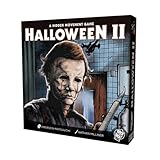
Overview: Trick or Treat: Halloween 2 is a tense asymmetric strategy game where one player controls Michael Myers hunting bystanders, while others attempt to escape a fog-shrouded neighborhood. Renowned designer Emerson Matsuuchi crafts a 1-vs-many showdown focused on hidden movement and deduction. What Makes It Stand Out: Its core innovation is the hidden movement system: Myers’ player secretly plots paths on a duplicate map, creating nerve-wracking cat-and-mouse suspense. The Halloween theme is woven into mechanics—like limited visibility—elevating it beyond generic hidden-movement clones with thematic precision. Value for Money: A niche but polished experience at its price point, offering intense, replayable sessions. While component count is modest, the strategic depth justifies cost for asymmetrical game fans, though broader appeal is limited compared to larger-party titles. Strengths and Weaknesses: Strengths: Exceptional hidden-movement tension; strong thematic integration; quick setup; highly replayable with role-switching; elegant rules. Weaknesses: Limited player count (2-4); bystander role can feel passive; minimal components; steep learning curve for new players. Bottom Line: A masterclass in asymmetric design that horror and strategy fans will adore. Recommended for dedicated gaming groups seeking cerebral, thematic thrills, but less ideal for casual family play.
6. Goosebumps The Game, The Spooky Childrens Books Series Now a Scary Fun Monster Board Game for Ages 8 & Up

Overview: This cooperative board game transforms R.L. Stine’s beloved Goosebumps series into a family-friendly neighborhood monster hunt. Players work together to explore a map, collect items, and defeat five unique monsters from classic books like The Haunted Mask, aiming to clear the neighborhood before time runs out. Designed for ages 8+, it captures the series’ playful spookiness without excessive scariness.
What Makes It Stand Out: Its genuine cooperative nature stands out, requiring teamwork rather than competition, which is ideal for younger players. The inclusion of five distinct scenarios based on iconic books offers significant replayability, while “Get Help” cards cleverly integrate familiar characters like Slappy. Spin Master’s focus on accessible, thematic family fun makes it a standout for introducing kids to strategy games.
Value for Money: Priced competitively for a quality family board game, it delivers strong value. The components are durable and visually engaging for the target age group, offering hours of shared gameplay. While simpler than complex adult strategy games, it surpasses many children’s games in depth and re-playability, justifying its cost for families seeking screen-free, collaborative entertainment.
Strengths and Weaknesses: Strengths: Excellent teamwork focus; faithful adaptation of Goosebumps lore; multiple scenarios enhance longevity; clear rules for kids. Weaknesses: Gameplay can feel repetitive after many plays; monster mechanics lack deep strategy; artwork might not thrill older kids beyond 10-12; limited challenge for experienced gamers.
Bottom Line: A highly recommended, age-appropriate gateway into cooperative gaming for Goosebumps fans and families. It successfully translates spooky book fun into an engaging, non-competitive board experience that fosters teamwork, making it a perfect addition to family game nights for children 8 and up.
7. Don’t Get Stabbed!: The Party Game Where You Get to Kill Your Family and Friends (for Pretend). Exciting Card Game for Adults and Horror Gift for Scary Movie Fans. Great for Halloween.
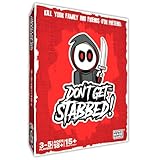
Overview: This darkly comedic adult card game pits one player as a horror-movie-inspired “Killer” against 2-4 “Victims” in a lighthearted battle of deception and escape. Players use role cards to bluff, chase, or flee, drawing from classic slasher tropes. Strictly for ages 18+, it leverages horror nostalgia for quick, social gameplay perfect for Halloween or casual gatherings.
What Makes It Stand Out: Its unique asymmetric roles create dynamic, unpredictable rounds where the Killer hunts while Victims scheme to escape. The horror-movie-themed artwork on premium cards is a major draw, packed with nostalgic nods that fans will adore. The simple “stab or escape” core mechanic ensures fast setup and rounds under 20 minutes, maximizing replayability with minimal rules overhead.
Value for Money: Offering solid value for a niche party game, the 77 high-quality glossy cards and charmingly macabre art justify the price point. It fills a specific niche better than many generic adult games, providing targeted fun for horror enthusiasts. While component count is modest, the focus on clever artwork and tight mechanics makes it a worthwhile impulse buy or gag gift.
Strengths and Weaknesses: Strengths: Hilarious horror-themed art; quick, easy-to-learn gameplay; strong replayability; perfect for small groups; great Halloween party icebreaker. Weaknesses: Limited player count (only 3-5); minimal strategic depth; humor may not land for all; short playtime might feel insubstantial for some.
Bottom Line: An excellent, laugh-out-loud party game for horror fans seeking lighthearted, competitive fun. Its clever theme, ease of play, and premium components make it a standout Halloween or game-night addition for adults who appreciate slasher-movie satire.
8. Ravensburger Alien: Fate of The Nostromo Board Game for Ages 10 & Up – A Cooperative Strategy Game of Suspense
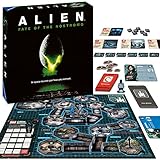
Overview: This cooperative board game masterfully recreates the tense atmosphere of Ridley Scott’s Alien film. Players take on Nostromo crew roles (Ripley, Dallas, etc.), working together to navigate the derelict ship, gather supplies, craft tools, and complete objectives while evading a relentlessly hunting Xenomorph. Designed for ages 10+, it emphasizes suspenseful teamwork over direct combat.
What Makes It Stand Out: The game excels in immersive, thematic storytelling through its detailed miniatures, stunning artwork, and clever mechanics that mirror the film’s dread. The modular objectives and multiple final missions ensure high replayability, while Science Officer Ash adds significant difficulty. The cooperative tension—balancing resource gathering against the Alien’s movements—is exceptionally well-executed, creating genuine moments of panic.
Value for Money: Priced as a premium strategy game, it offers excellent value through sheer component quality (detailed miniatures, thick tokens) and deep, replayable gameplay. While costlier than simpler family games, it competes favorably with other cooperative strategy titles, justifying its price for fans seeking a cinematic, high-stakes experience. The included online tutorial further enhances accessibility.
Strengths and Weaknesses: Strengths: Incredible thematic immersion; top-notch components and art; high replayability via varied objectives; perfect tension balance; cooperative focus. Weaknesses: Steeper learning curve for new players; Alien AI can feel overly punishing; setup time is lengthy; limited to 1-5 players.
Bottom Line: A must-have for Alien fans and cooperative strategy enthusiasts. It delivers an unparalleled cinematic experience with exceptional production quality and nerve-wracking gameplay, making it a worthy investment for players aged 10+ seeking suspenseful, team-based challenges.
9. Trivial Pursuit Horror Ultimate Edition | Horror Trivia Game Featuring 1800 Questions from Classic Horror Films & Books | Collectible Trivia Board Game for Fans of Horror Movies
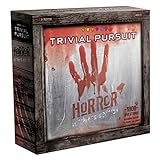
Overview: This specialized Trivial Pursuit edition dives deep into horror culture with 1,800 questions spanning movies, TV, and literature. Players answer queries across six categories—Gore & Disturbing, Psychological, Killer, Monster, Paranormal, and Comedy—using horror-themed movers like a “Cleaver in Brain.” Strictly for ages 17+, it targets dedicated horror aficionados seeking a challenging trivia duel.
What Makes It Stand Out: The sheer scope of questions covering niche and classic horror across multiple media is unmatched. The thematic board and uniquely designed movers (e.g., Doll Head, Straitjacket) enhance immersion, while the six distinct categories ensure diverse, genre-specific challenges. It successfully transforms standard trivia into a tailored horror pilgrimage, celebrating the genre’s breadth.
Value for Money: As a premium trivia experience, it offers strong value for horror devotees. The 300-card deck provides immense longevity, and the collectible components (custom movers, horror art) elevate it beyond standard editions. While pricier than basic trivia games, the niche focus and question volume justify the cost for fans willing to test their macabre knowledge repeatedly.
Strengths and Weaknesses: Strengths: Massive, well-researched question bank; creative horror-themed components; excellent category variety; highly replayable for genre fans. Weaknesses: Questions may be too obscure for casual fans; 60+ minute playtime feels long for trivia; minimal strategy beyond knowledge recall; not ideal for mixed-knowledge groups.
Bottom Line: An essential, deeply satisfying trivia game for serious horror enthusiasts. Its extensive question set and thematic flair make it the definitive horror trivia experience, though its difficulty and runtime best suit dedicated fans over casual players.
10. Funko The Goonies: Never Say Die Game

Overview: This cooperative adventure game invites players to relive and expand upon the beloved Goonies film through nine distinct scenarios. Players control iconic characters like Mikey, Data, and Sloth, exploring detailed environments, solving puzzles, and confronting threats like the Fratellis or One-Eyed Willie. Aimed at ages 12+, it blends nostalgia with fresh storytelling using modern mechanics inspired by classic adventure games.
What Makes It Stand Out: The inclusion of nine adventures—faithfully recreating movie moments while adding original stories—provides exceptional narrative depth. The eight highly detailed miniatures (including Sloth and the Giant Octopus) are standout components, enhancing immersion. Its unique “modern retro” gameplay bridges old-school adventure spirit with streamlined, accessible mechanics, appealing to both fans and new players.
Value for Money: Priced as a mid-tier board game, it delivers strong value through its narrative richness and premium miniatures. The nine scenarios ensure significant replayability, while the sculpted figures surpass typical components in this range. For Goonies fans, the nostalgia factor and quality execution make it a compelling purchase that outshines many licensed games.
Strengths and Weaknesses: Strengths: Rich storytelling with 9 adventures; exceptional miniatures; perfect blend of nostalgia and innovation; accessible yet strategic; high replay value. Weaknesses: Limited player count (likely 1-4); niche appeal for non-fans; scenario depth may overwhelm casual gamers; setup can be time-consuming.
Bottom Line: A triumphant love letter to The Goonies that successfully translates the film’s magic into a replayable board game. Its engaging adventures, superb miniatures, and thoughtful design make it a top recommendation for fans and adventure-game enthusiasts aged 12 and up.
Understanding Your Group’s Horror Threshold
Before diving into mechanics or themes, the most critical factor is aligning the game’s intensity with your group’s comfort level and preferences. Horror is deeply personal, and mismatched expectations can derail an entire evening.
Assessing Fear Tolerance Levels
Gauge your group’s collective comfort zone honestly. Are they seeking lighthearted spooks perfect for casual players, or do they crave intense, psychologically disturbing narratives that linger long after the game ends? Discuss boundaries openly – certain themes (like body horror, extreme violence, or specific phobias) might be absolute deal-breakers for some players. Ignoring this step risks alienating participants and turning fun into discomfort.
Considering Player Count and Dynamics
Horror games often behave dramatically differently based on the number of players. Cooperative games can foster intense camaraderie against a common foe, but larger groups might lead to analysis paralysis or reduced individual engagement. Competitive horror games thrive on betrayal and tension, but require a group comfortable with cutthroat play. Consider your typical group size and whether you prefer everyone working together, fighting against each other, or a hybrid experience where alliances constantly shift under pressure.
Evaluating Time Commitment and Setup Complexity
Be realistic about the time and mental energy your group can invest. Some horror games offer quick, tense 30-minute sessions ideal for warming up, while others are epic, multi-hour campaigns demanding significant setup and rule mastery. Complex setups or lengthy rule explanations can kill the intended atmosphere before the first scare lands. Prioritize games whose commitment level matches your group’s availability and patience for intricate preparation.
Decoding Horror Game Mechanics: How the Scare Works
The mechanics aren’t just rules; they are the engine driving the horror experience. Understanding how a game generates tension is key to finding the right fit.
Cooperative vs. Competitive vs. Solo Play Structures
The core structure fundamentally shapes the social dynamic and source of fear. Cooperative games pit the group against the game system itself, fostering teamwork against overwhelming odds – the horror comes from shared vulnerability and strategic pressure. Competitive games often introduce player-versus-player conflict, where trust is fragile and betrayal is a constant threat, amplifying paranoia. Solo modes offer a deeply personal, often more intense, confrontation with the game’s narrative and challenges, perfect for those who enjoy a private thrill.
App Difficulty Scaling and Player Agency
A well-designed horror game should feel challenging but not impossible, and crucially, players need to feel their choices matter. Look for games with clear difficulty modifiers or adjustable scenarios. More importantly, assess the level of player agency: Does the game provide meaningful decisions that impact survival and the narrative, or do players feel like passive victims at the mercy of random card draws? Agency is vital for engagement; without it, frustration replaces fear.
Narrative Integration and Replayability Factors
Does the game tell a compelling story through its mechanics, components, and scenario design, or is the theme merely a veneer? Deep narrative integration significantly enhances immersion. Equally important is replayability. How many unique scenarios, branching paths, or variable setups does it offer? Games relying heavily on one predictable narrative might lose their scare factor quickly, while those with modular elements, hidden roles, or legacy components provide lasting value through varied experiences.
Diving Deep into Horror Themes and Atmosphere
The type of horror you seek dramatically influences the emotional impact and suitability for your group. Themes go beyond just “spooky” to evoke specific feelings.
Psychological Horror vs. Supernatural Terror
Psychological horror focuses on the fragility of the mind, paranoia, unreliable perceptions, and slow-burn dread. It often uses mechanics involving hidden information, sanity tracks, or manipulative events that make players question reality and each other. Supernatural terror leans into ghosts, demons, ancient evils, and the violation of natural laws, frequently featuring overt monsters, curses, and dramatic set-piece encounters. Decide whether your group prefers the unsettling unease of the mind or the visceral threat of the otherworldly.
Survival Horror and Resource Management Tension
This subgenre emphasizes scarcity, vulnerability, and desperate struggle. Players often manage limited health, ammunition, light sources, or sanity points against overwhelming threats. The horror stems from constant risk assessment: “Do I use my last medkit now, or save it for later?” “Do I turn on the flashlight to see, knowing it might attract them?” Games excelling here make every resource decision fraught with consequence, heightening tension through constant pressure.
Gothic, Folk, and Modern Horror Settings
The setting shapes the aesthetic and thematic tone. Gothic horror (decaying mansions, Victorian dread) offers classic, atmospheric tension. Folk horror (isolated villages, ancient rituals, nature turning sinister) provides a unique, often culturally rich, sense of unease rooted in tradition and the land. Modern horror settings (urban decay, contemporary apocalypses, tech-based fears) feel immediate and relatable, tapping into current anxieties. Consider which setting resonates most powerfully with your group’s imagination.
Practical Considerations for Long-Term Enjoyment
Beyond the initial scare, practical aspects determine if a game earns a permanent spot in your collection.
Component Quality and Table Presence
Horror games thrive on atmosphere, and physical components are crucial. High-quality miniatures, evocative artwork on cards and boards, and thematic tokens significantly enhance immersion. Consider the “table presence” – does the game look and feel appropriately menacing when set up? Durable components are also essential, especially for games involving hidden information, frequent shuffling, or potential “damage” tracking.
Rulebook Clarity and Learning Curve
A confusing rulebook is the fastest way to extinguish horror atmosphere. Look for games known for well-organized, clear rulebooks with ample examples and visuals. Consider the learning curve: Is it accessible for newer players, or does it demand significant rule mastery before the horror can truly begin? Games with streamlined core mechanics that introduce complexity gradually often have broader appeal for mixed-skill groups.
Storage Solutions and Setup/Takedown Time
Be honest about your group’s tolerance for setup and teardown. Games with dozens of tiny tokens, multiple decks, and intricate boards can become a chore, eating into precious game time. Integrated storage solutions within the box or clear organization systems are major pluses. A game that stores neatly and sets up in under 10 minutes is far more likely to get played repeatedly than one requiring a 20-minute laborious process.
Maximizing the Horror Experience: Tips for Game Masters and Players
Even the best game needs the right environment and mindset to deliver its full terrifying potential.
Crafting the Perfect Ambiance
Don’t underestimate the power of lighting (dim lamps, candles safely placed, red bulbs), curated soundscapes (ambient noise tracks, subtle music playlists), and themed snacks. These external elements significantly deepen immersion. Encourage players to engage with the theme – dim the main lights, use a flashlight app briefly for dramatic reveals, or play specific atmospheric music during setup and key moments.
Pacing and Building Tension Effectively
For cooperative games, especially those with a “game master” or app-driven system, pacing is everything. Resist the urge to ramp up the horror too quickly. Allow moments of relative calm for planning and interaction, making the inevitable scares more impactful. Use the game’s mechanics to tease threats – a distant sound effect card, a slowly advancing doom track – to build dread before the actual confrontation.
Handling Intense Moments and Group Dynamics
Be mindful of players during particularly scary or stressful sequences. A simple check-in (“You okay? Want to pause?”) can prevent genuine distress. Establish safe words or signals beforehand. Remember, the goal is shared fun through controlled fear, not genuine trauma. Encourage players to lean into the narrative – describe their character’s fear, make dramatic (but concise) declarations – to heighten the collective experience without slowing the game.
Frequently Asked Questions
Frequently Asked Questions
What is the most important factor when choosing a horror board game for my group? Honestly assessing your group’s collective fear tolerance and discussing any hard limits on themes or intensity is absolutely paramount. A mismatch here can ruin the experience for everyone.
How can I tell if a horror game relies too much on luck versus player skill? Examine reviews focusing on “player agency.” Look for mentions of meaningful choices, strategic depth, and whether outcomes feel earned through decisions rather than pure dice rolls or random card draws. Games with adjustable difficulty often signal better balance.
Are cooperative horror games generally better than competitive ones for new groups? Cooperative games are often recommended for newcomers as they foster teamwork against the game itself, reducing potential social friction. However, if your group enjoys betrayal mechanics and high tension, competitive horror can be incredibly engaging – just ensure everyone is comfortable with that dynamic.
What’s a good indicator of strong replayability in a horror board game? Look for features like multiple distinct scenarios, branching narrative paths, variable player powers or roles, modular boards, or legacy elements that change the game over playthroughs. A single linear story usually offers less long-term value.
How crucial is component quality for the horror experience? Very crucial. High-quality art, thematic miniatures, and durable cards/board significantly enhance immersion and make the game feel more substantial and “real,” directly contributing to the atmosphere. Flimsy components can break the spell.
Can horror board games be enjoyable for people who don’t like jump scares? Absolutely. Many excel at psychological horror, slow-burn dread, atmospheric tension, and strategic survival challenges without relying on sudden shocks. Focus on games emphasizing narrative, resource management, and mental strain over surprise moments.
What’s a reasonable setup time to expect for a satisfying horror game experience? Aim for games that set up in 10-15 minutes for standard sessions. While epic campaigns might take longer, excessive setup (20+ minutes) often becomes a barrier to playing, especially when trying to build a spooky mood. Integrated storage is a big plus.
How do I handle a player who gets genuinely too scared during a game? Prioritize their comfort immediately. Have pre-discussed safe words/signals. Pause the game, check in, offer water, and let them step back (even just observing) if needed. Never pressure someone to continue if they’re genuinely distressed; the goal is fun, not trauma.
Are there horror games suitable for families with older children (e.g., 12+)? Yes, but scrutinize the theme and intensity closely. Look for games labeled “family horror” or “light horror” focusing on spookiness rather than gore or intense psychological themes (e.g., ghost hunting, mild monster chases). Always preview the components and story elements first.
What’s the biggest mistake new horror board game players make? Assuming “more rules” or “more components” automatically equals a better horror experience. Often, streamlined mechanics that effectively generate tension and dread through elegant design are far more impactful and replayable than overly complex systems that bog down the game. Focus on the core experience.
See Also
- 2026’s Top 10 Horror Board Games for Late-Night Thrills
- How to Solve Boring Game Nights with the 10 Best Adventure Board Games in 2026
- Stop Boring Game Nights with the 10 Best Adventure Board Games This Year
- How to Solve Boring Game Nights with the 10 Best Thematic Board Games in 2026
- 2026’s Top 10 Adventure Board Games for Immersive Escape Experiences