Table of Contents
Cooperative board games have evolved from niche hobbyist curiosities into mainstream entertainment powerhouses, transforming how families and friends gather around the table. Unlike traditional competitive games that pit players against each other, these collaborative experiences forge bonds through shared victories and collective problem-solving. As we move through 2026, the market has exploded with innovative designs that cater to every imaginable theme, difficulty level, and player dynamic, making the selection process both exciting and overwhelming.
Finding the perfect cooperative game requires more than just browsing trending titles or following influencer recommendations. The ideal choice depends on a delicate balance of your group’s personalities, available time, experience levels, and what specifically makes your collective tick. This comprehensive guide cuts through the noise to help you identify the essential factors that separate fleeting entertainment from lifelong favorites. Whether you’re building your first collection or refining an existing library, these ten strategic tips will ensure your next purchase delivers countless memorable sessions.
Top 10 Cooperative Board Games
Detailed Product Reviews
1. Gamewright - Forbidden Island - Cooperative Strategy Survival Board Game, 2-4 Players
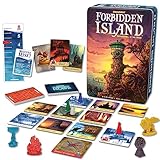
Overview: Forbidden Island, designed by Pandemic creator Matt Leacock, drops players onto a sinking paradise where teamwork isn’t optional—it’s survival. This 2-4 player cooperative game tasks your group with retrieving four sacred treasures before the island vanishes beneath the waves. The modular tile system creates a unique layout each session, while the innovative “flood deck” mechanic escalates tension with every turn. Players assume distinct roles like Pilot or Diver, each offering special abilities that demand strategic coordination. With a 30-minute runtime and accessible rules, it serves as an ideal entry point for families and newcomers to cooperative gaming.
What Makes It Stand Out: Leacock’s genius shines through the elegant simplicity of rising water levels that physically remove board tiles, creating genuine urgency. Unlike competitive games, Forbidden Island fosters pure collaboration with no alpha-player syndrome thanks to its balanced role powers. The progressive difficulty system allows scaling from novice to expert, while the treasure collection mechanic provides clear, achievable objectives. Its compact box belies substantial strategic depth, making it more portable than its successor Pandemic while retaining signature tension.
Value for Money: Priced under $20, this represents exceptional value in the cooperative genre. Comparable gateway games like Pandemic cost nearly double, yet Forbidden Island delivers 90% of the experience with faster setup and easier teachability. The waterproof cards and sturdy tiles withstand repeated plays, and the included plastic treasures add tangible satisfaction. For families seeking quality bonding time without financial risk, it’s nearly unbeatable.
Strengths and Weaknesses: Pros include intuitive rules, escalating tension, quality components, and genuine teamwork requirements. The variable player powers ensure replayability, while the 30-minute length prevents fatigue. Cons: limited to four players, some card draws can feel swingy, and experienced gamers may outgrow it quickly. The theme, while attractive, lacks narrative depth compared to story-driven alternatives.
Bottom Line: Forbidden Island remains the gold standard for introductory cooperative games. Its perfect blend of accessibility, tension, and teamwork creates memorable family moments. While veteran gamers might crave more complexity, it’s an essential addition to any family collection and the ideal gateway to modern board gaming.
2. Pandasaurus Cooperative Strategy Card Game - Fun Interactive Family Game for Ages 8+, 1-5 Players, 20 Minute Playtime
Overview: The Game strips cooperative play to its minimalist core, challenging 1-5 players to discard all cards cooperatively onto four piles following strict ascending and descending rules. This award-winning card game distills tension into pure numerical strategy, requiring silent understanding and calculated risk-taking. With a brisk 20-minute playtime and rules teachable in two minutes, it transcends age barriers while demanding sophisticated non-verbal communication. Players must anticipate teammates’ intentions while managing two decks representing time’s passage, creating a uniquely abstract yet deeply social experience.
What Makes It Stand Out: Winning the prestigious Spiel des Jahres, The Game’s brilliance lies in its psychological warfare—players know everyone’s cards but cannot discuss specifics, forcing intuitive collaboration. The “1.3 million copies sold” statistic testifies to its universal appeal. Its minimalist design eliminates setup time, while the escalating card values create natural tension curves. The abstract nature paradoxically enhances replayability, as no two sessions share the same conversational subtext.
Value for Money: Typically retailing under $10, The Game offers infinite replayability in a pocket-sized package. Unlike bulky board games requiring table space and component management, this deck travels anywhere. The award-winning pedigree at this price point makes it an impulse purchase with permanent collection status. Competing filler games rarely achieve this depth-to-cost ratio.
Strengths and Weaknesses: Pros: instant setup, true portability, scales seamlessly, creates hilarious non-verbal moments, and rewards repeated plays. The rules simplicity masks surprising strategic depth. Cons: abstract theme may disappoint narrative seekers, high randomness can frustrate planners, and the name makes online searching impossible. Some groups may find the silence requirement awkward.
Bottom Line: The Game is essential for every collection as the perfect filler, travel companion, and party icebreaker. Its deceptive simplicity and psychological elements create memorable moments across all skill levels. While not a main event game, its unmatched accessibility and award-winning design make it indispensable.
3. Flow: The Official Cooperative Board Game | Strategy Game for 1–4 Players Ages 8+ | Based on The Award-Winning Animated Film | Family & Solo Play | Survive The Flood, Rescue Allies
Overview: Flow translates its acclaimed animated film into a tense real-time cooperative experience for 1-4 players. As floodwaters rise, your team must rescue stranded allies while managing limited resources against relentless time pressure. The game employs a dynamic modular board where tiles progressively submerge, forcing constant tactical adaptation. Each scenario card introduces unique objectives across 11 variations, while the real-time mechanic eliminates downtime and heightens urgency. Designed for ages 8+, it balances emotional storytelling with accessible strategy, creating a uniquely immersive survival challenge that plays in 45 minutes.
What Makes It Stand Out: The rising water mechanic physically transforms the board mid-game, creating unprecedented tension and visual storytelling. Real-time gameplay distinguishes it from turn-based co-ops, demanding split-second decisions and genuine panic. Its film origin provides rich thematic grounding rare in licensed games, while the solo mode maintains full experience integrity. The 11 scenario cards offer distinct narratives beyond simple difficulty scaling, making each session emotionally unique.
Value for Money: At approximately $35-40, Flow sits in the mid-tier range but justifies cost through innovation. Comparable real-time games like Pandemic: Rapid Response cost similar but lack the thematic depth. The production quality—detailed tiles, miniatures, and water-tracking components—feels premium. For groups seeking fresh mechanics beyond standard co-ops, the price reflects genuine design innovation rather than branding.
Strengths and Weaknesses: Pros: immersive real-time tension, strong thematic integration, excellent solo mode, and meaningful narrative variety. The adaptive strategy requirements keep veterans engaged. Cons: real-time stress isn’t for everyone, initial rules explanation feels rushed under pressure, and component setup is fiddly. The emotional weight may overwhelm younger players despite the 8+ rating.
Bottom Line: Flow delivers a breathless cooperative experience that reinvigorates the genre through real-time pressure and cinematic storytelling. While not ideal for casual gamers, it’s a must-play for enthusiasts seeking emotional investment and mechanical innovation. The solo mode alone warrants purchase for dedicated co-op fans.
4. Pressman The Oregon Trail Card Game - Cooperative Gameplay Based on The Classic Computer Game, Ages 12 and Up, 2-6 Players

Overview: Pressman’s Oregon Trail Card Game transforms the beloved 8-bit survival classic into a cooperative card game where 2-6 players lead a wagon party through historically perilous journeys. Embracing its source material’s grim humor, players draw Trail cards to progress while calamity cards unleash dysentery, river fords, and hunting failures. The 8-bit artwork faithfully recreates nostalgia, while the simple card-driven mechanics keep gameplay brisk at 30 minutes. Ages 12+ can appreciate the cheeky approach to historical hardship, making it a novelty experience that doesn’t take itself seriously.
What Makes It Stand Out: The nostalgic 8-bit aesthetic and faithful adaptation of classic computer game tropes create immediate recognition for anyone who survived the digital Oregon Trail. Its cooperative structure ironically preserves the original’s brutal randomness, where laughing at misfortune becomes the point. The “You Have Died of Dysentery” cards transform tragedy into comedy, offering a unique tone in the cooperative genre. The compact card format makes it more accessible than board game adaptations.
Value for Money: Priced around $15-20, this targets niche nostalgia rather than broad appeal. For fans of the computer game, it’s priceless; for others, it’s a light filler with thematic novelty. Comparable party games cost similar, but few offer this specific cultural reference. The components are basic but functional, prioritizing affordability over luxury.
Strengths and Weaknesses: Pros: hilarious nostalgic value, quick to teach, portable, and generates funny stories. The 8-bit art is charmingly authentic. Cons: extremely high randomness limits strategic depth, thin theme for non-fans, and repetitive gameplay wears thin after several plays. The humor can feel morbid for some families.
Bottom Line: The Oregon Trail Card Game succeeds as a novelty gift and nostalgia trip but falls short as a serious strategy game. Perfect for fans of the original computer game seeking lighthearted group fun, it’s best treated as a humorous conversation piece rather than a collection cornerstone. Buy it for the memories, not the mechanics.
5. Ravensburger Horrified Games - Greek Monsters - Strategy Board Game - Boost Critical Thinking & Teamwork - Cooperative Gameplay - Unique Monster Challenges - 1 to 5 Players - Adults & Kids 10+

Overview: Ravensburger’s Horrified: Greek Monsters thrusts 1-5 players into mythological heroism, defending Elysium against six unique legendary beasts including Medusa and Cerberus. This standalone sequel to Horrified: Universal Monsters employs strategic movement across a detailed board where each monster presents distinct behavioral patterns and defeat conditions. Players manage resources, rescue civilians, and complete quests while monsters advance through specialized decks. The 60-minute runtime balances tactical depth with accessibility for ages 10+, creating a rich thematic experience that rewards careful planning and adaptive teamwork.
What Makes It Stand Out: The six monsters each function as completely separate puzzles, essentially offering six games in one box. Unlike generic co-ops, each creature requires unique strategies—Medusa’s gaze demands careful positioning while Cerberus’s three heads create multi-front threats. Ravensburger’s production quality shines through detailed miniatures and monster mats that track individual mechanics. The variable difficulty scales from family-friendly to brutally challenging, while the hero narrative provides stronger thematic motivation than abstract objectives.
Value for Money: At $40-45, Horrified commands a premium but delivers exceptional content density. Six distinct monster modules provide replayability surpassing many $60+ games. The component quality—sculpted figures, thick board, and thematic artwork—justifies cost for collectors. Compared to similar thematic co-ops like Arkham Horror, it offers comparable depth with easier teachability.
Strengths and Weaknesses: Pros: incredible variety, high production value, scalable difficulty, strong solo mode, and engaging theme. Each monster feels unique and memorable. Cons: substantial table space required, setup time increases with monster count, and rulebook organization can overwhelm first-timers. The complexity may intimidate casual players despite the 10+ rating.
Bottom Line: Horrified: Greek Monsters represents cooperative gaming at its most thematic and varied. For mythology enthusiasts and strategy gamers, it’s an essential purchase that grows with your group. While not a casual filler, its depth and quality make it a centerpiece worthy of any serious board game collection.
6. Happy Camper - The Four Doors | Cooperative Game by Pandemic and Forbidden Island Creator | Super Portable | Great for Solo Play, Two Players, and Groups
Overview: This cooperative game from legendary designer Matt Leacock tasks 1-5 players with retrieving four sacred treasures from a mystical light tower before shadows seal the doors forever. With a brisk 30-minute playtime and compact design, it’s engineered for portability without sacrificing strategic depth.
What Makes It Stand Out: Leacock’s pedigree alone distinguishes this from countless co-op titles, promising refined mechanics and escalating tension. The super-portable format makes it ideal for camping trips, cafes, or tight shelves. Solo mode is seamlessly integrated, offering genuine challenge for single players rather than a tacked-on variant.
Value for Money: Positioned in the entry-to-midrange price bracket, it delivers exceptional value for fans of Leacock’s previous hits. The small box belies substantial replayability, and its travel-friendly nature eliminates the need for separate travel games. Compared to bulkier cooperative games, you’re paying for elegant design density rather than excessive components.
Strengths and Weaknesses: Strengths include the designer’s proven track record, genuinely portable form factor, scalable player count, and quick setup. The 30-minute runtime respects players’ time. Weaknesses: Those seeking Pandemic-level complexity may find it lighter than expected. The compact size limits component variety, and the theme, while charming, isn’t as viscerally gripping as some alternatives.
Bottom Line: A must-have for cooperative gaming aficionados who travel. It distills Leacock’s genius into a pocket-sized package that plays brilliantly at any player count.
7. Peaceable Kingdom Gnomes at Night A Cooperative Maze Game for 2 to 4 Kids Ages 6+
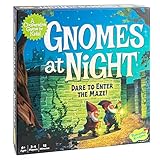
Overview: Designed for ages 6+, this cooperative maze game pits 2-4 players against a castle labyrinth to recover the Queen’s stolen treasures before sunrise. Using magnetic gnome movers and a dual-sided board, it emphasizes communication and teamwork in a 20-minute timeframe.
What Makes It Stand Out: The ingenious dual-perspective mechanic—where each player sees a different maze layout—creates natural communication challenges. One player can move pieces through walls that block the other, forcing collaborative problem-solving. The magnetic components add tactile satisfaction, while the sand timer injects urgency without overwhelming young players.
Value for Money: As an educational tool disguised as entertainment, it offers strong value. It develops spatial reasoning, directional vocabulary, and cooperative skills simultaneously. Compared to digital learning apps or single-purpose educational toys, this provides repeatable, social learning at a reasonable price point.
Strengths and Weaknesses: Strengths include its unique communication-focused gameplay, sturdy components, and age-appropriate challenge that grows with children. The four difficulty levels extend longevity. Weaknesses: The 6+ age ceiling means older children may quickly master it, limiting long-term family appeal. The timer can stress more anxious players, and setup requires careful board alignment.
Bottom Line: An excellent gateway cooperative game that builds real communication skills while delivering genuine fun for early elementary children.
8. Spin Master Games, SolidRoots Escaping Extinction, Cooperative Strategy Board Game from The Makers of Mind The Gap, Easter Gift, 1-4 Players, for Ages 12 & Up

Overview: In this prehistoric cooperative adventure, 1-4 players become dinosaurs racing to build a 3D rocket and escape extinction before a meteor strikes. The tile-based board creates variable layouts, while earthquake cards dynamically alter the terrain mid-game.
What Makes It Stand Out: The 3D rocket-building component provides tangible progression, transforming abstract objectives into physical construction. The earthquake mechanic ensures no two sessions play identically, forcing adaptive strategy. Its dinosaur protagonists offer fresh narrative perspective, and the dynamic board scales complexity organically.
Value for Money: Competing in the family strategy game segment, it punches above its weight with variable setup and 3D components. The replayability factor justifies the investment compared to static-board alternatives. While not inexpensive, the component quality and innovative mechanics deliver fair value for ages 12+.
Strengths and Weaknesses: Strengths include high replayability, engaging theme execution, and the satisfying 3D build element. It bridges gateway and intermediate strategy levels effectively. Weaknesses: The 12+ rating limits accessibility for younger families, and the theme may not resonate with all players. Some may find the earthquake randomness frustrating, and setup takes longer than simpler co-ops.
Bottom Line: A solid choice for families with teens seeking strategic depth and novelty. The dynamic board and 3D components create memorable, replayable sessions.
9. Castle Panic 2nd Edition | Cooperative Board Game for Adults and Family | Ages 8+ | for 1 to 6 Players | Average Playtime 45 Minutes | Made by Fireside Games

Overview: This tower defense cooperative game challenges 1-6 players to defend Castle Bravehold from relentless monster hordes. With 45-minute playtime and four distinct modes—including competitive variants—it offers flexible gameplay for mixed-experience groups.
What Makes It Stand Out: The 3D towers provide visual and tactile stakes as they physically collapse when destroyed. Four game modes (Co-op, Solo, Master Slayer, Overlord) deliver exceptional variety from one box. The trading mechanic fosters genuine collaboration, while boss monsters and event cards create memorable, game-altering moments.
Value for Money: As a second edition, it refines an already proven formula. The multiple modes essentially provide 2-3 games in one, dramatically extending its lifespan. For families seeking one game that satisfies different play styles, the value proposition is strong compared to purchasing separate titles.
Strengths and Weaknesses: Strengths include versatile player count (1-6), accessible rules with strategic depth, and high replayability across modes. The 3D components enhance immersion. Weaknesses: The luck of the draw can sometimes override strategy, frustrating serious gamers. The Overlord mode, while innovative, requires a specific player personality to shine. Some may find the theme generic.
Bottom Line: An essential family cooperative game that adapts to your group’s preferences. Its versatility and accessibility make it a reliable centerpiece for game nights.
10. The Lord of The Rings: Adventure to Mount Doom | Family Game | Cooperative Game | Strategy Game

Overview: This cooperative journey through Middle-earth tasks 1-4 players with guiding Frodo to Mount Doom while evading Ringwraiths. Combining dice rolling and card management, it delivers a 50-minute Tolkien experience that balances accessibility with thematic immersion.
What Makes It Stand Out: The official LOTR license is fully leveraged through evocative artwork and narrative-driven events. Solo play is robust, allowing fans to experience the quest alone. The dice-card hybrid mechanics create tension without excessive complexity, making it approachable for non-gamers drawn by the theme.
Value for Money: For Tolkien enthusiasts, the thematic authenticity alone justifies the price. As a family-weight cooperative game, it competes well with non-licensed alternatives, offering IP value without gameplay compromise. The solo mode adds functionality that many licensed games neglect.
Strengths and Weaknesses: Strengths include strong thematic integration, accessible rules, flexible player count, and quality components. It serves as both a LOTR collectible and functional game. Weaknesses: Strategy gamers may find it too luck-dependent and light on depth. The fixed narrative path limits replayability compared to systemic co-ops. Dice frustration can impact enjoyment.
Bottom Line: A worthy addition for LOTR fans and families seeking thematic cooperative play. It prioritizes immersion over complexity, making it ideal for introducing new players to both gaming and Tolkien’s world.
Tip 1: Assess Your Group’s Experience Level
Before diving into mechanics or themes, take an honest inventory of your regular players’ gaming backgrounds. A mismatch between complexity and skill level creates frustration that no amount of beautiful artwork can fix.
Understanding Player Skill Tiers
Gaming groups typically fall into three distinct categories: casual players who enjoy party games and light entertainment, intermediate groups familiar with modern hobby games, and veteran gamers seeking deep strategic challenges. Casual players often prefer games with intuitive actions and minimal terminology, while experienced groups crave layered decision trees and emergent strategies. Mixed-level groups present unique challenges requiring accessible entry points with optional depth.
Matching Complexity to Your Crew
The sweet spot lies in finding games that teach in 10-15 minutes but reward mastery over multiple sessions. Look for design philosophies that incorporate “complexity through addition” rather than “complexity through convolution.” This means core actions remain simple, while special abilities or scenario rules add richness gradually. Games that include guided tutorial scenarios or progressive rulebooks help bridge experience gaps without patronizing seasoned players.
Tip 2: Determine Ideal Player Count
Cooperative games shine brightest when they accommodate your exact group size without forcing awkward scaling mechanisms that dilute the experience.
Flexible Scaling Mechanics
The best designs maintain tension whether you’re playing with two or five participants. Investigate how games handle different player counts—some add enemies or objectives proportionally, while others divide responsibilities among additional players. True scaling preserves the challenge-per-player ratio rather than simply adding busywork. Watch for games that list a wide player count range but reveal in forums that the experience suffers at either extreme.
Avoiding the “Ghost Player” Problem
Many cooperative games use a dummy player or “automa” to simulate additional participants at lower player counts. While sometimes necessary, these artificial constructs can feel clunky and disconnected from the core experience. Prioritize games where the fundamental design works natively across your most common group sizes. If you primarily play as a couple, seek titles specifically praised for their two-player synergy rather than those that merely “work” with two.
Tip 3: Analyze Theme and Story Appeal
Theme acts as the emotional hook that transforms abstract mechanics into memorable narratives. The right theme can engage reluctant players who might otherwise dismiss strategic gameplay.
Theme-First vs. Mechanism-First Design
Some games build mechanics around a compelling story, ensuring every action feels thematically justified. Others bolt theme onto solid mechanical systems as window dressing. For maximum immersion, seek theme-first designs where the narrative drives decisions. Consider whether your group prefers high fantasy, sci-fi exploration, horror survival, historical simulation, or abstract puzzle-solving. The theme should resonate enough that players reference in-game moments long after the session ends.
Narrative Depth Considerations
Evaluate how deeply the theme integrates with gameplay. Light thematic games use setting as flavor text, while deep narrative games create branching storylines with permanent consequences. Legacy-style games with campaign progression offer ongoing stories but require consistent groups and commitment. For casual gatherings, self-contained stories that resolve in one session prevent continuity issues while still delivering satisfying arcs.
Tip 4: Evaluate Playtime Requirements
Time investment directly impacts how often a game hits your table. An epic 3-hour adventure means nothing if your group only meets for 90 minutes.
Session Length Reality Checks
Manufacturers often underestimate playtime on boxes, especially for first-time players. Add 30-50% to listed times for learning, rules referencing, and analysis paralysis. Games with variable session lengths based on scenario selection offer flexibility—some nights call for quick 30-minute challenges, others demand marathon sessions. Check community forums for real-world timing reports rather than trusting box specifications.
Setup and Teardown Time Factors
The total time commitment includes more than just gameplay. Complex games with dozens of decks, tokens, and miniatures can require 15-20 minutes of setup and similar teardown. Look for games with efficient storage solutions that double as quick-setup systems. Some designs use book-style boards or pre-configured scenarios that dramatically reduce preparation time, making spontaneous game nights feasible.
Tip 5: Consider Complexity and Learning Curve
The best cooperative games balance immediate accessibility with long-term depth, creating a learning curve that feels rewarding rather than punishing.
Rulebook Clarity Indicators
A well-written rulebook serves as your first tutorial. Before purchasing, download digital rulebooks from publishers’ websites to assess clarity. Quality indicators include logical flow from setup to endgame, visual examples for edge cases, comprehensive indices, and separate reference sheets for each player. Poor rulebooks with ambiguous terminology or missing examples create frustrating first sessions that sour the entire experience.
Tutorial Playthrough Value
Games that include scripted tutorial scenarios or “learning games” with simplified rules dramatically improve onboarding. These guided experiences introduce mechanics incrementally, allowing players to grasp core concepts before adding complexity layers. Some publishers offer video tutorials or digital app companions that walk groups through first plays. This investment in teachability signals a designer who values player experience over mechanical cleverness.
Tip 6: Investigate Replayability Factors
A cooperative game’s lifespan depends on how well it maintains challenge and novelty across repeated plays. The best titles feel fresh even after dozens of sessions.
Procedural Generation Elements
Randomized setups, modular boards, and shuffled decks create unique puzzles each playthrough. However, not all randomization equals replayability. Seek games where random elements generate meaningful strategic differences rather than minor cosmetic variations. True procedural depth emerges when different configurations require fundamentally different approaches and team compositions.
Variable Player Powers and Roles
Games offering distinct character classes or asymmetric abilities encourage replay through role exploration. A game feels entirely different when played as the healer versus the damage dealer. The depth comes from powers that create genuine specialization rather than slight statistical tweaks. Check whether these roles feel balanced and essential—no one enjoys playing the “support” character who merely watches others have fun.
Tip 7: Check for Quarterbacking Issues
The dreaded “alpha gamer” problem—where one dominant player dictates everyone’s actions—can destroy cooperative experiences. Smart design prevents this social flaw.
Hidden Information Mechanics
Games that restrict information sharing naturally prevent single-player control. When players hold private cards, personal objectives, or partial knowledge, they must communicate rather than command. This creates genuine collaboration where each voice matters. Look for mechanics that reward individual decision-making within a team framework, such as personal player boards or secret goal cards.
Simultaneous Action Systems
Games using simultaneous selection or real-time elements eliminate the opportunity for one person to optimize every move. When everyone commits actions simultaneously, players must trust each other’s judgment and adapt to surprises. This fosters true teamwork and personal accountability. Even without real-time pressure, mechanics that limit table talk or introduce decision timers can effectively distribute agency across all participants.
Tip 8: Research Component Quality and Storage
Physical components directly impact tactile enjoyment and long-term durability. A beautiful game that falls apart after five plays represents poor value.
Material Durability Standards
Examine component specifications in reviews—cardstock weight, chipboard thickness for tiles, and plastic quality for miniatures. Cards should withstand frequent shuffling without fraying edges. Punched tokens need clean cuts that don’t tear when separated. While premium components raise prices, they ensure your investment lasts years rather than months. Consider sleeve requirements; games with standard card sizes offer affordable protection options.
Organizer Solutions and Table Footprint
Complex games with hundreds of components become unplayable without proper organization. Some include molded inserts that speed setup, while others require third-party solutions. Evaluate the table space needed—sprawling epic games demand large playing surfaces, while compact designs suit apartment living. Games with vertical stacking or efficient space usage maximize playability in constrained environments.
Tip 9: Explore Digital Integration Options
Modern cooperative games increasingly blend physical and digital elements, offering new possibilities for solo play and dynamic content.
Companion App Features
Well-designed apps handle bookkeeping, randomization, and hidden information elegantly, reducing setup time and rules overhead. They can provide atmospheric soundtracks, voice acting, and animated tutorials that enhance immersion. However, apps also introduce dependency on devices and potential obsolescence concerns. Evaluate whether the app adds genuine value or merely replaces physical components that would work better on the table.
Solo Mode Variants
Even primarily social gamers benefit from robust solo modes for practice or when schedules don’t align. Quality solo implementations maintain the cooperative feel through AI opponents or modified objectives rather than simply playing multiple characters. Some games offer dedicated solo rulebooks that create unique puzzles impossible in multiplayer. Check community feedback on solo balance—poorly tuned solo modes often feel either trivially easy or unfairly difficult.
Tip 10: Read Community Feedback Strategically
Online reviews provide invaluable insights, but require critical interpretation to separate genuine analysis from hype or personal bias.
Identifying Reviewer Bias Patterns
Every reviewer has preferences that color their opinions. Track specific reviewers over time to understand their biases—some favor heavy strategy while others prioritize theme and narrative. Look for consensus across multiple sources rather than relying on single recommendations. Pay special attention to “after 10 plays” reviews that reveal long-term issues invisible in first-impression articles.
Long-Term Play Reports vs. Hype Reviews
New releases generate excitement that skews initial ratings. Games often receive high scores after 1-2 plays then drop significantly as flaws emerge. Seek forum threads discussing games after months of ownership, where players discuss durability, replayability, and whether the title remains in regular rotation. These “shelf-time” reports reveal whether a game sustains interest or becomes a one-play curiosity.
Frequently Asked Questions
What makes a cooperative game truly cooperative versus just multiplayer solitaire?
True cooperative games require meaningful interaction where players depend on each other’s unique contributions to succeed. Multiplayer solitaire occurs when players pursue parallel strategies with minimal interdependence. Look for mechanics that force resource sharing, combined actions, or specialized roles that cannot win alone. The best test: if one player could theoretically play all roles without changing strategy, it’s likely multiplayer solitaire.
How do I introduce cooperative games to competitive players who dislike “groupthink”?
Start with games featuring strong personal objectives or hidden traitor mechanics that preserve individual agency. Cooperative doesn’t mean unanimous decisions—games with simultaneous action selection or limited communication create healthy tension. Emphasize that cooperation is a means to overcome a challenging system, not a requirement to hold hands. Competitive players often enjoy optimizing team efficiency as its own puzzle.
Are legacy or campaign cooperative games worth the investment for casual groups?
Legacy games demand consistent attendance and schedule commitment that casual groups rarely maintain. However, some campaign games offer “save anywhere” systems or episodic missions that work for irregular gatherings. Evaluate whether your group meets at least twice monthly before committing. For less frequent sessions, choose games with self-contained stories or optional campaign elements that don’t penalize inconsistent play.
What’s the ideal complexity for family game nights with mixed ages?
Family-friendly cooperative games should teach in under 10 minutes and play in 45-60 minutes max. Complexity should emerge from interesting decisions, not convoluted rules. Look for games that adults can enjoy strategically while children grasp the core actions. Many successful family games include optional advanced modules that kids can ignore initially but grow into over time.
How important is theme versus mechanics in cooperative games?
Theme drives engagement for many players, especially newcomers who need narrative context for their actions. However, mechanics create the actual gameplay loop. The ideal balance depends on your group—story-focused groups need theme-first designs where mechanics feel natural, while strategy groups prioritize elegant systems where theme is secondary. For mixed groups, moderate thematic integration with solid mechanics offers the best compromise.
Can cooperative games work well with just two players?
Many cooperative games excel at two players, often creating more intimate strategic partnerships. Two-player sessions typically run faster and allow deeper role specialization. However, some games designed for larger groups feel empty or lose tension with only two participants. Seek titles specifically praised for two-player dynamics, where scaling maintains challenge and both players feel equally essential throughout.
How do I prevent quarterbacking without implementing harsh restrictions?
Beyond mechanical solutions, establish social norms before playing. Encourage players to ask “What do you think?” rather than stating “You should do this.” Rotate the “first player” role each turn, giving everyone decision priority. Some groups implement a “suggestion token” where each player gets one unsolicited recommendation per game. The best long-term solution combines mechanical prevention with fostering a culture of collaborative discussion.
What should I look for in a cooperative game’s solo mode?
Quality solo modes maintain the core cooperative experience while adapting challenge appropriately. Avoid modes that simply ask you to play two characters—the best solo designs create unique puzzles or use automa opponents that simulate a partner’s unpredictable contributions. Check if solo rules include separate win conditions, difficulty scaling, or content exclusive to single-player that justifies playing alone.
How much should I budget for quality cooperative board games in 2026?
Entry-level cooperative games typically range from $25-40, offering solid gameplay with standard components. Mid-tier titles ($50-70) include higher production values, more content, and greater replayability. Premium games ($80-120) feature extensive miniatures, deluxe components, and campaign systems. Budget for accessories like card sleeves ($10-15) and potentially storage solutions ($20-40) to protect your investment long-term.
Are digital adaptations good substitutes for physical cooperative games?
Digital versions excel for solo play, remote multiplayer, and learning rules through tutorials. However, they lose the tactile social experience that makes cooperative games special—the physical act of moving pieces together, reading each other’s faces, and celebrating victories as a group. Consider digital versions for practice or when distance separates players, but prioritize physical copies for the authentic collaborative atmosphere that defines the genre.
See Also
- 10 Most Durable Cooperative Board Games Based on Real User Reviews in 2026
- The 10 Most Revolutionary Horror Cooperative Board Games of 2026
- 10 Top-Rated Cooperative Board Games According to Experts in 2026
- The 10 Ultimate Best Adventure Cooperative Board Games for Explorers in 2026
- 10 Premium Sci-Fi Cooperative Board Games (Worth the Investment) in 2026