Table of Contents
Gather ‘round the table, dim the lights just enough to see the cards, and listen for that unmistakable shuffling sound – the prelude to genuine connection in our hyper-connected world. Family game nights often start with the best intentions but can quickly unravel. Maybe the rules take longer to explain than the game itself lasts, or the complexity leaves younger members bored and older ones frustrated. Perhaps the pieces are so tiny they vanish under the couch before the first round ends, or the theme feels stale after two plays. We’ve all been there, wrestling with a box that promised fun but delivered more stress than laughter. Finding that perfect shared activity, something that truly bridges generations and moods, feels like searching for a unicorn in a sea of plastic tokens.
Yet, within a simple deck of cards lies a surprisingly powerful antidote to fragmented family time. Card games possess a unique magic: they’re compact, affordable, and endlessly adaptable, transforming any flat surface into a stage for strategy, luck, and shared stories. Unlike screens that isolate, they demand interaction, eye contact, and spontaneous reactions – the building blocks of real connection. The right card game isn’t just entertainment; it’s a catalyst for conversation, gentle competition, and creating those warm, fuzzy memories you’ll recall years later. Choosing wisely, however, isn’t about chasing trends or the shiniest box; it’s about understanding the subtle alchemy that turns a pile of cardboard into unforgettable family moments. Let’s explore how to find your family’s perfect deck.
Top 10 Card Games
Detailed Product Reviews
1. USAOPOLY Flip 7, The Ultimate Blend of Press Your Luck & Strategy, Fast-Paced Addictive Card Game,Quick to Learn & Easy to Teach,Perfect for Game Nights, 3+ Players, Ages 8 & Up, 20 Minutes Play Time

Overview: Flip 7 is a dynamic press-your-luck card game where players draw cards to accumulate points without revealing duplicate numbers, risking a “bust” that resets their round score. The goal is to be the first to reach 200 points through strategic risk-taking. What Makes It Stand Out: Its unique, weighted deck—featuring decreasing quantities of numbers (twelve 12s down to one 1)—creates inherent tension. Special action cards like Flip Three, Freeze, and Second Chance inject unpredictable twists, keeping every round fresh and intensely interactive. The rapid 20-minute playtime ensures high replayability. Value for Money: Priced competitively for a dedicated strategy game, Flip 7 delivers exceptional value. It outshines basic card games with its custom components and layered mechanics, justifying its cost for frequent game-night hosts seeking more depth than standard party games offer. Strengths and Weaknesses: Strengths: Highly engaging risk/reward balance; simple rules for ages 8+; quick setup and play; excellent replayability due to variable card effects. Weaknesses: Luck can heavily influence outcomes; analysis paralysis may slow turns with indecisive players; limited strategic depth for hardcore gamers. Bottom Line: Flip 7 excels as a thrilling, accessible game-night staple that masterfully blends luck and strategy. Its innovative deck and action cards create constant excitement, making it a worthwhile purchase for families and casual gamers seeking fast-paced fun.
2. Play Nine The Card Game of Golf

Overview: Play Nine reimagines golf as a card game where players aim for the lowest score by strategically managing an 8-card hand. Similar to the sport, it emphasizes minimizing points through smart discards and draws from central piles. What Makes It Stand Out: The golf scoring analogy is cleverly executed, transforming traditional card mechanics into an intuitive, thematic experience. Its focus on low-score strategy—uncommon in many card games—provides a refreshing alternative to point-collection classics like Uno or Rummy. Value for Money: An affordable, durable set that offers solid entertainment for its price. While not packed with extras, its simplicity and family-friendly design make it a cost-effective choice for casual play, especially compared to pricier strategy games with steeper learning curves. Strengths and Weaknesses: Strengths: Extremely easy to learn; quick rounds ideal for all ages; portable; effectively captures golf’s strategic essence. Weaknesses: Limited strategic depth for experienced gamers; can feel repetitive after extended play; minimal theme integration beyond scoring. Bottom Line: Play Nine is a charming, accessible card game perfect for introducing younger players to strategic thinking or for relaxed family gatherings. Its straightforward mechanics deliver consistent, lighthearted fun without complexity, earning a strong recommendation for casual households.
3. Bicycle Jumbo Index Playing Cards , 2 Pack Large Print Poker Size Deck of Cards for Easy Reading, Family Card Games, and Casino Play
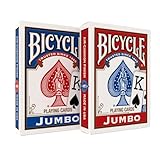
Overview: This Bicycle set features two standard poker-sized decks with enlarged indices (numbers/symbols), designed for effortless readability during card games. Crafted for players of all ages, especially those needing visual assistance. What Makes It Stand Out: The jumbo index is a game-changer for accessibility, eliminating squinting during games like Poker or Canasta. Combined with Bicycle’s trusted Air-Cushion Finish for smooth shuffling and handling, it addresses a common pain point without sacrificing professional quality or versatility. Value for Money: Exceptional value as a practical investment. The dual-pack ensures backups for frequent players or simultaneous games, while the USA-made durability guarantees longevity—far outperforming cheaper, flimsy alternatives in daily use. Strengths and Weaknesses: Strengths: Outstanding readability for seniors or kids; premium, consistent handling; versatile for countless games; reliable Bicycle durability. Weaknesses: Slightly larger indices may feel unconventional to purists; no unique thematic designs beyond functionality. Bottom Line: These decks are indispensable for anyone prioritizing clarity and comfort. Their accessibility focus, backed by Bicycle’s quality, makes them a top-tier choice for families, educators, or regular card players—highly recommended for effortless, inclusive gameplay.
4. Regal Games Card Games for Kids - Go Fish, Crazy 8’s, Old Maid, Slap Jack, Garbage Monster, War - Simple & Fun Classic Family Table Games - Games May Vary (6 Set)

Overview: This 6-in-1 set bundles kid-friendly versions of classic card games (Go Fish, Crazy 8s, etc.) in vibrant, extra-large decks. Tailored for ages 4+, it simplifies rules while maximizing engagement for young players. What Makes It Stand Out: The oversized cards with bold, colorful artwork are perfect for little hands and developing eyesight. Each game subtly builds cognitive skills—like matching, counting, and strategic thinking—turning playtime into stealth learning without feeling educational. Value for Money: Outstanding value given the six distinct games included. The durable construction withstands rough handling, and the portability makes it ideal for travel, justifying its price as a long-term investment in family entertainment. Strengths and Weaknesses: Strengths: Excellent size/design for kids; promotes skill development; highly portable; diverse game variety maintains interest. Weaknesses: Simplified rules may bore older children; “Garbage Monster” theme feels inconsistent with classics; limited replayability for adults. Bottom Line: A near-perfect starter set for young children, blending education with fun. Its thoughtful design ensures inclusive, screen-free play, making it an essential purchase for parents seeking engaging, developmental activities for ages 4-8.
5. PlayMonster Five Crowns — The Game Isn’t Over Until the Kings Go Wild! — 5 Suited Rummy-Style Card Game — For Ages 8+

Overview: Five Crowns revitalizes rummy with a fifth suit of stars and rotating wild cards each round. Players form sets/runs to minimize points over eleven hands, aiming for the lowest total score. What Makes It Stand Out: The innovative fifth suit and dynamic wild cards (changing per round from 3s to Kings) add strategic depth absent in traditional rummy. This keeps gameplay unpredictable and deeply engaging, rewarding both planning and adaptability. Value for Money: A superb value for a specialized card game. Its high replayability across 2-7 players and durable components justify the price, especially compared to generic rummy sets lacking its unique mechanics and award-winning design. Strengths and Weaknesses: Strengths: Brilliant twist on rummy; scalable for large groups; easy to learn but challenging to master; excellent travel size. Weaknesses: Wild card rotation can frustrate new players; scoring complexity may overwhelm very young children. Bottom Line: Five Crowns is a must-have for rummy enthusiasts and families craving strategic depth. Its inventive mechanics and broad age appeal make it a standout choice for game nights—highly recommended for players seeking a fresh, replayable classic.
6. Taco Cat Goat Cheese Pizza Wildly Entertaining Card Game for Family and Group Game Night | Easy to Learn and Play with 10-15 Minute Rounds | Fun for Kids, Teens, Adults, and Families | 2-8 Players

Overview: Taco Cat Goat Cheese Pizza is a rapid-fire card game where players slap a central pile when the spoken word matches the card played, creating instant, chaotic fun for 2-8 players aged 7+. Rounds last just 10-15 minutes, making it ideal for family nights or quick breaks. What Makes It Stand Out: Its genius lies in the simple, escalating chaos: chanting the title while matching cards triggers frantic slap reactions, amplified by surprise action cards. The universal appeal across ages and the zero-setup, screen-free engagement are unmatched for quick social fun. Value for Money: Priced competitively against similar party games, its durability, portability, and replayability offer excellent value. It outshines pricier alternatives by delivering consistent laughter without complex rules or components. Strengths and Weaknesses: Strengths: Incredibly easy to learn, highly inclusive, perfect for travel, builds reflexes and focus. Weaknesses: Can become overwhelming for very young children or sensitive players; the slap mechanic may cause minor hand collisions in large groups. Bottom Line: An essential, affordable addition to any family game collection, guaranteeing uproarious fun and repeated play—highly recommended for livening up gatherings.
7. Bicycle Rider Back Playing Cards, Standard Poker Size Deck of Cards, Red & Blue (2 Pack), Classic Cards for Poker, Blackjack, Family Game Night & Card Games, Fun for All Ages

Overview: This 2-pack delivers trusted Bicycle Rider Back playing cards in classic red and blue decks, designed for poker-size hands. Crafted for durability and smooth handling, they’re the go-to standard for countless card games, from poker to family favorites. What Makes It Stand Out: Bicycle’s 140-year legacy ensures unmatched quality with its Air Cushion Finish, enabling effortless shuffling and longevity. The included dual-color decks (iconic Rider Back design) eliminate confusion during multi-game sessions and suit all skill levels. Value for Money: Exceptional for the price—two professional-grade decks outperform cheap alternatives that warp or tear quickly. The long-term value is clear for frequent players, making it a smarter buy than single, lower-quality decks. Strengths and Weaknesses: Strengths: Superior durability, smooth handling, timeless aesthetic, versatile for all card games, ideal for gifts. Weaknesses: Lacks novelty features (e.g., unique themes); basic packaging offers no storage beyond the box. Bottom Line: A non-negotiable staple for any card enthusiast—reliable, affordable, and built to last through endless game nights. A definitive buy for households and casual players.
8. Spoons Games - Card Game, Deck of Cards, Fun Family Game for Kids and Adults, 3-5 Player Card Game, Ages 7+, Red, Yellow, Green, Blue

Overview: Spoons is a lively card game where players race to collect four-of-a-kind and snatch one of four included colorful spoons, eliminating the slowest. Designed for 3-5 players aged 7+, it combines simple passing mechanics with hilarious, high-stakes chaos. What Makes It Stand Out: The novelty of physical spoons integrated into gameplay creates tangible, sneaky fun—no other card game includes essential props. Its compact size and instant setup (cards + spoons in one box) make it uniquely travel-ready. Value for Money: Excellent for the price, as the included spoons solve the common problem of scavenging utensils elsewhere. It’s more engaging than basic deck-only games at a similar cost, especially for frequent travelers. Strengths and Weaknesses: Strengths: Portable, intuitive rules, generates spontaneous laughter, spoons ensure immediate play. Weaknesses: Limited to 5 players; spoons are small plastic (less durable than metal); replay depth is shallow beyond initial novelty. Bottom Line: A brilliantly simple, portable party starter that delivers pure, unscripted fun—perfect for quick games on trips or family downtime. Highly recommended for casual, energetic play.
9. Mattel Games Phase 10 Card Game with 108 Cards, Great Game for Kids, Family or Adult Game Night, Ages 7 Years and Older
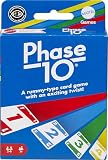
Overview: Phase 10 is a strategic rummy-style card game where players complete 10 increasingly complex phases (sets, runs, or combinations) using 108 cards. With “Wild” and “Skip” cards adding twists, it accommodates 2-6 players aged 7+ in competitive, engaging rounds. What Makes It Stand Out: The progressive phase system offers clear goals and strategic depth uncommon in family card games. Crucially, its color-blind accessibility—using distinct symbols per color—ensures inclusivity, a standout feature in the genre. Value for Money: Priced fairly for the component count and replay value. It outperforms standard decks for dedicated game nights, justifying the cost with structured gameplay that retains interest longer than simpler alternatives. Strengths and Weaknesses: Strengths: Inclusive design, clear progression, strategic choices, high replayability, suitable for mixed ages. Weaknesses: Longer setup/learning curve than slap games; “Skip” cards can feel overly punishing in close matches. Bottom Line: A thoughtfully designed, inclusive game that balances strategy and accessibility—ideal for families seeking depth beyond luck-based play. A strong recommendation for regular game nights.
Why Card Games Reign Supreme for Family Bonding
The Unbeatable Portability Factor
Forget bulky boards or fragile miniatures. A single deck fits effortlessly into a backpack, glove compartment, or even a large pocket, making spontaneous play possible anywhere – from rainy afternoons at home to waiting rooms or vacation cabins. This constant accessibility removes a major barrier to playing, turning idle moments into opportunities for connection without logistical headaches.
Low Barrier, High Engagement
Unlike complex strategy games requiring rulebooks thicker than novels, many card games offer intuitive core mechanics. The universal actions of dealing, drawing, and playing cards create an immediate entry point. This low initial barrier allows even young children or reluctant participants to jump in quickly, fostering inclusion rather than exclusion from the get-go.
Fostering Essential Social Skills
Every hand dealt is a subtle lesson in communication, emotional regulation, and turn-taking. Players learn to read subtle cues, manage disappointment (or exuberance!) over a drawn card, negotiate trades (in applicable games), and practice gracious winning or losing. These micro-interactions build crucial social muscles in a safe, playful environment far more effectively than lectures ever could.
Key Features to Evaluate Before Buying
Durability: Beyond the First Shuffle
Consider the physical resilience of the cards. Are they thick, laminated stock that withstands sticky fingers, enthusiastic shuffling, and accidental spills? Thin, flimsy cards tear quickly, especially with younger players, turning a fun night into a frustrating repair session. Look for terms like “poker-sized,” “linen finish,” or “high-quality cardstock” as indicators of longevity.
Rule Simplicity vs. Strategic Depth
Strike the right balance for your crew. Games with overly complex rulesets or excessive exceptions will confuse and frustrate, killing momentum. Conversely, games offering zero strategic choice (pure luck) can feel unsatisfying for older kids or adults after a few plays. Seek games where the core concept is easy to grasp (“match colors,” “collect sets,” “play higher than the last card”), but allow for meaningful decisions within those simple frameworks.
Player Count Flexibility
How many people typically gather? Some games shine with exactly 4 players but fall apart with 3 or 5. Others scale beautifully from 2 to 6+. Prioritize games explicitly designed for a range matching your family size. Games that allow easy “partner” modes or have clear solo variants add significant long-term value, accommodating fluctuating group sizes.
Theme and Artwork Appeal
While mechanics are king, the visual and thematic elements matter for buy-in, especially with kids. Does the artwork feel inviting and age-appropriate? Is the theme (animals, space, fantasy, abstract) something that resonates with your family’s interests? A visually appealing deck makes the game feel more exciting and less like a chore to set up.
Gameplay Mechanics That Build Family Fun
Cooperative Play Dynamics
Games where players work together against the game itself, rather than purely competing, can drastically reduce tension and foster teamwork. This is invaluable for families with wide age gaps or sensitive players. Watching everyone strategize collectively to “beat the deck” creates shared triumphs and minimizes the sting of individual loss.
Variable Length Options
Life is unpredictable. Games offering natural stopping points (like completing a set number of rounds) or adjustable difficulty levels allow you to tailor the session length to your energy and time constraints. Avoid games with rigid, long commitments that might leave younger players restless or force an abrupt, unsatisfying end.
Physical Interaction Elements
Controlled physicality can be a huge hit. Games involving gentle flicking, stacking, or quick reflex actions (like slapping the pile) channel energy productively and create bursts of shared laughter. Just ensure these elements are safe and appropriate for your family’s dynamics – no one wants flying cards near the lamp!
Adapting Play for Diverse Ages and Abilities
Built-In Difficulty Adjustments
Look for games with official “easy mode” rules or mechanics that naturally level the playing field. This might involve giving younger players slight advantages (extra cards, simplified goals) or allowing more experienced players to take on self-imposed challenges. The goal is engagement for all, not just the most skilled.
The Power of Handicaps and Partnerships
Don’t be afraid to modify rules organically. Pairing a younger player with an older sibling or parent as a “team” allows them to learn through observation and shared decision-making. Strategic handicaps (like starting with fewer points needed to win) keep the game competitive and fun for everyone, preventing domination by the most experienced player.
Non-Verbal and Sensory Considerations
For families with members who have communication differences or sensory sensitivities, prioritize games with clear visual cues, minimal reliance on complex verbal negotiation, and tactile elements that are calming (like smooth card handling). Avoid games heavily dependent on rapid-fire talking or overwhelming sound effects.
Educational Value Hidden in Plain Sight
Numeracy and Pattern Recognition
Many card games are stealth math lessons. Counting points, calculating probabilities (“How likely is it I draw a red card?”), recognizing sequences or sets, and managing resources all reinforce core math concepts in a practical, enjoyable context far removed from worksheets.
Strategic Thinking and Decision Making
Every play involves evaluating risks and rewards: “Do I play this high card now or save it?” “Should I go for the big set or a smaller, safer one?” This constant micro-strategy development enhances critical thinking, foresight, and the ability to adapt plans based on changing circumstances – skills applicable far beyond the game table.
Language and Communication Boost
Describing cards, explaining moves (even simply), negotiating trades, and just chatting during play significantly boost vocabulary and conversational skills. Games requiring players to ask specific questions or give clues further refine precise language use and active listening.
Creating the Ideal Game Night Environment
Setting Realistic Expectations
Start small! Don’t expect a 90-minute epic on the first try. A single, well-played round of a simple game is more valuable than a forced, lengthy session that ends in tears. Keep initial sessions short, positive, and focused on the fun of being together, not just winning.
Minimizing Distractions
Create a dedicated space, even if it’s just clearing the dining table. Put phones away (yours too!). This signals that this time is special and for each other. Reducing external noise and interruptions helps everyone stay present and engaged in the shared activity.
Embracing the Imperfect Play
Spills happen. Rules get misremembered. Someone might get momentarily upset. Handle these moments with grace and humor. Correcting a rule gently, laughing off a spilled drink (after cleanup!), and modeling good sportsmanship are teachable moments in themselves. The goal is connection, not flawless execution.
Sustaining Long-Term Interest
The Joy of Rule Evolution
As your family masters a game, encourage collaborative house rules. “What if we added this special move?” “Should we make this rule a bit harder now?” This co-creation fosters ownership and keeps the game feeling fresh and tailored to your group’s evolving preferences.
Rotating the Deck, Refreshing the Fun
Avoid game fatigue by having a small, curated collection rather than one game played relentlessly. Rotate which deck you pull out each week. Rediscovering a game you haven’t played in a few months often brings renewed excitement and different dynamics as players’ skills have developed.
Connecting Games to Broader Interests
Link game themes to current family interests. Loving dinosaurs? Find a card game with prehistoric creatures. Studying geography? Look for games involving maps or countries. This connection makes the game feel more relevant and sparks further conversation beyond the table.
Frequently Asked Questions
How do I choose the right card game for a family with kids of vastly different ages?
Focus on games with inherent flexibility: cooperative mechanics, built-in difficulty adjustments, or simple core rules allowing younger kids to participate meaningfully alongside older players through partnerships or minor rule tweaks. Avoid games relying solely on complex strategy or rapid reading.
What should I look for in card quality to ensure they last through many family game nights?
Prioritize thick, laminated cardstock (often described as “poker-sized” or “premium”). Check for a smooth, durable finish (like linen) that resists bending, tearing, and smudging from handling. Avoid thin, flimsy cards common in very cheap decks.
Can card games genuinely help my child’s learning and development?
Absolutely. Beyond obvious math skills like counting and probability, card games enhance pattern recognition, strategic planning, decision-making, emotional regulation, turn-taking, and communication – all wrapped in engaging play that feels like fun, not study.
How can I make game night less competitive and more about family bonding?
Emphasize cooperative games where everyone works together. For competitive games, focus praise on effort, clever plays, and good sportsmanship rather than just winning. Keep the atmosphere light, use humor during mistakes, and consider team-based play to diffuse direct rivalry.
What’s the ideal length for a family card game session?
Start short – 15-20 minutes is often perfect, especially with younger children. Choose games with natural stopping points (e.g., first to 5 points). Pay attention to energy levels; end on a high note before frustration sets in, leaving everyone wanting more.
How do I handle a child (or adult!) who gets overly upset when they lose?
Model calm behavior and gracious losing yourself. Acknowledge their disappointment briefly (“I see you’re disappointed, losing is tough”), then gently redirect focus to the next round or positive aspects (“Great try spotting that set!”). For persistent issues, consider cooperative games temporarily.
Are there card games suitable for just two family members?
Yes! Many modern card games are specifically designed for two players, offering deep strategy and engaging head-to-head mechanics. Look for games explicitly stating “2 players” as a core supported count, not just an afterthought.
How can I clean up spills on playing cards without ruining them?
Act quickly! Blot (don’t rub) liquid spills immediately with a clean, dry, absorbent cloth. For sticky spills, gently wipe with a barely damp cloth (water only), then immediately dry thoroughly with a soft towel. Avoid submerging cards or using harsh cleaners.
What are some signs a card game might not be a good fit for family play?
Excessive setup time, rulebooks requiring PhD-level comprehension, components too small for young children (choking hazards), themes that are too mature or frightening, or mechanics that consistently lead to arguments or disengagement after the first play.
How often should we rotate which card games we play to keep things fresh?
There’s no strict rule, but if a game starts feeling stale or met with reluctance, it’s time to switch. Having 3-5 core games in rotation, swapping one out every few weeks, often maintains excitement. Rediscovering a game after a break can reignite interest.
See Also
- We Tested 50 Card Games - Here are the 10 Best for Family Game Nights
- We Tested 50 Family Card Games - Here are the 10 Best for Kids & Parents
- We Tested 50 Deck Building Games - Here are the 10 Best for Competitive Play
- We Tested 50 Rummy Games - Here are the 10 Best for Classic Play in 2026
- We Tested 50 Party Card Games - Here are the 10 Best for Laughter in 2026