Table of Contents
New to board gaming and tired of cutthroat competition or overwhelming rulebooks? You’re not alone. Many beginners find themselves frustrated after investing in games that promise fun but deliver confusion, lengthy setups, or an intimidating learning curve. Cooperative games—where players work together toward a shared victory—can be the perfect antidote. They shift the focus from beating each other to solving problems as a team, fostering laughter, collaboration, and that incredible “we did it!” feeling when you finally outsmart the game itself. Imagine gathering friends or family around the table, united against a common challenge, where every idea matters and no one gets left out. It’s not just about winning; it’s about building connections through shared storytelling and strategy.
But here’s the catch: not all cooperative games are created equal for newcomers. Some hide punishing mechanics behind cute themes, while others demand near-perfect communication right from the first play. The wrong choice can turn that dreamy collaborative session into groans, confusion, or even arguments. The secret lies in finding titles designed with accessibility in mind—games that gently introduce core concepts without drowning you in jargon or complex subsystems. This guide cuts through the noise to focus on what truly matters when selecting your first cooperative adventure. We’ll explore the essential features that make these games welcoming, how to avoid common pitfalls, and practical tips to ensure your group has a blast, right from game one. Let’s transform that frustration into pure, shared joy.
Top 10 Cooperative Board Games for Beginners
Detailed Product Reviews
1. Gamewright - Forbidden Island - Cooperative Strategy Survival Board Game, 2-4 Players
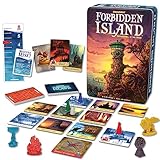
Overview: Forbidden Island, designed by Matt Leacock, is a foundational cooperative board game where 2-4 players race against time to retrieve sacred treasures from a sinking island before it vanishes. Aimed at ages 10+, it emphasizes teamwork over competition. What Makes It Stand Out: Its streamlined, accessible mechanics make complex cooperative strategy approachable for families. The dynamic “sinking” tile system creates escalating tension, while vibrant art immerses players in the perilous adventure. Unlike competitive games, it fosters genuine collaboration and shared problem-solving. Value for Money: Priced moderately, it offers exceptional replayability through variable island layouts and adjustable difficulty. While simpler than deeper Eurogames, it’s a smarter investment than many one-off family games, providing countless engaging sessions for its cost. Strengths and Weaknesses: Strengths: Intuitive rules ideal for new gamers; strong replay value; encourages communication and strategic planning; durable components. Weaknesses: Can feel too easy at lower difficulties; limited player count; artwork may not appeal to all. Bottom Line: An essential, affordable gateway into cooperative gaming that delivers consistent fun and meaningful teamwork—perfect for family nights and budding strategists seeking an accessible challenge.
2. Slay The Spire: The Board Game - Cooperative Fantasy Board Game

Overview: Adapting the beloved roguelike video game, this cooperative board game pits 1-4 players against a branching campaign where they build unique decks to defeat bosses in a fantasy realm. Targeted at ages 12+, it blends deckbuilding with strategic resource management. What Makes It Stand Out: The staggering 650-card library enables deep, personalized deck evolution, while high-quality miniatures and dual boards enhance immersion. Its faithful translation of the video game’s “climb” structure—complete with relics and events—creates unmatched thematic synergy for fans. Value for Money: Despite a premium price, the sheer volume of components (including 112 small cards and 26 large cards) justifies the cost versus similar strategy games. It offers more content per dollar than many niche deckbuilders, though casual players might find it overwhelming. Strengths and Weaknesses: Strengths: Exceptional deck customization; rich thematic integration; scalable difficulty; robust replayability. Weaknesses: Steep initial learning curve; lengthy setup; limited physical space for large decks during intense turns. Bottom Line: A must-buy for Slay the Spire enthusiasts and deckbuilding aficionados, delivering unparalleled strategic depth and fan service, though beginners should prepare for a commitment to master it.
3. Flow: The Official Cooperative Board Game | Strategy Game for 1–4 Players Ages 8+ | Based on The Award-Winning Animated Film | Family & Solo Play | Survive The Flood, Rescue Allies
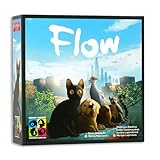
Overview: Inspired by the animated film, Flow challenges 1-6 players (ages 8+) to work in real-time, navigating a modular island as floodwaters rise. Players rescue animal allies and reach safety before the board is submerged, blending urgency with cooperative tactics. What Makes It Stand Out: The real-time “rising water” mechanism forces quick, collective decisions, creating palpable tension rarely seen in family games. Modular tiles and scenario cards ensure no two games play alike, while the emotional narrative deepens engagement beyond typical strategy fare. Value for Money: Its solo-to-6-player flexibility and high replayability offer strong value. Though slightly pricier than basic family games, the included scenario variety and durable components provide lasting appeal, outperforming many linear cooperative titles. Strengths and Weaknesses: Strengths: Innovative real-time pressure; seamless solo/co-op integration; beautiful thematic art; exceptional replayability. Weaknesses: Real-time element may stress younger players; setup complexity for max players; limited strategic depth for hardcore gamers. Bottom Line: A visually stunning, emotionally resonant experience that excels as a versatile family game—highly recommended for groups seeking immersive, ever-changing challenges with meaningful teamwork.
4. Spin Master Games, SolidRoots Escaping Extinction, Cooperative Strategy Board Game from The Makers of Mind The Gap, for Kids & Family, 1-4 Players, for Ages 12 & Up

Overview: In Escaping Extinction, players become clever dinosaurs racing to assemble a rocket before a meteor strikes. This 1-4 player cooperative game (ages 12+) tasks teams with gathering parts across a shifting prehistoric landscape while surviving earthquakes. What Makes It Stand Out: The 3D rocket assembly adds tangible excitement, and earthquake cards dynamically alter the board mid-game, introducing thrilling unpredictability. Its unique dinosaur theme and tile-based layout ensure fresh strategies every session, distinguishing it from typical survival games. Value for Money: Competitively priced for its component quality (including detailed miniatures), it offers more thematic novelty than generic cooperative games. While niche, the replayability justifies the cost for families wanting innovative, story-driven gameplay. Strengths and Weaknesses: Strengths: Engaging 3D rocket mechanic; dynamic board changes; strong narrative hook; accessible yet strategic. Weaknesses: Theme may not resonate with all; limited player interaction depth; earthquake randomness can frustrate. Bottom Line: A creative, family-friendly adventure that balances luck and strategy effectively—ideal for teens and adults seeking a lighthearted but engaging cooperative challenge with standout physical components.
5. Wildcraft! Herbal Adventure Cooperative Board Game – Educational Board Game for Kids 4+ & Families – Learn 25 Herbs Through Play – Nature Inspired Learning Game w/Coloring Book & Plant Guide

Overview: Wildcraft! is a nature-themed cooperative game for ages 4+ where players identify 25 medicinal herbs to heal a forest. Designed without reading requirements, it blends education with play, making it perfect for preschoolers and families. What Makes It Stand Out: Its focus on real-world herbal knowledge is unique for young children, using intuitive visual cues instead of text. The included printables—like a plant guide and coloring book—extend learning beyond the game, fostering genuine nature connection in a screen-free format. Value for Money: An outstanding educational investment; the recycled materials, bonus resources, and age-inclusive design offer remarkable value. It outperforms pricier “educational” toys by delivering substantive content that grows with the child. Strengths and Weaknesses: Strengths: Truly accessible for ages 4+; promotes eco-literacy and teamwork; sustainable materials; enriching printables. Weaknesses: Gameplay may feel simplistic for older kids; limited strategic depth; art style is functional over flashy. Bottom Line: An essential, ethically crafted tool for early childhood education that makes learning about nature joyful and collaborative—highly recommended for parents prioritizing meaningful, screen-free family time.
6. Asmodee Pandemic Board Game (Base Game) - A Cooperative Battle to Save Humanity, Strategy Game for Kids and Adults, Ages 8+, 2-4 Players, 45 Minute Playtime

Overview: Pandemic is a seminal cooperative strategy game where players jointly battle infectious diseases threatening humanity. As members of a specialized team, you must strategically travel the globe, treat infections, and discover cures before outbreaks spiral out of control, with victory or defeat shared by all.
What Makes It Stand Out: Its pure cooperative design—where communication and role synergy are essential—sets it apart. Each player’s unique character (like Medic or Scientist) offers specialized abilities that must be leveraged collectively. The escalating tension from epidemic cards and limited actions creates intense, replayable scenarios that foster genuine teamwork.
Value for Money: Priced competitively for its depth, Pandemic delivers exceptional value. It outshines cheaper alternatives through its polished mechanics, high-quality components, and near-perfect balance. While expansions exist, the base game alone offers hundreds of hours of strategic engagement, justifying its cost for families and strategy enthusiasts.
Strengths and Weaknesses:
Strengths: Deeply engaging teamwork; accessible rules yet rich strategy; high replayability; excellent tension management.
Weaknesses: Can feel luck-dependent with card draws; limited player count (max 4); younger kids may struggle with complexity.
Bottom Line: An essential purchase for cooperative game fans—it masterfully blends strategy, accessibility, and shared triumph, making it a timeless cornerstone for family and adult game nights.
7. Spin Master Games, Jumanji Stampede, 3D Adventure Cooperative Board Game, for Fans of The Jumanji Movies, Face Off Against Jungle Emergencies, 2-4 Players, for Ages 8 & Up

Overview: Jumanji Stampede immerses players in a cooperative adventure inspired by the films, where teams race to collect five magical crystals while evading jungle perils and the villain before reaching Rhino Mountain. The 3D board and thematic emergencies drive this race-against-time experience.
What Makes It Stand Out: The standout feature is its dynamic 3D board, including a towering Rhino Mountain and interactive jungle obstacles like a swinging baboon or rolling boulder. Thematic emergencies—triggered by dice rolls—create unpredictable, cinematic moments that differentiate it from static board games, enhancing immersion for movie fans.
Value for Money: While moderately priced, its value hinges on Jumanji fandom. Component quality (especially the 3D pieces) justifies the cost for enthusiasts, though non-fans might find similar coop depth in cheaper alternatives. Ideal as a gateway game for families seeking movie-themed engagement over pure strategy.
Strengths and Weaknesses:
Strengths: Highly thematic and visually engaging; intuitive rules for ages 8+; excellent family fun; durable 3D elements.
Weaknesses: Luck-heavy mechanics reduce strategic depth; emergencies can feel repetitive; limited replayability beyond initial novelty.
Bottom Line: A solid pick for Jumanji lovers seeking accessible, visually exciting family gameplay, but strategy purists may prefer more nuanced cooperative alternatives.
8. Gamewright - Forbidden Jungle - Cooperative Board Game

Overview: Forbidden Jungle challenges 2–5 players to collaborate as explorers navigating a treacherous jungle to recover ancient artifacts and escape before the board collapses. Designed by Pandemic’s creator, it emphasizes tactical movement and resource management in a race against time.
What Makes It Stand Out: Its modular board—built from double-sided tiles—creates unique layouts for every playthrough, ensuring high replayability. Stunning artwork and thematic roles (like the Navigator or Diver) enhance immersion, while the “flood” mechanic raises tension as paths disappear, demanding clever route planning and teamwork.
Value for Money: Priced accessibly, it offers remarkable depth for the cost. The durable components (47 miniatures, detailed tiles) and family-friendly complexity provide superior replay value compared to entry-level coop games, making it a budget-friendly alternative to pricier strategy titles.
Strengths and Weaknesses:
Strengths: Exceptional replayability via modular board; beautiful, thematic design; scales smoothly for 2–5 players; easy to learn.
Weaknesses: Limited role differentiation; artifact collection can feel repetitive; less strategic depth than Pandemic.
Bottom Line: A vibrant, accessible cooperative gem perfect for family game nights, delivering consistent thrills and tactical fun without overwhelming complexity.
9. Castle Panic 2nd Edition | Cooperative Board Game for Adults and Family | Ages 8+ | for 1 to 6 Players | Average Playtime 45 Minutes | Made by Fireside Games

Overview: Castle Panic tasks players with defending a medieval castle from monster hordes attacking from the forest. Working as a team, you must strategically deploy cards to eliminate threats across colored rings before towers crumble—blending tower defense with cooperative card play.
What Makes It Stand Out: The flexible player count (1–6) and multiple game modes—including solo and competitive Overlord—are unmatched in coop games. The 3D towers, vibrant monster tokens, and escalating threats (like plague clouds) create palpable tension, while the ring-based combat system offers intuitive yet strategic depth.
Value for Money: Its versatility justifies the price, accommodating large groups and solo play without expansions. Compared to similar games, it provides more modes and sturdier components, making it a cost-effective staple for families seeking inclusive, repeatable fun.
Strengths and Weaknesses:
Strengths: Unbeatable player flexibility; engaging tower-defense mechanics; high-quality 3D components; quick setup and rules.
Weaknesses: Boss monsters can feel unbalanced; limited long-term strategy; art style may not appeal to all.
Bottom Line: A must-have for families and groups—it masterfully balances accessibility, teamwork, and thrilling defense action for players of all ages.
10. ALLPLAY Sail Cooperative Strategy 2 Player Board Game for Adults and Family - Unique Trick Taking Card Game - Communication Limits and Challenging Scenarios in Small, Travel Size Box (5" x 5" x 2")

Overview: Sail reimagines trick-taking as a tense 2-player cooperative voyage where partners silently navigate a pirate ship through hazards. Using unique character powers, you must strategically “win” or “lose” tricks to reach safety—all while avoiding the kraken—without verbal communication.
What Makes It Stand Out: The enforced silence and dual objective (winning/losing tricks) create a fresh, brain-burning twist on classic trick-taking. Compact travel size and scenario-based challenges (e.g., stormy seas) enhance portability and replayability, making it ideal for on-the-go strategic duos.
Value for Money: Its niche focus and high-quality components for the price shine. While smaller in scope than party games, the ingenious design and endless scenario potential offer exceptional value for 2-player enthusiasts, outperforming larger-box games in targeted depth.
Strengths and Weaknesses:
Strengths: Innovative silent-coop mechanic; superb travel-friendly design; deep strategic interplay; quick but meaningful sessions.
Weaknesses: Limited to 2 players; steep learning curve for trick-taking newbies; scenario variety requires expansions.
Bottom Line: A brilliant, portable gem for couples or partners craving challenging, communication-limited strategy—highly recommended for travel or date nights.
Understanding Cooperative Board Games for Beginners
Cooperative board games stand apart because players aren’t competing against each other—they’re teammates battling the game system itself. This fundamental shift creates a uniquely supportive environment, especially valuable for newcomers. Instead of worrying about an opponent exploiting a weak move, beginners can focus on learning mechanics, experimenting with strategies, and contributing meaningfully without fear of “losing the game” for the group through inexperience. This collaborative spirit lowers the intimidation factor significantly, making it easier to ask questions and learn organically during play.
Why Cooperative Play Wins for New Gamers
The social dynamics of cooperative play naturally foster patience and inclusivity. Experienced players often become mentors, guiding newcomers through rules and tactics without the pressure of direct competition. This shared struggle against the game builds camaraderie and reduces the anxiety that can accompany competitive settings, where beginners might feel like they’re holding others back. The collective “aha!” moments when the group cracks a tough puzzle are incredibly rewarding and reinforce why people love board gaming in the first place.
Common Misconceptions About Co-op Games
Many assume cooperative games are inherently simpler than competitive ones, but this isn’t always true. Some co-op titles feature intricate mechanics or punishing difficulty spikes that can overwhelm beginners. Another myth is that one “alpha player” will inevitably take control, dictating everyone’s moves. While this can happen, the right game design actively discourages it through hidden information or individual roles, ensuring everyone stays engaged and contributes meaningfully to the team effort.
Key Features That Make Co-op Games Beginner-Friendly
Choosing the right cooperative game hinges on specific design elements that prioritize accessibility without sacrificing depth. These features act as your roadmap to a smooth, enjoyable first experience, ensuring the game teaches itself intuitively and keeps all players invested throughout the session.
Optimal Game Length and Pacing
Look for games designed to wrap up in 30-60 minutes. Shorter playtimes prevent fatigue and frustration, allowing beginners to grasp the flow without losing focus. Crucially, the pacing should feel dynamic—offering clear, manageable decisions each turn that build momentum toward the climax. Games that drag with excessive setup, downtime, or repetitive actions will quickly dampen enthusiasm for new players.
Intuitive Rules and Streamlined Setup
The best beginner co-op games introduce mechanics gradually, often through the first few rounds of play. Rulebooks should be concise, visually clear, and avoid dense paragraphs of text. Setup time is equally critical; a game ready to play in under 5 minutes removes a major barrier. Components should be self-explanatory, with boards, cards, and tokens designed so their purpose is obvious at a glance, minimizing constant rulebook checks.
Clear Win/Loss Conditions
Beginners thrive when the objective is crystal clear from the start. Vague goals like “survive as long as possible” create confusion, while specific, measurable targets (“defuse 3 bombs,” “reach the castle before the shadow advances”) provide immediate direction. Loss conditions should also be transparent—knowing how the game can beat you helps the group strategize effectively and understand why certain choices matter.
Balanced Player Contribution
A hallmark of great beginner co-ops is ensuring every player feels essential, regardless of experience level. This often comes through distinct but equally valuable roles or turns where each person has a dedicated action phase. Avoid games where complex strategic planning falls overwhelmingly on one person; instead, seek those where simple, cooperative actions (like sharing resources or combining abilities) drive progress, letting newcomers make impactful contributions immediately.
Avoiding Common Beginner Pitfalls
Even with the best intentions, new groups can stumble into predictable traps that derail a cooperative session. Recognizing these pitfalls early allows you to select games and structure play to sidestep frustration and keep the focus on fun.
Steering Clear of Analysis Paralysis
Long decision-making moments, where players endlessly debate the “perfect” move, kill momentum. Beginner-friendly games mitigate this through time limits (real or thematic), simple action choices, or mechanics where suboptimal moves aren’t catastrophic. Look for designs that encourage discussion but also value decisive action—this keeps energy high and prevents newer players from feeling pressured to solve every puzzle alone.
Preventing Alpha Player Syndrome
When one dominant player takes over, others disengage. Games combat this through hidden information (where only certain players know specific details), restricted communication rules, or individual objectives that require personal decision-making. As a group, explicitly agree to let everyone make their own moves during their turn, even if suggestions are welcomed. This empowers beginners and makes the victory feel truly collective.
Managing Difficulty Spikes
A game that starts simply but suddenly demands expert-level strategy in the final rounds will frustrate newcomers. Seek titles with scalable difficulty—perhaps adjustable through modular rules or scenario complexity—that let your group start easy and gradually increase the challenge as skills grow. Consistent, predictable escalation is far more welcoming than a hidden “gotcha” mechanic that appears late in the game.
Building Your First Cooperative Gaming Session
Success isn’t just about the game you choose—it’s also about how you set the stage for your group. Thoughtful preparation transforms a potentially awkward first attempt into a memorable, positive experience that has everyone asking, “When can we play again?”
Setting the Right Expectations
Before unboxing, briefly explain the core concept: “We’re all on the same team trying to beat the game. There are no ‘winners’ among us—just a shared win or loss.” Emphasize that mistakes are expected and part of the fun. For beginners, stress that the goal for the first play is simply understanding how the game feels, not necessarily winning. This removes performance pressure and encourages experimentation.
Facilitating Inclusive Gameplay
Assign someone (even unofficially) to gently guide the group through rules and keep turns moving. Encourage active listening: “Let’s hear everyone’s idea before deciding.” Use physical cues like pointing to the next player or setting a visible timer for turns to maintain flow. For shy players, directly invite input: “Alex, what do you think we should do with this resource?” This ensures all voices are heard and valued.
Embracing the Learning Curve
Treat the first playthrough as a tutorial. Don’t hesitate to pause, rewind a turn, or even restart if confusion takes over early. Many great co-op games shine brightest on the second or third play, so view the initial session as an investment in future fun. Celebrate small victories within the game (“We survived the first round!”) to build confidence, regardless of the final outcome.
Adapting Games for Your Group’s Needs
No two groups play exactly alike, and the most beginner-friendly experience often comes from thoughtful tweaks that match your specific dynamics. Flexibility is key to turning a good game into a perfect fit for your table.
Adjusting Complexity On the Fly
Most cooperative games offer official difficulty settings or variant rules. Start with the simplest version—disable advanced mechanics, reduce the number of threat tokens, or give the team extra starting resources. If the group is breezing through, gradually reintroduce elements in subsequent plays. The goal is a “sweet spot” where success feels earned but not impossible.
Tailoring Themes to Your Audience
Theme significantly impacts engagement. A group of nature lovers might connect more with a forest conservation game, while puzzle enthusiasts might prefer a dungeon escape scenario. While mechanics are paramount, choosing a theme that resonates makes the rules feel more intuitive and the stakes more meaningful. Don’t underestimate the power of a compelling story to keep beginners invested.
Creating House Rules for Accessibility
Sometimes, minor custom tweaks solve specific pain points. For example, if communication restrictions cause too much frustration initially, relax the rules for the first game. If setup is cumbersome, develop a consistent component organization system (like dedicated bags for tokens). Document these house rules and revisit them as your group’s skills evolve—what helps today might hinder growth later.
Sustaining Long-Term Engagement
Finding the right first game is just the beginning. Keeping the cooperative spark alive requires nurturing the group’s enthusiasm and skill development over multiple sessions, ensuring each play feels fresh and rewarding.
Progressing Beyond the First Win
After your initial victory (or even a tough loss!), discuss what worked and what didn’t. Identify one new mechanic or strategy to focus on next time. Many cooperative games offer multiple scenarios, modular boards, or narrative-driven campaigns that unfold over plays—leveraging these creates a sense of ongoing adventure and investment beyond a single session.
Fostering a Supportive Group Culture
The health of your gaming group is as important as the game itself. Regularly check in: “What did you enjoy most?” or “Was there anything confusing?” Encourage positive reinforcement—celebrate clever plays, even in defeat. Rotate who reads rules or sets up components to share responsibility. A culture where everyone feels safe to try, fail, and learn is the ultimate foundation for enjoyment.
Knowing When to Explore New Horizons
Once your group masters a game’s basics and wins consistently on standard difficulty, it’s a signal to consider your next step. Look for titles that introduce one or two new core mechanics (like legacy elements or deeper strategy layers) while retaining the accessibility pillars you’ve come to value. This gradual progression builds confidence and keeps the hobby exciting without overwhelming leaps in complexity.
Frequently Asked Questions
Frequently Asked Questions
What’s the biggest advantage of cooperative games for complete beginners? Cooperative games eliminate interpersonal competition, allowing newcomers to learn mechanics and make mistakes in a supportive environment where the group collectively solves problems against the game system itself.
How can I tell if a cooperative game is truly beginner-friendly just by looking at the box? Check for clear playtime estimates (under 60 minutes), a low player count range (1-4 players often indicates simpler scaling), and rulebook previews online that show visual clarity and concise language—avoid dense text blocks.
Is it possible to avoid the “alpha player” problem completely? While challenging, games with hidden information, restricted communication rules, or individual decision points significantly reduce alpha player dominance by design, ensuring all participants must contribute actively.
What’s a good group size for a first cooperative game experience? Start with 2-4 players. Larger groups often increase downtime and complexity; smaller groups make communication and role management more manageable for beginners.
Should beginners always play on the easiest difficulty setting? Absolutely. Starting easy allows the group to grasp core mechanics and flow without pressure. Increase difficulty only after consistently winning the simpler version to maintain a sense of achievable challenge.
How important is the game’s theme for beginners? Very—it provides context that makes abstract rules intuitive. A compelling theme (like escaping a volcano or saving animals) helps players remember actions and feel invested in the outcome, aiding retention and enjoyment.
What if we lose our first few games? Does that mean it’s too hard? Losing early is normal and expected! It indicates the game has meaningful challenge. Focus on what you learned each time. If confusion—not strategy—is causing losses, the game might be poorly explained or too complex for now.
Can cooperative games work well with shy or non-competitive players? Yes, often better than competitive games. The shared goal creates natural collaboration, and many co-ops include mechanics that gently prompt input from everyone, helping quieter players engage at their own pace.
How do I handle a player who gets frustrated when the group loses? Reframe losses as learning opportunities: “What surprised us?” or “What will we try differently next time?” Emphasize that the game is the opponent. If frustration persists, switch to a simpler game or take a break.
Is setup time really that critical for beginners? It’s crucial. Lengthy, fiddly setups create immediate barriers to enjoyment. Games with 5-minute setups lower the activation energy to play, making it easier to jump in and keep momentum between sessions.
See Also
- Stop Frustration with the 10 Best Survival Cooperative Games This Year
- Stop Boring Game Nights with the 10 Best Horror Cooperative Board Games This Year
- Stop Arguing Over Rules with the 10 Best Easy-to-Learn Cooperative Board Games This Year
- Stop the Chaos with the 10 Best Cooperative Card Games This Year
- Solving Frustration in Family Game Night with Cooperative Board Games for Kids