Table of Contents
Ever felt the familiar tension creep into game night as competitive banter turns into genuine frustration? That moment when a single dice roll sparks a debate that derails the entire evening is all too common. Competitive games, while thrilling, can unintentionally pit friends and family against each other, turning what should be lighthearted fun into a source of stress or even lingering resentment. The root of many game night conflicts often lies in zero-sum dynamics—where one person’s win feels like another’s loss—amplifying minor disagreements into major arguments. It’s frustrating when the activity meant to bring people together ends up driving them apart, leaving everyone wondering if it’s worth gathering again.
The solution isn’t to abandon game nights altogether; it’s to rethink the foundation of your gameplay. Cooperative board games offer a powerful antidote to competitive conflict by transforming the group dynamic. Instead of players battling each other, everyone bands together against the game itself. This fundamental shift replaces “you vs. me” with “us vs. the challenge,” fostering communication, shared problem-solving, and collective triumph. When the enemy is the game system, not your best friend, the atmosphere becomes collaborative rather than combative. This isn’t just about avoiding arguments—it’s about actively building stronger connections, practicing teamwork in a low-stakes environment, and rediscovering the pure joy of playing together.
Top 10 Cooperative Board Games
Detailed Product Reviews
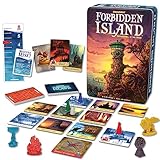
1. Gamewright - Forbidden Island - Cooperative Strategy Survival Board Game, 2-4 Players
Overview:
Forbidden Island, designed by Matt Leacock, is a foundational cooperative board game where 2-4 players race to collect four sacred treasures from a sinking island before it vanishes. Aimed at ages 10+, it emphasizes teamwork over competition, with players assuming unique roles to navigate tile-based terrain while the island progressively floods.
What Makes It Stand Out:
Its seamless integration of cooperative tension and accessibility sets it apart. The modular board ensures replayability, while the “rising water” deck creates escalating urgency without player elimination. Stunning artwork immerses players in a perilous paradise, and the streamlined rules make complex strategy approachable for families.
Value for Money:
Priced moderately, it delivers exceptional longevity through variable difficulty settings and role diversity. Compared to similar-priced competitive games, its focus on shared problem-solving offers unique educational value in decision-making and communication, justifying the cost for regular family game nights.
Strengths and Weaknesses:
Strengths: Intuitive setup, perfect 30-minute playtime, fosters genuine collaboration, high replayability. Weaknesses: Limited player count (max 4), simpler than advanced strategy games, art may not appeal to all.
Bottom Line:
An essential gateway cooperative game that balances challenge and accessibility. Highly recommended for families and newcomers to the genre seeking meaningful teamwork without overwhelming complexity.
2. Ravensburger Horrified Games - Greek Monsters - Strategy Board Game - Boost Critical Thinking & Teamwork - Cooperative Gameplay - Unique Monster Challenges - 1 to 5 Players - Adults & Kids 10+

Overview:
Horrified: Greek Monsters pits 1-5 players as heroes defending Elysium from six iconic Greek mythological threats like Medusa and Cerberus. This cooperative strategy game tasks players with navigating a thematic board to banish monsters using unique, lore-accurate methods, blending tactical planning with mythological storytelling.
What Makes It Stand Out:
Each monster features distinct, asymmetric mechanics—Cerberus requires luring with meat, while Medusa must be avoided via reflective tiles—creating vastly different experiences per playthrough. The stunning artwork and modular “Labyrinth” board deepen immersion, transforming myth into tangible strategy.
Value for Money:
Its component density (6 monster figures, detailed mats, tokens) justifies the premium price. With 60-minute sessions offering fresh challenges via variable monster setups, it outperforms many competitors in replay value, especially for horror-themed strategy enthusiasts.
Strengths and Weaknesses:
Strengths: Exceptional theme integration, high replayability through monster variety, accommodates solo play, beautiful components. Weaknesses: Steeper learning curve than entry-level co-ops, player count affects monster difficulty balance.
Bottom Line:
A visually arresting, deeply strategic game that masterfully adapts Greek myths into engaging cooperative challenges. Ideal for families and gamers seeking thematic depth and varied gameplay, earning its place as a standout in the genre.
3. Flow: The Official Cooperative Board Game | Strategy Game for 1–4 Players Ages 8+ | Based on The Award-Winning Animated Film | Family & Solo Play | Survive The Flood, Rescue Allies
Overview:
Flow adapts the beloved animated film into a real-time cooperative strategy game for 1-4 players. Participants navigate a modular, flood-prone island to rescue allies before rising waters trap them, emphasizing split-second decisions under pressure with a poignant narrative backdrop.
What Makes It Stand Out:
The real-time “rising water” mechanism—where players race against a sand timer—is revolutionary for family co-ops, injecting palpable tension. Modular tiles and 11 scenario cards ensure no two games feel alike, while the emotional storytelling honors the film’s spirit through gameplay.
Value for Money:
Priced accessibly, it offers remarkable depth through solo compatibility and endless scenario combinations. Compared to narrative-driven alternatives, its blend of urgency, replayability, and film authenticity provides superior engagement per dollar spent.
Strengths and Weaknesses:
Strengths: Unique real-time pressure, strong solo mode, high replayability, emotionally resonant theme. Weaknesses: Timer mechanic may frustrate younger players, limited strategic depth for hardcore gamers.
Bottom Line:
A masterclass in translating cinematic emotion into interactive play. Highly recommended for families and fans of the film seeking immersive, adrenaline-fueled cooperation with meaningful stakes.
4. Pressman The Oregon Trail Card Game - Cooperative Gameplay Based on The Classic Computer Game, Ages 12 and Up, 2-6 Players

Overview:
This card game distills the iconic computer game into a cooperative survival experience for 2-6 players. Wagon parties manage resources, avoid diseases like dysentery, and overcome trail obstacles using cheeky 8-bit art, aiming to reach Oregon without losing all members.
What Makes It Stand Out:
Its pitch-perfect nostalgic humor—turning grim realities like cholera into laugh-out-loud moments—elevates it beyond typical strategy games. The card-driven mechanics cleverly mirror the original’s resource management while embracing retro aesthetics with modern wit.
Value for Money:
As a compact, low-cost card game, it delivers exceptional entertainment value through consistent laughs and quick 30-minute sessions. It outshines pricier board games by prioritizing shared storytelling over components, making it ideal for casual game nights.
Strengths and Weaknesses:
Strengths: Hilarious theme execution, fast setup, strong group interaction, broad appeal for retro fans. Weaknesses: Shallow strategy, limited replayability after initial novelty, age recommendation (12+) overlooks younger fans.
Bottom Line:
A brilliantly humorous tribute that captures the spirit of the original without complexity. Perfect for nostalgic groups wanting lighthearted, cooperative fun—just don’t forget the extra oxen.
5. Pandasaurus Cooperative Strategy Card Game - Fun Interactive Family Game for Ages 8+, 1-5 Players, 20 Minute Playtime
Overview:
The Game is a minimalist card-based cooperative challenge where 1-5 players must play numbered cards in sequence across four piles while adhering to strict communication rules. Despite its simplicity, it creates intense mental puzzles centered on timing and silent coordination.
What Makes It Stand Out:
Its genius lies in near-zero setup and profound depth: players must play cards higher or lower than existing piles without speaking, demanding strategic foresight and nonverbal teamwork. The 20-minute runtime and global acclaim (1.3M+ copies sold) underscore its addictive brilliance.
Value for Money:
Priced affordably, it offers unparalleled replayability through pure mechanics—no boards or tokens needed. Compared to heavier strategy games, its portability, quick sessions, and universal appeal deliver unmatched value for frequent, accessible fun.
Strengths and Weaknesses:
Strengths: Incredibly portable, deep yet simple, exceptional replayability, award-winning design. Weaknesses: Communication restrictions frustrate some, lacks thematic immersion, limited player interaction beyond strategy.
Bottom Line:
A masterfully designed, bite-sized cooperative experience that proves simplicity breeds depth. Essential for families and casual gamers seeking quick, brain-teasing teamwork without fuss.
6. Spin Master Games, SolidRoots Escaping Extinction, Cooperative Strategy Board Game from The Makers of Mind The Gap, for Kids & Family, 1-4 Players, for Ages 12 & Up

Overview: SolidRoots Escaping Extinction casts players as clever dinosaurs racing against a meteor strike to build a 3D rocket and escape extinction. This cooperative strategy game tasks families and teens (12+) with exploring a dynamic tile-based prehistoric world to find rocket pieces while surviving earthquakes and surprises. What Makes It Stand Out: The ever-changing tile layout guarantees unique playthroughs, while earthquake cards dynamically reshape the board mid-game, adding thrilling unpredictability. The tangible 3D rocket assembly provides a satisfying physical goal, differentiating it from purely card-driven competitors and enhancing family engagement. Value for Money: Priced competitively for a strategy-focused cooperative game, its high replayability (due to modular boards and variable objectives) offers significant longevity. It surpasses simpler family games in depth without the premium cost of complex eurogames, making it a smart investment for regular game nights. Strengths and Weaknesses: Strengths: Exceptional replay value, intuitive cooperative mechanics ideal for families, engaging 3D component, and age-appropriate strategic depth. Weaknesses: The 12+ age recommendation might frustrate younger gamers hoping to join, and reliance on tile draws can occasionally lead to frustrating luck-based setbacks. Bottom Line: SolidRoots Escaping Extinction delivers a fresh, replayable cooperative experience with standout physical components and clever mechanics. It’s a highly recommended addition to family game shelves seeking strategy beyond luck-based roll-and-move games.
7. The Lord of The Rings: Adventure to Mount Doom | Family Game | Cooperative Game | Strategy Game

Overview: Adventure to Mount Doom immerses players in Tolkien’s Middle-earth, cooperating to guide Frodo safely to Mount Doom and destroy the One Ring. This accessible strategy game (1-4 players, ~50 mins) uses dice rolls and card draws to navigate perilous encounters while evading Ringwraiths. What Makes It Stand Out: Its authentic Tolkien atmosphere is the core appeal, leveraging iconic lore to create meaningful tension. The cooperative race-against-time mechanic, where failure to manage threats risks Frodo’s corruption, perfectly captures the saga’s urgency and fosters genuine teamwork under pressure. Value for Money: While not the most complex strategy game, its strong thematic integration justifies the price for LOTR fans. It offers more narrative depth than generic cooperative games at a similar cost, though non-fans might find the mechanics relatively simple compared to systems like Pandemic. Strengths and Weaknesses: Strengths: Deeply engaging Tolkien theme, easy rules for quick setup, effective cooperative tension, and solid solo-play suitability. Weaknesses: Dice reliance can overshadow strategy, limited player interaction beyond shared goals, and minimal replayability once familiar with card effects. Bottom Line: An excellent thematic gateway for LOTR enthusiasts seeking cooperative gameplay, though its mechanical simplicity may not satisfy hardcore strategy gamers. Highly recommended for fans prioritizing narrative immersion over deep tactics.
8. Castle Panic 2nd Edition | Cooperative Board Game for Adults and Family | Ages 8+ | for 1 to 6 Players | Average Playtime 45 Minutes | Made by Fireside Games

Overview: Castle Panic 2nd Edition challenges 1-6 players to cooperatively defend Castle Bravehold from encroaching monsters. Using card-driven tactics, players must strategically position defenses, manage resources, and topple towers before the horde destroys the last standing structure in this 45-minute siege. What Makes It Stand Out: Unmatched player count flexibility (1-6) and four distinct game modes (including competitive “Master Slayer”) provide exceptional variety. The 3D cardboard towers add tactile satisfaction to the tower-defense core, while plague and boss mechanics introduce dynamic, high-stakes decisions every turn. Value for Money: Outstanding for the price, offering robust components, high replayability through modes and random setups, and broad accessibility for ages 8+. It outperforms many similarly priced games by accommodating large groups seamlessly without diluting the cooperative tension. Strengths and Weaknesses: Strengths: Incredibly scalable player count, multiple engaging game modes, intuitive yet strategic depth, vibrant components, and perfect family-night pacing. Weaknesses: Can feel chaotic with max players, and the AI-driven monster movement occasionally leads to unavoidable setbacks. Bottom Line: A near-perfect family cooperative game with unmatched versatility and consistent tension. Castle Panic 2nd Edition is an essential, highly recommended purchase for any group seeking accessible, replayable teamwork.
9. Happy Camper - The Four Doors | New Cooperative Game by Creator of Forbidden Island and Pandemic | Super Portable | Great for Solo Play, Two Players, and Groups
Overview: Happy Camper: The Four Doors, designed by Pandemic’s Matt Leacock, is a highly portable cooperative game (1-5 players, 30 mins). Players explore mystical doors to recover sacred treasures and ignite a beacon before sinister shadows seal the tower forever, blending strategy with travel-friendly convenience. What Makes It Stand Out: Its super-portable design (compact box) is revolutionary for a full cooperative experience, rivaling Leacock’s classics. The elegant “door exploration” mechanism creates meaningful player interaction and tough decisions within a tight timeframe, making it ideal for quick sessions anywhere. Value for Money: Excellent value given its pedigree, portability, and depth. While the component count is modest, the strategic richness per square inch surpasses many larger games. It’s cheaper than Pandemic Legacy but delivers a satisfying, self-contained experience perfect for on-the-go gaming. Strengths and Weaknesses: Strengths: Unbeatable portability, expertly tuned cooperative mechanics, quick setup/playtime, strong solo suitability, and Leacock’s signature strategic clarity. Weaknesses: Less thematic immersion than his bigger titles, and minimalist components may disappoint those expecting elaborate miniatures. Bottom Line: A masterclass in portable cooperative design. Happy Camper: The Four Doors is a must-buy for travelers or fans of tight, strategic gameplay, offering exceptional value and convenience without sacrificing depth.
10. Ravensburger Alien: Fate of The Nostromo Board Game for Ages 10 & Up – A Cooperative Strategy Game of Suspense
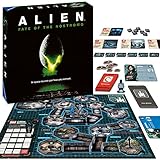
Overview: Alien: Fate of The Nostromo plunges 1-5 players into the iconic sci-fi horror film, cooperating as crewmates to survive the Nostromo while evading a deadly Xenomorph. Players gather supplies, craft items, and complete objectives to escape before the Alien claims them all in this tense 60-90 minute experience. What Makes It Stand Out: The game masterfully replicates the film’s claustrophobic dread through mechanics like hidden movement and morale tracking. Stunning miniatures, detailed artwork, and variable objectives (including Ash as a traitor) create immense replayability and unparalleled thematic authenticity for a licensed title. Value for Money: Priced at a premium, it justifies cost through exceptional components (detailed miniatures, art) and high replay value from multiple missions and difficulty options. It’s costlier than entry-level co-ops but offers deeper immersion and production quality rivaling higher-end games. Strengths and Weaknesses: Strengths: Exceptional atmosphere and components, strong narrative integration, meaningful player roles, and high replayability with multiple endings. Weaknesses: Steeper learning curve than some co-ops, and the Alien’s AI can feel overly punishing for new players. Bottom Line: A premium, must-have for Alien fans and co-op enthusiasts seeking intense, thematic gameplay. Despite the price, its quality and suspense make it a worthy investment for memorable, heart-pounding game nights.
Understanding the Roots of Game Night Conflict
The Psychology of Competitive Tension
Competitive board games inherently create winners and losers, triggering primal responses tied to status and recognition. When stakes feel high—even if just pride—players may experience frustration, defensiveness, or even perceived threats to social standing. This psychological tension is amplified in mixed-skill groups or when personalities clash under pressure, turning strategic disagreements into personal confrontations that overshadow the fun.
How Traditional Mechanics Fuel Disputes
Many classic games rely on mechanics that inadvertently sow discord. Player elimination removes participants early, leaving them bored and resentful. Kingmaking decisions force players to choose who wins, breeding accusations of bias. Luck-heavy mechanics can make skill feel irrelevant, leading to accusations of unfairness. Secret information or hidden roles often breed suspicion and mistrust among players, poisoning the social atmosphere.
The Social Cost of Frequent Arguments
Repeated conflicts during game nights erode trust and make future gatherings feel like potential minefields. People may decline invitations to avoid stress, or consistently dominant players might unintentionally alienate others. The fear of conflict can stifle genuine engagement, turning what should be playful interaction into cautious, unenthusiastic participation. Ultimately, the social bond the game night was meant to strengthen becomes weakened.
Why Cooperative Games Transform the Experience
Shifting from Adversarial to Allied Mindset
Cooperative games fundamentally reframe the objective: success or failure is shared. This eliminates the “win at your expense” dynamic, replacing competition with collective investment in a common goal. Players naturally shift from defending individual positions to brainstorming solutions as a unified team, fostering empathy and reducing defensiveness when strategies fail.
Building Communication Skills Through Play
Success in cooperative games hinges on clear, constructive communication. Players must articulate observations, propose strategies, listen actively to others’ ideas, and negotiate plans—all under the pressure of the game’s mechanics. This provides a safe, structured environment to practice vital real-world communication skills like active listening, concise explanation, and respectful disagreement without real-world consequences.
Creating Shared Emotional Investment
Working towards a common victory generates powerful shared emotional experiences. The collective tension during a close call, the synchronized relief of overcoming a hurdle, and the unified joy of success create strong positive memories. Even shared losses become bonding moments focused on analyzing what the group could improve next time, rather than assigning blame.
Essential Features to Look for in Conflict-Resolving Games
Balanced Player Agency and Meaningful Choices
A great cooperative game ensures every participant feels their decisions genuinely impact the outcome. Avoid games where one dominant player dictates all moves (“alpha gaming”). Look for mechanics that distribute meaningful actions or information, allowing quieter players to contribute significantly without feeling overwhelmed or sidelined during critical moments.
Manageable Complexity and Clear Rules
Games with overly complex rulebooks or convoluted mechanics are prime conflict starters. Prioritize titles with intuitive core systems and streamlined setups. Well-designed tutorials or scalable difficulty levels help groups ease into the game, preventing early frustration from rule misunderstandings that derail the social experience before fun begins.
Built-in Conflict Mitigation Mechanics
Some cooperative games cleverly incorporate features that naturally prevent common disputes. Examples include hidden information that requires trust but avoids direct accusations, time pressure that forces quick consensus, or asymmetric player roles that distribute responsibility fairly. These mechanics guide group dynamics toward collaboration without players even realizing the conflict is being managed.
Designing Your Conflict-Free Game Night
Setting Expectations Before Gameplay Starts
Begin by explicitly stating the goal: “Tonight is about working together and having fun, not about who ‘wins’ the most.” Discuss communication norms upfront—agree to use “I” statements (“I think we should focus here”) instead of accusatory language. Briefly outline how the group will handle disagreements during play (e.g., quick votes, time limits on discussions).
Managing Group Size and Player Dynamics
Cooperative games often have optimal player counts. Exceeding this can lead to disengagement; falling short might create imbalance. Consider personalities: pair verbose players with thoughtful ones, or ensure dominant personalities aren’t overwhelming quieter friends. Rotate who reads rules or sets up games to distribute leadership naturally and prevent one person from always controlling the flow.
Facilitating Healthy Group Decision-Making
Assign a gentle facilitator (rotating each game) to keep discussions productive. Encourage “round robin” input where everyone shares one idea before deep discussion. Use time limits for major decisions (“We have 60 seconds to agree on this move”). Frame setbacks as the game’s challenge, not individual failures: “The virus mutated again—how do we adapt?” instead of “Who forgot to treat that infection?”
Navigating Common Cooperative Game Challenges
Preventing Alpha Gaming and Dominant Players
Alpha gaming—where one player dictates all moves—undermines collaboration. Counter this by using games with hidden information each player must share, or roles requiring specific expertise. Physically position players so the dominant person isn’t central. If it occurs, gently remind the group: “Let’s hear one suggestion from everyone before we decide.”
Handling Differing Skill Levels Gracefully
Vastly different experience levels can frustrate both novices and veterans. Choose games with adjustable difficulty sliders or “handicap” rules (e.g., extra starting resources for new players). Encourage experienced players to ask guiding questions (“What do you think our biggest threat is right now?”) instead of giving orders. Frame learning as part of the fun: “Great, now we know that strategy doesn’t work!”
Managing Frustration During Losses
Losing a cooperative game can feel more deflating than losing competitively because the entire group shares the disappointment. Normalize losses as learning opportunities: “We almost had it! What was our breaking point?” Avoid dwelling on mistakes; instead, focus on one actionable improvement for next time. Sometimes, a quick re-set with a minor rule tweak can turn frustration into renewed determination.
The Long-Term Benefits Beyond Game Night
Strengthening Real-World Teamwork Skills
The communication, negotiation, and collective problem-solving practiced during cooperative gameplay directly translate to workplaces, family projects, or community groups. Learning to articulate ideas clearly under pressure, respect diverse viewpoints, and pivot strategies when plans fail are invaluable skills honed in the safe space of a board game session.
Building Trust and Emotional Resilience
Successfully navigating a challenging cooperative game builds profound trust among players. Overcoming adversity together creates shared narratives of resilience (“Remember when we barely cured all the diseases?”). This fosters emotional safety, making future interactions—both in games and real life—more open and supportive, knowing the group can handle setbacks as a unit.
Creating Inclusive Social Experiences
Cooperative games are often more accessible to neurodiverse players, families with children, or groups with varying physical abilities. The shared focus reduces performance anxiety, while collaborative mechanics allow contributions in different ways (strategic thinking, rule recall, physical setup). This inclusivity strengthens community bonds by ensuring everyone feels valued and capable of participating meaningfully.
Sustaining the Cooperative Spirit Year-Round
Rotating Game Selections and Themes
Keep interest high by exploring diverse cooperative experiences—thematic adventures, abstract puzzles, narrative-driven campaigns. Rotate who chooses the game to ensure varied preferences are honored. Thematic diversity (sci-fi, fantasy, historical) also keeps the collaborative energy fresh and engaging over multiple sessions.
Documenting Your Group’s Journey
Track your collective wins, losses, and memorable moments in a shared log or photo album. Celebrate milestones (“10 games played together!”). This reinforces the shared narrative of your group’s journey, turning individual sessions into a continuous story of teamwork and growth, making each game night feel like part of something larger and meaningful.
Integrating Lessons into Daily Interactions
Consciously apply cooperative game strategies to real-life situations. When facing a group decision, say: “Let’s approach this like our board game nights—what’s our shared goal, and how can we all contribute?” This bridges the playful collaboration of game night with everyday problem-solving, reinforcing the positive dynamics you’ve cultivated.
Frequently Asked Questions
How do cooperative games actually prevent arguments compared to competitive ones?
By making the game itself the opponent, cooperative games replace individual winners/losers with shared success or failure. This eliminates blame-shifting (“You made me lose!”) and redirects focus to solving the game’s challenge together, fostering teamwork instead of rivalry.
What if one person always tries to control the game in cooperative play?
This “alpha gamer” issue is common. Choose games with mechanics that distribute power (like hidden roles or private information). Set group norms early: “Let’s all suggest one idea before deciding.” Physically reposition seating, and use gentle reminders to share leadership.
Are cooperative games less exciting than competitive ones?
Not at all! The tension comes from battling the game’s escalating challenges, not other players. The shared suspense of a close call and the unified euphoria of victory often create more intense, memorable emotional highs than individual wins in competitive games.
How do I get competitive-minded friends to try cooperative games?
Frame it as a new challenge: “This game is really tough—can we beat it together?” Start with shorter, accessible titles. Emphasize the unique satisfaction of collective problem-solving. Often, experiencing the intense shared triumph firsthand is the best conversion tool.
Can cooperative games work for large groups, like 6+ players?
Yes, but player count matters significantly. Choose games specifically designed for larger groups (check box limits). Ensure the game has mechanics that keep everyone engaged simultaneously—like parallel actions or distinct roles—to prevent downtime and disengagement that breeds side conversations or frustration.
What if we keep losing the same cooperative game? Won’t that cause frustration?
Losing is part of the learning curve. Normalize it: “The game is designed to be tough—each loss teaches us.” Analyze why you lost as a group (“We ignored the time pressure”). Many games offer adjustable difficulty; scale it down temporarily to build confidence before ramping up again.
Do cooperative games work well for family game nights with kids?
Exceptionally well! They reduce sibling rivalry and parent-child competition. Choose age-appropriate titles with simpler rules. Kids learn teamwork, communication, and graceful handling of setbacks. Parents can guide without “letting” kids win—it’s truly about the family succeeding together.
How can we avoid groupthink and ensure all voices are heard?
Implement simple techniques: timed individual brainstorming before discussion, “go-around” sharing where everyone speaks once, or assigning a rotating “idea collector” to summarize all suggestions. Value quiet contributors by directly asking for their input: “Sam, what’s your take on this?”
Are there cooperative games that still have some competitive elements?
Yes, semi-cooperative games exist where players have shared goals but also individual win conditions or secret agendas. While potentially fun, these can reintroduce conflict. For pure conflict resolution, stick to fully cooperative titles where victory or defeat is entirely collective with no hidden individual objectives.
How long does it take to see real improvement in group dynamics from playing cooperatively?
Positive shifts often happen within just one or two sessions as communication patterns adjust. The consistent practice of collaborative problem-solving reinforces these skills over time. You’ll likely notice reduced defensiveness in discussions and a quicker return to constructive dialogue after setbacks, both during games and in other group interactions.
See Also
- How to Choose the Best Family Cooperative Board Games for Game Night in 2026
- Solving Frustration in Family Game Night with Cooperative Board Games for Kids
- How to Choose the 10 Best Strategy Cooperative Board Games for Game Nights in 2026
- How to Solve Boring Game Nights with the 10 Best Cooperative Party Games in 2026
- How to Solve Sibling Rivalry with the 10 Best Cooperative Board Games in 2026