Table of Contents
Tired of competitive game nights ending in silent grudges and flipped tables? Cooperative dexterity games offer a refreshing alternative where players unite against the game itself, turning potential chaos into collaborative triumph. These hands-on experiences combine physical skill with strategic teamwork, creating moments of shared tension and celebration that competitive titles simply can’t replicate. Whether you’re carefully stacking components, flicking pieces with precision, or racing against a timer together, these games transform your gaming table into a arena of mutual support rather than cutthroat competition.
This year has seen an explosion of innovative designs in this niche genre, with creators pushing boundaries on what cooperative play can look like when physical skill enters the equation. From family-friendly introductions to brain-burning challenges for seasoned gamers, there’s never been a better time to explore this unique intersection of coordination and collaboration. Let’s dive into everything you need to know about selecting the perfect cooperative dexterity game for your group, understanding key features, and maximizing your tabletop experience.
Top 10 Cooperative Dexterity Games
Detailed Product Reviews
1. Peaceable Kingdom Feed The Woozle Cooperative Game for 2 to 5 Kids Ages 3+ - Learn Social Skills While Completing Physical Challenges
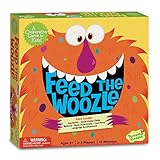
Overview: Feed the Woozle is a cooperative board game designed for preschoolers that transforms silly snack delivery into valuable learning opportunities. Players work together to feed a friendly monster 12 zany treats using a spoon while completing physical challenges. With no reading required and a compact 15-minute runtime, it’s perfectly tailored for short attention spans and family play sessions with children as young as three.
What Makes It Stand Out: The three-level progression system is exceptional, allowing the game to evolve from simple placement to active challenges like spinning or hopping while carrying snacks. This scalability ensures years of use rather than months. The emphasis on cooperative victory over competition creates a safe space for emotional development, while the ridiculous snacks (hairy pickles, fuzzy donuts) maintain engagement through pure absurdity that delights young minds.
Value for Money: Priced competitively with premium children’s games, Feed the Woozle justifies its cost through exceptional replayability and developmental benefits. Unlike disposable toddler toys, the three difficulty levels extend its lifespan from ages 3-6. The educational value—targeting fine motor skills, counting, and social cooperation—effectively combines multiple learning tools into one durable package.
Strengths and Weaknesses: Strengths: No reading requirement enables true inclusivity for pre-readers; physical challenges burn energy while building skills; short playtime prevents meltdowns; fosters genuine teamwork. Weaknesses: Limited appeal beyond age 6; gameplay can feel repetitive for adults; small snack pieces may be lost; 15-minute sessions might be too brief for some families.
Bottom Line: An essential investment for families with young children that successfully disguises developmental skill-building as monstrous fun. Ideal for parents seeking screen-free cooperative play.
2. Flow: The Official Cooperative Board Game | Strategy Game for 1–4 Players Ages 8+ | Based on The Award-Winning Animated Film | Family & Solo Play | Survive The Flood, Rescue Allies
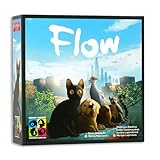
Overview: Flow translates the award-winning animated film’s emotional depth into a real-time cooperative survival experience. Players must navigate a flooding world, rescue allies, and make split-second decisions as water levels rise. Supporting 1-4 players with modular board tiles and scenario cards, each 30-45 minute session delivers cinematic tension through innovative mechanics that mirror the film’s themes of adaptation and community.
What Makes It Stand Out: The dynamic rising water mechanic creates genuine urgency unmatched in family-weight games. The modular board ensures no two floods are identical, while 11 scenario cards provide narrative variety. Solo play is seamlessly integrated, offering a thoughtful experience for single players. The real-time element transforms typical strategic planning into adrenaline-fueled teamwork, making it a rare game that captures film authenticity while standing on its own mechanical merits.
Value for Money: Positioned in the premium family game tier, Flow’s value lies in its cinematic production quality and endless replayability. The scenario system and modular tiles generate hundreds of unique setups, outperforming static board games at similar price points. For families who loved the film, this extends the emotional connection; for gamers, it offers legitimate strategic depth rarely seen in licensed products.
Strengths and Weaknesses: Strengths: Exceptional solo mode; genuine tension through real-time mechanics; beautiful component quality; strong thematic integration; high replayability. Weaknesses: Real-time pressure may overwhelm younger players or anxious gamers; 8+ age rating seems optimistic given complexity; requires engaged players to shine.
Bottom Line: A triumph in licensed game design that rewards quick thinking and communication. Best for families seeking cinematic immersion and gamers comfortable with time pressure.
3. Tiny Laser Heist – Hilarious 3D Heist Game, Outsmart & Negotiate for The Loot, Fun Cooperative Board Game for Ages 12+, Perfect for Game Nights & Parties, 3-6 Players

Overview: Tiny Laser Heist injects chaotic physical comedy into cooperative gaming by tasking players with stealing jewels using absurdly small plastic hands. This dexterity-driven party game for 3-6 players challenges teams to navigate elastic lasers and padlocks without triggering alarms. With a 30-45 minute runtime and quick setup, it transforms game nights into hilarious spectacles of negotiation, sabotage, and spectacular failures that generate memorable stories and inside jokes for years.
What Makes It Stand Out: The tiny hand mechanic is brilliantly ridiculous, forcing genuine cooperation since each player controls only one miniature appendage. This physical limitation creates natural comedy while requiring actual strategy and communication. The negotiation element adds delicious tension—players must cooperate while secretly vying for loot shares. Escalating difficulty through added lasers and sabotage cards ensures the chaos evolves, preventing the joke from wearing thin across multiple sessions and maintaining fresh challenges.
Value for Money: As a specialty party game, it’s priced appropriately for its unique components and replay value. The 3D frame and custom pieces justify the cost better than card-only party games. While niche, its ability to generate viral moments and repeat play at gatherings provides strong entertainment value per dollar, especially for groups that enjoy physical comedy and light betrayal mechanics that keep everyone engaged.
Strengths and Weaknesses: Strengths: Hilariously unique concept; excellent spectator appeal; scales difficulty smartly; encourages creative problem-solving; perfect icebreaker for groups of all experience levels. Weaknesses: Tiny hands may break with aggressive use; humor won’t land with serious gamers; requires spatial setup; 12+ rating due to sabotage complexity and negotiation nuance.
Bottom Line: A must-have for party game collections that delivers laugh-out-loud moments through ingenious physical constraints. Not for the serious strategist, but perfect for outgoing groups seeking memorable chaos.
4. Horrible Guild: Dungeon Fighter, Strategy Cooperative Board Game, Communicate Quickly and Well, Dexterity is Key, Throw the Dice for Great Success, For 1 to 6 Players, Ages 8 and up

Overview: Dungeon Fighter reimagines the dungeon crawler by replacing tactical grids with pure dexterity. Players cooperatively explore dungeons, battle monsters, and gather treasure by physically throwing dice onto a target board. Success demands communication and skillful tossing rather than complex rules. Supporting 1-6 players, this accessible yet challenging game delivers 45-minute sessions where every dice throw builds tension and comedy in equal measure for all participants.
What Makes It Stand Out: The dice-throwing mechanic is refreshingly physical, creating moments of genuine triumph and hilarious failure that digital simulations can’t replicate. Different monster types require specific throwing styles (bounce, blind toss, overhead), transforming simple actions into varied challenges. The cooperative structure means one player’s wild throw can doom the party, fostering intense communication and shared accountability rarely seen in dexterity games, making every turn matter.
Value for Money: Weighing nearly four pounds, the substantial component quality immediately justifies the price point. The target board, miniatures, and varied dice provide a premium tactile experience. Compared to traditional dungeon crawlers requiring hundreds of cards and tokens, this streamlined approach offers comparable fantasy adventure at a fraction of the complexity and cost, with higher accessibility for non-gamers and casual players alike.
Strengths and Weaknesses: Strengths: Innovative dexterity core; excellent component quality; scales smoothly from 1-6 players; quick setup; hilarious failure states create memorable moments. Weaknesses: Requires significant table space; dice throwing can be frustrating for coordination-challenged players; limited narrative depth; noise level may disturb quiet households or neighbors.
Bottom Line: A brilliant hybrid that makes dungeon crawling accessible through physical skill. Ideal for groups seeking laughter-filled adventure without rules overhead or complex strategies.
5. Buffalo Games - Space Invaders Game - Dexterity Launch Game - Great for Game Night - Cooperative Gameplay - Based on Video Game

Overview: Buffalo Games transforms the iconic arcade shooter into a cooperative dexterity challenge where 1-4 players launch tokens to destroy descending invader cards. Using a 3D arcade shooter replica, teams must strategize, communicate, and aim carefully to survive 30-45 minute sessions. The licensed adaptation captures the original’s escalating tension while adding strategic layers through blast tokens, player powers, and health tracking that reward teamwork over solo heroics and individual scoring.
What Makes It Stand Out: The 3D arcade shooter is a brilliant tactile centerpiece that generates nostalgia while serving genuine gameplay function. The cooperative twist on a classic competitive format feels fresh, requiring players to coordinate attacks and manage resources collectively. The UFO mechanic introduces unpredictability, forcing adaptive strategies. Official Taito licensing ensures authentic art and sound references that resonate with retro gaming enthusiasts while remaining accessible to newcomers and younger players.
Value for Money: As a licensed dexterity game with custom 3D components, it’s fairly priced within the novelty game market. The 60 invader cards and variable player powers provide decent replayability, though it may not match strategic depth of similarly priced Eurogames. For arcade fans, the nostalgic value justifies the premium; for families, it offers a unique alternative to traditional board games with strong visual appeal and immediate fun factor.
Strengths and Weaknesses: Strengths: Excellent nostalgia factor; high-quality licensed artwork; accessible rules; good player scaling; satisfying physical launching mechanic creates tension. Weaknesses: Repetitive after multiple plays; launch mechanism may wear over time; limited strategic depth; noise from launching could be disruptive in quiet environments.
Bottom Line: A faithful arcade adaptation that shines as a family-friendly dexterity game. Perfect for retro gaming fans and groups seeking light cooperative action with tactile satisfaction.
6. Nekojima | Avoid Mischievous Cats While Carefully Building a Japanese Power Grid | Stacking and Weaving Dexterity Game | Fun Family Game for Kids and Adults Ages 8 and Up | 1 to 5+ Players | 15 Min

Overview: Nekojima reimagines dexterity gaming by tasking players with building a Japanese power grid using wooden pieces while dodging mischievous feline obstacles. This 15-minute stacking challenge merges Jenga’s tension with strategic grid construction, supporting 1-5+ players in competitive or cooperative modes. The game’s tactile wooden components and clever theme create immediate table presence, appealing to families seeking quick, engaging gameplay that rewards steady hands and forward thinking.
What Makes It Stand Out: The power grid weaving mechanic distinguishes Nekojima from typical tower-stacking games. Players don’t just balance blocks—they interconnect them strategically while managing cat pieces that introduce unpredictable chaos. This dual-layer challenge combines physical skill with light spatial planning, making it more substantive than Don’t Break the Ice while remaining accessible. The flexible player count and solo mode offer exceptional versatility for various gaming contexts, from family nights to individual practice sessions.
Value for Money: Positioned in the mid-range for dexterity games, Nekojima delivers strong replay value through its variable setup and two distinct play modes. The quality wooden components justify the investment compared to flimsier alternatives, and the 15-minute playtime ensures frequent table time. While not the cheapest stacking game available, its unique mechanics and broader appeal across age groups make it a smarter long-term purchase than simpler, one-note dexterity titles.
Strengths and Weaknesses: Strengths include premium component quality, clever thematic integration, flexible player counts, and quick setup. The combination of stacking and weaving creates novel tactical depth. Weaknesses involve potential frustration for younger players when cats disrupt carefully planned structures, and the 15-minute runtime may feel brief for groups wanting longer sessions. The learning curve for optimal grid construction can also intimidate absolute beginners.
Bottom Line: Nekojima excels as a family dexterity game that grows with its players. Its blend of physical skill and light strategy offers more staying power than pure stacking games, making it highly recommended for households seeking interactive, quick-play entertainment that engages both kids and adults meaningfully.
7. THAMES & KOSMOS The Crew - Quest for Planet Nine | Card Game | Kennerspiel des Jahres Winner | Cooperative | 3-5 Players | Ages 10+ | Trick-Taking | 50 Levels of Difficulty | Endless Replay

Overview: The Crew: Quest for Planet Nine revolutionizes trick-taking by transforming this classic card mechanic into a cooperative puzzle. Winner of the prestigious Kennerspiel des Jahres award, it sends 3-5 players on 50 missions across the solar system, each lasting 5-10 minutes. Players must silently communicate to complete specific objectives, creating a brain-burning challenge that revitalizes traditional card play through innovative mission-based progression and limited information sharing.
What Makes It Stand Out: The silent communication mechanism is brilliant—players use limited signals to convey hand strength, turning each trick into a tense negotiation. The 50-mission campaign structure with escalating difficulty provides a compelling narrative arc rarely seen in card games. Unlike competitive trick-takers, the cooperative framework eliminates table politics while demanding precise teamwork and logical deduction, making it accessible to newcomers yet deeply satisfying for veterans.
Value for Money: As an award-winning game with 50 distinct missions, The Crew offers exceptional longevity at a modest price point. Each session delivers fresh challenges, and the quick 5-10 minute mission length maximizes plays per hour. Compared to standard card games or bulky board games with less replayability, this represents outstanding value. The compact box and simple components keep costs reasonable while delivering premium gameplay experiences.
Strengths and Weaknesses: Strengths include ingenious mission design, scalable difficulty, quick playtime, and universal accessibility for ages 10+. The silent communication system creates memorable moments of brilliant coordination or hilarious misreads. Weaknesses: the 3-5 player range excludes two-player sessions without variants, and some missions can feel frustratingly difficult at higher levels. The minimalist components may underwhelm those expecting flashy production.
Bottom Line: The Crew is essential for any collection, masterfully blending familiar mechanics with revolutionary cooperative design. Its award-winning gameplay, immense replay value, and accessible depth make it a must-buy for families and gamers alike seeking a challenging, communication-driven card experience.
8. Artipiagames Rush M.D. - Artipia Games Cooperative Board Game, Worker Placement, Strategy, Dexerity, Ages 14+, 1-4 Players, 30-45 Mins

Overview: Rush M.D. thrusts players into chaotic hospital management through a real-time, cooperative blend of worker placement and dexterity challenges. Designed for 1-4 players ages 14+, this 30-45 minute game tasks teams with simultaneously treating patients, managing staff, and completing tense mini-games. The innovative time-pressure mechanic creates genuine urgency, transforming strategic planning into frantic multitasking that captures the high-stakes atmosphere of emergency medicine with surprising thematic fidelity.
What Makes It Stand Out: The real-time worker placement system is genuinely innovative—players place workers while a sand timer forces constant decision-making under pressure. Dexterity mini-games representing medical procedures add physical skill layers rarely seen in strategy games, creating moments of hilarious tension. The simultaneous action design eliminates downtime, keeping all players engaged throughout. This fusion of thoughtful planning and frantic execution creates a unique rhythm that distinguishes it from standard co-op games.
Value for Money: While priced higher than gateway games, Rush M.D. justifies its cost through ambitious mechanics and high component quality. The replayability comes from variable patient cases and the inherent chaos of real-time play. However, the niche appeal may limit table time compared to more versatile co-ops. For groups seeking fresh, intense experiences, it’s worth the premium; casual players may find better value in less stressful alternatives.
Strengths and Weaknesses: Strengths include innovative real-time mechanics, strong thematic integration, engaging dexterity elements, and excellent scaling across player counts. The tension is palpable and memorable. Weaknesses: the steep learning curve and high stress may alienate casual gamers. The 14+ age rating is appropriate—complexity and pacing overwhelm younger players. Some dexterity challenges feel arbitrary rather than strategic, and setup can be fiddly.
Bottom Line: Rush M.D. is a bold, exhilarating experience for gamers craving intensity and innovation. Its real-time dexterity blend won’t suit everyone, but for the right group, it delivers unforgettable cooperative chaos. Recommended for experienced players seeking something genuinely different.
9. Cat and The Tower by Arcane Wonders | Cooperative Balance Board Game | Ages 6+ | 1-5 Players | 15-30 Minute Family Game with Tower Building
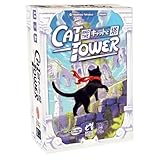
Overview: Cat and the Tower delivers a heartfelt cooperative experience where players help Toto the cat climb a hand-built tower to find his mother. This 15-30 minute game for 1-5 players ages 6+ combines tower-building dexterity with card-driven strategy. Players stack mismatched wall pieces of varying heights, balancing physical skill with tactical choices. The emotional storytelling and shared tension create a family-friendly experience that transcends typical dexterity games through its narrative depth and collaborative spirit.
What Makes It Stand Out: The emotional narrative framework transforms abstract stacking into a meaningful journey, engaging younger players beyond pure mechanics. Movable “feline friend” pieces add tactical depth, allowing players to rebalance or obstruct the tower strategically. The card-driven decision between building higher or attempting dexterity challenges creates meaningful risk-reward choices. This blend of storytelling, teamwork, and physical skill offers rare accessibility for ages 6+ while maintaining interest for adults.
Value for Money: Positioned as a family game, Cat and the Tower offers solid value through its high replayability and emotional engagement. The variable tower layouts ensure no two games feel identical, and the cooperative nature extends its lifespan in family collections. While not the cheapest dexterity game, the quality components and unique storytelling justify the price over simpler stacking alternatives that lack narrative depth.
Strengths and Weaknesses: Strengths include heartfelt theme, accessible gameplay for ages 6+, flexible player count, and clever tactical elements via feline friends. The cooperative structure prevents player elimination frustration. Weaknesses: the emotional story may not resonate with all groups, particularly adult-only game nights seeking pure strategy. The tower can become unstable in ways that feel random rather than skill-based, occasionally causing unfair losses.
Bottom Line: Cat and the Tower is a charming, accessible cooperative game that shines brightest with families. Its blend of dexterity, light strategy, and emotional storytelling creates memorable shared experiences. Highly recommended for parents seeking meaningful gaming moments with children, though less essential for strategy-focused adult groups.
10. Dodo | Kid’s Game | Family Game |Board Games | Co-op | Dexterity | Ages 6+

Overview: Dodo is a frantic, family-friendly cooperative game that pits players against gravity in a race to save dodo eggs. Designed for ages 6+, this under-10-minute experience blends memory, dexterity, and tense teamwork into a delightful package that has earned prestigious European awards. Players work together to retrieve eggs from a tilting island before they fall, creating squeal-inducing moments of panic and celebration. The adjustable difficulty ensures broad accessibility while maintaining challenge for repeat plays.
What Makes It Stand Out: The gravity-based tilting mechanism creates immediate, visceral tension that transcends language barriers and age groups. The combination of memory (remembering egg locations) and dexterity (careful removal) engages multiple skills simultaneously. Its sub-10-minute runtime makes it perfect filler material or repeated plays in a single session. The game’s European award pedigree signals refined design quality, while the adjustable difficulty scales from toddler-friendly to genuinely challenging for families.
Value for Money: As an affordable, award-winning children’s game, Dodo delivers exceptional value. The quick playtime and high variability maximize plays per dollar, and the durable components withstand repeated use. Compared to longer, more complex family games, Dodo’s accessibility and replayability make it a smarter investment for households with young children. The compact box and simple rules also mean it will actually hit the table frequently.
Strengths and Weaknesses: Strengths include brilliant gravity mechanic, adjustable difficulty, quick setup and playtime, and genuine cross-generational appeal. The cooperative nature teaches teamwork without pressure. Weaknesses: the 6+ age rating may still challenge younger ends of that spectrum, and adult-only groups will find it too light for sustained interest. The memory element can frustrate players with poor recall, and component durability is critical given the physical nature of play.
Bottom Line: Dodo is a masterclass in accessible cooperative design, perfect for families with young children. Its award-winning gameplay, quick pace, and adjustable challenge create endless giggles and memorable moments. An essential purchase for introducing kids to modern gaming, though too light for dedicated strategy gamers.
What Defines a Cooperative Dexterity Game
Cooperative dexterity games blend two distinct gaming elements: the teamwork-focused nature of cooperative play where everyone wins or loses together, and the physical skill component of dexterity games that tests your hand-eye coordination, steady hands, and spatial awareness. Unlike traditional dexterity games where you’re trying to outperform opponents, these titles pit your collective physical abilities against escalating challenges, timers, or complex puzzle configurations.
The magic happens when failure isn’t personal—when that tower collapses or that crucial shot misses, the group shares both the disappointment and the determination to try again. This creates a unique social dynamic where encouragement replaces trash talk, and every small victory feels like a team accomplishment.
Key Features to Look For
Component Quality and Durability
The physical nature of these games means components take a beating. Look for thick cardboard, solid wood pieces, or high-grade plastic that can withstand repeated drops, flicks, and inevitable accidents. Weighted pieces that feel substantial in your hand often provide better gameplay than flimsy, lightweight alternatives that are prone to tipping or sliding unpredictably.
Rulebook Clarity
When you’re physically engaged with game components, you don’t want to pause frequently to parse complex rules. The best cooperative dexterity games feature rulebooks with clear diagrams, step-by-step setup photos, and intuitive iconography. Some even include tutorial scenarios that gradually introduce mechanics, letting you learn while doing rather than reading walls of text.
Scalability Across Player Counts
A strong cooperative dexterity game should feel balanced whether you’re playing solo, as a couple, or with a full group. Investigate how the game adjusts difficulty—does it add more challenges, modify time limits, or change victory conditions? Games that scale smoothly prevent the common problem of feeling too easy with few players or overwhelming with many.
Types of Cooperative Dexterity Games
Stacking and Building Challenges
These games test your ability to construct stable structures under pressure. You’ll carefully place pieces, balance irregular shapes, or build upward while following specific pattern requirements. The cooperative element often involves limited communication rules or shared restrictions that force creative problem-solving about who places which piece when.
Flicking and Shooting Mechanics
Precision projectile games require you to flick, slide, or launch pieces to hit targets, land in specific zones, or knock over obstacles. Cooperative versions typically give each player unique abilities or limited shots that must be combined strategically. The group must plan sequences carefully, considering angles, force, and how one person’s successful shot sets up the next player’s attempt.
Timer-Based Reflex Challenges
Race-against-the-clock games create adrenaline-fueled cooperation where speed matters as much as precision. These might involve passing pieces, completing physical patterns, or performing specific actions before time expires. The best designs include variable difficulty settings for the timer, letting you adjust tension based on your group’s skill level.
Skill Development Benefits
Fine Motor Control Enhancement
Regular play naturally improves hand steadiness, finger dexterity, and controlled movement. Adults find these games help maintain coordination, while children develop crucial fine motor skills without the pressure of direct competition. The repetitive nature of attempting challenging physical feats builds muscle memory and confidence over time.
Spatial Reasoning and Planning
Success requires visualizing physical outcomes before acting. Players mentally map trajectories, weight distributions, and chain reactions. This translates to improved real-world skills in areas like parking, packing, or any task requiring physical foresight. Cooperative discussion about these spatial puzzles enhances everyone’s understanding through shared perspective.
Patience and Emotional Regulation
The inevitable failures in dexterity games provide safe spaces to practice frustration management. When the group loses together, individuals learn to separate their self-worth from performance. The shared goal creates accountability—players encourage each other to stay calm and focused, building emotional resilience through collective support.
Age Appropriateness Considerations
Family-Friendly Design Elements
Look for games with bright colors, chunky pieces that are easy to manipulate, and themes that appeal across generations. The best family games include optional rules that let adults play at higher difficulty while children contribute meaningfully at their level. Avoid games with complex scoring or abstract themes that younger players can’t grasp.
Complexity vs. Physical Skill Balance
Some games emphasize strategic planning over raw dexterity, making them accessible to players with physical limitations. Others prioritize skill, letting sharp minds support steadier hands. Consider your group’s composition—mixing ages and abilities works best when the game offers multiple paths to contribution.
Safety and Choking Hazards
Always check age ratings and component sizes, especially if playing with children under three. Even with older kids, consider the chaos factor—games involving projectile pieces might require designated play zones away from breakable objects or younger siblings.
Player Count and Team Dynamics
Optimal Group Sizes
Most cooperative dexterity games shine with 2-4 players, though some accommodate larger groups. Too few players can make challenges impossible, while too many can lead to downtime where players watch rather than participate. Games that incorporate simultaneous action or rotating roles keep everyone engaged even with maximum player counts.
Turn Structure and Downtime
Evaluate how the game handles player turns. Does everyone act simultaneously in real-time, creating chaotic energy? Or does it use structured turns that allow for deliberate planning? Real-time games favor quick decision-making and constant involvement, while turn-based ones let players strategize but can slow down with larger groups.
Solo Play Modes
Many cooperative games include robust solo variants, essentially turning them into challenging puzzles. If you game alone frequently, look for titles where solo play feels complete rather than a tacked-afterthought. The best solo modes maintain the core experience while adjusting difficulty through modified rules rather than simply having one person control multiple roles.
Setup and Storage Factors
Table Space Requirements
Dexterity games often need more room than you expect. Flicking games require clear zones around the play area. Stacking games need vertical space. Before purchasing, consider your typical gaming surface and whether you can dedicate adequate space. Some games include clever vertical boards or contained play areas that minimize footprint.
Setup and Teardown Time
The best games in this category set up in under five minutes, with intuitive component organization. Complex setup kills momentum, especially for casual gaming sessions. Look for games with built-in storage solutions, labeled compartments, or quick-start guides that get you playing fast.
Portability for Gaming on the Go
If you travel to game nights or play in public spaces, consider box size and component count. Games with fewer, more durable pieces travel better than those with dozens of small tokens. Some games even come in travel-sized editions specifically designed for portability without sacrificing core gameplay.
Replayability and Longevity
Variable Setup Configurations
Games with modular boards, random challenges, or scenario books stay fresh longer. Each setup should present a unique puzzle that requires different strategies. This prevents the “solved puzzle” feeling where players master one technique and repeat it endlessly.
Progressive Difficulty Systems
The best cooperative dexterity games grow with your group. They might include multiple difficulty levels, campaign modes where challenges escalate across sessions, or achievement systems that unlock new constraints. This progression keeps veteran players engaged while remaining accessible to newcomers.
Expansion and Content Support
While you shouldn’t buy based on promised expansions, games with established content pipelines offer extended value. Check if the publisher has a history of supporting titles with new challenges, components, or variants that integrate seamlessly with the base experience.
Difficulty Scaling and Accessibility
Graduated Challenge Levels
Quality games offer multiple ways to adjust difficulty beyond simply shortening timers. They might add restrictions on communication, introduce penalty conditions, or require more complex patterns. This lets you fine-tune the experience rather than making it arbitrarily harder.
Accommodating Different Skill Levels
The “alpha player” problem—where one experienced person dominates decisions—can be mitigated through hidden information or simultaneous real-time play. Look for games where expertise helps but doesn’t eliminate the need for everyone’s contribution. Some designs include player-specific handicaps, letting veterans play with self-imposed restrictions.
Learning Curve Considerations
Consider how quickly new players can join an experienced group. Games with intuitive core actions but deep strategic layers work best for mixed groups. Avoid games where newcomers feel lost or where their mistakes single-handedly doom the team, as this creates negative experiences that discourage repeat play.
Social and Educational Value
Communication and Teamwork Skills
These games naturally foster clear, concise communication under pressure. Players learn to give constructive feedback, listen actively, and coordinate actions. The physical component adds a layer of non-verbal communication—sometimes a steady hand or careful placement speaks louder than words.
Problem-Solving Under Pressure
Time constraints and physical stakes create authentic pressure-cooker scenarios. Groups develop strategies for staying calm, dividing responsibilities, and adapting when plans fail. These skills transfer directly to real-world team situations like workplace projects or emergency planning.
Inclusive Gaming Experiences
Because these games emphasize process over competition, they create welcoming environments for reluctant gamers. There’s no single winner to intimidate newcomers, and physical skill can sometimes trump strategic experience, leveling the playing field. This makes them excellent gateway games for non-gamers or families with mixed interest levels.
Budget and Value Considerations
Price vs. Component Quality
Cooperative dexterity games range from budget-friendly card-based titles to premium productions with custom wooden pieces. Higher price doesn’t always equal better gameplay. Evaluate whether expensive components genuinely enhance the experience or just look pretty on the shelf.
Long-Term Entertainment Value
Consider cost per play. A $50 game you play 50 times delivers better value than a $20 game you play twice. Dexterity games often have higher replay value than narrative-driven titles because the physical challenge remains engaging even after you’ve “seen” all the content.
Crowdfunding vs. Retail Availability
Many innovative dexterity games launch through crowdfunding campaigns. While these can offer exclusive components, they carry risks of delays or production issues. Established retail releases provide immediate gratification and often have community-reviewed quality. Balance your desire for novelty against the security of proven products.
Where to Play and Practical Constraints
Noise Levels and Location Suitability
Real-time dexterity games can get loud with excited shouting and pieces clattering. Consider your gaming environment—apartment dwellers might prefer quieter, turn-based options. Games with felt-lined boards or rubber pieces reduce noise, making them more suitable for shared spaces or late-night sessions.
Surface Compatibility
Not all games work on all tables. Glass surfaces can be too slick for stacking games, while textured wood might interfere with flicking precision. Some games include playmats or boards designed to standardize surfaces, making them more versatile across different gaming locations.
Clean-Up and Maintenance
Physical games mean pieces end up on the floor, under furniture, or in curious pets’ mouths. Consider how easily components can be cleaned and whether replacement parts are available. Games with fewer, larger pieces simplify post-game recovery and reduce loss frustration.
Common Pitfalls to Avoid
The “Quarterback” Problem Solutions
Some cooperative games suffer from dominant players dictating everyone’s moves. Dexterity games can mitigate this through hidden hands, real-time play, or individual challenges that must be completed simultaneously. Look for designs where each player’s physical actions matter independently, preventing one person from controlling the entire experience.
Frustration Factor Management
Physical skill games inherently involve failure. The best designs frame failure as interesting rather than punishing. They include catch-up mechanics, small victories within larger defeats, or humorous elements that make collapsing towers part of the fun rather than a demoralizing setback.
Balance Between Luck and Skill
Pure dexterity can feel random, especially for new players. Games that incorporate strategic decisions about when to take risks or how to allocate resources give players agency beyond their physical abilities. This blend keeps outcomes feeling earned rather than arbitrary.
Expert Tips for Maximum Enjoyment
Creating the Right Atmosphere
Set up proper lighting to reduce shadows on the play area. Ensure comfortable seating that allows players to reach all game components easily. Some groups even establish “rituals” like a team cheer before starting or a specific way to reset after failures, building camaraderie through shared traditions.
Practice Techniques for Improvement
Just like any skill, dexterity improves with practice. Encourage players to experiment with different grips, stances, or flicking techniques without game pressure. Some groups dedicate warm-up rounds or practice sessions before serious attempts, reducing performance anxiety during actual gameplay.
House Rules and Custom Variants
Don’t be afraid to modify rules for your group’s enjoyment. Many dexterity games thrive with custom constraints like “no talking during your turn” or “must use non-dominant hand.” These variants can refresh a familiar game and tailor the challenge to your specific group’s dynamic.
Building Your Cooperative Dexterity Collection
Starting with Gateway Games
If you’re new to the genre, begin with games that have simple core actions and short playtimes (under 30 minutes). These let you experience the unique joy of cooperative dexterity without overwhelming complexity. Success here builds confidence to tackle more elaborate titles later.
Complementary Game Selection
As you expand, choose games that offer different physical challenges. If you own a stacking game, consider a flicking game next to diversify skills. This prevents your collection from feeling redundant and ensures you have options for different moods, player counts, and energy levels.
Community and Event Integration
These games excel at conventions, family gatherings, and team-building events. Their visual spectacle draws spectators, and short rounds make them perfect for casual drop-in play. Building a collection with this in mind means prioritizing games with immediate appeal and minimal teaching time.
Frequently Asked Questions
What makes a dexterity game “cooperative” rather than competitive?
In cooperative dexterity games, all players work toward a shared objective and either win or lose as a team. Instead of comparing individual scores or performance, you’re collectively trying to beat the game’s challenge, whether that’s building a structure, completing a pattern, or preventing a catastrophic collapse. The key difference is that your success depends on group effort rather than individual supremacy.
How do I introduce cooperative dexterity games to competitive players?
Start by emphasizing the puzzle-like nature of the challenge. Frame it as “us vs. the game” rather than a soft alternative to competition. Many competitive players enjoy the mastery aspect—these games offer clear skill progression and measurable improvement. Choose a game with obvious difficulty levels so they can see a path to greater challenges.
Are these games suitable for players with physical limitations?
Many modern designs include accessibility considerations. Look for games where strategy can compensate for physical skill, or those with alternative rules for players who can’t perform specific actions. Some games assign roles where one person might plan while another executes, allowing everyone to contribute meaningfully regardless of dexterity level.
What’s the ideal player count for cooperative dexterity games?
Most excel with 2-4 players, though this varies by design. Two-player games offer intimate, focused cooperation. Three players create interesting dynamics where two can support one struggling teammate. Four players introduce more chaos but also more creative solutions. Always check how the game scales—some become too easy or too hard at certain counts.
How much space do I really need?
Plan for at least double the game’s box dimensions in clear table space. Stacking games need vertical clearance—sometimes up to two feet above the table. Flicking games require buffer zones around the play area to catch runaway pieces. If space is limited, prioritize games with contained play boards or vertical designs that minimize footprint.
Can young children really play these with adults?
Absolutely, if you choose wisely. Look for games with simple actions (like placing blocks) rather than complex ones (like precise flicking). Modify rules so children have easier goals while adults face tougher constraints. The cooperative nature means kids learn by watching and can contribute meaningfully even with simpler tasks, making it a true family experience.
How do I prevent one player from dominating the game?
Choose games with hidden information, real-time simultaneous play, or individual challenges that can’t be controlled by others. Some designs limit communication or give each player unique abilities that only they can execute. Establish table norms about giving advice—maybe implement a “suggestions only when asked” rule to ensure everyone owns their decisions.
What’s the typical playtime for these games?
Most range from 15-45 minutes, making them excellent filler games or repeatable challenges. Quick setup and short playtimes encourage “just one more try” sessions where you can attempt increasingly difficult challenges. Campaign-based games might run longer but typically break into shorter scenarios that can be completed in single sittings.
Do I need to be physically fit or athletic to enjoy these?
Not at all. While these games test fine motor skills, they don’t require strength or endurance. Many are accessible to players of all fitness levels. The skill ceiling is high enough for dedicated practice but the floor is low enough that casual players can contribute and have fun immediately. It’s about control and coordination, not physical prowess.
How do I store and maintain dexterity game components?
Use small bags or containers within the box to organize pieces by type or size. Keep foam inserts to protect delicate components. Store games flat to prevent warping of boards or pieces. Check manufacturer websites for replacement part programs—many offer affordable replacement pieces for inevitable losses. Regularly inspect components for wear that might affect gameplay balance.
See Also
- Stop the Chaos with the 10 Best Cooperative Card Games This Year
- Stop Frustration with the 10 Best Survival Cooperative Games This Year
- Stop Boring Game Nights with the 10 Best Horror Cooperative Board Games This Year
- Stop Arguing Over Rules with the 10 Best Easy-to-Learn Cooperative Board Games This Year
- Stop Frustration with the 10 Best Beginner-Friendly Cooperative Board Games This Year