Table of Contents
There’s something deeply satisfying about placing that perfect tile—the one that completes your strategy, blocks your opponent, and creates a beautiful pattern all at once. For adult game enthusiasts, tile placement games offer a unique blend of spatial reasoning, tactical decision-making, and tactile pleasure that few other genres can match. Unlike the simple matching games of childhood, modern premium tile placement titles deliver layered complexity that rewards careful planning and adaptability.
What separates a premium experience from the basic versions you’ll find at mass-market retailers? It’s the difference between a fast-food burger and a dry-aged steak—both satisfy hunger, but one offers a memorable experience worth savoring. Premium tile placement games justify their higher price tags through exceptional component quality, innovative mechanics that reveal new depths after dozens of plays, and sophisticated themes that resonate with mature players. These aren’t just games; they’re investments in countless evenings of engaging entertainment.
Top 10 Tile Placement Games for Adults
Detailed Product Reviews
1. Shallow Sea Board Game – Strategy Tile-Placement Game for Adults & Families | 1–4 Players, 30–45 Min Play | Build Coral Reef Ecosystem, Ocean Puzzle Game, Nature-Inspired

Overview: Shallow Sea invites players to construct vibrant coral reef ecosystems through strategic tile placement. This nature-inspired game accommodates 1-4 players in 30-45 minute sessions, blending visual beauty with meaningful decisions as you connect coral and sea-life tiles to attract fish and complete patterns. The marine theme permeates every component, creating an immersive underwater experience.
What Makes It Stand Out: The game’s premium production quality distinguishes it immediately. With 76 coral tiles, 88 sea-life tiles, and 96 fish pieces featuring detailed marine artwork, components feel substantial. The inclusion of solo play and ecosystem cards adds strategic depth, while the seashell tokens and custom pouches enhance tactile satisfaction. The ocean conservation theme resonates beyond typical abstract tile-placement.
Value for Money: Positioned in the premium board game tier, Shallow Sea justifies its price through exceptional component quality and artwork. While more expensive than entry-level tile games, it offers comparable value to games like Wingspan or Everdell. The solo mode effectively provides two games in one, enhancing replayability for isolated sessions.
Strengths and Weaknesses: Strengths include stunning marine artwork, quality components, solo capability, and accessible rules with strategic depth. The nature theme feels fresh and educational. Weaknesses involve potential analysis paralysis with optimal tile placement, a steep learning curve for younger players despite the 10+ rating, and limited player interaction beyond tile drafting competition.
Bottom Line: Shallow Sea excels as a visually striking, strategically satisfying tile-placement game perfect for nature enthusiasts and families seeking a more thematic alternative to abstract classics. Its premium components and solo mode make it a worthwhile investment for dedicated hobbyists.
2. Azul Asmodee Azul Board Game - Award-Winning Tile-Placement Strategy Game, Beautiful Mosaic Art, Family Fun for Kids & Adults, Ages 8+, 2-4 Players, 30-45 Minute Playtime
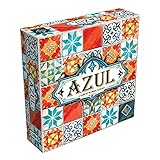
Overview: Azul is an acclaimed tile-placement game where players draft colorful tiles to create stunning mosaic patterns on personal boards. Inspired by Portuguese azulejos, this 2-4 player game runs 30-45 minutes and challenges participants to balance immediate scoring with long-term pattern completion. Its elegant rules hide surprising strategic depth.
What Makes It Stand Out: As a Spiel des Jahres winner, Azul’s pedigree is impeccable. The tactile satisfaction of handling heavy, resin-like tiles combines with striking visual design to create an immediately appealing experience. The perfect balance of accessibility and complexity makes it a rare game that truly works for both casual families and serious gamers. The player interaction through the central factory display creates delicious tension.
Value for Money: At standard hobby game pricing, Azul delivers exceptional value. The component quality rivals premium editions, with satisfyingly weighty tiles and clear player boards. Its near-infinite replayability through varied strategies and the 2-4 player sweet spot ensures it will hit the table frequently, amortizing its cost over countless sessions.
Strengths and Weaknesses: Strengths include award-winning design, gorgeous components, perfect playtime, and genuine strategic depth beneath simple rules. It scales excellently across player counts. Weaknesses involve potential for aggressive play that may frustrate sensitive players, no official solo variant, and the base game can feel repetitive after extensive play without expansions.
Bottom Line: Azul remains a modern essential that belongs in nearly every collection. Its universal appeal, exceptional production, and proven gameplay make it an unbeatable choice for families and gamers alike seeking a beautiful, thinky experience.
3. Azul Mini Board Game - Portable Tile-Placement Fun, Strategy Game for Kids and Adults, Ages 8+, 2-4 Players, 30-45 Minute Playtime, Made by Next Move Games

Overview: Azul Mini distills the beloved mosaic-building experience into a travel-friendly format. This compact edition preserves the core tile-drafting and pattern-completion mechanics of the original for 2-4 players in 30-45 minute sessions. The shrunken components and integrated scoring clips make it ideal for gaming on the go without sacrificing strategic depth.
What Makes It Stand Out: The ingenious portability features set this apart. Indented plastic trays prevent tile shifting during play, while built-in score trackers with slider clips eliminate loose components. The mini-tiles retain the satisfying tactile feel despite their reduced size. This is a complete Azul experience that fits in a bag, making it perfect for vacations, cafes, or waiting rooms.
Value for Money: While priced moderately higher than expected for its size, the Mini edition offers unique value for travelers and space-conscious gamers. It eliminates the need to purchase the full game separately for on-the-go play. However, the smaller tiles may feel less substantial, and the price-per-component ratio favors the standard edition for home play.
Strengths and Weaknesses: Strengths include true portability, clever design innovations, full gameplay retention, and compact storage. The travel-ready features work flawlessly. Weaknesses involve smaller pieces that can be fiddly for large hands, potentially higher cost relative to component volume, and reduced table presence compared to the striking original.
Bottom Line: Azul Mini is an essential purchase for Azul fans who travel or have limited space. While the standard edition remains superior for home use, this portable version brilliantly maintains gameplay quality in a remarkably convenient package.
4. Alpine Trails | Strategic Tile Placement Board Game for Families

Overview: Alpine Trails challenges players to build personal hiking trail networks through strategic tile placement. Supporting up to 5 players, this path-building game features variable personal objectives that change each session. Players construct unique, unconstrained maps using 132 tiles while managing resources like tents and wildlife tokens across 30-45 minute games.
What Makes It Stand Out: The game’s flexibility shines through its unrestricted map building and variable scoring objectives. Each session presents a new personal goal, forcing strategic pivots based on drawn tiles. The 57 painted wood tokens—including tents, signposts, and animal meeples—provide premium tactile components rarely seen at this price point. The nature theme feels organic rather than pasted-on.
Value for Money: Offering wooden components and supporting 5 players, Alpine Trails presents strong value. It competes directly with games like Carcassonne but adds modern innovations like variable objectives and higher player count. The quality wood tokens elevate it above cardboard-heavy competitors, justifying its mid-tier price through component durability and replayability.
Strengths and Weaknesses: Strengths include excellent 5-player scaling, quality wooden pieces, high replayability through objectives, and accessible rules with strategic depth. The unconstrained building creates beautiful, unique tableaus. Weaknesses involve potential for wildly divergent scores based on objective luck, less player interaction than some may prefer, and a theme that may not resonate universally.
Bottom Line: Alpine Trails succeeds as a modern tile-laying game perfect for larger groups and nature lovers. Its variable objectives and wooden components make it a worthy alternative to classic path-builders, though it works best with players who enjoy indirect competition.
5. Slide | Fast & Fun Tile Placement Card Game Where the Lowest Score Wins | Beginner & Family Friendly Strategy Board Games | A Tabletop Favorite for Kids & Adults | Ages 7+ | 2 - 6 Players | 15 Min

Overview: Slide reimagines tile placement as a speedy 15-minute card game where the lowest score wins. This 2-6 player game challenges participants to strategically place numbered tiles into personal grids, minimizing totals through clever arrangement. Designed for ages 7+, it blends accessibility with surprising depth in a rapid-fire format perfect for opening or closing game nights.
What Makes It Stand Out: The inverted scoring mechanism creates fresh strategic considerations, rewarding careful placement over aggressive expansion. The 15-minute playtime makes it one of the most efficient fillers available, while the 2-6 player range offers exceptional versatility. The simple rules allow immediate play, but optimal strategies emerge over multiple sessions, providing genuine replayability.
Value for Money: As an affordable card game, Slide delivers tremendous value. Its low price point and broad player range make it accessible to any collection. The quick playtime ensures frequent table time, maximizing entertainment per dollar. While components are simple cards rather than premium tiles, the gameplay innovation justifies the investment.
Strengths and Weaknesses: Strengths include lightning-fast gameplay, unique low-score objective, wide player count, and genuine strategic choices despite simplicity. It works brilliantly as a filler or family game. Weaknesses involve high luck dependence on card draws, limited depth for dedicated gamers, and the card format lacks the tactile satisfaction of tile games.
Bottom Line: Slide is a fantastic addition for families and casual gamers seeking quick, engaging gameplay. While too light for strategy purists, its innovative scoring and rapid pace make it an ideal gateway game and reliable filler that accommodates any group size.
6. Shallow Sea Board Game – Strategy Tile-Placement Game for Adults & Families | 1–4 Players, 30–45 Min Play | Build Coral Reef Ecosystem, Ocean Puzzle Game, Nature-Inspired (Nesting Season Expansion)

Overview: Shallow Sea is a strategic tile-placement game that immerses players in ocean ecosystem building. The Nesting Season Expansion enriches the base experience with turtle nesting mechanics and additional components for 1-4 players in 30-45 minute sessions. Players construct coral reefs by connecting tiles to attract sea life and complete ecosystem patterns, blending visual elegance with meaningful decisions.
What Makes It Stand Out: The premium marine artwork transforms your table into an underwater vista, while the ecosystem-building mechanic offers genuine strategic depth beyond simple pattern matching. The expansion’s turtle nesting theme adds a compelling narrative layer. Component quality is exceptional—durable tiles, custom pouches, and seashell tokens create tactile satisfaction. The solo mode is robust, not an afterthought, providing full strategic depth for solitary play.
Value for Money: At its price point, Shallow Sea competes with mid-weight strategy games like Cascadia. The expansion-included bundle justifies the cost with 200+ tiles and high-quality components. Replayability is high due to randomized card combinations, making it cheaper per play than many gateway games while offering greater thematic immersion.
Strengths and Weaknesses: Strengths include stunning artwork, meaningful strategic choices, excellent solo play, and strong educational value about marine biology. The nature-inspired theme resonates environmentally. Weaknesses: the 10+ age rating is accurate—complex scoring may challenge younger players. Setup involves many components, and the iconography requires a learning game before fluency.
Bottom Line: Perfect for nature enthusiasts and strategy gamers seeking beauty with depth. The expansion makes this a complete package that rewards repeated plays and belongs in any eco-conscious collection.
7. A Gentle Rain – Calming Tile-Laying Puzzle Game – Mindful Solo, 2-Player, or Cooperative Play in 15 Minutes – Soft-Touch Tiles & Wooden Blossoms – Compact, Giftable, Family-Friendly Board Game
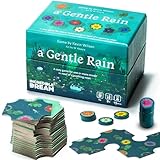
Overview: A Gentle Rain offers a meditative alternative to competitive gaming. This 15-minute tile-laying puzzle accommodates solo, two-player, or cooperative modes as players place 28 soft-touch tiles to bloom wooden blossoms across a tranquil lake. Ages 8+ can enjoy this mindful experience without pressure or point scoring, making it perfect for winding down after stressful days.
What Makes It Stand Out: The sensory design is unparalleled—soft-touch tiles and glossy wooden blossoms create a tactile zen garden. Its pressure-free gameplay focuses on process over victory, making it unique in the hobby space. Hand-drawn artwork enhances the calming aesthetic. The compact size fits in your palm, ideal for travel or quiet moments between activities, turning any space into a peaceful retreat.
Value for Money: Priced below most hobby games, it delivers exceptional value as a mindfulness tool and accessible entry point. Comparable to Sprawlopolis in price but offers a completely different, therapeutic experience. The quality components feel more expensive than the cost suggests, making it gift-worthy for those seeking mental respite.
Strengths and Weaknesses: Strengths include immediate setup, intuitive rules, genuine stress relief, and portability. The sensory components engage on multiple levels, creating lasting calm. Weaknesses: experienced gamers may find it too light, and the lack of competitive scoring limits replayability for some. Player interaction is minimal in competitive modes, focusing instead on shared tranquility.
Bottom Line: An essential palette cleanser for any collection. Ideal for gifting to anyone needing tranquility or screen-free relaxation in our hyper-connected world.
8. Lovemore Games Jewel Box Family Board Game - Strategic Tile Placement Game for Kids and Adults with 75 Unique Beetles - Great Educational Game for Ages 8+, 1-4 Players, 15-30 Minutes
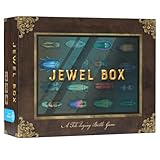
Overview: Jewel Box from Lovemore Games transforms beetle collecting into an engaging strategic tile-placement experience for ages 8+. Supporting 1-4 players in 15-30 minutes, players build personal collections of 75 uniquely illustrated beetles, each scoring differently. The award-winning design balances accessibility with surprising depth, making it ideal for family game nights and educational settings alike.
What Makes It Stand Out: The educational component shines—75 distinct beetle species introduce entomology organically. Each beetle’s unique scoring mechanism creates emergent strategy without overwhelming rules overhead. The Mom’s Choice and Spark’s Play Awards validate its quality. The included solo variant is robust, offering consistent challenge for solo gamers seeking quick, thoughtful sessions.
Value for Money: Positioned as a family game, it undercuts many educational games while delivering superior component variety. The 75 unique beetle tiles provide exceptional replayability at a price point similar to simpler card games. It’s an investment in both entertainment and learning that pays dividends across many plays, growing with your family’s interest in nature.
Strengths and Weaknesses: Strengths include genuine educational value, scalable complexity, quick playtime, and quality illustrations that spark curiosity. The family-friendly design works across generations. Weaknesses: the beetle theme may not engage all players initially, and optimal strategies take several plays to discover, potentially frustrating impatient gamers seeking immediate mastery.
Bottom Line: A standout family game that educates while entertaining. Perfect for curious minds and multi-generational game nights where learning and laughter intersect.
9. Bärenpark Board Game | Tile Placement Strategy Game | Fun Zoo Animal Themed Puzzle Game for Adults and Kids | Ages 8+ | 2-4 Players | Average Playtime 30-45 Minutes | Made by Lookout Games

Overview: Bärenpark by renowned publisher Lookout Games tasks 2-4 players with constructing the most impressive bear park. This 30-45 minute tile-placement puzzle accommodates ages 8+ as you strategically arrange enclosures, animal houses, and shops to maximize points through area completion and achievements. The polyomino mechanic feels familiar yet fresh, appealing to both new and experienced gamers.
What Makes It Stand Out: Lookout Games’ reputation for tight design is evident in the smooth escalation from simple placement to complex spatial puzzles. The achievement system adds expert-level challenges beyond basic scoring. Tactile polyomino tiles feel substantial, and the charming bear theme (plus bonus koalas) creates immediate appeal across ages. The variable setup ensures fresh challenges every session without adding rules complexity.
Value for Money: Competing with games like Patchwork and Isle of Cats, Bärenpark offers comparable quality at a mid-tier price. The component quality and replayability justify the investment. It’s a gateway game that grows with player skill, providing long-term value for families and hobbyists alike, making it financially sensible for expanding collections.
Strengths and Weaknesses: Strengths include accessible rules hiding strategic depth, excellent component quality, scalable complexity via achievements, and broad age appeal. The 2-4 player range is perfect for most families. Weaknesses: the cute theme may deter serious gamers seeking heavier experiences, and the base game can feel repetitive without pursuing achievements, which some casual players might ignore.
Bottom Line: A masterfully designed family-weight game that satisfies both casual and strategic players. Essential for tile-placement fans and family collections seeking quality and longevity.
10. Tile Lock Scrabble by Winning Moves Games USA, Innovative Gameboard Locks Tiles in Place, for 2 to 4 Players, Ages 8 and Up

Overview: Tile Lock Scrabble solves the classic word game’s most persistent frustration: accidentally displaced tiles. This innovative version by Winning Moves features a plastic board with small posts that lock tiles securely in place, allowing you to bump or even lift the board without chaos. It maintains standard Scrabble rules for 2-4 players, ages 8+, ensuring the same great gameplay that has endured for generations.
What Makes It Stand Out: The tile-locking mechanism is brilliantly simple yet transformative—gameplay flows uninterrupted by spills. Four rubber feet protect surfaces, and the all-plastic construction makes it durable for travel or family use. It preserves the authentic Scrabble experience while eliminating the need for delicate play, making it practical for real-world conditions where accidents happen.
Value for Money: Priced slightly above standard Scrabble, the premium is justified if you’ve ever suffered a mid-game tile disaster. For families with children or players in tight spaces, it pays for itself in frustration saved. It’s cheaper than electronic alternatives while maintaining tactile satisfaction and traditional scoring, representing smart value for regular players.
Strengths and Weaknesses: Strengths include solving the fundamental Scrabble problem, durable construction, and maintaining classic gameplay. The locking feature works flawlessly, even when jostled. Weaknesses: plastic components feel less premium than wood, the board lacks the traditional aesthetic some purists prefer, and the posts can make tile removal slightly fiddly for arthritic hands or younger children.
Bottom Line: An essential upgrade for Scrabble enthusiasts. Perfect for families, travelers, or anyone tired of tile catastrophes disrupting brilliant plays and heated vocabulary battles.
Understanding Premium Tile Placement Games
Component Quality and Material Standards
When evaluating premium options, the physical experience matters enormously. Heavy, etched tiles with satisfying weight communicate quality before you even read the rules. Look for games using dense cardboard at least 2mm thick or solid wood pieces with smooth, beveled edges. The tactile difference between flimsy punchboard and substantial tiles transforms routine placement into a deliberate, pleasurable action. Premium publishers often use linen-finished boards that resist glare and feel substantial under your fingers.
Artistic Design and Visual Appeal
Adult collectors appreciate games that double as display pieces. Premium titles feature original artwork that extends beyond functional icons to create cohesive visual narratives. Pay attention to how color palettes serve both aesthetics and gameplay clarity—the best designs use hue and saturation strategically to make information instantly readable while maintaining artistic integrity. Limited edition prints, metallic inks, and spot UV coating elevate the visual experience from game component to art object.
Depth of Strategic Gameplay
A truly premium tile placement game reveals new strategic layers after your tenth, twentieth, or fiftieth play. This depth emerges from interconnected scoring systems where each placement creates ripple effects across multiple objectives. The hallmark of sophisticated design is when simple rules generate complex decisions—every tile you place should feel meaningful, with both immediate consequences and long-term implications that only become apparent several turns later.
Key Mechanical Features to Consider
Scoring Systems and Objectives
The scoring architecture defines your entire experience. Some games reward contiguous groupings of similar features, while others create scoring combinations through adjacency bonuses or completion bonuses. Premium games often feature multiple parallel scoring tracks that force constant prioritization decisions. Consider whether you prefer games where scoring is transparent and calculable versus those with hidden objectives that create dramatic reveals at game’s end.
Tile Drafting Methods
How you acquire tiles dramatically affects game flow and player interaction. Some premium games use central drafting pools where you select from shared options, creating direct competition for key pieces. Others implement hand management systems where you plan several moves ahead with limited tiles. The most sophisticated designs incorporate auction mechanics or economic systems where tile acquisition itself becomes a strategic battlefield requiring resource management skills.
Spatial Reasoning Requirements
Different games challenge your spatial intelligence in distinct ways. Some test your ability to efficiently pack irregular shapes into limited space, rewarding tight, optimized layouts. Others emphasize pattern matching across multiple dimensions, requiring you to visualize how two-dimensional placements affect three-dimensional scoring possibilities. Consider whether you enjoy the puzzle-like satisfaction of perfect fit optimization or the creative expression of building sprawling, interconnected landscapes.
Player Interaction Dynamics
Premium games balance competition with preventing feel-bad moments. Direct conflict mechanics let you place tiles that specifically disrupt opponents’ plans, creating intense head-to-head battles. Indirect interaction through shared resource pools or drafting offers competition without targeted attacks. Cooperative-competitive hybrids let you build shared structures while pursuing individual goals. Your preference here determines whether you want cutthroat competition or a more contemplative shared experience.
Styles That Appeal to Adult Players
Abstract Strategy Focus
For purists who value mechanics over theme, abstract tile placement games strip away narrative to focus on pure spatial competition. These games typically feature symmetrical starting positions and perfect information, making victory entirely dependent on superior planning and adaptation. The premium quality manifests in component elegance—beautiful wooden or resin tiles that feel like chess pieces evolved for modern sensibilities.
Thematic Immersion
Some premium games wrap tile placement in rich narratives that make your decisions feel consequential. You might be building ancient cities, cultivating landscapes, or constructing architectural wonders. The theme integrates with mechanics so that placing a tile feels like advancing a story rather than just optimizing points. These games appeal to players who want their strategy grounded in compelling fiction that sparks imagination between turns.
Economic Engine Building
Advanced tile placement often merges with economic systems where placed tiles generate resources, which then enable future placements. This creates satisfying engine-building loops where early-game decisions cascade into late-game capabilities. Premium examples feature intricate player boards with tracking systems and components that physically represent accumulating wealth, power, or influence, making your growing empire tangible.
Pattern Recognition Challenges
Certain premium titles emphasize recognizing and creating complex patterns across your personal tableau. These games reward visual acuity and planning, as you must identify potential combinations several placements in advance. The satisfaction comes from executing a multi-turn plan that creates an elaborate, point-generating design. Premium versions use distinct, memorable iconography and color schemes that make patterns pop visually while remaining colorblind-accessible.
Making a Smart Investment
Price vs. Play Time Analysis
A $80 game that hits your table fifty times costs less per hour than a $30 game you play twice. Calculate value by estimating replayability. Premium games with modular setups, variable player powers, or random objectives dramatically extend their lifespan. Consider games offering solo modes—this essentially doubles your potential play opportunities, making the investment more defensible for enthusiasts who can’t always gather a group.
Expansion Compatibility
Many premium tile placement systems are designed as platforms rather than standalone experiences. Investigate whether the base game supports expansions that add new tiles, mechanics, or modules. A well-supported system can evolve with your group’s preferences, preventing the game from growing stale. However, ensure the base game feels complete on its own—reliance on expansions for a satisfying experience signals a weak core design.
Solo and Solo-Variant Support
The mark of a premium modern game is robust solo gameplay. Look for dedicated solo modes with AI opponents that simulate human decision-making through card-driven systems or automa decks. These should offer genuine strategic challenge, not just beat-your-own-score exercises. Games with strong solo variants provide flexibility for weeknight gaming and let you master mechanics before teaching friends.
Collector’s Value and Limited Editions
Some premium releases appreciate in value, especially limited print runs with upgraded components. Kickstarter editions often include exclusive tiles, metal coins, or wooden tokens unavailable in retail versions. While speculation shouldn’t drive your primary purchase decision, understanding the collector’s market helps you recognize when a premium price includes genuinely rare components versus just fancy but non-essential upgrades.
Building a Balanced Collection
Starting with Accessible Gateways
Even premium collections benefit from including approachable titles that introduce new players to the genre. These games feature intuitive core loops where the basic rules can be explained in five minutes, but mastery requires dozens of plays. They serve as perfect entry points for friends unfamiliar with modern gaming while still offering enough depth to satisfy your expert eye. Look for games with helpful player aids and clear iconography that minimizes rulebook consultation.
Advancing to Heavyweight Systems
Your collection needs showpiece games for dedicated game nights—these are the three-hour epics with intricate rulebooks and deep strategic oceans. Heavyweight tile placement games often integrate multiple mechanics: tile drafting, worker placement, resource management, and area control. They reward repeated plays within the same gaming group, as understanding subtle interactions between systems creates a meta-game of ever-evolving strategies.
Balancing Different Player Counts
Premium games should match your typical gaming situations. Some excel with two players, creating intense tactical duels where every tile matters. Others shine at four or five players, generating dynamic ecosystems of competition and opportunity. Games with scalable design that maintain their essence across player counts offer maximum utility, but specialized titles for specific counts often deliver superior experiences at their intended numbers.
Storage and Component Organization Solutions
Premium components deserve premium storage. Many enthusiasts upgrade their games with custom inserts, either commercially available or 3D-printed solutions. These organizers reduce setup time, protect components, and make the game feel more luxurious. When evaluating a purchase, consider whether the box design accommodates organized storage or if you’ll need to invest additional money in aftermarket solutions to maintain that premium feel.
Advanced Considerations for Enthusiasts
Tournament and Competitive Play Potential
Some premium tile placement games support organized play with official tournaments, ranked online implementations, and active competitive communities. If you enjoy testing your skills against the best, research whether a game has established competitive scene. These games typically feature balanced player powers, minimal luck factors, and clear resolution of edge cases—qualities that also enhance casual play by ensuring fairness.
Digital Implementation Quality
Many premium games offer digital versions that serve as teaching tools and solo practice environments. A well-executed app can help you internalize rules and test strategies before introducing the physical game to your group. Check whether the digital version includes the full premium component experience or if it uses simplified graphics. Some apps even offer asynchronous play, letting you enjoy your favorite titles with distant friends.
Community and Content Creator Support
A vibrant community extends a game’s value through fan-created content, strategy guides, and variant rules. Search for active forums, Discord servers, or Reddit communities discussing the game. Strong content creator support means you’ll find video playthroughs, rules explanations, and strategy discussions that help you maximize enjoyment. This ecosystem transforms a game from a product into a hobby within your hobby.
Legacy and Campaign Variants
The ultimate premium experience might be a legacy tile placement game where your board permanently changes through stickers, destroyed components, or written-on tiles. These campaign-style games deliver twenty or more sessions telling a connected story. While this means the game has a finite lifespan, the memories and unique outcomes create a gaming artifact that’s literally one-of-a-kind by the end—an experience worth the premium price for dedicated groups.
Frequently Asked Questions
What price range qualifies a tile placement game as “premium”?
Premium tile placement games typically retail between $60 and $120, with some deluxe editions exceeding $150. This price reflects component quality, art investment, and design complexity rather than just brand markup. A game priced at $80 with thick wooden tiles, linen-finished boards, and original artwork offers better value than a $40 game with thin punchboard and stock art.
How do I know if a tile placement game is too complex for my group?
Check the game’s weight rating on board game databases—anything above 3.5/5 is considered heavy. Read rules summaries to see if core mechanics can be explained in under ten minutes. Premium games often include tutorial scenarios or simplified first-play variants. If the rulebook exceeds 20 pages without a quick-start guide, it might overwhelm casual players.
Can premium tile placement games be played solo effectively?
Yes, many modern premium games include dedicated solo modes using automa decks or AI opponents. These should offer win rates around 40-60% for experienced players. Avoid games where solo play is just “beat your own score” unless you specifically enjoy optimization puzzles. The best solo variants maintain the multiplayer game’s tension and decision-making.
What’s the difference between a deluxe edition and a standard premium game?
Deluxe editions typically add non-essential upgrades: metal coins, wooden tokens, larger tiles, or miniatures. The core gameplay remains identical. A true premium game has excellence built into its standard version. Deluxe editions are for collectors or enthusiasts who’ve already decided they love the game—don’t pay extra for your first copy.
How important is theme versus mechanics in premium games?
This depends entirely on your preference. Abstract strategy fans prioritize mechanics and don’t mind pasted-on themes. Narrative-driven players need theme-mechanic integration where placing tiles feels logically connected to the story. Premium games in either category excel when they commit fully—half-hearted theming or overcomplicated mechanics both detract from the experience.
Should I buy expansions with the base game?
Generally, no. Play the base game 5-10 times first to ensure you enjoy the core loop. Many expansions fix problems that don’t bother your group or add complexity you don’t need. However, if an expansion is known to be essential and bundled at a discount, it might be worth the risk. Read reviews specifically addressing whether the base game feels incomplete without expansions.
How do I protect my investment in premium games?
Use baggies or plano boxes to prevent tile wear during storage. Keep games away from direct sunlight to prevent fading. For expensive wooden tiles, consider applying a light coat of furniture wax to prevent moisture damage. Always wash hands before playing to reduce oil transfer, and use a playmat to protect boards from table scratches.
What’s the best player count for premium tile placement games?
Most premium games excel at 3-4 players, offering enough interaction without excessive downtime. Two-player games tend to be more tactical and confrontational. Five-player games often introduce too much chaos and longer waits between turns. Check specific reviews for player count recommendations—some games are specifically designed for two and feel bloated with more.
How long should a premium tile placement game take to play?
For adult game nights, 60-90 minutes hits the sweet spot—long enough for strategic depth but not so long that fatigue sets in. Heavyweight games can run 2-3 hours and suit dedicated gaming sessions. Anything under 45 minutes might lack the complexity to justify premium pricing, while games exceeding three hours need exceptional engagement to warrant the time investment.
Can I mix tile placement games with other mechanics in my collection?
Absolutely. Many premium games blend tile placement with worker placement, deck-building, or resource management. This variety keeps your collection fresh. However, ensure you have at least one “pure” tile placement game that focuses solely on spatial strategy. This gives you options for different moods and helps new players learn the core mechanic before tackling hybrid designs.
See Also
- 10 Premium Tile Placement Games for Adult Game Nights (Worth the Investment)
- 10 Premium Tile Placement Games for Adult Board Game Collectors (Worth the Investment)
- We Tested 50 Tile Placement Games - Here are the 10 Best for Party Game Lovers
- 10 Tips for Finding the Perfect Tile Placement Games for Game Night in 2026
- 10 Must-Have Tile Placement Games for Pattern Building Enthusiasts in 2026