Table of Contents
As organizations continue to evolve their approach to team development in 2026, cooperative board game expansions have emerged as powerful tools for fostering genuine collaboration beyond traditional trust falls and icebreakers. These carefully designed additions to base games create dynamic scenarios where colleagues must navigate complex challenges together, revealing natural leadership tendencies, communication patterns, and problem-solving styles in low-stakes environments that translate directly to workplace dynamics.
The magic lies in how expansions transform familiar cooperative experiences into fresh, layered challenges that prevent veteran players from falling into predictable routines while giving newcomers meaningful ways to contribute. Unlike competitive games that can sometimes reinforce siloed thinking, cooperative expansions build shared investment in collective success, making them particularly valuable for cross-functional teams, remote-hybrid groups seeking connection, and departments undergoing restructuring who need to establish new rhythms of working together.
Top 10 Cooperative Game Expansions
Detailed Product Reviews
1. Scorpion Masqué Sky Team Turbulence Expansion | Cooperative Dice Game | Ages 12+ | 2 Players | 20 Minutes

Overview: This expansion for the two-player cooperative dice game Sky Team introduces ten new airports and twenty scenarios that transform calm flights into white-knuckle crises. Turbulence layers mechanical failures, severe weather, and system alarms onto the base game’s tense landing mechanics. Each destination brings unique challenges requiring precise communication under pressure, all fitting neatly inside the original box.
What Makes It Stand Out: The expansion distinguishes itself by escalating Sky Team’s tension without bloating rules. Scenarios stack multiple complications simultaneously—imagine landing in Beijing with turbulence, low visibility, AND alarms. The compact storage solution demonstrates thoughtful design, while asymmetric airport difficulties create meaningful variety. It essentially provides a “hard mode” toolkit that feels like natural evolution.
Value for Money: At approximately $20-25, Turbulence delivers exceptional value for dedicated pilots. Twenty scenarios provide dozens of hours of fresh content, and base-game-box integration saves shelf space. Compared to standalone games with similar content, this costs half as much while deepening an excellent system. The base game requirement is the only financial caveat.
Strengths and Weaknesses: Strengths include seamless integration, space-efficient design, and genuinely challenging content that respects player skill. Weaknesses: it requires the base game; difficulty spikes may frustrate newer players; and the two-player limit remains. Some scenarios feel punishingly random despite skillful play, potentially discouraging casual groups.
Bottom Line: For Sky Team owners who’ve mastered standard landings, Turbulence is essential. It transforms the game from a tense puzzle into a crisis simulator. The modest price and compact design make it an easy recommendation, though casual players may find the difficulty overwhelming. Veteran teams will relish the escalating challenge.
2. Asmodee Pandemic Board Game (Base Game) - A Cooperative Battle to Save Humanity, Strategy Game for Kids and Adults, Ages 8+, 2-4 Players, 45 Minute Playtime

Overview: Pandemic revolutionized cooperative gaming by tasking 2-4 players with saving humanity from four deadly diseases. As disease-fighting specialists, players travel the globe, treat infections, and research cures before outbreaks cascade into catastrophe. With a 45-minute playtime and intuitive mechanics, it remains the gold standard for introducing newcomers to strategic teamwork.
What Makes It Stand Out: The game’s brilliance lies in its perfect balance of accessibility and strategic depth. Each role—like the Medic or Operations Expert—offers genuinely unique powers that demand collaborative planning. The Infection Deck’s unpredictability creates emergent narratives, while the escalating Epidemic cards generate palpable tension. Its theme-to-mechanism integration is virtually unmatched in the genre.
Value for Money: Retailing around $40, Pandemic offers extraordinary value. The base game alone provides hundreds of hours of replayability, and its ecosystem includes numerous expansions and spin-offs. For families seeking one versatile game, this outperforms multiple cheaper purchases. Its durability and broad appeal justify every penny, especially compared to similarly priced competitive games.
Strengths and Weaknesses: Strengths: elegant ruleset, meaningful cooperation, strong replayability, and excellent production quality. The difficulty scales well for different skill levels. Weaknesses: experienced players can “quarterback” newer ones; luck can occasionally override strategy; and extended play may feel repetitive without expansions. The base game’s components, while functional, aren’t premium.
Bottom Line: Pandemic belongs in every board game collection. It’s the definitive gateway cooperative game that grows with your group. While expansions enhance longevity, the base experience stands complete. Perfect for families, classrooms, or game nights, it delivers accessible depth that continues to inspire the entire genre fifteen years after release.
3. 5-Minute Dungeon: Curses! Foiled Again! Expansion | Real-Time Cooperative Board Game Add-On | New Heroes, Curses, Artifacts | 1-6 Players, Ages 8+ | Wiggles 3D

Overview: This expansion injects fresh chaos into the real-time card-slinging frenzy of 5-Minute Dungeon. Adding two heroes—Druid and Shaman—it expands player count to six while introducing persistent Curses that warp game rules and boss-specific card sets that make each dungeon feel distinct. Six single-use artifacts provide clutch tactical options.
What Makes It Stand Out: The Curse mechanism is the star, flipping the script mid-dungeon with rule-bending complications that stick until defeated. Boss-specific decks transform each finale into a unique puzzle rather than a generic damage sponge. The Druid and Shaman integrate seamlessly, offering novel abilities without complexity creep. These additions preserve the base game’s breakneck pace while adding strategic wrinkles.
Value for Money: Priced around $15-20, this expansion delivers solid value for fans craving variety. The increased player count alone extends the game’s utility to larger groups. While not essential for casual players, enthusiasts will appreciate how Curses and specialized bosses multiply strategic possibilities. Compared to buying a new game, it economically revitalizes an existing favorite.
Strengths and Weaknesses: Strengths: Curses create hilarious, memorable moments; new heroes feel balanced; boss variety adds replayability; six-player support is genuinely useful. Weaknesses: requires base game; Curses can compound frustration if you’re already struggling; setup time increases slightly; and the chaos may alienate players who prefer controlled strategy over frantic fun.
Bottom Line: For 5-Minute Dungeon devotees, Curses! Foiled Again! is a no-brainer. It meaningfully expands content while respecting the core experience. The Curse system alone provides countless laugh-out-loud scenarios. However, if you found the base game too chaotic, this doubles down on that intensity. Best for groups embracing the madness.
4. Talisman Alliances: Fate Beckons Board Game | Talisman Expansion | Cooperative Fantasy Adventure Games | Ages 12+ | 2 to 6 Players
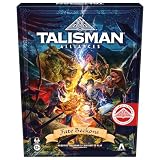
Overview: This groundbreaking expansion transforms the competitive fantasy adventure Talisman into a fully cooperative campaign. 2-6 players must unite against evil, conquering five sequential Trials by placing Talismans, unsealing portals, and defeating unique adversaries. Mystery envelopes and boxes progressively reveal new components, creating a legacy-style experience within the Talisman universe.
What Makes It Stand Out: The cooperative overhaul is revolutionary for Talisman, forcing resource sharing and collective strategy rather than cutthroat competition. The five-Trial campaign structure with mystery component reveals adds genuine legacy-style excitement. Each Trial’s unique adversary and objectives provide narrative thrust that the base game notoriously lacks, making this feel like Talisman 2.0.
Value for Money: At roughly $50-60, this is a premium expansion requiring the $60+ base game. For Talisman devotees, the campaign content and cooperative mode justify the investment, essentially delivering a new game experience. Casual fans may balk at the total cost. Compared to standalone campaign games, the value depends entirely on your Talisman attachment.
Strengths and Weaknesses: Strengths: brilliant cooperative conversion; campaign structure adds purpose; mystery components create excitement; and it revitalizes a classic. Weaknesses: high total investment; requires significant table space and time; may alienate competitive Talisman purists; and some Trials can feel repetitive. The rulebook’s organization could be clearer for the campaign’s complexity.
Bottom Line: Alliances is essential for Talisman fans seeking narrative cohesion and teamwork. It brilliantly reimagines the core experience while honoring its roots. However, the steep combined price and requirement for multiple plays to experience all content make it a specialist purchase. Competitive players should stay away; cooperative groups should dive in.
5. Pandasaurus Cooperative Strategy Card Game - Fun Interactive Family Game for Ages 8+, 1-5 Players, 20 Minute Playtime

Overview: Known simply as “The Game,” this award-winning card game challenges 1-5 players to cooperatively discard two card decks by playing numbers in ascending and descending piles. With strict communication rules and limited information, teams must intuit each other’s strategies to avoid deadlock. It’s a 20-minute exercise in collective logic and trust.
What Makes It Stand Out: Its minimalist design belies extraordinary depth. The forbidden communication creates delicious tension—you can hint but not dictate, forcing genuine teamwork. With over 1.3 million copies sold, its Spiel Des Jahres nomination validates the elegant simplicity. The solo mode is surprisingly robust, and the two-deck system creates emergent complexity from just 98 cards.
Value for Money: At $12-15, The Game is arguably the best value in cooperative gaming. Its small box and low price deliver hundreds of plays without repetition. Unlike larger games requiring expansions, the base experience feels complete. For budget-conscious buyers or as a stocking stuffer, it outperforms virtually everything in its price class.
Strengths and Weaknesses: Strengths: impeccable price-to-content ratio; portable; quick setup; scales perfectly from 1-5 players; and creates genuine “aha!” moments. Weaknesses: extremely abstract theme; can induce analysis paralysis despite simplicity; and the title makes online searching impossible. Player elimination isn’t possible, but early mistakes can make the endgame feel predetermined.
Bottom Line: The Game is a masterpiece of minimalist design that belongs in every collection. Its genius lies in turning simple card play into profound cooperation. While the theme is nonexistent, the gameplay is instantly teachable and infinitely replayable. Perfect as a filler, icebreaker, or serious mental challenge—an undeniable bargain.
6. Stellar Factory Ravine: A Crafty and Cooperative Card Game
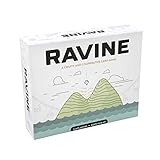
Overview: Stellar Factory Ravine is a cooperative party game that tasks 3-6 players with surviving a desert island together. The game includes 193 casino-quality cards and wooden health tokens, creating a tactile, premium experience. Designed for ages 12 and up, it emphasizes quick onboarding and immediate engagement.
What Makes It Stand Out: The production quality immediately impresses—casino-grade cards and screen-printed wood tokens elevate this above typical party games. The cooperative nature fosters genuine teamwork rather than competition, making it ideal for building camaraderie. Its “easy to learn” design philosophy means you can teach it in under 10 minutes and play within 15, perfect for game nights with mixed experience levels.
Value for Money: Compared to other party games in the $25-35 range, Ravine’s component quality justifies every penny. The wooden tokens alone would cost nearly as much from a craft store. While lighter than strategy-heavy alternatives, it delivers consistent replay value through card variety and emergent player dynamics.
Strengths and Weaknesses: Strengths include exceptional component quality, genuinely accessible rules, and the rare cooperative party game format. The 3-6 player range covers most groups, and the 12+ age rating is appropriate. Weaknesses: strategy gamers may find it too light, and the player minimum of three excludes couples or solo play. Some scenarios can feel swingy based on card draws.
Bottom Line: Ravine is an excellent choice for groups seeking a quick, cooperative party game with premium components. It won’t satisfy hardcore strategists, but for casual game nights and team-building, it’s a stellar addition.
7. The Wizard’s Tower ⎸Castle Panic Expansion ⎸Board Game for Adults and Family ⎸Cooperative Board Game ⎸Ages 8+ ⎸for 1 to 6 Players

Overview: The Wizard’s Tower expansion transforms the base Castle Panic experience by introducing arcane spells and formidable new threats. This add-on requires the original game and supports 1-6 players aged 10+, extending playtime to approximately 60 minutes of cooperative tower defense.
What Makes It Stand Out: The dedicated Wizard’s deck fundamentally changes tactics, allowing players to cast powerful spells against flying monsters and Mega Bosses. The fire token mechanic adds urgent, spatial complexity as flames spread through your castle. This isn’t just more content—it’s a mechanical evolution that deepens the base game’s decision space while maintaining accessibility.
Value for Money: For Castle Panic owners, this expansion delivers exceptional value. It essentially doubles the game’s lifespan with 49 new monsters and new castle cards. Compared to standalone games, expansions typically offer better ROI for invested players. The thematic integration feels seamless rather than tacked-on.
Strengths and Weaknesses: Strengths include high replay value through new monsters and spells, preserved ease-of-learning, and enhanced social coordination. The flying monster mechanic cleverly subverts standard strategies. Weaknesses: requires the base game (non-negotiable), and the increased complexity may overwhelm younger players at the lower end of the age range. Some spells can feel overpowered without proper monster scaling.
Bottom Line: An essential purchase for Castle Panic enthusiasts. The Wizard’s Tower successfully deepens gameplay without sacrificing the core appeal, making every subsequent playthrough more dynamic and memorable.
8. Asmodee The Lord of The Rings The Card Game The Two Towers SAGA Expansion - Cooperative Adventure Game, Strategy Game, Ages 14+, 1-4 Players, 30-90 Min Playtime

Overview: This saga expansion continues your journey through Middle-earth, recreating the epic events of The Two Towers in the cooperative Lord of the Rings LCG framework. It combines two previous expansions into one comprehensive package for 1-4 players, offering six scenarios that capture the fellowship’s splintering narrative.
What Makes It Stand Out: The expansion’s narrative fidelity shines, letting players pursue captors with Aragorn or defend Helm’s Deep. With over 50 new hero and player cards, it significantly expands deck-building possibilities across all campaigns, not just these scenarios. The combined content approach provides exceptional value, merging The Treason of Saruman and The Land of Shadow into a seamless experience.
Value for Money: For $40-50, you’re effectively getting two expansions in one, making it economical for completists. The cards integrate with any LOTR LCG scenario, extending value beyond the included six adventures. Compared to buying individual adventure packs, saga expansions offer better narrative cohesion and component density.
Strengths and Weaknesses: Strengths include thematic immersion, substantial card pool, and high replayability through deck experimentation. The 14+ age rating reflects strategic depth. Weaknesses: requires substantial base game investment, and the 30-90 minute playtime varies wildly based on player count and deck strength. Newcomers face a steep learning curve with complex timing windows.
Bottom Line: A must-have for Tolkien fans and dedicated LOTR LCG players. Casual gamers should start with the base set first, but this expansion represents the saga at its most epic.
9. The Dark Titan ⎸Castle Panic Expansion ⎸Board Game for Adults and Family ⎸Cooperative Board Game ⎸Ages 8+ ⎸for 1 to 6 Players

Overview: The Dark Titan expansion introduces Agranok, an eight-point monstrosity that elevates Castle Panic’s challenge to new heights. Requiring the base game, this add-on supports 1-6 players and brings elite monsters, a cavalier defender, and boiling oil mechanics to the cooperative tower defense formula.
What Makes It Stand Out: Agranok’s five difficulty levels create a scalable endgame boss that transforms each session into a climactic showdown. The Elite Monsters aren’t just tougher—they introduce new tactical considerations. The Cavalier piece adds mobile defense options, while Support tokens provide resource management depth. This expansion focuses on escalating threat rather than complexity.
Value for Money: With 17 new monsters and modular difficulty, The Dark Titan offers targeted value for groups who’ve mastered base Castle Panic. The variable Agranok levels essentially provide five different endgame experiences. At standard expansion pricing, it’s justified for frequent players seeking renewed challenge.
Strengths and Weaknesses: Strengths include the brilliant difficulty scaling system, enhanced endgame tension, and maintained accessibility. The components integrate seamlessly with existing content. Weaknesses: requires base game, and the difficulty spike can frustrate newer players. Some groups may find Agranok dominates the narrative, reducing variety. The 10+ age rating is optimistic for the harder modes.
Bottom Line: Perfect for Castle Panic veterans craving greater challenge. The Dark Titan delivers focused, scalable difficulty that breathes new life into the base game without overcomplicating its elegant core.
10. Corps of Discovery: Insecta Expansion – Giant Insect Encounter for The Cooperative Board Game | 1–4 Players

Overview: The Insecta Expansion introduces a swarming insect menace to the Corps of Discovery cooperative board game. Designed for 1-4 players, this add-on requires the base game and adds giant insects, new gear, destiny cards, and a unique frog-like boss monster named Ranaidae to your exploration campaigns.
What Makes It Stand Out: The insect enemy type fundamentally changes combat dynamics with swarm mechanics that overwhelm traditional defensive strategies. The Ranaidae boss battle near shorelines provides a distinct, memorable set-piece encounter. Ten new map scenarios significantly expand campaign variety, while fresh gear and destiny cards enable novel deck-building approaches that reinvigorate existing character builds.
Value for Money: For an expansion, Insecta delivers substantial content—new enemy type, boss, cards, and maps. The replayability boost is immediate, especially for groups who’ve exhausted base scenarios. Compared to full game replacements, expansions like this offer efficient content injection at roughly half the price of a new base game.
Strengths and Weaknesses: Strengths include the thematic insect mechanics, expanded strategic depth, and generous map content. The Ranaidae boss adds welcome variety. Weaknesses: requires base game (critical), and the insect theme may not appeal to all players. The expansion’s difficulty can spike unexpectedly with swarm mechanics. Limited to 4 players, excluding larger groups.
Bottom Line: An excellent expansion for Corps of Discovery fans. The insect mechanics provide fresh tactical challenges that justify the investment, though thematic preferences should guide your decision.
Why Cooperative Game Expansions Matter for Team Building
The Psychology of Shared Challenges
When teams face artificial adversity together, they activate the same psychological mechanisms that bond people during real workplace crises—minus the actual career risk. Expansions amplify this effect by introducing novel obstacles that can’t be solved through individual heroics. The shared dopamine release when a group conquers a particularly tricky scenario creates lasting positive associations between teammates. This biochemical bonding becomes especially potent when expansions include elements that require players to sacrifice personal advantages for the group’s benefit, mirroring the trade-offs inherent in collaborative work environments.
How Expansions Transform Base Games
Base cooperative games often become solvable puzzles once groups master optimal strategies. Expansions disrupt this complacency by injecting uncertainty and new variables that force teams to abandon rote solutions. They typically introduce mechanics that specifically target weaknesses in group dynamics—perhaps by limiting communication, creating information asymmetry, or adding time pressure that reveals how teams prioritize under stress. This intentional disruption is what makes expansions more valuable than simply playing new base games; they build on existing shared language while challenging established patterns.
Key Features to Look for in Team-Building Expansions
Scalability for Different Group Sizes
The best team-building expansions accommodate fluctuating participant numbers without breaking the experience. Look for designs that include flexible scaling mechanisms—perhaps variable board configurations, adjustable difficulty toggles, or character roles that can be combined or split among players. This adaptability proves essential when you’re planning activities for departments that might bring 4 people one month and 7 the next. Expansions that gracefully handle 3-8 players give you maximum utility across different team sizes and organizational levels.
Asymmetric Role Distribution
Expansions that assign fundamentally different capabilities to each player create natural interdependence. When one person can move pieces efficiently, another manages resources, and a third interprets hidden information, no single participant can dominate decision-making. This structure mirrors cross-functional workplace teams where marketing, engineering, and operations each bring distinct expertise. The key is finding expansions where these asymmetric roles feel equally valuable—where the quiet analyst role is just as critical as the decisive action-taker, validating different work styles within your team.
Escalating Difficulty Curves
Progressive challenge structures allow teams to build confidence before facing truly demanding scenarios. Expansions with tiered difficulty—perhaps through modular enemy decks, adjustable win conditions, or optional “hard mode” objectives—let you start groups at an appropriate level and ramp up as their cohesion improves. This progression creates measurable milestones that map to team development stages: forming, storming, norming, and performing. You can literally watch a team that struggled with “introductory” challenges dominate “expert” levels by their third session, providing concrete evidence of their growing synergy.
Communication Mechanics
The most revealing expansions deliberately constrain or reshape how players communicate. Some might limit discussion time, forcing concise, high-impact contributions. Others could restrict who can speak to whom, simulating departmental silos or remote communication barriers. Look for mechanics that require players to convey complex information through limited channels—perhaps using only non-verbal cues or restricted vocabulary. These constraints surface real communication gaps that facilitators can address during debriefs, making the abstract concept of “better communication” tangible and actionable.
Time Pressure Elements
Strategic expansions introduce timers not merely to create panic, but to force prioritization decisions that reveal team values. Does the group immediately tackle urgent but low-impact tasks, or do they risk short-term losses for long-term gains? The clock becomes a diagnostic tool, exposing whether a team defaults to reactive firefighting or maintains strategic focus under pressure. Variable timing mechanics—where players can invest resources to “buy time”—add fascinating layers of resource-to-time valuation that directly correlates to project management trade-offs in professional settings.
Resource Management Layers
Expansions that complicate resource economies test a team’s ability to plan collectively and distribute assets fairly. The key is finding designs where resources are genuinely scarce and decisions are morally complex—perhaps choosing between upgrading one player’s abilities versus maintaining group emergency funds. These mechanics surface individual versus collective mindset tensions in safe, observable ways. Watch for expansions that introduce “selfish” options alongside altruistic ones; the choices teams make reveal their underlying culture and provide rich discussion material for post-game analysis.
Narrative Campaign Structures
Campaign-based expansions that connect multiple sessions create continuity that strengthens team identity. When today’s decisions affect next week’s starting position, players develop longer-term thinking and group accountability. The narrative wrapper—whether survival horror, space exploration, or fantasy questing—provides shared metaphors that teams adopt as inside references. “Remember when we risked everything on that one dice roll in Session 3?” becomes organizational folklore that reinforces risk-taking and collective memory, far more powerful than disconnected one-off activities.
Modular Board Design
Expansions offering modular board pieces or tile-laying mechanics create unique scenarios for every playthrough, preventing veteran players from relying on memorized patterns. This variability ensures that “optimal” strategies must be adapted on the fly, rewarding flexible thinking over rigid planning. For team building, this means the group can’t fall back on “the way we’ve always done it”—they must actively collaborate to understand the new layout’s implications. Look for expansions where board modularity directly impacts strategic options rather than just cosmetic variation.
Hidden Information Dynamics
Mechanics that distribute information unevenly across players test a team’s information-sharing protocols. When one person knows the threat but not the resources, while another sees the resources but not the objective, successful completion requires deliberate, structured communication. These designs mirror workplace situations where sales has client insights that engineering needs, but organizational barriers prevent natural knowledge flow. The expansion becomes a practice ground for developing communication rituals and verifying shared understanding—skills directly transferable to cross-functional projects.
Achievement and Progression Systems
Expansions with unlockable content or achievement tracks provide visible markers of team growth that extend beyond single sessions. When groups earn persistent upgrades or unlock new challenge modes through collaborative success, they build a shared history of accomplishment. This progression creates positive reinforcement loops where teams want to return and tackle harder content together. For organizational use, these systems can be mapped to team development goals—perhaps unlocking “expert mode” represents readiness for high-stakes projects, making the abstract concept of team maturation concrete and celebratory.
Implementing Expansions in Professional Settings
Pre-Game Briefing Strategies
Successful team-building sessions start with framing that connects game mechanics to workplace parallels. Brief participants on the specific team dynamics you want to observe—perhaps decision-making speed or cross-functional communication—so they know what to reflect on. Establish ground rules that encourage psychological safety, like “no blaming” and “celebrate experiments.” Consider assigning rotating leadership roles even before gameplay begins to give everyone practice facilitating discussions. This preparation transforms the activity from casual fun into intentional skill development.
Facilitator Roles and Responsibilities
A skilled facilitator observes silently, resisting the urge to coach during gameplay. Their job is to note specific moments where communication broke down, where one voice dominated, or where creative solutions emerged. Keep a simple observation grid tracking participation balance, decision-making speed, and emotional tone. Only intervene if the group becomes genuinely stuck in a way that creates frustration rather than productive challenge. The goal is to let natural team dynamics surface, not to ensure they win the game.
Post-Game Debriefing Techniques
The debrief is where 80% of the learning happens. Use open-ended questions that connect game events to workplace patterns: “When the crisis hit in Round 3, how did you decide who led the response?” or “What information didn’t get shared that you wish had?” Consider having players rate their own contribution and others’ on specific dimensions like “strategic thinking” versus “supportive communication” to reveal perception gaps. Document key insights and action items, then revisit them in future team meetings to reinforce that the game was serious skill-building, not just entertainment.
Measuring Team Building Success Through Gameplay
Observational Metrics
Track quantifiable behaviors across sessions: average time to first decision, number of ideas proposed per person, instances of building on others’ suggestions versus shutting them down. Look for trends—does participation become more balanced over time? Do decisions accelerate while maintaining quality? These metrics provide objective evidence of improvement that satisfies ROI-focused stakeholders. Create simple rubrics that rate team performance on dimensions like “information sharing,” “adaptive strategy,” and “emotional support” to make soft skills development measurable.
Feedback Collection Methods
Post-session surveys should focus on transferability: “What did you learn about your teammates’ working styles?” rather than “Did you have fun?” Use 360-degree feedback where players evaluate both the experience and their own contributions. Include questions about psychological safety—“Did you feel comfortable suggesting unconventional ideas?"—to gauge whether the environment supports innovation. Collect qualitative anecdotes about specific breakthrough moments; these stories become powerful testimonials for continuing the program and often reveal insights that quantitative metrics miss.
Frequently Asked Questions
What makes cooperative game expansions better than base games for team building?
Expansions build upon established rules that returning team members already understand, allowing deeper strategic collaboration rather than repeated rule-teaching. They introduce novel challenges that disrupt mastered patterns, forcing teams to adapt together rather than rely on individual expertise. This creates fresh observational opportunities for facilitators who’ve already seen the team’s base-game dynamics.
How long should a team-building game session last?
Optimal sessions run 60-90 minutes including debrief. This length provides enough gameplay for meaningful patterns to emerge while respecting busy schedules. Campaign-based expansions can be broken into 45-minute modules with brief connecting debriefs. Avoid sessions under 30 minutes—they rarely generate the crisis moments that reveal true team dynamics.
Can these expansions work for remote or hybrid teams?
Many modern expansions include digital implementations or can be played via tabletop simulators with video conferencing. The key is selecting expansions where communication constraints are part of the design, which actually mirrors remote work challenges. Ensure all participants have stable internet and a second screen for game boards; consider shipping physical components to remote members for tactile engagement.
What if some team members are experienced gamers while others are beginners?
Choose expansions with scalable complexity tiers and asymmetric roles where expertise can be distributed. Assign veteran players support-focused roles that require them to coach rather than dominate. Frame the session as “learning together” rather than competition, and select expansions where over-optimization by one player often hurts the group—this naturally constrains expert dominance.
How do we justify the cost to leadership?
Calculate cost per participant versus traditional training workshops. Most expansions cost less than $50 and can be reused indefinitely across multiple teams. Present observational metrics showing improved communication patterns and decision-making speed. Emphasize that unlike one-off training, these tools create ongoing development opportunities and team bonding that reduces turnover and improves cross-functional project efficiency.
Should the boss participate or just observe?
This depends on your goal. If assessing natural team dynamics, have leaders observe—their presence changes behavior. If building rapport and flattening hierarchies, include them as equal participants with a facilitator ensuring they don’t dominate. For new teams, leader participation can accelerate trust-building; for established teams with known issues, external observation provides clearer diagnostic data.
How often should we run these sessions?
Monthly sessions create rhythm without becoming burdensome. Campaign-based expansions work well for quarterly deep dives, with each session building on the last. Avoid weekly sessions—they become routine and lose impact. Space sessions at least two weeks apart to allow teams to apply insights from debriefs to real work, then return and reflect on that application.
What if our team gets too good at an expansion and starts winning easily?
This signals it’s time to increase difficulty tiers or introduce “house rules” that constrain communication further. Some expansions include “challenge modes” that flip mechanics—perhaps making previously beneficial actions harmful. You can also rotate facilitators who introduce new constraints mid-game, like “no talking for two rounds,” to test adaptability.
Can we use these expansions for conflict resolution between specific team members?
Yes, but requires careful facilitation. Choose expansions with forced partnership mechanics where those individuals must share information or resources to succeed. A neutral facilitator should observe their interaction patterns specifically during debrief. Don’t force them into direct competition within the cooperative framework—instead, engineer situations where their distinct skills are both critical and must be integrated.
How do we select the right expansion for our team’s specific issues?
Map your team challenges to expansion mechanics. If communication silos are the problem, choose expansions with strict information-sharing constraints. If decision paralysis plagues you, select ones with relentless time pressure. If lack of innovation is the issue, pick expansions that reward risky, unconventional strategies. Start with a diagnostic session using a general-purpose expansion to identify specific dysfunction, then select targeted expansions that address those patterns.
See Also
- 10 Must-Have Cooperative Game Expansions for Team Play in 2026
- 10 Must-Have Cooperative Game Expansions for Team Gameplay in 2026
- We Tested 50 Cooperative Game Expansions - Here are the 10 Best for Team Play in 2026
- We Tested 50 Cooperative Game Expansions - Here are the 10 Best for Team Building
- 10 Must-Have Cooperative Game Expansions for Team-Based Fun in 2026