Table of Contents
Imagine the crackle of a campfire under a star-strewn sky, but instead of marshmallows, you’re gathered around a table scattered with custom miniatures, weathered maps, and cards hinting at ancient secrets. This isn’t just gameplay—it’s collective storytelling where every decision ripples through an unfolding saga. Cooperative adventure board games have evolved beyond simple dice rolls; they’re immersive theaters where you and your companions become the authors of your own legendary quest. In an era craving genuine connection, these experiences offer something rare: shared vulnerability, triumph against impossible odds, and memories forged not in competition, but in the quiet moments of strategizing by candlelight or erupting in cheers when the final boss falls.
What makes 2026 the perfect moment for this genre? It’s not about flashy gadgets, but a deeper cultural shift. We’re moving past passive entertainment toward experiences that demand participation, empathy, and teamwork—skills that feel increasingly vital in our fragmented world. Modern cooperative adventures now weave narrative depth with intuitive mechanics, ensuring even non-gamers feel the thrill of turning the next page. Forget winner-takes-all; here, victory is measured in inside jokes, gasped reactions, and the lingering satisfaction of having overcome darkness together. Whether you’re a seasoned tactician or a storytelling novice, the right game can transform your living room into a portal to adventure, making every session a testament to what we can achieve when we truly play as one.
Top 10 Adventure Cooperative Board Games
Detailed Product Reviews
1. Gamewright - Forbidden Island - Cooperative Strategy Survival Board Game, 2-4 Players
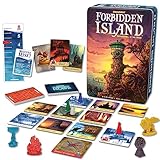
Overview: Gamewright’s Forbidden Island, designed by Matt Leacock, is a cooperative board game where 2-4 players race against time to collect four sacred treasures from a sinking island before it vanishes. Aimed at ages 10+, it emphasizes teamwork and strategic planning over competition. What Makes It Stand Out: Its compelling cooperative mechanic is the core highlight, forcing players to collaborate on every decision. The dynamic island-tile system, where the board physically shrinks as tiles sink, creates tangible tension. Rich thematic artwork and a simple rule set (learnable in minutes) make the perilous adventure incredibly accessible and visually immersive. Value for Money: Priced competitively for a high-quality, durable game, it offers exceptional replayability through variable island layouts and difficulty settings. Compared to similar strategy games, its focus on pure cooperation without player elimination provides more consistent family enjoyment per dollar spent. Strengths and Weaknesses: Strengths: Highly engaging cooperative play; easy to learn; excellent replay value; beautifully illustrated; fosters critical thinking. Weaknesses: Can feel too easy for experienced gamers on the base difficulty; limited player count (max 4); high luck element from card draws can occasionally frustrate. Bottom Line: Forbidden Island is a near-perfect entry-point cooperative game. Its blend of strategy, thematic tension, and family-friendly accessibility makes it a must-have for game nights, offering tremendous value and consistently rewarding teamwork.
2. Spin Master Games, Jumanji Stampede, 3D Adventure Cooperative Board Game, for Fans of The Jumanji Movies, Easter Gift, 2-4 Players, for Ages 8 & Up

Overview: Spin Master’s Jumanji Stampede plunges 2-4 players (ages 8+) into a cooperative 3D adventure inspired by the Jumanji films. Players race to collect five magical crystals atop Rhino Mountain while evading jungle dangers and the advancing villain, Van Pelt. What Makes It Stand Out: The standout feature is the impressive 7-inch 3D Rhino Mountain centerpiece and interactive jungle obstacles like a boulder trap and leaping leopard. Thematic integration with the movie’s iconic perils (elephant, baboon, etc.) through physical components creates a uniquely immersive, cinematic experience absent in flatter board games. Value for Money: While the 3D components justify a slightly higher price point, its strong thematic appeal for Jumanji fans enhances value. Compared to simpler cooperative games, the physical build offers more tangible excitement, though replayability might diminish faster than deeper strategy games once mastered. Strengths and Weaknesses: Strengths: Highly engaging 3D board and pieces; strong Jumanji movie connection; accessible rules for younger players; cooperative pressure is fun. Weaknesses: Gameplay mechanics are relatively simple/light on strategy; high component reliance means potential breakage; limited long-term replay value after initial plays. Bottom Line: Jumanji Stampede is a visually spectacular and accessible cooperative game ideal for families seeking movie-themed fun, especially for younger players. While not the deepest strategy game, its immersive presentation delivers solid value for Jumanji enthusiasts.
3. Asmodee Choose Your Own Adventure: House of Danger Board Game - Embark on a Perilous Journey in this Cooperative Narrative Adventure, Ages 10+, 1+ Players, 1+ Hour Playtime
Overview: Asmodee’s House of Danger is a cooperative narrative adventure board game for 1-5 players (ages 10+), blending classic “Choose Your Own Adventure” storytelling with board game mechanics. Players explore a haunted mansion, making critical choices that determine their survival through a branching story. What Makes It Stand Out: Its defining feature is the seamless integration of a physical game book with the board. Players navigate by flipping to specific pages based on dice rolls and choices, creating a truly interactive, replayable story experience. The high replayability from divergent paths and hidden rooms sets it apart from linear board games. Value for Money: Offering immense replayability through its branching narrative (dozens of unique playthroughs possible), it provides excellent long-term value. Priced comparably to narrative games, the sheer volume of unique content and solo-play capability makes it a standout investment for story-driven gamers. Strengths and Weaknesses: Strengths: Exceptional replayability; immersive solo/co-op narrative; easy to learn; high-quality components; clever book integration. Weaknesses: Setup requires flipping through the book; some paths feel short or repetitive; limited strategic depth compared to pure strategy games; physical book handling can slow pace. Bottom Line: House of Danger is a brilliantly executed narrative adventure. Its innovative book-driven gameplay and massive replayability make it an essential, highly valuable purchase for fans of interactive stories and cooperative board gaming.
4. Wildcraft! Board Game – Cooperative Educational Board Game for Kids 4–6 & Families – Nature & Herb Learning Game – Family Board Games for Kids – Herbal Adventure Cooperative Game

Overview: Wildcraft! is a cooperative educational board game designed for young children (ages 4+) and families. Players work together to identify 25 edible and medicinal herbs in the forest, aiming to safely return home before nightfall, all without requiring reading skills. What Makes It Stand Out: Its unique focus on teaching real-world herbal knowledge to preschoolers and early elementary kids is unparalleled. The non-competitive, cooperative nature combined with beautifully illustrated plant cards and simple visual mechanics makes complex botanical concepts accessible and engaging for very young learners. Value for Money: The inclusion of substantial bonus printables (storybook, pocket guide, coloring book) significantly boosts its educational value. Compared to other kids’ games, its focus on nature literacy, sustainable materials (recycled/recyclable components), and true non-reading accessibility for ages 4+ offers exceptional worth for parents seeking meaningful play. Strengths and Weaknesses: Strengths: Truly educational herb/nature focus; perfect for pre-readers; strong cooperative element; high-quality sustainable materials; excellent bonus resources. Weaknesses: Gameplay mechanics are very simple (may bore older kids); limited strategic depth; primarily targets younger audience (less appeal for teens/adults alone). Bottom Line: Wildcraft! is a standout, wholesome educational game that successfully introduces young children to nature and herbalism. Its cooperative design, quality components, and valuable learning make it a top recommendation for families with preschoolers and early learners.
5. Gamewright - Forbidden Desert Cooperative Survival Adventure Board Game for 2-5 Players – Family Strategy for Ages 10+

Overview: Forbidden Desert, also by Matt Leacock (Gamewright), is a cooperative survival game where 2-5 players must work together to excavate a legendary airship from beneath the sands of a vast desert before being buried or dehydrated. It’s a thematic sequel to Forbidden Island, suited for ages 10+. What Makes It Stand Out: The game innovates with its sand-storm mechanic and shifting dune tiles, creating a dynamic, ever-changing desert landscape. The distinct player roles with special abilities and the need to manage limited water supplies under intense pressure elevate the strategic cooperation beyond its predecessor, offering a more complex and immersive survival challenge. Value for Money: Supporting up to 5 players (vs. Island’s 4) and featuring deep strategic replayability through variable setups, it delivers strong value. While slightly more expensive than Island, the increased player count, enhanced mechanics, and longer-lasting challenge justify the cost for families seeking robust cooperative gameplay. Strengths and Weaknesses: Strengths: Excellent 2-5 player scalability; highly thematic and tense survival mechanics; significant strategic depth; beautiful desert-themed components; fosters intense teamwork. Weaknesses: Steeper learning curve than Forbidden Island; sand movement can feel overwhelming for new players; dehydration mechanic can lead to sudden, harsh losses. Bottom Line: Forbidden Desert is a superb evolution of cooperative gameplay, offering a more challenging and strategically rich experience than its predecessor. Its scalability, intense theme, and high replayability make it a highly recommended and valuable addition to any family’s strategy game collection.
6. The Lord of The Rings: Adventure to Mount Doom | Family Game | Cooperative Game | Strategy Game

Overview: This accessible cooperative board game distills Frodo’s perilous journey into a streamlined family experience. Players work together, rolling dice and drawing cards to navigate Middle-earth, evade Ringwraiths, and destroy the One Ring before Sauron’s forces overwhelm them, capturing Tolkien’s essence in under an hour.
What Makes It Stand Out: Its simplicity is the key strength, offering a genuine cooperative challenge suitable for younger players or families new to strategy games. The focus on shared decision-making to avoid enemies and manage resources creates constant tension, all wrapped in recognizable Tolkien lore without complex rules.
Value for Money: Priced accessibly for a themed game, it delivers solid replayability through variable setups and card draws. While less intricate than premium Tolkien games, it offers excellent entry-point value for families seeking cooperative play under $30, outperforming many generic kids’ games in strategic depth.
Strengths and Weaknesses:
Strengths: Easy to learn, strong theme integration, quick setup, perfect for 1-4 players including solo, engaging tension.
Weaknesses: Dice reliance can feel random, components are basic, limited strategic depth for experienced gamers, may feel too simplistic after repeated plays.
Bottom Line: An ideal introductory cooperative game for Tolkien fans and families, effectively translating the epic quest into a manageable, tense experience. Best for younger audiences or casual gamers seeking thematic fun, though veterans may crave more complexity.
7. Corps of Discovery – Cooperative Adventure Board Game by Off The Page Games | 1–4 Players | Ages 14+ | 45–75 Min

Overview: Step into the boots of Lewis and Clark in this scenario-driven cooperative game. Players navigate challenging historical terrain, manage scarce supplies, form alliances, and solve logic puzzles across diverse maps to achieve unique chapter objectives, all within a tight 45-75 minute session.
What Makes It Stand Out: The exceptional replayability sets it apart, fueled by 10 distinct maps, downloadable scenarios, and varied chapter goals (like locating forts or eradicating invasive plants). The blend of resource management, logical puzzle-solving, and immersive historical storytelling creates deeply engaging, narrative-rich sessions.
Value for Money: Justifying its mid-range price, the game offers immense longevity through its modular scenarios and downloadable content. It surpasses many competitors in replay value, making it a smarter investment than single-campaign games, especially for groups valuing varied, strategic challenges over multiple plays.
Strengths and Weaknesses:
Strengths: High replayability, clever scenario design, beautiful components, excellent solo mode, strong thematic immersion, tight playtime.
Weaknesses: Steeper learning curve than some co-ops, puzzle logic may frustrate some, component storage could be better.
Bottom Line: A top-tier cooperative experience for strategy enthusiasts, delivering remarkable variety and historical depth. Highly recommended for players seeking replayable, scenario-based challenges with rich narrative elements, despite a slightly complex initial setup.
8. Hasbro Gaming Dungeons & Dragons Adventure Begins, Cooperative Fantasy Board Game, Fast Entry to The World of D&D, Family Game for 2-4 Players, 10 and Up

Overview: Designed as a gateway into D&D, this cooperative board game lets players choose heroes, customize abilities, and battle iconic monsters like a Beholder or Green Dragon on a quest through Neverwinter. It emphasizes quick setup and accessible rules for families and young players.
What Makes It Stand Out: It brilliantly distills D&D’s magic into a fast-paced, approachable board game. The customizable hero paths, variety of end-bosses (Kraken, Fire Giant, etc.), and included plastic miniatures provide authentic D&D flavor without overwhelming rules, making fantasy adventure accessible to ages 10+.
Value for Money: An outstanding entry point priced competitively under $30. It delivers significantly more thematic depth and replayability (via different boss choices) than most family board games, offering far better D&D immersion than generic fantasy games at this price point.
Strengths and Weaknesses:
Strengths: Perfect D&D intro for kids, quick setup/play, engaging boss fights, solid miniatures, strong cooperative feel.
Weaknesses: Strategy is shallow for experienced gamers, limited character depth, replayability hinges on boss variety.
Bottom Line: An essential starter game for families with D&D-curious kids, successfully capturing the franchise’s spirit. Highly recommended as a first step into fantasy gaming, though seasoned players will find it too simplistic.
9. Happy Camper - The Four Doors | Cooperative Game by Pandemic and Forbidden Island Creator | Perfect for Solo Play, Two Players, and Small Groups | Portable Adventure Game
Overview: From Pandemic’s creator Matt Leacock comes this compact cooperative gem. Players race to retrieve four sacred treasures behind mystical tower doors before shadows seal them forever. Designed for intense, portable play sessions lasting just 30 minutes for 1-5 players.
What Makes It Stand Out: Its super-portable design and exceptional solo mode are revolutionary. Leacock’s signature tight cooperative mechanics—managing limited actions to explore doors, collect treasures, and fend off encroaching shadows—deliver pure, strategic fun in a travel-friendly box, perfect for on-the-go gaming.
Value for Money: Offers remarkable value given its portability, Leacock’s pedigree, and robust solo/co-op design. Priced modestly, it outperforms many larger games in focused, high-tension gameplay, making it a budget-friendly must-have for travelers and solo gamers.
Strengths and Weaknesses:
Strengths: Extremely portable, excellent solo implementation, quick yet strategic, elegant rules, high replayability.
Weaknesses: Very limited player count scaling, minimal theme depth, component size suits portability but feels sparse.
Bottom Line: A masterclass in portable cooperative design that excels for solo and small-group play. Highly recommended for travelers and fans of Leacock’s tense co-op style, despite its niche theme and compact scope.
10. Asmodee The Lord of The Rings Journeys in Middle-Earth Board Game - Epic Cooperative Adventure Game for Kids and Adults, Ages 14+, 1-5 Players, 60+ Minute Playtime
Overview: This app-driven cooperative epic plunges players into a campaign across Tolkien’s Middle-earth. Using a companion app, 1-5 players explore dynamic landscapes, battle foes, and make narrative choices that shape a multi-session saga, aiming to complete perilous adventures against the Dark Lord’s forces.
What Makes It Stand Out: The seamless app integration is transformative, dynamically controlling enemies, revealing maps, and narrating the story, creating an unparalleled immersive campaign. The blend of tactical combat, exploration, and meaningful choices within Tolkien’s world offers a truly living, evolving adventure unmatched in scope.
Value for Money: Positioned as a premium experience, its high price is justified by the extensive campaign content, app sophistication, and component quality. It delivers significantly more depth and longevity than standalone games, making it a worthwhile investment for dedicated Tolkien fans and co-op enthusiasts.
Strengths and Weaknesses:
Strengths: Deep app-enhanced narrative, expansive campaign, high immersion, excellent replayability via choices, beautiful components.
Weaknesses: Requires consistent tech (app/device), steep setup time, complex rules, less accessible for casual players.
Bottom Line: The definitive Tolkien cooperative experience for dedicated gamers, offering an unrivaled narrative journey. Highly recommended for fans seeking depth and immersion, provided they embrace the app dependency and complexity.
Why Cooperative Gameplay Transforms Storytelling
The Psychology of Shared Narrative Investment
When players shed competitive instincts, something magical happens: collective ownership of the story. Unlike solo adventures or cutthroat games, cooperative design fosters emotional investment in every character’s fate. Players naturally narrate their actions aloud (“My rogue scales the crumbling tower to disable the beacon!”), building a dynamic story no script could replicate. This shared authorship creates deeper bonds and makes setbacks feel like plot twists, not failures.
Escaping the “Alpha Player” Trap
A common pitfall in cooperative games is one dominant voice dictating all moves. Modern designs combat this through asymmetric roles with unique information or limited communication rules. Imagine one player seeing only a map’s terrain while another deciphers ancient runes—forcing genuine collaboration rather than passive following. This balance ensures everyone’s voice shapes the narrative, making the story richer and more inclusive.
Essential Narrative Mechanics to Look For
Dynamic Story Engines That React to Choices
Gone are the days of linear “choose-your-own-adventure” paths. Seek games where decisions have tangible, cascading consequences. Did you spare that wounded enemy? Months later, they might return as an ally—or lead a vengeful horde. These systems use modular scenarios or card-driven events that remember your past actions, ensuring no two playthroughs feel identical and every choice carries narrative weight.
Environmental Storytelling Through Components
The best games tell stories without a single word. Weathered journal inserts, 3D terrain that changes as you play, or soundtracks that shift with tension levels all deepen immersion. Notice how component quality matters: a flimsy cardboard token breaks the spell, while a realistically textured relic makes you believe you’re holding history. These tactile details transform abstract mechanics into visceral moments.
Design Features for Lasting Replayability
Modular Maps and Scenario Generators
Replayability hinges on variability. Look for systems with interchangeable map tiles, randomized event decks, or branching mission structures. A game that offers 50+ unique starting conditions ensures your third playthrough feels as fresh as your first, encouraging you to explore “what if” scenarios that extend the story far beyond the rulebook.
Player-Driven Narrative Expansion
Some games include frameworks for adding your own lore. Blank journal pages, customizable NPC cards, or guidelines for designing side quests empower groups to become co-creators. This transforms a purchased game into a living chronicle of your group’s inside jokes, heroic sacrifices, and running gags—making it uniquely yours.
Accessibility Without Sacrificing Depth
Streamlined Onboarding for Newcomers
Complex rules can murder immersion. Top-tier designs use intuitive iconography, phased learning through early scenarios, or “teach” modes that reveal mechanics organically. The goal? New players should grasp core actions within 10 minutes, spending session one focused on story, not rulebook arbitration.
Adjustable Difficulty as a Narrative Tool
Difficulty sliders shouldn’t just tweak numbers—they should enhance storytelling. Facing novice players? The villain might monologue longer, giving clues. For veterans, raise stakes by adding time pressure that mirrors the narrative’s urgency. This ensures tension always serves the plot, never frustrating players with unfair spikes.
Balancing Challenge and Narrative Flow
Pacing Through Time Management Systems
Many adventures use sand timers, countdown decks, or real-time elements to create cinematic urgency. Crucially, these mechanics must feed the story: a dwindling hourglass isn’t just pressure—it’s the literal ticking clock before the volcano erupts. Poorly implemented, it causes stress; perfected, it makes every second feel narratively charged.
Meaningful Failure States That Advance the Plot
Total party wipes shouldn’t end the story—they should pivot it. Games with “narrative failure” systems let you continue after a loss, perhaps as captured prisoners or ghosts guiding new heroes. This turns setbacks into poignant story moments rather than session-killers, preserving emotional investment.
Social Dynamics and Group Chemistry
Fostering Inclusivity Through Role Design
Roles should cater to diverse playstyles: the strategist, the lore enthusiast, the improvisational actor. Games assigning distinct narrative responsibilities (e.g., one player narrates exploration, another manages resources) ensure quieter members shine. Watch for mechanics that reward active listening—like sharing hidden info—to deepen group synergy.
Managing Conflict Through Game Structure
Disagreements are inevitable when stakes feel real. The best designs bake in conflict-resolution tools: voting systems for tough choices, or mechanics where dissenting players can “spend” influence tokens to argue their case. This channels tension into the story (“We debate the elf’s proposal!”) rather than table arguments.
Practical Considerations for Modern Gamers
Session Length and Narrative Arcs
In our time-starved world, games must respect schedules. Look for natural break points every 60-90 minutes—like chapter endings—that let you pause without losing narrative thread. Some even include “session zero” quick-start scenarios to ease groups into longer campaigns.
Storage Solutions That Preserve Immersion
Clunky setup kills momentum. Prioritize games with compartmentalized trays, narrative-themed storage (e.g., a “treasure chest” box), or component organization that mirrors the story’s logic. When resetting takes minutes, you’re more likely to replay—and extend your saga.
Age Range and Thematic Appropriateness
Scaling Complexity for Family Play
“Family-friendly” shouldn’t mean shallow. Games with adjustable narrative layers let kids enjoy surface-level heroics while adults engage deeper moral dilemmas. Visual storytelling through art-heavy cards or tokens helps younger players grasp complex plots without reading dense text.
Handling Mature Themes with Nuance
Dark themes (loss, betrayal) can enrich stories but need thoughtful handling. Look for content guides specifying emotional intensity, not just age ranges. The best designs use metaphor or player agency (“Do we confront the trauma, or flee?”) to explore weighty topics respectfully, making them catalysts for discussion, not discomfort.
Budget and Long-Term Value
Component Durability as Storytelling Investment
Flimsy cards tear; thin miniatures chip. Prioritize games using laminated components, sturdy miniatures, or narrative-relevant materials (like fabric maps). Durable pieces withstand repeated plays, preserving the tactile magic that makes your story feel real year after year.
Expansion Ecosystems That Deepen Lore
Consider games with expansions designed as narrative continuations—not just more monsters. The most valuable systems release content that answers lingering plot questions or explores side characters, turning a single purchase into an evolving saga you’ll revisit for years.
Frequently Asked Questions
What makes a cooperative game better for storytelling than competitive ones?
Cooperative games eliminate player-vs-player conflict, allowing the group to focus entirely on overcoming narrative challenges together. This shared struggle naturally fosters richer dialogue, collaborative problem-solving, and emotional investment in the unfolding story, as everyone wins or loses as one.
How do I avoid one person dominating decisions in a co-op game?
Look for games with asymmetric roles, hidden information per player, or communication restrictions. These mechanics force input from everyone. Setting group norms (“no alpha gaming”) and using timers for decisions also ensure balanced participation.
Can these games work for large groups, like 6+ players?
Yes, but prioritize games specifically designed for larger counts. They often use team-based mechanics, delegate tasks to subgroups, or include “narrator” roles to manage complexity. Avoid games scaling poorly beyond 4 players, as downtime can break immersion.
What’s the ideal session length for maintaining narrative momentum?
Aim for 60-120 minutes per session. This aligns with natural story arcs (beginning, middle, end) and modern attention spans. Games offering clear chapter breaks within this window let you pause without losing narrative thread.
Are there co-op games suitable for young children without sacrificing depth?
Absolutely. Seek games with visual storytelling (icon-driven actions, art-rich cards), adjustable difficulty, and thematic simplicity. Many offer “family modes” with streamlined rules while retaining emotional resonance through character-driven choices.
How important are physical components to the storytelling experience?
Critical. High-quality miniatures, textured maps, and thematic inserts like “torn journal pages” transform mechanics into visceral moments. Durable components withstand repeated plays, preserving the tactile magic that makes your story feel alive session after session.
What if my group dislikes intense time pressure during gameplay?
Choose games using narrative-driven pacing instead of strict timers—like event decks that escalate threats organically. Many include optional “no-rush” modes where tension comes from strategic dilemmas, not sand timers, keeping focus on story.
Can cooperative games create meaningful emotional experiences?
Definitely. Shared vulnerability during tough choices, collective relief after narrow victories, and even poignant losses create deep emotional bonds. Games with narrative failure states (continuing after a “loss”) turn setbacks into memorable character moments.
How do I handle replayability without getting bored of the same story?
Prioritize games with dynamic story engines: modular maps, branching paths, and choices that carry consequences across plays. Systems encouraging player-generated content (custom quests, journaling) ensure your group’s unique narrative evolves beyond the base game.
What’s the biggest mistake new players make when starting co-op adventures?
Overlooking the “narrative layer.” Don’t just focus on winning—encourage describing actions aloud, reacting in-character, and embracing setbacks as story opportunities. The magic happens when you treat the game as a collaborative theater, not a puzzle to solve.
See Also
- The 10 Ultimate Best Adventure Cooperative Board Games for Explorers in 2026
- 10 Top-Rated Adventure Cooperative Board Games According to Experts in 2026
- The 10 Ultimate Best Fantasy Cooperative Board Games for Epic Adventures in 2026
- 10 Must-Have Cooperative Board Games for Building Teamwork in 2026
- 10 Must-Have Cooperative Board Games for Two-Player Teams in 2026