Table of Contents
Picture this: your group huddled around the table, eyes wide, leaning in as one person whispers a crucial clue. The timer ticks down, but instead of frantic panic, there’s a calm, collective focus. Someone spots the overlooked pattern, and suddenly—click—the solution clicks into place. That electric moment of shared triumph? It’s the magic of cooperative strategy games, where winning or losing truly belongs to everyone. In today’s world of fragmented attention spans and digital overload, few activities rebuild genuine connection like gathering around a shared challenge. It’s not just about the game; it’s about rediscovering how to think, communicate, and celebrate as a team.
As we move deeper into 2026, cooperative gaming isn’t just a trend—it’s evolved into a sophisticated social lifeline. Groups are more intentional than ever about how they spend precious leisure time together, seeking experiences that foster empathy, sharpen problem-solving, and leave everyone feeling valued. But let’s be honest: not every “co-op” game delivers. Some promise collaboration but devolve into one person dictating moves while others check their phones. Others frustrate with opaque rules or punishing difficulty spikes. Choosing the right game for your unique crew is the difference between that magical moment and a night of polite boredom. This guide cuts through the hype to focus on what actually matters when selecting a game that aligns with your group’s dynamics, skills, and desires for 2026 and beyond.
Top 10 Cooperative Strategy Games
Detailed Product Reviews
1. Gamewright - Forbidden Island - Cooperative Strategy Survival Board Game, 2-4 Players
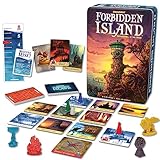
Overview: Forbidden Island, designed by Matt Leacock, plunges 2-4 players (ages 10+) into a race against time on a sinking island. Players collaborate to retrieve four sacred treasures before the island vanishes beneath the waves, demanding strategic planning and unified decision-making. What Makes It Stand Out: Its innovative “sinking tile” mechanic creates escalating tension as the board physically shrinks, while rich illustrations immerse players in a perilous paradise. The focus on cooperative problem-solving, rather than player competition, fosters genuine teamwork and shared investment in victory or defeat. Value for Money: Priced accessibly for a quality family board game, it offers exceptional replayability due to variable island layouts and difficulty adjustments. It outshines many competitive games by providing a shared, stress-relieving experience that builds communication skills without the frustration of player elimination. Strengths and Weaknesses: Strengths: Engaging theme, intuitive rules, strong family appeal, excellent replay value, visually appealing components. Weaknesses: Can feel luck-dependent with fewer players, limited strategic depth for hardcore gamers, treasures sometimes feel secondary to island management. Bottom Line: Forbidden Island remains a near-perfect gateway cooperative game. Its blend of accessible rules, tangible tension, and emphasis on teamwork makes it a highly recommended, budget-friendly cornerstone for family game nights, offering consistent fun and skill development.
2. Pandasaurus Cooperative Strategy Card Game - Fun Interactive Family Game for Ages 8+, 1-5 Players, 20 Minute Playtime
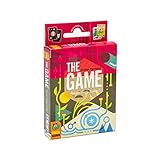
Overview: The Game is a lightning-fast cooperative card challenge where 1-5 players (ages 8+) work together to play all cards from two sequential decks (1-100) under strict communication limits. Success hinges on silent coordination and anticipating teammates’ moves within its tight 20-minute timeframe. What Makes It Stand Out: Its genius lies in extreme simplicity paired with intense social deduction. The near-total ban on verbal strategy (“no counting down!”) forces players to read subtle cues and trust instincts, creating a uniquely tense, interactive experience that’s easy to learn but hard to master, contributing to its 1.3+ million copies sold. Value for Money: An outstanding value for its compact size and replayability. It provides hundreds of plays for a modest price, far exceeding the entertainment per dollar of many larger, more complex games. The Spiel Des Jahres award underscores its quality relative to cost. Strengths and Weaknesses: Strengths: Exceptionally quick setup/play, huge player count range, perfect for all ages, highly portable, brilliant communication constraints. Weaknesses: High frustration potential from unavoidable losses, minimal theme, repetitive after many plays, luck can dominate strategy. Bottom Line: The Game is a must-have pocket powerhouse. Its brilliant, award-winning design delivers intense, collaborative fun that’s perfect for casual gatherings or as a warm-up. Despite occasional frustration, its low price and massive replayability make it an easy recommendation for nearly any game collection.
3. Asmodee Pandemic Board Game (Base Game) - A Cooperative Battle to Save Humanity, Strategy Game for Kids and Adults, Ages 8+, 2-4 Players, 45 Minute Playtime

Overview: Pandemic tasks 2-4 players (ages 8+) with saving humanity from four deadly diseases. As specialized researchers, players travel the globe treating infections, building research stations, and discovering cures before outbreaks cascade into global catastrophe in this iconic 45-minute strategy game. What Makes It Stand Out: It pioneered the modern cooperative genre with its “win or lose together” mechanic, eliminating player conflict. The unique role-based system forces meaningful teamwork, as each character’s special ability is crucial. The escalating tension from the infection deck creates a relentless, thematic race against time. Value for Money: A benchmark for cooperative game value. Its robust components, deep strategic gameplay, and immense replayability (via variable player roles and infection setups) justify its price point, especially compared to competitive games requiring similar player counts and playtime. Strengths and Weaknesses: Strengths: Deep yet accessible strategy, exceptional teamwork requirement, high replayability, perfect difficulty curve, educational value for problem-solving. Weaknesses: Can suffer from “alpha player” syndrome, initial setup is slightly fiddly, luck in card draws can influence outcomes. Bottom Line: Pandemic is an essential, genre-defining cooperative experience. Its perfect blend of tension, strategy, and teamwork, coupled with family-friendliness, makes it an unparalleled value and a definitive recommendation for anyone seeking meaningful shared gameplay.
4. The Night Cage by Smirk and Dagger | Cooperative Candlelit Horror Strategy Game | Tile Laying Labyrinth Escape Adventure | for 1 to 5 Players | Ages 14+

Overview: The Night Cage immerses 1-5 players (ages 14+) in a terrifying cooperative escape from a shifting, candlelit labyrinth. Using a single light source, players reveal paths only to have darkness reclaim them, all while evading Wax Eaters, in this atmospheric 60-90 minute horror adventure. What Makes It Stand Out: Its groundbreaking physical candle component is central to gameplay, creating genuine tension through limited visibility. The dynamic tile-laying maze that collapses behind you, combined with thematic monsters and adjustable difficulty, delivers a uniquely immersive, emotionally charged horror experience unlike any other cooperative game. Value for Money: Priced higher due to its specialized components (including the real candle), it justifies cost through exceptional thematic depth, multiple award-winning design, and strong replayability via difficulty settings and advanced modes. It offers a premium, sensory experience hard to replicate. Strengths and Weaknesses: Strengths: Unmatched atmospheric tension, innovative candle/light mechanic, highly thematic horror, excellent replay value, meaningful teamwork under pressure. Weaknesses: Candle maintenance adds minor hassle, limited player count scalability, intense theme may not suit all, components require careful handling. Bottom Line: The Night Cage is a must-play for horror and strategy fans seeking deep immersion. Its unique candle mechanic and relentless tension create an unforgettable cooperative challenge. While niche, its award-winning execution and replayability make it a worthy investment for thematic gamers.
5. Hasbro Gaming Dungeons & Dragons: Bedlam in Neverwinter Board Game, Escape Room, Cooperative Strategy Games for Ages 12+, 2-6 Players, 3 Acts Approx. 90 Mins Each (Amazon Exclusive)

Overview: Bedlam in Neverwinter delivers a sprawling D&D-themed escape room adventure across three distinct 90-minute acts. For 2-6 players (ages 12+), it combines character creation, monster battles, and intricate puzzles to solve a mystery involving disappearances in the iconic city of Neverwinter. What Makes It Stand Out: It uniquely bridges traditional board gaming with escape room mechanics within the rich D&D universe. Creating custom characters (Race/Class/Weapon), battling monsters using loot, and solving multi-layered puzzles across a dynamically expanding gameboard offer unprecedented narrative depth and variety for a single-box experience. Value for Money: The sheer scope – three full acts totaling ~4.5 hours of gameplay, plus character progression and D&D lore – provides immense content for the price. It surpasses typical single-session escape games in replayability (different characters/puzzle approaches) and thematic richness, especially for D&D fans. Strengths and Weaknesses: Strengths: Epic narrative scope, deep D&D integration, high puzzle variety, rewarding character progression, excellent replayability across acts. Weaknesses: Very long total playtime may deter some, complex setup between acts, puzzle solutions can occasionally feel obscure, requires significant table space. Bottom Line: Bedlam in Neverwinter is a triumph for D&D enthusiasts and escape room lovers. Its ambitious three-act structure, character customization, and fusion of combat/puzzles deliver exceptional value and immersion, making it a highly recommended, substantial adventure despite its time commitment.
6. ito – Cooperative Strategy Card Game for Ages 8+ | 2–10 Players | Party Game with Secret Clues & Category Challenges | Family, Group & Game Night Fun

Overview:
ito is a fast-paced cooperative card game where players work together to arrange secret number cards in ascending order using only category-based clues—never stating numbers directly. Designed for 2–10 players aged 8+, it emphasizes communication and subtle hinting, making it ideal for family gatherings, classrooms, or casual game nights. Setup takes under a minute, with gameplay consistently wrapping up in 10 minutes or less.
What Makes It Stand Out:
Its genius lies in adaptable category decks (Family, Everyone, Action) that let groups tailor difficulty and energy—singing or movement for high-energy crowds, simple topics for kids. The 100 illustrated number cards ensure fresh combinations every play, while the silent-number rule sparks creative thinking. Scalability from duos to 10 players is rare for such a compact game.
Value for Money:
Priced accessibly, ito delivers exceptional replayability through its modular categories and endless card combinations. It outperforms similarly priced party games by avoiding elimination mechanics and accommodating large groups without extra purchases—perfect as a warm-up or standalone filler.
Strengths and Weaknesses:
Strengths: Lightning-fast setup/teardown; inclusive for varied ages; encourages nonverbal communication; highly portable. Weaknesses: Limited strategic depth for hardcore gamers; “Action” category may feel forced in quiet settings; card art, while colorful, lacks thematic cohesion.
Bottom Line:
A remarkably versatile, affordable party game that excels at building teamwork in minutes. Highly recommended for families, educators, and game-night hosts seeking quick, engaging fun without complex rules—just bring your creativity.
7. Flow: The Official Cooperative Board Game | Strategy Game for 1–4 Players Ages 8+ | Based on The Award-Winning Animated Film | Family & Solo Play | Survive The Flood, Rescue Allies
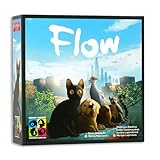
Overview:
Flow translates the acclaimed animated short into a tense cooperative board game where 1–6 players navigate a shifting, flood-threatened world to rescue allies. Players race against a rising water level on a modular board, making real-time decisions to survive. Its emotional storytelling and fluid mechanics cater to families and solo gamers aged 8+.
What Makes It Stand Out:
The dynamic “rising water” mechanic forces constant adaptation as tiles flood and paths disappear, creating genuine urgency. Scenario cards offer distinct challenges, while the film’s haunting aesthetic permeates the artwork. Solo mode is seamlessly integrated, rare for narrative-driven co-ops.
Value for Money:
At a mid-range price, Flow justifies cost with high-quality components, deep replayability (11 scenarios), and scalability from solo to groups. It surpasses many story-lite co-ops by delivering an immersive, thematic experience that resonates emotionally without bloated runtime.
Strengths and Weaknesses:
Strengths: Brilliantly executed tension through flooding mechanics; stunning thematic integration; solo mode excellence; accessible rules. Weaknesses: Real-time pressure may overwhelm young children; limited player agency in later stages; scenario variety slightly repetitive after 10+ plays.
Bottom Line:
A masterclass in translating cinematic emotion into board game form, Flow offers gripping, cooperative storytelling with clever mechanics. Essential for film fans and strategy lovers—just ensure your group enjoys high-pressure teamwork.
8. Spin Master Games, SolidRoots Escaping Extinction, Cooperative Strategy Board Game from The Makers of Mind The Gap, Easter Gift, 1-4 Players, for Ages 12 & Up

Overview:
In Escaping Extinction, players become resourceful dinosaurs racing to build a 3D rocket before a meteor strikes. This cooperative strategy game tasks 1–4 players (aged 12+) with gathering parts across a tile-based prehistoric world while surviving earthquake-triggered board shifts. It blends survival tension with lighthearted dino-themed storytelling.
What Makes It Stand Out:
The earthquake mechanic dynamically reshapes the board mid-game, demanding flexible strategies. The 3D rocket assembly adds tactile satisfaction, while modular tiles ensure unique layouts every session. Spin Master’s polish elevates it beyond typical kids’ co-ops with strategic depth.
Value for Money:
Positioned as a premium family game, it delivers through durable components and high replayability. Though pricier than entry-level co-ops, the evolving challenges and physical rocket construction justify the cost for groups seeking substantial, non-repetitive gameplay.
Strengths and Weaknesses:
Strengths: Innovative earthquake mechanic; engaging 3D rocket goal; excellent replayability; age-appropriate strategy depth. Weaknesses: Meteor countdown can feel punishing; setup is lengthy for casual play; dino theme slightly clashes with tense stakes.
Bottom Line:
A standout cooperative challenge that cleverly balances theme and mechanics. Best for families wanting strategic depth without overwhelming complexity—ideal for teens and adults craving a fresh, dynamic board game night.
9. Peaceable Kingdom Space Escape – Cooperative Strategy Space Adventure Game by The Inventor of Pandemic – Use Teamwork to Win! – Great for Families with Kids Ages 7 & up

Overview:
Space Escape casts players as mole rats scrambling to collect gear and reach an escape pod while avoiding space snakes. Designed by Pandemic’s co-creator, this 2–4 player game (ages 7+) uses cooperative mechanics where every card draw moves both mole rats and snakes, demanding shared decision-making under time pressure.
What Makes It Stand Out:
Its brilliance is in accessibility: simple card-driven actions teach critical teamwork skills without competition. The dual-action cards (one for players, one for snakes) create immediate tension, while the “snakes vs. mole rats” theme delights kids. Challenge variants extend longevity.
Value for Money:
An affordable entry into cooperative gaming, it outshines cheaper kids’ games with thoughtful design fostering emotional intelligence. Components are durable but basic—justified by its educational value in classrooms or family play focused on communication over winning.
Strengths and Weaknesses:
Strengths: Perfect for young kids’ first co-op; promotes communication and empathy; quick setup (5 mins); excellent “gateway” game. Weaknesses: Too simplistic for older players; limited strategic depth; token quality feels budget-friendly.
Bottom Line:
An essential, heartwarming co-op for families with early-elementary kids. It nails the balance of fun and skill-building—highly recommended for parents seeking screen-free teamwork practice without frustration.
10. Ravensburger Horrified Games - Greek Monsters - Strategy Board Game - Boost Critical Thinking & Teamwork - Cooperative Gameplay - Unique Monster Challenges - 1 to 5 Players - Adults & Kids 10+

Overview:
Horrified: Greek Monsters pits 1–5 players against six mythological threats (Medusa, Cerberus, etc.) on the Isle of Elysium. This cooperative strategy game tasks heroes with unique abilities to defeat each monster using distinct, lore-accurate tactics—all while navigating a modular board threatened by the Underworld Door.
What Makes It Stand Out:
Each monster requires entirely different strategies (e.g., avoiding Medusa’s gaze, luring Cerberus with bones), ensuring fresh challenges per game. Stunning artwork and thematic components immerse players, while the adjustable difficulty accommodates both kids and adults in 60-minute sessions.
Value for Money:
Priced competitively, it offers exceptional variety through six unique monsters and scenario depth. Outperforms similar co-ops by delivering cinematic tension without convoluted rules—Ravensburger’s component quality ensures longevity for repeated monster hunts.
Strengths and Weaknesses:
Strengths: Highly replayable monster mechanics; gorgeous thematic presentation; scales perfectly from solo to groups; teaches critical thinking organically. Weaknesses: Setup is complex for beginners; monster rule nuances cause initial confusion; Underworld Door mechanic can feel RNG-dependent.
Bottom Line:
A triumph of thematic design and strategic diversity, Horrified delivers thrilling cooperative gameplay for horror and strategy fans. Worth every penny for game nights craving rich storytelling and adaptive challenges—just prep for a rules-learning curve.
Understanding Your Group’s Dynamics
Before even glancing at game boxes, turn your attention inward. Your group’s chemistry is the most critical variable in a successful co-op experience. Ignoring this foundational step is like buying hiking boots without measuring your feet—you might get something that looks great, but it won’t function when you need it most. Honesty here prevents disappointment and maximizes enjoyment for everyone involved.
Assessing Group Size and Stability
How many people reliably show up? Consistency matters more than maximum capacity. A game designed for 3-5 players feels utterly different with 2 regulars and 3 newcomers than with 5 established teammates. Consider if your group fluctuates—some games scale beautifully with player count, maintaining tension and engagement whether you have three or six players. Others become unbalanced or overly complex with too many cooks in the kitchen. Pinpoint your typical gathering size, not just the ideal.
Gauging Skill Level Diversity
Be brutally realistic about the range of strategic aptitude around your table. Is everyone a seasoned gamer, or is there a mix of veterans and newcomers? Games demanding deep tactical analysis can alienate less experienced players, turning collaboration into passive observation. Conversely, overly simplistic games frustrate veterans. Seek titles with accessible entry points but layered depth—where basic mechanics are easy to grasp, but mastering communication and strategy offers long-term rewards. Look for systems that encourage teaching, not just relying on one expert.
Identifying Shared Energy and Engagement Styles
Does your group thrive on intense, focused problem-solving, or do you prefer laughter and lighthearted interaction? Some co-ops are cerebral puzzles demanding near-silence; others thrive on chaotic negotiation and roleplaying. Consider attention spans too—marathon 3-hour sessions might work for some, but others need tighter 60-90 minute engagements. Honest discussion about preferred energy levels prevents mismatched expectations. A game requiring constant high-stakes decisions might exhaust a group seeking casual camaraderie.
Decoding Essential Game Mechanics
The heart of any great co-op lies in its core mechanics—the systems that dictate how you interact, share information, and overcome challenges together. Understanding these mechanics helps you predict whether a game will foster true collaboration or accidental quarterbacking. Don’t get lost in theme alone; the underlying structure determines the quality of your teamwork.
Evaluating Information Flow and Asymmetry
How is critical knowledge distributed? Games where all players see everything (perfect information) often lead to analysis paralysis or one person taking charge. Games with asymmetric information—where each player sees only part of the puzzle—are powerful catalysts for communication. However, too much asymmetry can cause confusion or frustration. Seek a balanced “sweet spot”: enough hidden information to necessitate active sharing and discussion, but clear channels and reasons why players should reveal what they know. Look for mechanics that reward effective communication.
Analyzing Shared vs. Individual Pressure Points
Does the challenge pressure the group uniformly, or does it target individuals? Games where failure conditions hit everyone equally (like a shared health track) foster solidarity but can feel impersonal. Games where specific players face unique threats (e.g., one player is “infected”) create intense, personal stakes that drive urgent collaboration. Consider your group’s tolerance for individual stress. Some relish the drama of being the “weak link”; others find it isolating. The best designs turn individual pressure into collective problem-solving opportunities.
Scrutinizing Player Agency and Role Design
True cooperation means every player feels essential, not just present. Examine how roles function. Are they merely thematic labels, or do they grant meaningful, complementary abilities that require coordination? Avoid games where one role (often the “leader” or “strategist”) dominates decision-making. Look for designs where roles encourage proactive contribution—perhaps through unique actions, information access, or timing windows. Roles should create interdependence, not hierarchy. Can players fluidly shift focus based on emerging needs, or are they locked into rigid functions?
Evaluating Physical Components and Accessibility
The tangible elements of a game—its board, cards, tokens, and rules—directly impact the smoothness and inclusivity of your experience. In 2026, accessibility isn’t an afterthought; it’s a core expectation for groups wanting everyone to participate fully. Overlooking component quality or rule clarity can derail even the most promising strategic concept.
Prioritizing Component Clarity and Durability
Can players quickly grasp symbols and icons without constant rulebook checks? Fiddly pieces that tip over or cards with tiny text frustrate everyone, especially in low-light settings. Consider storage too—games with intricate setups or hard-to-organize components kill momentum between sessions. Durable materials matter for groups playing weekly; flimsy cardboard won’t survive enthusiastic handling. Prioritize clean graphic design and robust construction that withstands repeated use and keeps focus on gameplay, not maintenance.
Ensuring Rulebook Accessibility and Learning Curve
The rulebook is your group’s first co-op challenge. Is it structured for teaching, with clear examples, visual aids, and progressive learning steps? Avoid dense walls of text. A well-designed rulebook anticipates common misunderstandings. Consider the initial learning time: Can your group grasp the basics in 15-20 minutes, leaving ample time to play? Games with modular complexity—where core rules are simple but optional advanced layers exist—are ideal for mixed-skill groups. Watch for “gotcha” rules that only emerge mid-game, causing frustration.
Addressing Physical and Cognitive Accessibility Needs
Modern co-op design increasingly acknowledges diverse players. Does the game accommodate colorblindness through clear symbols? Are text sizes legible? Can components be adapted for limited dexterity (e.g., larger tokens, avoiding fine manipulation)? Consider cognitive load too: Does the game require constant mental arithmetic or complex spatial reasoning that might exclude some players? Look for mechanisms that support different thinking styles—visual aids, memory aids, or optional rule simplifications. Inclusivity strengthens the entire group dynamic.
Considering Theme, Immersion, and Long-Term Appeal
While mechanics drive interaction, theme and narrative glue players emotionally to the experience. The right theme transforms abstract strategy into a shared story, deepening investment. But theme must serve the mechanics, not overwhelm them. In 2026, groups seek experiences that resonate beyond the table, offering replayability and emotional resonance that keeps them coming back.
Matching Theme to Group Resonance
Does the setting excite your people? A group of sci-fi fans will engage more deeply with a space station crisis than a historical political drama, regardless of identical mechanics. Theme influences communication—players might naturally adopt roles or use thematic language (“We need to reroute power to the shields!”), enhancing immersion. Avoid themes that feel generic or clash with group sensibilities. The best themes aren’t just backdrop; they provide intuitive context for rules, making decisions feel meaningful (“Of course the medic can heal faster!”).
Balancing Narrative Drive and Strategic Freedom
Some co-ops feature strong, branching narratives where choices feel impactful, creating unique stories each play. Others are pure abstract puzzles with light thematic dressing. Consider your group’s preference: Do you crave the “campaign” feel of progressing through a story, or the clean challenge of solving a new puzzle every time? Narrative-heavy games offer strong initial hooks but can suffer from predictability after multiple plays. Puzzle-focused games often boast higher replayability through variable setups but may lack emotional depth. Seek a balance where the theme enhances, not dictates, strategic decision-making.
Planning for Replayability and Evolving Challenges
How does the game stay fresh? Randomized elements (maps, objectives, enemy behavior) are crucial, but true replayability comes from meaningful variation that changes strategic approaches. Look for games with multiple win/loss conditions, modular boards, or adjustable difficulty that scales with your group’s skill. In 2026, many top designs incorporate “legacy” elements or app integration that subtly evolves the game over sessions without requiring a full campaign commitment. Most importantly, does the core puzzle offer enough depth that mastering communication and strategy feels rewarding even after the first few plays? Avoid games that become solvable after one or two sessions.
Future-Proofing Your Choice for 2026 and Beyond
The cooperative gaming landscape evolves rapidly. Choosing a game that feels relevant and engaging now also means anticipating how your group might change and what new design innovations might emerge. Think beyond the next game night—aim for an experience that grows with you, adapting to shifting group dynamics and incorporating thoughtful technological enhancements without losing its human core.
Embracing Hybrid Physical-Digital Experiences
Digital companions (apps, tablets) are now mainstream tools, not novelties. Used well, they manage complex setup, track hidden information, provide atmospheric soundscapes, or introduce dynamic events—freeing players to focus on interaction. However, avoid apps that create screen dependence or slow gameplay with excessive input. Prioritize games where the digital element is optional or seamlessly integrated, enhancing rather than replacing the physical table experience. Ensure compatibility with current devices and consider data privacy if online features exist. The best hybrids feel like a natural extension of the board, not a separate entity.
Supporting Sustainable Play and Community
Consider the game’s lifecycle. Are replacement parts available? Does the publisher actively support the community with free variant rules or scenario expansions? In an era of conscious consumption, groups value games built to last physically and conceptually. Look for publishers committed to long-term engagement—releasing free digital tools, fostering player-designed content, or ensuring component durability. Games designed with modular expansion slots (even if unused initially) offer flexibility as your group’s interests evolve. Sustainability also means emotional longevity; avoid games reliant on fleeting pop-culture trends.
Fostering Healthy Group Evolution
The best co-op games don’t just accommodate your group—they help it improve. Does the game include mechanisms to prevent dominant players? (e.g., hidden individual objectives that require persuasion, time-limited discussion phases). Does it encourage reflection after play? Some games build in debrief moments or scoring that highlights communication strengths. Choose experiences that gently push your group toward better collaboration habits—active listening, concise communication, inclusive decision-making. The ultimate sign of a great 2026 co-op game? Your group isn’t just better at the game after repeated plays; you’re better teammates in life too.
Frequently Asked Questions
How do I prevent one person from dominating decisions in a co-op game?
Look for games with built-in countermeasures like hidden individual goals requiring negotiation, strict discussion timers, or roles that force distributed decision-making. Establish group norms upfront—agree that anyone can “veto” a plan needing more discussion, and actively invite quieter members’ input.
What’s the ideal playtime for a group new to cooperative strategy?
Aim for 60-90 minutes. This is long enough for meaningful strategy to develop but short enough to avoid fatigue that leads to disengagement. Games significantly longer than 90 minutes often require more experience to manage pacing and group focus effectively.
Can cooperative games work well with a very mixed-skill group?
Absolutely, but choose carefully. Prioritize games with a gentle learning curve, clear visual aids, and roles that let experienced players mentor without taking over. Games with adjustable difficulty or optional “helper” rules for newcomers are ideal. Avoid titles requiring deep prior knowledge of complex systems.
How important is theme compared to mechanics for group enjoyment?
Theme significantly boosts initial buy-in and emotional investment, making mechanics feel purposeful. However, weak mechanics will ruin even the coolest theme. Prioritize solid, engaging mechanics first—then choose a theme that resonates with your group’s interests to maximize sustained engagement.
What should I do if our group keeps losing and getting frustrated?
First, objectively assess if the difficulty is mismatched. Many games have adjustable settings—start on the easiest level! Analyze why you lose: Is it communication breakdowns, misunderstanding rules, or genuine strategic challenges? Focus improvement on the root cause, not just retrying blindly. Sometimes taking a break and returning later helps.
Are app-assisted cooperative games worth the extra setup?
They can be, if the app solves genuine problems like complex setup, tracking hidden information, or adding dynamic events without slowing play. Prioritize games where the app is truly optional or where its benefits (atmosphere, streamlined play) clearly outweigh the minor setup step. Avoid apps requiring constant screen interaction.
How can I tell if a game has good replayability before buying?
Research if it features significant variable setup (different maps, objectives, enemy decks), multiple distinct victory/loss paths, or modular components enabling new configurations. Read reviews focusing on “after 5 plays” experiences. Games relying solely on randomness without strategic depth often feel repetitive quickly.
What mechanics best encourage equal participation from all players?
Look for roles with unique, essential actions that rotate or require specific input; hidden information necessitating active sharing; and time pressure that prevents one person from monopolizing thought. Games with simultaneous action selection or structured discussion phases also promote balanced involvement.
Is a higher player count always better for cooperative games?
Not necessarily. More players can dilute individual agency and lengthen downtime. Games scaling well to 5-6 players often require careful design to maintain engagement. For groups larger than 4, prioritize titles explicitly praised for smooth scaling and mechanisms that minimize “waiting time” between turns.
How do I know if a cooperative game will suit our group’s social style?
Honestly discuss your group’s preferences: Do you want intense focus or lighthearted fun? Deep strategy or accessible puzzles? Thematic immersion or clean mechanics? Read rule summaries (not just reviews) to understand the pace and interaction style required. Watch short “how to play” videos to gauge the energy level at the table.
See Also
- How to Choose the 10 Best Strategy Cooperative Board Games for Game Nights in 2026
- How to Choose the 10 Best Cooperative Board Games for Group Play in 2026
- The 10 Most Revolutionary Cooperative Strategy Games of 2026
- How to Choose the 10 Best Cooperative Card Games for 2026 Game Nights
- How to Choose the 10 Best Cooperative Board Games for Party Play in 2026