Table of Contents
Imagine stepping into a universe where starships navigate asteroid fields, alien civilizations clash over galactic dominance, and time travel paradoxes threaten reality itself—all from the comfort of your living room. Sci-fi board games offer an unparalleled escape, transforming tabletops into vibrant frontiers of imagination. They blend strategic depth with narrative richness, letting players wrestle with ethical dilemmas on distant colonies or engineer breakthroughs in quantum physics. Unlike passive entertainment, these games demand active participation, turning every session into a collaborative story shaped by dice rolls, card draws, and the unpredictable choices of friends. Whether you’re a seasoned tactician or a newcomer dazzled by holographic components, the right sci-fi game can ignite conversations that last long after the board is cleared.
Yet with countless options flooding the market—each promising revolutionary mechanics or breathtaking artwork—choosing wisely feels like navigating a black hole without a tether. What thrills one group might overwhelm another; intricate resource management could delight strategy veterans but alienate casual players seeking lighthearted fun. The year 2026 introduces fresh innovations like AI-assisted narrative tools and modular boards that evolve with each playthrough, raising the stakes for collectors. This guide cuts through the hype by focusing on timeless selection principles, not fleeting trends. We’ll explore how to match games to your group’s unique dynamics, decode misleading complexity ratings, and future-proof your collection against shelf-worthiness. Let’s ensure your next purchase isn’t just another box gathering dust, but a portal to countless adventures.
Top 10 Sci-Fi Board Games
Detailed Product Reviews
1. Ravensburger Alien: Fate of The Nostromo Board Game for Ages 10 & Up – A Cooperative Strategy Game of Suspense
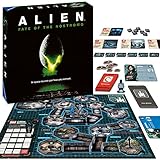
Overview: This cooperative board game masterfully translates the suspense of Ridley Scott’s Alien into an engaging tabletop experience. Players embody Nostromo crew members navigating the ship’s claustrophobic corridors, balancing objective completion against the ever-present threat of the Xenomorph. Designed for ages 10+, it blends teamwork with nerve-wracking decision-making.
What Makes It Stand Out: Its exceptional thematic immersion stands out, leveraging detailed miniatures, atmospheric artwork, and mechanics like the “Concealed” tokens that hide the Alien’s movement, replicating the film’s tension. The modular objectives and inclusion of Ash as a variable difficulty layer ensure high replayability without overwhelming complexity.
Value for Money: Priced competitively for its component quality (including miniatures and sturdy tokens), it offers strong value versus simpler family games. While niche, it’s a premium choice for Alien fans or cooperative game newcomers, justifying its cost through reusability and production value.
Strengths and Weaknesses: Strengths: Intuitive rules, stunning thematic integration, excellent replayability via multiple missions, and accessible for younger players. Weaknesses: Limited strategic depth for hardcore gamers; Alien movement mechanics may feel RNG-dependent to some.
Bottom Line: A near-perfect licensed adaptation that captures the film’s dread while remaining family-friendly. Highly recommended for cooperative game enthusiasts and Alien devotees seeking accessible, replayable suspense.
2. Escape The Dark Sector Board Game - Sci-Fi Adventure, Cooperative Gameplay, Strategy Game for Teens and Adults, Ages 14+, 1-4 Players, 45 Minute Playtime, Made by Themeborne

Overview: Escape the Dark Sector delivers a streamlined sci-fi narrative adventure where players collaborate to escape a detention block and reclaim their starship. Focused on atmospheric storytelling and quick decisions, it’s ideal for casual gamers seeking thematic immersion without complex rules.
What Makes It Stand Out: Its standout feature is accessibility—minimal setup, intuitive card-based mechanics, and a tight 45-minute runtime lower entry barriers. The emphasis on emergent storytelling through illustrated cards fosters vivid, cinematic moments, making each playthrough feel uniquely collaborative.
Value for Money: Excellent value for newcomers or groups wanting bite-sized adventures. Its affordability, portability, and high replayability (via randomized cards) outshine comparable narrative games, though veterans may crave deeper strategy.
Strengths and Weaknesses: Strengths: Effortless setup, strong cooperative focus, rich atmosphere, and perfect length for casual sessions. Weaknesses: Limited tactical depth; card-driven randomness can occasionally undermine agency.
Bottom Line: A superb entry point into cooperative board gaming, especially for sci-fi fans. Prioritizes fun and storytelling over complexity—ideal for game nights seeking quick, engaging adventures.
3. Age of Galaxy: Second Edition – 4X Sci-Fi Strategy Card Game by Portal Games | Empire Building, Technology Development & Faction Synergies | 1–4 Players, Ages 14+, 45–60 Min

Overview: Age of Galaxy condenses the epic 4X (explore, expand, exploit, exterminate) genre into a swift 60-minute card-driven strategy. Players build asymmetric empires across a modular galaxy, leveraging faction synergies and tech trees to dominate space.
What Makes It Stand Out: Remarkable efficiency defines it—40 unique factions and 9 technologies create staggering replayability without bloated playtime. The solo mode (with 5 scenarios) and portable box packed with linen cards/wooden pieces elevate its value, offering deep decisions in a compact format.
Value for Money: Exceptional for strategy fans. Its component quality, solo viability, and near-infinite replayability justify the price, outperforming bulkier 4X games that demand triple the time.
Strengths and Weaknesses: Strengths: Brilliant pacing, meaningful faction asymmetry, robust solo mode, and premium components. Weaknesses: Steeper learning curve than light games; limited player interaction may disappoint some.
Bottom Line: A masterclass in streamlined 4X design. Highly recommended for strategy enthusiasts wanting depth without time commitment—perfect for lunch breaks or intense game nights.
4. Renegade Games Studios: The Search for UAPs - Strategy Board Game, Search for UFO’s, Sci-Fi Deduction & Strategy, Ages 14+, 60-75 Min, 1-5 Players

Overview: Following The Search for Planet X, this deduction game tasks players with scanning skies for Unidentified Anomalous Phenomena (UAPs) using satellite data. It blends logic puzzles with thematic UFO-hunting, leveraging innovative magnetic boards for tracking sightings.
What Makes It Stand Out: The rotating magnetic “Space Boards” are revolutionary—physically manipulating them to log celestial objects creates tactile, immersive deduction. Government report integration and varied satellite mechanics refresh the proven formula, enhancing replayability.
Value for Money: Solid for deduction aficionados. The novel components and solo rules justify its cost, though niche appeal may limit broader value. It’s a worthy successor to its acclaimed predecessors.
Strengths and Weaknesses: Strengths: Ingenious magnetic boards, satisfying logic progression, strong solo mode, and thematic cohesion. Weaknesses: Less intuitive than its predecessor; satellite mechanics may overwhelm new players.
Bottom Line: A clever evolution of the deduction genre with standout physical innovation. Best for fans of logic puzzles seeking a fresh challenge—though newcomers should start with earlier titles.
5. Nemesis Lockdown - Sci-Fi Horror Tabletop Miniatures Strategy Game, Cooperative Adventure for Teens & Adults, Ages 14+, 1-5 Players, 90-180 Min Playtime

Overview: Nemesis Lockdown intensifies the original’s sci-fi horror with a vertical Mars base setting. Players cooperate (semi-competitively) to survive alien threats, manage resources, and complete objectives across multi-level terrain, featuring elevators and separate power systems.
What Makes It Stand Out: The multi-level base is genius—adding physical depth transforms movement and strategy. Standalone/integration flexibility with Nemesis expansions and new alien races heighten immersion, while separate lighting/power mechanics amplify tension.
Value for Money: Premium-priced but justifiable for fans. Its modular design (play solo or integrated), lavish miniatures, and cinematic dread offer immense replayability, though the steep time commitment may deter casual players.
Strengths and Weaknesses: Strengths: Unmatched atmosphere, innovative vertical gameplay, deep integration potential, and thrilling semi-cooperative tension. Weaknesses: Overwhelming setup; 3-hour playtime risks session fatigue.
Bottom Line: A pinnacle of thematic horror gaming for dedicated groups. Essential for Nemesis veterans; newcomers should brace for complexity but will find unparalleled immersion.
6. Shackleton Base: A Journey to The Moon Board Game - Sci-Fi Strategy Game of Space Exploration, Fun for Family, Kids & Adults, Ages 14+, 1-4 Players, 60-120 Minute Playtime

Overview: Shackleton Base plunges players into the strategic challenge of establishing humanity’s first lunar outpost at the Moon’s South Pole. As leaders of competing space agencies sponsored by rival corporations, participants must balance cooperation and competition to build infrastructure, conduct missions, and advance technology under harsh conditions. This 60–120 minute game targets teens and adults seeking immersive sci-fi strategy.
What Makes It Stand Out: Its brilliant fusion of cooperative base-building with cutthroat corporate objectives creates dynamic tension. Players navigate a delicate dance between shared survival needs and individual victory conditions, all wrapped in rich thematic storytelling centered on lunar exploration and resource scarcity. The unique focus on the Shackleton crater’s environment adds narrative depth rarely seen in strategy games.
Value for Money: Priced competitively for its depth and component quality, it outshines simpler family games while avoiding the premium cost of ultra-complex euros. The high replayability from variable corporate goals and player-driven decisions justifies its cost, especially for groups valuing strategic nuance over luck-based mechanics.
Strengths and Weaknesses: Strengths: Exceptional theme integration; meaningful player interaction; scalable difficulty; stunning lunar artwork. Weaknesses: Steep learning curve for new gamers; potential downtime in 4-player games; setup time can feel lengthy.
Bottom Line: An outstanding pick for strategy enthusiasts craving thematic depth and tense decision-making, though less ideal for casual or young players. Its cooperative-competitive balance elevates it above standard resource-management games.
7. Cosmolancer Board Game | A Strategy Game by Reiner Knizia | Ages 9 and Up | 2 to 4 Players | 30 Mins. | Family Games for Kids, Teens, and Adults
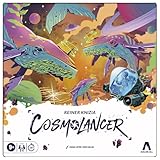
Overview: Cosmolancer reimagines Reiner Knizia’s classic Kingdoms as a fast-paced space photography adventure. Players compete as intergalactic photographers placing tiles to capture cosmic subjects while dodging hazards. With a 30-minute runtime and accessible rules, it bridges family and strategy gaming for ages 9+.
What Makes It Stand Out: Knizia’s masterful design shines through clever tile-placement mechanics where Hazard cards (like Abominable Worms) enable playful sabotage. The whimsical theme—featuring Galactic Hounds and Squids—paired with premium wooden tokens and vibrant art creates immediate charm. Its brevity doesn’t sacrifice strategic depth, offering tough choices in minimal time.
Value for Money: An exceptional value under $30, packing high-quality components and Knizia’s pedigree into a compact box. It outperforms similarly priced abstract games with its theme integration and replayability, though families needing extreme durability might note the cardstock tiles.
Strengths and Weaknesses: Strengths: Lightning-fast setup/play; brilliant balance of luck and tactics; gorgeous art; perfect for game nights. Weaknesses: Limited long-term depth; hazard mechanics may frustrate younger kids; minimal player interaction beyond tile blocking.
Bottom Line: A near-perfect filler game for families and casual gamers, delivering Knizia’s strategic elegance with space-themed fun. Highly recommended for quick, engaging sessions but less suited for hardcore strategy seekers.
8. Stonemaier Games: Metal Sci-Fi Coins (Vantage) | Sci-Fi Coins to Enhance Your Gameplay | 45 Metal Coins - $1 (x18), $2 (x12), $5 (x9), and $10 (x6) Coins Made of zinc Alloy

Overview: These 45 zinc-alloy metal coins elevate sci-fi board games with premium tactile currency. Designed for Stonemaier’s Vantage but universally compatible, they replace flimsy cardboard tokens in games like Terraforming Mars or D&D campaigns. The set includes four denominations in distinct futuristic finishes.
What Makes It Stand Out: The coins’ weight and resonant “clink” create unmatched immersion, while dual-sided sci-fi engravings (gold $10 to metallic blue $5) ensure theme consistency. Unlike cheaper alternatives, their heft prevents sliding during play, and the zinc alloy resists wear—making them ideal for frequent use.
Value for Money: At $15–$20, they’re pricier than cardboard but offer long-term value through durability and sensory appeal. Compared to similar metal coins, Stonemaier’s crisp designs and perfect weight distribution justify the cost for serious gamers seeking table presence.
Strengths and Weaknesses: Strengths: Superb weight/texture; stunning visual cohesion; universally compatible; quiet stacking. Weaknesses: Limited denominations for complex economies; potential tarnishing over years; slight premium over basic metal sets.
Bottom Line: A worthwhile splurge for enhancing sci-fi or currency-heavy games. These transform gameplay feel without altering rules, making them essential for enthusiasts prioritizing premium components.
9. Arcs Board Game by Leder Games | Ages 14+ | 2–4 Players | Tactical Space Opera Strategy Game with Trick-Taking Action System, Galactic Warfare, Diplomacy & Asymmetric Play

Overview: Arcs delivers a sharp, asymmetric space opera where players battle for galactic dominance through trick-taking mechanics, shifting ambitions, and tactical warfare. Its innovative card-driven system replaces traditional turns, creating dynamic conflicts where initiative and timing dictate actions in a darkly humorous universe.
What Makes It Stand Out: The trick-taking–inspired action system is revolutionary—card suits determine available moves, while “Ambitions” create high-stakes, ever-changing objectives. Quick battle resolution and persistent campaign expansion add layers of depth, all wrapped in Leder’s signature art and narrative richness.
Value for Money: Priced at $70, it competes favorably with heavy strategy games offering less innovation. The campaign system and modular complexity ensure hundreds of hours of replayability, making it a steal for veterans despite the steeper initial investment.
Strengths and Weaknesses: Strengths: Genius action system; exceptional replayability; brilliant ambition mechanics; gorgeous components. Weaknesses: Steep learning curve; analysis paralysis risks; trick-taking may alienate some strategy fans.
Bottom Line: A must-buy for experienced gamers craving fresh mechanics and narrative depth. Its brilliance outweighs the complexity hurdle, setting a new bar for tactical sci-fi board games.
10. Battle Systems - Core Space First Born - Sci-Fi Miniatures Board Game - Cyberpunk 28mm Science Fiction Figures for 40K Wargame - Tabletop Modular 3D Gaming Terrain - (First Born Starter Set)

Overview: Core Space: First Born is a standalone miniatures game where players lead Traders salvaging alien temples while battling the hostile First Born species. This starter set includes 20 unpainted PVC miniatures, modular 3D terrain, and a persistent campaign system, set in a gritty cyberpunk-future universe.
What Makes It Stand Out: Its seamless blend of dungeon-crawler exploration, character progression, and modular terrain creates an immersive narrative experience. The campaign system—where upgrades and ship repairs carry between missions—adds RPG-like depth uncommon in skirmish games, while compatibility with Warhammer terrain broadens utility.
Value for Money: At $50, the set offers remarkable value with 20 detailed miniatures and interlocking terrain. Though painting is required, the PVC material holds detail well, and the campaign system provides lasting engagement rivaling pricier wargames.
Strengths and Weaknesses: Strengths: Highly replayable campaign; flexible solo/co-op play; terrain integrates beautifully; accessible rules. Weaknesses: Miniatures require assembly/painting; limited enemy variety in base set; terrain storage can be bulky.
Bottom Line: An outstanding entry point for narrative-driven miniatures gaming. Perfect for RPG fans wanting tactical depth without Warhammer’s complexity, though paint enthusiasts will get the most satisfaction.
Understanding Your Group’s Playstyle and Preferences
Assessing Player Experience Levels
Before eyeing flashy components, honestly evaluate your group’s familiarity with modern board game mechanics. Newcomers might thrive with streamlined action-selection systems, while veterans often crave layered decision trees involving resource conversion or asymmetric factions. Pay attention to past reactions: did your group cheer when a cooperative game required collective problem-solving, or groan when one player dominated strategic choices? Matching complexity to comfort zones prevents frustration and extends replay value.
Identifying Preferred Interaction Styles
Sci-fi games range from fiercely competitive territory control to deeply cooperative survival challenges. Some groups relish direct conflict—raiding opponents’ starbases or sabotaging research—but others prefer parallel play where everyone pursues individual goals with minimal interference. Consider whether your friends enjoy negotiating alliances (common in diplomacy-heavy space operas) or if silent strategizing suits them better. Ignoring this dynamic can turn epic space battles into tense arguments.
Time Commitment Realities
Be brutally realistic about available play sessions. A sprawling 3-hour galactic empire builder might collect dust if your group only meets for quick 60-minute lunches. Note how often you play weekly; a high-replay-value game with variable setups justifies longer setup times, whereas infrequent players benefit from fast-learning games. Always check playtime ranges including explanation time for new players—many publishers optimistically exclude this critical phase.
Decoding Game Mechanics and Depth
Core Mechanisms That Define Gameplay
Mechanics like worker placement, deck-building, or area control form the skeleton of any sci-fi game. Worker placement suits methodical planners drafting blueprints on a space station, while real-time dice rolling could simulate frantic asteroid mining. Avoid assuming theme dictates mechanics; “space exploration” might use legacy campaign systems or roll-and-write navigation. Identify which core loops energize your group: do they light up when chaining card combos or optimizing turn-based movement?
Balancing Complexity and Accessibility
Complexity ratings (often 1-5 stars) are notoriously subjective. A game labeled “medium complexity” might drown new players in jargon like “action point allowance” yet bore experts with shallow tactics. Instead, scrutinize component density: does the rulebook use clear examples? Are player aids concise? Look for “on-ramp” features like tutorial scenarios or adjustable difficulty sliders. Remember, elegance—where simple rules create emergent depth—often trumps sheer rulebook thickness.
Replayability Through Variable Setups
True longevity comes from variability. Games with random map tiles, shuffled event decks, or asymmetric player powers ensure no two campaigns feel identical. Some 2026 titles use app integration to dynamically alter scenarios based on past choices, while others rely on modular boards. Prioritize systems where variability feels meaningful—avoiding “setup roulette” where random elements overshadow strategy. Ask: “Will we want to replay this immediately, or only after months away?”
Solo Mode Considerations
With rising demand for solo play, many sci-fi games now include tailored AI systems. But not all are equal: some use rudimentary scripted actions, while advanced systems simulate opponent psychology through hidden agendas. If solo sessions matter to you, verify whether the mode captures the full game’s essence or feels like a stripped-down afterthought. Bonus points for apps that narrate solo campaigns with branching storylines.
Evaluating Thematic Integration and Immersion
How Theme Informs Mechanics
The best sci-fi games make mechanics feel thematic: dice representing unstable warp cores that might explode mid-journey, or hand management mirroring scarce oxygen supplies on a derelict ship. Beware “chrome overload”—games with stunning miniatures but mechanics that ignore their lore (e.g., identical faction powers in a game about unique alien species). Authentic integration means every rule reinforces the narrative, turning tactical decisions into emotional moments.
Component Quality and Functional Design
Premium components enhance immersion but shouldn’t compromise playability. Thick cardboard tokens are satisfying until they obscure critical board text; elaborate miniatures become frustrating if hard to distinguish mid-game. Prioritize functional aesthetics: double-layered player mats that organize resources intuitively, or colorblind-friendly iconography. In 2026, sustainability matters too—look for recycled materials without sacrificing durability.
Narrative Depth Versus Abstract Strategy
Some sci-fi games prioritize rich storytelling through campaign modes or scenario books, while others focus on pure strategic puzzles. Determine your group’s sweet spot: do they crave character-driven arcs where choices impact future sessions, or prefer clean, repeatable challenges like optimizing a terraforming engine? Neither is superior, but mismatched expectations lead to disappointment—especially if a “narrative” game has minimal story consequences.
Practical Collection Considerations
Physical Space and Storage Requirements
Measure your shelf space before buying. Games with massive boards, 200+ cards, or oversized miniatures demand significant real estate. Some 2026 releases include custom storage solutions, but third-party inserts often cost extra. Consider vertical storage too—tall boxes might not fit standard shelves. If space is tight, prioritize compact games with efficient component layouts over “table eaters.”
Budget Allocation Strategies
Sci-fi games span $30 to $150+, but price rarely correlates with enjoyment. Instead of chasing the most expensive box, allocate funds based on predicted usage: splurge on a cornerstone game your group will play monthly, but opt for mid-range titles for niche interests. Factor in potential expansions—some base games feel incomplete without them. Watch for crowdfunding exclusives that inflate costs with non-essential trinkets.
Age Appropriateness Beyond Manufacturer Labels
Publisher age ratings (e.g., “14+”) often reflect complexity, not maturity. A game about interstellar trade might be mechanically intense for teens despite tame themes, while a “family-friendly” alien adventure could involve cutthroat backstabbing. Read rule summaries to gauge abstract thinking demands. For mixed-age groups, prioritize adjustable rules—some games let you simplify mechanics for younger players without breaking immersion.
Future-Proofing Your Sci-Fi Collection
Assessing Long-Term Support and Community
Check developer track records: do they release free scenario updates or balance patches? Active online communities (Discord, BoardGameGeek forums) extend a game’s life through player-created content and troubleshooting. Avoid titles from studios with a history of abandoning games post-launch, especially if they rely on app integration that could become obsolete.
Compatibility With Emerging Trends
2026 sees innovations like AR-enhanced boards (using phone cameras to overlay digital effects) and cross-platform campaigns linking physical/digital play. While not essential, consider how adaptable a game is to future tech. Does it use standard component sizes for easy upgrades? Is the rule system modular enough to incorporate new mechanics via expansions? Flexibility beats gimmicks.
Evaluating Expansion Potential
Thoughtful expansions deepen lore without reinventing the wheel—adding new factions to an empire builder, not overhauling core rules. Research whether expansions are narrative-driven (essential for campaign completion) or optional (thematic variants). Avoid “shovelware” expansions that merely repackage base-game content; instead, seek studios with clear long-term roadmaps that respect your time investment.
Frequently Asked Questions
How do I determine if a sci-fi board game suits my group’s size?
Check the manufacturer’s recommended player count range, but prioritize real-world reviews mentioning your specific group size. Some games scale poorly below 3 players (lacking interaction) or above 5 (causing downtime). Look for “scaling mechanisms” like variable player powers or adjustable AI opponents designed for flexibility.
What’s the difference between complexity and difficulty in board games?
Complexity refers to rule density and learning curve (e.g., multiple interlocking systems), while difficulty involves challenge level during play (e.g., tight resource constraints). A game can be low-complexity but high-difficulty if it demands precise tactics with simple rules—common in abstract sci-fi puzzles.
Are expensive components worth the cost?
Only if they enhance gameplay. Metal coins might feel premium but slow setup; custom dice with unique symbols speed up play. Prioritize functional upgrades (e.g., thicker cardstock preventing wear) over purely aesthetic ones. Many games play identically with third-party substitutes.
How can I test a game before buying?
Visit local game stores with demo libraries, attend conventions with open-play areas, or use BoardGameArena’s digital versions for rule testing. Watch “how-to-play” videos focusing on actual gameplay (not just unboxings) to spot potential friction points.
Do I need app integration for modern sci-fi games?
Not necessarily—many 2026 hits thrive without apps. Apps excel for narrative delivery or complex setup automation but create dependency risks (e.g., app discontinuation). Opt for physical rule alternatives if you value device-free play.
What makes a sci-fi theme feel authentic in a board game?
Authenticity comes from mechanics reinforcing lore (e.g., time-travel paradoxes altering turn order) and cohesive visual design. Avoid superficial “space stickers” slapped on generic mechanics. Check if the theme enables unique player experiences—like managing alien biology quirks.
How often should I expect to play a game to justify its cost?
Aim for 5-10 plays for mid-range games ($40-$70). Divide the price by your predicted plays; if it exceeds $5/play, reconsider. High-cost games ($100+) need 15+ plays or serve as group cornerstones played monthly.
Can solo modes replicate the social experience?
Not fully—they lack human unpredictability—but strong solo modes offer strategic depth for practice or downtime. Look for systems with variable AI personalities or campaign progression to maintain engagement between group sessions.
What red flags indicate a game might not age well?
Over-reliance on pop-culture references, fragile components without replacements, or mechanics tied to specific tech (e.g., QR codes requiring discontinued apps). Prioritize games with modular designs allowing rule tweaks as your group evolves.
How do I balance adding new games with playing existing ones?
Implement a “one in, one out” rule for new purchases, or dedicate specific sessions to rotating through your library. Track plays per game; if something hasn’t been touched in 6 months, consider trading it to make space for fresh experiences.
See Also
- 10 Must-Have Sci-Fi Board Games for Space Exploration Fans in 2026
- How to Choose the 10 Best Thematic Board Games for Your Group in 2026
- How to Choose the 10 Best Thematic Board Games for Game Cafés in 2026
- 2026’s Top 10 Sci-Fi Board Games for Space Exploration Enthusiasts
- 10 Thematic Board Games Recommendations for Date Nights in 2026