Table of Contents
Imagine this: Saturday morning light streams through the window, but instead of the familiar glow of individual screens illuminating sleepy faces, you hear the satisfying thump of a game box hitting the dining table. Laughter bubbles up, a friendly debate about rules erupts, and genuine connection replaces the usual digital hum. This isn’t a nostalgic fantasy; it’s a completely achievable reality for families craving meaningful interaction in our hyper-connected world. As screen time continues to dominate leisure hours, carving out dedicated, screen-free family moments has shifted from a nice idea to an essential strategy for building stronger bonds and nurturing well-being. The humble board game, often relegated to the back of the closet, is experiencing a powerful renaissance as the ultimate tool for reclaiming these precious hours.
Why board games? They offer something screens fundamentally cannot replicate: shared physical presence, real-time collaboration and gentle competition, and the development of crucial life skills disguised as pure fun. In 2026, with digital distractions more pervasive than ever, prioritizing analog play isn’t just about reducing screen exposure; it’s an investment in active listening, creative problem-solving, emotional regulation, and creating lasting family memories rooted in doing rather than consuming. Choosing the right games transforms weekend downtime from passive scrolling into vibrant, engaging experiences that leave everyone feeling refreshed, connected, and genuinely entertained. Let’s explore how to find the perfect games to make your screen-free weekends truly magical.
Top 10 Family Board Games
Detailed Product Reviews
1. USAOPOLY The Original TAPPLE, The Fast-Paced Family Board Game,Choose a Category & Race Against The Timer to be The Last Player,Learning Word Game for Ages 8 & Up, 2-8 Players, 15-20 Minute Play Time

Overview: TAPPLE is a high-energy word game where players race against a built-in timer to shout out category-related words starting with a specific letter. Designed for 2-8 players aged 8+, it transforms family game night into a frantic, laughter-filled challenge within 15-20 minutes per round. The compact wheel houses all components, including 36 category cards (144 total categories) and the essential timer mechanism.
What Makes It Stand Out: Its lightning-fast pace and inclusive player count are unmatched. The physical “Tapple” wheel—where players press letter tabs after shouting words—creates tactile urgency absent in card-only games. The timer’s escalating beeps induce genuine tension, while the portable design makes it ideal for travel or spontaneous play. Unlike slower word games, it accommodates large groups without lengthy downtime.
Value for Money: Priced competitively against similar party games, TAPPLE offers exceptional replayability through endless category combinations and quick sessions. The durable wheel and included cards justify the cost, especially compared to digital alternatives that lack its social dynamism. It’s a smarter investment than single-use trivia decks.
Strengths and Weaknesses:
Strengths: Incredibly portable; engages shy and competitive players equally; sharpens vocabulary under pressure; minimal setup.
Weaknesses: Timer can feel punitive for younger kids; limited strategic depth; category quality varies slightly.
Bottom Line: TAPPLE is a must-have for families seeking energetic, inclusive fun. Its unique timer mechanic and portability make it a standout for game nights or travel, easily earning its place as a top-tier word game for groups.
2. Sorry! Board Game for Kids Ages 6 and Up; Classic Hasbro Board Game; Each Player Gets 4 Pawns; Family Game
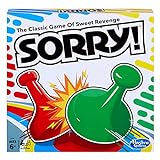
Overview: Sorry! delivers nostalgic, high-stakes race gameplay where 2-4 players battle to move all four pawns from start to home. This classic Hasbro title, updated for modern families, thrives on luck-driven chaos as players draw cards to advance, slide, or send opponents’ pawns backward—a mechanic dubbed “sweet revenge.”
What Makes It Stand Out: The sheer unpredictability defines Sorry! Unlike strategy-heavy games, its charm lies in sudden reversals—landing on an opponent’s pawn instantly resets their progress, creating dramatic, laughter-inducing moments. The vibrant board, smooth-sliding pawns, and simple card mechanics make it accessible for young children while retaining excitement for adults.
Value for Money: As an entry-level board game, Sorry! punches above its weight. Its durable construction and timeless design outlast cheaper alternatives, justifying the price. Compared to complex games requiring lengthy instruction, its instant playability offers immediate family bonding without frustration.
Strengths and Weaknesses:
Strengths: Effortless rules for ages 6+; high replay value via chaotic luck; fosters emotional resilience; compact box.
Weaknesses: Zero strategy (pure luck); can frustrate competitive players; pawn collisions occasionally jam.
Bottom Line: Sorry! remains a cornerstone of family game nights for good reason. Its blend of simplicity, tension, and nostalgic appeal makes it a superb choice for introducing young kids to board games and reigniting playful rivalry.
3. Hasbro Gaming Scrabble Board Game, Classic Word Games for Kids Ages 8 and Up, Fun Family Game for 2-4 Players, The Classic Crossword Game
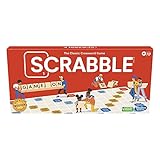
Overview: Scrabble remains the gold standard for word games, challenging 2-4 players to build high-scoring crossword grids using 100 wooden letter tiles. This edition features a textured board to prevent slips, wooden racks, and premium scoring squares that multiply points—perfect for ages 8+ seeking educational fun.
What Makes It Stand Out: The tactile wooden components elevate the experience beyond plastic alternatives, while the strategic depth—balancing vocabulary knowledge, tile placement, and premium squares—creates satisfying mental engagement. Unlike digital versions, physical Scrabble encourages face-to-face interaction and healthy debate over word validity.
Value for Money: A worthwhile investment for word lovers, given its heirloom-quality materials and infinite replayability. It outperforms budget word games with flimsy tiles and offers more cognitive benefits than luck-based alternatives. Libraries or schools will find it indispensable.
Strengths and Weaknesses:
Strengths: Builds vocabulary and math skills; high-quality materials; deeply strategic; timeless appeal.
Weaknesses: Can spark arguments over obscure words; slower pace may test younger players’ patience; setup/storage is bulkier than card games.
Bottom Line: Scrabble is an essential family game that seamlessly blends education and entertainment. Its enduring design and intellectual challenge make it a perennial favorite for game nights focused on growth and connection.
4. Do You Really Know Your Family? A Fun Family Game Filled with Conversation Starters and Challenges - Great for Kids, Teens and Adults
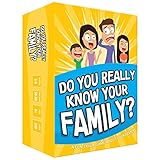
Overview: This card-based game cuts through small talk by prompting families to answer revealing questions and complete light-hearted challenges. Targeting ages 8+, it fosters genuine connection through 150+ prompts designed to spark laughter, nostalgia, and surprising revelations during short, engaging sessions.
What Makes It Stand Out: Its focus on meaningful interaction over competition sets it apart. Unlike trivia or strategy games, it encourages vulnerability and storytelling—e.g., “What’s a family inside joke only we’d understand?” or “Recreate Grandma’s famous dance.” The absence of winners/losers reduces pressure, making it ideal for multigenerational play.
Value for Money: At a modest price point, it delivers exceptional emotional ROI. The durable cards withstand repeated use, and the diverse prompts ensure fresh conversations each time. It’s far more impactful than generic party games, fostering bonds that last beyond game night.
Strengths and Weaknesses:
Strengths: Strengthens family relationships; adaptable for any group size; no reading/writing needed; inclusive for shy members.
Weaknesses: Less structured than competitive games; some prompts may feel too personal for reserved families; limited replay if all cards are used quickly.
Bottom Line: An invaluable tool for deepening family ties, this game turns ordinary nights into memorable bonding experiences. Highly recommended for households seeking authentic connection over cutthroat competition.
5. Monopoly Game, Family Board Games for 2 to 6 Players & Kids Ages 8 and Up, Includes 8 Tokens (Token Vote Edition)
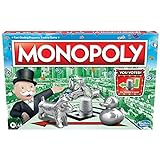
Overview: The Token Vote Edition revives the iconic property-trading game where 2-6 players buy, sell, and develop neighborhoods to bankrupt opponents. Featuring eight modernized tokens (including fan-favorite Rubber Ducky and new Hazel), it modernizes Monopoly while retaining its core “fast-dealing” chaos for ages 8+.
What Makes It Stand Out: The token customization—letting players vote for their favorites—adds fresh engagement. Monopoly’s enduring appeal lies in its potent mix of strategy (auctioning properties, building houses/hotels) and high-stakes negotiation, creating unforgettable moments of triumph and betrayal as rent debts escalate.
Value for Money: As a perennial bestseller, this edition justifies its cost with robust components and near-limitless replayability. Compared to niche strategy games, Monopoly’s universal recognition ensures it’s always “game-night ready,” while the token variety enhances collectibility.
Strengths and Weaknesses:
Strengths: Teaches financial literacy; supports large groups; highly customizable via house rules; nostalgic yet updated.
Weaknesses: Playtime can exceed 2 hours; luck-heavy early rounds; potential for player elimination frustration.
Bottom Line: Monopoly remains a family game-night essential. This Token Vote Edition’s modern touches and classic tension make it a smart buy for creating generations of shared memories—and friendly feuds.
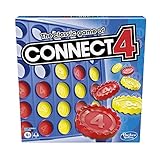
6. Hasbro Gaming Connect 4 Classic Grid,4 in a Row Game,Strategy Board Games for Kids,2 Player .for Family and Kids,Ages 6 and Up
Overview:
This modernized version of the timeless Connect 4 pits two players against each other in a battle to align four colored discs vertically, horizontally, or diagonally. Designed for ages 6+, it combines straightforward rules with strategic depth, making it ideal for family game nights or quick competitive sessions.
What Makes It Stand Out:
The sleek grid design and vibrant disc colors offer a fresh aesthetic, but the real innovation lies in its three gameplay modes: classic Connect 4, the chaotic Connect 4 Frenzy, and the tactical Pop-Out variant where players can remove discs from the bottom. This versatility extends replayability far beyond the standard game.
Value for Money:
Priced affordably, it outperforms cheaper knockoffs with durable plastic construction and multi-mode functionality. While basic strategy games abound, the inclusion of three distinct ways to play justifies its cost as a long-term family investment compared to single-mechanic alternatives.
Strengths and Weaknesses:
Strengths: Extremely easy to learn, quick setup, encourages tactical thinking, and the Pop-Out feature adds strategic depth. The modern design appeals to kids. Weaknesses: Limited to two players, and older children might outgrow the core strategy quickly without the Pop-Out variation.
Bottom Line:
A superbly refreshed classic that retains its educational charm while adding clever twists. Highly recommended for families seeking an accessible, replayable strategy game that bridges generations without breaking the bank.
7. USAOPOLY BLANK SLATE, Where Great Minds Think Alike, Fun Family-Friendly Board Game, Word Association Party Game, Easy to Learn, Fun to Play Family Game Night, 3-8 Players, Ages 8+
Overview:
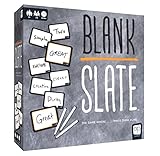
Blank Slate challenges players to predict collective thinking by matching words to incomplete phrases. In this party game for 3–8 players, everyone writes a word on a slate to complete a cue card (e.g., “______ shower”), aiming to match another player’s unseen answer for points.
What Makes It Stand Out:
Unlike trivia games, Blank Slate thrives on predicting group consensus, creating hilarious moments when obscure answers unexpectedly align. The dry-erase slates and 250 double-sided cue cards enable rapid, adaptable play, while the scoreboard tracks matches intuitively. Its genius lies in revealing how similarly (or bizarrely) groups think.
Value for Money:
The component quality—especially the reusable slates and abundant cards—offers exceptional value. At this price point, it surpasses similar party games in replayability, as the phrase combinations generate near-infinite scenarios. Ideal for recurring game nights without repetitive fatigue.
Strengths and Weaknesses:
Strengths: Effortless to learn, scales perfectly for groups, sparks laughter through shared misunderstandings, and requires no app. Weaknesses: Can stall if players overthink answers, and younger kids (ages 8–10) may struggle with abstract associations.
Bottom Line:
A must-have for social gatherings, Blank Slate transforms collective guesswork into uproarious fun. Its simplicity, depth, and reusability make it a standout investment for families and friend groups seeking lighthearted connection.
8. Hasbro Gaming Yahtzee Game, Fast-Playing Dice Games for Kids, Teens, and Adults, Strategy Games, Family Games for Kids, 2 or More Players, Ages 8 and Up

Overview:
Yahtzee delivers fast-paced dice-rolling action where players chase combos like straights, full houses, and the coveted five-of-a-kind Yahtzee. This compact game accommodates 2+ players, blending luck with scoring strategy to crown the ultimate “high roller.”
What Makes It Stand Out:
Its enduring appeal lies in the perfect balance of simplicity and tactical decision-making. Knowing whether to bank points early or risk rerolls for a Yahtzee adds subtle depth. The portable design—dice, cup, and scorepad—makes it a go-to for travel or spontaneous play.
Value for Money:
As a perennial bestseller, Yahtzee offers unbeatable affordability for its replay value. Physical copies cost a fraction of digital subscriptions yet provide identical gameplay. While premium editions exist, this classic version delivers the authentic experience without gimmicks.
Strengths and Weaknesses:
Strengths: Universally accessible, quick rounds (15–20 mins), teaches probability basics, and genuinely multi-generational. Weaknesses: Heavy reliance on luck can frustrate competitive players, and the scorepad requires repurchasing after extended use.
Bottom Line:
An essential, no-frills dice game that remains the gold standard for family strategy nights. Its timeless mechanics and portability ensure it’s worth every penny for households seeking inclusive, screen-free fun.
9. Official Hasbro Games Jenga Game | Digital Die for 6 More Ways to Play | Original Wood Block Game | Stacking Tower | Ages 6+ | 1+ Players | Party Games

Overview:
This Jenga edition reimagines the wooden block-stacking classic with a digital twist. Players pull blocks from a tower and place them atop without causing collapse, now optionally enhanced by a free digital die app introducing themed challenges.
What Makes It Stand Out:
The digital die (accessed via QR code) revolutionizes gameplay with six new modes like “Thumbs Only” or “Team-Up,” where players guide each other blindly. Genuine wood blocks and precise craftsmanship maintain the tactile satisfaction, while app integration adds unexpected variety without compromising the core tension.
Value for Money:
Despite the tech addition, pricing aligns with standard Jenga sets. The app’s free challenges extend longevity significantly, making it superior to basic versions. Genuine wood construction also ensures durability over cheaper alternatives.
Strengths and Weaknesses:
Strengths: Digital modes prevent staleness, high-quality blocks, solo-play option, and hilarious app-driven challenges. Weaknesses: Phone dependency for digital play may frustrate tech-averse users, and app features require stable connectivity.
Bottom Line:
A masterful update to a legacy game, merging analog charm with digital innovation. Highly recommended for parties or families wanting fresh thrills from a trusted classic—just keep your phone charged.
10. Hasbro Gaming Trouble Board Game for Kids Ages 5 and Up 2-4 Players

Overview:
Trouble revives the beloved dice-rolling race where players move pieces around a board, aiming to be first to “home.” Its iconic Pop-o-Matic die roller—a clickable plastic bubble—provides tactile fun for kids aged 5+ in 2–4 player matches.
What Makes It Stand Out:
The Pop-o-Matic bubble is pure nostalgia, delivering satisfying pops while eliminating lost dice. Power Up Spaces add mild strategy to the straightforward race format, and the compact board sets up in seconds. It’s engineered for preschooler engagement.
Value for Money:
As an entry-level board game, Trouble excels in durability and simplicity. Costing less than many modern games, it outperforms pricier alternatives for young children by focusing on cause-and-effect learning without complex rules.
Strengths and Weaknesses:
Strengths: Instant setup, zero reading required, the bubble calms sensory-seeking kids, and Power Up variants extend play. Weaknesses: Minimal strategy, luck-dominated outcomes, and older kids may find it repetitive quickly.
Bottom Line:
An unbeatable starter game for toddlers and preschoolers. Its simplicity, durability, and iconic bubble make it a top-tier choice for first-time gamers—prioritize joy over complexity here.
Understanding the Modern Family Game Landscape
The board game market has evolved dramatically, moving far beyond simple roll-and-move mechanics. Today’s landscape offers an incredible diversity of experiences designed specifically for family dynamics, catering to varied ages, attention spans, and interests. Understanding this evolution is key to navigating the choices effectively. Modern family games prioritize intuitive rules that get everyone playing quickly, minimize downtime between turns to keep younger players engaged, and often incorporate cooperative elements alongside healthy competition. They are crafted with high-quality, durable components that withstand enthusiastic play and are designed to be visually appealing without relying on digital gimmicks. Recognizing this shift helps families move past outdated perceptions and embrace games as sophisticated, accessible tools for connection.
The Critical Shift from Passive to Active Play
The fundamental difference lies in the nature of engagement. Screen-based activities are predominantly passive reception – absorbing content created by others. Board games, conversely, demand active participation. Players must physically manipulate components, mentally process information, make decisions, communicate verbally, and react to the unfolding game state in real-time. This active cognitive and social engagement stimulates different parts of the brain, fostering skills like spatial reasoning, strategic planning, and impulse control. For children, this hands-on interaction is vital for developmental milestones, while adults benefit from the mental workout and the break from constant digital input. Choosing games that prioritize this active participation ensures the time spent is genuinely enriching, not just a different form of screen substitution.
Why 2026 Demands Intentional Analog Choices
While the benefits of screen-free time are timeless, the context of 2026 makes intentional choices even more crucial. Digital saturation has reached new heights, with immersive technologies and personalized content streams making disconnection harder than ever. Families face unprecedented pressure to constantly be “on,” blurring the lines between work, school, and leisure. In this environment, deliberately choosing analog activities like board games becomes a powerful act of resistance against digital overwhelm. It creates a tangible boundary, a dedicated space and time where connection happens face-to-face, fostering presence and mindfulness that digital interactions often lack. The right game isn’t just entertainment; it’s a necessary counterbalance to the digital ecosystem dominating modern life.
Identifying Your Family’s Unique Play Profile
Not all families, or even all game nights within a family, are the same. Success starts with honest self-assessment. Consider the age range of regular players – a game perfect for tweens might frustrate preschoolers or bore teenagers. What are the dominant play styles? Does your family thrive on hilarious cooperative chaos, or do you prefer structured strategic challenges? How long is a realistic attention span for a focused session? Are there specific sensitivities, like aversion to high conflict or strong competitive streaks? Understanding these nuances – your family’s unique “play profile” – is the single most important factor in selecting games that will be met with enthusiasm, not resistance, ensuring game night becomes a cherished ritual, not a chore.
Key Features to Prioritize in Family Game Selection
With countless options available, knowing which features genuinely matter for family harmony and enjoyment cuts through the noise. Prioritizing these elements ensures your investment leads to repeated plays and genuine connection, rather than gathering dust on a shelf. Focus on aspects that directly impact accessibility, engagement, replayability, and the overall atmosphere of your game nights. These are the non-negotiables that transform a simple purchase into a cornerstone of your family’s screen-free strategy.
Age Appropriateness Beyond the Box Number
While manufacturer age ranges offer a starting point, true age appropriateness requires deeper consideration. Look beyond the minimum age; assess the complexity of the rules, the required reading level (if any), the length of playtime needed for engagement, and the cognitive demands (like multi-step planning or abstract thinking). A game labeled “8+” might have rules too dense for an 8-year-old but perfect for a 10-year-old in the same family. Conversely, a game for “10+” might have themes or mechanics that resonate surprisingly well with a mature 8-year-old. Flexibility and understanding developmental stages are key – sometimes “family-friendly” means games where younger kids can participate meaningfully with slight rule adjustments or team play.
Balancing Competition and Cooperation Seamlessly
The ideal family game often strikes a delicate balance between these two dynamics. Pure competition can sometimes lead to frustration, especially with significant age or skill gaps, while pure cooperation might lack the exciting tension that drives engagement. Many modern games brilliantly blend both: perhaps players compete individually for points within a larger cooperative framework to achieve a common goal before a timer runs out, or teams collaborate against the game system itself. This hybrid approach fosters teamwork, reduces the sting of individual “losses” (since the family wins or loses together against the game), and keeps the focus on shared experience rather than interpersonal conflict. Look for mechanics that encourage helping others or shared problem-solving within the competitive structure.
Playtime Realism: Matching Your Family’s Rhythm
Honesty about available time is crucial. A game promising “20 minutes” but consistently taking 45+ with setup, explanation, and the inevitable “wait, whose turn is it?” moments will breed resentment, not joy. Conversely, expecting young children to sit through a complex 90-minute strategy session is unrealistic. Prioritize games with actual playtimes that align with your family’s typical weekend energy and schedule. Many excellent family games now fit neatly into 15-30 minute windows, perfect for starting the day or filling a gap, while others offer satisfying, deeper experiences in 45-60 minutes for when you have a dedicated block. Consider setup and teardown time too – games with simple component organization encourage spontaneous play.
Component Quality and Accessibility Matters
Durable components aren’t just about longevity; they directly impact the play experience. Flimsy cards that bend, thin cardboard tokens that are hard to handle, or confusing iconography can quickly frustrate players, especially children. Look for games with thick, linen-finished cards, sturdy boards and tokens, and clear, intuitive visuals. Consider accessibility: are the colors distinguishable for color-blind players? Is text large enough? Are components easy for small hands to manipulate? Games designed with universal accessibility in mind ensure everyone can participate fully and comfortably, removing unnecessary barriers to enjoyment and fostering true inclusivity at the table.
Exploring Essential Game Mechanics for Family Fun
Understanding core game mechanics helps you pinpoint what type of experience will resonate. Mechanics dictate how players interact with the game and each other, shaping the entire feel of the session. Don’t be intimidated by the terminology; recognizing these fundamental building blocks allows you to seek out the styles your family enjoys most, whether it’s the thrill of deduction, the creativity of storytelling, or the satisfaction of building something together.
Cooperative Challenges: Winning (or Losing) Together
Games where players work as a team against the game system itself are phenomenal for family bonding. There’s no “you lost to your sibling”; instead, the focus is on collective problem-solving and shared triumph (or the fun of strategizing for next time after a joint defeat). These mechanics minimize direct player conflict, making them ideal for mixed-age groups or families sensitive to competitiveness. Look for cooperative games with variable difficulty settings or modular elements that allow you to scale the challenge as your family’s skills grow, ensuring long-term replayability and a sense of shared accomplishment that strengthens family unity.
Light Strategy and Resource Management
Gone are the days when strategy meant hours of complex calculations. Modern family games excel at offering “light strategy” – meaningful decisions that impact the outcome without overwhelming cognitive load. Resource management is a particularly accessible and engaging sub-mechanic. Players gather and allocate simple resources (like wood, food, or cards) to build, upgrade, or achieve goals. This teaches basic economic principles, planning, and prioritization in a fun, tangible way. The best family strategy games present clear choices with immediate feedback, keeping everyone involved and making the strategic elements feel intuitive and rewarding, not tedious.
Creative Expression and Storytelling Sparks
Games that unlock imagination and narrative are powerful connectors. Mechanics like cooperative storytelling, where players build a tale together sentence by sentence, or picture prompts that inspire wild descriptions, get creative juices flowing and reveal unexpected facets of family members’ personalities. These games often have minimal setup and rules, focusing purely on verbal interaction and shared laughter. They are excellent icebreakers, fantastic for younger children developing language skills, and surprisingly engaging for adults reclaiming their playful side. Prioritize games where there’s no “wrong” answer, fostering a safe space for unfiltered creativity and joyful absurdity.
Physical Dexterity and Tactile Engagement
Not all fun happens in the mind; sometimes it’s in the fingers! Dexterity games, involving careful stacking, flicking, balancing, or precise placement of components, add a wonderful physical dimension to game night. They break the monotony of purely mental games, get players leaning in with excitement, and provide hilarious moments of near-misses and triumphant successes. These mechanics are incredibly accessible across ages – a preschooler can often compete surprisingly well against an adult in a simple stacking challenge. The tactile nature also provides sensory input that can be calming or energizing, depending on the game, making them a versatile tool for different moods and energy levels.
Building Sustainable Screen-Free Weekend Traditions
Selecting great games is only the first step. The real magic happens when game nights become a reliable, anticipated part of your family rhythm. Sustainability is key – it’s about creating a habit that feels effortless and joyful, not an obligation. This involves thoughtful planning, managing expectations, and fostering an environment where everyone feels welcome and excited to participate. It’s the difference between a one-off experiment and a cherished family tradition that spans years.
Creating the Ideal Game Night Environment
Setting the stage physically and mentally significantly impacts enjoyment. Choose a consistent location with ample table space and comfortable seating – the dining table often works well. Minimize distractions: silence phones (or put them in another room!), turn off the TV background noise. Good lighting is essential for seeing the board and reading cards. Consider the timing: is Saturday afternoon energy high, warranting active dexterity games, or is Sunday evening better for calmer strategy? Having a dedicated “game shelf” easily accessible encourages spontaneous play. Most importantly, cultivate a positive, low-pressure atmosphere where the goal is connection and fun, not perfection or winning at all costs.
Involving Everyone in the Selection Process
Empowerment breeds engagement. Don’t just announce the game of the week; involve family members, especially children, in the selection process. Create a family “game library” (even if it starts small) and set aside a few minutes before game night for everyone to suggest options based on their mood. Use a simple voting system for the final choice. For younger kids, let them pick from a curated shortlist you’ve pre-vetted for appropriateness. When people feel their preferences are heard and valued, they are far more likely to be enthusiastic participants and less likely to resist starting or quitting early. This also teaches decision-making and respecting group choices.
Managing Expectations and Graceful Conflict Resolution
Even the best-planned game night can hit snags. Someone might get frustrated after a loss, a rule dispute might arise, or a younger child might lose interest. Proactively managing expectations is vital. Before starting, briefly reiterate the core purpose: “Tonight is about playing together and having fun, winning is just a bonus!” Keep initial sessions shorter than the game’s maximum time. Have a clear, calm plan for resolving disagreements – perhaps a designated “rule referee” (who consults the manual) or a quick break. Model good sportsmanship: celebrate others’ good moves, laugh at your own mistakes, and gracefully accept losses. Teaching these skills during the game is invaluable life learning disguised as play.
Expanding Beyond the Core Game: Variants and House Rules
As your family becomes familiar with a favorite game, don’t be afraid to adapt it! Many games suggest official variants for increased challenge or shorter play. More creatively, develop simple “house rules” that tailor the experience specifically to your group. Maybe you add a silly penalty for certain moves, allow limited team hints in a cooperative game for younger players, or create a special “family champion” role that rotates. These adaptations deepen investment in the game, keep it feeling fresh after multiple plays, and foster a sense of ownership. Just ensure any changes maintain the game’s core spirit and continue to serve the goal of inclusive, enjoyable family time.
Maximizing the Educational and Developmental Payoff
While the primary goal is fun, the rich educational and developmental benefits of quality board gaming are a significant bonus, making screen-free time inherently valuable. These benefits aren’t forced lessons; they emerge naturally through engaging play. Understanding what skills are being nurtured can help you appreciate the deeper value of your game nights and guide your selection towards experiences that subtly support your children’s growth in critical areas, all while everyone is absorbed in the fun.
Cognitive Skills: From Memory to Strategic Thinking
Every game night is a cognitive workout. Simple matching games strengthen visual memory and pattern recognition in young children. As complexity increases, players develop working memory (holding rules and current state in mind), logical reasoning (if I do X, then Y might happen), and forward planning (strategizing several moves ahead). Resource management games teach basic economics and prioritization. Deduction games foster critical thinking and evaluating evidence. The beauty is that these skills are practiced in a low-stakes, enjoyable context, making the learning process feel effortless and intrinsically motivating, far more effective than rote drills.
Social-Emotional Learning Through Play
Board games are unparalleled social laboratories. They provide safe, structured opportunities to practice turn-taking, active listening, and clear communication – waiting patiently, explaining your move, understanding others’ perspectives. Players learn to manage emotions: handling disappointment after a setback, containing excitement after a win, and navigating the frustration of a rule dispute calmly. Cooperative games specifically build empathy, teamwork, and shared responsibility. Recognizing these moments during play (“Wow, you waited so patiently for your turn!”) reinforces positive social-emotional development, building the foundation for healthy relationships inside and outside the family.
Language and Communication Development Boosters
From the simplest picture-based games to complex strategy sessions, board gaming is a language powerhouse. Young children expand vocabulary by learning game-specific terms and describing what they see. Reading rules (or having them read aloud) builds literacy skills. Explaining strategies, negotiating trades, or collaboratively building a story dramatically enhances verbal expression, narrative skills, and persuasive communication. Asking clarifying questions and listening to others’ interpretations fosters comprehension. The interactive, multi-directional nature of game communication is far richer than passive screen consumption, providing constant, natural opportunities to practice and refine language abilities in a meaningful context.
Fostering Patience, Perseverance, and Problem-Solving
In a world of instant digital gratification, board games teach invaluable lessons in delayed gratification and resilience. Players learn that success often requires waiting for the right moment, trying different approaches after a failed strategy, and persisting through challenging phases of the game. Overcoming a tough cooperative challenge or figuring out a tricky puzzle within a game builds confidence in problem-solving abilities. Experiencing both wins and losses in a controlled environment helps children develop a growth mindset – understanding that effort and learning from mistakes lead to improvement. These are fundamental life skills that extend far beyond the game board.
Frequently Asked Questions
Frequently Asked Questions
How do I get my screen-obsessed teenager interested in board games? Start by involving them in the selection process; seek out modern games with themes or mechanics they might connect with (like strategic depth, creative elements, or pop-culture adjacent themes – without naming specifics). Play quick, engaging games initially. Frame it as “hanging out together” rather than “replacing screens,” and consider letting them co-host or choose the game occasionally to build ownership.
What if we only have 20-30 minutes available for a game? Focus exclusively on games with actual playtimes under 20 minutes, not just the box claim. Many excellent “filler” or “party” style games fit this window perfectly. Prioritize games with minimal setup and teardown. These short bursts are ideal for starting a habit and prove that meaningful connection doesn’t require huge time blocks.
How can I prevent arguments and sore losers, especially with younger kids? Proactively set the tone before playing: emphasize fun and togetherness over winning. Choose games with cooperative elements or shared goals to reduce direct competition. For younger children, focus on games with minimal player elimination. Model gracious behavior yourself, and have a calm reset strategy ready (like a short break or revisiting the core purpose of the game). Praise effort and good sportsmanship explicitly.
Are cooperative games really better for families than competitive ones? Not inherently “better,” but they often lower barriers for mixed-age groups and reduce direct conflict. Many families thrive on healthy competition! The key is finding the right balance for your family. Some games blend both (compete within a coop framework), and many competitive games become more enjoyable with established family sportsmanship norms. It depends entirely on your family’s dynamics and tolerance for competition.
How much should I realistically spend to build a good starter family game library? Focus on quality over quantity. A strong core of 3-5 versatile, high-replayability games (covering different mechanics like coop, light strategy, dexterity) is far better than 10 mediocre ones. Prioritize durable components. You can build an excellent foundation with thoughtful purchases in the $25-$45 range per game, potentially supplemented by library loans or checking out games before buying. Avoid impulse buys based solely on packaging.
How do I handle a child who gets easily frustrated and quits games? Start with very short, simple games where success feels achievable. Adjust difficulty – use house rules to give them a slight advantage or simplify rules initially. Focus on cooperative games where the family succeeds or fails together. Celebrate small wins during the game (“Great job remembering the rule!”). Most importantly, keep sessions short and end on a positive note, even if early, to build positive associations. Never force continuation.
Can board games genuinely help with my child’s development, or is it just play? Absolutely, it’s substantive development disguised as fun. Games naturally build cognitive skills (memory, reasoning, planning), social-emotional skills (turn-taking, managing emotions, communication), language skills (vocabulary, expression), and executive function (patience, focus, problem-solving). The interactive, hands-on nature makes this learning deeply effective and engaging compared to passive activities.
How often should we aim for a dedicated family game night? Consistency matters more than frequency. Starting with one reliable, positive session per week (even if short) builds the habit better than sporadic longer sessions. Protect this time fiercely. Once it’s a valued ritual, you might find spontaneous play happening more often. The goal is sustainable integration into your rhythm, not pressure to game every single night.
What if we have players with very different ages (e.g., 5, 10, and 15)? Seek games explicitly designed for wide age ranges (check beyond the box number). Cooperative games are often ideal. Use team play (pair younger kids with older siblings/parents). Adjust rules slightly for younger players (e.g., extra resources, simpler goals). Prioritize games where different ages can contribute meaningfully in their own way, not just endure until they’re old enough to “play properly.”
How do I keep game nights feeling fresh and avoid burnout on the same few games? Rotate your library – borrow games from libraries or friends. Introduce official variants if the game offers them. Develop simple, fun house rules as your family masters a game. Occasionally theme a night (e.g., “creative storytelling night” pulling out all narrative games). Most importantly, pay attention to your family’s energy and mood – sometimes swapping in a quick, silly game instead of the usual strategy session is the key to keeping it enjoyable.
See Also
- 10 Best Budget Board Games for Kids Under $20 for Family Fun in 2026
- 10 Best Value Rummy Games for Family Fun in 2026
- 10 Best Family Board Games for 6-Year-Olds That Keep Everyone Engaged in 2026
- 10 Must-Have Kids Board Games for Rainy Day Fun in 2026
- 10 Best Family Board Games After 6 Months of Testing in 2026