Table of Contents
Imagine this: after a long week navigating work deadlines, household chores, and the constant ping of notifications, you finally carve out precious time with your partner. Instead of defaulting to scrolling through separate feeds or debating what to watch, you pull out a box filled not with competition, but with shared purpose. Cooperative board games offer couples a unique sanctuary – a space where you’re not opponents, but teammates strategizing, laughing, and overcoming challenges together. It’s not just play; it’s a dynamic, interactive date night that builds connection far deeper than passive entertainment ever could. In a world pulling us in different directions, these games create a focused, collaborative bubble where the only goal is succeeding as one unit.
Forget the tension of cutthroat competition where someone inevitably “wins” and someone “loses.” Cooperative games fundamentally shift the dynamic. You face the game system itself, transforming potential friction points into opportunities for partnership. Need to coordinate moves under time pressure? Negotiate resource allocation? Puzzle through a hidden traitor mechanic? These aren’t just game elements; they’re subtle rehearsals for real-life teamwork, communication, and mutual support. The shared sigh of relief after narrowly avoiding disaster or the synchronized high-five when you crack a tough puzzle – these moments forge memories and strengthen the “us against the problem” mentality that benefits every aspect of your relationship. It’s active bonding disguised as fun.
Top 10 Cooperative Board Games for Couples
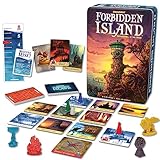





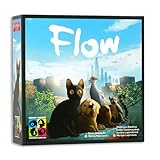


Detailed Product Reviews
Why Cooperative Play Resonates Deeply with Couples
The appeal of cooperative gaming for partners goes far beyond simple entertainment. It taps into fundamental relationship needs in a structured, low-stakes environment. Unlike competitive games where victory for one inherently means defeat for the other, co-ops eliminate that inherent tension. You win together, you lose together. This shared outcome fosters a sense of unity and mutual investment that competitive formats often lack. There’s no keeping score against your loved one; the focus is squarely on the shared objective and the journey you take to reach it.
Building Communication Skills Through Gameplay
Cooperative games are masterclasses in effective communication, often requiring partners to articulate complex strategies, share hidden information, or make quick, joint decisions under pressure. Games frequently involve limited communication rules or asymmetric information, forcing you to practice clarity, active listening, and concise expression. Did your partner just misinterpret your hint about the critical resource? That gentle correction in the game translates directly to improved real-world dialogue. Navigating these in-game communication hurdles builds trust and refines how you convey needs and ideas to each other outside the game box.
Fostering Shared Problem-Solving and Strategy
Facing a challenging game scenario together is the perfect crucible for collaborative problem-solving. You must pool your cognitive resources, debate potential strategies, weigh risks, and commit to a unified plan. This process mirrors how couples tackle real-life challenges – budgeting, planning, resolving conflicts. Successfully navigating a complex game puzzle reinforces the power of your combined intellect and perspective. It demonstrates that two minds, working in concert with respect and openness, can achieve far more than either could alone, a powerful metaphor for partnership.
Creating Moments of Collective Triumph and Support
There’s an unparalleled emotional resonance in achieving a difficult objective together. That collective gasp when the final tile clicks into place, the shared laughter after a near-catastrophe averted through quick teamwork – these create powerful positive emotional anchors within your relationship. Conversely, when the game inevitably throws a curveball and you face defeat, experiencing that setback as a team rather than as adversaries builds resilience. You learn to offer and receive support during frustration, practicing grace under pressure and reinforcing that you’re in it together, win or lose.
Key Features to Prioritize When Choosing for Two
Selecting the right cooperative experience is crucial for maximizing enjoyment and connection. Not all co-op games translate perfectly to a two-player dynamic. Understanding the specific features that enhance or hinder the couple’s experience is essential for avoiding frustration and ensuring the game becomes a cherished ritual, not a source of tension.
Ideal Player Count and Two-Player Optimization
While many co-ops support two players, true optimization for just two is vital. Some games feel drastically different, or even broken, with only two participants compared to their intended player count. Look for games explicitly designed or exceptionally well-tuned for duos. Key indicators include mechanics that don’t rely on multiple distinct roles becoming overwhelming, or game systems that scale elegantly down without feeling sparse or overly punishing. A game that requires significant rule modifications or house rules to work well with two often signals it’s not the best fit for a consistent couples’ game.
Play Time Duration and Session Commitment
Honesty about available time is non-negotiable. Be realistic about the uninterrupted blocks you can dedicate. Games ranging from 20-45 minutes offer fantastic “pocket adventures” perfect for weeknights or fitting into a busy schedule. These are ideal for testing the waters with a new game type or maintaining a regular habit. Conversely, immersive 60-90+ minute epic campaigns require significant planning but deliver deep, shared narrative experiences. Crucially, avoid games that consistently overrun their stated time – nothing kills the mood like realizing “just one more turn” has eaten into sleep time again. Match the game’s tempo to your actual lifestyle.
Complexity Level and Learning Curve Management
Navigating the complexity spectrum is key. An overly simplistic game might feel patronizing and lack engagement, while a rules-heavy behemoth can turn game night into a tedious study session, breeding frustration instead of fun. Seek the “sweet spot”: games with intuitive core mechanics that unfold in layers. Look for excellent rulebook design (clear examples, step-by-step setup) and consider starting with games known for approachability. The initial learning session is part of the experience; if understanding the rules feels like a chore, the actual gameplay might never get off the ground. Prioritize clarity and teachability.
Design Elements That Deepen the Couple’s Experience
Beyond basic functionality, certain design philosophies elevate a co-op game from a pastime to a meaningful relational tool. These elements actively foster the connection, communication, and shared growth that make couple’s gaming so special.
Asymmetric Roles and Complementary Strengths
Games where partners take on distinct roles with unique abilities or information create dynamic interaction. This prevents analysis paralysis (where one person dominates decisions) by naturally distributing responsibility. One might manage resources while the other focuses on exploration, forcing constant consultation and leveraging individual strengths. This mechanic beautifully mirrors real relationships, highlighting how different skills and perspectives combine to form a stronger whole. Successfully navigating the game often hinges on respecting and effectively utilizing these complementary roles, reinforcing the value of diversity within your partnership.
Meaningful Player Interaction Beyond Mechanics
The best couple’s co-ops foster rich social interaction, not just mechanical coordination. Look for games that spark conversation, negotiation, and shared storytelling. Hidden traitor mechanics (where communication is restricted or one might secretly be an enemy) can create hilarious tension and require deep trust. Games with strong narrative elements prompt partners to discuss choices and imagine scenarios together. The goal is for the table talk – the strategizing, the joking, the shared reactions – to be as much a part of the fun as the physical components on the board.
Replayability Through Variable Setups and Scenarios
Monotony is the enemy of longevity. Games offering high replay value ensure your shared hobby stays fresh. This is achieved through modular boards, randomized objectives, scenario decks, or legacy elements that change the game state over multiple sessions. Each playthrough presents a new puzzle or narrative challenge, preventing the experience from becoming stale. This variety encourages repeated play, deepening your strategic understanding together and creating a library of shared gaming memories, each session distinct from the last.
Navigating Potential Pitfalls in Couple’s Co-Op Gaming
Even the best-designed games can encounter bumps when played by partners. Awareness of common pitfalls allows couples to proactively mitigate them and keep the experience positive.
Avoiding “Alpha Gaming” and Dominant Players
“Alpha gaming” occurs when one partner consistently makes all the decisions, effectively playing the game for both players. This disempowers the other and turns cooperative play into a solo experience with an audience. It often stems from confidence, familiarity with games, or a desire to “win,” but it erodes the core benefit of partnership. Combat this by consciously pausing to solicit input, using “I think we should…” instead of “We should…”, and establishing ground rules like “no taking pieces without asking.” The goal is joint decision-making, not one person directing traffic.
Managing Frustration and Handling Loss Gracefully
Games will be lost. How you handle those losses defines the experience. Frustration directed at the game is normal; frustration directed at your partner is corrosive. Establish early on that the game is the opponent, not each other. Use humor to diffuse tension (“Well, the zombies clearly won that round!”). Practice acknowledging effort (“Great move on that resource grab, even if it didn’t save us”). If emotions run high, pause the game – step away for five minutes. Remember, the shared process matters more than the outcome; losing well together builds resilience.
Balancing Challenge Without Overwhelming Difficulty
A game that’s perpetually too hard leads to repeated frustration and discouragement. Conversely, one that’s too easy becomes boring quickly. The ideal challenge curve provides frequent small successes alongside meaningful hurdles. Look for games with adjustable difficulty levels – a crucial feature for couples. Start on the easiest setting to learn mechanics and build confidence, then gradually increase the pressure. The goal is a “just right” challenge that requires effort and coordination to overcome, making victory feel earned and loss a learning opportunity, not a demoralizing brick wall.
Integrating Cooperative Gaming Into Your Relationship Rhythm
Making cooperative gaming a sustainable, joyful part of your relationship requires intentional integration. It shouldn’t feel like another chore, but a rewarding ritual you both anticipate.
Setting Realistic Expectations and Scheduling
Treat game nights with the same respect as other important dates. Discuss and agree on a realistic frequency (weekly? bi-weekly? monthly?) and duration before you start playing. Block the time in your calendars. Be mindful of energy levels – scheduling a complex game after a draining workday might backfire; opt for something lighter instead. Consistency matters more than marathon sessions. Even a dedicated 30 minutes every Sunday evening can become a cherished anchor point in your week.
Creating the Ideal Physical and Mental Space
Environment is everything. Choose a comfortable, well-lit space with enough room for the game and minimal distractions (put phones on silent, close laptops). Ensure you’re both reasonably fed and rested – trying to solve complex puzzles while hangry is a recipe for friction. Approach the session with openness and a willingness to engage. Leave work stress or other worries at the door; this is dedicated “us time” focused on shared play. Setting the mood matters as much as the game itself.
Using Games as Conversation Starters and Relationship Mirrors
Don’t underestimate the post-game debrief. Take a few minutes to reflect: “What strategy really clicked for us tonight?” “How did we handle that tough moment when the timer was running out?” “What did you enjoy most?” These conversations can organically extend into broader discussions about communication, decision-making, or handling pressure in your daily lives. Recognize that how you interact during the game often mirrors broader relationship dynamics – use it as a gentle, low-stakes mirror for growth, not criticism.
Frequently Asked Questions
Frequently Asked Questions
How do we know if a cooperative game is truly good for just two players?
Focus on product descriptions or reviews that explicitly mention “excellent for 2 players” or “scales perfectly down to two.” Avoid games where the standard rules feel unbalanced or require significant tweaks for two; look for those with mechanics inherently designed for partnership dynamics.
What’s the biggest mistake couples make when starting cooperative gaming?
Underestimating the importance of matching the game’s complexity and length to their actual available time and energy levels. Starting with overly complex or lengthy games often leads to frustration and abandonment of the hobby.
Can cooperative games actually improve real-life communication between partners?
Yes, consistently. Games requiring clear information sharing, active listening under pressure, and joint decision-making provide safe, structured practice that directly translates to improved real-world communication habits and conflict resolution skills.
How do we prevent one person from always taking charge during the game?
Consciously implement “no alpha” rules: require verbal consent before moving shared components, use “I suggest…” phrasing, and take turns being the primary note-taker or timer. Acknowledge and praise contributions equally during play.
What if we lose a game repeatedly and it starts causing arguments?
Immediately lower the difficulty setting if available. If frustration persists, pause the game, take a break, and return later. Focus on celebrating small wins during the game (“Great job saving those resources!”). Remember, the goal is shared experience, not just winning.
Are shorter games (under 30 minutes) worth playing seriously with a partner?
Absolutely. Shorter games are perfect for building a consistent habit, fitting into busy schedules, and providing quick, positive connection points. They often feature tight, focused mechanics ideal for duos and prevent burnout.
How important is theme (like fantasy, sci-fi, mystery) compared to mechanics for couples?
Theme significantly impacts engagement. Choose a theme you both find at least somewhat appealing, as shared interest in the narrative or setting fuels motivation and discussion. Mechanics are crucial for playability, but theme sustains long-term interest.
Should we avoid games with hidden traitor or betrayal mechanics as a couple?
Not necessarily, but approach with caution. These can be fantastic for generating laughter and testing trust, but only if you both have a strong sense of humor and understand it’s purely game mechanics. Avoid if trust is a sensitive real-life issue.
Is it okay to modify the rules to make a game easier or more fun for us?
Completely encouraged! Cooperative games are tools for your enjoyment. House rules that reduce frustration, speed up setup, or better suit your dynamic (like adjusting difficulty on the fly) are perfectly valid and often enhance the experience.
How can we find new cooperative games that suit our evolving tastes as a couple?
Engage with specialized board game communities (forums, subreddits focused on co-ops), seek recommendations from local game stores describing your preferences (complexity, theme, playtime), and utilize filters on major board game databases specifically for 2-player cooperative experiences.
See Also
- The 10 Best Two-Player Cooperative Board Games for Couples in 2026
- 10 Game-Changing Thematic Cooperative Board Games for Roleplaying Fans in 2026
- 10 Game-Changing Fantasy Cooperative Board Games for Immersive Worlds in 2026
- 10 Game-Changing Sci-Fi Cooperative Board Games for Futuristic Fun in 2026
- 10 Game-Changing Strategy Cooperative Board Games for Brainy Players in 2026