Table of Contents
Imagine your team gathered around a table, not for another mandatory trust fall exercise, but locked in intense, collaborative problem-solving. Laughter erupts as a shared strategy succeeds against impossible odds, followed by focused discussion about why it worked. This isn’t a fantasy—it’s the tangible power of modern cooperative strategy games transforming stale team-building sessions into dynamic catalysts for real connection and performance. Forget outdated icebreakers; today’s sophisticated cooperative challenges demand genuine communication, strategic alignment, and mutual reliance, mirroring the complexities of actual workplace collaboration in ways artificial exercises never could.
The landscape of team development has evolved dramatically. We’ve moved beyond simple social mixers to recognize that building truly cohesive, high-performing teams requires engaging the collective intellect and fostering psychological safety through meaningful shared struggle. Cooperative strategy games provide the perfect sandbox: a safe space where failure carries no real-world consequences, yet the lessons in communication breakdowns, adaptive planning, and leveraging diverse strengths are profoundly impactful. As we look towards 2026, these games are no longer niche hobbies but essential, evidence-backed tools for cultivating the resilient, innovative teams every forward-thinking organization needs to thrive in an unpredictable world.
Top 10 Cooperative Strategy Games
Detailed Product Reviews
1. Gamewright - Forbidden Island - Cooperative Strategy Survival Board Game, 2-4 Players
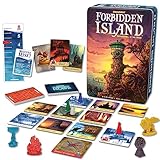
Overview: Forbidden Island, designed by Matt Leacock, is a cooperative board game where players race against sinking terrain to retrieve sacred treasures before the island vanishes. Aimed at families and casual gamers aged 10+, it emphasizes teamwork over competition in a vibrant, illustrated setting. What Makes It Stand Out: Its innovative tile-based board dynamically sinks as play progresses, creating escalating tension and forcing adaptive strategies. The distinct character roles with unique abilities encourage meaningful player interaction and role specialization, while the family-friendly theme and manageable 30-minute playtime make it highly accessible. Value for Money: Priced moderately, it offers exceptional replayability due to variable island layouts and difficulty adjustments. Compared to heavier strategy games, it delivers polished mechanics and high-quality components at an entry-level price point, ideal for introducing cooperative play. Strengths and Weaknesses: Strengths: Intuitive rules, strong visual design, excellent for teaching cooperation; scales well for 2-4 players; promotes critical thinking without overwhelming complexity. Weaknesses: Limited strategic depth for experienced gamers; random tile setup can occasionally lead to unwinnable scenarios; treasures feel thematically disconnected from the sinking-island urgency. Bottom Line: Forbidden Island is a near-perfect gateway cooperative game. Its blend of tension, teamwork, and approachability makes it a must-have for family game nights, offering immense fun and educational value at a fair price.
2. Pandasaurus Cooperative Strategy Card Game - Fun Interactive Family Game for Ages 8+, 1-5 Players, 20 Minute Playtime
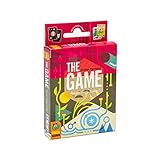
Overview: “The Game” is a lightning-fast cooperative card game challenging 1-5 players to play descending and ascending number sequences from shared decks while managing severe communication restrictions. Its minimalist design belies intense strategic depth, fitting a full session into just 20 minutes. What Makes It Stand Out: The core innovation is its strict “no discussing future moves” rule, forcing players to interpret subtle cues and anticipate teammates’ actions under pressure. Its global popularity (1.3M+ copies sold) and Spiel des Jahres award stem from this unique blend of tension, simplicity, and profound replayability through adjustable difficulty levels. Value for Money: Exceptionally high value; the compact box contains immense strategic variety at a budget-friendly price. It outperforms many pricier games in pure engagement per minute, serving as an ideal travel game or quick social icebreaker without sacrificing depth. Strengths and Weaknesses: Strengths: Incredibly easy to learn yet challenging to master; perfect for diverse ages (8+); generates palpable group tension and triumph; highly portable. Weaknesses: Communication restrictions can frustrate some players; limited physical components (just cards); victory/loss swings feel overly punishing with larger groups. Bottom Line: “The Game” is a masterclass in minimalist design. Its addictive, brain-burning cooperation justifies its accolades and makes it a standout, affordable addition to any game collection, especially for families and casual groups.
3. Asmodee Pandemic Board Game (Base Game) - A Cooperative Battle to Save Humanity, Strategy Game for Kids and Adults, Ages 8+, 2-4 Players, 45 Minute Playtime

Overview: Pandemic revolutionized cooperative gaming by tasking 2-4 players with curing four deadly diseases threatening humanity. Each player assumes a unique role with special abilities, requiring tight coordination to treat infections, share knowledge, and discover cures before outbreaks spiral out of control. What Makes It Stand Out: Its true “all-win-or-all-lose” mechanic creates unparalleled shared investment. The variable player roles and epidemic card system ensure no two games play alike, while the global map theme delivers urgent, high-stakes drama that resonates deeply with players of all ages. Value for Money: A benchmark for cooperative value. The base game offers immense strategic depth, high-quality components, and near-limitless replayability through expansions. Priced competitively against competitive games, it delivers far richer social and cognitive engagement per dollar. Strengths and Weaknesses: Strengths: Deeply immersive theme; masterful balance of challenge and accessibility; fosters exceptional teamwork and strategic planning; scales perfectly for 2-4 players. Weaknesses: Can suffer from “alpha gamer” syndrome where one player dominates decisions; setup is slightly fiddly; disease cubes may confuse very young players. Bottom Line: Pandemic remains the gold standard for cooperative board games. Its compelling theme, strategic brilliance, and universal appeal make it an essential purchase for families and strategy enthusiasts alike.
4. The Night Cage by Smirk and Dagger | Cooperative Candlelit Horror Strategy Game | Tile Laying Labyrinth Escape Adventure | for 1 to 5 Players | Ages 14+

Overview: The Night Cage plunges 1-5 players into a terrifying cooperative escape through a shifting, candlelit labyrinth stalked by Wax Eaters. Using limited light to reveal tiles while darkness consumes explored paths, players must find keys and the exit before the maze collapses, blending strategy with palpable horror. What Makes It Stand Out: The ingenious candle mechanic dictates visibility, creating genuine tension as light sources deplete. Tile-laying that erases explored paths forces constant adaptation, while the mature horror theme and atmospheric design (winner of multiple awards) deliver an emotionally charged, immersive experience distinct from lighter co-ops. Value for Money: Priced at a premium, it justifies cost through exceptional thematic execution and innovative mechanics. Adjustable difficulty and an advanced mode significantly extend replayability, offering a unique horror-strategy hybrid that few competitors match for depth and mood. Strengths and Weaknesses: Strengths: Unmatched atmospheric tension; brilliant tile-reveal mechanic; highly replayable with variable setups; scales well for solo to group play; mature theme executed tastefully. Weaknesses: Steeper learning curve than family co-ops; horror elements may not suit all players; component quality (candle) feels slightly fragile. Bottom Line: The Night Cage is a groundbreaking, award-winning experience for horror and strategy fans. Its intense atmosphere and clever mechanics provide exceptional value for mature gamers seeking a cooperative challenge beyond typical family fare.
5. Hasbro Gaming Dungeons & Dragons: Bedlam in Neverwinter Board Game, Escape Room, Cooperative Strategy Games for Ages 12+, 2-6 Players, 3 Acts Approx. 90 Mins Each (Amazon Exclusive)

Overview: Bedlam in Neverwinter offers a D&D-themed escape-room adventure split into three 90-minute acts. Players create characters, explore a dynamic board of Neverwinter, battle monsters, and solve intricate puzzles to unravel a mystery involving disappearances and a dangerous cult. What Makes It Stand Out: Its narrative-driven, episodic structure provides a campaign-like experience unmatched in standalone escape games. The integration of classic D&D elements—character creation, loot collection, and monster battles—within physical puzzle-solving creates a uniquely immersive bridge between RPGs and escape rooms. Value for Money: Justified by its massive scope: three full-length acts with a changing gameboard, numerous components, and high replayability through different character builds. While pricier than standard escape games, the sheer volume of content and D&D authenticity offers strong value for fans. Strengths and Weaknesses: Strengths: Deep D&D lore integration; engaging multi-act story; diverse puzzles (logic, visual, wordplay); excellent for 2-6 players; high component quality. Weaknesses: Setup/teardown between acts is time-consuming; puzzle difficulty can feel inconsistent; Amazon exclusivity limits accessibility; less replayable than pure strategy co-ops. Bottom Line: Bedlam in Neverwinter is a must for D&D devotees, delivering an epic, puzzle-rich adventure that captures the franchise’s spirit. While niche, its ambitious scope makes it a worthwhile investment for escape room and RPG fans seeking a lengthy cooperative narrative.
6. ito – Cooperative Strategy Card Game for Ages 8+ | 2–10 Players | Party Game with Secret Clues & Category Challenges | Family, Group & Game Night Fun

Overview:
ito is a lightning-fast cooperative card game where players arrange secret number cards in ascending order using only subtle category-based clues—never stating numbers directly. Designed for 2–10 players aged 8+, it thrives on communication and quick thinking during its sub-10-minute sessions.
What Makes It Stand Out:
Its unique clue-giving system shines, forcing creative hints through three adaptable category decks: “Family” (kid-friendly), “Everyone” (general knowledge), and “Action” (physical challenges like singing). The 100 beautifully illustrated number cards ensure high replayability, while seamless scalability from duos to large groups makes it ideal for classrooms or game nights.
Value for Money:
Priced accessibly for a party game, ito delivers exceptional value with its durable components and infinite replay potential. It outshines similar-priced games by accommodating vastly different group sizes without rule changes, eliminating the need for multiple niche party games.
Strengths and Weaknesses:
Strengths: Incredibly easy to learn; fosters teamwork and non-verbal communication; energizing for all ages; minimal setup. Weaknesses: Clue constraints may frustrate competitive players; “Action” mode requires space; limited strategic depth for hardcore gamers.
Bottom Line:
ito is a must-have for families and educators seeking inclusive, brain-teasing fun. Its speed, flexibility, and clever design justify every penny, making it a standout warm-up or standalone crowd-pleaser for any gathering.
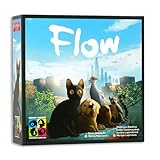
7. Flow: The Official Cooperative Board Game | Strategy Game for 1–4 Players Ages 8+ | Based on The Award-Winning Animated Film | Family & Solo Play | Survive The Flood, Rescue Allies
Overview:
Flow adapts the beloved animated short into a real-time cooperative board game where players navigate a shifting, flooding landscape to rescue allies. For 1–4 players (ages 8+), it blends emotional storytelling with urgent tactical decisions as water relentlessly rises.
What Makes It Stand Out:
The dynamic “rising water” mechanic creates palpable tension, with modular tiles reshaping the board each game. Solo playability is a major plus, while 11 scenario cards and thematic art immerse players in the film’s poignant world, turning survival into a shared narrative experience.
Value for Money:
Its premium components and film authenticity justify the price point. Compared to similar cooperative games, Flow offers deeper solo engagement and stronger thematic cohesion, though the 1–4 player limit slightly narrows its group utility versus larger-party alternatives.
Strengths and Weaknesses:
Strengths: Brilliant real-time pressure; emotionally resonant theme; excellent solo mode; high replayability via scenarios. Weaknesses: Can overwhelm younger kids with time pressure; limited player count; setup is slightly fiddly.
Bottom Line:
Flow masterfully translates its source material into tense, cooperative gameplay. Highly recommended for film fans and families wanting strategic depth with emotional stakes—just ensure your group enjoys time-sensitive challenges.
8. Spin Master Games, SolidRoots Escaping Extinction, Cooperative Strategy Board Game from The Makers of Mind The Gap, Easter Gift, 1-4 Players, for Ages 12 & Up

Overview:
In Escaping Extinction, players become clever dinosaurs racing to build a 3D rocket before a meteor strikes. This cooperative strategy game tasks 1–4 players (aged 12+) with gathering rocket parts across a tile-based prehistoric world while surviving earthquakes that dynamically alter the board.
What Makes It Stand Out:
The 3D rocket assembly adds tactile excitement, while “earthquake cards” inject chaos by reshuffling terrain mid-game. The tile-based board ensures every playthrough features unique layouts, and Spin Master’s polish guarantees smooth, high-energy sessions focused on shared problem-solving.
Value for Money:
Priced competitively for a strategy game, it delivers robust replayability through variable boards and objectives. Though marketed as an “Easter gift,” its depth offers better long-term value than typical holiday-themed games, especially for older kids and teens.
Strengths and Weaknesses:
Strengths: Innovative 3D component; emergent strategy via earthquakes; highly replayable board; strong teamwork focus. Weaknesses: Age 12+ feels high for the mechanics; rocket assembly can slow turns; theme may not resonate with all.
Bottom Line:
A thrilling, visually engaging cooperative experience that rewards creative tactics. Best for families with teens seeking fresh strategy challenges—just be prepared for the meteor’s relentless countdown.
9. Peaceable Kingdom Space Escape – Cooperative Strategy Space Adventure Game by The Inventor of Pandemic – Use Teamwork to Win! – Great for Families with Kids Ages 7 & up

Overview:
Space Escape, designed by Pandemic’s creator Matt Leacock, casts players as mole rats gathering gear to flee a snake-infested space station. For 2–4 players (ages 7+), this cooperative game emphasizes communication as teams balance moving mole rats and snakes using dual-action cards.
What Makes It Stand Out:
Leacock’s signature cooperative DNA shines, with mechanics that teach shared decision-making without competition. The charming “snakes vs. mole rats” theme and accessible 20-minute playtime make complex strategy concepts digestible for young children, fostering emotional intelligence alongside fun.
Value for Money:
An affordable entry into high-quality cooperative play, especially given its Pandemic lineage. While simpler than Leacock’s flagship game, it’s perfectly priced for its target audience—outperforming many kids’ games in educational value and replay longevity.
Strengths and Weaknesses:
Strengths: Perfect intro to strategy for kids; strong teamwork focus; quick setup/play; excellent emotional development tool. Weaknesses: Limited depth for older players; component quality is functional but not lavish; snakes mechanic may feel repetitive.
Bottom Line:
An essential gateway game for families with young children. Space Escape excels as a tool for building communication skills and cooperative spirit—highly recommended for classrooms and family nights alike.
10. Ravensburger Horrified Games - Greek Monsters - Strategy Board Game - Boost Critical Thinking & Teamwork - Cooperative Gameplay - Unique Monster Challenges - 1 to 5 Players - Adults & Kids 10+

Overview:
Horrified: Greek Monsters challenges 1–5 players (ages 10+) to banish six iconic Greek beasts—including Medusa and Cerberus—from the Isle of Elysium. This cooperative strategy game tasks heroes with mastering unique monster-specific rules to save the realm before chaos overwhelms.
What Makes It Stand Out:
Each monster presents distinct, thematic victory conditions (e.g., avoiding Medusa’s gaze), creating wildly varied scenarios. Stunning artwork and high-quality miniatures immerse players in Greek myth, while the 60-minute play sessions balance tension with manageable complexity.
Value for Money:
Ravensburger’s production value justifies the price, offering significant replayability through six monster combinations. It competes strongly with legacy games by delivering fresh challenges without permanent components—ideal for horror fans seeking depth without commitment.
Strengths and Weaknesses:
Strengths: Highly replayable monster variety; beautiful thematic components; excellent solo/co-op balance; sharp critical thinking focus. Weaknesses: Rulebook clarity issues for first-time plays; monster powers can feel unbalanced; storage solutions are lacking.
Bottom Line:
A masterclass in thematic cooperative design that transforms myth into thrilling strategy. Highly recommended for families and hobbyists wanting diverse, brain-teasing challenges wrapped in gorgeous Greek horror.
Understanding the Power of Cooperative Play for Teams
Why Collaboration Beats Competition in Development
Traditional competitive games often highlight individual prowess while inadvertently fostering silos or resentment. Cooperative strategy flips this script entirely. When success hinges on the group’s collective effort towards a common, challenging objective, players must communicate effectively, share information transparently, and actively support each other’s roles. This dynamic directly translates to the workplace, building the muscle memory for true collaboration where individual wins are inseparable from team success. The shared pressure of an in-game challenge creates a powerful bonding experience rooted in mutual dependence.
The Critical Difference: Strategy vs. Simple Cooperation
Not all cooperative activities are created equal for team development. Simple cooperative tasks might require basic coordination, but true strategy games demand layered decision-making, resource management, anticipating consequences, and adapting plans in real-time based on evolving scenarios. This complexity forces teams to practice higher-order thinking skills essential for navigating real business challenges—weighing risks, prioritizing objectives, and making collective choices under pressure. The depth of strategic engagement is where the most significant transferable learning occurs.
Building Psychological Safety Through Shared Vulnerability
A core benefit often overlooked is how these games foster psychological safety. The fictional stakes allow team members, including quieter individuals, to voice unconventional ideas, make mistakes without career repercussions, and see those “failures” as necessary learning steps within the game’s narrative. Observing colleagues navigate setbacks constructively in a game context normalizes vulnerability and iterative learning, making it easier to replicate this openness during actual project hurdles.
Key Features to Prioritize When Selecting Games
Scalability for Diverse Team Sizes and Structures
A crucial factor is how well the game accommodates your specific team composition. Does it function effectively with 4 players or seamlessly scale to 8 or 10? More importantly, does it handle hybrid or fully remote participation gracefully? Look for systems designed with variable player counts in mind, offering meaningful roles regardless of group size, and robust digital integration options for distributed teams—this flexibility ensures long-term usability as your team evolves.
Balanced Role Specialization and Interdependence
The most effective games avoid creating passive observers. Seek designs where distinct roles or abilities exist, but each is genuinely critical to the team’s overall strategy, preventing any single person from dominating. True interdependence means players need to consult each other, share specific information tied to their role, and combine unique capabilities to overcome obstacles. This mirrors real workplace dynamics where specialized expertise must integrate for success.
Dynamic Challenges Requiring Adaptive Planning
Static puzzles quickly become rote. Prioritize games featuring emergent narratives, variable scenarios, or opponent AI that reacts intelligently to team actions. This forces continuous reassessment of strategy, fostering adaptability and resilience—the ability to pivot when initial plans fail. Games that introduce unexpected events or escalating pressure points simulate the volatility of business environments, training teams to think on their feet together.
Clear Feedback Loops on Communication Effectiveness
The best learning happens when the consequences of communication (or lack thereof) are immediately apparent within the game. Look for mechanics where misunderstandings directly lead to in-game setbacks (e.g., missed resource allocation, failed coordinated actions), providing instant, non-punitive feedback. This tangible cause-and-effect helps teams recognize communication breakdowns in real-time and adjust their approach immediately, reinforcing positive patterns.
Maximizing the Team Building Impact Through Implementation
Setting Clear Intentions Before Gameplay
Jumping straight into the game misses a golden opportunity. Dedicate time beforehand to frame the session: explain why you’re using this tool, link it to specific team goals (e.g., “We’re focusing on clearer handoffs between departments”), and set behavioral expectations (active listening, constructive feedback). This primes participants to consciously observe their interactions and extract relevant insights, transforming play into purposeful development.
Facilitating Structured Debriefs for Real-World Transfer
The magic happens after the game ends. A skilled facilitator (internal or external) is essential to guide a structured debrief. Move beyond “Did you have fun?” to probe: “Where did communication break down? How did you recover? Which role was hardest to coordinate? How does this mirror Project X?” Connecting specific in-game moments to actual workplace scenarios cements the learning and drives actionable change.
Integrating Games into Ongoing Development Cycles
Viewing cooperative strategy as a one-off event drastically limits its value. Weave it into your regular team rhythm—monthly sessions, quarterly deep dives. Start with shorter, simpler games to build confidence, then progress to more complex challenges as collaboration skills develop. Track qualitative improvements (e.g., meeting efficiency, conflict resolution) over time to demonstrate ROI and maintain leadership buy-in.
Accommodating Different Learning Styles and Comfort Levels
Not everyone thrives in high-pressure strategic environments immediately. Offer introductory sessions with lower complexity, provide optional role guides beforehand, and ensure psychological safety by emphasizing learning over “winning.” Pair less experienced players with supportive partners initially. Recognize that observing can be a valid learning mode; force participation only where essential to the game’s mechanics.
Emerging Trends Shaping the Future for 2026
Hybrid-First Design as the New Standard
The era of purely physical or purely digital games is fading. Leading 2026 designs are inherently hybrid, with seamless integration between physical components (for in-office participants) and intuitive digital interfaces (for remote players), ensuring all contributors have equal access to information and agency. Expect robust cross-platform apps that synchronize game states instantly, eliminating the “remote observer” problem.
AI-Powered Adaptive Difficulty and Scenario Generation
Gone are the days of static difficulty levels. Sophisticated AI opponents or game engines now dynamically adjust challenge intensity based on real-time team performance, ensuring the experience remains engaging but not frustrating. More excitingly, AI is generating unique, context-aware scenarios tailored to specific team development goals identified during setup, making each session highly relevant.
Deeper Integration with Professional Skills Training
Cooperative strategy is merging with soft skills development. Games are being designed with explicit modules focusing on specific competencies like active listening exercises embedded in negotiation phases, or conflict resolution simulations triggered by in-game resource scarcity. Expect closer alignment with established corporate training frameworks, providing measurable skill development alongside engagement.
Focus on Sustainable Engagement and Replayability
Recognizing that one-off sessions have limited impact, new designs prioritize long-term engagement. This includes modular expansions that evolve the core game, persistent team “campaigns” tracking progress across multiple sessions, and robust community features allowing teams to share strategies or custom scenarios. The goal is to make the game a living tool, not a novelty.
Enhanced Data-Driven Insights for Facilitators
Advanced analytics within companion apps will move beyond simple win/loss tracking. Expect anonymized data on communication patterns (e.g., speaking time balance, question frequency), decision-making speed under pressure, and role interaction maps. These insights provide objective metrics for facilitators to tailor debriefs and track team development progress quantitatively over time.
Avoiding Common Pitfalls and Maximizing ROI
Steering Clear of Overly Complex Rulesets
While depth is good, excessive rules complexity becomes a barrier to entry and distracts from the team-building objective. The cognitive load should be on strategic collaboration, not remembering obscure mechanics. Prioritize games where the core collaborative loop is intuitive within 10-15 minutes, allowing teams to dive into meaningful interaction quickly. Complexity should emerge from player interaction, not rulebook density.
Ensuring Genuine Equal Participation
Watch out for games where one dominant personality can effectively “play for the team,” rendering others passive. Strong cooperative designs actively prevent quarterbacking through hidden information, simultaneous action selection, or time pressure requiring parallel task execution. If your team consistently has one “strategist” while others check out, the game choice or facilitation approach needs adjustment.
Matching Game Intensity to Team Culture
Forcing a highly competitive, high-pressure game onto a team needing to build basic trust can backfire. Similarly, an overly simplistic game might frustrate a group of seasoned strategists. Assess your team’s current dynamics, stress levels, and development stage. Start with moderate challenge levels focused on communication, building up to high-stakes strategic scenarios as psychological safety and collaboration skills strengthen.
Investing in Proper Facilitation Over Fancy Components
Fancy miniatures or elaborate boards are secondary. The real value driver is skilled facilitation—before, during, and after gameplay. Budget for training internal facilitators or bringing in experts, especially for initial sessions. A mediocre game with excellent facilitation yields far more team development than a “perfect” game with no guided reflection. Focus resources on the human element.
Frequently Asked Questions
How much time should a dedicated team-building session with these games realistically take?
Aim for 90-120 minutes total: 15 mins setup/intent setting, 45-75 mins gameplay (depending on complexity), and a crucial 20-30 mins for structured debrief. Shorter sessions often rush the reflection; longer ones risk fatigue diminishing returns. Consistency (e.g., monthly 90-min sessions) trumps infrequent marathons.
Can these games work effectively for fully remote teams?
Absolutely, and it’s increasingly common. Prioritize games with dedicated, well-designed digital platforms (apps or browser-based) that replicate the shared experience, not just video calls with physical components. Look for features like synchronized boards, private chat channels for role-specific info, and intuitive tools for collective decision-making. Hybrid-capable games are ideal for mixed teams.
How do we measure the actual impact on team performance?
Go beyond “Did they like it?” Track qualitative shifts: observe meeting dynamics (more constructive debate, fewer silos), note improvements in cross-functional project handoffs, or survey team members on psychological safety pre/post a series of sessions. Link specific debrief insights (“We realized we don’t clarify assumptions”) to subsequent behavior changes in real projects for concrete evidence.
Won’t competitive personalities ruin the cooperative spirit?
Competitive drive can be channeled positively. Frame the competition against the game system, not each other. Choose games where individual “wins” are impossible without team success. A skilled facilitator can also gently redirect overly aggressive players by highlighting how their actions hinder the collective goal within the game’s narrative, modeling constructive team behavior.
What if our team has zero gaming experience?
Start incredibly simple! Choose entry-level cooperative games with minimal rules (think 10-minute teach time), bright visuals, and forgiving mechanics. Focus the first session purely on the experience, not complex strategy. Emphasize that there are no “gaming skills” required—just communication and teamwork. Success here builds confidence for more complex challenges later.
How often should we run these sessions for lasting impact?
Monthly is often the sweet spot for ongoing development—frequent enough to reinforce skills and build momentum, but not so often it becomes tedious. Quarterly deep dives (2-3 hours) can tackle more complex games or specific skill focuses. Avoid the “one-and-done” approach; sustained, spaced repetition is key for behavioral change.
Are physical board games still relevant compared to digital options?
Yes, especially for co-located teams. Physical components foster tangible interaction and reduce screen fatigue. However, digital platforms excel for remote/hybrid play, scenario variety, and rule enforcement. Many leading options now offer “phygital” experiences—physical boards with companion apps enhancing gameplay. Choose based on your team’s primary work setup and goals.
How do we handle team members who are resistant or disengaged?
Address resistance pre-session: explain the purpose and link to team pain points they care about. Pair resistant members with supportive peers initially. Start with very short, low-stakes activities. Crucially, ensure psychological safety—no forcing, but gently encourage observation first. Often, seeing peers genuinely engaged breaks down resistance. Follow up individually if disengagement persists.
Can these games address specific team dysfunctions, like poor communication between departments?
Precisely. This is where intentional design shines. Select or tailor scenarios that mirror the specific dysfunction (e.g., a game requiring strict information handoffs between “roles” representing different departments). The debrief then directly targets: “How did the communication breakdown in Phase 2 mirror what happens with Marketing and Engineering? What exactly can we change?” Games provide a safe rehearsal space for real fixes.
What’s the biggest mistake teams make when implementing this approach?
Rushing the debrief or skipping it entirely. Playing the game is just setting the stage; the real learning and transfer happen in the facilitated reflection. Another critical error is choosing overly complex games too soon, leading to frustration that overshadows the collaboration benefits. Start simple, prioritize reflection, and build complexity gradually based on team readiness.
See Also
- 10 Best Cooperative Board Games for Team Strategy Lovers in 2026
- 10 Best Cooperative Strategy Games for Building Teamwork in 2026
- The 10 Best Cooperative Board Games for Team Building in 2026
- 10 Best Value Cooperative Board Games for Team Building in 2026
- 10 Expert-Recommended Cooperative Board Games for Team Building in 2026