Table of Contents
Gathering the family around the dining table for a board game night used to be a simple pleasure, but let’s be honest—it often feels like a relic from a simpler time. Between overflowing schedules, the constant pull of screens, and the sheer exhaustion of modern parenting, carving out meaningful, screen-free connection can seem like an impossible puzzle. Yet, that deep-down desire for genuine interaction, for laughter that isn’t interrupted by notification pings, remains stronger than ever. What if the solution wasn’t just another competitive showdown that leaves someone sulking, but a different kind of game entirely—one where everyone wins together, or learns together when things don’t go perfectly?
Enter the transformative world of cooperative board games, the unsung heroes of family bonding in the 21st century. These aren’t just pastimes; they’re carefully crafted experiences designed to dismantle the “me versus you” dynamic and replace it with “us versus the challenge.” Imagine a space where siblings collaborate instead of compete, where parents become teammates rather than referees, and where the focus shifts from individual victory to shared problem-solving and collective triumph. This year, more than ever, integrating these powerful tools into your household routine isn’t just fun—it’s fundamental for nurturing the communication, empathy, and resilience your family needs to thrive together. Let’s explore why these games deserve a permanent spot on your shelf and how to choose the perfect ones for your unique crew.
Top 10 Family Cooperative Board Games
Detailed Product Reviews
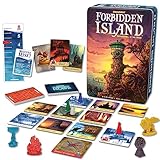
1. Gamewright - Forbidden Island - Cooperative Strategy Survival Board Game, 2-4 Players
Overview:
Forbidden Island, designed by Matt Leacock, is a cooperative strategy board game where 2–4 players race against time to retrieve four sacred treasures from a sinking island before it vanishes. Aimed at ages 10+, it emphasizes teamwork over competition, challenging players to strategize collectively while the island tiles gradually submerge.
What Makes It Stand Out:
Its ingenious flood mechanic creates escalating tension, as players must balance treasure collection with shoring up the island. The game’s stunning, thematic artwork immerses players in a perilous paradise, while streamlined rules ensure quick setup and intuitive play. Unlike competitive games, its pure cooperation fosters genuine camaraderie and shared problem-solving.
Value for Money:
Priced moderately, it offers exceptional replayability through variable island layouts and adjustable difficulty. Compared to similar strategy games, its compact components and family-friendly focus provide more entertainment per dollar, especially for households prioritizing collaborative play over cutthroat competition.
Strengths and Weaknesses:
Strengths: Encourages critical thinking and communication; visually captivating; rules are easy to grasp but gameplay remains challenging.
Weaknesses: Limited replay depth for hardcore gamers; the island’s sinking pace can feel punishing on higher difficulties; component durability is average for frequent use.
Bottom Line:
An essential, accessible introduction to cooperative gaming that excels in family settings. Its blend of strategy, teamwork, and thematic flair makes it a standout choice for game nights, justifying its price for casual and intermediate players.
2. Castle Panic 2nd Edition | Cooperative Board Game for Adults and Family | Ages 8+ | for 1 to 6 Players | Average Playtime 45 Minutes | Made by Fireside Games

Overview:
Castle Panic 2nd Edition is a cooperative tower-defense game where 1–6 players unite to protect Castle Bravehold from encroaching monsters. With a 45-minute playtime and rules simple enough for ages 8+, it transforms players into archers, swordsmen, and knights coordinating card-based attacks to save the kingdom.
What Makes It Stand Out:
The game shines with its dynamic 3D cardboard towers that collapse dramatically when destroyed, heightening tension. Four distinct play modes—including solo and competitive “Master Slayer”—boost replayability, while plague cards and boss monsters introduce unpredictable chaos. Its accessibility bridges casual and strategic gamers seamlessly.
Value for Money:
At a mid-range price, it delivers outstanding versatility with support for up to six players and multiple game modes. The sturdy tokens and illustrated board justify the cost, especially compared to niche strategy games with smaller player counts. Frequent expansions further enhance longevity.
Strengths and Weaknesses:
Strengths: Highly scalable for group sizes; visually engaging 3D elements; quick to learn but rich in tactical depth; excellent solo mode.
Weaknesses: Tower assembly can be fiddly; competitive mode disrupts the core cooperative spirit; luck-based card draws occasionally overshadow strategy.
Bottom Line:
A near-perfect family and group game that balances excitement with teamwork. Its adaptability and replay value make it a worthwhile investment for game nights, though purists may prefer purely cooperative experiences.
3. Spin Master Games, Jumanji Stampede, 3D Adventure Cooperative Board Game, for Fans of The Jumanji Movies, Easter Gift, 2-4 Players, for Ages 8 & Up

Overview:
Jumanji Stampede immerses 2–4 players in a race to collect five magical crystals before the villain reaches Rhino Mountain. Based on the film franchise, this cooperative game leverages movie nostalgia while challenging teams to navigate jungle emergencies like boulders and leaping leopards across a 3D board.
What Makes It Stand Out:
The standout feature is its elaborate 7-inch 3D Rhino Mountain centerpiece and thematic jungle emergencies that trigger physical interactions (e.g., spinning snakes). Movie aesthetics and tangible obstacles create a cinematic experience absent in abstract strategy games, appealing strongly to younger fans.
Value for Money:
Priced competitively as a licensed product, it offers visual spectacle but less strategic depth than non-franchise equivalents. While component quality feels solid for its audience, replay value hinges heavily on movie affection—making it ideal as a gift but potentially niche for serious gamers.
Strengths and Weaknesses:
Strengths: Highly engaging 3D elements; perfect for Jumanji enthusiasts; simple rules suit ages 8+; strong “wow” factor for family gatherings.
Weaknesses: Strategy is overshadowed by theme; limited longevity post-initial excitement; emergencies can feel gimmicky rather than meaningful.
Bottom Line:
A thrilling, visually impressive entry for movie fans and younger players, but its reliance on theme over deep mechanics may not satisfy strategy-focused groups. Best as a thematic gift rather than a strategic staple.
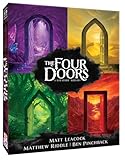
4. Happy Camper - The Four Doors | Cooperative Game by Pandemic and Forbidden Island Creator | Perfect for Solo Play, Two Players, and Small Groups | Portable Adventure Game
Overview:
Created by Matt Leacock (Pandemic, Forbidden Island), Happy Camper: The Four Doors challenges 1–5 players to retrieve treasures from a mystical tower before shadows seal its doors. Designed for ages 10+, this compact game delivers a tense 30-minute cooperative adventure centered on exploration and urgency.
What Makes It Stand Out:
Its super-portable design and exceptional solo mode set it apart, offering a rare blend of depth and convenience. The “light tower” mechanism and shadow threat create a unique puzzle-like atmosphere, while Leacock’s signature balance ensures each decision carries weight without overwhelming complexity.
Value for Money:
Though slightly premium-priced, its portability and versatility for solo to group play justify the cost. Compared to bulkier strategy games, it provides equivalent engagement in a travel-friendly package—ideal for commuters or vacationers seeking quality gameplay on the go.
Strengths and Weaknesses:
Strengths: Unbeatable portability; seamless solo/co-op integration; elegant, intuitive mechanics; high replayability with variable setups.
Weaknesses: Minimal component variety; lacks the tactile appeal of 3D boards; shorter playtime may disappoint those seeking epic sessions.
Bottom Line:
A masterclass in portable cooperative design. Essential for travelers and solo gamers, though its streamlined scope may not replace larger strategy games in dedicated collections.
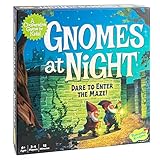
5. Peaceable Kingdom Gnomes at Night A Cooperative Maze Game for 2 to 4 Kids Ages 6+
Overview:
Gnomes at Night is a cooperative maze game for 2–4 children (ages 6+) where players guide magnetic gnome movers through dual-layered castle mazes to recover stolen treasures. Teams race against a sand timer, communicating to navigate paths visible only from their side of the board.
What Makes It Stand Out:
The ingenious split-board design forces descriptive communication—players can’t see each other’s paths but must verbally guide teammates using directional cues. This focus on collaboration over competition, coupled with quick 15-minute rounds, makes it ideal for developing early teamwork and spatial reasoning skills.
Value for Money:
Priced affordably, it excels as an educational tool with durable, kid-friendly components. While simpler than strategy games for older audiences, its targeted skill-building (communication, problem-solving) offers immense value for preschoolers and early elementary groups.
Strengths and Weaknesses:
Strengths: Brilliantly teaches communication; adjustable difficulty via maze levels; sand timer adds gentle pressure; magnetic movers delight young children.
Weaknesses: Limited depth for older players; repetitive after extended play; setup requires precise board alignment.
Bottom Line:
An exemplary cooperative starter game for young children that transforms communication into tangible fun. Highly recommended for parents and educators seeking to nurture teamwork in a playful, structured format.
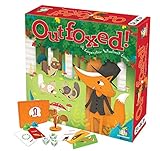
6. OUTFOXED, A CLASSIC WHO DUNNIT GAME FOR PRESCHOOLERS, 4 players
Overview:
OUTFOXED is a cooperative whodunit board game designed specifically for preschoolers aged 4 and up. Players work together to solve the mystery of who stole Mrs. Plumpert’s prized pot pie by gathering clues, using an evidence scanner, and narrowing down adorable fox suspects before the culprit escapes.
What Makes It Stand Out:
The game shines with its age-appropriate cooperative mechanics and tactile evidence scanner, which adds playful interactivity. The simple “who, what, where” clue system teaches deductive reasoning without overwhelming young children. Its charming fox-themed artwork and fast-paced, non-competitive gameplay make it ideal for short attention spans.
Value for Money:
Priced competitively for its niche, OUTFOXED offers strong value by introducing complex logic concepts (like elimination) in a preschool-friendly format. While simpler than family-oriented deduction games, its durability and replayability justify the cost for early learners, outperforming basic matching games in educational depth.
Strengths and Weaknesses:
Strengths: Effortless setup, encourages teamwork, visually engaging, and perfect for rainy-day play. The scanner component captivates kids. Weaknesses: Limited replay value after mastering the pattern, only accommodates 4 players, and lacks depth for older siblings. The pie-theft theme may feel repetitive over time.
Bottom Line:
An excellent first deduction game for preschoolers that balances education and fun. Highly recommended for parents seeking cooperative play that builds critical thinking without frustration, though its simplicity won’t engage older children long-term.
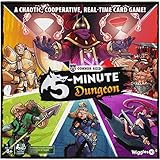
7. Wiggles 3D 5-Minute Dungeon A Chaotic, Co-Operative, Real-time Card Game | Fast-Paced Board Game | for Families, Ages 8 & up | 2-5 Players
Overview:
5-Minute Dungeon is a frenetic cooperative card game where teams race against time to defeat six bosses in under five minutes per dungeon. Players match symbols from their hands to a shared dungeon deck while managing limited card draws, all driven by a free app timer.
What Makes It Stand Out:
The game’s defining feature is its intense real-time pressure, amplified by the app’s themed narrators that heighten urgency. The added 25 cards and “Dungeon Master: Final Form” boss significantly expand replayability. Its lightning-fast pace—games last exactly five minutes—makes it perfect for tight schedules.
Value for Money:
With 275 cards, 10 heroes, and 6 bosses included, it delivers exceptional content density for the price. The free app eliminates the need for physical timers, enhancing value. While compact, it outshines similarly priced party games in strategic depth and replayability, especially with the new expansion content.
Strengths and Weaknesses:
Strengths: Incredibly easy to learn, wildly replayable, app integration adds immersion, and ideal for quick game sessions. Weaknesses: High stress may frustrate younger players, card management can feel chaotic, and the timer app requires devices (a barrier for some). Limited strategic depth beyond symbol matching.
Bottom Line:
A must-have for families wanting high-energy, bite-sized cooperative challenges. Its flawless execution of “quick but meaningful” gameplay makes it worth every penny, despite minor accessibility hiccups with the app dependency.
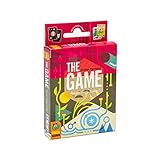
8. Pandasaurus Cooperative Strategy Card Game - Fun Interactive Family Game for Ages 8+, 1-5 Players, 20 Minute Playtime
Overview:
“The Game” is an award-winning cooperative card game where players collaboratively play descending and ascending number sequences across two decks. The catch? You can’t discuss strategies, forcing silent teamwork to clear all cards before the draw pile runs out.
What Makes It Stand Out:
Its genius lies in the strict communication ban, creating intense, thoughtful moments as players intuitively anticipate teammates’ moves. With over 1.3 million copies sold and a Spiel Des Jahres award, it’s a globally recognized phenomenon that transforms simple number play into profound social deduction.
Value for Money:
Exceptional value given its minimal components (just cards) versus deep strategic engagement. At under $20, it far surpasses pricier games in replayability—each round demands fresh tactics. The compact box offers endless sessions, making it a steal for families seeking brain-teasing fun.
Strengths and Weaknesses:
Strengths: Highly addictive, universally accessible, promotes non-verbal communication, and scales perfectly for 1-5 players. Weaknesses: Abstract theme may lack appeal for story-driven players, and early losses can feel punishing. Minimal physical components might disappoint those expecting elaborate pieces.
Bottom Line:
An essential addition to any family game library. Its elegant design and profound cooperative challenge deliver unmatched value, earning its status as a modern classic despite its minimalist aesthetic.
9. Asmodee Just One Party Game (2025 Refresh) - Cooperative Mystery Word Guessing Fun for Family & Friends, Kids & Adults, Ages 8+, 3-7 Players, 15 Minute Playtime

Overview:
Just One is a cooperative party game where players give single-word clues to help a guesser identify a mystery word. The twist? Duplicate clues cancel out, forcing creativity and precise communication in quick 15-minute rounds perfect for mixed-age groups.
What Makes It Stand Out:
The clue-cancellation mechanic sparks hilarious, strategic moments as players avoid overlapping hints. The 2025 refresh refines components while retaining the game’s magic: effortless accessibility paired with surprising depth. Its word-association core fosters laughter and clever thinking across generations.
Value for Money:
Priced affordably for its replay potential, the game includes 450+ words ensuring years of varied play. Compared to larger party games, it maximizes fun per dollar with zero setup and instant teachability. The compact box offers extraordinary longevity, outperforming many bulkier alternatives.
Strengths and Weaknesses:
Strengths: Universally inclusive, generates consistent laughter, quick setup, and ideal for 3-7 players. Weaknesses: Word list may exclude niche terms for very young players, and clue conflicts can frustrate literal thinkers. Limited physical components beyond cards.
Bottom Line:
A near-perfect party game that balances simplicity with strategic charm. Highly recommended for gatherings of all sizes—it’s affordable, joyful, and endlessly replayable, cementing its status as a modern staple.
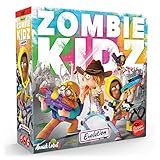
10. Zombie Kidz Evolution #1 Kids Game on BoardGameGeek Work Together to Fight Zombies Cooperative Game for Kids and Families That Grows Everytime You Play Ages 7+ 2-4 Players 15 Minutes
Overview:
Zombie Kidz Evolution is a groundbreaking legacy game where kids cooperatively defend a school from zombies. Uniquely, it evolves across sessions: completing missions unlocks envelopes that permanently alter rules via stickers in the rulebook, creating a personalized campaign.
What Makes It Stand Out:
As the first legacy game designed for children, it masterfully simplifies complex progression mechanics. Its BoardGameGeek #1 ranking in children’s games is earned through addictive “just one more mission” pacing. Parents appreciate the strategic depth that engages adults while remaining kid-accessible.
Value for Money:
An outstanding investment with 13 unlockable envelopes driving 20+ sessions. Unlike one-off games, its evolving nature justifies the premium price by delivering a narrative journey. The sticker-based evolution avoids permanent component destruction, ensuring lasting value unmatched by static alternatives.
Strengths and Weaknesses:
Strengths: Brilliant legacy system for young players, fosters long-term engagement, and family-friendly strategy. Weaknesses: Rulebook sticker application is irreversible (a risk for messy households), and later missions may challenge younger kids. Requires commitment to multiple plays.
Bottom Line:
A revolutionary must-buy for families seeking immersive, evolving play. Its ingenious design justifies every penny, offering unparalleled longevity and cooperative fun that grows with your child—truly a genre-defining experience.
Why Cooperative Play Matters Now More Than Ever
The landscape of family interaction has shifted dramatically. Cooperative board games offer a potent antidote to the fragmentation and isolation that can creep into even the closest families. They provide a structured, engaging environment where connection is the primary goal, not a byproduct.
Building Bridges, Not Walls
Traditional competitive games often inadvertently highlight differences in skill level or luck, potentially leading to frustration, especially for younger players or those less experienced. Cooperative play flips this script entirely. When the family faces a common challenge presented by the game mechanics, natural hierarchies soften. Older siblings become patient guides, younger children feel genuinely valued for their contributions, and parents step into supportive roles rather than authoritative judges. This shared struggle fosters mutual respect and understanding in a way few other activities can replicate within the family unit.
Cultivating Essential Life Skills Through Play
The magic of cooperative games lies in how seamlessly they embed crucial developmental skills into the fun. Players constantly practice active listening as they discuss strategies and interpret each other’s suggestions. Negotiation becomes second nature when deciding the best course of action for the team. Critical thinking is honed as the group analyzes the game state, anticipates potential problems, and weighs different solutions. Perhaps most importantly, these games provide a safe, low-stakes environment to experience and process setbacks together, teaching resilience and the invaluable lesson that failure is often just a stepping stone to a better strategy.
Reducing Screen Time Stress and Fostering Presence
Escaping the digital vortex is a constant battle for many households. Cooperative board games offer a compelling, tangible alternative that demands presence. Unlike passive screen consumption, these games require active participation, eye contact, and verbal engagement. The physical components—the cards, tokens, boards—create a shared focal point that naturally draws everyone into the moment. This collective focus not only reduces arguments about screen limits but actively builds the neural pathways associated with sustained attention and mindful interaction, skills increasingly vital in our distracted world.
Key Features to Prioritize When Choosing Cooperative Games
Selecting the right cooperative game isn’t just about finding something labeled “cooperative.” The devil is in the details, and the right features ensure the game resonates with your family’s dynamics and keeps everyone genuinely engaged session after session.
Age Appropriateness Beyond the Box Number
While manufacturer age ranges are a starting point, look deeper. Consider your family’s specific mix: How well can your youngest grasp abstract concepts? Do your older kids need enough strategic depth to stay interested? A game perfect for a 6-year-old and a 10-year-old might bore a 14-year-old, while one challenging for teens could overwhelm a preschooler. Seek games offering adjustable difficulty levels or modular rules that let you tailor the complexity. The sweet spot is where the challenge is just beyond what individuals can easily solve alone, making teamwork necessary and rewarding for all involved.
Playtime That Fits Real Family Schedules
Be brutally realistic about your available window. A 90-minute epic might sound impressive, but if it consistently leads to meltdowns or gets abandoned halfway, it defeats the purpose. Prioritize games with clear, achievable playtimes that align with your family’s attention spans and daily rhythms—often 20-40 minutes for younger groups, potentially up to 60 for older families. Look for streamlined setup and cleanup; a game that takes 15 minutes to set up is less likely to see the light of day than one ready in two. Games with clear phases or natural stopping points can also be a lifesaver for unpredictable family evenings.
Engagement for Every Player, Every Turn
A common pitfall in cooperative games is “alpha gaming,” where one dominant player dictates all moves, leaving others feeling like passive observers. Actively seek mechanics that prevent this. Games incorporating simultaneous action selection, hidden information that must be shared verbally, or roles with distinct, essential responsibilities ensure everyone has meaningful input on every turn. The best cooperative experiences feel like a true group discussion and decision-making process, not a monologue from the most experienced player. This keeps participation high and prevents disengagement, especially among quieter family members.
Understanding Different Cooperative Game Mechanics
Not all cooperative games work the same way under the hood. Understanding the core mechanics helps you predict the type of interaction and problem-solving your family will experience, ensuring a better fit for your desired dynamic.
The Shared Puzzle Approach
These games present the group with a defined problem to solve within a set number of turns or actions. Think of it like working on a jigsaw puzzle together, but with rules and constraints. Players discuss options, weigh risks, and collectively decide on the sequence of moves needed to reach the solution before time runs out or resources deplete. This mechanic excels at fostering calm, strategic discussion and careful planning, making it ideal for families who enjoy thoughtful deliberation and working towards a clear, shared objective without excessive pressure.
The Variable Difficulty & Escalating Threat
Many compelling cooperative games feature a system where the challenge actively responds to the players’ actions or escalates over time. This could be a “threat meter” that rises each turn, an event deck that introduces new complications, or an opponent whose actions are dictated by specific game rules. This dynamic creates tension and urgency, preventing the game from feeling static. It forces the group to constantly adapt their strategy, prioritize immediate threats versus long-term goals, and make tough collective choices under pressure—a fantastic simulation for real-world teamwork and crisis management.
Role Specialization and Interdependence
Some of the richest cooperative experiences assign unique roles or abilities to each player. One might excel at gathering resources, another at healing, another at navigating obstacles. Success hinges on recognizing and leveraging these complementary strengths. This mechanic powerfully mirrors real-world teamwork, teaching players to appreciate diverse skills within the group. It naturally encourages communication (“I need your help to cross this bridge!”) and strategic role-play, making each player feel indispensable to the team’s success and deepening the collaborative experience significantly.
Maximizing the Educational and Emotional Benefits
Cooperative board games are potent educational tools disguised as fun. Intentionally leveraging their potential can transform game night into a powerful developmental catalyst for your children and strengthen family bonds on multiple levels.
Developing Communication as a Superpower
The necessity to articulate thoughts clearly, listen actively to others’ ideas, and synthesize information into a group decision is baked into cooperative play. Encourage phrases like “What do you think we should do next?” or “I see a problem with that plan because…” instead of just declaring moves. Gently model constructive feedback: “That’s an interesting idea! What if we tried it this way first?” This practice directly translates to improved communication skills in school, friendships, and future workplaces, teaching children that their voice matters and that hearing others is equally important.
Navigating Frustration and Building Resilience Together
Let’s face it: cooperative games can be hard, and sometimes the group loses. This is incredibly valuable. Losing together removes the sting of individual failure and reframes setbacks as shared learning opportunities. Use these moments deliberately: “Okay team, we didn’t win this time. What’s one thing we could try differently next game?” Guide the discussion to focus on the process (“We communicated really well about the fire!”) rather than just the outcome. This builds emotional resilience, teaches constructive analysis of failures, and normalizes perseverance—lessons far more impactful when learned in the safe context of a game.
Fostering Empathy and Perspective-Taking
When success depends on understanding and utilizing different roles or viewpoints within the game, players naturally practice empathy. A child playing a role that requires helping others might gain insight into how their actions affect siblings. Discussing strategies encourages players to consider why someone suggested a particular move. Prompt questions like “How do you think the Explorer felt when we couldn’t help them cross the river?” can deepen this. Over time, these experiences cultivate the ability to see situations from others’ perspectives, a cornerstone of strong, empathetic relationships both within and outside the family.
Integrating Cooperative Games Seamlessly into Family Life
The biggest hurdle isn’t finding the right game—it’s making consistent play a sustainable, joyful habit. Thoughtful integration ensures game nights become something the family genuinely anticipates, not another chore on the list.
Creating Rituals Without Rigidity
Establish a loose, positive routine rather than a rigid schedule. Maybe it’s “every other Friday after dinner” or “the first Sunday of the month.” The key is consistency in spirit, not inflexibility. Pair it with something pleasant: special snacks, dimmed lights for atmosphere, or playing background music. Keep the focus on connection, not perfection. If the planned night gets derailed, reschedule without guilt—maintaining the positive association is more important than sticking to an arbitrary date. The ritual becomes the signal: “This is our time to connect and play.”
Setting the Stage for Positive Interaction
Before diving in, take 30 seconds to set a collaborative tone. Briefly state the goal: “Tonight, our mission is to work together as a team and have fun solving this puzzle!” Explicitly invite quieter members: “Alex, we’d love to hear your idea on this first move.” Agree on ground rules: “Let’s all try to share one idea before we decide.” Most importantly, model the behavior you want to see—be an enthusiastic participant, celebrate others’ contributions, and gracefully accept the group’s final decision, even if it wasn’t your first choice.
Knowing When to Pivot or Pause
Read the room. If frustration is bubbling (teary eyes, raised voices, disengagement), it’s time for a tactical retreat. Suggest a short break for water or a quick stretch. Sometimes, acknowledging the difficulty diffuses tension: “Wow, this part is really tricky! Let’s take five and come back with fresh eyes.” Have a “graceful exit” strategy—maybe agreeing to pause the game and resume later, or switching to a much simpler, lighter activity to reset the mood. Protecting the positive association with cooperative play is paramount; forcing through high stress defeats the purpose.
Avoiding Common Pitfalls in Family Cooperative Play
Even with the best intentions, challenges can arise. Being aware of common stumbling blocks allows you to navigate them proactively and keep the experience positive and productive for everyone.
Preventing the “Alpha Gamer” Takeover
This is the arch-nemesis of true cooperation. If one person (often an adult or oldest child) consistently makes all the decisions, others disengage. Counter this by using game mechanics that enforce discussion (like hidden info), but also by social tactics. Gently redirect: “That’s a good thought, Sam. Maya, what strategy were you considering for this part?” Assign the “alpha” a specific role that limits their direct control (e.g., “You’re the Timekeeper, so you tell us when the sand timer runs out, but the group decides the move”). Praise contributions from quieter players specifically: “I love how Leo spotted that clue we all missed!”
Managing Expectations Around Winning and Losing
Especially for families new to cooperative play, the concept of “losing together” can be jarring after years of competitive games. Frame the objective correctly from the start: “Our goal tonight is to work as a team and see how well we can solve this challenge together. Sometimes we’ll win, sometimes we’ll learn what to do better next time—that’s all part of the fun!” Focus praise on the process: “Great job communicating about the storm!” or “I saw so much teamwork when we shared the tools!” This shifts the emphasis from the binary win/lose outcome to the valuable collaborative experience itself.
Balancing Challenge for Mixed Ages
This is often the trickiest part. Too easy, and older kids tune out; too hard, and younger ones feel lost. Leverage adjustable difficulty settings if the game has them. For younger players, assign simpler tasks within the team effort (“Your job is to remember which cards we’ve already used!”). Pair older and younger siblings as “buddy teams” for certain actions. Most importantly, encourage older players to be mentors, not solvers: “Can you explain your idea to your sister so she understands why it might work?” This keeps everyone involved at their level and builds supportive dynamics.
Long-Term Value: Why These Games Stay Relevant
The true mark of a great family game isn’t just initial excitement, but its ability to remain engaging and valuable as your children grow and your family dynamics evolve. Cooperative games often possess a unique longevity that outshines many competitive counterparts.
Growing With Your Family’s Cognitive Development
Unlike many games designed for a narrow age band, well-crafted cooperative experiences often have layers. Younger children might focus on the immediate, concrete actions (“Put the red token here!”), while older siblings or adults engage with deeper strategic implications (“If we do that now, we might trigger the avalanche next turn”). As your children’s reasoning skills mature, they naturally peel back these layers, discovering new complexities and nuances in the same game. This organic growth in understanding means the game stays mentally stimulating for years, adapting to the family’s evolving intellectual capacity.
Becoming a Shared Language and Memory Bank
The repeated experience of tackling challenges together, celebrating narrow victories, and laughing at shared near-disasters creates powerful, unique family lore. Phrases from the game (“Remember when we barely escaped the cave-in?”) become inside jokes. Overcoming a notoriously difficult scenario becomes a family legend. This shared history, built around a specific game, fosters a deep sense of “we’ve been through things together,” strengthening the family identity and providing warm, positive memories that children carry into adulthood. The game becomes a vessel for shared narrative.
Sustaining Connection Through Changing Stages
As children hit adolescence and become more independent, maintaining family connection can feel like herding cats. A beloved cooperative game, however, offers neutral, low-pressure common ground. It’s not about parental lecturing or forced “quality time”; it’s about engaging in a mutually enjoyable activity where everyone is on equal footing as teammates. The shared focus on the external challenge creates a comfortable space for interaction that might feel stilted in other settings. This can be a crucial bridge for maintaining positive connection during turbulent teenage years.
Finding Your Family’s Perfect Cooperative Fit
The journey to discovering your household’s ideal cooperative games is part of the fun. It requires a bit of exploration and honest self-assessment about your family’s unique rhythms, preferences, and needs.
Assessing Your Family’s Current Dynamics Honestly
Before browsing shelves or websites, have a quick family chat (or internal parent discussion). What are your biggest pain points with current game nights? Is it competitiveness causing arguments? Short attention spans? Difficulty finding games that work for vastly different ages? What does “fun” actually look like for your crew—calm strategy, hilarious chaos, creative storytelling? Are you aiming to reduce screen time, improve sibling cooperation, or simply find reliable connection points? Pinpointing your primary goals will dramatically narrow down the vast field of options and help you identify games designed to address your specific needs.
Leveraging Resources Without Getting Overwhelmed
The board game world is huge, but don’t panic. Start with reputable family-focused board game review sites or YouTube channels known for clear, practical assessments (look for reviews emphasizing family play and cooperative mechanics). Pay attention to comments from other parents—real-world experiences with kids are invaluable. Local game stores (LGS) are goldmines; staff often know which cooperative games consistently work well for families and might even let you try a demo. Avoid getting sucked into deep strategy analyses; focus on reviews that discuss accessibility, playtime, setup, and actual family interaction. One or two well-chosen options are better than ten that collect dust.
Starting Small and Building Confidence
Don’t try to jump into the most complex, highly-rated cooperative epic right out of the gate. Begin with games known for simplicity, short playtimes, and clear, tactile mechanics. Look for titles emphasizing immediate teamwork with minimal rules overhead. Successfully navigating a few simpler cooperative challenges builds the family’s confidence in the format itself. They learn how to communicate effectively within the game, experience the joy of shared victory (or constructive loss), and develop trust in the process. This foundational positive experience makes tackling more intricate cooperative games later a much smoother, more enjoyable transition. Master walking before attempting the marathon.
Frequently Asked Questions
Frequently Asked Questions
How do I explain the concept of “losing together” to young children who are used to competitive games? Focus on the team effort: “We didn’t beat the game this time, but we worked so well together! Next time, we’ll use what we learned. Our team got stronger just by playing!”
Can cooperative games really work for families with a wide age range (e.g., 5-year-old and 12-year-old)? Absolutely. Look for games with adjustable difficulty or simple core rules where younger kids handle specific, concrete tasks (like moving tokens) while older kids manage strategy, ensuring everyone has a meaningful role.
What if one family member (or I) is naturally very competitive and struggles to play cooperatively? Acknowledge it gently: “I know it’s different not trying to ‘beat’ someone. Let’s focus on beating the game as a team tonight. Your strategic thinking will really help us all win!” Model collaborative language and praise teamwork explicitly.
How can I prevent cooperative games from becoming dominated by the oldest child or parent? Use mechanics that force discussion (like hidden info cards), assign specific roles, and actively invite quieter members: “We haven’t heard from Sam yet—what’s your take on this move?”
Are cooperative games less exciting than competitive ones? Not at all! The shared tension of a looming threat, the collective gasp when a plan succeeds, and the triumph of overcoming a tough challenge together often create more intense and memorable emotional highs than individual wins.
How do I handle it when the group makes a decision I strongly disagree with during play? Voice your concern calmly (“I’m worried that might cause a problem because…”), then fully support the group’s final decision. Afterwards, discuss it constructively: “That was a tough call! What did we learn for next time?”
Can cooperative games replace competitive games entirely in a family setting? They don’t need to replace them, but they offer a vital, healthy alternative. A balanced mix is ideal—cooperative for teamwork and connection, competitive for friendly rivalry, depending on the family’s mood and goals for the night.
How much setup time is reasonable for a family cooperative game? Aim for 5 minutes or less for regular play. Games requiring extensive setup are less likely to get played. Prioritize quick-pitch games where components are easy to organize and store together.
What’s the biggest sign a cooperative game isn’t a good fit for my family? If it consistently leads to frustration, disengagement (kids wandering off), arguments about strategy, or if it takes significantly longer to play than advertised for your group’s age/attention span.
How can I encourage genuine teamwork instead of just one person telling everyone what to do? Choose games with mechanics that prevent “alpha gaming” (simultaneous actions, hidden info), assign specific roles, and explicitly praise collaborative moments: “Great job, team, figuring that out together!”
See Also
- 10 Essential Sci-Fi Cooperative Board Games Every Nerd Needs in 2026
- 10 Essential Cooperative Strategy Games Every Board Game Group Needs in 2026
- 10 Essential Fantasy Cooperative Board Games Every Enthusiast Needs in 2026
- 10 Essential Horror Cooperative Board Games Every Night of the Living Dead Fan Needs in 2026
- 10 Essential Cooperative Dexterity Games Every Board Game Lover Needs in 2026