Table of Contents
Gather ‘round the table, fellow strategists. Forget the cutthroat competition and solo supremacy that dominated board game nights for decades. We’re entering an era where the most memorable victories aren’t won alone, but forged in the crucible of shared decision-making and collective triumph. Cooperative strategy games have exploded from niche curiosity to essential social glue, offering a unique thrill: the shared gasp when the plan clicks, the unified groan when disaster strikes, and the unparalleled joy of conquering a seemingly insurmountable challenge together. In 2026, as our world navigates complex challenges, the appeal of working towards a common goal at the game table resonates deeper than ever. It’s not just about winning; it’s about the journey you take with your team.
Why has this shift happened? Modern life often feels isolating, even in a crowd. Cooperative games provide a structured, engaging space to practice real-world skills like communication, delegation, empathy, and managing group dynamics under pressure – all wrapped in the fun of immersive themes and clever mechanics. They dissolve the “alpha gamer” problem by making everyone’s contribution vital, foster genuine connection as players lean in to whisper strategies, and create stories your group will recount for months. Whether you’re a seasoned gamer seeking deeper engagement or a casual group looking for inclusive fun, understanding what makes a co-op game truly shine is key to unlocking these powerful experiences. Let’s dive into the essential elements that transform a simple game into a must-have cornerstone for any board game group.
Top 10 Cooperative Strategy Games
Detailed Product Reviews
1. Gamewright - Forbidden Island - Cooperative Strategy Survival Board Game, 2-4 Players
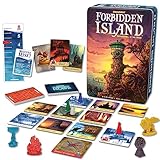
Overview: Forbidden Island, designed by Matt Leacock, is a cooperative board game where players work as a team to retrieve four sacred treasures from a sinking island before it vanishes. Aimed at ages 10+, it supports 2-4 players in tense, strategic sessions focused on teamwork and survival. What Makes It Stand Out: Its innovative tile-based sinking island mechanic creates dynamic, escalating tension. Rich illustrations immerse players in the perilous setting, while the purely cooperative structure—where victory or defeat is shared—fosters genuine collaboration and strategic planning, distinguishing it from competitive alternatives. Value for Money: Priced accessibly, it offers exceptional replayability through variable island layouts and difficulty levels. Compared to similar strategy games, its compact size, quick setup (under 30 minutes), and family-friendly appeal deliver strong value for casual and strategic gamers alike. Strengths and Weaknesses: Strengths: Excellent teamwork focus; intuitive rules; high replayability; beautiful artwork; builds problem-solving skills. Weaknesses: Limited player count (max 4); younger children may struggle with strategy; durability of punchboard tiles can be a concern with heavy use. Bottom Line: Forbidden Island remains a near-perfect entry into cooperative gaming. Its blend of accessible strategy, thematic immersion, and shared triumph makes it a highly recommended staple for family game nights and casual strategy enthusiasts.
2. Pandasaurus Cooperative Strategy Card Game - Fun Interactive Family Game for Ages 8+, 1-5 Players, 20 Minute Playtime
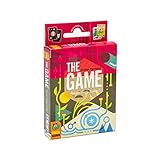
Overview: “The Game” is a cooperative card game challenging 1-5 players to play all cards from two shared decks in ascending and descending order simultaneously. With a playtime of just 20 minutes, it’s designed for quick, intense sessions emphasizing communication and planning under pressure. What Makes It Stand Out: Its minimalist design belies deep strategic tension. The core constraint—players cannot discuss specific cards—forces creative non-verbal communication and deduction. As a global phenomenon (1.3M+ copies sold), its award-winning simplicity and punishing difficulty curve create uniquely addictive, replayable moments. Value for Money: Extremely cost-effective for the replay value and portability. Its compact size and near-instant setup justify the price, especially compared to longer, component-heavy games. The sheer number of possible card combinations ensures no two games feel identical. Strengths and Weaknesses: Strengths: Brilliantly simple yet deeply strategic; highly portable; scales perfectly for 1-5 players; exceptional replayability; promotes critical thinking. Weaknesses: Communication restrictions can frustrate new players; high difficulty may deter younger audiences; lacks tangible theme beyond mechanics. Bottom Line: “The Game” is a masterclass in minimalist design, offering intense, brain-burning cooperation perfect for quick game sessions. Its low price and high engagement make it an essential, highly recommended purchase for casual and seasoned gamers.
3. Asmodee Pandemic Board Game (Base Game) - A Cooperative Battle to Save Humanity, Strategy Game for Kids and Adults, Ages 8+, 2-4 Players, 45 Minute Playtime

Overview: Pandemic is the seminal cooperative board game where 2-4 players assume specialized roles to cure four deadly diseases threatening humanity. Working against a spreading infection track, teams must strategize globally to prevent outbreaks and save the world within 45 minutes. What Makes It Stand Out: It pioneered accessible, high-stakes cooperative play. The role-based asymmetry encourages strategic delegation, while the escalating infection mechanic creates relentless tension. Its thematic urgency—saving humanity through teamwork—remains unmatched in driving player investment and emotional payoff. Value for Money: Justifies its price as a genre-defining classic. With robust components, high replayability via variable player roles and epidemic cards, and near-universal appeal, it outperforms many modern co-ops. Essential for any strategy collection, it’s a benchmark for cooperative design. Strengths and Weaknesses: Strengths: Deep yet intuitive strategy; fosters true teamwork; tense, narrative-driven gameplay; excellent for families and adults; highly replayable. Weaknesses: Can suffer from “alpha player” syndrome; difficulty curve steep for very young kids; base game lacks content expansion of newer editions. Bottom Line: Pandemic is a must-own cooperative masterpiece. Its perfect blend of tension, strategy, and shared purpose delivers immense value and remains the gold standard for cooperative board gaming—a definitive recommendation.
4. The Night Cage by Smirk and Dagger | Cooperative Candlelit Horror Strategy Game | Tile Laying Labyrinth Escape Adventure | for 1 to 5 Players | Ages 14+

Overview: The Night Cage immerses 1-5 players in a tense cooperative horror experience where a flickering candle is the only light source in a shifting labyrinth. Players must navigate darkness, evade Wax Eaters, and escape before the maze collapses, all within a uniquely atmospheric tile-laying framework. What Makes It Stand Out: The physical candle mechanic is revolutionary—it literally limits vision, creating unparalleled tension as light wanes. Award-winning for its theme integration, the dynamic tile layout and persistent darkness mechanic transform every decision into a heart-pounding moment, elevating horror beyond typical board game tropes. Value for Money: Priced for premium components (including a real candle), it offers immense thematic value. Adjustable difficulty and an advanced mode significantly extend playtime, making it a strong investment for horror fans seeking immersive, replayable experiences compared to less innovative co-ops. Strengths and Weaknesses: Strengths: Unmatched atmospheric tension; innovative candle/lighting system; deeply immersive horror theme; excellent scalability (1-5 players); high replayability via difficulty modes. Weaknesses: Candle maintenance can interrupt flow; intense theme may not suit all groups; setup/takedown is slightly cumbersome. Bottom Line: The Night Cage delivers a groundbreaking, visceral horror experience through ingenious mechanics. Despite minor logistical quirks, its unparalleled atmosphere and cooperative tension make it a highly recommended standout for mature gaming groups.
5. Hasbro Gaming Dungeons & Dragons: Bedlam in Neverwinter Board Game, Escape Room, Cooperative Strategy Games for Ages 12+, 2-6 Players, 3 Acts Approx. 90 Mins Each (Amazon Exclusive)

Overview: Bedlam in Neverwinter is a cooperative escape-room board game set in the D&D universe. For 2-6 players, it unfolds across three 90-minute acts where teams create characters, solve intricate puzzles, battle monsters, and explore a dynamically revealed map of Neverwinter to stop a cult. What Makes It Stand Out: It brilliantly merges D&D’s rich lore with escape-room mechanics. The evolving 3-act structure, character customization (race/class/weapon), and diverse puzzles—from visual riddles to wordplay—create a deeply thematic adventure. The dynamic board that physically expands as puzzles are solved enhances immersion significantly. Value for Money: Justified by its substantial playtime (4.5 hours total) and component depth. Compared to standalone escape rooms or shorter board games, its narrative scope, D&D authenticity, and high player count offer excellent value for fans seeking an extended, story-driven experience. Strengths and Weaknesses: Strengths: Epic narrative scope; authentic D&D integration; highly varied puzzles; accommodates large groups; dynamic, evolving board. Weaknesses: Very long total playtime may deter some; puzzle difficulty inconsistent; Amazon exclusivity limits accessibility; setup between acts can be tedious. Bottom Line: Bedlam in Neverwinter is a triumph for D&D enthusiasts, delivering an epic, puzzle-rich adventure. While its length and exclusivity are minor drawbacks, its immersive storytelling and cooperative depth make it a highly recommended adventure for dedicated fantasy gamers.
6. ito – Cooperative Strategy Card Game for Ages 8+ | 2–10 Players | Party Game with Secret Clues & Category Challenges | Family, Group & Game Night Fun

Overview:
ito is a lightning-fast cooperative card game where players collaboratively arrange secret number cards in ascending order using only subtle category-based clues—never stating numbers directly. Designed for 2–10 players aged 8+, it transforms group dynamics through silent communication and quick thinking, making it ideal for family gatherings, classrooms, or as a dynamic icebreaker at game nights.
What Makes It Stand Out:
Its genius lies in three adaptable category decks (Family, Everyone, Action) that tailor difficulty and energy—singing or movement in Action mode injects physical fun. The 100 beautifully illustrated number cards ensure endless replayability, while the sub-10-minute playtime fits seamlessly into busy schedules. Unlike competitive party games, ito fosters unity through shared problem-solving.
Value for Money:
Priced accessibly for its component quality, ito outshines similar party games by accommodating vastly different group sizes without rule changes. While niche clue-based games exist, few offer this blend of scalability, thematic flexibility, and replay depth at such a low cost per play session.
Strengths and Weaknesses:
Strengths: Effortless setup; brilliantly inclusive for mixed-age groups; encourages creative communication; highly portable.
Weaknesses: Limited strategic depth for hardcore gamers; Action mode can feel chaotic with large groups.
Bottom Line:
A must-have for families and educators seeking quick, laughter-filled teamwork—ito’s simplicity and adaptability make it a standout value for casual game nights.
7. Flow: The Official Cooperative Board Game | Strategy Game for 1–4 Players Ages 8+ | Based on The Award-Winning Animated Film | Family & Solo Play | Survive The Flood, Rescue Allies
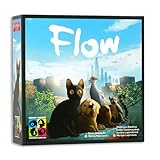
Overview:
Flow immerses players in the poignant world of the acclaimed animated film through a real-time cooperative strategy game. For 1–6 players (aged 8+), it challenges teams to navigate a modular island, rescue animal allies, and survive a rising flood—capturing the film’s emotional core while demanding quick, unified decisions under pressure.
What Makes It Stand Out:
The dynamic “rising water” mechanic physically reshapes the board as water levels increase, forcing adaptive tactics. Solo compatibility is exceptional, with scenario cards offering 11 distinct narratives. Beautiful artwork and thematic components deepen immersion, while the 60-minute runtime balances tension with accessibility.
Value for Money:
Its premium components and film authenticity justify the price, especially given rare solo-play functionality in cooperative games. Compared to similar strategy titles, Flow delivers richer narrative depth and variability without steep complexity, making it ideal for film fans and casual strategists.
Strengths and Weaknesses:
Strengths: Compelling real-time tension; stunning visual storytelling; high replayability via scenarios; excellent solo mode.
Weaknesses: Flood mechanics may overwhelm young children; limited player count flexibility beyond 4.
Bottom Line:
A heartfelt, brilliantly executed adaptation—Flow excels as a strategic yet emotional experience for families and solo players seeking meaningful cooperation.
8. Spin Master Games, SolidRoots Escaping Extinction, Cooperative Strategy Board Game from The Makers of Mind The Gap, Easter Gift, 1-4 Players, for Ages 12 & Up

Overview:
Escaping Extinction casts players as clever dinosaurs racing to build a 3D rocket before a meteor strikes. This cooperative strategy game for ages 12+ tasks teams with gathering rocket parts across a shifting prehistoric landscape, blending resource management with urgent survival mechanics in a unique extinction-themed adventure.
What Makes It Stand Out:
The tile-based modular board ensures no two games play alike, while “earthquake cards” dynamically alter the terrain mid-game, adding thrilling unpredictability. Constructing the physical 3D rocket provides tangible satisfaction, and the mature theme offers strategic depth rarely seen in family-oriented co-ops.
Value for Money:
Priced competitively for its component richness (including 3D rocket pieces), it surpasses similar strategy games in thematic novelty. Though Spin Master’s family line is broad, this targets older players with sophisticated mechanics—justifying its cost for teens/adults seeking substantive cooperation beyond luck-based play.
Strengths and Weaknesses:
Strengths: Innovative 3D assembly; high strategic engagement; exceptional board variability; strong theme integration.
Weaknesses: Steeper learning curve for younger teens; earthquake mechanics can feel disruptive.
Bottom Line:
A refreshing, intellectually stimulating co-op—ideal for older families craving thematic depth and dynamic challenges without cutthroat competition.
9. Peaceable Kingdom Space Escape – Cooperative Strategy Space Adventure Game by The Inventor of Pandemic – Use Teamwork to Win! – Great for Families with Kids Ages 7 & up

Overview:
Space Escape, designed by Pandemic’s creator, challenges 2–4 players (ages 7+) to guide mole rats through a snake-infested space station. Drawing dual-action cards—one for mole rats, one for snakes—teams must collaborate to collect gear and reach the escape pod before time runs out, emphasizing communication over competition.
What Makes It Stand Out:
Its “Games that Grow” philosophy shines: simple rules teach kids shared decision-making and emotional regulation, while optional challenge modes scale difficulty. The charming mole rat/snake dynamic disarms young players, turning cooperative strategy into accessible, stress-free fun without sacrificing meaningful choices.
Value for Money:
An outstanding investment for early strategy exposure. Cheaper than complex co-ops but richer than pure children’s games, it cultivates lifelong skills like critical thinking and empathy. Classrooms and families gain years of use from its adjustable difficulty and durable components.
Strengths and Weaknesses:
Strengths: Perfectly pitched for young strategists; fosters emotional development; quick setup; inclusive win condition.
Weaknesses: Limited depth for seasoned gamers; snake mechanics may frustrate perfectionists.
Bottom Line:
An essential, skill-building gateway game—Space Escape masterfully blends education and entertainment for budding cooperative players.
10. Ravensburger Horrified Games - Greek Monsters - Strategy Board Game - Boost Critical Thinking & Teamwork - Cooperative Gameplay - Unique Monster Challenges - 1 to 5 Players - Adults & Kids 10+

Overview:
Horrified: Greek Monsters pits 1–5 players (aged 10+) against six iconic mythological threats—including Medusa and Cerberus—in a race to save the realm of Elysium. This cooperative strategy game demands tactical coordination to outmaneuver each monster’s unique mechanics before they overwhelm the island.
What Makes It Stand Out:
Each monster presents distinct, thematic challenges (e.g., Medusa’s stone gaze), ensuring varied gameplay per session. Stunning artwork and high-quality miniatures immerse players in Greek mythology, while the 60-minute runtime balances tension with manageable commitment. The solo mode is notably robust for a visually rich co-op.
Value for Money:
Ravensburger’s production quality justifies the premium price. Compared to horror-themed games, it avoids gratuitous scares while delivering sophisticated strategy—making it versatile for families and adult gamers. The 6-monster variety offers exceptional replayability per dollar spent.
Strengths and Weaknesses:
Strengths: Diverse monster mechanics; gorgeous thematic components; strong solo/co-op balance; scalable difficulty.
Weaknesses: Setup can be fiddly; younger players may struggle with multi-layered strategies.
Bottom Line:
A triumph of thematic strategy—Horrified delivers thrilling, brain-teasing cooperation that captivates mythology fans and casual gamers alike.
Understanding the Cooperative Mindset
Defining True Cooperation vs Semi-Cooperation
Not all games labeled “cooperative” deliver the pure collaborative experience. True cooperation means everyone wins or loses together, with no hidden individual agendas or secret objectives that undermine the team effort. Semi-cooperative games introduce elements where players might have personal goals that could conflict with the group’s success, adding tension but potentially breeding distrust. For a foundational group game, prioritize true cooperation to build trust and ensure every session reinforces positive group dynamics without hidden betrayals.
The Critical Role of Shared Information
A core pillar of effective co-op play is transparent information. Games where critical knowledge is hidden from some players (unless it’s a deliberate, thematic mechanic like in some legacy campaigns) often lead to frustration and analysis paralysis. The best cooperative designs ensure that vital information is accessible to the group, allowing for informed, collective decision-making. This transparency empowers discussion and prevents the common pitfall of one player dictating moves because they’re the only one who “gets it.”
Mitigating the Alpha Gamer Problem
This is the elephant in the room: the dominant player who takes over, making decisions for everyone else. Great cooperative games actively design against this. Look for mechanics that distribute agency – perhaps through unique player roles with essential, non-interchangeable abilities, or phases where specific players have mandated decision-making authority for certain actions. Games that encourage quiet players to have crucial moments (“Only you can activate this module this turn!”) prevent one voice from dominating the entire session.
Essential Features for Group Longevity
Scalability: Playing Well with Different Group Sizes
Your game night crew fluctuates. A truly essential cooperative game must deliver a satisfying, balanced experience across its intended player range (e.g., 2-4 or 3-5 players). Avoid games where adding or removing a player drastically breaks the difficulty curve or changes core mechanics. The best designs subtly adjust challenges or resources based on player count, ensuring a 2-player session feels tense but winnable, while a 5-player game remains challenging without becoming chaotic or overly simplistic.
Replayability Through Variable Setup and Modular Elements
Owning a game you can only play a handful of times is a poor investment. Essential co-ops build in high replayability from the ground up. This isn’t just about having different scenarios (though that helps). Look for deep variability through modular boards, randomized event decks, shuffled objective sets, or asymmetric player powers that create genuinely distinct strategic landscapes every single time. The goal is for your group to feel like they’re embarking on a new adventure, not just resetting the same puzzle.
Clear Victory and Defeat Conditions with Meaningful Tension
Ambiguity kills cooperative fun. Players need crystal-clear understanding of how they win and how they lose. More importantly, the path to victory should be fraught with meaningful tension – constant, escalating pressure that forces tough choices. Is it better to shore up defenses now or push for a critical objective, risking collapse? The best games present these agonizing trade-offs regularly, ensuring the final outcome feels earned through the group’s collective choices under fire.
Designing for Engagement and Accessibility
Onboarding New Players Smoothly
Your group will welcome newcomers. An essential cooperative game must have a relatively gentle learning curve, or at least a clear pathway for teaching. Avoid games with massive rulebooks or excessive fiddly setup. Look for intuitive core mechanics, well-written rulebooks with strong examples, and streamlined initial play experiences. The best games often have a “learn as you play” structure or a dedicated simplified first scenario that gradually introduces complexity, preventing new players from feeling overwhelmed during their first session.
Balancing Challenge Without Frustration
The sweet spot is “hard but fair.” A game that’s too easy becomes boring quickly; one that’s brutally difficult with opaque mechanics leads to table-flipping despair. Essential co-ops provide clear feedback loops – you understand why you lost and what you might do differently next time. Adjustable difficulty levels (beyond just adding more enemies) are a huge plus, allowing groups to tailor the challenge to their skill level and desired intensity, ensuring consistent, enjoyable tension rather than random stomps.
Thematic Integration Enhancing Mechanics
The theme shouldn’t just be wallpaper; it should actively inform and enhance the mechanics. When the rules feel like they make sense within the game’s world (e.g., managing oxygen levels in a space station feels tense and logical), it deepens immersion and aids memory. A strong theme makes the cooperative struggle more visceral and memorable – fighting a pandemic, exploring a dungeon, or rebuilding civilization feels more impactful when the mechanics resonate with the narrative, making every group decision feel significant.
Practical Considerations for Your Group
Session Length and Pacing Dynamics
Be brutally honest about your group’s attention span and typical game night duration. An essential co-op shouldn’t consistently run significantly longer than your group’s comfort zone (e.g., 60-90 minutes for many groups). Crucially, examine the pacing. Does the game maintain engagement throughout, or does it drag in the middle? Look for designs with natural escalation points, clear phases, or built-in timers that keep the energy up and prevent analysis paralysis from grinding the game to a halt during critical decision points.
Physical Components and Table Footprint
Let’s face it: space is limited. Consider the physical reality of your game nights. A game requiring a massive table footprint or an overwhelming number of tiny, fiddly components can be a barrier to regular play. Prioritize games with sturdy, intuitive components (clearly distinguishable tokens, readable cards, a manageable board size) that set up and tear down efficiently. A game that’s a pain to get to the table simply won’t get played, no matter how brilliant the design.
Solo Play Viability as a Bonus Feature
While designed for groups, the ability to play a cooperative game solo is a significant bonus in 2026. Many excellent cooperative designs now include robust, integrated solo modes that replicate the strategic depth and tension of the group experience. This isn’t just for when you’re alone; it’s a fantastic way to learn complex rules before teaching the group, test strategies, or simply enjoy the game when others aren’t available. Check if the solo mode feels like a genuine adaptation, not a tacked-on afterthought.
Building a Sustainable Cooperative Library
Complementing Your Existing Collection
Don’t just collect co-ops; curate them. Consider the strategic “flavors” your group enjoys. Do you have a heavy euro-style co-op focused on engine building? A lighter real-time cooperative race against the clock? A narrative-driven campaign game? A truly essential co-op for your group fills a gap or offers a distinct experience that complements what you already own, providing variety in gameplay style and emotional tone (tense survival vs. hopeful rebuilding).
Considering Long-Term Investment: Campaigns vs Standalone
Some cooperative games offer self-contained, highly replayable standalone experiences. Others are part of evolving campaign systems where choices in one game affect future sessions. Both have merit. Standalones offer immediate, consistent replayability. Campaigns provide unparalleled narrative depth and evolving strategy but require a larger time commitment and group buy-in. For an essential “must-have,” a highly replayable standalone often has broader appeal, but a well-designed campaign system can become the cornerstone of your group’s gaming identity for months.
Community Support and Designer Reputation
While avoiding specific titles, it’s wise to note that games from designers or publishers with a strong track record in cooperative design often signal quality. They understand the nuances of pacing, tension, and mitigating dominant players. Additionally, check if there’s an active community – not for finding solutions to “cheat,” but for discovering player-created variants, house rules that enhance replayability, or tips for smoother teaching. A game with a vibrant community often has a longer, healthier shelf life as the player base collectively refines the experience.
Evaluating Hidden Depth and Strategic Nuance
Layered Decision-Making Beyond Simple Optimization
The best cooperative strategy games move beyond “what’s the mathematically optimal move.” They introduce layers where decisions have emotional weight, involve predicting future states under uncertainty, or require sacrificing short-term gains for long-term stability. Look for games where the “right” move isn’t always obvious, forcing genuine discussion and debate about risk tolerance and strategic priorities within the group context.
Emergent Narrative Through Gameplay
While not strictly a “mechanic,” the capacity for a game to generate its own compelling stories is crucial for longevity. Essential co-ops often feature moments where the randomized elements or player choices create unique, dramatic scenarios that feel specific to your session. Did the virus mutate in a terrifyingly unexpected way? Did a last-ditch effort to save the colony barely succeed? These emergent narratives become the shared folklore of your group, driving the desire to play again and see what new story unfolds.
Adapting Strategy as Conditions Shift
Rigidity kills cooperation. Essential games feature dynamic systems where the optimal strategy isn’t static. New threats emerge, resources fluctuate, and the environment changes, forcing the group to constantly reassess and adapt their plan. This prevents memorization of a single “winning strategy” and ensures that each playthrough demands fresh tactical thinking and communication, keeping the experience mentally engaging session after session.
Frequently Asked Questions
Frequently Asked Questions
What’s the biggest mistake new cooperative game groups make? Failing to establish clear communication norms beforehand; agreeing on how decisions are made (consensus, leader for phase, etc.) prevents frustration.
How can we stop one person from taking over every game? Choose games with mechanics that enforce distributed decision-making (role-specific powers, mandated speaker phases) and gently encourage quieter players to lead on aspects matching their role.
Are cooperative games generally easier than competitive ones? Not necessarily; the challenge shifts from outmaneuvering opponents to solving complex, dynamic puzzles under pressure as a team, which can be equally or more demanding.
What if our group loses a cooperative game constantly? Is it broken? Frequent losses often indicate mismatched difficulty; check if adjustable settings exist, ensure all rules (especially hidden mechanics) are applied correctly, or that the group isn’t making consistently suboptimal plays due to misunderstanding the win condition.
Do cooperative games work well for couples or just larger groups? Many excel with just two players, offering intense shared problem-solving; look for games specifically designed or tested for lower player counts to avoid imbalance.
How important is the theme really? Can a great co-op game have a weak theme? While a strong theme enhances immersion, exceptional mechanics and strategic depth can carry a game; however, weak thematic integration often makes rules harder to remember and the experience less memorable.
What’s the best way to learn a complex cooperative game? Play the first scenario slowly, focus on core mechanics only, use reference sheets immediately, and don’t worry about optimal play – prioritize understanding the flow and losing conditions first.
Can cooperative games be too punishing or unforgiving? Yes, excessive randomness or opaque mechanics leading to unavoidable losses (“gotcha” moments) cause frustration; seek games where losses feel like the result of clear, understandable group choices.
How do I find cooperative games that fit our group’s preferred playtime? Always check listed playtimes and read player reviews specifically mentioning session length for your group size; manufacturer times are often optimistic, especially for first plays.
Is player elimination ever acceptable in cooperative games? Generally frowned upon in modern co-op design as it removes agency; essential cooperative games keep all players actively involved and contributing until the final resolution, win or lose.
See Also
- 10 Essential Cooperative Dexterity Games Every Board Game Group Needs in 2026
- 10 Essential Cooperative Dexterity Games Every Board Game Lover Needs in 2026
- 10 Essential Sci-Fi Cooperative Board Games Every Nerd Needs in 2026
- 10 Essential Fantasy Cooperative Board Games Every Enthusiast Needs in 2026
- 10 Essential Horror Cooperative Board Games Every Night of the Living Dead Fan Needs in 2026