Table of Contents
The board gaming landscape has evolved dramatically, with players increasingly seeking experiences that blend physical skill with collaborative problem-solving. Cooperative dexterity games represent this perfect fusion—where the satisfaction of a steady hand meets the joy of shared victory. Unlike traditional competitive games that pit players against each other, these innovative titles transform physical challenges into team-building exercises, creating moments of tension and triumph that everyone experiences together. As we look toward 2026, this genre is experiencing unprecedented growth, with designers pushing boundaries in component design, mechanical innovation, and accessibility.
What makes these games truly special is how they dissolve the barriers between casual and serious gamers. Your ability to strategize matters just as much as your friend’s steady fingers, creating a level playing field where different skills complement each other. Whether you’re carefully stacking components, flicking pieces with precision, or balancing objects in seemingly impossible configurations, every action directly impacts your team’s success. This guide explores the essential features, mechanics, and considerations for building your cooperative dexterity collection in 2026—focusing on what makes these games worthwhile investments for any board game enthusiast.
Top 10 Cooperative Dexterity Games
Detailed Product Reviews
1. Peaceable Kingdom Feed The Woozle Cooperative Game for 2 to 5 Kids Ages 3+ - Learn Social Skills While Completing Physical Challenges

Overview: Feed the Woozle is a cooperative board game designed for preschoolers that transforms snack time into a monstrous adventure. Players work together to feed a friendly monster 12 silly treats using a spoon while completing physical challenges. With no reading required, it’s accessible to children as young as three and accommodates 2-5 players in about 15 minutes.
What Makes It Stand Out: The game’s three progressive difficulty levels allow it to grow with your child, extending its lifespan from ages 3-6. The physical challenges—like walking backward or spinning while carrying snacks—uniquely combine motor skill development with gameplay. Its emphasis on cooperation over competition helps young children learn turn-taking and shared decision-making without the disappointment of losing.
Value for Money: At its price point, this is an excellent investment for parents seeking educational entertainment. Comparable preschool games often lack the developmental scaffolding or replay value. The sturdy components and scalable challenges provide 2-3 years of engagement, making it more cost-effective than many single-level alternatives.
Strengths and Weaknesses:
- Pros: Scalable difficulty levels; builds fine motor and social skills; quick setup and playtime; no reading required; encourages physical activity.
- Cons: Limited appeal for children over 6; very short gameplay may leave kids wanting more; simple mechanics might not engage all personality types.
Bottom Line: Perfect for families with preschoolers, Feed the Woozle delivers developmental benefits disguised as silly fun. It’s an essential addition to any early childhood game collection, though its longevity depends on starting at the right age.
2. Flow: The Official Cooperative Board Game | Strategy Game for 1–4 Players Ages 8+ | Based on The Award-Winning Animated Film | Family & Solo Play | Survive The Flood, Rescue Allies
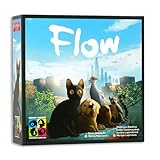
Overview: Flow brings the acclaimed animated film to life as a real-time cooperative survival game. Players must work together to navigate a flooding world, rescue allies, and adapt to an ever-changing modular board. Designed for 1-4 players ages 8+, it offers both solo and group play in sessions that balance strategy with urgent decision-making.
What Makes It Stand Out: The dynamic rising water mechanic creates genuine tension as the board literally transforms during play. Eleven scenario cards provide distinct challenges, ensuring no two games feel identical. Its dual nature as both a thoughtful solo puzzle and frantic multiplayer experience is rare, while the film’s artistic legacy gives it emotional depth uncommon in family games.
Value for Money: Positioned in the mid-tier board game range, Flow justifies its cost through exceptional replayability. The variable scenarios and modular tiles offer dozens of unique combinations, outperforming many static board games at similar prices. For families seeking a game that evolves with player skill, it’s a sound investment.
Strengths and Weaknesses:
- Pros: Beautiful thematic integration; excellent solo mode; high replayability; scalable difficulty; teaches quick thinking under pressure.
- Cons: Real-time pressure may overwhelm younger or anxious players; requires careful rules explanation; setup can be lengthy for short play sessions.
Bottom Line: Flow excels as a family game that grows with players, though its real-time stress isn’t for everyone. Ideal for groups who enjoy adaptive challenges and cinematic storytelling.
3. Tiny Laser Heist – Hilarious 3D Heist Game, Outsmart & Negotiate for The Loot, Fun Cooperative Board Game for Ages 12+, Perfect for Game Nights & Parties, 3-6 Players

Overview: Tiny Laser Heist is a dexterity-based party game where players use miniature plastic hands to steal jewels from a laser-secured museum. Supporting 3-6 players ages 12+, it combines physical skill with negotiation and chaotic strategy in 30-45 minute sessions. The 3D laser frame and padlock obstacles create a tactile, suspenseful experience that’s as hilarious to watch as it is to play.
What Makes It Stand Out: The absurd tiny hands mechanic fundamentally changes how players interact with the board, forcing creative problem-solving and constant communication. As lasers multiply and padlocks accumulate, the game escalates from careful planning to delightful panic. Sabotage cards add a layer of betrayal, transforming cooperative heisting into negotiated survival.
Value for Money: For a party game with extensive 3D components, it offers solid value. The physical props and replayable scenarios outperform many card-only party games at similar price points. While niche, its uniqueness justifies the cost for groups seeking something beyond traditional board games.
Strengths and Weaknesses:
- Pros: Hilarious, unique premise; excellent for icebreaking; quick setup; scales difficulty well; memorable physical interactions.
- Cons: Requires steady hands and patience; not suitable for young children; can frustrate competitive players; limited strategic depth.
Bottom Line: Tiny Laser Heist shines with the right group—mature enough to embrace chaos and clumsiness. It’s a standout party game that guarantees laughter, though its appeal depends heavily on your friends’ sense of humor.
4. Horrible Guild: Dungeon Fighter, Strategy Cooperative Board Game, Communicate Quickly and Well, Dexterity is Key, Throw the Dice for Great Success, For 1 to 6 Players, Ages 8 and up

Overview: Dungeon Fighter merges classic dungeon crawling with physical dice-throwing dexterity. Players cooperate to explore, gather treasure, and defeat monsters by literally tossing dice onto a target board. Designed for 1-6 players ages 8+, it demands both strategic communication and genuine throwing skill, creating a uniquely tactile RPG experience.
What Makes It Stand Out: The dice-throwing mechanic isn’t just thematic—it’s the entire combat system, with different monsters requiring specific throwing techniques (bounce, spin, blind throws). This physical element transforms abstract strategy into palpable tension. The cooperative structure forces constant communication, as players must coordinate attacks and share resources while under pressure.
Value for Money: As a heavier box with substantial components, it’s priced appropriately for a mid-weight strategy game. The 3.97-pound package includes numerous scenarios and characters, offering depth that rivals pricier dungeon crawlers. For dexterity-game enthusiasts, it’s a worthwhile specialty purchase.
Strengths and Weaknesses:
- Pros: Innovative dice mechanics; high player count including solo; true cooperative gameplay; scalable difficulty; combines strategy with physical skill.
- Cons: Dexterity element may alienate pure strategists; requires ample table space; can be frustrating for younger players; setup is involved.
Bottom Line: Dungeon Fighter is a brilliant hybrid for gamers seeking something beyond typical dice rollers. Its physical demands narrow its audience, but those who embrace the chaos will find it endlessly entertaining.
5. Buffalo Games - Space Invaders Game - Dexterity Launch Game - Great for Game Night - Cooperative Gameplay - Based on Video Game

Overview: Buffalo Games’ Space Invaders translates the iconic arcade experience into a cooperative dexterity game. Using a 3D arcade shooter launcher, 1-4 players ages 8+ work together to destroy descending invader cards before being overwhelmed. Sessions last 30-45 minutes, blending nostalgic theme with skill-based strategy and communication.
What Makes It Stand Out: The physical launcher mimics the arcade cabinet’s feel, creating authentic tactile satisfaction when successfully hitting targets. The cooperative twist on a competitive classic encourages teamwork rather than high-score rivalry. Health trackers and blast tokens add modern board game depth while preserving the original’s escalating tension.
Value for Money: Licensed games often carry a premium, but this delivers tangible value through its unique launcher and quality components. Compared to other dexterity games, the recognizable IP and replayable card system justify the price for retro gaming enthusiasts. It’s more substantial than typical mass-market games.
Strengths and Weaknesses:
- Pros: Excellent nostalgia factor; unique 3D launcher; cooperative gameplay adds freshness; quality licensed components; accessible rules.
- Cons: Limited strategic depth; launcher may feel gimmicky to some; card-based invaders lack visual variety; best with 2-3 players.
Bottom Line: Space Invaders succeeds as a nostalgic party piece that plays as good as it looks. While not the deepest strategy game, it’s perfect for families and arcade fans wanting cooperative fun with a retro twist.
6. Nekojima | Avoid Mischievous Cats While Carefully Building a Japanese Power Grid | Stacking and Weaving Dexterity Game | Fun Family Game for Kids and Adults Ages 8 and Up | 1 to 5+ Players | 15 Min

Overview: Nekojima transforms the classic stacking genre by tasking players with constructing a delicate power grid on a cat-inhabited island. This dexterity game merges wooden block stacking with strategic weaving mechanics, challenging 1-5+ players to balance structural integrity against feline interference. Each 15-minute session delivers quick, tactile fun suitable for ages eight and up.
What Makes It Stand Out: The game’s whimsical Japanese-inspired premise distinguishes it from generic tower games. Players don’t merely stack blocks—they interweave components to simulate electrical infrastructure while navigating “mischievous cat” obstacles. This fusion of Jenga’s physical tension with Don’t Break the Ice’s perilous removal creates unpredictable gameplay. The flexible player count, including robust solo mode, and rapid playtime make it exceptionally versatile for modern families.
Value for Money: Positioned in the mid-range for dexterity games, Nekojima justifies its cost through quality wooden components and novel mechanics. Unlike single-mechanic alternatives like Jenga, the weaving element and thematic integration provide enhanced replayability. The game’s scalability from solo to large groups effectively delivers multiple games in one package, offering strong long-term value for family collections.
Strengths and Weaknesses: Strengths include accessible rules, unique thematic integration, quick setup, and genuine tension during play. The physical components feel substantial and durable. Weaknesses involve limited strategic depth for serious hobbyists and potential frustration for players lacking fine motor skills. The cat theme, while charming, may not resonate with everyone, and the small pieces require careful storage.
Bottom Line: Nekojima excels as a light-hearted, fast-paced family dexterity game. Its innovative weaving mechanic and delightful theme make it ideal for casual game nights, though dedicated strategists may find it too whimsical for repeated play.
7. THAMES & KOSMOS The Crew - Quest for Planet Nine | Card Game | Kennerspiel des Jahres Winner | Cooperative | 3-5 Players | Ages 10+ | Trick-Taking | 50 Levels of Difficulty | Endless Replay

Overview: This award-winning cooperative card game reinvents trick-taking by eliminating competition among players. Teams of 3-5 astronauts work silently to complete 50 increasingly complex missions across the solar system. Each 5-10 minute mission demands precise card play and implicit communication, creating a uniquely collaborative experience for ages ten and up.
What Makes It Stand Out: Winning the prestigious Kennerspiel des Jahres award validates its innovative design. The silent cooperation mechanic—where players cannot freely discuss strategy—transforms traditional trick-taking into a tense puzzle. Progressive difficulty across 50 missions provides a structured campaign feel rarely seen in card games, while the space theme adds narrative depth without complexity.
Value for Money: As a compact card game with extensive content, The Crew offers exceptional value. Fifty distinct missions provide dozens of hours of gameplay, far exceeding most card games in longevity. Its award-winning pedigree and infinite replayability through mission randomization justify a premium price point that rivals cheaper, less substantive alternatives.
Strengths and Weaknesses: Strengths include brilliant scaling difficulty, quick individual missions, genuine teamwork requirements, and minimal table space. The rulebook excels at gradual teaching. Weaknesses are the strict 3-5 player requirement—no true solo or two-player variant—and potential frustration for groups poor at non-verbal cues. Younger players may struggle with abstract thinking.
Bottom Line: The Crew is essential for cooperative gaming enthusiasts and trick-taking aficionados. Its innovative silent communication and mission structure create unparalleled engagement, though its specific player count demands limit universal appeal.
8. Artipiagames Rush M.D. - Artipia Games Cooperative Board Game, Worker Placement, Strategy, Dexerity, Ages 14+, 1-4 Players, 30-45 Mins

Overview: Rush M.D. thrusts players into a chaotic emergency room where real-time decision-making meets worker placement. This cooperative board game for 1-4 players aged 14+ simulates medical emergencies through simultaneous actions, strategic planning, and dexterity-based mini-games, delivering intense 30-45 minute sessions of life-saving pressure.
What Makes It Stand Out: The fusion of real-time mechanics with worker placement creates genuine urgency rarely captured in board games. Dexterity mini-games—representing surgical procedures—add physical skill demands to strategic planning. The medical theme integrates seamlessly with mechanics, creating authentic tension as players race against time and patient deterioration.
Value for Money: While priced higher than gateway games, Rush M.D. justifies cost through its innovative hybrid mechanics and premium components. The unique real-time worker placement system offers experiences unavailable elsewhere. However, its niche appeal and age restriction may limit value for casual families seeking broad utility.
Strengths and Weaknesses: Strengths include innovative real-time integration, strong thematic immersion, scalable difficulty, and excellent solo mode. The dexterity elements add surprising variety. Weaknesses involve significant rules complexity, high stress levels unsuitable for all players, and the 14+ age rating limiting family accessibility. Component organization challenges can slow setup.
Bottom Line: Rush M.D. delivers a distinctive, high-intensity cooperative experience perfect for gamers seeking innovation. Its demanding nature and age restrictions make it unsuitable for casual family nights, but it shines for mature groups craving mechanical novelty.
9. Cat and The Tower by Arcane Wonders | Cooperative Balance Board Game | Ages 6+ | 1-5 Players | 15-30 Minute Family Game with Tower Building
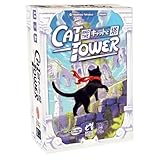
Overview: This cooperative dexterity game tasks players with helping Toto the cat ascend a hand-built tower to find his mother among the stars. Players stack mismatched wall pieces of varying heights, balancing structural stability against height ambitions. Designed for 1-5 players ages six and up, sessions last 15-30 minutes of shared tension.
What Makes It Stand Out: The emotional storytelling narrative distinguishes it from abstract stacking games. Mismatched pieces create genuinely unstable structures, while Toto’s Feline Friends introduce tactical decision-making beyond simple balance. The card-driven choices between building or attempting dexterity challenges add strategic depth rarely seen in children’s dexterity games.
Value for Money: Positioned as a family gateway game, it offers solid value through high-quality wooden components and integrated storytelling. The scalable difficulty and cooperative nature extend its lifespan across child development stages. While simpler than hobbyist games, its accessibility justifies investment for families with younger children.
Strengths and Weaknesses: Strengths include strong emotional engagement, excellent accessibility (age 6+), meaningful teamwork, and high replayability through piece randomization. The narrative hooks younger players effectively. Weaknesses involve requiring substantial table space, potential for component wear, and limited strategic depth for adult-only groups. Setup can be fiddly.
Bottom Line: Cat and the Tower succeeds brilliantly as a family cooperative experience. Its blend of storytelling, physical skill, and teamwork makes it ideal for parents seeking meaningful engagement with younger children, though gaming veterans may find it too light.
10. Dodo | Kid’s Game | Family Game |Board Games | Co-op | Dexterity | Ages 6+

Overview: Dodo is a frantic cooperative game where players race against gravity to protect a dodo egg rolling down an inclined island. Combining memory, dexterity, and rapid decision-making, this award-winning European import delivers sub-10-minute sessions for ages six and up, emphasizing teamwork and physical skill.
What Makes It Stand Out: The gravity-driven mechanic creates unpredictable, hilarious gameplay moments unmatched in children’s games. Its adjustable difficulty allows scaling from toddler-friendly to genuinely challenging, while the multi-skill integration (memory, dexterity, speed) develops broader competencies than single-mechanic alternatives. The European design pedigree ensures quality.
Value for Money: As an affordable children’s game, Dodo provides exceptional value. The short playtime enables multiple rounds in one sitting, maximizing engagement per dollar. Its durable components withstand repeated play, and the adjustable difficulty extends its useful lifespan as children develop. The award-winning design pedigree exceeds typical mass-market quality.
Strengths and Weaknesses: Strengths include lightning-fast setup, genuine cooperative tension, skill-building variety, and broad age accessibility. The gravity mechanic feels fresh and exciting. Weaknesses involve very short sessions that may feel insubstantial, limited strategic depth for adults, and potential for physical component wear. The theme may not captivate older children.
Bottom Line: Dodo is a stellar choice for families seeking quick, engaging cooperative play for young children. Its innovative gravity mechanics and multi-skill development make it a standout children’s game, though its brevity and simplicity limit long-term adult appeal.
What Makes a Dexterity Game Cooperative?
The Shift from Competitive to Team-Based Mechanics
Traditional dexterity games typically crown a single champion through direct competition, but cooperative variants flip this script entirely. The core transformation involves redesigning win conditions so that either everyone succeeds together or the game itself wins. This shift requires rethinking how physical actions contribute to a shared goal rather than individual advantage. Designers achieve this by creating scenarios where players must combine their unique physical abilities—one person’s precision flicking might set up another’s careful balancing act, creating a chain of interdependent moves that mirror real-world teamwork.
Core Elements of Cooperative Play
True cooperative dexterity games integrate several non-negotiable elements. Shared resources mean that when you knock over a tower, the whole team suffers the setback, not just you. Communication becomes a physical skill as you coordinate movements while possibly holding unstable components. The best designs incorporate roles that leverage different physical aptitudes—some players might excel at fine motor control while others bring steady hands for prolonged balancing tasks. This specialization ensures everyone contributes meaningfully, regardless of their baseline dexterity level.
Why Cooperation Changes Everything
The psychological shift from competitive to cooperative transforms the entire gaming experience. Failure becomes a learning opportunity rather than a source of inter-player tension. When the tower collapses, the group analyzes what happened and adjusts strategy collectively. This dynamic builds genuine camaraderie and reduces the frustration that can accompany physical games. The stakes feel higher because you’re not letting just yourself down—you’re responsible to your team, creating emotional investment that purely competitive games rarely achieve.
Key Features to Look for in 2026
Component Quality and Durability
In cooperative dexterity games, components endure repeated handling, drops, and occasional frustrated table slams. Premium wooden pieces offer satisfying weight and tactile feedback while surviving countless plays. High-density plastics with matte finishes prevent slipping and reduce glare from overhead lighting. For 2026, look for games using sustainable materials like bamboo or recycled composites that maintain structural integrity. Check that edges are smoothly finished to prevent splintering and that painted surfaces won’t chip after repeated contact. The best investments feature replacement part programs, recognizing that even careful gamers will eventually lose or damage pieces.
Scalability for Different Player Counts
A hallmark of excellent cooperative dexterity design is graceful scaling from two to six or more players. Games achieve this through modular boards that expand or contract based on participant numbers. Some titles use role cards that distribute physical tasks differently depending on group size—larger groups might have specialists while smaller teams require everyone to master all skills. The most versatile designs include “challenge modes” that add complexity for experienced players without making the game impossible for newcomers joining mid-session. This flexibility ensures your purchase remains relevant as your gaming group evolves.
Progressive Difficulty Systems
The finest cooperative dexterity games grow with your team’s skill level. Look for titles offering scenario books with graduated challenges that introduce new mechanical twists as you master basics. Variable setup options that randomize starting conditions prevent memorization from replacing genuine skill. Some innovative designs feature dynamic difficulty that automatically adjusts based on your success rate—after several wins, the game subtly increases complexity by adding obstacles or tightening timing constraints. This keeps the experience fresh and prevents the plateau that plagues many physical games once muscle memory develops.
Accessibility and Age Appropriateness
Modern cooperative dexterity games prioritize inclusive design without sacrificing challenge. For family settings, seek games with colorblind-friendly palettes using patterns alongside hues. Text-free components enable play across language barriers and reading levels. Adjustable height requirements accommodate players with different physical abilities—some 2026 titles even include seated variants for wheelchair users. Age recommendations should reflect cognitive load as much as physical skill; a game requiring complex strategy alongside steady hands might suit older teens better than young children, even if the pieces are large enough for small fingers.
Storage and Portability
Consider how the game’s physical nature impacts storage. Bulky, irregularly shaped components require creative solutions—look for boxes with custom inserts that protect pieces during transport. Magnetic closures prevent spillage when stored vertically. For gamers who travel to conventions or friends’ houses, compact designs using nesting components or collapsible boards justify their price premium. Some 2026 releases feature dedicated carrying cases sold separately, recognizing that dexterity games often leave the shelf more frequently than traditional board games.
Essential Game Mechanics and Styles
Stacking and Building Challenges
These games task your team with constructing structures under constraints that demand communication and planning. You might need to build a tower where each player can only add pieces of a specific shape, forcing you to describe spatial relationships verbally while executing precise placement. The cooperative twist often involves shared penalties for collapse—perhaps you lose a limited resource or must start over with a handicap. Advanced variants introduce asymmetrical information, where one player sees the blueprint but cannot touch the pieces, acting as architect while teammates serve as builders.
Flicking and Shooting Precision
Cooperative flicking games transform this classic pub skill into a team sport. Players might take turns guiding a projectile through an obstacle course, where each successful shot opens a path for the next teammate’s attempt. The tension builds as you must trust others with your careful setup—your perfect bank shot means nothing if the next player knocks the target off course. Look for games with adjustable ramp angles and modular target configurations that let you design increasingly ridiculous courses as your group’s skill improves.
Balancing and Stability Tests
These titles place physical stability at the center of cooperative strategy. Your team might need to collectively hold a wobbly structure steady while adding components, requiring synchronized breathing and movement. Some designs incorporate weighted pieces that shift the center of gravity unpredictably, forcing constant adaptation. The best versions include team-wide challenges like “no talking” or “eyes closed” that transform simple balancing into a profound trust exercise. Components with varying textures and densities add tactical depth—smooth pieces slide differently than rough ones, requiring strategic placement decisions.
Timer-Based Coordination Games
Real-time pressure elevates cooperative dexterity to thrilling heights. These games use sand timers, soundtracks, or digital apps to create urgency. You might need to complete physical patterns before time expires, with each player responsible for different elements of the solution. The most engaging designs include variable tempo—slowing down for planning phases before accelerating to frantic speeds. Some 2026 innovations feature adaptive timers that speed up when you’re performing well, creating a rubber-banding effect that maintains tension regardless of skill level.
Pattern Recognition with Physical Elements
These hybrid games combine mental pattern-matching with physical execution. Your team identifies a sequence or arrangement, then must recreate it using dexterity-based placement. The challenge compounds when patterns become complex multi-layer designs requiring both memory and steady hands. Cooperative elements emerge through distributed cognition—one player might memorize colors while another tracks shapes, forcing you to merge incomplete understandings into a unified physical creation. Advanced versions introduce interference, where environmental factors like a slowly rotating board or vibrating surface disrupt your careful placement.
Hybrid Digital-Physical Integration
The cutting edge of 2026 cooperative dexterity involves smartphone apps or tablets that interact with physical components. An app might display a structure you must build while scanning your progress in real-time, offering hints or introducing complications based on your accuracy. Some designs use augmented reality to overlay virtual obstacles onto your physical playspace, requiring you to navigate both tangible and digital challenges simultaneously. This integration allows for narrative campaigns where your physical successes unlock digital story content, creating persistence across multiple sessions.
Building Your Collection Strategically
Starting with Gateway Experiences
Your first cooperative dexterity purchase should prioritize approachability over depth. Look for games with intuitive physics—stacking blocks or simple flicking mechanics that anyone understands within seconds. These titles should forgive minor errors, allowing new players to recover from mistakes without devastating the team’s progress. The rulebook matters enormously; seek games explaining concepts through visual diagrams rather than dense text. Gateway games serve as ambassadors, introducing skeptical friends to the genre, so they must play quickly (under 30 minutes) and generate immediate “let’s try that again” reactions.
Adding Intermediate Complexity
Once your group masters basics, introduce games layering strategic decision-making atop physical skill. These titles might require resource management alongside dexterity—choosing which pieces to risk in a precarious stack based on long-term goals. Intermediate games often include scenario variety, offering different objectives that reuse the same core components. This stage is perfect for exploring thematic coherence, where the physical actions genuinely reflect the narrative (building a structure while “earthquakes” periodically shake the table). The sweet spot here balances familiar mechanics with one or two innovative twists that challenge your developed skills.
Mastering Advanced Challenges
For dedicated groups, advanced cooperative dexterity games demand perfection. These feature unforgiving failure conditions where a single misstep can undo ten minutes of careful work. They reward practice and team synchronization, often including hidden depth that emerges only after dozens of plays. Look for titles with extensive legacy-style campaigns where physical components permanently change based on outcomes. Advanced games justify higher price points through limitless replayability and the satisfaction of mastering genuinely difficult skills. They become hobby centerpieces, the games your group references and reminisces about long after the table is cleared.
Creating a Well-Rounded Shelf
Balance your collection across mechanical diversity. If you own a stacking game, complement it with a flicking title rather than another vertical builder. Consider playtime variety—have a quick 15-minute filler for game nights, a 45-minute main event, and an epic 90-minute experience for special occasions. Theme diversity matters too; not everyone loves abstract puzzles, so include narrative-driven options where dexterity serves a story. Finally, balance difficulty so you can accommodate different player groups—your weekly gaming night regulars might crave challenge, but family gatherings require accessible fun.
Playing Tips for Maximum Enjoyment
Setting Up the Perfect Play Space
Dexterity games demand more than just table space—they require environmental control. Choose a stable, level surface; even slight table wobble can undermine fairness. Lighting should be bright and shadow-free to judge distances accurately. Remove distractions like drinks and phones from the immediate area to prevent accidental collisions. For games involving projectiles, consider playing on a felt mat that absorbs impact and prevents pieces from rolling away. Temperature and humidity affect wooden components; extremely dry conditions can cause warping, while humidity makes pieces sticky. Store games in climate-controlled spaces and allow components to acclimate before playing.
Communication Strategies That Work
Effective teamwork in physical games transcends normal board game chatter. Establish clear, concise terminology for spatial relationships—“north,” “south,” “clockwise” work better than vague pointing. Designate a “caller” who focuses on strategy while others execute, preventing everyone from talking over each other. Practice non-verbal signals for high-tension moments when concentration is paramount—a simple hand raise might indicate you’re about to make a critical move. Learn to celebrate failures constructively; develop a team ritual like a synchronized hand-clap after collapses to reset morale. This transforms frustration into camaraderie.
Teaching New Players Effectively
When introducing cooperative dexterity games, demonstrate rather than explain. Perform a practice round where experienced players deliberately make mistakes, showing newcomers that errors are part of the fun. Start with simplified rules—ignore advanced scoring or special abilities until basic mechanics click. Position new players in the middle of the turn order so they can observe others before acting while still receiving support. Provide physical guidance; gently adjust their hand position for flicking games or demonstrate the proper grip for stacking pieces. Most importantly, celebrate their small victories publicly to build confidence.
Avoiding Common Frustrations
Dexterity games can test patience. Prevent alpha-gamer syndrome by rotating leadership roles each round, ensuring everyone contributes ideas. If one player consistently struggles, introduce handicaps for veterans rather than simplifying the game—maybe experienced players must use their non-dominant hand. Establish a “gentle reset” rule where the team can pause the action to regroup if tension escalates. For games with high failure rates, set session goals beyond winning, like “let’s get farther than last time” or “focus on communication quality.” This maintains engagement even during losing streaks.
The Future of Cooperative Dexterity Gaming
Emerging Trends for 2026 and Beyond
The next wave of cooperative dexterity games emphasizes biometric integration. Some prototypes use pressure-sensitive mats that detect player stress levels, automatically adjusting difficulty when the team gets frustrated. Modular 3D-printed components are becoming standard, allowing players to customize piece shapes and weights for personalized challenges. We’re seeing increased use of transparent materials that create optical illusions, forcing teams to navigate visual misinformation alongside physical skill. Narrative is evolving too; expect more games with branching storylines where your physical performance directly influences plot outcomes, creating personalized campaign experiences.
Sustainability in Game Production
Environmental consciousness is reshaping manufacturing. Leading 2026 releases use biodegradable plastics derived from plant starches for non-essential components while reserving premium hardwoods for pieces requiring precise weight. Packaging has shifted to minimalist designs using mushroom-based foam inserts instead of plastic trays. Some publishers now offer “forever games” where you buy the rule system once and receive digital plans to fabricate replacement pieces locally, reducing shipping impact. This trend matters for collectors; sustainable games often feature timeless designs meant to last decades rather than disposable titles you play a few times and shelve.
Community and Tournament Play
Cooperative dexterity is spawning unique community events. Unlike competitive tournaments, these gatherings focus on collaborative achievements—teams working together to solve massive, convention-wide challenges. Some communities maintain persistent “world state” games where results from local groups aggregate into a global narrative. Online platforms now host virtual coaching sessions where experienced teams livestream attempts, offering real-time strategy tips to viewers. This social dimension adds value beyond the box; buying into a cooperative dexterity game means joining a supportive community that shares your triumphs and laughingly commiserates over spectacular failures.
Frequently Asked Questions
What exactly defines a cooperative dexterity game?
A cooperative dexterity game requires players to work together toward a shared objective using physical skill rather than direct competition. All participants win or lose as a team, with success depending on coordinated actions like stacking, balancing, flicking, or building. Unlike competitive dexterity games where you sabotage opponents, these titles make the game itself the adversary, creating puzzles that demand both individual physical competence and team synchronization.
Are these games suitable for families with young children?
Many modern cooperative dexterity games offer excellent family experiences, but age appropriateness varies significantly. Look for games with large, easy-to-handle pieces and simple rules for kids under eight. The cooperative nature actually helps with younger players, as older family members can coach without dominating. However, very young children may struggle with the frustration of team failure; games with frequent small successes rather than one big loss work best for maintaining enthusiasm across age gaps.
How much table space do I realistically need?
Space requirements range dramatically based on mechanics. Simple stacking games might need just a 2×2 foot area, while elaborate flicking courses or large balancing setups can demand 4×6 feet or more. Always check the “footprint” specification in game descriptions. For apartment dwellers, prioritize games with vertical building elements that maximize height over surface area, or choose titles with modular boards you can configure to fit your available space.
Can cooperative dexterity games be played solo?
Most designs support solo play by having one person control multiple roles or by including dedicated single-player variants. However, the magic of these games often comes from the social coordination and shared tension, which solo play diminishes. If you primarily game alone, look for titles that replace team communication with time pressure or multi-tasking challenges to maintain excitement. Some games feature app integration that simulates virtual teammates, preserving the cooperative feel.
What’s the typical price range for quality titles?
Entry-level cooperative dexterity games start around $25-35, offering solid wooden pieces and straightforward mechanics. Mid-range titles ($40-60) introduce more components, better materials, and scenario variety. Premium games ($70-100+) feature extensive content, legacy-style campaigns, or innovative hybrid digital elements. Price often correlates with component durability rather than just content volume—a $50 game with hardwood pieces typically outlasts a $30 game with cardboard components, making it a better long-term investment.
How do I store these games to prevent component damage?
Original packaging with custom inserts provides the best protection. Store boxes flat to prevent warping, and keep them away from extreme temperatures or humidity. For games with many small pieces, consider investing in adjustable plastic organizers that fit inside the box, preventing components from rattling around. If you transport games frequently, use padded bags and consider removing fragile pieces to separate protective cases. Some players create “play kits” with just essential components for travel, leaving bulkier, less-used pieces safely at home.
Are these games durable enough for heavy use?
Quality cooperative dexterity games built with wood, dense plastic, or metal can withstand hundreds of plays. However, components naturally degrade—painted surfaces chip, wooden edges dent, and plastic pieces develop stress marks. This wear becomes part of the game’s story, though excessive damage affects playability. Premium manufacturers increasingly offer replacement part services, letting you refresh specific components without repurchasing the entire game. Treat pieces gently, avoid playing on hard surfaces that increase impact damage, and clean components regularly with appropriate materials to maximize lifespan.
What’s the learning curve like for non-gamers?
Cooperative dexterity games often have gentler learning curves than strategy-heavy board games because the physical actions feel intuitive. Most people understand stacking or flicking without explanation. The challenge lies in coordinating these actions with teammates. Non-gamers typically grasp basic mechanics in 5-10 minutes but need several plays to develop team synergy. The cooperative structure helps here—experienced players can guide newcomers without it feeling like instruction, simply by saying “let’s try this” rather than “you should do that.”
Can I make competitive dexterity games cooperative?
Many competitive games can be house-ruled into cooperative experiences by redesigning win conditions. Instead of competing for points, set a team score target or try to survive a certain number of rounds. However, this often feels artificial since components and rules weren’t designed for collaboration. True cooperative dexterity games bake teamwork into every mechanism, creating experiences that can’t be replicated through rule tweaks. That said, experimenting with house rules can be a fun creative exercise and help you identify what mechanics you enjoy before investing in dedicated cooperative titles.
What trends should I watch for in 2026 releases?
Expect increased integration of sustainable materials, with more bamboo and recycled components. Biometric feedback systems that adjust difficulty based on player stress are entering mainstream production. Hybrid digital-physical games will become more sophisticated, using AR to create dynamic play spaces. We’re also seeing a rise in “evergreen” titles designed for continuous content updates via app expansions rather than physical add-ons. Finally, watch for community-driven design, where player feedback directly influences official rule variants and component tweaks post-launch, creating living games that evolve with their audience.
See Also
- 10 Essential Cooperative Dexterity Games Every Board Game Group Needs in 2026
- 10 Essential Cooperative Strategy Games Every Board Game Group Needs in 2026
- 10 Essential Sci-Fi Cooperative Board Games Every Nerd Needs in 2026
- 10 Essential Fantasy Cooperative Board Games Every Enthusiast Needs in 2026
- 10 Essential Horror Cooperative Board Games Every Night of the Living Dead Fan Needs in 2026