Table of Contents
Imagine this: it’s a quiet Tuesday evening, just you and your partner curled up on the couch, phones silenced, the outside world fading away. Instead of scrolling through endless feeds, you’re leaning over a beautifully illustrated game board, whispering strategies, celebrating a narrow victory, or laughing over a shared defeat. Cooperative board games transform ordinary moments into collaborative adventures, building connection through shared problem-solving rather than competition. For duos, this dynamic is pure magic—it’s not about beating each other, but conquering challenges together, fostering communication, trust, and that incredible “we did it!” high that lingers long after the pieces are packed away.
Why focus on two-player experiences specifically? Because playing as a team of two demands a unique design finesse. Unlike larger groups where dynamics can dilute, a duo requires constant, meaningful interaction where both players feel equally vital every single turn. There’s no room for passive observation; every decision impacts the shared outcome directly. In 2026, with board game design evolving rapidly, the best two-player cooperative titles offer streamlined rules, deep strategic layers, and immersive narratives that make you forget you’re only two people at the table. They’re not just games—they’re relationship builders, stress relievers, and proof that sometimes, the most thrilling adventures are the ones you navigate side by side.
Top 10 Cooperative Board Games for Two Players
Detailed Product Reviews
1. CGE Codenames: Duet Board Game (2nd Edition) The Top Secret Cooperative Word Association Game for Two Players & Couples Game Nights
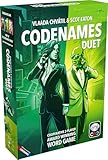
Overview: Codenames: Duet revolutionizes the classic word association concept into a tense, cooperative challenge designed exclusively for two players. Instead of competing, you and your partner work against the clock to identify all 15 agents on a 5x5 grid using only single-word clues and numbers, while desperately avoiding the deadly assassin. What Makes It Stand Out: The genius lies in the asymmetric clue-giving: each player sees only half the key card, forcing deep communication and deduction. The shared risk (triggering the assassin ends the game instantly) creates unparalleled tension. The inclusion of 400 new words significantly boosts replayability beyond the original Duet. Value for Money: Priced competitively with standard board games, Duet offers exceptional longevity. The constant need for fresh strategies with each word set and the high-stakes cooperative puzzle provide far more hours of engaging play per dollar than most competitive word games, justifying its cost for couples or dedicated word-game fans. Strengths and Weaknesses: Strengths: Brilliant cooperative tension, highly replayable, sharpens communication, compact and portable. Weaknesses: Can feel punishingly difficult early on; the single-assassin mechanic might frustrate some; limited physical components beyond cards. Bottom Line: An essential, brilliantly executed cooperative word game that fosters incredible teamwork and communication. Its unique shared-key mechanic and high stakes make it a standout couples’ game and a must-buy for Codenames fans seeking deeper collaboration.
2. Happy Camper - The Four Doors | Cooperative Game by Pandemic and Forbidden Island Creator | Perfect for Solo Play, Two Players, and Small Groups | Portable Adventure Game
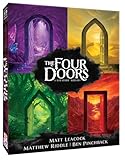
Overview: Created by Matt Leacock (Pandemic) with Riddle and Pinchback, Happy Camper: The Four Doors is a streamlined cooperative adventure where 1-5 players race to retrieve four sacred treasures from a mystical light tower before sinister shadows seal the doors forever. It delivers a complete, thematic experience in roughly 30 minutes. What Makes It Stand Out: Leacock’s signature accessible-yet-strategic design shines here. The modular door exploration, combined with the ever-encroaching shadow threat, creates constant, manageable tension. Its exceptional solo mode is seamlessly integrated, not an afterthought, making it incredibly versatile for any group size, amplified by its super-portable design. Value for Money: Offering robust solo, duo, and small-group play in a compact, travel-friendly package, The Four Doors provides outstanding value. It leverages proven cooperative mechanics affordably, delivering an experience comparable to larger, more expensive Leacock titles but in a much more accessible and portable form factor. Strengths and Weaknesses: Strengths: Effortless solo play, highly portable, quick setup/teardown, perfect entry-point into co-ops, strong theme. Weaknesses: Lighter strategic depth than Pandemic/Forbidden Island; limited component variety; treasure effects can feel underdeveloped for veterans. Bottom Line: A near-perfect portable cooperative game, especially for solo and small groups. Leacock’s mastery ensures accessible, tense, and satisfying gameplay that justifies its price as an ideal travel companion or quick game night opener.
3. ALLPLAY Sail Cooperative Strategy 2 Player Board Game for Adults and Family - Unique Trick Taking Card Game - Communication Limits and Challenging Scenarios in Small, Travel Size Box (5" x 5" x 2")

Overview: Sail reimagines trick-taking for two players as a cooperative pirate voyage. Partners navigate a ship across treacherous seas by strategically winning and losing specific tricks, all while constrained by strict communication limits that force silent coordination to avoid the kraken and reach safety. What Makes It Stand Out: The core innovation is flipping traditional trick-taking: success hinges on which tricks you win or lose, not just winning most. The enforced communication limits (no talking during play) create genuine teamwork pressure, while unique pirate powers and scenario-based challenges add significant strategic layers within its remarkably tiny travel box. Value for Money: Packed into a minuscule 5"x5" box, Sail delivers a surprisingly deep, unique 2-player co-op experience rivaling much larger games. Its novel mechanics and high replayability through scenarios offer exceptional bang-for-buck, especially for travelers or fans seeking fresh trick-taking beyond classic competitive formats. Strengths and Weaknesses: Strengths: Truly innovative co-op trick-taking, brilliant communication constraint, highly portable, strong replay value, perfect for couples. Weaknesses: Communication rule can frustrate new players; luck in card draws impacts strategy; component simplicity reflects the low price point. Bottom Line: A masterclass in compact, innovative design. Sail successfully transforms trick-taking into a tense, silent partnership challenge, offering tremendous value and unique fun for 2 players in an ultra-portable package. Highly recommended for co-op and card game enthusiasts.
4. Scorpion Masqué Sky Team | Voted Game of The Year 2024 | Best 2 Player Game | Work Together to Land The Plane | Ages 14+ | 20 Minutes

Overview: Sky Team casts players as pilot and co-pilot in a nail-biting 20-minute race to land a commercial airliner safely. Using shared dice and distinct role responsibilities, you must simultaneously manage speed, altitude, wing level, and brakes while navigating unique airport challenges and potential crises. What Makes It Stand Out: The intense, asymmetric cooperation is unmatched. Planning happens between tense dice-rolling phases where you execute your distinct duties in silence, demanding absolute trust. Immersive cockpit components, 20 diverse global airport scenarios, and challenging optional modules (like kerosene leaks) create unparalleled thematic depth and replayability in such a compact game. Value for Money: As the acclaimed 2024 Game of the Year, Sky Team justifies its premium price through exceptional design and components. The sheer number of scenarios, modular challenges, and the profound, repeatable tension it generates offer immense value, far exceeding most games in its price bracket for pure 2-player focus. Strengths and Weaknesses: Strengths: Unparalleled cooperative tension, brilliant role asymmetry, stunning components, massive scenario variety, highly replayable. Weaknesses: Steep learning curve for absolute beginners; high difficulty can lead to frustration; limited appeal for non-aviation fans. Bottom Line: A landmark achievement in 2-player cooperative gaming. Sky Team’s intense, immersive, and brilliantly designed landing sequences make it an essential purchase and a worthy “Game of the Year,” offering unmatched partnership thrills worth every penny.
5. Gamewright - Forbidden Island - Cooperative Strategy Survival Board Game, 2-4 Players
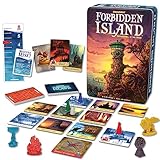
Overview: Designed by Matt Leacock, Forbidden Island is a foundational cooperative adventure where 2-4 players work as a team of adventurers racing to collect four sacred treasures from a sinking island before it vanishes beneath the waves. It’s a streamlined introduction to strategic co-op gaming. What Makes It Stand Out: Leacock’s elegant design shines through intuitive mechanics and escalating tension as the island tiles sink. The distinct adventurer roles with unique abilities foster genuine teamwork and strategic planning. Its perfect balance of accessibility for families (ages 10+) and meaningful decisions for seasoned gamers makes it a timeless gateway co-op. Value for Money: Offering robust cooperative gameplay for 2-4 players at an accessible price point, Forbidden Island is exceptional value. Its durability, ease of teaching, and consistent ability to deliver tense, collaborative fun session after session make it one of the best investments for family game nights. Strengths and Weaknesses: Strengths: Perfect family co-op intro, strong role variety, high replayability, durable components, promotes teamwork & strategy. Weaknesses: Can feel slightly luck-dependent with tile sinking; less complex than Leacock’s Pandemic; limited long-term challenge for hardcore gamers. Bottom Line: A near-perfect entry point into cooperative board gaming. Forbidden Island’s accessible rules, engaging theme, and emphasis on teamwork deliver outstanding value, making it an indispensable, highly recommended cornerstone for any family or casual game collection.
6. Pandasaurus Cooperative Strategy Card Game - Fun Interactive Family Game for Ages 8+, 1-5 Players, 20 Minute Playtime
Overview: Pandasaurus’s The Game is a cooperative card game where players race against time, working together to play descending and ascending number sequences from 2–99 across multiple decks. Its simple rules make it instantly accessible for families, yet the pressure of limited communication creates intense, shared moments. What Makes It Stand Out: The game’s brilliance lies in its enforced silence—players can’t discuss strategies, forcing intuitive teamwork and nonverbal cues. Its 20-minute runtime, global acclaim (1.3M+ copies sold), and Spiel Des Jahres award cement it as a modern classic for inclusive, tension-filled fun. Value for Money: Priced mid-range for card games, it delivers exceptional replayability through pure mechanics, not components. Cheaper than complex board games yet more engaging than party games, it’s a standout investment for family game nights. Strengths and Weaknesses: Strengths: Effortless to learn, highly replayable, fosters genuine collaboration, compact. Weaknesses: Limited strategic depth for hardcore gamers, reliance on luck in later rounds, minimal physical components beyond cards. Bottom Line: An essential, award-winning cooperative experience that transforms silence into thrilling teamwork. Perfect for families seeking quick, meaningful interaction—highly recommended for ages 8+.
7. Zero Strategy Games Shuffle Dungeons Board Game – Solo and Co-op Dungeon Crawler for 1–4 Players
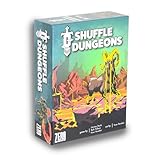
Overview: Shuffle Dungeons is a compact, modular dungeon crawler where players explore shifting labyrinths using dual-purpose cards. As heroes battling through randomized rooms, you must defeat a boss using only three cards per turn—blending exploration, combat, and resource management in under 30 minutes. What Makes It Stand Out: Its ingenious card system—where every card builds the dungeon or powers heroes—creates constant, meaningful choices. The modular tiles ensure infinite replayability, while seamless solo/co-op integration and a tiny footprint defy its strategic depth. Value for Money: At a budget-friendly price, it outperforms bulkier dungeon crawlers with razor-sharp design. The absence of miniatures is justified by smart mechanics, making it ideal for casual and serious gamers seeking depth without complexity. Strengths and Weaknesses: Strengths: Brilliant dual-use cards, endless replayability, fast setup, scales perfectly for 1–4 players. Weaknesses: Limited hero variety (8 total), simplistic enemy AI in solo mode, minimal narrative. Bottom Line: A masterclass in elegant design, offering rich tactical decisions in a travel-sized box. Unbeatable for quick dungeon crawls—highly recommended for solo or small-group play.
8. Everdell Duo – 2-Player Standalone Board Game with Competitive, Co-Op & Campaign Modes – Strategy Game with Woodland Theme, Ages 10+, Fast 30-Minute Gameplay

Overview: Everdell Duo distills the acclaimed Everdell universe into a streamlined, 30-minute duel for two players. Set in a charming woodland realm, it combines worker placement and card drafting to build settlements, with three distinct play modes in one compact package. What Makes It Stand Out: The trio of modes—competitive, co-op, and a 15-chapter campaign—adds remarkable versatility. Sun/moon tokens and dynamic meadow rules introduce fresh tactics, while high-quality critter meeples and art elevate the tactile experience. Value for Money: Though pricier than small-box games, its standalone nature (no base game needed), campaign depth, and replayability justify the cost. It’s cheaper than full Everdell but captures its essence efficiently. Strengths and Weaknesses: Strengths: Multiple engaging modes, superb replay value, beautiful components, tight gameplay. Weaknesses: Campaign mode requires meticulous tracking, limited player count (2 max), steeper learning curve for new players. Bottom Line: A near-perfect two-player strategy experience with exceptional variety. Ideal for couples or duos craving depth without marathon sessions—highly recommended for ages 10+.
9. The Ultimate 2 Player Game

Overview: The Ultimate 2 Player Game delivers a distilled, abstract strategy duel focused on pure player interaction. Using minimal components—a small board and dual-sided tokens—it challenges opponents to outmaneuver each other through evolving spatial tactics and resource control. What Makes It Stand Out: Its genius is in elegant simplicity: rules fit on one card, yet emergent strategies create deep mind games. The asymmetric starting conditions and dynamic scoring ensure no two matches feel identical, fostering intense, thoughtful head-to-head clashes. Value for Money: Priced affordably, it rivals high-cost strategy games in engagement. The durable, minimalist components maximize replayability without bloat, making it a savvy pick for purists seeking endless duels. Strengths and Weaknesses: Strengths: Incredibly fast setup, profound strategic depth, travel-friendly, no luck element. Weaknesses: Lacks thematic immersion, limited visual appeal, may feel too sparse for casual players. Bottom Line: A razor-sharp abstract gem that proves less is more. Essential for strategy enthusiasts wanting a quick, endlessly replayable duel—highly recommended for competitive two-player sessions.
10. Spin Master Games, SolidRoots Escaping Extinction, Cooperative Strategy Board Game from The Makers of Mind The Gap, Easter Gift, 1-4 Players, for Ages 12 & Up

Overview: In Escaping Extinction, players cooperatively guide dinosaurs building a rocket to flee an asteroid impact. Using a tile-based board that reshapes mid-game via “earthquake cards,” teams must gather rocket parts while surviving dynamic prehistoric hazards. What Makes It Stand Out: The thematic urgency shines through its 3D rocket assembly and ever-changing board. Earthquake cards brilliantly disrupt plans, demanding adaptive teamwork, while the dinosaur theme adds playful charm to tense survival scenarios. Value for Money: Solid for a mid-tier cooperative game, though component quality (cardboard pieces) feels modest. Its family-friendly price undercuts similar strategy games, but replayability hinges on group enthusiasm for the theme. Strengths and Weaknesses: Strengths: Engaging theme, dynamic board shifts, accessible co-op rules, strong family appeal. Weaknesses: 3D rocket assembly fiddly, shallow strategy for seasoned gamers, earthquake mechanic can feel punishing. Bottom Line: A fun, thematic entry into cooperative play for families and younger teens, though light on depth. Recommended as a gateway game for ages 12+, especially as an Easter gift.
Core Considerations for Two-Player Duos
Player Interaction Depth
The hallmark of a great two-player cooperative game is constant, meaningful engagement. Look for mechanics that force genuine discussion and joint decision-making, not just parallel play where you take turns solving isolated puzzles. Games that require sharing critical information, combining resources strategically, or physically manipulating components together create that essential “we’re in this” feeling. Avoid titles where one player can easily dominate strategy; the best experiences ensure both voices carry equal weight in every critical moment.
Shared Information vs. Hidden Roles
Consider how information flows between players. Some games thrive on full transparency—both players see all threats and options, working as a unified brain to overcome obstacles. Others introduce controlled tension through limited communication or asymmetric knowledge, where each player holds unique pieces of the puzzle they must describe without revealing too much. For duos, asymmetric roles can be incredibly engaging if balanced well, preventing analysis paralysis by giving each player distinct, crucial responsibilities that demand coordination.
Emotional Resonance and Pacing
Cooperative games for two should master the emotional arc of a session. They need moments of tension that get hearts racing, followed by satisfying releases when a plan comes together. Crucially, pacing must suit shorter attention spans—avoid games with overly long setup times or sessions stretching beyond 90 minutes unless you specifically seek epic campaigns. The best two-player co-ops deliver a complete, emotionally satisfying journey within a single, focused play session, leaving you eager to dive back in.
Gameplay Mechanics That Shine
Hand Management and Resource Allocation
Elegant hand management is a cornerstone of compelling two-player cooperation. Games where you must carefully share, trade, or combine cards representing abilities, tools, or clues create natural negotiation points. When combined with tight resource allocation—like limited actions per turn or scarce in-game currency—these mechanics force tough, shared choices: “Do we spend our last energy token to heal now, or save it for the boss fight?” This constant weighing of immediate needs versus long-term strategy keeps both players mentally invested.
Pattern Recognition and Spatial Puzzles
Games leveraging visual or spatial challenges excel with duos. Think manipulating tiles to build pathways, arranging modular boards under time pressure, or identifying hidden patterns in card layouts. These mechanics encourage pointing, sketching ideas mid-game, and verbalizing observations in real-time, transforming abstract strategy into tangible, collaborative problem-solving. The physicality of moving pieces together fosters a sense of teamwork that pure card games sometimes lack.
Variable Setup and Scenario Diversity
Replayability hinges on variability. Seek games with modular boards, randomized event decks, or multiple scenario booklets that drastically alter objectives and challenges. A strong two-player co-op shouldn’t feel solved after three plays. Look for systems where setup choices (like selecting different starting conditions or threat levels) create distinct experiences, ensuring each session presents fresh puzzles without requiring entirely new rule explanations.
Legacy and Campaign Progression
For duos craving long-term investment, legacy or campaign-style games offer unparalleled depth. These evolve over multiple sessions, with persistent changes to rules, components, or the game world based on your successes or failures. The key for two players is ensuring progression feels meaningful and manageable—avoid systems requiring excessive note-taking or setup between plays. The best campaign games for duos deliver evolving narratives where your joint decisions tangibly shape the unfolding story.
Thematic Immersion Factors
Narrative Integration Beyond Flavor Text
The theme shouldn’t just be window dressing; it should actively inform gameplay. In the best two-player co-ops, the narrative context explains why certain mechanics exist. If you’re defusing bombs, time pressure mechanics feel urgent and logical. If you’re exploring a haunted mansion, hidden information mechanics mimic the dread of the unknown. This seamless integration makes decisions feel weightier and more immersive, transforming abstract strategy into a lived story you both co-author.
Atmosphere Through Sensory Design
Atmosphere is built through more than just rules—it’s in the physical components. High-quality art that tells a story on each card, textured boards that evoke the game’s setting, or even subtle sound elements (like companion apps with ambient noise) deepen immersion. For duos, where focus is intense, these sensory details pull you both deeper into the shared fictional space, making victories feel heroic and setbacks genuinely tense.
Character Agency and Role-Playing Elements
Even without deep role-playing systems, games that let you embody distinct roles enhance the duo experience. Choosing characters with unique abilities—not just statistical differences—creates organic role specialization. One might excel at combat while the other handles diplomacy, requiring constant interdependence. When these roles have narrative weight (e.g., “the historian” who interprets ancient clues), it adds a layer of playful role-playing that strengthens emotional investment.
Physical Design Essentials
Table Footprint and Component Layout
Space matters, especially for couples playing on coffee tables or smaller surfaces. Prioritize games with a compact footprint—ideally fitting within a standard laptop-sized area. Clever component organization is key: trays that keep cards sorted, boards with designated slots for tokens, or dual-layer boards that store pieces underneath. Avoid games requiring constant shuffling of large card decks or sprawling setups that eat into precious play space.
Durability and Tactile Satisfaction
Since two-player games often see frequent plays, components must withstand repeated use. Thick cardstock, sturdy wooden tokens, and linen-finished cards not only last longer but feel satisfying to handle—something crucial when you’re the only players interacting with them. Smooth dice rolls, substantial miniatures, or even the sound of well-made pieces clicking into place contribute to the sensory pleasure of play, making routine actions feel rewarding.
Visual Clarity and Accessibility
With only two sets of eyes on the board, information must be instantly readable. Prioritize games with intuitive iconography, high-contrast colors, and uncluttered layouts. Avoid dense text blocks; critical information should be conveyed visually. Consider colorblind accessibility features (like distinct shapes alongside colors) and component sizes that are easy to manipulate. Clear visual hierarchy ensures you spend time strategizing, not deciphering the board state.
Practical Playability Checklist
Setup and Teardown Efficiency
Time spent setting up is time not spent playing together. The ideal two-player co-op has a setup process under five minutes—think shuffling one deck, placing a single board, and dealing starting hands. Similarly, teardown should be streamlined, ideally involving dumping components into designated trays or bags within the box. Games requiring meticulous separation of dozens of tiny tokens after every session become chores, not joys.
Rulebook Clarity and Learning Curve
A great rulebook for duos is concise, visually guided, and anticipates common sticking points. Look for “learn as you play” structures or quick-reference sheets that cover 90% of decisions. The learning curve should be gentle: grasp core concepts in one short session, with nuances emerging over subsequent plays. Avoid games where mastering obscure edge-case rules is necessary to avoid frustration—your first play should feel accessible, not overwhelming.
Scalability and Solo Adaptability
While designed for two, consider if the game offers flexibility. Some co-ops include official solo variants, useful for when one partner isn’t feeling up to a session. True scalability (adding a third player seamlessly) is rare but valuable for game nights. However, never prioritize this over the core two-player experience—the game must shine brilliantly as a duo first. Avoid titles that feel “watered down” for two compared to their intended larger player count.
Frequently Asked Questions
Frequently Asked Questions
Can cooperative games be too challenging for beginners?
Absolutely—some demand high strategic coordination. Start with titles featuring adjustable difficulty levels or streamlined mechanics. Look for games explicitly designed as accessible entry points, often with shorter playtimes and intuitive decision trees that build confidence gradually.
How important is theme versus mechanics for two players?
Both matter deeply, but mechanics must serve the duo dynamic first. A weak theme can be overlooked if gameplay fosters connection, but poor mechanics (like excessive downtime) ruin even the most captivating setting. Prioritize smooth, interactive systems—the theme then elevates the emotional payoff.
Do these games work well with significant age gaps, like parents and teens?
Yes, if complexity aligns with the younger player’s ability. Many modern co-ops offer “app-assisted” modes that handle complex rules overhead, letting younger players focus on strategic choices. Always check age recommendations and consider games with modular difficulty to scale challenges.
Can cooperative games help improve real-world communication skills?
Unquestionably. They create safe spaces to practice active listening, clear instruction-giving, and constructive conflict resolution under (light) pressure. The shared goal reduces defensiveness, making it easier to discuss mistakes and refine teamwork strategies organically.
What’s the ideal session length for a two-player cooperative game?
60-90 minutes is the sweet spot for most duos. It allows for meaningful narrative arcs and strategic depth without causing fatigue. Shorter “pocket” games (20-30 minutes) are great for quick sessions, while epic campaigns should break into clear, satisfying episodic chunks.
How do I avoid one partner dominating decisions?
Seek games with enforced role asymmetry or simultaneous action selection. Mechanics requiring private information (where each player must advocate for their hidden knowledge) also distribute influence. Post-game discussion norms—like “What was your toughest call?"—foster shared ownership of strategy.
Are companion apps essential for modern two-player co-ops?
Not essential, but increasingly valuable. Apps can manage complex rules, track hidden information, or provide dynamic narratives, reducing cognitive load. However, many excellent duos thrive without tech—prioritize physical elegance if you prefer screen-free play.
Can these games be played remotely via video call?
Many translate well with tools like Tabletop Simulator or dedicated online portals. Physical games designed with clear, shared board states (minimal hidden info) work best. Expect slightly slower pacing, but the collaborative spirit remains strong when you lean into the digital medium’s unique possibilities.
What makes a cooperative game replayable after the first win?
True replayability comes from systemic variability—randomized elements, multiple win conditions, or emergent storytelling—not just different scenarios. Games where your strategies change the outcome (e.g., narrative branching) encourage immediate replays to explore new paths.
How do I know if a game is genuinely designed for two players versus adapted from larger groups?
Check designer notes or reviews for mentions of “true two-player design.” Authentic duo games minimize downtime, ensure both players act meaningfully every turn, and avoid mechanics relying on group dynamics (like majority voting). If the box says “best with 3+,” trust that—it’s rarely an exaggeration.
See Also
- 10 Essential Sci-Fi Cooperative Board Games Every Nerd Needs in 2026
- 10 Essential Cooperative Strategy Games Every Board Game Group Needs in 2026
- 10 Essential Fantasy Cooperative Board Games Every Enthusiast Needs in 2026
- 10 Essential Horror Cooperative Board Games Every Night of the Living Dead Fan Needs in 2026
- 10 Essential Cooperative Dexterity Games Every Board Game Lover Needs in 2026