Table of Contents
Cooperative board gaming has evolved from a niche curiosity into one of the hobby’s most vibrant and socially rewarding categories. There’s something deeply satisfying about gathering around a table where everyone wins or loses together, replacing cutthroat competition with shared strategic thinking and collective problem-solving. When you combine this collaborative spirit with the tactile satisfaction of tile placement—watching a unique landscape, city, or puzzle emerge from your combined efforts—the result is pure magic. These games transform your tabletop into a dynamic canvas where every decision ripples across the board, creating stories you’ll reminisce about long after the final tile has been placed.
As we look toward 2026, the genre continues to innovate at a remarkable pace, blending traditional tile-laying mechanisms with fresh thematic approaches and clever design twists. Whether you’re building your first collection or curating a shelf of proven favorites, understanding what makes these experiences truly essential will help you invest wisely in games that deliver countless hours of engagement. This guide explores the core elements, advanced features, and strategic considerations that define outstanding cooperative tile placement games—helping you identify which mechanics match your group’s preferences and which design philosophies create the most memorable shared victories.
Top 10 Cooperative Board Games
Detailed Product Reviews
1. Gamewright - Forbidden Island - Cooperative Strategy Survival Board Game, 2-4 Players
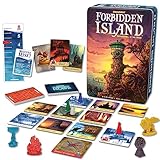
Overview: Forbidden Island, designed by Pandemic creator Matt Leacock, drops players onto a sinking island where they must work together to retrieve four sacred treasures and escape before the land vanishes beneath the waves. This cooperative tile-placement game accommodates 2-4 players aged 10+ and delivers a tense 30-minute survival experience that prioritizes teamwork over competition.
What Makes It Stand Out: The game’s innovative flood mechanic creates escalating tension as tiles disappear from the board, forcing constant strategic adaptation. Unlike competitive games, Forbidden Island fosters genuine collaboration where every decision impacts the group. The rich illustrations transform the gameplay into a cinematic adventure, while the accessible rule set makes it an ideal gateway into modern board gaming. The variable player powers and multiple difficulty levels ensure each session feels distinct.
Value for Money: Priced modestly for a gateway game, Forbidden Island offers exceptional replayability through its scalable difficulty and randomized island layout. It costs significantly less than its successor Forbidden Desert while delivering comparable strategic depth. The thick cardboard tiles and solid components withstand repeated plays, making it a better long-term investment than many disposable party games at similar price points.
Strengths and Weaknesses: Pros: Excellent accessibility for families; creates genuine tension; high-quality components; teaches cooperative thinking; quick setup and playtime. Cons: Can be swingy with unlucky card draws; experienced gamers may find it too simple; limited player interaction beyond basic cooperation; some scenarios feel predetermined by early flood patterns.
Bottom Line: Forbidden Island remains the gold standard for introductory cooperative games. While seasoned gamers might crave more complexity, families and casual players will find countless hours of engaging, stress-filled fun that genuinely strengthens problem-solving skills.
2. Pandasaurus Cooperative Strategy Card Game - Fun Interactive Family Game for Ages 8+, 1-5 Players, 20 Minute Playtime
Overview: “The Game” distills cooperative gameplay to its purest form through a deceptively simple card-laying challenge. Players must collaboratively discard all 98 cards onto four piles following strict ascending and descending rules. This award-winning card game supports 1-5 players aged 8+ and delivers intense 20-minute sessions that test communication limits and strategic foresight without complex rules overhead.
What Makes It Stand Out: Its minimalist design creates maximum psychological tension—players cannot reveal specific numbers, forcing subtle non-verbal communication and intuitive teamwork. The Spiel des Jahres recognition validates its universal appeal, while the 1.3 million copies sold demonstrate its addictive quality. The game scales brilliantly from solo play to full groups, and its portable size makes it an essential travel companion for spontaneous gaming anywhere.
Value for Money: At a budget-friendly price point, “The Game” offers unmatched replay value through its simple-but-deep mechanics. It costs less than a movie ticket yet provides hundreds of hours of engagement. Unlike collectible card games, there’s no additional investment required. The durable cards and compact box make it superior to bulkier board games for cost-per-play value.
Strengths and Weaknesses: Pros: Instant learnability; incredible portability; creates intense moments; works brilliantly solo; no language dependency for international play. Cons: High frustration potential with uncooperative draws; limited theme may feel abstract; requires players who enjoy silence and restraint; can feel repetitive after extensive sessions.
Bottom Line: An essential filler game that belongs in every collection. Perfect for families, commuters, and anyone seeking a quick, mentally stimulating cooperative experience that proves less is often more in game design.
3. Flow: The Official Cooperative Board Game | Strategy Game for 1–4 Players Ages 8+ | Based on The Award-Winning Animated Film | Family & Solo Play | Survive The Flood, Rescue Allies
Overview: Flow translates the acclaimed animated film’s emotional journey into a real-time cooperative board game where 1-4 players must survive a catastrophic flood and rescue stranded allies. Players navigate a modular board that dynamically floods as water levels rise, creating a pressure-cooker environment where quick decisions and adaptive strategies determine survival. Each session runs 30-45 minutes with high emotional stakes.
What Makes It Stand Out: The real-time mechanic eliminates analysis paralysis, forcing instinctive cooperation and genuine panic that mirrors the film’s urgency. The rising water system physically transforms the board mid-game, creating unprecedented narrative immersion. Eleven scenario cards provide distinct objectives beyond simple survival, while the solo mode maintains full challenge without cumbersome AI decks. The game’s connection to its source material adds emotional weight rarely found in licensed games.
Value for Money: Positioned in the premium gateway category, Flow justifies its price through exceptional component quality and unique mechanics unavailable elsewhere. While more expensive than basic card games, it offers deeper replayability than most narrative-driven titles. The combination of solo and multiplayer modes effectively provides two games in one, surpassing film tie-ins that typically sacrifice gameplay for theme.
Strengths and Weaknesses: Pros: Immersive real-time tension; faithful film adaptation; excellent solo implementation; modular board ensures variety; teaches grace under pressure. Cons: Real-time stress alienates some players; requires uninterrupted focus; setup is more involved than card games; limited to four players despite box claims.
Bottom Line: A triumph of licensed game design that delivers genuine emotional impact. Ideal for families who enjoyed the film and gamers seeking a unique real-time challenge that prioritizes atmosphere over pure strategy.
4. Pressman The Oregon Trail Card Game - Cooperative Gameplay Based on The Classic Computer Game, Ages 12 and Up, 2-6 Players

Overview: This card game adaptation transforms the beloved 8-bit survival classic into a cooperative experience where 2-6 players lead a wagon party across the treacherous Oregon Trail. Using fantastic retro artwork, players manage supplies, hunt for food, and face classic calamities like dysentery and river crossings. Each session lasts 30-60 minutes as the party races against the trail deck’s relentless progression.
What Makes It Stand Out: The nostalgic 8-bit aesthetic perfectly captures the computer game’s spirit while the cheeky humor makes potentially grim outcomes entertaining. The cooperative structure forces collective resource management and shared fate, creating memorable stories of triumph or hilarious disaster. The “Press Your Luck” hunting mini-game adds interactive dice-rolling excitement, while the trail cards faithfully recreate original game events that veteran players immediately recognize.
Value for Money: As one of the most affordable cooperative games available, it delivers substantial thematic value for nostalgia-driven players. The component quality exceeds its budget price, with sturdy cards and quality tokens. While not as strategically deep as premium titles, it offers more replayability than typical party games at the same cost, making it an excellent value for casual gaming groups.
Strengths and Weaknesses: Pros: Unbeatable nostalgia factor; genuinely funny flavor text; accessible rules for non-gamers; supports up to six players; quick playtime. Cons: Extremely luck-dependent; limited strategic depth; can feel brutally unfair; repetitive after several plays; player elimination possible.
Bottom Line: A delightful novelty purchase that shines as a party game for fans of the original computer game. Don’t expect deep strategy, but embrace it as a lighthearted, nostalgia-fueled experience that generates laughs and memorable stories.
5. Ravensburger Horrified Games - Greek Monsters - Strategy Board Game - Boost Critical Thinking & Teamwork - Cooperative Gameplay - Unique Monster Challenges - 1 to 5 Players - Adults & Kids 10+

Overview: Horrified: Greek Monsters deploys the acclaimed Horrified system against six mythical beasts including Medusa and Cerberus. This strategic cooperative board game challenges 1-5 players aged 10+ to defend Elysium through careful planning, resource management, and tactical hero movement. Each monster presents unique victory conditions and abilities, creating a puzzle-like experience where players must prioritize threats while rescuing civilians and gathering artifacts.
What Makes It Stand Out: The six monsters offer radically different challenges requiring distinct strategies, essentially providing six games in one. Medusa’s petrification mechanic differs completely from Cerberus’s three-headed assault, ensuring immense variety. The production quality shines with detailed monster figures and atmospheric artwork that elevates the thematic immersion. The scalable difficulty and modular monster selection allow customized challenge levels unavailable in most cooperative games.
Value for Money: Priced competitively with mid-weight strategy games, Horrified Greek Monsters delivers exceptional value through its replayability and component quality. The detailed miniatures and thick board rival premium titles costing significantly more. Compared to the original Horrified, this version offers fresher content for mythology enthusiasts while maintaining the same robust mechanical foundation, making it the better choice for new buyers.
Strengths and Weaknesses: Pros: Incredible monster variety; high production values; excellent solo mode; scalable complexity; teaches threat prioritization. Cons: Setup can be lengthy; some monsters feel unbalanced; rulebook occasionally ambiguous; table space requirements substantial; not ideal for players seeking pure luck-based fun.
Bottom Line: A must-own for mythology fans and strategic gamers seeking a puzzle-like cooperative experience. The unique monster challenges provide endless replayability, making it one of the best value propositions in mid-range board gaming.
6. Happy Camper - The Four Doors | Cooperative Game by Pandemic and Forbidden Island Creator | Super Portable | Great for Solo Play, Two Players, and Groups
Overview: Happy Camper delivers a compact cooperative adventure where 1-5 players race against time to retrieve four sacred treasures from a mystical light tower before shadowy forces seal the doors forever. Designed by Matt Leacock, the mastermind behind Pandemic and Forbidden Island, this 30-minute game distills his signature tension into a travel-friendly package perfect for ages 10 and up.
What Makes It Stand Out: The game’s super-portable design is its defining feature, fitting easily into a backpack for camping trips or cafe sessions. Unlike its bulkier siblings, it preserves Leacock’s trademark escalating pressure mechanism while remaining accessible to new players. The solo mode plays identically to the multiplayer experience, making it ideal for those seeking quick, challenging sessions without hunting for opponents.
Value for Money: Priced competitively with other gateway cooperative games, Happy Camper offers exceptional value through its replayable core system and quality components. While smaller than Pandemic, it delivers 80% of the strategic depth at half the shelf space and price point, making it a smart entry point for newcomers or a worthy addition for collectors seeking portable options.
Strengths and Weaknesses: Strengths: Brilliantly portable without sacrificing gameplay; scales seamlessly from solo to five players; intuitive rules teach in under 10 minutes; retains Leacock’s signature tension curve. Weaknesses: Limited component variety may feel austere compared to deluxe editions; 30-minute runtime might feel brief for groups wanting epic sessions; experienced gamers may master optimal strategies quickly.
Bottom Line: Happy Camper is an essential travel companion for cooperative gaming fans. It successfully miniaturizes the Leacock magic into a package that works anywhere, anytime, making it perfect for families, solo players, and gaming groups who value portability and quick setup over sprawling complexity.
7. Spin Master Games, SolidRoots Escaping Extinction, Cooperative Strategy Board Game from The Makers of Mind The Gap, Easter Gift, 1-4 Players, for Ages 12 & Up

Overview: Escaping Extinction casts players as intelligent dinosaurs scrambling to build a 3D rocket and flee Earth before a catastrophic meteor strike. This cooperative strategy game from the makers of Mind The Gap supports 1-4 players aged 12+ and features a tile-based board that ensures no two sessions are alike, combining exploration with urgent resource management.
What Makes It Stand Out: The game’s standout feature is its tangible 3D rocket construction, giving players a visual sense of progress that elevates the standard cooperative formula. Earthquake cards dynamically alter the board mid-game, forcing strategic pivots and preventing scripted solutions. The prehistoric theme appeals to dinosaur enthusiasts while offering enough strategic meat for serious gamers.
Value for Money: Positioned in the mid-tier family game bracket, Escaping Extinction justifies its price through high-quality tiles, detailed dinosaur meeples, and the impressive 3D rocket components. The variable board layout provides substantial replayability that rivals games costing $10-15 more, making it a solid investment for regular family game nights.
Strengths and Weaknesses: Strengths: Unique dinosaur theme with educational undertones; 3D rocket building creates satisfying progression; earthquake mechanism adds genuine unpredictability; excellent scaling from solo to four players. Weaknesses: Rulebook could be clearer on timing conflicts; setup time is longer than typical family games; the 12+ age rating may exclude younger dinosaur fans; limited player interaction beyond basic cooperation.
Bottom Line: Escaping Extinction successfully merges theme and mechanics, offering families and strategy gamers a fresh cooperative experience. While minor rule ambiguities exist, the dynamic board and physical rocket-building create memorable sessions that justify the investment for groups seeking something beyond standard gateway games.
8. Peaceable Kingdom Gnomes at Night A Cooperative Maze Game for 2 to 4 Kids Ages 6+
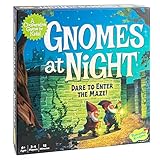
Overview: Gnomes at Night transforms children into collaborative treasure hunters navigating a dual-sided magnetic maze to recover the Queen’s stolen treasures before dawn. Designed for 2-4 players ages 6+, this innovative communication game challenges kids to describe their perspective while guiding gnome movers through increasingly complex labyrinthine paths.
What Makes It Stand Out: The ingenious dual-sided board design forces genuine teamwork—players can only move their piece through walls visible on their teammate’s side, creating natural dependency and teaching descriptive language skills. The magnetic movers glide smoothly across four escalating difficulty levels, while the sand timer adds just enough pressure to keep young minds engaged without inducing anxiety.
Value for Money: As an educational toy disguised as entertainment, Gnomes at Night offers exceptional value. The sturdy construction withstands repeated classroom or family use, and the four difficulty levels extend the game’s lifespan from kindergarten through early elementary years. Comparable cooperative kids’ games cost 30% more while offering less developmental benefit.
Strengths and Weaknesses: Strengths: Brilliantly teaches spatial reasoning and communication; magnetic system prevents pieces from scattering; four difficulty levels grow with children; quick 15-minute sessions maintain attention spans. Weaknesses: Requires exactly two players for optimal experience; three or four players can create turn-order boredom; maze cards could be more visually distinct; limited replayability once all mazes are mastered.
Bottom Line: Gnomes at Night is a must-have for families with young children, brilliantly merging fun with foundational communication skills. While best with two players, its educational value and durable components make it an outstanding choice for parents and teachers seeking meaningful screen-free interaction for ages 6-9.
9. Castle Panic 2nd Edition | Cooperative Board Game for Adults and Family | Ages 8+ | for 1 to 6 Players | Average Playtime 45 Minutes | Made by Fireside Games

Overview: Castle Panic 2nd Edition tasks 1-6 players with defending Castle Bravehold from relentless monster hordes in a cooperative tower defense board game. Lasting approximately 45 minutes, this accessible strategy game for ages 8+ challenges teams to trade cards, coordinate attacks, and maintain at least one standing tower through escalating siege conditions and unpredictable boss monster appearances.
What Makes It Stand Out: Four distinct play modes—standard co-op, solo, competitive Master Slayer, and Overlord variant where one player controls monsters—deliver quadruple the replay value of typical family games. The 3D castle towers and vibrant monster tokens create tactile satisfaction, while plague and boulder mechanics introduce strategic wrinkles that reward experienced players without overwhelming newcomers.
Value for Money: The second edition’s refined components and expanded rulebook justify its modest price increase over the original. Offering genuine variety through its multiple modes, it essentially bundles four games into one package, undercutting competitors like Forbidden Island and Pandemic in cost-per-play-hour while maintaining comparable production quality.
Strengths and Weaknesses: Strengths: Excellent scalability from solo to six players; multiple modes prevent fatigue; intuitive rules allow ages 8+ to contribute meaningfully; 3D towers enhance table presence; perfect entry point for cooperative gaming. Weaknesses: Base game can feel too easy for seasoned gamers; Overlord mode requires the right personality to avoid quarterbacking; card luck sometimes overshadows strategy; limited monster variety in base set.
Bottom Line: Castle Panic 2nd Edition is the ideal cooperative gateway game, offering families and casual gamers exceptional variety and accessibility. While hardcore strategists may crave more depth, its multiple modes and welcoming design make it a cornerstone title for any family collection, delivering consistent fun across all experience levels.
10. The Lord of The Rings: Adventure to Mount Doom | Family Game | Cooperative Game | Strategy Game

Overview: The Lord of the Rings: Adventure to Mount Doom immerses 1-4 players in Tolkien’s world, guiding Frodo’s perilous journey across Middle Earth to destroy the One Ring. This cooperative strategy game combines dice rolling and card management over approximately 50 minutes, challenging players to evade Ringwraiths while managing limited resources in a race against corruption and time.
What Makes It Stand Out: The game captures the epic scope of the source material through a streamlined system that avoids overwhelming complexity. Solo play functions as a true single-player puzzle rather than a multi-handed workaround, while the dice-and-card hybrid creates tense moments that mirror the narrative’s unpredictability. The thematic integration respects the lore without requiring encyclopedic knowledge of the books.
Value for Money: Positioned as a mid-range licensed game, it offers fair value through quality components and authentic artwork that will satisfy Tolkien fans. While not as mechanically deep as War of the Ring, it costs half as much and plays in a quarter of the time, making it a pragmatic choice for families wanting LOTR flavor without a 3-hour commitment.
Strengths and Weaknesses: Strengths: Authentic thematic integration; genuine solo mode; accessible rules teach in 10 minutes; reasonable playtime for licensed property; attractive artwork enhances immersion. Weaknesses: Heavy dice luck can frustrate strategic planners; limited player agency during crisis moments; replayability suffers once optimal paths are discovered; component quality lags behind premium publishers.
Bottom Line: Adventure to Mount Doom successfully delivers a family-friendly Tolkien experience that prioritizes narrative over deep strategy. It’s an excellent introduction to cooperative gaming for LOTR fans, though seasoned gamers should temper expectations for mechanical sophistication. Perfect for casual groups seeking thematic immersion without complexity.
Why Cooperative Tile Placement Games Dominate Modern Game Nights
The Psychology of Shared Spatial Puzzles
The human brain is wired for spatial reasoning and pattern recognition, which makes tile placement inherently satisfying on a cognitive level. When you add a cooperative layer, you’re not just solving a puzzle; you’re negotiating, anticipating, and building consensus around a collective vision. This creates a unique social dynamic where players become co-architects of an evolving game state. The visual progression from empty table to complex tableau provides immediate feedback and a tangible sense of accomplishment that purely card-driven or token-based games often lack. Every tile placed becomes a commitment to a strategy, and the permanence of those decisions fosters deeper investment from everyone at the table.
How Tile Placement Creates Natural Collaboration
Unlike games where players manage separate boards or hands of cards, tile placement forces constant interaction. You’re physically connecting your choices to your teammates’, creating dependencies and opportunities that demand communication. A well-designed cooperative tile game makes it impossible to play in silence—players must discuss optimal placement, consider future ramifications, and sometimes sacrifice personal objectives for the greater good. This mechanical integration of player actions ensures that no one feels isolated or peripheral, even during downtime. The shared board becomes a conversation piece, a strategic map, and a collective achievement all at once.
Core Mechanics That Define the Genre
Modular Board Building
The foundation of any tile placement game lies in how the board expands and evolves. Cooperative titles excel when they offer multiple valid approaches to board construction—whether you’re creating paths, filling grids, or building three-dimensional structures. Look for games where the modular nature creates meaningful choices: Should you prioritize immediate scoring opportunities or set up future potential? Does connecting certain tile types trigger helpful cascades? The best designs make even “suboptimal” placements feel purposeful, ensuring newer players can contribute meaningfully while veterans optimize the overall strategy. Pay attention to how the starting configuration variability impacts replayability—randomized setups should challenge your team to adapt rather than memorize patterns.
Hand Management and Tile Drafting
How you acquire tiles fundamentally shapes the cooperative experience. Some games deal players a private hand, creating personal responsibility and hidden information that must be communicated (but not shown) to teammates. Others use a central draft pool where players collectively debate which tiles to take and when. Bag-building mechanics introduce probability management, forcing your group to adapt to random draws while gradually improving future odds. Consider whether your group prefers the strategic depth of controlled drafting or the emergent challenge of luck mitigation. The key is that tile acquisition should feel consequential—every selection matters to the team’s success.
Hidden Information vs. Open Discussion
The tension between what individual players know and what the group can discuss creates fascinating cooperative dynamics. Games might restrict communication—perhaps you can only mention tile colors or shapes, not specific coordinates. Others allow open table talk but limit what you can show from your hand. This design choice directly impacts difficulty and social interaction. Open information fosters pure optimization puzzles, while restricted communication tests your team’s non-verbal understanding and trust. Think about your group’s personality: Do they enjoy intense, silent concentration broken by bursts of strategic revelation, or do they prefer continuous collaborative brainstorming?
Action Point Allowance Systems
Most cooperative tile games limit how much you can accomplish on your turn through action points or movement allowances. This creates a resource management layer atop the spatial puzzle. You might need to decide between placing multiple low-impact tiles or spending your entire turn positioning one critical piece. The best implementations make these choices agonizing but clear—you always understand the trade-offs. Watch for games where action points can be shared, borrowed, or pooled between players, as these mechanisms deepen the sense of teamwork and create dramatic moments of sacrifice for the collective good.
Essential Features to Evaluate Before Buying
Scalability for Different Player Counts
A truly essential cooperative game adapts seamlessly whether you’re playing with two players or five. Look for designs that adjust the tile pool, victory conditions, or challenge level based on player count. Some games achieve this through variable setup rules, while others include dedicated “dummy player” mechanics that simulate additional participants without adding complexity. The key is maintaining tension and engagement across all configurations—two-player sessions should feel just as challenging and interactive as full-group experiences. Beware of titles where additional players merely increase downtime without proportionally enhancing the strategic depth.
Difficulty Curve and Accessibility
The best cooperative tile games welcome newcomers while rewarding mastery. They achieve this through layered difficulty settings—often implemented via modular challenge tiles or adjustable win conditions. An accessible entry point gets your group hooked, while advanced modes provide longevity for experienced players. Evaluate how the game teaches its rules: Does it introduce concepts gradually through scenario-based learning, or does it frontload complex interactions? Consider your gaming circle’s experience level and appetite for learning overhead. A steep initial learning curve can be worthwhile if the payoff is a deeply rewarding system, but sometimes a gentler introduction builds a more sustainable hobby habit.
Replayability Through Variability
Since cooperative games lack the infinite variety of human opponents, they must generate fresh challenges through internal systems. Randomized tile distributions, variable objective cards, and modular board components work together to ensure no two sessions feel identical. Pay attention to how many unique setup combinations the game supports—true replayability comes from emergent strategy rather than simply memorizing solutions. Some games include legacy-style campaign elements that evolve permanently across multiple plays, while others rely on pure mechanical variety. Determine whether your group values narrative progression or sandbox-style replayability more.
Component Quality and Table Presence
Tile placement games are inherently visual, making component quality crucial for both functionality and aesthetic pleasure. Thick, satisfying tiles with clear iconography enhance the tactile experience and ensure longevity. Consider how the game looks mid-play—a sprawling, colorful tableau draws attention and creates photographic moments. However, beauty shouldn’t compromise clarity. The best designs use colorblind-friendly palettes, distinct shapes, and intuitive symbols so that strategic assessment remains effortless. Storage solutions matter too; games with well-designed inserts keep tiles organized between sessions, reducing setup friction that might otherwise prevent the game from hitting your table regularly.
Theme Integration in Tile Placement
Environmental and Nature Themes
Many cooperative tile games use nature-based themes to great effect—players might restore ecosystems, manage wildlife habitats, or combat environmental disasters. These themes resonate naturally with tile placement mechanics, as you’re literally building landscapes. The visual progression from barren board to thriving ecosystem provides immediate thematic feedback. When evaluating these games, consider whether the theme drives meaningful mechanical decisions or merely provides attractive window dressing. The strongest implementations tie specific tile types to real ecological concepts, creating educational value alongside entertainment. Your group might appreciate how these themes encourage stewardship thinking and long-term planning over short-term gains.
Fantasy and Adventure Settings
Fantasy themes allow for more abstract mechanical justification—magic can explain tile effects that would seem arbitrary in a realistic setting. Cooperative adventure games often task players with exploring dungeons, constructing mystical realms, or defending against supernatural threats. The tile placement might represent mapping uncharted territory or building magical conduits. These themes excel when they create narrative arcs across a single play session, turning abstract spatial decisions into heroic moments. Consider whether your group prefers grounded, logical puzzles or enjoys the creative latitude that fantasy settings provide for unusual tile interactions and special abilities.
Abstract Spatial Challenges
Sometimes the pure puzzle itself is the point. Abstract cooperative tile games strip away thematic justification to focus entirely on spatial optimization and pattern completion. These titles appeal to purists who find satisfaction in elegant mechanics without narrative distraction. They often feature minimalist design with emphasis on shape matching, color adjacency, or numeric sequencing. While seemingly simple, the best abstract designs hide surprising depth and create “aha!” moments when your team discovers powerful synergies. These games often have the shortest learning curves but the highest skill ceilings, making them perfect for groups that enjoy mastering systems over time.
Advanced Mechanisms for Experienced Groups
Legacy and Campaign Elements
For gaming groups that meet regularly, campaign-based cooperative tile games offer evolving narratives and permanent rule changes that span multiple sessions. Your decisions in one game might unlock new tile types, alter board configurations, or introduce ongoing challenges in future plays. This format creates incredible investment and memorable story moments but requires commitment. Consider whether your group can maintain consistent attendance and whether they’re comfortable with components that get altered or consumed. The payoff is a truly personalized gaming experience that feels like your group’s unique adventure, but the entry cost is higher in both time and emotional investment.
Real-Time Decision Making
Some cooperative tile games introduce time pressure through sand timers, soundtracks, or app integration. This transforms the experience from contemplative puzzle-solving to adrenaline-fueled coordination. Players must communicate efficiently, make quick decisions, and trust their teammates’ judgment under pressure. This mechanism isn’t for everyone—it can create stress rather than fun for some personalities—but for the right group, it generates unforgettable moments of chaotic triumph. Evaluate your group’s tolerance for time pressure and whether they enjoy the thrill of racing against the clock or prefer methodical strategic planning.
Asymmetric Player Roles
Giving each player unique abilities, tile types, or victory conditions adds tremendous depth to cooperative games. One player might specialize in placing water tiles while another focuses on connecting structures. This forces true interdependence—you literally cannot win without leveraging each other’s strengths. The best asymmetric designs make every role feel powerful and essential while maintaining overall balance. Look for games where role selection happens before you see the specific challenge, forcing adaptive strategy rather than optimized role combos. This variety dramatically increases replayability as players explore different role synergies and discover new team strategies.
Resource Conversion Chains
Advanced cooperative tile games often layer economic engines atop spatial placement. You might place tiles that generate resources, which are then converted into other resources or spent to place more powerful tiles. These conversion chains create satisfying combo opportunities and strategic depth but add complexity. The key is whether these systems integrate seamlessly with the core tile placement or feel like tacked-on bookkeeping. Well-designed chains create natural escalation—you start simple but build toward powerful late-game turns where your engine hums efficiently. Consider whether your group enjoys economic optimization or prefers the purity of spatial reasoning alone.
Building Your Collection Strategically
Entry-Level Gateway Options
Every collection needs accessible entry points that introduce newcomers to cooperative tile placement without overwhelming them. These games typically feature simple turn structures, minimal rules overhead, and clear visual feedback. They might last 30-45 minutes and use familiar concepts like matching colors or completing sets. The best gateway games remain enjoyable even after you’ve mastered heavier titles—they become comfortable favorites for casual game nights or introducing non-gamer friends. When selecting these, prioritize intuitive iconography and forgiving difficulty curves that allow first-timers to experience success while learning.
Mid-Weight Strategy Experiences
These represent the sweet spot for most gaming groups—substantial enough to reward repeated plays but not so complex that they require exhaustive rules explanations. Mid-weight cooperative tile games typically run 60-90 minutes and incorporate multiple interconnected systems. They might feature variable player powers, moderate resource management, and strategic depth that emerges over several sessions. This category should form the backbone of your collection, offering the versatility to satisfy regular gamers while remaining approachable for enthusiastic newcomers. Look for games with robust solo modes, as this flexibility maximizes their value.
Heavy Complex Simulations
For dedicated groups that relish deep strategy and don’t mind 2+ hour playtimes, heavy cooperative tile games provide rich, puzzle-like experiences. These titles often simulate complex systems—perhaps city planning, ecosystem management, or logistical networks—where every tile placement triggers cascading effects across multiple interconnected subsystems. They require careful planning, rules mastery, and intense collaboration. While not suitable for every table, these games reward investment with incredibly satisfying “cracked the puzzle” moments. Ensure your group has the patience and commitment before adding these to your shelf, as they often require repeated plays to fully appreciate.
Solo Mode Implementation
A strong solo mode dramatically increases a game’s value, allowing you to practice strategies or enjoy the experience when your group can’t convene. Evaluate whether the solo mode merely has you play multiple hands or includes dedicated single-player rules that capture the cooperative essence. The best implementations create an AI opponent or introduce automated challenges that simulate the unpredictability of human teammates. Some games offer “beat your own score” systems, while others provide specific solo scenarios. Consider whether you want a pure puzzle experience alone or a system that prepares you for multiplayer dynamics.
What to Expect from 2026 Releases
Digital Integration Trends
The line between physical and digital gaming continues to blur, with companion apps enhancing cooperative tile games in innovative ways. These might provide atmospheric soundtracks, track complex scoring, introduce hidden information, or generate dynamic challenges that would be impossible with physical components alone. Some games use apps to create legacy-style campaigns without permanently altering components. While purists may resist this trend, thoughtful integration can reduce setup time, eliminate bookkeeping, and create immersive experiences. Consider whether your group embraces technology at the table or prefers traditional analog gameplay.
Sustainability in Game Production
Environmental consciousness is increasingly influencing board game manufacturing. Expect to see more games using sustainably sourced materials, biodegradable packaging, and plastic-free components. For tile placement games specifically, this might mean wooden tiles instead of plastic, soy-based inks, and modular designs that reduce waste. Some publishers are exploring “print-on-demand” expansion tiles to minimize overproduction. While these choices don’t directly impact gameplay, they reflect values that many modern gamers prioritize. Supporting sustainable production helps ensure the hobby’s longevity and aligns your collection with environmental responsibility.
Innovation in Tile Design
The humble game tile is evolving beyond simple squares and hexagons. Expect to see more three-dimensional tiles, magnetic components, double-layered tiles with rotating elements, and tiles that interact physically when placed adjacent to each other. These innovations create new puzzle dimensions and tactile experiences that were previously impossible. Some games might incorporate transparent tiles that stack to create visual combinations, while others use tiles with removable pieces. These mechanical innovations refresh the familiar tile-placement formula, offering veteran players new challenges to master and creating spectacle that draws attention at game cafes and conventions.
Frequently Asked Questions
What makes a tile placement game “cooperative” rather than competitive?
In cooperative tile placement games, all players work together against the game itself, sharing a common victory condition. Instead of scoring individually, you either all win by achieving specific objectives or all lose when the game’s challenge overwhelms your collective efforts. The tile placement mechanics serve the team’s goals rather than individual advantage.
How long should a good cooperative tile placement game take to play?
Ideal playtime depends on your group’s preferences, but most well-regarded titles fall between 45 and 90 minutes. Gateway games might run 30-45 minutes, while heavier strategic experiences can take 2 hours or more. The key is that playtime should feel appropriate to the complexity—never overstaying its welcome or ending before strategies fully develop.
Can these games be played solo effectively?
Many modern cooperative tile placement games include robust solo modes that capture the multiplayer experience. Look for games where solo rules adapt the challenge rather than just having you manage multiple player roles. The best solo implementations create an engaging puzzle that scales in difficulty and maintains the core strategic decisions.
What’s the difference between tile placement and tile laying?
While often used interchangeably, “tile placement” typically refers to games where tiles have specific functions, abilities, or scoring conditions when positioned. “Tile laying” sometimes describes simpler games focused primarily on connecting edges or building maps. In cooperative contexts, placement usually implies more strategic depth and interaction between tiles.
How do I introduce these games to non-gamer friends?
Start with visually intuitive themes and minimal rules overhead. Focus on the tactile pleasure of building something together rather than complex strategy. Choose games with forgiving difficulty settings for first plays, and emphasize that you’re all learning together. The collaborative nature actually helps new players feel comfortable asking questions without fear of appearing weak.
Are cooperative tile placement games good for families with children?
Absolutely, provided you select age-appropriate titles. Many games offer simplified rules for younger players or feature themes that resonate with kids. The cooperative aspect reduces competitive stress, and the visual/spatial nature helps develop pattern recognition skills. Look for games with clear iconography and short turns to maintain younger players’ attention.
How much does luck versus strategy matter in these games?
This varies by design. Some games emphasize strategic planning with minimal randomness, where tile draws are predictable and success depends on optimal placement. Others incorporate significant luck through random tile draws or card flips, testing your team’s adaptability. Neither approach is inherently better; choose based on whether your group prefers pure puzzle-solving or dynamic challenge response.
What should I look for in a game’s rulebook?
A well-organized rulebook includes clear setup diagrams, intuitive turn structure explanations, and visual examples of key concepts. For cooperative games, it should explicitly address common edge cases and timing questions that arise during group play. Digital rulebook supplements or tutorial videos indicate strong publisher support and help clarify complex interactions.
How many cooperative tile placement games does one collection need?
Most groups benefit from 2-4 distinct titles covering different weights and themes. One accessible gateway game, one mid-weight strategy experience, and perhaps one heavy puzzle for dedicated sessions creates a well-rounded collection. Beyond that, look for games that offer genuinely different mechanical experiences rather than superficial theme variations.
Will these games still be relevant in 2026 and beyond?
The core appeal of cooperative tile placement—tactile satisfaction, shared problem-solving, and visual progression—transcends trends. While specific mechanisms evolve, the fundamental joy of building something together remains timeless. Games with solid mechanical foundations and high replayability continue to deliver value years after release, making them worthwhile investments for any collection.
See Also
- 10 Essential Tile Placement Games Every Board Games Enthusiast Needs in 2026
- 10 Essential Tile Placement Games Every Board Game Enthusiast Needs in 2026
- 10 Essential Tile Placement Games Every Abstract Board Game Lover Needs in 2026
- 10 Essential Tile Placement Games Every Board Game Collector Needs in 2026
- 10 Essential Tile Placement Games Every Two-Player Enthusiast Needs in 2026