Table of Contents
Ever found yourself in the middle of a game night where the friendly competition has curdled into genuine tension? Maybe someone’s sulking after a loss, accusations of “kingmaking” are flying, or the sheer stress of constantly trying to outmaneuver others has sucked all the fun out of the evening. You’re not alone. Many traditional board games, while enjoyable for some, inadvertently pit players against each other in ways that can leave relationships strained and the desire to play again significantly diminished. The frustration of feeling like the game mechanics themselves are designed to foster conflict, rather than camaraderie, is a common reason people abandon game nights altogether.
This is where cooperative board games shine as the perfect antidote. Instead of battling against your friends and family, cooperative games invite everyone to work together against the game itself. You share a common goal, pool your strategies, and succeed or fail as a single unit. The shift in dynamic is profound: the pressure to “win at all costs” evaporates, replaced by the shared challenge of solving a puzzle, overcoming an obstacle, or surviving a narrative together. It transforms the table from a battlefield into a collaborative workshop, fostering communication, empathy, and genuine teamwork – turning potential arguments into moments of collective triumph (or good-natured shared defeat). If your game group is craving connection over competition, understanding what makes a cooperative game truly effective is the first step to reclaiming the joy of playing together.
Top 10 Cooperative Board Games
Detailed Product Reviews
1. Gamewright - Forbidden Island - Cooperative Strategy Survival Board Game, 2-4 Players
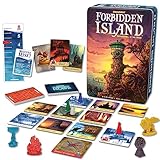
Overview: Forbidden Island, designed by Matt Leacock, is a foundational cooperative board game where 2-4 players race against time to retrieve sacred treasures from a sinking island. Aimed at ages 10+, it emphasizes teamwork as players use unique character abilities to navigate tiles that progressively flood and sink, demanding quick strategic decisions to escape before the island vanishes.
What Makes It Stand Out: Its innovative tile-based sinking mechanic creates palpable tension, while the shared victory condition fosters genuine collaboration. The rich, thematic illustrations immerse players in a perilous adventure, and the variable setup ensures no two games play identically, enhancing replayability significantly.
Value for Money: Priced accessibly for a quality board game, it delivers exceptional value. The durable components and engaging 30-minute playtime outshine many competitors in its price bracket, offering family-friendly depth without complexity overload—ideal for introducing strategy gaming.
Strengths and Weaknesses:
Strengths: Highly replayable due to random tile layouts; excellent for teaching cooperative problem-solving; intuitive rules learned in minutes; stunning visual design.
Weaknesses: Limited player count caps at 4; difficulty scaling can feel unbalanced with fewer players; treasure card reliance may lead to occasional luck dependency.
Bottom Line: A must-have cornerstone for any family game collection, Forbidden Island masterfully blends tension, strategy, and teamwork in a compact, affordable package—perfect for fostering collaboration without frustration.
2. Ravensburger Horrified Games - Greek Monsters - Strategy Board Game - Boost Critical Thinking & Teamwork - Cooperative Gameplay - Unique Monster Challenges - 1 to 5 Players - Adults & Kids 10+

Overview: Horrified: Greek Monsters plunges 1-5 players into ancient Greece to strategically defeat six iconic mythological threats like Medusa and Cerberus. Players navigate a shared board, gathering resources and solving unique monster-specific puzzles to save Elysium, blending tactical planning with rich mythological storytelling for ages 10+.
What Makes It Stand Out: Each monster features distinct capture mechanics, requiring adaptable strategies that reset entirely with every game. The thematic depth—enhanced by exquisite artwork and modular boards—creates immersive, varied challenges where understanding each creature’s lore is key to victory.
Value for Money: While slightly premium-priced, its 60-minute sessions, high component quality, and near-limitless replayability (thanks to multiple monsters) justify the cost. It outperforms generic horror-themed games by delivering nuanced, skill-based cooperation over luck.
Strengths and Weaknesses:
Strengths: Six uniquely challenging monsters ensure massive variety; exceptional thematic integration; scales smoothly from solo to 5 players; promotes critical thinking through layered puzzles.
Weaknesses: Setup time increases with monster complexity; younger players may struggle with intricate rules; limited player interaction beyond shared objectives.
Bottom Line: Horrified: Greek Monsters excels as a deeply strategic, replayable cooperative experience—ideal for families and gamers seeking rich narrative challenges without sacrificing meaningful teamwork.
3. Flow: The Official Cooperative Board Game | Strategy Game for 1–4 Players Ages 8+ | Based on The Award-Winning Animated Film | Family & Solo Play | Survive The Flood, Rescue Allies
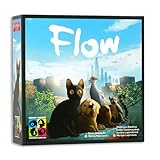
Overview: Flow adapts the beloved animated short into a real-time cooperative game where 1-6 players guide animal characters across a modular, flooding board to rescue allies. With rising water threatening each move, players must coordinate actions under time pressure to reach safety before the map drowns—a poignant, tactile extension of the film’s narrative.
What Makes It Stand Out: The dynamic “rising water” mechanic physically reshapes the board, forcing urgent, adaptive decisions. Real-time play (using a timer) heightens tension uniquely, while scenario cards and modular tiles create endless narrative-driven challenges that mirror the film’s emotional depth.
Value for Money: At mid-range pricing, it offers remarkable depth through solo-play capability and high replayability. The thematic integration surpasses most movie tie-ins, transforming abstract strategy into an evocative, story-rich experience worth every dollar.
Strengths and Weaknesses:
Strengths: Innovative real-time pressure; emotionally resonant theme; superb solo mode; modular board enhances replayability; accessible to ages 8+.
Weaknesses: Timer mechanic may frustrate casual players; component storage is awkward; limited strategic depth for hardcore gamers.
Bottom Line: Flow brilliantly translates cinematic emotion into tangible gameplay—a heartfelt, tense cooperative adventure that’s essential for families and film fans seeking meaningful, accessible strategy.
4. Pressman The Oregon Trail Card Game - Cooperative Gameplay Based on The Classic Computer Game, Ages 12 and Up, 2-6 Players

Overview: This card game reimagines the iconic computer game as a lighthearted cooperative survival challenge for 2-6 players. Manage resources, avoid period-accurate disasters like dysentery or wagon breakdowns, and work together to reach Oregon—infused with cheeky humor and nostalgic 8-bit art that celebrates the franchise’s legacy for ages 12+.
What Makes It Stand Out: Its self-aware humor turns grim historical challenges into laugh-out-loud moments (e.g., “You have died of dysentery… again!”). The streamlined card-based mechanics retain the original’s spirit while adding modern cooperative strategy, all wrapped in retro pixel-art aesthetics.
Value for Money: An affordable, quick-playing (20-30 min) game that punches above its weight. While less complex than heavy strategy titles, its nostalgia factor and humor provide unmatched entertainment per dollar for casual and retro-gaming audiences.
Strengths and Weaknesses:
Strengths: Hilarious, accessible theme; strong fan service; fast setup and playtime; scales well to 6 players; perfect gateway to cooperative gaming.
Weaknesses: Shallow strategy may bore veterans; luck-heavy card draws; limited replayability after initial novelty wears off.
Bottom Line: A delightfully silly, nostalgic romp that captures The Oregon Trail’s charm—best for casual groups seeking laughter and light strategy, though not for deep tactical gamers.
5. Pandasaurus Cooperative Strategy Card Game - Fun Interactive Family Game for Ages 8+, 1-5 Players, 20 Minute Playtime
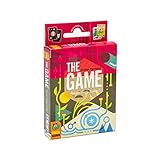
Overview: The Game challenges 1-5 players to cooperatively play all cards from two sequential decks (1-100) under strict communication limits. This minimalist card game, inspired by “The Mind,” demands perfect non-verbal coordination as players race against time to avoid breaking sequences—a test of patience, intuition, and shared focus for ages 8+.
What Makes It Stand Out: Its deceptive simplicity—no board, just numbered cards—creates profound psychological depth. The communication restrictions foster intense group synergy, while the 20-minute playtime and solo mode offer unparalleled accessibility. Winning requires reading teammates’ unspoken timing, not luck.
Value for Money: Exceptional value: compact, durable, and endlessly replayable. With 1.3M+ copies sold and a Spiel des Jahres nomination, it outperforms pricier games by delivering pure, distilled cooperation at a budget-friendly cost.
Strengths and Weaknesses:
Strengths: Minimal setup; perfect for all ages; encourages deep non-verbal teamwork; highly portable; addictive replayability.
Weaknesses: Can feel repetitive over time; communication limits frustrate some players; lacks thematic immersion.
Bottom Line: A genre-defining cooperative gem that proves profound fun needs no frills—ideal for families and groups seeking quick, brain-teasing unity in a pocket-sized package.
6. Spin Master Games, SolidRoots Escaping Extinction, Cooperative Strategy Board Game from The Makers of Mind The Gap, for Kids & Family, 1-4 Players, for Ages 12 & Up

Overview: SolidRoots Escaping Extinction is a cooperative strategy board game where players work as clever dinosaurs racing to build a 3D rocket and flee an impending meteor strike. Designed for families and older kids (12+), it emphasizes teamwork through exploration and resource gathering on a dynamic tile-based board.
What Makes It Stand Out: Its standout feature is the earthquake mechanic, which dynamically reshapes the board mid-game, forcing players to adapt strategies instantly. The variable tile layout ensures high replayability, while the prehistoric escape narrative offers a fresh, engaging theme distinct from typical family games. The 3D rocket assembly adds tangible excitement.
Value for Money: Priced competitively for a modern strategy game, it offers significant replay value through its modular board and cooperative challenges. While Spin Master’s brand lends reliability, alternatives at this price point often lack the physical 3D component and dynamic board shifts, making it a solid investment for families seeking depth.
Strengths and Weaknesses: Strengths: Highly replayable, intuitive teamwork focus, exciting theme, and robust components. Weaknesses: The 12+ age rating may frustrate younger kids (8-10), and the meteor countdown can feel punishing if strategy misfires early. Earthquake cards occasionally disrupt momentum.
Bottom Line: A vibrant, strategic upgrade to family game nights that cleverly balances accessibility with thoughtful challenges; highly recommended for cooperative play enthusiasts seeking novelty beyond classics like Pandemic Junior.
7. The Lord of The Rings: Adventure to Mount Doom | Family Game | Cooperative Game | Strategy Game

Overview: Adventure to Mount Doom immerses players in Tolkien’s Middle-earth as they cooperate to guide Frodo toward Mount Doom, destroying the One Ring before Sauron’s forces overwhelm them. This accessible strategy game suits 1-4 players, blending dice rolls and card draws to navigate perilous encounters within a tight 50-minute session.
What Makes It Stand Out: Its authentic Tolkien atmosphere is the prime draw, effectively translating key lore moments into gameplay mechanics. The cooperative tension—balancing movement, resource management, and evading Ringwraiths—creates a narrative-driven experience rare in entry-level strategy games. Solo suitability further broadens its appeal.
Value for Money: Positioned as a niche licensed game, it delivers strong thematic value but offers less mechanical depth than pricier strategy titles. For Tolkien fans, the immersion justifies the cost; however, non-fans might find comparable coop depth cheaper in generic alternatives like Forbidden Island.
Strengths and Weaknesses: Strengths: Exceptional theme integration, quick setup, smooth solo/co-op flexibility, and perfect runtime. Weaknesses: Dice reliance can overshadow strategy, and replay value is limited by fixed objectives. Components lack premium feel.
Bottom Line: A must-have for Tolkien devotees seeking a light, thematic cooperative challenge, though casual gamers may prefer more strategic complexity; ideal as a gateway into narrative-driven board gaming.
8. Castle Panic 2nd Edition | Cooperative Board Game for Adults and Family | Ages 8+ | for 1 to 6 Players | Average Playtime 45 Minutes | Made by Fireside Games

Overview: Castle Panic 2nd Edition is a tower-defense cooperative game where players unite to protect Castle Bravehold from waves of monsters. Supporting 1-6 players aged 8+, it combines accessible rules with tense decision-making as creatures attack from forest paths, demanding strategic card play and teamwork within a brisk 45-minute window.
What Makes It Stand Out: The game’s versatility shines through four distinct modes (including competitive Overlord), while 3D cardboard towers and vibrant monster tokens enhance immersion. Plague and boulder mechanics introduce thrilling unpredictability, and its scalability—from solo to six players—makes it exceptionally inclusive for mixed groups.
Value for Money: Excellent value given its player range, component quality, and replayability. Competing coop games rarely accommodate six players this smoothly or offer competitive variants. While expansions add depth, the base game provides immense longevity at its price point.
Strengths and Weaknesses: Strengths: Unmatched player flexibility, intuitive yet strategic depth, high-quality components, and modes for all playstyles. Weaknesses: Tower rebuilding can feel repetitive, and newer players may dominate decisions in larger groups.
Bottom Line: A near-perfect family and group game that masterfully balances simplicity with engaging strategy; essential for cooperative gaming shelves due to its adaptability and enduring appeal.
9. Happy Camper - The Four Doors | New Cooperative Game by Creator of Forbidden Island and Pandemic | Super Portable | Great for Solo Play, Two Players, and Groups
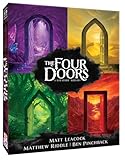
Overview: Happy Camper: The Four Doors, designed by Pandemic’s Matt Leacock, challenges 1-5 players to recover sacred treasures within a mystical light tower before shadows seal it forever. This compact cooperative game delivers a 30-minute adventure focused on resource management and strategic door exploration, prioritizing portability without sacrificing depth.
What Makes It Stand Out: Leacock’s signature streamlined coop design ensures quick learning and tense decision-making, while the “shadow swarm” mechanic creates escalating pressure. Its ultra-portable size (perfect for travel) and strong solo performance distinguish it from bulkier strategy games, proving depth doesn’t require complex setups.
Value for Money: Priced modestly, it offers exceptional portability-to-strategy ratio. Compared to Leacock’s heavier titles (e.g., Pandemic Legacy), it’s a lightweight but polished experience. Budget-conscious travelers get premium design in a pocket-sized package, though hardcore strategists may crave more complexity.
Strengths and Weaknesses: Strengths: Brilliant portability, elegant rules, strong solo/co-op balance, and Leacock’s refined design. Weaknesses: Limited thematic depth, and treasure mechanics can feel abstract. Replayability hinges on player creativity.
Bottom Line: A masterclass in portable cooperative gaming that excels as a travel essential or quick group activity; highly recommended for fans of accessible, on-the-go strategy with top-tier design pedigree.
10. Ravensburger Alien: Fate of The Nostromo Board Game for Ages 10 & Up – A Cooperative Strategy Game of Suspense
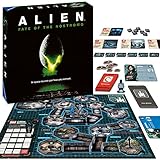
Overview: Alien: Fate of The Nostromo plunges 1-5 players into the iconic sci-fi horror film, tasking them as Nostromo crewmates gathering supplies and evading a deadly Xenomorph to escape before self-destruct. With detailed miniatures and modular objectives, this 60-90 minute coop game meticulously recreates the film’s claustrophobic tension for ages 10+.
What Makes It Stand Out: Unmatched thematic immersion is key—the board’s detailed Nostromo layout, crew miniatures, and “motion tracker” mechanic induce genuine suspense. Variable final missions and the treacherous Ash module significantly boost replayability, while Ravensburger’s production quality elevates components beyond typical coop games.
Value for Money: Premium pricing aligns with its exceptional components and licensed depth. Though costlier than generic strategy games, the film-accurate art, miniatures, and tense atmosphere justify it for fans. Non-fans should weigh if the horror theme outweighs the $50+ investment.
Strengths and Weaknesses: Strengths: Stunning components, intense thematic immersion, high replayability via missions, and clear rules. Weaknesses: Alien AI can feel overly punishing, setup is time-consuming, and horror elements may unnerve younger players despite the 10+ rating.
Bottom Line: A definitive licensed board game that masterfully translates cinematic terror into cooperative strategy; indispensable for Alien enthusiasts and highly recommended for suspense-loving groups seeking a premium, immersive experience.
Understanding the Cooperative Game Mindset
Shifting From Zero-Sum to Shared Outcomes
Traditional competitive games operate on a zero-sum principle: one person’s gain is inherently another’s loss. Cooperative games fundamentally reject this model. Success isn’t measured by who has the most points relative to others, but by whether the entire group achieves the defined objective. This shared stake eliminates the incentive for disruptive tactics like targeted blocking or kingmaking, as every action ideally contributes (or detracts) from the collective effort. It reframes the experience around mutual support and shared problem-solving.
The Role of the Game System as the Adversary
In a well-designed cooperative game, the challenge comes from the game’s mechanics, rules, and built-in “opponent” – often represented by timers, escalating threats, random events, or complex puzzles. This externalized pressure source is crucial. Players aren’t fighting each other; they’re strategizing together against the system. This allows for healthy debate about tactics without the personal sting of direct opposition, fostering a “us vs. the game” mentality that builds group cohesion.
Embracing Collective Failure as Part of the Fun
One of the most liberating aspects of cooperative play is that losing together often feels less bitter than losing competitively. When the group fails, it’s rarely due to one person “beating” another; it’s usually because the collective strategy wasn’t quite sufficient against the game’s challenge. This shared experience of overcoming a tough scenario (or learning from a failure) creates strong, positive memories and encourages repeated plays to refine the approach, deepening group bonds through shared effort.
Key Features to Prioritize When Choosing
Player Count Flexibility and Balance
Not all cooperative games scale equally well across different group sizes. Some shine with exactly four players but become unwieldy or unbalanced with two or five. Look for games that explicitly state their optimal and supported player ranges, and ideally, how the difficulty or mechanics adjust accordingly. A game that feels like a genuine team effort regardless of whether you have three or six players at the table is invaluable for consistent group enjoyment.
Communication Rules: Open Table vs. Hidden Information
This is a critical design choice impacting the game’s feel. “Open table” cooperatives allow (and often encourage) full discussion of every possible move and strategy before acting. Others incorporate hidden information, where players have secret roles, limited knowledge, or restricted communication channels (like in games with traitor mechanics, though pure co-ops avoid actual traitors). Consider your group’s preference: open communication fosters pure teamwork, while limited communication adds tension and forces different strategic discussions, simulating real-world information constraints.
Replayability Through Variable Setup and Scenarios
Since you’re playing against the system, avoiding predictability is key to long-term engagement. Look for games that offer significant replay value through modular boards, random event decks, multiple difficulty levels, distinct scenarios, or legacy campaign elements. A game that presents a fresh puzzle or narrative challenge each time you set it up prevents staleness and keeps the group invested in conquering new obstacles together.
Assessing Challenge Level and Accessibility
Scalable Difficulty Mechanisms
The best cooperative games don’t just offer a single difficulty setting. They incorporate intelligent scaling – perhaps through adjustable timer lengths, variable threat levels, different starting conditions, or tiered complexity modules. This allows the group to tailor the challenge to their skill level, ensuring newcomers aren’t overwhelmed while veterans still face a meaningful test. A game that grows with your group is a game that lasts.
Learning Curve and Rule Simplicity
While deep strategy is appealing, an overly complex rulebook can be a major barrier, especially for groups new to cooperative play or mixed-age gatherings. Prioritize games where the core mechanics are intuitive and easy to grasp within the first few rounds. Look for clear iconography, well-structured rulebooks, and streamlined turns. A game that takes 30 minutes just to learn how to play significantly eats into precious group time and can frustrate players before the fun even begins.
Playtime Realism for Your Group
Be brutally honest about the attention spans and schedules of your regular players. A three-hour epic might sound thrilling, but if your group consistently struggles to focus beyond 60-90 minutes, it will gather dust. Conversely, a game that finishes in 20 minutes might feel insubstantial for a dedicated game night. Match the game’s typical playtime (not the optimistic box estimate!) to your group’s realistic availability and energy levels for consistent enjoyment.
Thematic Immersion and Emotional Resonance
How Theme Enhances the Cooperative Experience
A compelling theme isn’t just window dressing; it can significantly deepen the cooperative experience. Whether you’re surviving a zombie outbreak, exploring a mystical forest, or managing a space station crisis, a strong narrative context makes the shared goal feel more urgent and meaningful. The theme provides the “why” behind your collaboration, making the strategic decisions feel like part of a larger story and enhancing emotional investment in the outcome.
Narrative Progression and Player Agency
Games that incorporate a sense of narrative progression – where choices made in one session visibly impact the next, or where the story unfolds based on group decisions – create powerful shared experiences. Even without a full legacy system, games with branching paths, evolving scenarios, or persistent consequences foster a deeper sense of agency and collective ownership over the unfolding story, making victories feel earned and failures motivate a “let’s try again” attitude.
Emotional Tone: From Lighthearted to Intense
Cooperative games span a vast emotional range. Some are whimsical and family-friendly puzzles, while others are tense, high-stakes survival experiences. Consider the mood you want to cultivate. A lighthearted game might be perfect for easing new players into cooperation, while a more intense, dramatic theme might better suit groups seeking a thrilling, cinematic challenge. Matching the game’s emotional weight to your group’s desired experience is crucial for satisfaction.
Ensuring Inclusive and Engaging Gameplay
Avoiding Alpha Player Syndrome
This is the Achilles’ heel of many cooperative games: one dominant player dictating all moves while others become passive observers. Look for mechanics that actively discourage this, such as simultaneous action selection, individual player roles with unique responsibilities that demand input, limited communication phases, or time pressure that forces decentralized decision-making. Games designed to require input from every player at the table foster true participation and prevent disengagement.
Meaningful Player Roles and Interdependence
Assigning distinct, complementary roles to each player is a powerful tool against alpha gaming and for enhancing engagement. When each person has unique abilities, resources, or information critical to the group’s success, it naturally encourages communication and ensures everyone feels essential. Interdependence – where success hinges on players leveraging their specific strengths in concert – is the hallmark of a deeply collaborative experience.
Managing Downtime and Player Engagement
Long stretches of inactivity while waiting for others to take their turn can kill momentum, especially in cooperative games where constant discussion might occur. Games with simultaneous action phases, quick individual turns, or ongoing player involvement even during others’ actions (like contributing to a shared resource pool or reacting to events) keep everyone mentally engaged throughout the session, preventing boredom and maintaining energy.
Practical Considerations for Long-Term Enjoyment
Component Quality and Table Presence
Cooperative games often involve complex setups and frequent manipulation of components. Durable boards, clear tokens, and well-sized cards significantly enhance the experience and reduce frustration. Consider the game’s “table footprint” too – a massive board might not fit your space, while tiny components could be hard for some players to handle. Quality components contribute to the game’s longevity and make setup/cleanup less of a chore.
Storage Solutions Within the Box
Nothing kills the enthusiasm for replaying a game like a chaotic mess of components with no clear place to put them. Pay attention to how the game integrates storage. Well-designed trays, compartmentalized inserts, or cleverly nested boxes make setup faster and cleanup a breeze, lowering the barrier to just “playing it again” next week. This practical aspect is surprisingly important for sustained use.
Cost-Effectiveness Relative to Play Frequency
Cooperative games can be a significant investment. Evaluate the cost against how often you realistically see your group playing it. A higher-priced game that becomes a monthly staple might offer better value than a cheaper one played only twice. Consider the game’s depth, replayability, and suitability for your group’s size and preferences when weighing the cost. Look for games where the price reflects the components, complexity, and longevity you expect.
Frequently Asked Questions
Frequently Asked Questions
Can cooperative games work for very young children?
Absolutely. Many cooperative games are specifically designed for younger players, using simple mechanics, vibrant themes, and short playtimes. They teach turn-taking, basic strategy, and teamwork without the pressure of competition, making them excellent introductions to board gaming.
How do I prevent one person from dominating all the decisions?
Look for games with mechanics that enforce player interdependence, like unique roles or simultaneous actions. Establish group norms before playing, such as “no takebacks” on advice or requiring consensus on major moves. Time pressure in some games also naturally limits one person’s control.
Are cooperative games less strategic than competitive ones?
Not at all. Many cooperative games offer deep, complex strategic puzzles. The challenge shifts from outmaneuvering opponents to optimizing the group’s collective response to the game’s systems, often requiring sophisticated planning, resource management, and adaptive thinking.
What if our group prefers a bit of competition? Are there hybrids?
Yes, semi-cooperative games exist where players mostly work together but have individual secondary goals or potential for betrayal. However, for groups specifically seeking to eliminate competition-driven conflict, pure cooperative games (with no hidden traitors or individual scoring) are the safest choice.
Do cooperative games get stale faster without the unpredictability of human opponents?
High-quality cooperative games combat this through variable setups, random elements, multiple scenarios, and legacy systems. The “opponent” (the game system) is designed to present new puzzles, ensuring each playthrough requires fresh strategic thinking from the group.
How important is a theme for a cooperative game’s success?
Theme significantly enhances immersion and emotional investment. A strong narrative context makes the shared goal feel meaningful, turning abstract mechanics into a compelling story the group experiences together, which deepens the collaborative spirit.
Can cooperative games be played solo?
Many modern cooperative games include official or community-developed solo variants. The core mechanics of working against the system often translate well, allowing a single player to manage multiple roles or use automated systems, providing a satisfying puzzle experience.
What’s the biggest mistake new cooperative game groups make?
Often, it’s playing too passively or treating it like a competitive game. Players need to actively communicate, debate strategies openly, and embrace collective decision-making. Remember, the game system is the opponent – work with your teammates, not alongside them silently.
Are cooperative games suitable for team-building events?
They are excellent for this purpose when chosen carefully. Games emphasizing communication, role specialization, and shared problem-solving directly translate to workplace skills. Avoid overly complex or frustrating games; focus on accessibility and clear collaborative objectives.
How do I know if a cooperative game has good replay value?
Look for multiple distinct scenarios, a modular board, variable player powers, a robust random event system, or legacy campaign elements. Read reviews focusing on replayability. Games where the core challenge feels different each time you play, rather than just repeating the same sequence, offer the best longevity.
See Also
- Solving the ‘Too Competitive’ Problem with Cooperative Board Games in 2026
- How to Solve Game Night Conflicts with the 10 Best Cooperative Board Games in 2026
- How to Solve Sibling Rivalry with the 10 Best Cooperative Board Games in 2026
- 10 Escape Room Board Games That Solve the ‘No Real Escape Rooms Nearby’ Problem in 2026
- 10 Most Durable Cooperative Board Games Based on Real User Reviews in 2026