Table of Contents
Gather ‘round, trivia enthusiasts and curious newcomers alike—there’s something undeniably magnetic about the buzz of a room when a captivating question hangs in the air. Whether you’re huddled in a cozy living room, virtually connected across time zones, or unwinding at a community center, trivia games spark laughter, friendly rivalry, and those “aha!” moments that forge lasting memories. In 2026, as digital fatigue sets in and authentic connection becomes more precious than ever, the humble trivia game is experiencing a renaissance. It’s not just about testing knowledge anymore; it’s about creating shared experiences that bridge generational gaps and turn strangers into teammates in the blink of an eye.
Forget the outdated image of dusty board games gathering shelf wear. Today’s trivia landscape is vibrant, dynamic, and incredibly accessible, blending traditional charm with innovative twists that keep both teens and adults genuinely engaged. The magic lies in its simplicity: a well-crafted question can ignite passionate debates, reveal hidden expertise in your quietest friend, or send the whole group into fits of laughter over a hilariously wrong guess. As we navigate a world saturated with instant digital gratification, trivia offers a refreshing pause—a chance to slow down, think critically, and connect face-to-face (or screen-to-screen) in a meaningful way. Let’s explore how to harness this power for your next gathering.
Top 10 Trivia Games for Teens and Adults
Detailed Product Reviews
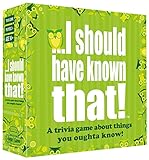
1. I should have known that! - A Trivia Game About Things You Oughta Know, Green
Overview:
This compact trivia game targets players 14+ with a humorous twist, focusing on “obvious” facts people often forget. Packaged in a small 6"x6"x2" box made in Poland, it promises lighthearted fun centered around self-deprecating “how did I not know this?” moments during casual gameplay for two or more participants.
What Makes It Stand Out:
Its unique angle lies in the curated “oughta know” theme, which sparks relatable groans and laughter rather than intense competition. The minimalist design—no board or complex components—makes it highly portable and easy to set up anywhere, distinguishing it from traditional trivia sets.
Value for Money:
Priced accessibly for its niche concept, it offers decent replayability through conversation-driven humor. While the question depth may not rival larger sets, its novelty and portability justify the cost for quick, social gatherings where humor outweighs hardcore trivia challenges.
Strengths and Weaknesses:
Strengths: Highly portable; instantly engaging theme; fosters group laughter; simple rules. Weaknesses: Limited question count implied by small size; lacks structured scoring; minimal replay value for trivia purists; no category variety specified.
Bottom Line:
Best for casual groups seeking icebreaker fun over competitive depth. Its charm lies in humility, making it a solid impulse buy for parties but not a long-term trivia staple.
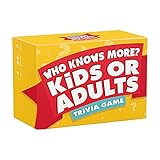
2. Who Knows More? Kids or Adults, The Ultimate Trivia Game for Kids, Teens and Adults - A Fun Family Party Game
Overview:
Designed for family showdowns, this game pits kids (8+) against adults in team-based trivia battles. Featuring categories spanning history, pop culture, and science, it emphasizes accessibility with straightforward rules: answer questions to earn points, with the first team to 20 winning.
What Makes It Stand Out:
The deliberate “kids vs. adults” team dynamic creates inherent excitement and balanced play, as children often excel in modern pop culture while adults tackle historical topics. Its broad 8+ age range and inclusive topics ensure no one feels excluded, fostering genuine family interaction.
Value for Money:
An excellent investment for regular family game nights, as its reusable format and wide appeal replace multiple single-audience games. Though not the cheapest option, the cross-generational engagement and ease of play deliver strong long-term utility.
Strengths and Weaknesses:
Strengths: Perfect team-based structure; age-inclusive categories; simple, fast-paced scoring; ideal for family bonding. Weaknesses: Limited replayability if questions are memorized; no solo/team variation options; fewer questions than premium sets.
Bottom Line:
Highly recommended for families wanting inclusive, laughter-filled competition. Its focus on bridging generational gaps makes it a standout for household game libraries.
3. QUOKKA Trivia Games for Adults with 500 Questions - Fun Adult Board Game Trivia Cards for Teens, and Families – Trivia Cards with Answers – Great Board Games Trivia for Family Party and Game Night

Overview:
QUOKKA delivers 500 trivia questions across compact cards, targeting adults and families with flexible gameplay. Each card holds five questions and answers, enabling duels, team challenges, or timed rounds, all packaged in a travel-friendly set ideal for parties or road trips.
What Makes It Stand Out:
The card-centric design eliminates bulky boards, while versatile modes (e.g., 3-card wins) cater to diverse group sizes and energy levels. Its educational yet social approach—sparking curiosity through accessible facts—shines in casual settings without sacrificing depth.
Value for Money:
With 500 questions at a mid-range price, it outperforms many board-reliant games in longevity and portability. The reusable cards justify the cost for frequent gamers, though budget buyers might find smaller sets cheaper upfront.
Strengths and Weaknesses:
Strengths: Highly portable; adaptable gameplay; substantial question variety; educational value; durable card format. Weaknesses: No visual aids (e.g., images); answer verification relies on honor system; less immersive than board-based trivia.
Bottom Line:
A top pick for adaptable, on-the-go trivia. Its balance of depth, portability, and social engagement makes it essential for regular game-night hosts.
4. Hasbro Games Trivial Pursuit Mini Packs Multipack, Fun Trivia Questions for Adults and Teens Ages 16+, Includes 4 Game Featuring 4 Decades

Overview:
Hasbro’s compact multipack offers four decade-themed trivia games (80s, 90s, 2000s, 2010s), each with 80 cards (240 questions total). Designed for teens and adults 16+, it requires no board—just draw cards, answer correctly to collect them, and win with five cards.
What Makes It Stand Out:
Leveraging Trivial Pursuit’s legacy, the decade-specific focus taps into nostalgia, while the card-only format ensures extreme portability. Winning in just five correct answers keeps rounds snappy, ideal for parties or travel where setup space is limited.
Value for Money:
The multipack’s four distinct themes provide broad appeal, but 240 total questions feel light compared to single-deck competitors. Still, Hasbro’s brand reliability and nostalgia factor offer reasonable value for casual players prioritizing convenience.
Strengths and Weaknesses:
Strengths: Nostalgic decade themes; ultra-portable; instant setup; quick gameplay; trusted brand. Weaknesses: Low question count per pack; repetitive mechanics; shallow for trivia enthusiasts; limited age range (16+ excludes younger kids).
Bottom Line:
Worthwhile for pop-culture fans seeking portable, nostalgic fun, but insufficient as a primary trivia source due to question volume constraints.
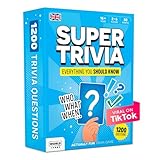
5. Super Trivia Game for Adults with 1200 Questions - Fun Board Game for Adults - Family Road Trip Travel Game for The Pursuit of Trivial Knowledge
Overview:
Boasting 1,200 questions across 202 travel-sized cards, this game covers general knowledge, geography, and science. Unique elements include picture-based questions and estimation challenges (e.g., “Earth-Moon distance?”), targeting adults and teens 16+ with dice-driven category selection.
What Makes It Stand Out:
The innovative mix of question types—especially visual and estimation prompts—avoids trivia fatigue. Its travel box, dice mechanic, and massive question bank (6 per card) create dynamic, unpredictable rounds that feel fresh even after repeated plays.
Value for Money:
Exceptional for the price given the 1,200-question count and travel durability. It surpasses many competitors in replayability and creativity, making it a cost-effective anchor for game nights or road trips despite the 16+ age limit.
Strengths and Weaknesses:
Strengths: Massive, varied question pool; engaging estimation/picture rounds; highly portable; dice adds randomness; great replay value. Weaknesses: “Family” claim misleading (16+); no team rules; estimation questions may frustrate some players.
Bottom Line:
A must-buy for trivia lovers seeking depth and innovation. Its creative design and sheer content volume make it the most compelling choice for serious game-night enthusiasts.
6. Outset Media Pop Culture Trivia Game - Party Game - Family Game - Travel Game - Fun and Easy to Play - 1200 Trivia Questions - For 2 or More Players - Ages 12+

Overview: This portable card-based trivia game targets pop culture enthusiasts with 1,200 questions spanning music, movies, TV, and trends across decades. Designed for 2+ players aged 12+, it emphasizes accessibility for mixed-age family game nights or casual parties.
What Makes It Stand Out: Its compact size (fits in a purse/backpack) and decade-spanning pop culture focus make it uniquely travel-friendly and inclusive for teens and adults. The “5 questions per card” format encourages quick turns, while the emphasis on broad accessibility ensures kids, parents, and grandparents can compete fairly without niche knowledge.
Value for Money: Priced moderately for a physical game, it delivers exceptional replayability with 1,200 questions. It outshines cheaper trivia decks with limited content and avoids the complexity (and cost) of board-based alternatives like Trivial Pursuit, making it ideal for budget-conscious families needing versatile entertainment.
Strengths and Weaknesses: Strengths: Highly portable; easy rules; bridges generational gaps; sparks lively interaction. Weaknesses: Questions may skew toward older pop culture, potentially leaving younger players at a disadvantage; lacks digital components for modern engagement; answer verification relies solely on included sheets.
Bottom Line: A stellar choice for families seeking affordable, travel-ready fun that genuinely engages multiple generations. Its simplicity and portability make it a repeat-worthy staple for game nights, road trips, or waiting rooms.
7. Hasbro Gaming Trivial Pursuit Master Edition Trivia Game, Board Games for Adults and Teens, Includes Electronic Timer, Trivia Games for 2 to 6 Players, Ages 16 and Up (Amazon Exclusive)
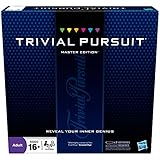
Overview: This premium edition elevates the classic Trivial Pursuit experience with 2,950 challenging questions across six categories (geography, entertainment, history, art/literature, science/nature, sports/leisure). Targeted at serious trivia fans aged 16+, it includes an electronic timer for fast-paced gameplay accommodating 2–6 players.
What Makes It Stand Out: The sheer volume of questions (2,950) and inclusion of an electronic timer set it apart, enabling both traditional and accelerated play. The “collect wedges on correct answers” variant adds strategic flexibility. Its depth caters specifically to hardcore trivia buffs craving rigor beyond casual party games.
Value for Money: Justified for dedicated trivia enthusiasts given the question count and timer functionality. While pricier than basic card games, it offers far more longevity than smaller trivia decks. However, casual players might find it overkill compared to simpler alternatives under $20.
Strengths and Weaknesses: Strengths: Massive question library; timer enhances competitiveness; multiple gameplay modes; classic category structure. Weaknesses: Steeper learning curve for new players; board setup less convenient than card-only games; age restriction (16+) excludes younger teens; Amazon-exclusive availability limits access.
Bottom Line: An excellent investment for trivia purists and game nights prioritizing depth over speed. Not ideal for families with young kids, but unmatched for groups seeking challenging, replayable cerebral competition.
8. The Ultimate Trivia Game Book for Adults: 975 Trivia Questions Across 13 Super Fun Quiz Categories for Game Night or Solo Play (Fun Trivia Games For Adults)

Overview: This trivia book offers 975 curated questions across 13 diverse categories, designed for both group game nights and individual solo play. Targeted at adults, it provides a screen-free alternative to app-based trivia with structured quizzes requiring no additional components.
What Makes It Stand Out: Its flexibility as a solo and group activity is unique—readers can test themselves independently or host structured game nights using the categorized quizzes. The absence of physical pieces (like cards or boards) makes it effortlessly portable and durable, ideal for travel or quiet evenings.
Value for Money: Exceptional value as a one-time purchase with no recurring costs. At typically under $15, it outperforms subscription-based trivia apps and rivals physical games costing 2–3x more. The 13 categories ensure broad appeal, though question depth per category is naturally less than specialized games.
Strengths and Weaknesses: Strengths: Ultra-portable; zero setup; cost-effective; great for solo skill-building; durable (no lost pieces). Weaknesses: Lacks interactive elements (e.g., timers, boards); requires manual scoring; no visual aids; less spontaneous than physical games; limited replayability once questions are memorized.
Bottom Line: A must-have for trivia lovers seeking affordable, adaptable entertainment. Perfect for solo practice or low-fuss game nights, though it won’t replace the social energy of board/card-based alternatives.
9. Brass Monkey Incredibly Pointless – Trivia Card Game Set with 200 Unique Questions About Pointless Knowledge for Adults and Kids Ages 13+

Overview: This irreverent card game delivers 200 intentionally absurd trivia questions focused on “useless” knowledge, targeting teens and adults (13+). Its gimmick lies in misleading category titles (e.g., “Poison Control” covering Bret Michaels or arsenic), fostering laughter over academic rigor.
What Makes It Stand Out: The humor-driven “pointless” angle and deceptive categories create unpredictable, conversation-sparking moments absent in traditional trivia. Three included gameplay variants (including team-based and betting modes) add strategic depth, while the focus on randomness ensures even trivia novices can compete.
Value for Money: Solid for its niche appeal. With 200 unique questions and multiple play styles, it justifies its price as a party-focused game. Though question volume is lower than competitors, the emphasis on re-playable humor offsets this for social gatherings where laughs trump difficulty.
Strengths and Weaknesses: Strengths: Hilarious, low-pressure vibe; clever misleading categories; compact for parties; inclusive for non-experts; great icebreaker. Weaknesses: Too silly for serious trivia fans; limited question count reduces longevity; humor may not land universally; minimal educational value.
Bottom Line: The ultimate party game for lighthearted fun—ideal for dorms, bachelor parties, or casual hangs. Skip if you prefer challenging trivia, but buy for guaranteed giggles and effortless social bonding.
10. Do You Really Know Your Family? A Fun Family Game Filled with Conversation Starters and Challenges - Great for Kids, Teens and Adults
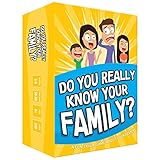
Overview: This interactive card game replaces standard trivia with personalized questions and challenges designed to deepen family connections. Targeting all ages (kids 8+), it prompts players to share memories, answer questions about each other, and complete lighthearted tasks.
What Makes It Stand Out: It uniquely prioritizes relationship-building over factual knowledge. Questions like “What’s Mom’s most embarrassing habit?” or “Recreate Dad’s signature dance move” foster vulnerability and inside jokes, transforming game night into meaningful bonding. The challenge cards add physical comedy, engaging even reluctant participants.
Value for Money: High value for families seeking quality time. Priced competitively, it delivers emotional ROI unmatched by standard trivia games. While it lacks replayability for non-family groups, its focus on your specific dynamics ensures each session feels fresh and personal.
Strengths and Weaknesses: Strengths: Builds genuine family rapport; inclusive for all ages; sparks laughter and heartfelt moments; no trivia knowledge required; simple rules. Weaknesses: Useless for non-family groups; limited replayability once questions are exhausted; challenges may feel awkward for introverted families.
Bottom Line: An essential tool for families wanting to connect beyond screens. Not a trivia game per se, but a brilliantly effective catalyst for shared joy and understanding—perfect for holidays or weekly traditions.
Why Trivia Games Remain a Timeless Choice for Mixed-Age Groups
The Universal Appeal of Knowledge Sharing
Trivia transcends age barriers because it taps into a fundamental human joy: sharing what we know. Teens bring fresh perspectives on current trends, pop culture, and digital phenomena, while adults often contribute historical context, deeper expertise in niche areas, and life experience. This natural exchange fosters mutual respect and curiosity, making every game session a collaborative learning adventure rather than a simple test of facts. The game becomes a platform where diverse knowledge is celebrated, not just accumulated.
Building Bridges Through Common Ground
Finding activities that genuinely resonate with both teenagers and adults can be challenging, but trivia excels by offering multiple entry points. Questions can span eras, interests, and complexities, ensuring no one feels excluded. A round might cover a viral TikTok dance and the moon landing, creating moments where each generation has a chance to shine and teach the other. This shared experience builds empathy and understanding, subtly strengthening relationships through lighthearted, positive interaction.
Key Features to Evaluate When Choosing Your Next Trivia Experience
Depth and Breadth of Question Categories
Look beyond surface-level variety. The best trivia formats offer a thoughtful balance between evergreen topics (science, geography, history) and contemporary subjects (current events, streaming culture, social media trends). Crucially, assess how questions are layered—do they include accessible “warm-up” questions alongside deeper dives that challenge even the most knowledgeable player? This tiered approach keeps everyone involved and prevents frustration.
Gameplay Mechanics That Encourage Participation
The structure of the game significantly impacts engagement. Consider whether the format actively involves all players throughout, or if it risks sidelining quieter participants. Features like team-based answering, simultaneous response systems (using apps or physical buzzers), or collaborative challenges where groups pool knowledge can make a huge difference. Avoid formats where only one or two dominant voices control the game; the goal is inclusive fun, not a solo showcase.
Exploring Different Trivia Game Formats for Modern Audiences
Digital Integration Meets Physical Play
Hybrid trivia experiences are thriving, blending physical components with companion apps. These often provide dynamic question delivery, automatic scoring, and even real-time difficulty adjustment based on player responses. They can refresh a classic board game feel with digital convenience while minimizing setup time and rule confusion, making them ideal for groups eager to jump straight into the action.
Specialized vs. General Knowledge Collections
While broad-spectrum trivia has mass appeal, niche-themed games (focusing on movies, music genres, science fiction, or even local history) can ignite passionate engagement among specific interest groups. For mixed-age gatherings, consider having both options available—a general game for wider play and a specialized set for deep dives when smaller, interest-aligned groups form. This flexibility caters to diverse preferences within your larger group.
Visual and Audio-Centric Question Styles
Move beyond text-only questions! Games incorporating images, short audio clips, or even video snippets cater to different learning styles and add sensory richness. Picture identification rounds, song intros, or short film clip challenges can be incredibly engaging, especially for teens who process information visually. These elements also break up verbal monotony and create memorable, multi-sensory moments.
Optimizing Your Setup for Maximum Engagement
Creating the Perfect Physical Environment
Ambiance matters more than you think. Ensure comfortable seating that allows everyone to see question displays or game boards clearly. Good lighting (not too dim, not too harsh) and minimized background noise help maintain focus. For larger groups, consider microphones for the host or strategic room layout to prevent players from the back feeling disconnected. A dedicated “game zone” free from kitchen traffic or TV distractions is ideal.
Tech Readiness for Digital-Enhanced Play
If using apps or online platforms, do a full tech check before guests arrive. Ensure strong Wi-Fi, charged devices, and clear instructions for joining. Have a non-digital backup plan ready (like printed questions) in case of glitches—nothing kills momentum faster than technical hiccups. Pre-load necessary apps and test logins to avoid frustrating delays when everyone’s excited to start.
Mastering the Art of Hosting Inclusive Trivia Nights
Question Selection Strategies for Mixed Expertise
As a host, your role is less quizmaster and more facilitator. Actively curate or select question sets that rotate through different difficulty levels and topics. Gently rephrase overly complex questions on the fly if needed, and always offer brief, interesting explanations after answers are revealed—this transforms a simple right/wrong moment into a shared learning opportunity everyone appreciates.
Managing Group Dynamics and Energy
Keep the pace lively but not rushed. Read the room: if energy dips, inject a quick, fun lightning round. If debates get heated (in a good way!), allow a minute for passionate arguments before revealing the answer. Always emphasize that the goal is collective enjoyment—not cutthroat competition. A simple “Great guess, even if it wasn’t right—anyone know why that’s a common misconception?” maintains positivity.
Enhancing Cognitive and Social Skills Through Play
Critical Thinking in Real-Time
Trivia isn’t just rote memorization; the best questions require deduction, pattern recognition, and logical reasoning. Players must often eliminate unlikely answers, connect disparate pieces of information, or apply knowledge in novel contexts. This on-the-spot mental agility strengthens problem-solving muscles in a low-pressure, enjoyable setting—far more engaging than traditional brain-training apps.
Communication and Collaborative Learning
Team-based trivia forces players to articulate their thoughts clearly, listen actively to others’ ideas, and negotiate consensus under (friendly) time pressure. Teens, in particular, develop valuable skills in respectfully disagreeing, building on others’ suggestions, and synthesizing information—a microcosm of effective real-world teamwork that feels like pure fun.
Navigating Age-Appropriate Content and Complexity
Balancing Contemporary Relevance with Timeless Knowledge
The sweet spot lies in blending recent cultural touchpoints (relevant to teens) with foundational knowledge (often stronger in adults). Avoid overly dated references that alienate younger players or hyper-niche current trends that baffle older participants. Focus on questions where generational perspectives can complement each other—like comparing historical events to modern parallels or analyzing how technology has reshaped a common activity.
Adjusting Difficulty Without Dumbing Down
Scaffold complexity thoughtfully. Instead of removing challenging questions, provide optional hints or frame them as “bonus deep-dive” questions that anyone can attempt. Phrases like “This one’s tricky—anyone want a 50/50 split?” or “Let’s see if we can reason this out together” keep the challenge exciting without causing exclusion. The key is maintaining intellectual respect for all players.
Sustainability and Long-Term Value of Your Trivia Investment
Replayability Through Modular Design
Look for games with expandable content—question decks that can be mixed and matched, or digital platforms offering regular, free content updates. Modular systems prevent staleness; you’re not “done” with the game after one playthrough. Physical games with durable cards and components ensure years of use, making them a worthwhile, eco-friendlier alternative to single-use entertainment.
Community and User-Generated Content Potential
Some modern trivia platforms thrive on community contributions, allowing users to submit or vote on questions. This fosters a sense of ownership and ensures the content stays fresh and relevant. Even without digital tools, encourage your regular game group to take turns crafting a few custom questions—this personal touch significantly boosts investment and replay value for everyone involved.
Adapting Trivia for Diverse Group Sizes and Settings
Scaling Down for Intimate Gatherings
Small groups (2-4 players) benefit from head-to-head formats with rapid-fire questions or narrative-driven trivia where answers influence a shared story outcome. Avoid overly complex team mechanics; instead, focus on direct interaction and perhaps incorporate “challenge” rounds where players can wager points for higher stakes, adding strategic depth without needing a crowd.
Thriving in Large Group Environments
For parties of 10+, structured team play is essential. Divide into balanced teams (mixing ages and knowledge bases) and use clear scoring systems visible to all—large physical scoreboards or shared digital displays work well. Incorporate team challenges like “name 5…” or collaborative puzzles to keep energy high and prevent individuals from disengaging during others’ turns.
Virtual and Hybrid Game Night Solutions
When players are remote, prioritize platforms with seamless integration and minimal lag. Video calls work best when the host shares their screen for questions, and players use reaction features or a dedicated chat for answers. For hybrid groups (some in-person, some remote), ensure remote participants have equal visibility and voice—consider a dedicated camera angle focused on the physical game board and using a speakerphone for clarity.
Future Trends Shaping the Trivia Landscape in 2026
AI-Personalized Question Streams
Emerging adaptive systems use subtle player feedback to tailor question difficulty and topics in real-time, ensuring a consistently engaging challenge for each individual within a group. This isn’t about replacing human hosting but enhancing it, allowing the game to dynamically respond to the room’s energy and knowledge gaps without manual adjustment.
Augmented Reality Integration
AR overlays are beginning to transform physical trivia components, turning static cards into interactive experiences. Pointing a phone at a question card might reveal a 3D model related to the topic, a historical scene reconstruction, or an animated clue—adding immersive depth that captivates tech-savvy teens while feeling innovative for adults.
Focus on Wellness and Mindful Play
The next evolution emphasizes trivia as mental wellness. Expect more games designed with intentional pacing, breathing exercises between rounds, or question themes centered around emotional intelligence, mindfulness, or positive psychology—proving that fun and personal growth can go hand-in-hand.
Frequently Asked Questions
How do I choose trivia suitable for both teenagers and adults without anyone feeling bored?
Focus on games with layered questions covering both timeless topics (science basics, geography) and contemporary culture, ensuring multiple generations have moments to contribute. Avoid overly juvenile or excessively complex academic questions; aim for accessible yet stimulating content that sparks conversation.
What’s the ideal group size for engaging trivia with mixed ages?
Groups of 4-8 players (split into two teams if larger) often work best, allowing everyone to participate actively. For very large gatherings (10+), structured team formats with clear roles prevent chaos, while intimate groups of 2-4 benefit from fast-paced, direct-competition styles.
How can I prevent more knowledgeable players from dominating the game?
Implement mechanics like team play, simultaneous answering (all write answers secretly), or “no consultation” solo rounds. As host, gently redirect by asking quieter players directly for their input and emphasizing collaborative reasoning over individual showboating.
Are digital trivia apps better than physical board games for modern groups?
It depends on your group’s preferences. Apps offer convenience, automatic scoring, and fresh content but can feel isolating. Physical games foster tangible interaction and reduce screen time. Many find a hybrid approach—using an app for questions with physical scoring—provides the best balance.
How long should a typical trivia session last to keep teens engaged?
Aim for 60-90 minutes. Teens often prefer faster pacing with clear breaks; structure the game into distinct rounds (e.g., 15 minutes per category) with short pauses. Avoid marathon sessions—ending while everyone’s still having fun leaves them eager for the next game.
What if my group has very different knowledge strengths (e.g., tech vs. history)?
Embrace the diversity! Choose formats with broad category coverage and encourage players to specialize within teams (“You handle music, I’ll take science”). This turns varied expertise into a team asset rather than a liability, fostering mutual appreciation.
Can trivia games genuinely be educational for older teens and adults?
Absolutely. Beyond fact retention, quality trivia builds critical thinking, active listening, and collaborative problem-solving. The social, low-stakes environment makes learning feel effortless and enjoyable, reinforcing knowledge through discussion and immediate application.
How do I handle disputes over answers fairly?
Establish clear rules upfront: Is the host’s decision final, or will you use a quick group vote? For factual disagreements, commit to looking it up after the round (to maintain flow) and share the verified answer before the next question. Transparency prevents frustration.
Are there trivia formats that minimize reading for players who prefer auditory learning?
Yes! Prioritize games featuring read-aloud questions, audio clips (song intros, famous speeches), or visual prompts (images, short videos). Many digital platforms also offer text-to-speech functionality. Always confirm the host can clearly articulate questions for auditory learners.
What’s the biggest mistake new trivia hosts make?
Rushing through questions or answers without allowing time for discussion and explanation. The magic happens in the conversation around the trivia, not just the answer itself. Pause, invite guesses, share a fun fact after revealing the solution, and let the laughter or “aha!” moments breathe.
See Also
- 10 Best Trivia Games for Adults Who Love Challenging Questions in 2026
- 10 Best Acting Games for Teens and Adults in 2026
- 10 Best Trivia Games for Adults Who Love a Challenge in 2026
- 10 Expert-Recommended Word Trivia Games for Language Lovers in 2026
- 10 Game-Changing Adult Trivia Games for Game Night Enthusiasts in 2026