Table of Contents
Picture this: the board is set, snacks are within reach, and the usual after-dinner chaos has settled into a focused, almost electric hum. Instead of scattered attention spans and competing screen glows, you have genuine engagement – laughter bubbling up over a clever move, thoughtful silence as strategies unfold, and maybe even a little friendly negotiation happening across the table. This isn’t just game night; it’s a shared adventure, a mental workout disguised as pure fun, and a powerful way to strengthen family bonds. Strategy board games, when chosen well, transform ordinary evenings into memorable experiences where everyone, from the youngest elementary student to the most seasoned gamer in the house, feels challenged and included.
Yet, navigating the vast sea of options can feel overwhelming, especially when you’re searching for that elusive “best value.” It’s tempting to chase the latest hype or the shiniest box, but true value for families runs much deeper than a low price tag or fleeting trend. It’s about finding a game that consistently earns its spot on the shelf – one that grows with your family, withstands repeated plays without losing its spark, and delivers hours of meaningful interaction for the investment. Forget chasing temporary “best of” lists; let’s focus on the timeless principles that ensure your next strategy game purchase becomes a cherished, go-to favorite for years to come, maximizing both enjoyment and the return on your family’s precious game night time.
Top 10 Family Strategy Board Games
Detailed Product Reviews
1. Asmodee Ticket to Ride Board Game (2025 Refresh) - A Cross-Country Train Adventure for Friends and Family, Strategy Game for Kids & Adults, Ages 8+, 2-5 Players, 30-60 Minute Playtime

Overview: The 2025 refresh of Asmodee’s Ticket to Ride delivers a polished iteration of the beloved train-routing classic. Players collect colored cards to claim railway routes across a detailed North American map, aiming to fulfill destination tickets while blocking opponents. Its streamlined rules make it accessible for ages 8+ during family game nights.
What Makes It Stand Out: Enhanced components—like sturdier train pieces and a more vibrant map—elevate immersion without altering the core gameplay. The genius lies in its deceptive simplicity: easy to grasp in minutes yet layered with strategic depth through route planning, risk assessment on long tickets, and tactical blocking. The 30-60 minute playtime ensures brisk, engaging sessions.
Value for Money: Priced competitively against strategy games, it offers exceptional longevity. The physical quality justifies the cost, outperforming cheaper alternatives with flimsy parts. While expansions exist, the base game provides complete replayability, making it a smarter investment than disposable party games.
Strengths and Weaknesses: Strengths: Intuitive rules, stunning visuals, perfect player count flexibility, and near-perfect balance between luck and strategy. Weaknesses: Limited player interaction beyond route blocking; destination ticket failures can feel punishing for new players.
Bottom Line: An essential, evergreen purchase for families and casual gamers. The 2025 refresh refines an already stellar formula, delivering unmatched accessibility and re-play value that justifies its place as a cornerstone board game collection.
2. AEG & Flatout Games | Cascadia - Award-Winning Board Game Set in the Pacific Northwest | Easy to Learn | Quick to Play | Ages 10+

Overview: Cascadia, winner of Spiel des Jahres 2022, is a serene yet strategic tile-drafting game where players build ecosystems in the Pacific Northwest. Using dice and habitat tiles, you arrange forests, rivers, and wildlife to create contiguous corridors that maximize scoring opportunities.
What Makes It Stand Out: Its spatial puzzle mechanics shine—placing tiles to satisfy evolving scoring criteria (like bear clusters or river continuity) creates satisfying “aha!” moments. The 15-30 minute playtime and 2-minute teachability make it ideal for tight schedules, while solo and family modes broaden accessibility beyond the standard 1-4 player count.
Value for Money: At its price point, Cascadia delivers premium components and award-winning design. It outshines similarly priced abstract games with deeper strategic layers and thematic elegance, though its niche appeal may not suit those preferring direct competition.
Strengths and Weaknesses: Strengths: Brilliant spatial challenge, exceptional replayability via variable scoring cards, family-friendly depth, and stunning nature-themed art. Weaknesses: Limited player interaction; scoring complexity can overwhelm beginners despite simple rules.
Bottom Line: A must-buy for puzzle and strategy enthusiasts. Cascadia’s elegant design, quick sessions, and serene theme create a uniquely rewarding experience that justifies every penny for fans of thoughtful, non-confrontational gameplay.
3. CATAN Board Game (6th Edition) Trade, Build & Settle in The Classic Strategy Game for Family, Kids & Adults, Ages 10+, 3-4 Players, 60-90 Min Playtime

Overview: Catan’s 6th Edition revitalizes Klaus Teuber’s landmark strategy game, where players settle an uncharted island by trading resources (wood, brick, wheat) to build roads, settlements, and cities. The modular hex board ensures no two games play alike, driving dynamic competition for victory points.
What Makes It Stand Out: Its revolutionary resource-trading mechanic fosters player negotiation and diplomacy, setting it apart from solitaire-style Euros. The ever-changing board layout and constant risk-reward decisions (e.g., avoiding the robber) create emergent storytelling. The 6th Edition’s refined components enhance durability without altering the iconic gameplay.
Value for Money: As a gateway to modern board gaming, Catan offers unmatched longevity. While pricier than mass-market games, its replayability and role as a “gateway drug” to the hobby make it a worthwhile staple, outperforming cheaper, less strategic alternatives.
Strengths and Weaknesses: Strengths: Highly replayable, fosters social interaction, accessible strategy, and modular board. Weaknesses: Luck-dependent resource rolls; the robber mechanic can frustrate; limited to 4 players without expansions.
Bottom Line: An indispensable classic for families and strategy newbies. Despite minor flaws, Catan’s enduring charm, social depth, and educational value cement its status as a must-own investment for game night regulars.
4. Gamewright - Shifting Stones – A Visual, Decision-Making Family Strategy Game of Tiles, Cards, and Tactics, 8 years +

Overview: Shifting Stones is a compact, visually driven strategy game where players manipulate nine double-sided landscape tiles to match patterns on scoring cards. With quick 20-minute sessions, it challenges spatial reasoning as you flip and rotate tiles to outscore opponents in building mountain ranges or rivers.
What Makes It Stand Out: Its unique tile-flipping mechanic demands constant adaptation—orientation and adjacency are critical. The minimalist design (just tiles and cards) belies surprising tactical depth, while the solo variant adds unexpected versatility. Portability makes it ideal for travel or casual play.
Value for Money: Priced modestly, it offers exceptional value for on-the-go gaming. Though simpler than heavyweight strategy games, its clever mechanics and compact size provide more replayability than similarly priced card games, especially for younger audiences.
Strengths and Weaknesses: Strengths: Exceptionally portable, fast setup/play, sharpens spatial skills, and inclusive for ages 8+. Weaknesses: Limited player count (up to 5); depth may not satisfy hardcore strategists; scoring can feel arbitrary early on.
Bottom Line: A stellar pick for families seeking quick, brain-teasing fun. Shifting Stones’ portability, ease of learning, and engaging puzzle-like play make it a smart buy for game nights needing brevity without sacrificing thoughtfulness.
5. SEQUENCE- Original SEQUENCE Game with Folding Board, Cards and Chips by Jax ( Packaging may Vary ) White, 10.3" x 8.1" x 2.31"
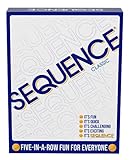
Overview: Sequence merges classic card play with board strategy, challenging players to place chips on a grid matching their hand cards. The goal is simple: form five-in-a-row sequences before opponents, using standard playing cards to dictate moves on the dual-deck board.
What Makes It Stand Out: Its genius is accessibility—it leverages familiar cards to teach strategy effortlessly. The folding board and included chips enable immediate play, while team variants foster cooperation. Unlike abstract strategy games, it bridges generations by appealing to kids (with luck) and adults (with tactics).
Value for Money: Budget-friendly and durable, Sequence outperforms comparable party games in longevity. The robust components justify the cost, offering decades of play without expansions—unlike pricier strategy titles with shorter shelf lives.
Strengths and Weaknesses: Strengths: Effortless to learn, promotes STEM skills like pattern recognition, supports teams, and scales well for groups. Weaknesses: High luck element from card draws; replayability wanes for experienced players; board folding mechanism may wear over time.
Bottom Line: A timeless, affordable family staple. Sequence’s simplicity and social flexibility make it a perfect entry point for young gamers and a reliable crowd-pleaser for gatherings, though strategic purists may crave more depth.
6. Azul Asmodee Azul Board Game - Award-Winning Tile-Placement Strategy Game, Beautiful Mosaic Art, Family Fun for Kids & Adults, Ages 8+, 2-4 Players, 30-45 Minute Playtime
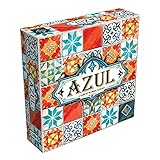
Overview: Azul challenges players to craft intricate mosaics using vibrantly colored resin tiles, inspired by traditional Portuguese azulejos. This award-winning strategy game tasks 2-4 participants with drafting tiles from factory displays to complete their boards while maximizing points and minimizing penalties, all within a compact 30-45 minute session suitable for ages 8 and up.
What Makes It Stand Out: Its stunning physical components—thick, tactile tiles and elegant artwork—create an immersive experience unmatched in entry-level strategy games. The brilliant balance of simplicity (easy-to-grasp rules) and strategic depth (forward planning, spatial reasoning, and risk assessment) ensures broad appeal. Each game unfolds uniquely due to variable player boards, driving exceptional replayability.
Value for Money: Priced competitively against mid-tier board games, Azul delivers outstanding value through heirloom-quality components and near-limitless replay potential. It outshines cheaper card-based alternatives by offering a visually captivating, screen-free experience that fosters meaningful interaction, justifying its cost for families and casual gamers.
Strengths and Weaknesses: Strengths include breathtaking aesthetics, intuitive yet profoundly strategic gameplay, perfect pacing, and strong family-friendly accessibility. Weaknesses involve limited direct player interaction (reducing cutthroat appeal) and potential scoring confusion for absolute beginners during the first playthrough.
Bottom Line: Azul is an essential addition to any game library, masterfully blending artistry with engaging strategy. Highly recommended for families, casual gamers, and collectors seeking a beautiful, replayable experience that consistently delights.
7. USAOPOLY Flip 7, The Ultimate Blend of Press Your Luck & Strategy, Fast-Paced Addictive Card Game,Quick to Learn & Easy to Teach,Perfect for Game Nights, 3+ Players, Ages 8 & Up, 20 Minutes Play Time

Overview: Flip 7 delivers frantic press-your-luck excitement where players draw numbered cards trying to maximize points without drawing duplicates. Designed for 3+ players aged 8+, this 20-minute card game challenges participants to balance risk and reward as they race to reach 200 points, featuring a uniquely weighted deck and dynamic action cards.
What Makes It Stand Out: The ingeniously structured deck—stacked with decreasing multiples of each number (twelve 12s down to one 1)—creates inherent tension. Special action cards like “Flip Three” and “Freeze” inject constant unpredictability, transforming simple number collection into a nerve-wracking, interactive spectacle perfect for rowdy game nights.
Value for Money: Offering intense, replayable fun at an affordable price point, Flip 7 surpasses many longer, pricier games in sheer entertainment density. Its compact size and quick setup make it ideal for travel or impromptu play, providing exceptional bang-for-buck compared to similar luck-based card games that lack its strategic layering.
Strengths and Weaknesses: Key strengths are lightning-fast setup, addictive risk/reward tension, high player engagement, and easy teachability. Weaknesses include significant luck dependency (which may frustrate strategy purists) and potential repetition over extended play sessions due to its core mechanism.
Bottom Line: Flip 7 is a stellar choice for groups seeking a quick, accessible party game bursting with excitement. Highly recommended for casual gamers and families wanting high-energy, easy-to-learn fun without complex rules.
8. Asmodee Splendor Board Game - Master The Art of Wealth and Prestige! - Engaging Gem Mining Strategy Game for Kids & Adults, Ages 10+, 2-4 Players, 30 Min Playtime

Overview: Splendor immerses 2-4 players in Renaissance-era gem trading, where they collect colored gem tokens to purchase development cards and attract noble patrons. This engine-building strategy game, designed for ages 10+, challenges participants to optimize their resource chains within 30 minutes to amass the most prestige points.
What Makes It Stand Out: Its elegant “engine-building” core—where purchased cards generate passive gem income—creates deeply satisfying strategic loops. The 10th-anniversary edition enhances tactile quality with premium gems and refined artwork, while multiple viable victory paths ensure no two games play alike despite streamlined rules.
Value for Money: Splendor justifies its price through exceptional component durability, timeless gameplay, and remarkable replay value. It outperforms many heavier strategy games by delivering substantial depth in under 30 minutes, making it a smarter investment than disposable party games or overly complex alternatives costing twice as much.
Strengths and Weaknesses: Strengths encompass intuitive mechanics, beautiful minimalist design, strategic depth accessible to novices, and consistent pacing. Weaknesses include potential “runaway leader” scenarios with inexperienced players and limited player interaction beyond card scarcity.
Bottom Line: Splendor remains a modern classic that perfectly balances approachability and strategic richness. An unequivocal recommendation for families, newcomers to board games, and veterans seeking a polished, replayable gem.
9. Underdog Games Trekking The National Parks - Award-Winning Family Board Game for Kids Ages 10+ - Easy to Learn, Fun Activities for 1-5 Players, Great for Family Bonding & for National Parks Lovers

Overview: Trekking the National Parks invites 1-5 players to embark on a cross-country journey collecting trail tokens while learning about U.S. national parks. This award-winning game, playable in 30-60 minutes, combines set collection with route-building on a detailed map, featuring upgraded artwork and a new solo mode in its 3rd Edition for ages 10+.
What Makes It Stand Out: Its seamless fusion of education and entertainment stands out, with accurate park facts and stunning illustrations fostering appreciation for conservation. Premium components—including wooden trail pieces and durable cards—and flexible player count (including robust solo play) make it uniquely versatile for classrooms, families, or travelers.
Value for Money: Priced fairly for its educational depth and component quality, it offers superior longevity compared to trivia games through strategic spatial decisions. The inclusion of solo mode and travel-friendly design enhances value, outperforming generic family games with shallower engagement.
Strengths and Weaknesses: Strengths are exceptional educational value, high-quality materials, adaptable player count, and inclusive design encouraging cooperative discovery. Weaknesses include occasional luck-dependent card draws and a slightly steeper learning curve for younger children despite the age recommendation.
Bottom Line: Trekking the National Parks is a must-have for educators, families, and nature enthusiasts, brilliantly blending fun with meaningful learning. Highly recommended for fostering bonding and wanderlust.
10. The Chameleon: Award-Winning Bluffing Board Game for Family, Adults & Friends | Includes 80 Extra Secret Words | Who is The Imposter?

Overview: The Chameleon is a rapid social deduction game where 3-8 players (ages 14+) try to identify the hidden “Chameleon” who doesn’t know the secret word. Using coded clues, players must expose the imposter before they blend in, with each intense round concluding in just 15 minutes.
What Makes It Stand Out: Its brilliant simplicity—where everyone shares a secret except one player—creates immediate, hilarious tension. The included 80 extra words massively extend replayability, while the “hidden code” mechanic (using subtle word associations) fosters clever, expressive gameplay that feels fresh every time.
Value for Money: An outstanding value for group entertainment, offering endless parties at a fraction of escape-room or app-based game costs. The compact box, high replay potential (thanks to extra words), and quick setup make it more cost-effective than comparable social games requiring lengthy explanations.
Strengths and Weaknesses: Strengths include effortless setup, electrifying player interaction, perfect pacing for gatherings, and broad appeal across ages 14+. Weaknesses involve limited depth for strategy-focused gamers and potential confusion if players give overly obvious or vague clues.
Bottom Line: The Chameleon is the ultimate party game for sparking laughter and suspicion. A top recommendation for groups wanting quick, engaging fun that consistently delivers memorable moments.
Understanding Strategy in Family Games
Before diving into purchases, it’s crucial to define what “strategy” actually means in the context of family play. It’s not just about complex military maneuvers or abstract calculations. For families, strategic depth often manifests as meaningful choices, thoughtful planning, and the ability to adapt to changing circumstances – all wrapped in accessible gameplay.
Defining Accessible Strategy
Accessible strategy means the core decisions players make significantly impact the outcome, but the rules and mechanics are intuitive enough for younger members to grasp quickly. Look for games where choices are clear (“Do I gather resources now or move my explorer?”), consequences are logical, and the path to understanding isn’t buried under excessive rules text. The best family strategy games scaffold complexity, allowing players to start with simple tactics and gradually discover deeper layers over multiple plays.
Complexity vs. Depth: Finding the Balance
Don’t confuse intricate rules with true strategic depth. A game can have simple rules (low complexity) but offer immense replayability and thoughtful decisions (high depth). For family value, prioritize depth. Games where small rule variations, different player counts, or modular boards create unique scenarios each time offer far more longevity than those relying solely on fiddly mechanics that might frustrate younger players. The sweet spot is where the rules are easy to teach, but mastering the game takes genuine thought and adaptation.
Cooperative vs. Competitive Dynamics
Consider the social dynamic you want to foster. Purely competitive games can breed tension, while purely cooperative ones might sideline younger players. Many modern family strategy games strike a brilliant balance with “semi-cooperative” or “competitive cooperation” mechanics. Players might work towards a common goal while also pursuing individual victory points, or compete directly but with built-in catch-up mechanics to keep everyone in the running. This balance often provides the most harmonious and engaging experience for mixed-age groups.
Key Factors Defining True Value
Value in family gaming isn’t solely about the sticker price. It’s a multi-faceted concept encompassing longevity, adaptability, and the sheer amount of joy and connection the game facilitates over its lifetime in your home.
Longevity Through Replayability
This is the cornerstone of value. How many unique experiences can the game generate? Look for elements like variable player powers, modular boards, scenario books, or legacy mechanics (though true legacy is less common in core family strategy). Games that change significantly with each play, offering new challenges and strategies to explore, will stay fresh far longer than those where the optimal path becomes predictable after a few sessions. Replayability ensures the game remains a staple, not a one-hit wonder.
Scalability Across Ages and Skill Levels
A high-value family game shouldn’t gather dust when the youngest outgrows Candy Land but before they’re ready for intense Eurogames. Seek games with built-in scalability. This could mean official “family rules” that simplify the core game for younger players, adjustable difficulty levels, or mechanics that naturally accommodate different skill levels (e.g., players can choose simpler strategies while others pursue complex ones). The ability for a 7-year-old and a 40-year-old to compete meaningfully and enjoyably in the same game is pure gold for family value.
Physical Durability and Component Quality
Family games take a beating. Cards get handled by small hands, boards might encounter sticky fingers, and pieces can go flying. True value includes components that withstand this reality. Thick, laminated cards resist spills and shuffling wear. Sturdy board stock won’t warp easily. Well-made, non-choking-hazard pieces (especially important with young kids) are essential. While ultra-premium components aren’t always necessary, flimsy materials that degrade quickly after a few plays drastically reduce the long-term value proposition. Consider if the box has functional storage to keep everything organized.
Essential Family Fit Considerations
Matching the game to your specific family’s dynamics and environment is non-negotiable for ensuring it gets played and loved, directly impacting its perceived value.
Attention Span and Game Length Alignment
Honesty is key here. What is the realistic maximum attention span for your youngest regular player? A game promising 90 minutes is worthless if it consistently leads to meltdowns at the 45-minute mark. Prioritize games with playtimes comfortably under the threshold of your least patient member’s focus. Many excellent family strategy games now hit the sweet spot of 20-45 minutes, perfect for holding interest while still delivering meaningful strategic choices. Shorter, high-engagement games often get played more frequently than epic marathons.
Thematic Appeal and Engagement
Theme matters immensely for buy-in, especially from kids. A game about building a vibrant animal sanctuary or exploring a fantastical jungle will often resonate more deeply than one with an abstract theme of “gathering cubes,” even if the underlying mechanics are similar. The theme should be woven into the gameplay, not just painted on the box. When players feel connected to the narrative or setting, the strategic decisions become more immersive and enjoyable, enhancing the overall experience and replay value.
Setup, Cleanup, and Table Real Estate
Be brutally practical. How much space do you actually have for game nights? A game requiring a massive table footprint might be impractical in a cramped living room. Similarly, consider the setup and teardown time. Games with intricate setups involving dozens of tokens or complex board assembly eat into precious family time and create friction for getting the game to the table. High-value games often feature streamlined setup (sub-5 minutes) and intuitive organization within the box, making it easy to jump in and just play.
Building Your Practical Buying Checklist
Armed with an understanding of strategy, value, and family fit, it’s time to translate that into actionable criteria for evaluating potential purchases.
Decoding Complexity Ratings Realistically
Publisher complexity ratings (like 1-5 stars) are starting points, but often lean optimistic, especially regarding family play. Supplement this by reading detailed rule summaries or watching “how to play” videos before buying. Pay attention to phrases like “manages multiple resources” or “requires forward planning several turns ahead” – these signal higher cognitive load that might challenge younger players. Look for reviews specifically from family gamers discussing the teachability and accessibility for children.
Assessing Player Count Flexibility
How many people typically play in your household? Many games shine at specific counts (e.g., 3-4 players) but fall flat at 2 or 5+. True family value often comes from games that play well across a range of player counts, especially accommodating the common 2-5 player scenario for families. Check if the game scales well – does it feel rushed with 2 and chaotic with 5? Does it include variants or official rules adjustments for different counts? Avoid games that are only optimal at your exact usual count unless you’re certain that never changes.
Evaluating the Learning Curve
A steep learning curve is the fastest way to kill family game night momentum. The ideal family strategy game should have rules teachable in 5-10 minutes, with the first game serving as a genuine learning experience where everyone grasps the core flow. Look for games with intuitive iconography, clear player aids, and mechanics that feel logical once explained. Avoid games requiring extensive memorization of rules or complex turn sequences right out of the gate. The first play should be fun, not a chore.
Maximizing Your Investment Beyond the Purchase
Getting the game home is just the beginning. How you integrate and maintain it determines if it delivers on its value promise.
Mastering the Art of the Family Teach
How you introduce the game is critical. Start with the absolute core rules only – skip advanced variants or edge cases for the first play. Use the theme to explain mechanics (“See this? These are your worker bees gathering honey!”). Encourage questions and model thinking aloud (“Hmm, I need wood… should I send a worker here or try for the bonus tile?”). Keep the first session focused on understanding and fun, not winning. A positive, low-pressure first experience vastly increases the chances of the game becoming a repeat favorite.
Implementing Gentle Variants for Growth
As your family masters the base game, prevent staleness by gradually introducing official variants or creating simple house rules. Maybe add a new module from the box, slightly increase a difficulty parameter, or introduce a very minor rule tweak that opens new strategic avenues. The goal isn’t to overwhelm but to gently deepen the challenge as players’ skills develop, extending the game’s lifespan significantly. Document these small evolutions – your family’s unique “journey” with the game enhances its sentimental and practical value.
Cultivating a Game Rotation System
Even the best games can suffer from overexposure. Implement a simple rotation system where certain games are “in season” while others rest. This builds anticipation and ensures a diverse range of experiences, preventing burnout on any single title. Pairing strategy games with lighter filler games or cooperative experiences in your rotation keeps game night dynamic and exciting, making each strategy session feel special and fresh when it returns to the table.
Frequently Asked Questions
How much should I realistically spend on a family strategy board game for good value?
Focus on cost-per-play rather than the upfront price. A $40 game played 50 times offers far better value than a $20 game played twice. Prioritize games known for high replayability and durability within your budget; often $30-$50 is the sweet spot for quality family strategy games that deliver long-term value, but excellent options exist outside this range if replayability is high.
Can young children (under 8) really handle strategy games?
Absolutely, but choose wisely. Look for games specifically designed with younger players in mind, featuring simple core mechanics (like set collection or tile placement), strong tactile components, shorter playtimes (15-25 mins), and themes they connect with. Games with cooperative elements or adjustable difficulty are often ideal entry points, allowing them to contribute meaningfully without complex rules overwhelming them.
What’s more important: theme or mechanics, for family value?
Both matter, but mechanics are foundational. A weak theme can sometimes be overlooked if the gameplay is exceptionally engaging and accessible. However, for families, a strong, relatable theme significantly boosts engagement and buy-in, especially for children, making the strategic decisions feel more meaningful. The best high-value games seamlessly integrate both – the theme explains why you’re making those strategic choices.
How do I know if a game will actually get played in my family?
Be brutally honest about your family’s habits. Consider your typical game night duration, available space, and the patience levels of your youngest regular player. Choose games that fit your reality – shorter playtimes often win over longer ones, simpler setups beat complex ones, and themes that resonate with your kids will get chosen more often than abstract ones. Watch gameplay videos to gauge the actual energy and flow.
Are expansion packs worth it for family strategy games?
Only if the base game is already a proven, heavily played favorite. Expansions add cost and complexity. They are best suited for games your family has mastered and still craves more of after dozens of plays. Avoid expansions for games that only get played a few times; focus on maximizing the base game’s potential first. True value expansions significantly deepen replayability without making the game inaccessible.
What are the biggest red flags for poor family value in a strategy game?
Excessive playtime for your family’s attention spans, overly complex rules requiring frequent rulebook checks, poor component quality (flimsy cards, thin boards), lack of scalability for different ages/skill levels, and low replayability (predictable outcomes, minimal variation between plays). If reviews consistently mention these issues, especially from other family gamers, it’s likely a poor value investment.
How can I assess replayability before buying a game?
Research is key. Look for reviews specifically mentioning “replayability” or “variability.” Watch multiple playthroughs on video to see if strategies differ significantly. Check if the game features modular boards, variable player powers, scenario modes, or legacy elements. Games with high randomness (dice) can have replayability, but true strategic depth usually comes from meaningful player-driven variation, not just luck.
Is “ease of teaching” really that crucial for family value?
It’s paramount. A game that takes 20 minutes to explain before the first play will rarely see the table often in a busy family setting. High-value family games have intuitive core loops, clear iconography, and rules teachable in 10 minutes or less. The smoother the onboarding, the more frequently the game will be chosen, directly impacting how much enjoyment you get from your investment.
Should I prioritize cooperative or competitive strategy games for families?
It depends on your family’s dynamic. Pure competition can cause friction with young kids; pure cooperation might let dominant players take over. Many families find the highest value in “competitive cooperation” or games with strong catch-up mechanics. These allow for individual agency and achievement while maintaining a positive, inclusive atmosphere where losing doesn’t feel devastating, keeping everyone engaged.
How do I store and maintain strategy games to maximize their lifespan?
Invest in good organization. Use the box’s inserts properly, or add custom foam or baggies to keep similar components together. Store the box flat in a cool, dry place away from direct sunlight. Teach kids gentle handling – no퀵 throwing of cards or slamming boards. A quick wipe-down of boards after play (if laminated) prevents grime buildup. Proper care ensures the physical components last as long as the gameplay remains engaging, protecting your investment.
See Also
- 10 Best Value Family Strategy Games for Game Night Longevity in 2026
- Top 10 Best Strategy Board Games for Family Game Night in 2026
- 10 Premium Family Strategy Board Games for Game Night Excellence (Worth the Investment)
- 10 Best Value Abstract Strategy Games for Game Night Variety in 2026
- The Complete Guide to the 10 Best Family Strategy Games for Game Night in 2026