Table of Contents
Binge-watching has evolved from a guilty pleasure into a full-blown cultural phenomenon, and with it comes the irresistible urge to test your encyclopedic knowledge of every plot twist, character arc, and quotable moment. There’s something deeply satisfying about proving you caught that background detail in season three that everyone else missed, or settling heated debates about continuity errors with cold, hard facts. TV show trivia games have become the ultimate companion for super-fans who want to transform their passive viewing habits into active, social experiences that extend far beyond the screen.
As we look ahead to 2026, the landscape of television-themed trivia has never been more exciting or diverse. The golden age of streaming has created an unprecedented depth of content to draw from, while innovative game designers are constantly finding new ways to challenge even the most dedicated couch critics. Whether you’re hosting a watch party for the latest season drop or looking to dominate your friend group with obscure knowledge, understanding what makes these games truly engaging is essential for any serious binge-watcher.
Top 10 TV Show Trivia Games
Detailed Product Reviews
1. Paladone Friends TV Show Trivia Quiz Game with 100 Questions

Overview: This officially licensed trivia game delivers 100 questions dedicated entirely to the iconic sitcom Friends. Designed for superfans who can recall Chandler’s middle name or Joey’s robotic sidekick, it transforms game night into a nostalgic trip through Central Perk. The compact format makes it perfect for parties, family gatherings, or casual hangouts where Monica’s cleaning obsession and Ross’s “pivot!” moments become competitive fuel.
What Makes It Stand Out: Unlike broader TV trivia games, this laser-focuses on a single beloved series, creating a pure Friends experience. The officially licensed status ensures authentic show details rather than generic approximations. Paladone’s reputation for novelty items means the packaging and presentation feel collectible rather than disposable. It serves as both entertainment and a fan artifact, appealing to collectors who want merchandise that doubles as functional fun.
Value for Money: Priced in the budget-friendly party game range, you get 100 questions that cover multiple seasons and character arcs. While single-show dedication limits replayability once you’ve memorized answers, the quality licensing and durable card stock justify the cost compared to unlicensed alternatives. For Friends devotees, the thematic purity outweighs broader trivia collections they’d only use a fraction of.
Strengths and Weaknesses: Pros: Officially licensed content; compact and portable; perfect for dedicated Friends fans; great gift potential; covers diverse show details. Cons: Limited to one series; replay value diminishes after multiple sessions; may alienate casual viewers; questions vary widely in difficulty.
Bottom Line: This is essential for Friends fanatics but niche for general audiences. Buy it for the superfan in your life who quotes the show daily—it’s their dream party game. For mixed groups with varied TV tastes, opt for broader trivia instead.
2. You Gotta Know TV - Trivia Game

Overview: Spanning television’s golden age to modern streaming hits, this comprehensive trivia game packs 500 questions across 125 cards into a distinctive metal tin. The “Race to 21” scoring system creates quick, competitive gameplay that works for 2+ players. Covering decades of shared cultural moments, it serves as both entertainment and a nostalgic journey through TV history, making it ideal for multigenerational gatherings.
What Makes It Stand Out: The metal tin packaging elevates it from disposable game to keepsake gift. Its historical breadth—from I Love Lucy to Breaking Bad—creates rare cross-generational appeal. The simple scoring mechanic removes complex rules, letting players focus on the trivia itself. With four questions per card, it maximizes content density while minimizing storage space, perfect for shelves or travel bags.
Value for Money: Offering 500 questions at a mid-range price point delivers excellent cost-per-play value. The durable tin protects cards from damage better than standard cardboard boxes, extending lifespan. Compared to single-show games, its vast subject matter prevents rapid depletion. You’re essentially getting five specialized games in one package, making it economical for households with diverse TV interests.
Strengths and Weaknesses: Pros: Massive content library; premium tin packaging; spans multiple eras; simple gameplay; great gift presentation. Cons: Some questions may feel dated to younger players; lacks visual elements; metal tin adds weight; difficulty varies significantly between eras.
Bottom Line: This is the ultimate generalist TV trivia game. Perfect for families or friend groups with varied ages and viewing habits. The quality packaging and extensive content make it a worthwhile investment that stays fresh far longer than single-franchise alternatives.
3. Hellofun! | How I Met Your Series | TV Series Trivia Card Game | Iconic TV Show Quiz for Teens & Adults | Fun Party Card Game for Show Lovers | Compact & Travel-Friendly | Ages 14+

Overview: Despite the misleading title, this isn’t just about How I Met Your Mother—it’s a comprehensive TV trivia game covering iconic classics to modern binge-worthy series. Designed for ages 14+, the compact card deck transforms any gathering into a lively debate about television’s greatest moments. Its travel-friendly size makes it ideal for vacations, dorm rooms, or spontaneous game nights where setup time is zero.
What Makes It Stand Out: The true party-starter magic lies in its universal design—it works equally well for sitcom superfans and drama devotees. The fast-paced format sparks immediate engagement without lengthy rule explanations. Its portability is a genuine advantage over bulky board games, while the broad show selection prevents niche fatigue. The creators clearly understand that modern game night demands flexibility and instant fun.
Value for Money: As an all-in-one TV trivia solution, it eliminates the need to buy multiple single-show games. The price point reflects standard party game value, but the cross-genre versatility effectively triples its utility. For teens and young adults whose viewing habits span decades and platforms, this single purchase covers more ground than specialized alternatives. The durable cards withstand frequent handling, protecting your investment.
Strengths and Weaknesses: Pros: Extremely portable; covers multiple genres; quick-start gameplay; perfect for teens/young adults; sparks lively debates. Cons: Title causes confusion; lacks official licensing depth; some obscure shows may stump players; no scoring system included.
Bottom Line: This is your grab-and-go trivia solution for modern, diverse friend groups. Ideal for college students and young professionals with eclectic TV tastes. Don’t let the title fool you—it’s a versatile party weapon that delivers consistent laughs across any television preference.
4. Brass Monkey Poorly Explained TV Shows – Party Game with 300 Cards Featuring Uniquely Terrible Descriptions of Television Shows

Overview: This irreverent party game flips traditional trivia on its head by challenging players to identify TV shows from hilariously terrible descriptions. With 300 cards featuring summaries that sound like sleep-deprived ramblings, it captures the chaotic energy of trying to explain Succession to your grandmother. Designed for 2-8 players, it offers both competitive and casual modes to match your group’s vibe.
What Makes It Stand Out: The concept is brilliantly subversive—testing recognition through absurdity rather than fact recall. Brass Monkey’s signature snarky branding shines through in every poorly written synopsis, creating laugh-out-loud moments even when you’re stumped. The dual gameplay modes provide flexibility, while the sheer volume of cards ensures months of fresh content. It transforms passive TV knowledge into active, creative deduction.
Value for Money: At 300 cards with multiple shows per card, the content density is exceptional. The novelty factor extends replayability far beyond traditional trivia—players remember the bizarre descriptions more than answers. While slightly pricier than basic card games, the unique mechanic and premium design justify the markup. You’re paying for original comedy writing, not just compiled facts, which holds value longer.
Strengths and Weaknesses: Pros: Hilarious original concept; massive card count; two gameplay modes; memorable moments; appeals to casual viewers. Cons: Requires pop culture fluency; not for serious trivia purists; some descriptions may offend sensitive fans; competitive mode can get chaotic.
Bottom Line: Buy this for comedy-loving groups who prioritize laughs over accuracy. It’s less a trivia game than a comedy show you participate in. Perfect for white elephant gifts and parties where the goal is entertainment, not intellectual competition. Trivia snobs should look elsewhere.
5. Jerome in The House Family Martin Trivia Party Card Game from The 90’s TV Show If You Know The Saying This is for You Fun Game for Everyone Great at Black 90’s Parties Game Night Fun (Family)

Overview: This Black-owned trivia game celebrates the iconic 90s sitcom Martin with 100 questions designed for 3-20 players. From “Damn Gina!” to Jerome’s player poetry, it captures the show’s cultural essence while creating inclusive party entertainment. The premium card stock and custom box reflect pride in both product quality and cultural representation, making it a statement piece for any gathering.
What Makes It Stand Out: The authentic cultural voice sets it apart—this isn’t corporate exploitation but community celebration. Its massive player capacity (up to 20) makes it unusually versatile for large family reunions or Black 90s parties where everyone wants in. The questions balance accessibility with deep-cut fan service, ensuring both casual viewers and Martin scholars stay engaged. Supporting Black-owned business adds meaningful value beyond gameplay.
Value for Money: Positioned as a specialty game, the price reflects premium production values and cultural authenticity rather than mass-market discounting. For fans of Black 90s culture, it’s an investment in representation and nostalgia. The 100 cards provide substantial replay value for targeted audiences, though its niche focus limits universal appeal. Compared to generic trivia, you’re paying for cultural specificity and community support.
Strengths and Weaknesses: Pros: Black-owned and culturally authentic; huge player capacity; premium materials; perfect for themed parties; balanced difficulty. Cons: Extremely niche—unfamiliar players are excluded; limited to one show; higher price point for single-franchise game; requires cultural context.
Bottom Line: This is mandatory for Martin fans and essential for Black 90s-themed events. Its cultural authenticity and quality make it a meaningful purchase that entertains while celebrating representation. For general audiences, it’s too specialized—but for its target demographic, it’s perfection.
6. Hasbro Gaming Trivial Pursuit: Friends The TV Series Edition Party Game; 600 Trivia Questions for Tweens and Teens Ages 12 and Up (Amazon Exclusive)
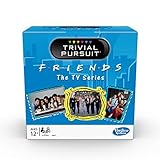
Overview: The Hasbro Gaming Trivial Pursuit: Friends Edition transforms the classic board game into a portable, card-only experience with 600 trivia questions spanning all ten seasons of the beloved sitcom. This Amazon exclusive celebrates the show’s 25th anniversary with a clever wedge-shaped carrying case that eliminates the traditional gameboard, making it perfect for travel and spontaneous game nights. Questions cover iconic moments from Ross and Rachel’s Vegas wedding to Phoebe’s Holiday Armadillo, designed for tweens, teens, and adults ages 12 and up.
What Makes It Stand Out: The boardless design is a game-changer for portability while maintaining the authentic Trivial Pursuit experience. The wedge-shaped case isn’t just thematic—it’s genuinely functional for storage and travel. As an officially licensed Hasbro product, the quality and accuracy of all 600 questions are guaranteed, covering deep-cut references that only true fans would know. The compact nature means you can bring Friends trivia to any gathering without lugging around a full board game setup.
Value for Money: This edition offers exceptional value for licensed merchandise, delivering 600 questions at a price point comparable to standard card games. The compact format reduces manufacturing costs while preserving gameplay quality, making it more affordable than traditional board game versions. The Amazon exclusive pricing often includes discounts, and the sheer volume of questions ensures months of replayability before any repetition occurs.
Strengths and Weaknesses: Strengths include the ultra-portable wedge case, comprehensive question database, official Hasbro licensing, quick setup time, and strong gift appeal. Weaknesses include being too niche for non-Fans, inconsistent question difficulty, the lack of a gameboard might disappoint traditionalists, and simpler gameplay mechanics than the original board game version.
Bottom Line: An essential purchase for Friends superfans seeking authentic, portable trivia fun. It successfully condenses the full Trivial Pursuit experience into a travel-friendly format perfect for parties and casual gatherings.
7. FAFO GAMES The Gen-X Challenge - 80s and 90s Trivia Card Game with 600 Trivia Cards - Pop Culture Trivia Game with Movies, Music, TV Shows - Ideal for Game Night, Christmas, Birthday, or Gift

Overview: FAFO GAMES’ Gen-X Challenge is a nostalgia-packed trivia card game that transports players back to the 80s and 90s with 600 meticulously researched questions covering movies, music, TV shows, toys, and arcade culture. Designed specifically for adults in their 40s and 50s, the game celebrates an era before smartphones when experiences were shared face-to-face. The durable keepsake box houses cards that spark memories of couch cushion forts, Blockbuster rentals, and quarter-eating arcade sessions.
What Makes It Stand Out: The game’s authenticity shines through its deep cultural research, capturing the genuine Gen-X experience rather than surface-level references. The durable card construction is built for countless game nights, while organized categories ensure smooth gameplay. The theme is perfectly targeted—evoking powerful nostalgia that transcends mere trivia, creating storytelling moments where players share personal memories triggered by the questions.
Value for Money: With 600 high-quality cards at a mid-range price point, this game delivers substantial content that would cost significantly more if purchased as separate themed decks. The durable construction ensures longevity, making it cheaper per-play than disposable entertainment options. It’s an excellent gift value for milestone birthdays, offering months of engagement at a fraction of the cost of a night out.
Strengths and Weaknesses: Strengths include comprehensive 80s/90s coverage, durable cards, attractive keepsake packaging, excellent conversation-starting potential, and well-organized categories. Weaknesses include potential alienation of younger players, some extremely obscure references, lack of gameplay variation beyond standard trivia, requirement for a knowledgeable host, and the box requiring significant storage space.
Bottom Line: A perfect time capsule for Gen-Xers that delivers authentic nostalgia with substantial content. Ideal for reconnecting friends over shared memories and creating new ones.
8. Urban Trivia - Black Card Game for The Culture! Fun Trivia on Black TV, Movies, Music, Sports, & Growing Up Black! Great for Adult Game Nights and Family Gatherings.

Overview: Urban Trivia is a culturally rich card game celebrating Black culture through questions about iconic TV shows, movies, music, sports, and shared life experiences. Created by four Dallas friends who transformed their live trivia events into a card game in 2020, this Black-owned business delivers authenticity directly from the community. Questions are meticulously researched from their popular “man on the street” social media series, making it both entertaining and educational for all skill levels.
What Makes It Stand Out: The game’s genuine cultural perspective sets it apart—it’s created by and for the culture, not about it. The community-sourced research methodology ensures questions resonate with authentic experiences rather than stereotypes. This inclusive design welcomes everyone while maintaining cultural integrity, serving as both entertainment and educational tool that bridges generational gaps through shared cultural touchstones and storytelling.
Value for Money: Supporting a Black-owned business adds intangible value beyond the game itself. The meticulously researched content matches mainstream trivia games in quality while offering culturally specific education. Price is competitive with similar card games, but the educational component and community engagement provide additional worth. The cultural authenticity justifies every penny.
Strengths and Weaknesses: Strengths include genuine cultural authenticity, inclusive gameplay mechanics, strong educational value, support for Black entrepreneurship, community-researched content, and excellence for family gatherings. Weaknesses include limited appeal for those completely unfamiliar with Black culture, some highly specific questions, newer brand with less market recognition, and potentially limited retail distribution.
Bottom Line: More than a game—it’s a powerful cultural celebration that educates while entertaining. Essential for game nights seeking authentic representation and meaningful connection.
9. Rent’em Spoons Martin Lawrence Trivia Card Game – Definitive ’90s Sitcom Quiz, Party Expansion for Adults, Families & Die-Hard Fans, Ultimate TV Show Fun & Gift Idea for Game Night Enthusiasts

Overview: Rent’em Spoons delivers a hyper-focused Martin Lawrence trivia experience with 100 cards packed with challenging questions about the iconic 90s sitcom. Designed for fans of all ages, this game explores Martin Lawrence’s performances and memorable scenes in depth. The user-friendly design emphasizes quick setup and easy rules, while its compact size makes it perfect for travel. Future expansion packs promise to keep the game fresh for dedicated collectors.
What Makes It Stand Out: The singular focus on one beloved sitcom creates a depth that broader TV trivia games can’t match. The planned expansion system shows long-term commitment to fans, transforming it from a simple card game into a collectible hobby. The straightforward rules eliminate barriers to entry, letting players immediately dive into nostalgic fun. It captures the show’s unique energy and humor while remaining accessible to newer viewers.
Value for Money: The affordable price point makes this an accessible entry into specialized trivia. While 100 cards is fewer than competitors, the expansion capability extends its lifespan indefinitely. It’s significantly cheaper than buying a general trivia game when you only care about one show. The collectible nature adds future value for die-hard fans.
Strengths and Weaknesses: Strengths include niche focus on Martin Lawrence, simple and quick rules, high portability, family-friendly design despite source material, expandable system, and collectible appeal. Weaknesses include limited 100-card base set reducing replay value, extremely specific niche requiring prior show knowledge, expansion packs not yet available, lack of gameplay variety, and potential for quick memorization.
Bottom Line: A must-have for Martin Lawrence superfans that delivers targeted fun with promising expansion potential. Perfect for themed parties and casual viewing companions.
10. Card Plug Pivot - The Friends TV Show Drinking Game - Fun Trivia Challenges for Fans of Friends - Test Your Knowledge or Take a Drink at Parties & Gatherings

Overview: Card Plug Pivot reimagines Friends trivia as a lively drinking game for ages 21 and up. The game features hundreds of Friends-themed questions where incorrect answers result in drinking penalties. Its compact, lightweight design makes it ideal for parties, bachelorette gatherings, and vacations. Players relive unforgettable episodes, iconic quotes, and hilarious moments while competing to prove who knows the show best—or who drinks the most.
What Makes It Stand Out: The drinking game mechanic adds a thrilling party dynamic that traditional trivia lacks, creating immediate stakes and laughter. The “answer wrong, take a drink” rule is simple but effective for social gatherings. Its ultra-portable size is perfect for bar crawls, weekend getaways, or spontaneous apartment parties. The game cleverly accommodates both casual viewers and superfans, making it accessible while still challenging.
Value for Money: The game offers solid value by combining trivia and drinking game formats into one affordable package. Its portability means you’ll actually use it regularly, unlike bulky board games. The price point is competitive with other adult party games, and the Friends theme adds premium appeal. It replaces the need for separate trivia and drinking games.
Strengths and Weaknesses: Strengths include unique drinking game integration, exceptional portability, inclusive of all fan knowledge levels, perfect for adult parties, and simple mechanics. Weaknesses include the 21+ age restriction, limited replayability once questions are memorized, exclusion of non-drinkers, potential for encouraging overconsumption, and complete lack of family-friendliness.
Bottom Line: The ultimate party starter for adult Friends fans that delivers laughs and nostalgia with drinking game energy. Ideal for social gatherings where alcohol is welcomed.
Why TV Show Trivia Games Are Perfect for Binge-Watchers
TV show trivia games tap directly into the obsessive attention to detail that binge-watching cultivates. When you consume entire seasons in single sittings, your brain forms unique connections between storylines, character development, and subtle foreshadowing that casual viewers simply don’t notice. These games reward that level of engagement while creating structured opportunities to relive your favorite moments.
The social component transforms solitary viewing into community celebration. Instead of shouting answers at your screen alone, you’re competing with fellow fans who share your passion. This shared experience validates the hundreds of hours you’ve invested and turns what might feel like a solitary hobby into a legitimate expertise worth showcasing.
Key Features to Look for in Modern Trivia Games
Classic Card and Board Formats
Traditional physical games remain popular for their tactile nature and face-to-face interaction. Look for games with high-quality cards that won’t wear out after multiple play sessions and boards that facilitate smooth gameplay. The best versions incorporate multiple question types beyond simple Q&A, including picture rounds, quote identification, and scenario-based challenges that test deeper understanding rather than rote memorization.
Digital App-Based Experiences
Mobile and tablet-based trivia games offer dynamic content updates that physical games can’t match. These platforms frequently add new questions tied to recent episodes or trending shows, ensuring your game stays relevant. The digital format also enables innovative features like timed challenges, adaptive difficulty that learns your strengths, and integration with streaming services to create personalized question sets based on your viewing history.
Interactive Party Games
Modern party-style trivia games emphasize performance and creativity over pure knowledge. These often include acting challenges where players must portray characters without naming them, or debate rounds where you argue why your favorite character would win in hypothetical scenarios. The focus shifts from remembering facts to demonstrating true fan fluency through improvisation and quick thinking.
Different Types of TV Show Trivia Games
Expandable Card Systems
Some trivia games function as starter sets with expansion packs for specific shows or genres. This modular approach lets you build a customized collection that reflects your exact interests. When evaluating these systems, consider the release schedule for new expansions and whether they cover both mainstream hits and cult classics that appeal to niche audiences.
Speed-Round Variants
Fast-paced trivia games introduce time pressure that mirrors the adrenaline of watching cliffhangers unfold. These formats typically involve rapid-fire questions with decreasing time limits, creating heart-pounding moments perfect for competitive groups. The best speed-round games balance urgency with fairness, ensuring quick thinkers aren’t unfairly penalized for methodical players who prefer to deliberate.
Visual and Clip-Based Challenges
The most immersive trivia games incorporate actual show footage, promotional photos, or set designs into their questions. Visual rounds might ask you to identify an episode from a single frame, spot continuity errors, or recognize locations. These multimedia elements engage different memory pathways and level the playing field between fans who remember what they saw versus those who focus on dialogue.
Solo Play vs. Group Dynamics
Single-Player Campaign Modes
Not every trivia session needs to be a social event. Single-player modes let you practice during solo binge sessions or challenge yourself when friends aren’t available. Look for games that track your progress over time, unlock achievements for mastering specific shows, and offer increasingly difficult tiers that push your knowledge to its limits without becoming frustrating.
Team-Based Competitions
The best group trivia games facilitate team play without creating logistical nightmares. Consider how easily the game scales from two players to large parties, whether it accommodates uneven team sizes fairly, and if it includes mechanics that prevent dominant players from monopolizing the experience. Collaborative elements that require team discussion before answering can be particularly engaging.
Casual Family-Friendly Options
If your viewing habits include family-friendly content, seek games with adjustable content filters. Some trivia games let you disable questions from mature shows or focus exclusively on all-ages programming. The question tone should be inclusive rather than exclusionary, celebrating fan knowledge without making less-dedicated players feel inadequate.
Difficulty Levels and Player Demographics
Hardcore Fan Challenges
Ultra-difficult trivia games cater to viewers who’ve rewatched their favorite series multiple times and devour behind-the-scenes content. These games probe minutiae like production details, writer commentary, and obscure guest stars. The satisfaction comes from answering questions that would stump even casual fans of the show, creating an elite tier of gameplay for true devotees.
Niche Genre Specialization
Rather than covering all television broadly, some games focus exclusively on specific genres like sci-fi, reality TV, or animated series. This specialization allows for deeper, more satisfying questions that respect the unique conventions and history of each genre. For binge-watchers who specialize in particular types of content, these focused games offer more value than generalist alternatives.
Decades and Era-Based Themes
Television history spans nearly a century, and era-specific trivia games let you showcase knowledge of particular time periods. Whether you’re a student of 90s sitcoms or an expert on prestige dramas of the 2010s, these games create nostalgic journeys through television’s evolution. The best ones contextualize questions within historical broadcasting trends and cultural moments.
Theme-Specific vs. General TV Knowledge
Content Refresh Mechanisms
The television landscape moves rapidly, with new shows becoming cultural phenomena overnight. Games that offer regular content updates—whether through app downloads, subscription services, or expansion packs—stay relevant longer. Investigate how frequently new questions are added and whether the update model requires additional purchases or comes included with the base game.
Modular Difficulty Scaling
Advanced trivia games include dynamic difficulty that adjusts based on player performance. If your group consistently aces questions about comedies but struggles with dramas, the game should adapt accordingly. This scaling ensures everyone remains engaged rather than bored by easy questions or demoralized by impossibly hard ones.
Social Integration Features
Modern trivia games increasingly incorporate social media elements, letting you share achievements, challenge remote friends, or compare scores with global leaderboards. While not essential for everyone, these features extend the game beyond physical gatherings and create ongoing engagement between trivia nights. Consider whether you want a self-contained experience or one that connects to broader fan communities.
Budget Considerations
Premium Collector’s Editions
High-end trivia games often feature premium components like metal tokens, embossed boxes, or exclusive artwork. While these collectibles appeal to dedicated fans, consider whether the price premium delivers actual gameplay value or just aesthetic appeal. Sometimes the standard edition provides identical question content without the fancy packaging.
Budget-Friendly Entry Points
Affordable trivia games can offer tremendous value, especially for testing whether a particular format resonates with your group. Many excellent options exist under $25, particularly digital apps or compact card games. These lower-priced entry points let you experiment with different styles before investing in more elaborate systems.
Long-Term Value Assessment
Calculate cost-per-play when evaluating trivia games. A $50 game you play monthly for years offers better value than a $20 game you play twice and shelve. Consider replayability, expansion potential, and whether the game grows with your evolving interests. The best trivia investments adapt as your binge-watching habits change.
Hosting the Perfect Trivia Night
Creating the Right Atmosphere
Transform your living room into a game show set with themed decorations, appropriate lighting, and comfortable seating arranged for team interaction. Background music from iconic show soundtracks adds ambiance without distracting from gameplay. The environment should feel special and distinct from regular TV watching, elevating the trivia session into an event.
Structuring Your Game Flow
Plan your trivia night with clear rounds, breaks, and pacing that mirrors a well-edited episode. Start with easier warm-up questions, build to challenging middle rounds, and finish with high-stakes final questions. Include variety—mixing straight Q&A with creative challenges keeps energy levels high and prevents mental fatigue.
Managing Competitive Dynamics
Establish house rules that match your group’s temperament. Some friends thrive on cutthroat competition, while others prefer collaborative celebration of shared knowledge. Include handicap systems that let newer fans contribute meaningfully alongside veteran binge-watchers. The goal is everyone feeling invested, not intimidated.
Building Your Own Trivia Collection
Curating Across Formats
A well-rounded trivia library includes different game types for different occasions. You might want a quick-play card game for casual weeknights, a comprehensive party game for large gatherings, and a digital app for solo practice. Each format serves distinct purposes, and variety prevents your trivia nights from becoming repetitive.
Rotating Content Regularly
Even the best trivia games can feel stale after repeated plays. Rotate between different shows and game styles to maintain freshness. Consider retiring games temporarily and reintroducing them months later when you’ve had time to forget specific answers. This cycling mimics how streaming services rotate their catalogs, creating anticipation for familiar favorites.
Community and Fan-Created Content
Engage with online fan communities that create and share custom trivia questions. Many dedicated fans develop supplemental content for popular games, offering unofficial expansions that capture niche aspects of shows. While quality varies, these community contributions can breathe new life into existing games and introduce you to series you might have overlooked.
Frequently Asked Questions
What makes a TV show trivia game different from general trivia games?
TV show trivia games focus specifically on television content, including character arcs, episode details, production facts, and cultural impact. They often incorporate visual elements like screenshots or audio clips, and questions tend to be more narrative-driven compared to the factual recall typical of general trivia.
How many players do these games typically support?
Most TV show trivia games accommodate 2-8 players comfortably, with party-style games supporting larger groups through team play. Digital apps often allow for remote multiplayer with no upper limit, while specialized party games can scale to 20+ players with modified rules.
Can I play TV show trivia games if I haven’t watched every episode?
Absolutely. Quality games include multiple difficulty tiers and question types that reward different levels of engagement. Many also offer “spoiler-free” modes that focus on early seasons or general knowledge, allowing newer fans to participate without feeling lost.
Are digital trivia games better than physical ones?
Neither is inherently better—they serve different purposes. Digital games excel at content updates, multimedia questions, and remote play. Physical games offer tactile satisfaction, work without internet connectivity, and create more focused social interaction. Many enthusiasts maintain both types.
How often should I expect to update or expand my trivia game?
This depends on your viewing habits. If you follow current shows, look for games with quarterly updates. For classic series-focused games, expansions might only be necessary annually. The base game should provide 20+ hours of unique gameplay before needing supplements.
What age ranges are appropriate for TV show trivia games?
Age suitability varies dramatically based on content. Family-friendly games work for ages 10+, while mature-themed trivia should be restricted to older teens and adults. Always check content ratings and consider whether question complexity matches the players’ comprehension levels.
How do I prevent one knowledgeable player from dominating?
Implement team-based play, include creative challenges that reward performance over memorization, use handicapping systems where experts answer harder questions, and incorporate random elements that give less knowledgeable players strategic advantages.
Can these games be played virtually with remote friends?
Many modern trivia games include digital versions or companion apps designed for online play. For physical games, video conferencing works well if one person moderates and shares questions on-screen. Some apps specifically facilitate remote multiplayer with synchronized gameplay.
What’s the average playtime for a trivia game session?
Most sessions run 45-90 minutes, though this varies by format. Quick-play card games might last 20 minutes, while epic party games with multiple rounds can extend to 2+ hours. The best games include natural stopping points that let you adjust session length.
How do I choose between show-specific and general TV trivia games?
Select show-specific games if your group shares deep knowledge of particular series. Choose general TV trivia for diverse friend groups with varied interests, or if you want flexibility to explore different genres. Many collectors maintain both types for different occasions.
See Also
- How to Solve Boring Game Nights with the 10 Best TV Show Trivia Games in 2026
- 10 Best TV Show Trivia Games for Couch Potatoes and Binge-Watchers This Year
- 10 Essential TV Show Trivia Games Every Fan Needs in 2026
- 10 Expert-Recommended Word Trivia Games for Language Lovers in 2026
- 10 Game-Changing Adult Trivia Games for Game Night Enthusiasts in 2026