Table of Contents
Looking for the perfect way to disconnect from screens and reconnect with your loved ones? Tile placement games have emerged as the ultimate family game night champions, offering that sweet spot between strategic depth and accessible gameplay that works for ages 8 to 80. These tactile, visual games transform your table into a growing landscape where every decision matters, yet luck never completely dominates skill—making them ideal for mixed-age groups where you want everyone to feel genuinely engaged.
As we head into 2026, the tile placement genre has evolved far beyond its classic roots, introducing innovative mechanics that cater specifically to modern families. Whether you’re battling for the best castle layout, collaboratively building a thriving ecosystem, or racing to complete intricate patterns, these games create those magical moments where your teenager is actually laughing with their younger sibling, and grandparents are high-fiving over clever moves. The best part? They typically offer immediate visual feedback, so even when someone’s losing, they can see their beautiful creation taking shape.
Top 10 Tile Placement Games for Family
Detailed Product Reviews
1. Azul Asmodee Azul Board Game - Award-Winning Tile-Placement Strategy Game, Beautiful Mosaic Art, Family Fun for Kids & Adults, Ages 8+, 2-4 Players, 30-45 Minute Playtime
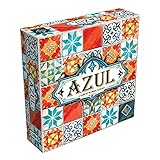
Overview: Azul is an award-winning tile-placement strategy game where players craft stunning mosaics inspired by Portuguese azulejos. Designed for 2-4 players ages 8+, it delivers a satisfying 30-45 minute experience that balances accessibility with strategic depth. The core mechanic involves drafting colorful tiles from shared factories to complete personal boards, creating a visually striking tableau.
What Makes It Stand Out: The tactile satisfaction of handling substantial, beautifully crafted tiles sets Azul apart. The game’s genius lies in its simple rules masking deep strategic layers—every decision ripples through subsequent turns. The aesthetic appeal is undeniable; completed player boards transform into miniature art pieces. Its unique scoring system rewards both planning and adaptability, while the “factory” tile drafting creates engaging player interaction without direct conflict.
Value for Money: At its standard retail price, Azul delivers exceptional value. The premium components—heavy resin tiles and quality boards—feel luxurious compared to similarly priced Eurogames. Unlike disposable entertainment, its high replayability ensures hundreds of plays before patterns feel repetitive. Competing games in this category often cost 20-30% more with inferior components.
Strengths and Weaknesses: Strengths include gorgeous components, intuitive ruleset, perfect playtime, and scalable complexity. The tactile experience is unmatched. Weaknesses: scoring can be opaque for first-timers, and the base game offers limited player interaction for those seeking direct competition. The color palette may challenge colorblind players.
Bottom Line: Azul is a modern masterpiece that belongs in every collection. It bridges casual and serious gaming flawlessly, making it ideal for families and hobbyists alike. While not aggressively interactive, its elegant design and production quality justify immediate purchase.
2. Tile Lock Scrabble by Winning Moves Games USA, Innovative Gameboard Locks Tiles in Place, for 2 to 4 Players, Ages 8 and Up

Overview: Tile Lock Scrabble solves the classic frustration of disrupted boards with an innovative all-plastic design featuring small posts that secure letter tiles firmly in place. This version preserves everything beloved about traditional Scrabble—100 tiles, 4 racks, standard scoring—for 2-4 players while eliminating accidental chaos. The board includes protective rubber feet and can even be lifted vertically without spillage.
What Makes It Stand Out: The revolutionary locking mechanism transforms the Scrabble experience. Those tiny posts, while seemingly simple, eliminate 90% of gameplay interruptions. The ability to pick up the board like a magazine for better viewing is genuinely game-changing for players with mobility issues or limited table space. It maintains the authentic Scrabble feel while adding modern practicality that physical word games desperately needed.
Value for Money: Priced comparably to standard Scrabble editions, Tile Lock offers superior functionality without premium cost. The plastic construction, while less elegant than wood, ensures durability for decades. For families with children or frequent players, the frustration savings alone justify the purchase. Standard Scrabble requires separate tile trays; this integrates the solution seamlessly.
Strengths and Weaknesses: Strengths: unshakeable tile security, travel-friendly design, accessibility benefits, and preserved classic gameplay. The rubber feet prevent surface damage. Weaknesses: plastic feels less premium than wooden boards, posts can make tile removal slightly fiddly for arthritic hands, and the aesthetic lacks the classic coffee-table appeal. Tile ridges may collect dust over time.
Bottom Line: Tile Lock Scrabble is the definitive physical version for practical players. While sacrificing some traditional elegance, it delivers frustration-free gameplay that families and serious word enthusiasts will appreciate. If you play Scrabble more than twice a year, this upgrade is essential.
3. Promithi 65 Tiles 30mm Seaside Game Blocks, Tiles Escape Game for Kids in ABS Plastic Material Set with 4 DIY Stickers Plastic Mahjong Style, Simple Packaging

Overview: The Promithi 65-piece tile set provides 30mm ABS plastic squares designed for creative gameplay, accompanied by four DIY sticker sheets for customization. Marketed as a “seaside escape” game with Mahjong-style mechanics, this lightweight set targets families seeking screen-free entertainment. The simple packaging emphasizes function over presentation, delivering basic components for improvisational gaming at home or while traveling.
What Makes It Stand Out: The DIY sticker element offers rare customization potential, allowing families to create themed tiles or replace worn designs. At 30mm, these tiles fit comfortably in small hands while remaining manageable for adults. The ABS plastic construction ensures durability against drops and spills—critical for camping or travel. Its social media-driven concept taps into trending mechanics without requiring expensive branded sets.
Value for Money: This budget-friendly set costs significantly less than proprietary tile games, making it accessible for casual play. However, the lack of included rules or structured gameplay requires buyers to research mechanics independently. Compared to complete games, it’s essentially a component kit. For crafty families who enjoy creating their own games, the value is excellent; for others seeking ready-to-play experiences, it may feel incomplete.
Strengths and Weaknesses: Strengths: lightweight portability, customizable stickers, durable plastic, low cost, and versatile usage. The 65-count suits various game variations. Weaknesses: ambiguous instructions, minimal aesthetic appeal, thin packaging prone to damage, and no official rulebook. Tiles lack the satisfying weight of resin or wood. The DIY aspect may frustrate those wanting immediate gameplay.
Bottom Line: Promithi’s tile set suits creative gamers comfortable with improvisation. It’s a functional, affordable building block for custom games but falls short as a standalone product. Purchase only if you’re willing to design your own experience or already understand the target gameplay mechanics.
4. Asmodee Azul Crystal Mosaic Board Game EXPANSION - Tile-Placement Strategy, Family Fun for Kids & Adults, Ages 8+, 2-4 Players, 30-45 Minute Playtime

Overview: The Crystal Mosaic expansion elevates the base Azul experience with four double-sided player boards and innovative plastic overlays featuring ridge systems. Designed for 2-4 players, this add-on introduces fresh scoring opportunities and organizational benefits without altering Azul’s beloved core mechanics. The expansion integrates seamlessly, offering veteran players new strategic dimensions while maintaining the 30-45 minute playtime.
What Makes It Stand Out: The plastic overlays are transformative—keeping tiles perfectly aligned during intense gameplay eliminates analysis paralysis caused by accidental bumps. Double-sided boards provide meaningful variety: one side refines original scoring while the other introduces wild new patterns. This isn’t mere content padding; each board genuinely shifts strategic priorities, demanding adapted approaches and dramatically extending Azul’s lifespan.
Value for Money: As an expansion, Crystal Mosaic punches above its weight class. The component quality matches the base game’s premium feel, and the overlays alone justify the price for serious players. While not essential for casual enjoyment, it costs roughly 30% of the base game while adding 50% more variability. Compared to other board game expansions that merely add cards, this provides tangible, functional upgrades.
Strengths and Weaknesses: Strengths: dramatically improved tile organization, genuinely varied board layouts, maintains aesthetic excellence, and integrates effortlessly. The overlays reduce setup time between rounds. Weaknesses: requires base Azul (no standalone play), may overwhelm newer players, and adds minimal components for the price. Some purists prefer the original board’s simplicity.
Bottom Line: Crystal Mosaic is a must-have for Azul enthusiasts who’ve played the base game extensively. The organizational benefits and strategic variety justify the investment, but casual players should master the original first. It’s a premium upgrade that respects what made Azul great.
5. Forever Home – Family Board Game About Rescuing and Training Dogs | Tile Placement & Pattern Building Strategy Game by Birdwood Games | Ages 8+ | 1–5 Players | 20–45 Min

Overview: Forever Home by Birdwood Games casts players as shelter workers rescuing and training dogs through tile placement and pattern building. Supporting 1-5 players ages 8+, this heartwarming strategy game delivers 20-45 minute sessions combining drafting and set collection mechanics. The production features colorful boards, charming dog artwork, and sturdy wooden markers that reinforce its premium family-game positioning.
What Makes It Stand Out: The dog rescue theme resonates emotionally without sacrificing strategic depth. Unique combinations of dog abilities and advanced player boards create surprising variability, while the dedicated solo mode offers genuine challenge—not an afterthought. The game scales elegantly from single-player to full groups, maintaining tension across all counts. Its positive messaging about animal welfare distinguishes it in a crowded market.
Value for Money: Forever Home competes directly with gateway games like Azul and Wingspan, offering comparable component quality and replayability. The inclusion of a robust solo mode effectively provides two games in one, enhancing value. While priced at a premium tier, the wooden dog markers and thick tiles justify the cost. For families seeking meaningful themes alongside solid mechanics, it delivers better long-term value than licensed character games.
Strengths and Weaknesses: Strengths: emotionally engaging theme, excellent solo implementation, scalable player counts, high-quality components, and accessible ruleset. The artwork is universally appealing. Weaknesses: theme may not suit all players, strategy can feel familiar to seasoned gamers, and setup involves sorting multiple tile types. Box organization could be improved.
Bottom Line: Forever Home successfully merges heartfelt theme with satisfying gameplay. It’s an excellent choice for families and dog lovers wanting more depth than typical licensed games. While not revolutionary mechanically, its execution and solo mode make it a strong contender for frequent table time.
6. Pressman Rummikub - The Original Rummy Tile Game | Exciting Family Game of Strategy and Luck | Promotes STEM Skills | For Kids, Teens, Adults | 2-4 Players, Ages 8+
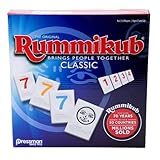
Overview: Pressman Rummikub is the original rummy tile game that has sold over 55 million units worldwide. Players arrange numbered tiles into runs and groups, racing to empty their rack first. This classic game combines luck and strategy in a format accessible to ages 8 and up, making it a staple for family gatherings and game nights.
What Makes It Stand Out: Its longevity and universal appeal are unmatched—this isn’t a fleeting trend but a proven classic. The game genuinely reinforces STEM skills like pattern recognition and sequencing without feeling educational. The tactile tiles and simple rules create an intergenerational bridge, where grandparents and grandchildren compete on equal footing.
Value for Money: Typically priced under $20, Rummikub offers exceptional value. Comparable card games cost similar amounts but lack the durable tiles and timeless replayability. This is a one-time purchase that will serve your family for decades.
Strengths and Weaknesses: Strengths include durable components, easy-to-learn rules, strong replay value, and true skill development. Weaknesses: the initial learning curve for arranging manipulations can frustrate younger players, and luck of the draw sometimes outweighs strategy.
Bottom Line: Rummikub remains essential for any family game collection. Its blend of accessibility and depth ensures it will be played for years. Highly recommended for those seeking a proven, educational, and engaging classic.
7. Wild Flowers Family Fun Strategy Game, Grow & Claim Flowers by Placing Tiles & Bumble Bees to Secure Your Blooms Before Others, Complete Garden Cards to Score Big! Solo Play & 1 to 4 Players Aged 8+

Overview: Wild Flowers is a vibrant tile-placement strategy game where players grow flowers petal-by-petal and claim them with bumblebees. Designed for 1-4 players ages 8 and up, it offers both competitive and solo modes. The game ends when someone places all five bees, creating a quick yet engaging 20-45 minute experience focused on pattern completion and set collection.
What Makes It Stand Out: The collaborative garden board with individual goals creates a unique dynamic—you’re building together while competing. The bee placement mechanic adds a satisfying tactile element. Its scalability from solo to four players makes it unusually versatile for a family game, and the artwork is genuinely frame-worthy.
Value for Money: Positioned in the $25-30 range, Wild Flowers competes with games like Cascadia. The component quality and dual solo/multiplayer modes justify the price, offering essentially two games in one package.
Strengths and Weaknesses: Strengths include beautiful aesthetics, accessible rules with strategic depth, excellent solo mode, and family-friendly gameplay. Weaknesses: the luck of tile draws can frustrate strategic players, and the score tracking could be more intuitive for younger participants.
Bottom Line: Wild Flowers is a delightful addition to any family collection. Its blend of beauty, accessibility, and strategic nuance makes it perfect for varied game nights. Recommended for families seeking a visually stunning, versatile strategy game.
8. A Gentle Rain – Calming Tile-Laying Puzzle Game – Mindful Solo, 2-Player, or Cooperative Play in 15 Minutes – Soft-Touch Tiles & Wooden Blossoms – Compact, Giftable, Family-Friendly Board Game
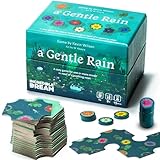
Overview: A Gentle Rain is a mindful tile-laying puzzle that prioritizes calm over competition. Players place 28 soft-touch tiles to create a tranquil lake where eight wooden blossoms bloom. Designed for solo, two-player, or cooperative play in just 15 minutes, it offers a meditative reset without points or pressure, focusing entirely on the experience.
What Makes It Stand Out: This game occupies a rare niche: it’s intentionally non-competitive. The sensory components—soft-touch tiles, wooden blossoms, and hand-drawn art—create a therapeutic experience. It’s a palate cleanser from aggressive strategy games, focusing on presence and quiet connection rather than victory or complex decisions.
Value for Money: At around $30, it’s pricier than typical fillers, but you’re paying for premium materials and a unique experience. Comparable mindfulness products cost more while offering less interactivity. It’s a specialized tool for mental wellness that justifies its cost.
Strengths and Weaknesses: Strengths include exceptional component quality, genuine relaxation benefits, portable size, and inclusive gameplay. Weaknesses: those seeking strategic depth will find it lacking, and the novelty may fade after repeated solo sessions. It’s not a traditional “game.”
Bottom Line: A Gentle Rain is perfect for those needing mindful downtime. It’s less a game than a meditation tool, making it an ideal gift for stressed adults or families seeking screen-free calm. Recommended for its intended purpose, not for competitive gamers.
9. Slide | Fast & Fun Tile Placement Card Game Where the Lowest Score Wins | Beginner & Family Friendly Strategy Board Games | A Tabletop Favorite for Kids & Adults | Ages 7+ | 2 - 6 Players | 15 Min

Overview: Slide is a fast-paced tile placement card game where the lowest score wins. Designed for 2-6 players ages 7 and up, each round takes just 15 minutes. Players strategically slide numbered tiles into their personal grid, making clever choices to minimize their total while adapting to opponents’ moves and anticipating future draws in this engaging puzzle.
What Makes It Stand Out: The inverted scoring mechanic—aiming for lowest score—is instantly refreshing and intuitive. The game balances accessibility with genuine strategic depth, making it rare for a 15-minute filler. Its scalability from 2-6 players without significant downtime keeps everyone engaged throughout the brief but satisfying experience.
Value for Money: Priced around $15-20, Slide competes with classics like Sushi Go. It offers more strategic meat than most party games while remaining approachable, delivering excellent replay value and variety for the modest cost. The compact box adds portability.
Strengths and Weaknesses: Strengths include lightning-fast gameplay, easy-to-learn rules, surprising strategic depth, and excellent player scaling across all counts. Weaknesses: the luck of card draws can swing results, and AP-prone players may slow the intended pace. Player interaction remains indirect rather than confrontational.
Bottom Line: Slide is a must-have filler game that satisfies both casual families and strategy enthusiasts. Its quick, clever gameplay makes it perfect for opening or closing game nights. Highly recommended for anyone seeking an accessible, replayable game with a fresh twist.
10. Shallow Sea Board Game – Strategy Tile-Placement Game for Adults & Families | 1–4 Players, 30–45 Min Play | Build Coral Reef Ecosystem, Ocean Puzzle Game, Nature-Inspired

Overview: Shallow Sea is a strategy tile-placement game where players build coral reef ecosystems. For 1-4 players ages 10 and up, sessions last 30-45 minutes. You strategically place coral and sea-life tiles to attract fish, complete ecosystem patterns, and score points in this nature-inspired puzzle that balances planning with adaptation.
What Makes It Stand Out: The premium component quality is immediate—76 detailed coral tiles, 88 sea-life tokens, and custom wooden pieces create an immersive tactile experience. The ecosystem theme isn’t just aesthetic; it drives meaningful strategic decisions about habitat connectivity and synergy. Solo mode is fully realized, not an afterthought, with dedicated ecosystem cards.
Value for Money: At approximately $40-45, Shallow Sea sits in the premium family game tier. The component density and quality rival games costing significantly more, making it fairly priced for what you receive. It’s an investment piece that will last.
Strengths and Weaknesses: Strengths include stunning artwork, strategic depth with accessible rules, excellent solo play, and high replayability through unique card combinations. Weaknesses: the higher price may deter casual buyers, and the age 10+ rating excludes younger family members. Setup is somewhat involved with many pieces.
Bottom Line: Shallow Sea successfully blends beauty and strategy, appealing to hobby gamers and families alike. Its quality and depth justify the price. Recommended for those seeking a thematic, strategic game with lasting replay value and premium components.
Understanding Tile Placement Games for Families
What Defines a Tile Placement Game
Tile placement games center around players adding physical tiles to a shared or personal board, creating patterns, networks, or landscapes that generate points or trigger effects. Unlike abstract strategy games, modern family-friendly versions incorporate engaging themes—from farming villages to underwater kingdoms—that help younger players grasp objectives intuitively. The core satisfaction comes from physically handling components and watching your board state transform with each turn, providing tangible progress that keeps everyone invested regardless of who’s technically “winning.”
Why They Work Perfectly for Family Game Nights
The genre excels at family settings because they naturally accommodate different thinking styles. Visual learners thrive on the spatial puzzle aspect, while analytical minds dive into optimization strategies. These games typically feature minimal downtime since turns are quick, preventing the restless phone-checking that plagues many family gatherings. The physical act of placing tiles also creates natural conversation starters—“Look how my city is expanding!"—breaking down the awkward silence barriers that sometimes form around competitive activities.
The Evolution of Modern Family Gaming
Today’s tile placement landscape bears little resemblance to the dry, abstract games of decades past. Designers now prioritize emotional engagement alongside mechanical elegance. You’ll find games where players build cooperative stories, create stunning tableaus worthy of Instagram posts, or engage in gentle competition where helping others can sometimes help yourself. This evolution means families no longer have to choose between “fun for kids” and “bearable for adults”—the best modern entries genuinely satisfy both simultaneously.
Key Features to Consider When Choosing
Age Appropriateness and Complexity Levels
When evaluating games for your family, look beyond the manufacturer’s age recommendation and assess the cognitive demands. Does the game require reading? Can non-readers participate using symbol recognition? The best family games include “family variants” that simplify scoring for younger players while keeping the core experience intact for adults. Consider whether the game scales complexity smoothly—can you start simple and add layers as your children grow? This extendibility transforms a purchase into a multi-year investment rather than a six-month novelty.
Player Count Flexibility
Family sizes vary dramatically, and the ideal tile placement game adapts accordingly. Some games shine at exactly four players but feel cramped or empty with three or five. Look for titles that include official solo modes—perfect for learning rules before teaching, or for entertaining a child when siblings are busy. Games that support 2-6 players with consistent playtime across all counts offer maximum utility. Pay special attention to how the game handles two players versus four; some scale elegantly while others require significant rule adjustments that can confuse younger participants.
Game Duration and Attention Spans
The sweet spot for family game night typically falls between 30-45 minutes—long enough to feel substantial but short enough to maintain energy. Investigate whether the game length increases linearly with player count or explodes exponentially as more people join. Some clever designs maintain constant playtime regardless of participants by adjusting the tile pool. For families with younger children, consider games with natural “save points” where you can pause and resume later without losing the experience, or those offering shortened variants that preserve the full strategic flavor in half the time.
Theme and Visual Appeal
Never underestimate the power of beautiful artwork to captivate reluctant players. Games featuring vibrant, storybook-style illustrations draw children in before they even understand the rules. Themes that align with your family’s interests—whether that’s nature, architecture, fantasy, or food—create immediate buy-in. The visual clarity matters enormously too; can a player glance at the table and immediately understand the board state? Games using intuitive iconography rather than text-heavy explanations reduce the cognitive load on parents who act as rule-keepers, freeing everyone to focus on fun.
Component Quality and Durability
Family games face rough handling—spilled drinks, sticky fingers, and enthusiastic shuffling. Thick cardboard tiles with linen finishes resist wear and feel satisfying to handle. Plastic inserts that keep components organized during storage save precious setup time and prevent pieces from scattering. Consider the footprint: does the game require an enormous table that dominates your dining room, or can it compress for smaller spaces? Games with dual-layer player boards prevent accidental tile shifting, a common frustration source for perfectionist children who get upset when their carefully placed tiles get bumped.
Essential Game Mechanics to Understand
Scoring Systems That Engage Young Players
The best family tile placement games feature scoring that feels immediately rewarding. Look for games where points come from completing visible goals—finishing a pattern, surrounding a feature, or connecting matching elements—rather than complex end-game calculations that require a spreadsheet. Some innovative designs incorporate “point salad” approaches where almost every action generates some progress, ensuring younger players feel successful even when they don’t win. Progressive scoring, where players track points throughout the game rather than just at the end, maintains engagement and provides teaching moments about strategy adjustment.
Interaction Levels: Competitive vs. Cooperative
Consider your family’s dynamic when choosing between competitive, cooperative, or “co-opetition” styles. Purely competitive games work well for families who thrive on friendly rivalry, but can devastate sensitive children. Cooperative tile placement games, where everyone builds together against the game itself, eliminate hurt feelings but sometimes suffer from “alpha player syndrome” where one person dictates all moves. The hybrid approach—competitive play with shared goals or limited resource pools—creates delicious tension while preventing runaway leaders. Some games include “family modes” that shift the interaction dial, letting you customize the experience to your group’s emotional readiness.
Setup and Cleanup Considerations
Nothing kills game night enthusiasm like a 20-minute setup followed by a frustrating teardown. Evaluate how many components require sorting and whether the box includes practical storage solutions. Games with bag-building elements—where you draw tiles from a cloth bag—often setup in under two minutes. Consider whether tiles need to be sorted by type or if they can be stored mixed together. The cleanup process matters too: can children help put the game away without parental micromanagement? Smart design includes intuitive component trays that even a tired 8-year-old can navigate successfully at 9 PM.
Replayability Factors
A game’s longevity depends on variable setups, randomized elements, and multiple viable strategies. Look for games offering different “scenarios” or modular boards that change the puzzle each session. Some titles include “achievement” systems where you unlock new content after several plays, creating campaign-like progression. The sweet spot for families combines enough randomness that the game feels fresh each time but not so much that skill becomes irrelevant. Consider whether the game rewards repeated plays—do you discover deeper strategies the fifth time that weren’t apparent initially? This discovery curve keeps parents engaged while children master fundamentals.
Expansion Potential
Many modern tile placement games offer expansions that add mechanics rather than just more content. This matters because a game your family loves at age 8 might feel simplistic by age 12. Expansions that introduce new layers—like special powers, advanced scoring, or alternative game modes—let the game mature alongside your children. However, be wary of games requiring expansions to feel complete; the base game should stand alone as a satisfying experience. Check whether expansions integrate seamlessly or create rule bloat that confuses younger players.
Creating the Ideal Family Game Night Environment
Setting Up Your Gaming Space
Designate a consistent game night location where interruptions are minimal. Good lighting is crucial—overhead lighting prevents eye strain, while avoiding glare on glossy tiles. Keep a small side table for drinks and snacks to protect the main playing area. Consider using a playmat or tablecloth with some grip; this prevents tiles from sliding on smooth surfaces and defines the gaming space psychologically. Have a “rules reference” cheat sheet laminated and nearby—this empowers older children to look up questions themselves rather than interrupting the flow to ask parents.
Managing Different Skill Levels
The key to harmonious multi-age play is implementing handicapping systems that don’t feel patronizing. Some games include official “family rules” where adults face restrictions or younger players receive head starts. For games without built-in balancing, create house rules: adults must play with their non-dominant hand, or teens can only score using secondary objectives. Another approach is team play, pairing younger children with adults for the first few games. This mentorship model teaches strategy organically while keeping everyone competitive. Rotate partnerships to prevent static dynamics and ensure all combinations interact.
Snack and Drink Strategies
Game night sustenance requires careful planning. Avoid greasy chips that leave residue on components; instead opt for popcorn, pretzels, or veggie sticks. Use cups with lids for younger players to prevent catastrophic spills. Consider timing: serve messy snacks during a pre-game period, then switch to non-messy options once tiles are on the table. Some families create a “game night tradition” with themed foods matching the game’s theme—building spatial reasoning skills while building anticipation. Always keep sanitizing wipes within arm’s reach; quick cleanups prevent sticky tiles that become unusable over time.
Dealing with Winning and Losing Gracefully
Tile placement games offer natural teaching moments for sportsmanship. Frame success around personal improvement: “Look how much better your pattern matching was this game!” rather than just victory. Implement a “victory lap” tradition where the winner shares their best move and what they’d do differently next time, normalizing that even winners aren’t perfect. For sore losers, shift focus to individual goals: “Your personal best score was 50 last month, and you got 58 tonight!” Some families keep a running chart tracking everyone’s high scores, creating multiple ways to “win” beyond a single game session. The physical nature of tile games helps here—admiring the beautiful board everyone created together provides positive closure regardless of the score.
Building Your Family’s Tile Placement Collection
Starting with Gateway Games
Begin your collection with games featuring simple rule sets but surprising depth—titles that teach in five minutes but reveal new strategies over months. Look for games with minimal exceptions to remember; the core loop should be place tile, score points, next player. These foundation games build your family’s shared vocabulary and spatial reasoning skills. Choose themes with broad appeal and artwork that makes you smile every time you open the box. A great gateway game should handle your maximum player count comfortably and work equally well with two players for those times when only one child wants to play.
When to Introduce More Complexity
After mastering gateway games, assess your family’s readiness for added layers. Signs include children asking about strategy unprompted, suggesting their own rule variants, or requesting “harder mode.” Introduce complexity gradually through games that add one new mechanic—perhaps tile drafting, resource management, or secret objectives. The transition should feel like a natural evolution, not a jarring jump. Watch for frustration cues; if setup takes longer than playtime enthusiasm, scale back. The goal is maintaining the “flow state” where challenge matches skill level, creating those addictive “just one more game” moments that define successful family traditions.
Storage Solutions for Growing Collections
As your collection expands, organization becomes critical for spontaneous game nights. Use shelving that displays boxes spine-out like books, making selection visual and quick. Invest in clear plastic bins for small expansions or promo tiles that come in baggies. Label everything—games, expansions, and even internal component bags—so children can help retrieve and put away games correctly. Some families create a “game of the week” display, rotating selections to surface forgotten favorites. Consider a separate “quick play” shelf for games that setup in under three minutes, perfect for squeezing in a session before dinner or homework.
Rotating Games to Maintain Interest
Even beloved games can become stale if overplayed. Implement a seasonal rotation: winter might feature cozy village-building games, while summer calls for lighter, breezier themes. Create a family “game journal” where after each session, everyone writes one thing they loved and one thing they’d change. This practice not only tracks preferences but makes children feel invested in curation. Occasionally host “legacy nights” where you modify a game permanently—stickering components, tearing up cards—to create a unique family heirloom. These shared experiences bond you more deeply than simply playing by the rules ever could.
Troubleshooting Common Family Gaming Challenges
Handling Short Attention Spans
For wiggly children, choose games where turns are lightning-fast—under 30 seconds once familiar. Incorporate “fidget-friendly” elements like tile drawing or component handling that keeps hands busy even when it’s not their turn. Use a visual timer to create urgency and fairness; when the sand runs out, turn ends. Some games naturally accommodate breaks by having clear round structures where you can pause without losing momentum. Consider playing in “mini-sessions” of 15 minutes with a clear save state, building a complete game across several evenings. This approach respects energy levels while maintaining narrative continuity.
Adapting Rules for Younger Children
Many tile placement games become accessible to much younger ages with simple tweaks. Remove scoring penalties for “mistakes,” allowing pure creative play. Let children place tiles without worrying about adjacency rules for their first few games, focusing on the joy of building. Create cooperative variants where everyone helps the youngest player achieve their personal goal. Use “dummy players” controlled by adults to maintain player count and game balance while reducing direct competition. The key is preserving the core tactile pleasure and sense of accomplishment while removing frustration points that stem from developmental differences.
Keeping Teens Engaged
Teenagers often resist family game night as “childish,” so choose games with sophisticated strategies that respect their growing intellect. Look for titles where “meta-gaming” emerges—recognizing opponents’ patterns and countering them strategically. Some games include advanced modules that teens can adopt while younger siblings play the basic version at the same table. Frame game night as a social event where they can invite friends; many tile placement games scale to larger groups perfect for teen gatherings. Allow them to research strategies online and become the family “expert,” giving them ownership and status that makes participation appealing rather than obligatory.
Managing Game Night Conflicts
Disagreements are inevitable when competition meets family dynamics. Establish a “game night charter” collaboratively—rules about turn timing, helping others, and handling disputes. Designate a rotating “game master” who has final say on rule interpretations, preventing parents from always being the “bad guy.” Use tile placement’s visual nature to resolve conflicts: if placement legality is unclear, take a photo and look it up later rather than stopping play. For recurring issues, implement a “caught being kind” point system where helpful behavior earns small advantages, aligning incentives with family harmony. Remember, the goal isn’t perfect gameplay; it’s creating positive shared memories.
Frequently Asked Questions
What age is appropriate to start introducing tile placement games?
Most families find success starting around age 6 with simplified rules, though some dexterity-based tile games work for 4-year-olds. The key is matching the child’s ability to handle small pieces and understand basic pattern matching. Start with games that emphasize creative building over strict scoring, then gradually introduce competitive elements as they develop strategic thinking around age 8-9.
How many tile placement games should a family own?
A curated collection of 3-5 games offers variety without overwhelming choice paralysis. Include one quick filler game (15 minutes), one medium-weight family game (30-45 minutes), and one longer epic game (60+ minutes) for special occasions. This covers different energy levels and time constraints while allowing each game to be played frequently enough to master its nuances.
Can tile placement games really help with children’s development?
Absolutely. These games strengthen spatial reasoning, pattern recognition, planning ahead, and fine motor skills. The tactile nature engages multiple learning modalities simultaneously. Many educators use tile placement games to teach mathematical concepts like geometry, probability, and optimization in a low-pressure environment. The social aspects also build turn-taking, graceful winning/losing, and collaborative problem-solving skills.
What’s the difference between tile placement and worker placement games?
Tile placement focuses on physically arranging tiles to create patterns or networks on a board. Worker placement involves assigning tokens (“workers”) to action spaces to claim resources or abilities. While some games combine both mechanics, tile placement emphasizes spatial relationships and visual building, whereas worker placement emphasizes resource management and action denial. For families, tile placement is often more intuitive and visually engaging.
How do I prevent my child from getting upset when they lose?
Shift focus from winning to personal improvement by tracking individual high scores over time. Implement cooperative variants where you play against the game together. Celebrate clever moves regardless of outcome, and model good sportsmanship yourself. Some families use a “victory point handicap” system where stronger players start with a disadvantage, creating more balanced outcomes while still rewarding skill development.
Are digital versions of tile placement games worth it?
Digital adaptations excel for solo practice and learning rules, but they can’t replicate the tactile satisfaction and social interaction of physical tiles. Consider them as supplements rather than replacements. Some families use apps for “weekday practice” then play the physical version together on weekends. The screen time trade-off is worthwhile if it leads to more confident and engaged physical game play.
How much should I expect to spend on a quality tile placement game?
Quality family tile placement games typically range from $25-$50, with premium titles featuring exceptional components reaching $60-$70. Price often correlates with component quality and replayability rather than complexity. A $40 game played 50 times costs less per hour than most entertainment options. Avoid budget games under $20 unless reviews specifically praise their durability; flimsy components frustrate children and wear out quickly.
What’s the best way to learn rules for a new game?
Watch a 10-minute rules explanation video together as a family, pausing to demonstrate concepts with actual components. Then play a “learning game” where everyone shows their hand and discusses options openly. Keep the rulebook nearby for quick reference, and don’t stress about mistakes in the first session. Many families find that teaching one parent thoroughly first, then having that parent teach everyone else, reduces confusion and creates a more patient learning environment.
Can we create our own tile placement game?
Absolutely! DIY tile games are fantastic creative projects. Start with blank cardboard squares and have children draw terrain types or patterns. Create simple scoring rules based on matching colors or completing shapes. This process teaches game design fundamentals and results in a personalized family heirloom. Many commercial games originated as homebrew projects. Just ensure tiles are similar size for easy shuffling and storage.
How do I store tile games to prevent piece loss?
Use resealable plastic bags for each tile type, labeling them clearly. Store games flat rather than vertically to prevent tiles from shifting and mixing. For games with many small pieces, consider investing in small plastic containers with compartments that fit inside the game box. Create a “lost and found” jar in your gaming area where stray pieces accumulate; check it monthly when putting games away. Involving children in the organization process teaches responsibility and ensures they know where everything belongs.
See Also
- The 10 Best Tile Placement Games for Family Game Night in 2026
- 10 Tips for Finding the Perfect Tile Placement Games for Game Night in 2026
- The 10 Best Tile Placement Games for Family Game Nights in 2026
- 10 Best Value Tile Placement Games for Family Fun in 2026
- 10 Essential Tile Placement Games Every Board Game Enthusiast Needs in 2026