Table of Contents
Tabletop role-playing games have entered a golden age of accessibility and creativity, making 2026 the perfect time to roll your first set of polyhedral dice. Whether you’ve been curious since watching actual play streams or you’re looking for a social hobby that combines storytelling with strategic thinking, the modern RPG landscape offers something for every interest and skill level. The barrier to entry has never been lower, with streamlined rules, digital tools, and welcoming communities ready to guide newcomers through their inaugural campaigns.
What makes this moment particularly exciting for beginners is the sheer diversity of approaches to collaborative storytelling. Gone are the days when starting meant memorizing hundreds of pages of complex mechanics. Today’s beginner-friendly games prioritize narrative flow, emotional engagement, and learning while playing. Understanding what to look for before diving in will save you time, money, and potential frustration while ensuring your first adventure feels magical rather than overwhelming.
Top 10 Tabletop Role-Playing Games for New Players
Detailed Product Reviews
1. Fallout: The Roleplaying Game Starter Set - Tabletop RPG Game
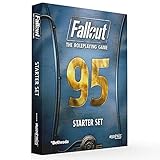
Overview: This starter set introduces players to the official Fallout tabletop RPG using Modiphius’ 2d20 system. Set in the Commonwealth around Boston, it provides everything needed to begin scavenging the wasteland: a condensed rulebook, quest book, dice, and character options. The design captures the video game’s post-nuclear atmosphere while translating VATS and SPECIAL mechanics into tabletop form, making it accessible for fans and newcomers alike.
What Makes It Stand Out: The set excels at authentic Fallout flavor through its streamlined 2d20 engine, which balances risk and reward like the video games. The included quest book offers a ready-to-run narrative, eliminating prep time. Its greatest strength is teaching the system gradually—newcomers learn while playing rather than reading dense manuals. The dice mechanics elegantly handle combat, dialogue, and exploration with a familiar VATS-style probability curve.
Value for Money: At typical starter set pricing ($30-35), this undercuts the $50+ core rulebook while delivering a complete play experience. The included dice, pre-written adventure, and character sheets represent significant savings versus buying components separately. For groups uncertain about committing to the full system, this provides a low-risk entry point with high replay potential for introductory campaigns.
Strengths and Weaknesses: Pros: Authentic Fallout atmosphere; accessible 2d20 tutorial; complete package; captures video game feel; excellent production values. Cons: Limited long-term campaign support; requires experienced GM; 2d20 system divisive; narrow setting scope may feel restrictive.
Bottom Line: Ideal for Fallout fans and curious newcomers, this starter set delivers an immersive wasteland experience. Traditional RPG players may find the system restrictive, but it perfectly captures the franchise’s essence and provides solid introductory value.
2. Avalon Hill Talisman: The Magical Quest Board Game, 5th Edition | Fantasy Tabletop Adventure Games | Ages 12 and Up | 2 to 6 Players | Roleplaying Strategy Games

Overview: Talisman returns in its 5th edition as a classic fantasy adventure board game for 2-6 players competing for the Crown of Command. Players journey through three regions of a magical land, acquiring power and Talismans while facing random encounters. The game blends strategy with dice-driven luck, offering a streamlined yet faithful update to the 1983 original that remains accessible to modern audiences.
What Makes It Stand Out: This edition modernizes Talisman with stunning artwork, redesigned miniatures, and refined rules that reduce playtime while preserving the core experience. The twelve detailed character figures—each with unique abilities—provide tremendous variety. The adventure card system dynamically changes the board, ensuring no two games feel identical. It successfully balances accessibility for newcomers with nostalgic depth for veterans who remember the original’s charm.
Value for Money: Retailing around $60-70, this edition justifies its price through exceptional component quality and nearly endless replayability. The twelve character figures, generous board, and hundreds of cards offer substantial content. Compared to purchasing older out-of-print editions or similar adventure games like Runebound, the updated components and streamlined rules provide excellent value for groups seeking a gateway fantasy experience.
Strengths and Weaknesses: Pros: Beautiful production values; streamlined gameplay; high character variety; strong nostalgia factor; accessible rules; dynamic board. Cons: Heavy luck dependence; lengthy playtime (2-4 hours); player elimination can be frustrating; not a true RPG experience.
Bottom Line: Perfect for families and board gamers seeking light fantasy adventure, though hardcore RPG players may find it too random. A worthy update to a classic that shines in casual gaming sessions and delivers consistent entertainment value.
3. Cosmere RPG - Stormlight Starter Set, Complete Tabletop RPG Kit by Brotherwise Games | Ages 13+ | 1-6 Players | Complete Beginner-Friendly Introduction to Roshar

Overview: This starter set introduces players to Roshar, Brandon Sanderson’s epic fantasy world from the Stormlight Archive. Designed for 1-6 players aged 13+, it includes a condensed 60-page rulebook, the “Bridge Nine” adventure, six pregenerated characters, battlemaps, tokens, and custom dice. Everything needed to begin exploring the Cosmere’s intricate magic system and deep lore is included in one compact box.
What Makes It Stand Out: The set shines by distilling complex lore into an accessible entry point without sacrificing Sanderson’s signature worldbuilding. The included battlemaps and tokens for every creature in “Bridge Nine” provide visual immersion rarely seen in starter sets. Supporting solo play makes it unique among RPG starters. The plot die mechanic adds narrative twists that mirror the source material’s unpredictable spren interactions and storm-driven chaos.
Value for Money: Priced comparably to other starter sets ($35-40), this delivers exceptional value through its comprehensive components. The full-color battlemaps and thick cardboard tokens alone justify the cost. For Cosmere fans, it eliminates the $60 core book barrier. Compared to D&D starter sets, the production quality and completeness make it a stronger value for narrative-driven groups seeking a complete out-of-box experience.
Strengths and Weaknesses: Pros: Rich source material; high-quality maps and tokens; solo play support; condensed but complete rules; authentic Cosmere feel; excellent production values. Cons: Requires prior lore knowledge; limited character creation; niche appeal; complex magic may overwhelm absolute newcomers unfamiliar with Sanderson.
Bottom Line: Essential for Sanderson fans and excellent for narrative-focused groups. Casual players may find the lore barrier steep, but it’s the most complete starter set available for the Cosmere RPG and delivers an immersive experience.
4. Citadel Black Character Randomizer Dice Set - Randomize Class, Race, & Alignment for Characters or NPCs, Made for Dungeons and Dragons 5th Edition & Other Tabletop Role-Playing Games

Overview: These specialized dice randomize character creation elements for Dungeons & Dragons 5th Edition and other tabletop RPGs. The set typically includes separate dice for determining class, race, alignment, background, and other key character traits. Designed for GMs needing quick NPC generation or players seeking inspiration, these physical randomizers accelerate the creative process and eliminate decision paralysis at the gaming table.
What Makes It Stand Out: Unlike digital generators, these dice provide immediate, tactile randomization without screens or apps interrupting gameplay flow. They’re particularly valuable for improvisation-heavy GMs who need instant NPC concepts during sessions. The physical act of rolling creates unexpected, often inspiring combinations that spark creativity beyond predictable or optimized choices. Their system-agnostic design works across multiple TTRPGs, not just D&D, making them versatile toolbox items.
Value for Money: Typically priced under $15, these dice offer solid value for GMs who frequently generate characters or run sandbox campaigns. Compared to free digital tools, the physical convenience, speed, and table presence justify the modest cost. For players experiencing character creation burnout, they provide an inexpensive creativity unblocker. However, their niche utility means casual groups who play pre-gens may find limited use for the investment.
Strengths and Weaknesses: Pros: Instant randomization; highly portable; sparks unexpected creativity; system versatile; no batteries or apps needed; great for improvisation. Cons: Limited combination sets; can’t customize probabilities; redundant for digital-native groups; niche utility may not justify cost for all.
Bottom Line: A handy tool for improvisation-focused GMs and indecisive players. Skip if you prefer digital generators or carefully planned characters, but invaluable for sandbox campaigns and quick NPC creation where speed matters.
5. Modiphius Entertainment: Fallout: The Roleplaying Game - Wanderers Guide Book - Hardcover RPG Book, Tabletop Role Playing Game, Officially Licensed

Overview: This hardcover expansion for the Fallout RPG introduces new character origins, enemies, perks, and scavenging rules. Players can create Brotherhood Outcasts, Children of Atom, Nightkin, and even playable robots. The book provides 54 new perks, legendary enemy mutations, and pre-built locations for Wasteland exploration across both East and West coasts, significantly expanding the core experience.
What Makes It Stand Out: The Wanderers Guide Book dramatically broadens the Fallout RPG’s scope with faction-specific content that captures the series’ regional diversity. The legendary enemy evolution system creates dynamic combat where foes mutate mid-fight, reflecting video game boss mechanics. The Luck-based scavenging mechanics add a compelling risk-reward element. Most impressively, it includes rules for playing robots and iconic factions rarely seen in tabletop RPG form, opening entirely new campaign possibilities.
Value for Money: As a $40-45 supplement, it delivers substantial content for dedicated Fallout GMs. The 54 perks alone rival core book offerings, while the location templates save hours of prep time for Wasteland campaigns. Compared to the base game, it provides specialized content that extends campaign longevity significantly. Casual players may find less value, but for groups running extended campaigns, it’s a worthwhile investment that prevents content fatigue.
Strengths and Weaknesses: Pros: Expands character options dramatically; legendary enemies add tactical depth; excellent faction representation; robust scavenging rules; high-quality hardcover production. Cons: Requires core rulebook; may overwhelm new players; content density demands GM prep; limited use for one-shots or short campaigns.
Bottom Line: Essential for Fallout GMs running campaigns, but skippable for casual players or those satisfied with the core book. A must-have for franchise devotees seeking deeper Wasteland immersion and extended play options.
6. Unstable Games Here to Slay Card Game - Fantasy Adventure Strategy Game for 2-6 Players, Ages 10 and Up - Family Game Night Card Game from the Creators of Unstable Unicorns

Overview: From the creators of Unstable Unicorns comes Here to Slay, a fast-paced fantasy card game for 2-6 players that delivers 30-60 minutes of strategic party-building and monster-slaying action. Players compete to assemble a hero party while disrupting opponents through tactical card play. Designed for ages 10 and up, the game balances accessible rules with meaningful decisions, making it ideal for family gatherings and casual game nights. The fantasy theme is integrated through illustrated heroes, monsters, and magic items that create an engaging tabletop adventure.
What Makes It Stand Out: This game leverages its pedigree from a proven studio while carving its own identity through hero collection mechanics and dynamic player interaction. The high-quality illustrated cards and custom dice enhance the tactile experience, while expansion packs like Warriors and Druids add substantial replayability. Unlike pure take-that games, Here to Slay rewards strategic party composition and timing, creating depth without complexity. The 30-60 minute playtime hits the sweet spot for engagement without fatigue.
Value for Money: Positioned as an entry-level strategy card game, Here to Slay offers strong value through its replayability and expansion ecosystem. Comparable to Munchkin but with cleaner mechanics, it provides dozens of unique sessions before feeling repetitive. The expansion path allows dedicated players to grow their collection meaningfully, while the base game stands complete on its own.
Strengths and Weaknesses: Strengths include accessible rules, excellent artwork, satisfying player interaction, and strong scalability across player counts. Weaknesses include luck-of-draw elements that can frustrate strategic purists, and experienced gamers may exhaust strategic depth after extensive play. The take-that mechanics, while light, may not suit all groups.
Bottom Line: An excellent gateway game that succeeds through polished execution rather than innovation. Perfect for families and casual gaming groups seeking fantasy-themed fun without heavy rules overhead.
7. Stormlight Plot Deck - Cosmere RPG by Brotherwise Games | 3-7 Players | Ages 14+ |

Overview: The Stormlight Plot Deck serves as a specialized accessory for the Cosmere RPG, bringing Brandon Sanderson’s Roshar to life through 86 curated cards. Designed for 3-7 players aged 14 and up, this deck provides Game Masters with narrative tools including 26 Opportunity Cards, 26 Complication Cards, 6 Initiative Cards, 12 Event Cards, and 16 Condition Cards. These components streamline session management by introducing structured yet flexible storytelling elements that reduce prep time and enhance in-game improvisation.
What Makes It Stand Out: This deck uniquely translates Sanderson’s intricate worldbuilding into tangible tabletop aids. Opportunity Cards reward creative player actions with setting-specific benefits, while Complication Cards introduce challenges that feel native to Roshar’s harsh environment. The Initiative and Condition Cards provide visual clarity for the RPG’s unique combat and status systems, reducing bookkeeping and maintaining immersion. Unlike generic GM tools, every card immerses players in the Stormlight Archive’s rich lore.
Value for Money: For Cosmere RPG groups, this deck delivers exceptional value by saving hours of preparation while enhancing narrative authenticity. Priced modestly for a specialized accessory, it offers setting-specific flavor impossible to replicate with generic alternatives. However, its utility is entirely contingent on owning the base Cosmere RPG system, limiting standalone value for non-fans.
Strengths and Weaknesses: Strengths include deep Stormlight integration, high-quality production, and genuine GM utility that inspires spontaneous storytelling. Weaknesses are its niche appeal—useless without the Cosmere RPG—and limited versatility outside Roshar campaigns. The 14+ rating reflects complexity that may challenge newer roleplayers despite streamlining efforts.
Bottom Line: Indispensable for Cosmere RPG campaigns, this plot deck justifies its cost through specialized utility. For others, it’s a hard pass.
8. Stone Age Entertainment Pillage The Village! | Dragon Board Game for Adults & Teens | 2–6 Players | Chaotic Take-That | 20–30 Min Playtime | Fantasy Card Game | Great for Game Night & D&D Fans

Overview: Pillage the Village! casts 2-6 players as competing dragons in a chaotic race to amass treasure. This take-that card game distinguishes itself through simultaneous action selection, eliminating turn-based downtime. Over 20-30 minutes, players simultaneously choose to raid villages, steal from rivals, or defend their lairs, creating a dynamic prediction-based meta-game. The mythology-inspired theme draws from global dragon legends, while treasure cards reference folklore, appealing to fantasy enthusiasts seeking quick, interactive gameplay.
What Makes It Stand Out: The simultaneous action mechanism fundamentally redefines pacing in a light strategy game. By removing turn order, it maintains constant engagement and creates psychological tension as players anticipate opponents’ moves. The mythology integration adds educational depth rarely seen in party games, while the dragon theme resonates strongly with D&D fans. This is a game about reading players, not just playing cards.
Value for Money: As a compact filler game, it offers appropriate value for its price point and playtime. It competes directly with games like Coup and Love Letter, providing similar accessibility with more thematic flavor. For casual collections, its low cost and fast play make it an easy addition, though dedicated strategists may prefer deeper investments.
Strengths and Weaknesses: Strengths include zero downtime, simple rules, strong theming, and excellent player interaction. The 20-30 minute runtime ensures it never overstays its welcome. Weaknesses include potential analysis paralysis despite simultaneous play, and the chaotic nature may frustrate strategic purists. The take-that elements can feel random, and player elimination, while rare, remains possible.
Bottom Line: A lively filler game whose simultaneous play innovation and dragon theme make it worthwhile for casual groups and fantasy fans, though strategy gamers should seek deeper waters.
9. The Ultimate RPG Campfire Card Deck: 150 Cards for Sparking In-Game Conversation (Ultimate Role Playing Game Series)
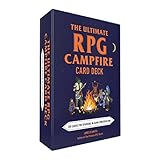
Overview: The Ultimate RPG Campfire Card Deck provides 150 system-agnostic prompts designed to spark in-character conversations at the tabletop. This GM tool addresses a common challenge: maintaining roleplay momentum during travel sequences, tavern scenes, or campfire moments. Each card offers questions or scenarios that encourage players to develop backstory, build party cohesion, and stay immersed. Unlike rulebooks or adventure modules, this deck focuses purely on narrative facilitation without adding mechanical complexity.
What Makes It Stand Out: The deck fills a specific gap in RPG accessories by targeting roleplay itself rather than combat or mechanics. Prompts are intentionally setting-neutral yet evocative, allowing use across fantasy, sci-fi, or modern campaigns. The portable format enables spontaneous deployment, and the 150-card count ensures extensive variety. This product recognizes that compelling character interaction often needs scaffolding, particularly for newer players or groups that default to out-of-character planning.
Value for Money: Priced as a specialty accessory, it offers reasonable value for GMs who struggle with improvisational dialogue or want to encourage quieter players. Compared to full sourcebooks, it’s an inexpensive investment with consistent utility. However, creative GMs may generate similar prompts independently, and its value correlates directly with group roleplay engagement.
Strengths and Weaknesses: Strengths include cross-system versatility, compact portability, and genuine utility for character development. The prompts range from lighthearted to serious, supporting diverse campaign tones. Weaknesses include subjective prompt quality—some cards may feel generic—and it doesn’t teach roleplaying skills, only facilitates them. Experienced groups may outgrow its utility.
Bottom Line: A valuable tool for GMs seeking to enhance party roleplay, particularly with newer players. Veteran groups may find it unnecessary.
10. Deck Box Dungeons - A Popular Adventure Board Game | Classic Fantasy Dungeon Crawler | Best Travel Games | Tabletop RPG

Overview: Deck Box Dungeons revolutionizes portable gaming by packing a full cooperative dungeon crawler into a deck box. Supporting 1-2 players (expandable to 4 with two copies), this game merges physical cards with a free companion app that manages encounters, monsters, and quest progression. Character creation offers surprising flexibility—players combine a character card, equipment, and abilities to create everything from stealthy rogues to unconventional greatsword-wielding mages. Quests vary from escort missions to boss hunts, providing narrative context for each 30-45 minute session.
What Makes It Stand Out: The deck box form factor is genuinely innovative—this is a dungeon crawler that fits in a pocket. The companion app eliminates rulebook complexity while adding atmospheric audio and dynamic quest generation that would be impossible with cards alone. Character building depth exceeds expectations for a portable title, encouraging creative combinations. For solo gamers, it delivers a robust experience rarely seen in travel-sized formats.
Value for Money: Exceptional value for solo and duo gamers seeking dungeon-crawling without storage demands. Priced competitively with small-box games, it provides content comparable to bulkier titles. The app adds infinite replayability at no extra cost. Requiring two copies for full 4-player experience is a limitation, but the base two-player game feels complete.
Strengths and Weaknesses: Strengths include unmatched portability, clever app integration, flexible character creation, and strong solo play. The app receives regular updates, extending longevity. Weaknesses include complete app dependency—if unsupported, the game becomes unplayable—and functional but not premium components.
Bottom Line: An outstanding solution for gamers wanting dungeon-crawling depth without storage burden. Perfect for travel, solo play, and couples.
Understanding Beginner-Friendly Design Philosophy
Streamlined Rules vs. Crunchy Systems
When evaluating where to start, consider how much mechanical complexity you want to manage. Beginner-friendly games typically feature unified core mechanics where one type of die roll resolves most actions. This approach lets you focus on character choices and story development rather than constantly referencing rulebooks. Look for systems that teach the basics within the first session and expand naturally as you grow more confident.
Narrative-First Approaches
Modern design emphasizes story over simulation, which benefits newcomers tremendously. Games built around narrative principles encourage players to describe their actions in character rather than simply selecting from a menu of abilities. This approach reduces math fatigue and helps you think like your character instead of like a calculator. The best beginner systems make the story the reward, not just the backdrop for combat encounters.
Core Mechanics That Welcome New Players
Dice Pool Simplicity
Many accessible games use dice pools where you roll multiple dice and count successes rather than adding numerous modifiers. This visual, tactile approach makes outcome interpretation immediate and satisfying. You can literally see your chances improve as your character grows, creating a satisfying feedback loop that doesn’t require advanced probability knowledge.
Success with Complications
Innovative mechanics that allow partial successes or successes with complications keep stories moving forward even when rolls fail. This design philosophy prevents the frustration of dead-end moments and teaches new players that failure can be more interesting than success. It also reduces the fear of making rolls, encouraging bolder storytelling choices from the start.
Genre Exploration: Finding Your Perfect Setting
High Fantasy Gateway
The traditional fantasy genre remains popular for good reason—it provides a shared cultural vocabulary. Swords, magic, and monsters offer immediate touchstones that don’t require extensive explanation. When starting out, familiar tropes let you focus on learning mechanics rather than simultaneously absorbing an entirely new fictional universe.
Modern and Urban Fantasy Options
Contemporary settings can be easier for some beginners because they eliminate the need to understand fictional political systems or cosmology. Urban fantasy blends the familiar with the magical, letting you leverage real-world knowledge while exploring supernatural elements. This grounding often makes role-playing feel more natural and less performative.
Science Fiction and Horror Considerations
While potentially more niche, these genres offer unique advantages. Science fiction often features clear cause-and-effect logic that appeals to analytical players. Horror games teach tension management and collaborative storytelling in intense but short sessions. Both genres reward emotional investment and can create unforgettable first experiences when matched with the right group.
Game Master Burden: What to Expect
Low-Prep Systems for New GMs
If you’re considering running games yourself, prioritize systems designed for minimal preparation. Look for games that provide GM frameworks rather than scripted plots—tools that help you improvise rather than memorize. The best beginner GM experiences come from games that treat the GM as another player enjoying the story rather than a overworked director.
GM-Less and Shared Narration Models
revolutionary approaches eliminate the GM entirely or distribute narrative authority among all players. These models can be perfect for groups where everyone wants equal creative input and no single person wants homework between sessions. They teach collaborative storytelling from the ground up and often produce surprising, personal stories that resonate deeply with new players.
Group Size and Social Dynamics
Ideal Player Count for Learning
Most beginner-friendly games shine with 3-5 players total. This size ensures everyone gets adequate spotlight time without overwhelming the GM or creating downtime between turns. Smaller groups also make scheduling easier and allow for deeper character relationships. When evaluating games, check how they perform at different player counts—some systems bog down with too many participants.
Teaching Tools for Mixed Experience Groups
If you’re joining an established group, look for games with explicit “teaching modes” or quick-start guides that veterans can use to onboard newcomers. The best systems don’t require everyone to be a beginner; they scale complexity so experienced players can enjoy depth while novices learn the basics through play. This flexibility prevents the all-too-common scenario where veterans get bored or newcomers feel lost.
Time Commitment and Session Length
One-Shot Friendly Designs
Games that work well for single-session stories offer incredible flexibility for busy schedules. These designs typically include built-in scenario generators and clear end conditions, letting you experience a complete narrative arc in 2-4 hours. This approach lets you try different genres and systems without multi-month commitments, helping you discover preferences through actual play rather than research.
Campaign Structures That Respect Your Schedule
If long-term play appeals to you, examine how games handle irregular attendance and scheduling conflicts. Modern systems often include “session zero” tools and flexible advancement that doesn’t punish missed sessions. Look for games where characters can sit out organically within the story, preventing the narrative headaches that plague traditional campaigns when life gets in the way.
Cost of Entry and Ongoing Investment
Core Book vs. Complete Experience
Understand what constitutes the “complete game” before purchasing. Some systems deliver the full experience in a single volume, while others require multiple books for basic functionality. For beginners, all-in-one solutions remove the guesswork and let you start playing immediately. Pay attention to whether additional purchases are truly optional expansions or essential components disguised as add-ons.
Digital Tools and Subscription Models
Many modern games offer companion apps, character builders, or virtual tabletop integration. While these can enhance play, evaluate the long-term cost. Some systems shift toward subscription models that provide ongoing value, while others feel like cash grabs for basic functionality. As a beginner, prioritize games where digital tools are enhancements, not requirements, letting you learn the fundamentals before investing further.
Community Support and Learning Resources
Active Online Communities
A vibrant, welcoming community can make or break your early RPG experiences. Look for games with active forums, Discord servers, or subreddit communities that specifically welcome newcomers. The best communities offer judgment-free zones for asking basic questions, share actual play examples, and provide free resources for learning. Before committing to a system, spend time lurking in its community spaces to gauge the tone.
Actual Play Content Quality
Professional and amateur actual play series serve as invaluable learning tools. Games with high-quality actual plays let you see the system in action before investing time or money. Pay attention to series that explicitly teach the rules as they play rather than assuming viewer knowledge. These shows demonstrate not just mechanics but the social contract and table dynamics that make games enjoyable.
Solo and Digital Integration Options
Solo Mode Availability
The rise of solo RPGs means you can learn systems and enjoy narratives without coordinating schedules. Many multiplayer games now include robust solo modes that teach mechanics while delivering satisfying stories. These options let you practice character creation, test rules understanding, and enjoy the hobby on your own terms—a game-changer for beginners who want to build confidence before joining groups.
Hybrid Digital-Physical Play
Modern gaming often blends physical and digital elements seamlessly. Look for systems that support this hybrid approach without mandating it. The best designs let you play entirely offline, entirely online, or mix both as needed. This flexibility ensures your game investment remains viable regardless of how your group prefers to meet, protecting you from obsolescence as technology evolves.
Building Your RPG Collection Strategically
Gateway Games vs. Long-Term Systems
Consider whether you want a dedicated beginner game you’ll eventually outgrow, or a system that scales from first session to advanced campaign. Gateway games excel at teaching fundamentals quickly but may feel limited after several months. Comprehensive systems require more initial learning but reward long-term investment. Your choice depends on whether you prefer a gentle introduction or a steeper climb toward a lasting hobby.
Cross-System Skill Transfer
Some games teach concepts applicable across the entire hobby. Systems emphasizing narrative collaboration, player agency, and improvisational problem-solving develop skills that improve your experience in any RPG. When starting out, prioritize games that build your RPG literacy broadly rather than locking you into one company’s ecosystem. This approach keeps your options open and prevents feeling trapped if your first choice doesn’t click.
Frequently Asked Questions
What if my group can’t agree on a genre to play?
Start with a system designed for genre flexibility or one that offers quick-start scenarios in multiple settings. Many modern games include built-in tools for blending genres or running one-shots to test preferences. Consider rotating GM duties, letting each person run a short adventure in their preferred genre before committing to a longer campaign.
How much should I expect to spend on my first tabletop RPG?
Entry costs vary widely, but most beginner-friendly games offer complete experiences between $20-60 for physical books or $10-30 for digital versions. Avoid systems requiring multiple core books or expensive accessories to start. Many excellent free or pay-what-you-want options exist specifically for newcomers, letting you learn the hobby before investing significantly.
Can I learn to play tabletop RPGs if I’m not creative or good at improv?
Absolutely. Modern games provide structured frameworks that support rather than demand pure improvisation. Many include oracles, prompt tables, and scenario guides that do the creative heavy lifting. Focus on systems that treat character decisions as the core creative act rather than expecting theatrical performance. The best games help you discover your creative voice through play, not before it.
How do I find a group if none of my friends are interested?
Online communities, local game stores, and dedicated matchmaking platforms connect solo seekers with groups. Many communities host “new player welcome” events or learn-to-play sessions. When reaching out, be clear about your beginner status—most experienced players love mentoring newcomers. Consider starting with solo games to build confidence before joining established groups.
What’s the difference between a one-shot and a campaign, and which should I start with?
One-shots are complete stories in a single session (2-6 hours), while campaigns unfold over multiple sessions spanning months or years. Start with one-shots to sample different systems and play styles without commitment. They teach core mechanics quickly and let you discover preferences through experience. Once you find a system and group you love, transitioning to campaigns feels natural.
How important are miniatures and maps for beginners?
Not important at all for most modern beginner games. While tactical combat games use them, many narrative-focused systems rely entirely on imagination and simple sketches. Starting without miniatures reduces cost and setup time while encouraging descriptive storytelling. If visual aids help your group, even simple tokens or hand-drawn maps work perfectly. Invest in accessories only after confirming they’ll enhance your specific game style.
Can I play tabletop RPGs with just two people?
Yes, many excellent systems designed for duet play (one GM, one player) exist and often provide incredibly rich, character-driven stories. Some multiplayer games adapt well to two players, while others include specific two-player rules. Duet play accelerates learning since you receive undivided attention and can progress at your own pace. It’s an underrated way to begin, especially for couples or close friends.
How long does it realistically take to learn a new RPG system?
Most beginner-friendly games teach playable basics within 30-60 minutes of reading. True comfort with the system typically comes after 2-3 actual play sessions. Systems requiring extensive pre-reading often indicate complexity unsuitable for beginners. The best games include “learn as you play” tutorials and quick-start guides that get you rolling dice within minutes, not hours.
What if I buy a game and my group hates it?
This common scenario underscores why starting with low-cost or free games makes sense. Many digital platforms offer refunds within limited windows, and physical books often retain resale value. More importantly, treat each purchase as a learning experience about your group’s preferences. Even disliked games teach what you value in a system, refining future choices. Consider it market research for your perfect match.
Are digital or physical books better for beginners?
Digital books offer searchability, portability, and often lower cost—advantages for learning rules quickly. Physical books provide tactile satisfaction and easier table sharing during play. Many beginners start with digital for the learning phase, then purchase physical copies of beloved games. The best approach depends on your reading preferences and whether you’ll reference rules primarily at the table or during solo study.
See Also
- Top 10 Best Miniature Figures for Tabletop Games for New Players in 2026
- 10 Top-Rated Tabletop Role-Playing Games According to Experts in 2026
- Best Tabletop Role-Playing Games for Teens: 10 Expert Picks for 2026
- 10 Premium Fantasy Role-Playing Games (Worth the Investment) for Veteran Players
- Top 10 Best Miniature Figures for Tabletop Games for Fantasy Campaigns in 2026