Table of Contents
Stepping into the world of tabletop role-playing games opens up infinite possibilities for creativity, storytelling, and friendship. Whether you’re dreaming of slaying dragons in misty mountains, investigating cosmic horrors in Victorian London, or piloting starships through distant galaxies, the right rulebook serves as your passport to these adventures. Many newcomers assume that diving into this hobby requires a small fortune, but the reality is far more welcoming. The market overflows with thoughtfully designed, comprehensive rulebooks that won’t strain your wallet.
Finding quality RPG rulebooks under thirty dollars isn’t just possible—it’s surprisingly easy when you know what to look for. This guide walks you through everything you need to identify exceptional value, understand different types of rulebooks, and make informed decisions that match your interests and budget. You’ll discover how to spot beginner-friendly systems, where to hunt for deals, and how to build an impressive RPG library without accumulating financial debt.
Top 10 Role-Playing Game Rulebooks
Detailed Product Reviews
1. Pathfinder Roleplaying Game: Core Rulebook (Pocket Edition)

Overview: The Pathfinder Roleplaying Game Core Rulebook Pocket Edition distills the entire Pathfinder 1st edition rules into a travel-friendly format. This compact version contains the identical content of the full-sized hardcover, offering players and Game Masters a complete rules reference for the popular d20 system that rivaled D&D 3.5. Measuring roughly 8.5" x 6", it slips easily into backpacks for convention play or remote gaming sessions.
What Makes It Stand Out: Its diminutive stature is the obvious highlight—this is the same comprehensive rule system that powered a decade of adventure, now in a portable package. The softcover binding and reduced size make it ideal for GMs who need quick reference without lugging a 5-pound tome. It’s particularly valuable for players who already own the digital version but want a physical backup.
Value for Money: At roughly half the price of the original hardcover, this represents exceptional value for budget-conscious gamers. While Pathfinder 2nd edition has since launched, this remains an affordable entry point to the 1st edition system and its vast library of compatible adventures.
Strengths and Weaknesses: Pros include complete rule coverage, portability, and cost savings. Cons feature smaller text that may challenge some readers, less durable binding than the hardcover, and being tied to a legacy system no longer actively supported by Paizo.
Bottom Line: Perfect for dedicated Pathfinder 1e players needing a portable reference or newcomers exploring the system on a budget, though most should consider whether Pathfinder 2e better suits their needs.
2. Age of Rebellion Roleplaying Game - Core Rulebook (2nd Printing)

Overview: The Age of Rebellion Core Rulebook (2nd Printing) is the definitive guide to Rebel Alliance campaigns in Fantasy Flight’s narrative-driven Star Wars RPG system. This 448-page volume provides everything needed to wage guerrilla warfare against the Galactic Empire as soldiers, spies, or operatives, capturing the desperate underdog feel of the original trilogy era.
What Makes It Stand Out: The proprietary narrative dice system transforms combat and social encounters into storytelling opportunities, where success comes with complications and failure with advantages. The book excels at binding characters to the larger Rebellion through duty mechanics and career specializations that emphasize teamwork and sacrifice for the cause.
Value for Money: As a standalone core book, it delivers a complete campaign framework including an introductory adventure, extensive gear and vehicle catalogs, and robust GM guidance. However, the game requires specialized dice (or a digital equivalent), adding hidden costs. Compared to the full Star Wars RPG line, this focuses your investment on a specific era.
Strengths and Weaknesses: Pros include immersive Star Wars atmosphere, innovative narrative mechanics, and comprehensive Rebel-themed content. Cons involve a steep learning curve for the unique dice system, complex rules for starship combat, and the need for additional supplements to access Jedi or Force-sensitive characters.
Bottom Line: Essential for groups wanting to recreate the original trilogy’s rebellion fantasy, but be prepared to invest time learning its distinctive mechanics and proprietary dice system.
3. Marvel Multiverse Role-Playing Game: Core Rulebook

Overview: Marvel’s official entry into tabletop RPGs, the Multiverse Core Rulebook introduces the d616 system for superheroic action. Written by Matt Forbeck with Marvel’s artistic backing, this rulebook lets players create original heroes or embody iconic characters across the multiverse using only three standard dice.
What Makes It Stand Out: The d616 name itself is a playful nod to Marvel’s comic universe designation, and the system generates Marvel-style narrative beats naturally. The book includes dozens of hero and villain profiles, from street-level defenders to cosmic titans, providing immediate play opportunities without additional purchases.
Value for Money: Requiring only common dice makes this more accessible than systems needing proprietary components. At a standard core rulebook price point, it delivers substantial Marvel lore and a streamlined ruleset, though veterans of older Marvel RPGs may find it less mechanically deep than MSH or Marvel Heroic Roleplaying.
Strengths and Weaknesses: Pros feature authentic Marvel flavor, simple three-dice mechanics, and beautiful artwork. Cons include a relatively untested system with uncertain long-term support, limited character advancement options compared to crunchier systems, and some balance concerns between power tiers.
Bottom Line: An approachable, officially-sanctioned Marvel experience perfect for casual fans and newcomers, though seasoned gamers may prefer more robust superhero systems with established track records.
4. Xcrawl Classics Core Rulebook
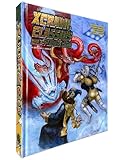
Overview: Xcrawl Classics transforms dungeon delving into a televised sport in a modern-fantasy hybrid world. Players become professional dungeon athletes competing in lethal, trap-filled arenas for fame, fortune, and sponsorships in this unique take on classic fantasy roleplaying. The setting reimagines classic D&D tropes through the lens of professional sports entertainment.
What Makes It Stand Out: The “dungeon sport” concept flips traditional adventuring on its head—monsters are paid performers, traps are OSHA-compliant entertainment, and every crawl is broadcast with color commentary. This meta-framework creates hilarious roleplaying opportunities as characters balance athletic performance with corporate sponsorship obligations and media interviews between encounters.
Value for Money: As a self-contained core system built on familiar d20 mechanics, it offers a complete alternative to traditional fantasy RPGs at standard pricing. The niche concept may limit long-term campaign appeal compared to broader systems like D&D or Pathfinder, making it better suited as a secondary system for variety.
Strengths and Weaknesses: Pros include a genuinely original premise, entertaining blend of modern and fantasy elements, and tactical combat challenges designed for spectator entertainment. Cons feature an extremely specific tone that may grow repetitive, limited support material beyond the core, and a premise that doesn’t suit players seeking serious, character-driven narratives.
Bottom Line: A brilliant one-shot or convention game system that delivers laughs and tactical fun, but its narrow focus makes it a secondary purchase rather than a primary RPG investment for most groups.
5. Revised Core Rulebook (Star Wars Roleplaying Game)

Overview: The Revised Core Rulebook represents the d20 System’s take on Star Wars during the Saga edition era, consolidating the original rulebook with errata and refinements. This comprehensive volume covers the entire Star Wars saga from prequel to original trilogy eras using familiar d20 mechanics that powered D&D 3.5.
What Makes It Stand Out: For fans of D&D 3.5 and d20 Modern, this offers immediate mechanical familiarity with classes, feats, and skill systems adapted for Jedi, scoundrels, and soldiers. The book provides extensive coverage of the Force, starship combat, and galactic lore from the expanded universe, making it a one-stop shop for Star Wars d20 gaming.
Value for Money: Now out of print, used copies remain affordable and represent a complete, self-contained system requiring only standard dice. However, it’s officially unsupported, with no new content or errata forthcoming, making it a legacy purchase for collectors rather than a long-term investment.
Strengths and Weaknesses: Pros include familiar d20 mechanics, comprehensive Star Wars lore, and a self-contained ruleset covering all character types. Cons feature outdated design compared to modern narrative systems, complex combat resolution, and lack of official support or community vitality compared to Fantasy Flight’s current Star Wars RPG line.
Bottom Line: A solid choice for collectors and d20 purists wanting a traditional Star Wars experience, but most players should invest in currently supported systems like Edge of the Empire or Age of Rebellion for active community and ongoing content.
6. Pathfinder Roleplaying Game: Core Rulebook

Overview: The Pathfinder Roleplaying Game Core Rulebook represents the foundation of Paizo’s celebrated fantasy tabletop system. Born from the D&D 3.5 OGL, this comprehensive 576-page volume delivers exhaustive rules for character creation, combat, magic, and world-building. It serves as both players’ and Game Masters’ complete reference for running campaigns in the Pathfinder universe or any custom fantasy setting.
What Makes It Stand Out: Pathfinder’s hallmark is its unprecedented depth of character customization. With eleven core classes, multiple archetypes, and hundreds of feats, spells, and equipment options, players can craft virtually any fantasy hero imaginable. The rigorous, tactical combat system rewards strategic thinking, while the OGL framework encourages extensive third-party content creation, fostering a massive ecosystem of supplements and community resources.
Value for Money: Retailing around $50-60, this hardcover offers exceptional content density. The sheer volume of mechanics, monsters, and magic items provides years of gameplay without additional purchases. However, compared to the streamlined second edition, this version’s complexity may feel dated. Still, for fans of “crunchy” 3.5-style systems, it’s a self-contained library that outperforms purchasing multiple modern core books.
Strengths and Weaknesses: Strengths: Unmatched character building depth; tactical combat clarity; extensive GM tools; massive community support; complete game in one volume. Weaknesses: Steep learning curve for newcomers; rule density can slow gameplay; power creep in later supplements; superseded by PF2e’s smoother mechanics.
Bottom Line: This rulebook remains a masterpiece for players who relish mechanical complexity and endless options. While Pathfinder 2nd Edition offers a more refined experience, the original Core Rulebook stands as a monument to comprehensive game design—perfect for veterans seeking deep character customization and tactical richness, though intimidating for casual gamers.
7. Call of Cthulhu Rpg Keeper Rulebook: Horror Roleplaying in the Worlds of H.p. Lovecraft (Call of Cthulhu Roleplaying)

Overview: The Call of Cthulhu Keeper Rulebook is the definitive Game Master guide for Chaosium’s legendary 7th edition horror RPG. This volume empowers Keepers to craft investigative nightmares set in H.P. Lovecraft’s mythos, complete with sanity-shattering entities, occult mysteries, and period-authentic 1920s atmosphere. It’s the engine behind countless tales of cosmic dread.
What Makes It Stand Out: The sanity mechanic revolutionizes player risk, tracking mental deterioration alongside physical harm. The percentile-based system prioritizes investigation over combat, with elegant push-roll mechanics that tempt investigators toward disaster. Backwards compatibility with decades of Chaosium supplements makes this an instant gateway to horror RPGs richest library. The Keeper advice section is unparalleled, teaching GMs how to build tension and manage player dread.
Value for Money: At approximately $45-55, this 448-page hardcover delivers extraordinary value. It contains complete rules, extensive monster bestiaries, spell lists, and scenario-building frameworks. Unlike fantasy RPGs requiring multiple core books, this single volume handles everything. The wealth of free community scenarios and official supplements ensures limitless replayability, making it a long-term investment for horror enthusiasts.
Strengths and Weaknesses: Strengths: Atmospheric rules perfectly capture Lovecraftian horror; robust investigation mechanics; invaluable Keeper guidance; massive supplement compatibility; lethal, consequential gameplay. Weaknesses: High character mortality may frustrate some groups; limited combat depth; period setting requires historical research; sanity loss can be brutal for sensitive players.
Bottom Line: Essential for any horror RPG fan, this rulebook masterfully translates Lovecraft’s vision to the tabletop. While its unforgiving nature demands buy-in from players, no other system so perfectly captures the tension of uncovering forbidden knowledge. For Keepers ready to embrace cosmic dread, this is the gold standard.
8. The Role-Playing Game of the Planet of the Apes Core Rulebook

Overview: This officially licensed Planet of the Apes RPG transports players to a world where apes reign and humanity struggles for survival. The core rulebook provides complete mechanics for exploring the franchise’s iconic social dynamics, moral complexities, and species conflicts. Players can take roles as intelligent apes, subjugated humans, or conflicted intermediaries navigating this provocative setting.
What Makes It Stand Out: The game’s unique faction system mechanically reinforces the setting’s caste structure, with ape society’s rigid hierarchy directly impacting gameplay. Narrative mechanics emphasize communication barriers, cultural misunderstanding, and the ethical weight of interspecies decisions. The system likely includes rules for sign language, primitive technology, and the gradual awakening of intelligence—capturing the franchise’s philosophical core beyond simple combat.
Value for Money: Priced similarly to other licensed RPGs ($45-55), this specialized rulebook offers a complete experience for fans of the franchise. Its narrow focus means you won’t need extensive supplements to capture the authentic Apes atmosphere. However, the niche setting limits broader appeal compared to universal systems. For dedicated fans, it’s a treasure; for general gamers, the replayability may be constrained by the specific universe.
Strengths and Weaknesses: Strengths: Faithfully captures franchise themes; unique social mechanics; thought-provoking moral dilemmas; complete setting in one book; appeals to series devotees. Weaknesses: Very specific setting limits campaign variety; may lack mechanical depth for long-term play; niche appeal; potentially limited support or supplements.
Bottom Line: This rulebook serves franchise fans exceptionally well, delivering an authentic Apes experience with mechanics that reinforce the setting’s unique tensions. While its specialized nature won’t suit every gaming group, it excels at what it sets out to do. Purchase if you’re passionate about exploring ape society dynamics; otherwise, a more flexible system might better serve your table.
9. Free League Publishing Vaesen Roleplaying Game Core Rulebook, Gothic Nordic Horror RPG Hardback, Full Color, Tabletop Board Game for Adults, Family, Teens 14+

Overview: Vaesen is a Gothic horror RPG that plunges players into a mythic 19th-century Scandinavia teeming with folklore creatures. Powered by Free League’s award-winning Year Zero Engine, this core rulebook delivers streamlined investigation and horror mechanics where players confront vaesen—supernatural beings from Nordic legends—while navigating a world where industrial progress clashes with ancient superstitions.
What Makes It Stand Out: The Year Zero Engine provides fast, intuitive gameplay focusing on mystery-solving rather than combat. Nine ready-to-play archetypes enable instant character creation, while life path tables add depth for customized investigators. Johan Egerkrans’ haunting artwork viscerally captures the setting’s eerie atmosphere, making the book as beautiful as it is functional. The setting’s focus on folklore over cosmic horror offers fresh narrative territory.
Value for Money: At $50-60, this full-color hardcover justifies its price through premium production values and complete gameplay. The rules-light system means less page-count wasted on complex mechanics, delivering more setting content and scenario seeds. Unlike sprawling RPGs requiring multiple purchases, Vaesen provides a self-contained experience. Free League’s reputation for quality ensures durability and aesthetic satisfaction.
Strengths and Weaknesses: Strengths: Elegant, streamlined mechanics; evocative Nordic setting; stunning artwork; quick character creation; perfect for mystery-driven campaigns. Weaknesses: Limited monster variety in core book; may require supplement expansion; rules-light approach lacks tactical depth; setting specificity narrows campaign options.
Bottom Line: Vaesen excels as a focused, atmospheric horror RPG that prioritizes storytelling over mechanics. Its Nordic folklore angle distinguishes it from Lovecraftian games, while the Year Zero Engine ensures accessibility. For GMs seeking investigative horror with a unique cultural flavor and gorgeous presentation, this is an outstanding choice that delivers immediate, chilling gameplay.
10. Genesys Roleplaying Game CORE RULEBOOK | Fantasy S

Overview: Genesys is a versatile, narrative-driven RPG system that abandons traditional mechanics for an innovative symbol-based dice system. This core rulebook provides universal rules adaptable to any genre—fantasy, sci-fi, horror, or modern—empowering Game Masters to craft custom campaigns with unprecedented narrative freedom. It’s a toolkit for storytelling, not a setting-specific game.
What Makes It Stand Out: The proprietary narrative dice system replaces numbers with symbols representing success, failure, advantage, and threat, creating dynamic storytelling where outcomes generate plot twists. Five included settings demonstrate the system’s range, while the adversary templates and modular rulesets allow instant world-building. The system rewards creative description over mechanical optimization, shifting focus from combat simulation to collaborative narrative.
Value for Money: Priced at $50-60, this rulebook offers infinite replayability across genres, effectively replacing multiple game systems. However, the required proprietary dice set adds $15-20 to the initial investment. While the core book contains everything needed, the system’s flexibility demands more GM preparation than pre-packaged settings. For creative groups, it’s economical; for those wanting ready-to-play content, the value diminishes.
Strengths and Weaknesses: Strengths: Unmatched narrative flexibility; innovative dice mechanics; genre-agnostic design; brilliant GM tools; encourages player creativity. Weaknesses: Steep learning curve for dice interpretation; requires special dice; abstract mechanics may frustrate tactical players; heavy GM workload for custom content.
Bottom Line: Genesys is a masterclass in narrative design, perfect for GMs who prioritize story over simulation and enjoy building unique worlds. The dice system, once mastered, creates unforgettable emergent storytelling. While not ideal for players seeking tactical crunch or pre-built settings, it rewards investment with limitless creative possibility. A must-have for narrative-focused gaming groups.
Understanding RPG Rulebook Types
Before spending your first dollar, understanding the different categories of rulebooks helps you invest wisely. Not every book with “RPG” on the cover serves the same purpose, and knowing the difference prevents costly mistakes.
Core Rulebooks vs Supplemental Material
Core rulebooks contain everything needed to run a game—the fundamental mechanics, character creation rules, and guidelines for game masters. These represent your best investment when starting out. Supplemental books, while tempting, build upon the core and rarely stand alone. A sourcebook about magical artifacts or a monster manual might look exciting, but without the core rules, these supplements become expensive paperweights. Focus your initial budget on complete systems rather than expanding a library you don’t yet have.
Quickstart Rules and Starter Sets
Many publishers offer free or ultra-cheap quickstart rules that distill their full system into 20-50 pages. These abbreviated versions include pre-generated characters, a sample adventure, and enough rules to play several sessions. Starter sets take this further, often including dice, character sheets, and a streamlined rulebook for under twenty dollars. Both options let you test-drive a system before committing to the full rulebook, making them ideal for budget-conscious beginners who want to sample different genres.
SRDs and Open Game Content
System Reference Documents (SRDs) represent the ultimate budget option—completely free, legal PDFs containing the core mechanics of many popular games. Publishers release these specifically to encourage new players. While they lack the art, flavor text, and detailed examples of paid versions, SRDs provide fully functional rule systems. Some creative publishers even offer “pay-what-you-want” digital versions of their complete rulebooks, trusting that satisfied customers will contribute fairly.
Key Features to Look for in Budget Rulebooks
When evaluating rulebooks in the sub-thirty-dollar range, certain features separate the exceptional values from the disappointments. Learning to spot these characteristics ensures every purchase expands your gaming possibilities.
Complete vs. Partial Systems
A true budget gem includes character creation, combat rules, skill systems, equipment lists, and game master guidance all in one volume. Some systems split these elements across multiple books, quickly pushing your total investment past the hundred-dollar mark. Before buying, verify that the rulebook truly stands alone. Check the page count and table of contents—books under 100 pages rarely contain complete systems, while those between 200-400 pages often deliver comprehensive experiences.
Readability and Layout
Dense walls of text and confusing organization can kill your enthusiasm faster than a total party kill. Quality budget rulebooks use clear headings, bullet points, and ample white space. Look for books with a detailed index and intuitive chapter flow. Many publishers offer free preview pages online—these samples reveal whether the layout feels approachable or overwhelming. Remember, you’ll reference this book frequently during sessions, so usability matters more than flashy graphics.
Art and Visual Appeal vs. Content Density
Stunning artwork drives up printing costs, which can limit content in budget books. However, some publishers strategically use public domain art, line drawings, or minimalist design to keep prices low while maintaining visual interest. Don’t dismiss a book solely because it lacks full-color illustrations—many text-heavy black-and-white rulebooks deliver superior gameplay value. Focus on whether the art serves a functional purpose (showing equipment, illustrating character concepts) or merely decorates pages.
Digital Accessibility
Modern rulebooks often include PDF versions with physical purchases, or offer digital editions at significant discounts. A PDF that costs ten dollars while the print version costs twenty-five represents incredible value. Digital versions allow searching text, bookmarking pages, and reading on multiple devices. Some publishers even provide free digital updates when they release errata, ensuring your investment improves over time.
Popular RPG Genres for Beginners
Different genres appeal to different players, and each comes with its own learning curve and typical price points. Understanding these categories helps you target rulebooks that match your storytelling interests.
Fantasy Adventures
The most popular RPG genre typically features magic, monsters, and medieval settings. Fantasy rulebooks range from classic “kill monsters, take treasure” dungeon crawls to politically complex sagas. Many fantasy systems offer free SRDs or basic versions, making this genre particularly budget-friendly. The familiarity of fantasy tropes also reduces the learning curve—most people already understand wizards, elves, and dragons.
Science Fiction and Space Opera
Sci-fi RPGs let you explore alien worlds, cyberpunk dystopias, or vast interstellar empires. These systems often include rules for spaceship combat, hacking, and futuristic technology. While some premium sci-fi games carry hefty price tags, many indie publishers produce excellent space opera rulebooks under twenty dollars. The genre’s emphasis on problem-solving and exploration appeals to players who enjoy tactical thinking.
Horror and Mystery
These atmospheric games focus on investigation, psychological tension, and survival rather than combat. Horror rulebooks tend to be shorter since they emphasize storytelling over complex mechanics. Many successful horror RPGs use simple percentile or pool-based systems that new players grasp quickly. The genre’s niche status often translates to lower prices, with numerous quality options available in the fifteen-to-twenty-five-dollar range.
Superhero Action
Comic book-inspired games let players create unique heroes with extraordinary powers. These systems need robust character creation tools to handle diverse abilities, which can increase page count and price. However, several indie publishers offer streamlined superhero games that keep costs down by focusing on narrative mechanics rather than exhaustive power lists. The genre’s built-in power fantasy makes it instantly appealing to many beginners.
Historical and Alternate History
Games set in real historical periods or their “what if” variations offer educational value alongside entertainment. These rulebooks often leverage public domain art and maps, reducing production costs. Whether exploring the Roman Empire, Victorian London, or a dieselpunk 1940s, historical games frequently come as single, affordable volumes. Their grounding in reality helps new players visualize settings without extensive imagination.
Physical vs Digital Rulebooks
Your choice between paper and pixels significantly impacts both cost and usability. Each format offers distinct advantages for budget-conscious beginners.
Pros and Cons of Physical Books
Physical rulebooks provide tangible satisfaction—flipping pages, bookmarking with sticky notes, and passing the book around the table. They never need batteries or suffer from screen glare. However, shipping costs can push a twenty-five-dollar book past your budget, and wear-and-tear eventually takes its toll. Print-on-demand services sometimes offer lower prices but use thinner paper and binding that may not withstand heavy use.
Digital PDFs and E-Books
Digital rulebooks typically cost 40-60% less than physical copies. They enable keyword searches, copy-paste for reference documents, and instant delivery. Many tablets let you annotate PDFs just like paper. The downside involves device dependency and potential eye strain during long reading sessions. Some publishers also release “tablet-optimized” versions with larger text and simplified layouts, specifically designed for screen reading.
Print-on-Demand Options
Several RPG publishers use print-on-demand services, letting you order physical books directly from digital files. This eliminates middleman markups, often resulting in hardcovers under thirty dollars. Quality varies between printing companies, so check community reviews before ordering. Some services let you choose between standard and premium paper, allowing you to balance cost against durability.
Where to Find Budget-Friendly Options
Knowing where to shop matters as much as knowing what to buy. Different sources offer different advantages for the thrifty gamer.
Publisher Websites and Direct Sales
Buying directly from publishers often yields the best prices, especially during sales events. Many indie creators sell through platforms that take smaller cuts than traditional retailers, letting them offer lower prices. Signing up for publisher newsletters frequently nets you discount codes. Some companies even bundle their core rulebook with introductory adventures at package prices below thirty dollars.
Online Marketplaces
Large online retailers provide customer reviews, which help gauge a rulebook’s quality before purchasing. Their recommendation algorithms sometimes surface hidden gems. However, prices fluctuate wildly—what costs eighteen dollars today might be thirty-five tomorrow. Setting price alerts can help you snag deals. Used book sections occasionally list rulebooks in good condition for half the retail price.
Local Game Stores and Used Bookshops
Don’t overlook brick-and-mortar stores. Many game shops have bargain bins with overstocked or slightly damaged rulebooks at deep discounts. Building relationships with store owners can lead to tips about upcoming sales. Used bookstores sometimes carry RPG rulebooks in their hobby sections, often priced at five to ten dollars. Local gaming conventions frequently feature vendor rooms with show-special pricing.
Bundle Deals and Sales Events
Major online platforms run periodic bundle sales where you can acquire multiple rulebooks for the price of one. Holiday sales, anniversary events, and “GM’s Day” promotions often discount RPGs by 30-50%. Some publishers offer “starter bundles” including the rulebook, dice, and an adventure for under thirty dollars total. Patience during these events can stretch your gaming budget dramatically.
Evaluating Rulebook Quality
Price alone doesn’t determine value—a cheap rulebook that gathers dust wastes more money than a moderately priced one you use weekly. Learn to assess quality before clicking “buy.”
Page Count and Content Value
While longer books generally contain more content, page count alone misleads. A 300-page rulebook with 100 pages of spell lists might offer less practical value than a 150-page book focused entirely on playable content. Calculate the “cost per session”—a twenty-dollar rulebook that fuels fifty gaming sessions costs just forty cents per play. Compare that to a movie ticket’s entertainment value.
Community Reviews and Ratings
Search for reviews specifically mentioning “value,” “beginner-friendly,” and “complete.” Veteran players often note whether a rulebook truly stands alone. Pay attention to reviews from game masters versus players—they evaluate books differently. Look for patterns: if multiple reviews mention confusing organization or missing rules, those complaints likely hold truth. Conversely, consistent praise for clear examples and helpful sidebars signals a well-designed teaching tool.
Errata and Updates
Even great rulebooks contain errors. Publishers committed to their products release free errata documents and updated PDFs. Check the publisher’s website—active support indicates a healthy game line. Some companies release “printings” rather than “editions,” fixing mistakes without making your book obsolete. This long-term support adds significant value to your initial purchase.
Longevity and Support
A rulebook tied to an active community offers more value through fan-created content, free adventures, and rules expansions. Search for active forums, subreddits, or Discord servers dedicated to the system. Games with open licenses encourage third-party creators, resulting in a wealth of affordable content. A vibrant community can extend a twenty-dollar rulebook’s lifespan indefinitely.
Getting Started with Your First Rulebook
Once you’ve chosen a rulebook, maximizing its value requires a strategic approach to learning and playing. Proper technique transforms any rulebook from a static text into a dynamic tool.
Understanding Basic Mechanics
Start by reading the introductory chapter, then skip directly to character creation. Creating a sample character teaches you the core mechanics faster than reading theory. Don’t attempt to memorize every rule—focus on understanding the basic dice mechanics, how actions resolve, and what numbers matter most. Bookmark the combat and skill check sections; these form the majority of gameplay. Most rulebooks include a “cheat sheet” or summary page—photocopy this for each player.
Character Creation Basics
The character creation chapter reveals whether a system truly suits beginners. Look for step-by-step walkthroughs, pre-built templates, and clear explanations of how choices affect gameplay. Some rulebooks offer “quick builds” that let you create a playable character in ten minutes. Avoid systems where character creation requires spreadsheets or involves dozens of interdependent choices. The best budget rulebooks make creating your first character feel like a guided tour, not a homework assignment.
Running Your First Session
Many affordable rulebooks include a “first adventure” or sample scenario. Run this exactly as written, resist the urge to improvise major changes, and focus on learning the rules. These introductory adventures typically include sidebars explaining when to use specific mechanics. Keep the rulebook open to the relevant pages during play. After the session, note which rules felt confusing—then reread those sections with practical experience informing your understanding.
Finding Players and Groups
Your rulebook investment multiplies when shared. Local game stores often host “learn to play” nights specifically for beginners. Online platforms connect you with virtual groups playing virtually every system. Some rulebooks include “solo adventures” or guidelines for playing with just two people, ensuring you can start immediately even without a full group. Many communities welcome observers—watching experienced players use the same rulebook you’re learning provides invaluable context.
Building Your RPG Library on a Budget
After mastering your first rulebook, strategic expansion keeps costs low while broadening your gaming horizons. Smart collection building resembles investing more than impulse shopping.
Prioritizing Essential Purchases
Resist the urge to buy every supplement. Instead, identify what would actually improve your games. If players constantly ask about magic items, a equipment guide might help. If you’re running out of adventure ideas, a campaign setting book becomes valuable. Wait until you encounter a specific need before purchasing solutions. This need-driven approach prevents accumulating unused books.
Free and Pay-What-You-Want Resources
The RPG community thrives on sharing. Countless blogs offer free adventures compatible with most systems. Some publishers release monthly free content to build their audience. Pay-what-you-want platforms host thousands of user-created scenarios, character options, and rules hacks. Before buying any supplement, search for free alternatives. You might find a community-created solution that works perfectly.
Trading and Community Sharing
Local gaming groups often maintain lending libraries. Online communities facilitate trading physical books. Some groups pool money to buy rulebooks collectively, sharing ownership. Digital files can be shared within households, letting multiple family members reference the same purchase. These collaborative approaches stretch individual budgets while building community connections.
Community Resources
Your rulebook purchase unlocks access to vast networks of fellow enthusiasts. Tapping these resources multiplies your investment’s value exponentially.
Online Forums and Discussion Groups
Every established RPG system hosts active online communities. These forums overflow with advice for beginners, clarifications of confusing rules, and free resources. Members often share “house rules” that simplify complex mechanics. Many communities maintain wikis that organize rules for easy reference, sometimes more effectively than the official rulebook’s index. Participating in these groups helps you extract maximum value from even the most modestly priced rulebook.
Actual Play Videos and Podcasts
Watching or listening to experienced groups play using your chosen rulebook provides free, practical education. You’ll see how rules work in actual gameplay, not just in theory. Many content creators specifically use affordable or free rulebooks, demonstrating that great gaming doesn’t require expensive books. These shows also spark ideas for your own sessions, effectively providing free adventure inspiration.
Free Adventures and Scenarios
The internet hosts decades of free adventures for virtually every RPG system. Some are officially released by publishers, others created by fans. Converting adventures between similar systems often requires minimal effort. A free fantasy adventure written for one ruleset typically works with most fantasy RPGs after adjusting a few stat blocks. This universal compatibility means your twenty-dollar rulebook can leverage thousands of hours of free content.
Common Pitfalls to Avoid
Even seasoned bargain hunters make mistakes when building their RPG libraries. Recognizing these traps saves money and frustration.
Buying Before Researching
That fifteen-dollar rulebook seems like a steal until you discover it requires three other books to play. Always research before purchasing. Watch a review video, download a free preview, or ask community members about their experiences. Check whether the publisher still supports the system—a discontinued game might have a cheap rulebook but no future content or community. Ten minutes of research prevents wasting twenty dollars.
Overlooking Hidden Costs
A twenty-dollar rulebook might need proprietary dice that cost another fifteen dollars. Some systems assume access to miniatures, maps, or specialized cards. Others reference content from supplemental books so frequently that playing without them becomes frustrating. Always investigate what additional materials a rulebook expects you to own. The true cost of a “budget” rulebook includes all required accessories.
Getting Caught Up in Edition Wars
Many popular RPGs have multiple editions, with purists insisting only one version is “correct.” Older editions often sell for under ten dollars used, while newer versions retail for fifty. For beginners, the differences rarely matter. A complete, affordable rulebook from any edition provides infinitely more value than an expensive rulebook you can’t afford. Focus on finding a playable system rather than the “perfect” version.
Frequently Asked Questions
What makes a rulebook “beginner-friendly”?
Clear organization, step-by-step examples, a glossary of terms, and pre-generated characters. Beginner-friendly books explain concepts before using jargon and include a sample adventure that teaches rules as you play.
Can I really get a complete RPG experience for under $30?
Absolutely. Many award-winning RPGs cost between $15-25 for the complete rulebook. Indie publishers especially deliver incredible value, often including digital versions and free updates with physical purchases.
Should I start with a generic system or genre-specific rulebook?
Genre-specific rulebooks typically prove easier for beginners because they come with built-in setting assumptions and examples. Generic systems offer more flexibility but require more work from the game master to create a cohesive world.
How important is artwork in a budget rulebook?
While art enhances enjoyment, it doesn’t affect gameplay. Many excellent budget rulebooks use minimal art to keep costs down. Focus on clear diagrams and useful illustrations over decorative pieces when evaluating value.
What’s the difference between a rulebook and a sourcebook?
A rulebook contains the core mechanics needed to play. A sourcebook expands on specific elements like settings, character options, or adversaries. Newcomers should buy rulebooks first and only purchase sourcebooks after playing several sessions.
Are digital rulebooks worth buying?
Digital versions typically cost 40-60% less than physical books and offer search functionality. If you’re comfortable reading on screens, digital rulebooks provide exceptional value, especially when bundled with physical purchases.
How can I tell if a cheap rulebook is low quality?
Check publication dates (older isn’t always worse), read multiple community reviews focusing on clarity and completeness, and download free previews when available. Avoid books with numerous reported errata that never received corrections.
Do I need to buy dice separately?
Most rulebooks specify required dice types. While some starter sets include dice, standalone rulebooks typically don’t. Standard polyhedral dice sets cost $5-10 and work with most RPGs, making them a one-time investment.
Can one rulebook support years of gameplay?
Yes. A well-written core rulebook containing character creation, combat, skills, and game master guidance can fuel endless adventures. Community-created content and your own imagination expand its utility far beyond its page count.
What if I buy a rulebook and don’t like the system?
Many online communities have trading forums. Local game stores sometimes accept RPG book trade-ins. You can also salvage value by adapting the rulebook’s setting or ideas to a system you prefer, treating it as inspiration rather than a sunk cost.
See Also
- 10 Best Budget Role-Playing Game Core Rulebooks Under $30 for Students
- 10 Best Budget Role-Playing Game Starter Sets Under $30 for New Players
- 10 Best Budget Role-Playing Game Starter Sets Under $50 for Beginners
- 10 Best Budget Role-Playing Game Accessories Under $30 for Home Gamers in 2026
- 10 Best Value Role-Playing Game Dice Sets for Gamers on a Budget in 2026