Table of Contents
The moment you crack open that beloved board game box, the clock starts ticking. You’re met with a chaotic jumble of baggies, rubber bands, and components scattered like confetti after a parade. What should be an exciting prelude to gameplay quickly devolves into a 20-minute archaeological dig through cardboard, hunting for that one specific token buried beneath piles of cards. This universal frustration has sparked a quiet revolution in tabletop organization—one that transforms your game box from a junk drawer into a precision-engineered command center.
Game inserts have evolved from simple plastic dividers into sophisticated organization systems that can slash your setup and cleanup time by 70% or more. Whether you’re a casual player who wants to maximize game night or a dedicated enthusiast with a collection that threatens to overtake your living space, understanding the landscape of modern game inserts is essential. This guide explores everything from material choices to design philosophies, helping you make informed decisions without getting lost in brand-specific hype.
Top 10 Tabletop Game Inserts for Fast Setup
Detailed Product Reviews
1. Coup Organizer Insert | Box Storage & Tabletop Card Holder for Coup & Reformation Expansion | Fast Setup Card & Token Tray | Board Game Box Insert Compatible with Indie Card Game Coup

Overview: The Coup Organizer Insert transforms your chaotic game box into a precision-engineered command center for both the base game and Reformation expansion. This 3D-printed insert serves dual purposes—keeping components pristine during storage and converting into a functional tabletop card holder during play. Every element has a dedicated home, from influence tokens to character cards.
What Makes It Stand Out: Its genius lies in the seamless transition from box to table. The integrated token bin prevents coin spills while the open card well facilitates smooth drawing without toppling stacks. Everything remains pre-sorted between sessions, eliminating tedious setup and letting you jump straight into deception and deduction. The design respects your original box, allowing rulebooks to sit flat on top without bulging the lid, a rare feat for 3D-printed inserts.
Value for Money: At roughly $20-25, this organizer pays for itself after a handful of game nights. Compared to zip bags or DIY foam core, it saves 5-10 minutes per session while protecting your cards from wear. For a game that thrives on quick, repeated plays, this time-saving is invaluable and extends component lifespan significantly.
Strengths and Weaknesses:
- Strengths: Dramatically reduces setup time; protects components; doubles as gameplay accessory; fits expansion perfectly; uses original box efficiently; prevents token loss
- Weaknesses: May not accommodate sleeved cards; 3D-printed aesthetic isn’t for everyone; limited to Coup ecosystem; slight box lid lift possible
Bottom Line: An essential upgrade for any Coup enthusiast who owns the Reformation expansion. It streamlines your experience while preserving component quality and table presence.
2. Xelbreelark Mahjong Tile Shufflers Set of 4, Ripple-Edged & Stylish Printed Design Portable Plastic Mahjong Accessories for Fast Mixing, Easy Wash, Travel & Home Games Gifts for Mahjong Lovers

Overview: The Xelbreelark Mahjong Tile Shufflers revolutionize tile mixing with a set of four ripple-edged plastic tools designed for efficiency and style. These accessories eliminate the exhausting manual shuffling ritual, replacing it with a simple lift-and-mix motion that randomizes tiles in seconds while reducing hand strain and repetitive stress.
What Makes It Stand Out: The decorative wavy edges and mahjong-inspired prints transform a mundane task into an aesthetic experience. The four-piece set enables two players to shuffle simultaneously, cutting setup time in half. At just 6.8" x 4.9", they slip effortlessly into any mahjong case, making them ideal for travel, club play, and spontaneous game nights without adding significant bulk or weight to your kit.
Value for Money: Priced around $25-30 for four, these shufflers offer exceptional value compared to electric shufflers costing hundreds. They save significant hand strain and time while their thickened plastic construction ensures they’ll survive countless sessions. For weekly players, the durability alone justifies the investment over flimsier alternatives that crack under regular use.
Strengths and Weaknesses:
- Strengths: Lightning-fast shuffling; reduces hand fatigue; highly portable; durable construction; stylish design enables dual-player mixing; easy to clean; scratch-resistant surface
- Weaknesses: Requires practice for optimal technique; plastic feel may not suit traditionalists; limited to standard tile sizes; not suitable for smaller travel tiles; initial learning curve
Bottom Line: A game-changing accessory for frequent mahjong players that combines practicality with visual flair. Perfect for gift-giving and regular club use, transforming setup from chore to ceremony.
3. Game Box Organizer Set - Tabletop Game Organization Compatible with Lets Go to Japan - Fast and Easy Setup…

Overview: This Game Box Organizer Set brings 3D-printed precision to “Let’s Go To Japan,” creating dedicated homes for every token, tile, and card while accommodating the Passport and Day Trip expansions. Crafted from eco-friendly PLA+, it transforms the stock box into an efficient storage system that respects both components and environment without adding bulk.
What Makes It Stand Out: The tailored precision fit ensures zero component rattle during transport, while the card-friendly design maintains easy access without compromising protection. Its commitment to sustainability through PLA+ material appeals to environmentally conscious gamers, and the expansion-ready layout future-proofs your investment against additional content releases. The thoughtful compartmentalization makes every piece instantly locatable.
Value for Money: At approximately $30-35, this organizer competes favorably with generic foam solutions while offering superior component-specific design. The time saved during setup and teardown—easily 10-15 minutes per session—quickly offsets the cost, while the durable PLA+ construction outlasts flimsier alternatives and resists warping over time. It’s a long-term investment in game preservation.
Strengths and Weaknesses:
- Strengths: Perfect component fit; expansion compatible; eco-friendly material; compact design maintains box footprint; sturdy construction; prevents component damage; accelerates gameplay
- Weaknesses: Explicitly not tested with sleeved cards; visible 3D-print layer lines; game-specific design limits versatility; slight lid lift possible; assembly required
Bottom Line: An indispensable upgrade for “Let’s Go To Japan” owners that prioritizes both functionality and environmental responsibility while reducing setup frustration.
4. TowerRex Organizer for Arkham Horror 3rd Edition Board Game, Storage Insert, Accessory Upgrade for Only Base Game

Overview: TowerRex’s Arkham Horror 3rd Edition Organizer delivers premium component management for this sprawling horror epic. This laser-cut wooden insert provides dedicated trays for every investigator token, monster figure, and card type, converting the chaotic base game box into an orderly vault that respects the game’s thematic weight.
What Makes It Stand Out: TowerRex engineers each compartment with gameplay flow in mind—trays lift directly to the table, functioning as modular dispensers during play. The lightweight yet sturdy construction protects delicate miniatures while the intuitive layout slashes setup time from 30 minutes to under 10, preserving narrative immersion and reducing pre-game fatigue.
Value for Money: Positioned around $40-50, this represents a premium investment that mirrors Arkham Horror’s own quality. Compared to hours of lifetime spent sorting tokens, the price becomes negligible. The protection it offers to miniatures and cards alone prevents costly component replacements, making it financially prudent over the game’s lifespan.
Strengths and Weaknesses:
- Strengths: Dramatically accelerates setup; protects miniatures and cards; sturdy laser-cut construction; gameplay-integrated design; premium aesthetic; long-term durability
- Weaknesses: Base game only—no expansion support; requires careful assembly; premium price point; adds slight box weight; instructions could be clearer
Bottom Line: A transformative organizational tool that honors Arkham Horror’s complexity while respecting your time. Essential for dedicated investigators who value both preservation and efficiency.
5. TowerRex Organizer for Splendor Board Game and Cities of Splendor Expansion, Storage Insert, Accessories Upgrade

Overview: TowerRex’s Splendor Organizer elegantly solves the chip-and-card chaos of this beloved engine-builder while seamlessly integrating the Cities of Splendor expansion. This wooden insert transforms the compact game box into a sophisticated component caddy that accelerates both setup and gameplay without compromising the game’s elegant simplicity.
What Makes It Stand Out: The organizer’s chip trays feature precisely cut wells that prevent the weighted poker-style tokens from shifting during storage while allowing easy fingertip access during play. The card compartments accommodate both base and expansion decks, and the assembly process is remarkably straightforward with clear online instructions, making it accessible even for non-handy gamers.
Value for Money: At roughly $30-35, this organizer costs less than a single game night pizza but saves hours of cumulative setup time. The protection it offers to the high-quality chips prevents edge chipping that would degrade the tactile experience Splendor is known for, preserving the game’s premium feel for years.
Strengths and Weaknesses:
- Strengths: Expansion-compatible; easy assembly; protects poker chips; speeds up gameplay; premium TowerRex quality; compact footprint; stylish appearance
- Weaknesses: Chip wells could be deeper for travel; limited to Cities expansion; assembly still required; premium over DIY solutions; slight box weight increase
Bottom Line: A refined, practical upgrade that enhances Splendor’s elegance while protecting its premium components. Highly recommended for players who own the Cities expansion.
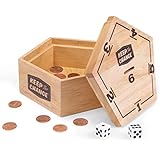
6. GoSports Keep The Change - Tabletop Coin Drop Dice Game, Includes 2 Dice and Game Rules
Overview:
The GoSports Keep The Change game reimagines classic dice rolling as a tactile coin-elimination challenge. This elegantly crafted wooden box serves as both playing surface and storage, accompanied by two dice and a comprehensive rulebook. Two or more players begin with eight coins each, using dice rolls to strategically unload their stash while potentially forcing opponents to accumulate more. The genius lies in its use of everyday currency as game pieces, eliminating proprietary component requirements.
What Makes It Stand Out:
Handcrafted premium hardwood construction distinguishes this from flimsy alternatives, delivering substantial weight and durability. Universal coin compatibility—pennies through quarters—lets players customize stakes and intensity. The push-your-luck mechanics create surprising strategic depth beneath simple rules. House rule flexibility allows winner-takes-all variations that transform casual play into high-stakes competition. Its self-contained design makes it ideal for travel and spontaneous game sessions.
Value for Money:
This represents excellent long-term value. The solid wood build ensures decades of use without replacement costs, unlike card or plastic games that wear out. Since it uses your own coins, there are no proprietary pieces to lose or repurchase. Comparable quality dice games cost more when factoring in longevity. The initial investment quickly amortizes across hundreds of plays.
Strengths and Weaknesses:
Strengths include heirloom-quality craftsmanship, zero proprietary components, and scalable complexity. The wooden acoustics enhance the tactile experience. Weaknesses: required coins aren’t included, creating initial setup friction. Pure luck elements may alienate strategy gamers, and gameplay can feel repetitive during marathon sessions. The 2+ player count excludes solo play.
Bottom Line:
A deceptively simple yet enduring addition to any game collection that transforms spare change into compelling entertainment. Perfect for families, bars, or casual gatherings.
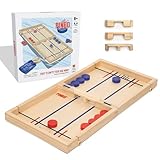
7. Pinbo The Classic Slingshot Game | Fast Action Foldable 2-Player Tabletop Wooden Game for Kids & Adults | Great for Travel & Game Night | Three Gates Included
Overview:
Pinbo revives analog dexterity with this fast-paced wooden slingshot duel. The foldable board features a smooth playing surface where two players race to propel pucks through strategically placed gates. The set includes three interchangeable gate configurations—standard, advanced, and double—allowing skill-level adaptation. Hand-assembled with reinforced hinges and spare strings, it promises durability. The compact, folding design enables instant setup and portability for on-the-go entertainment.
What Makes It Stand Out:
The three-tiered gate system dramatically extends replay value, transforming from beginner-friendly to fiendishly challenging. Its folding mechanism is genuinely space-saving, collapsing to briefcase size without compromising stability. The hand-crafted wooden construction provides satisfying tactile feedback absent in plastic alternatives. Spare strings demonstrate thoughtful long-term planning. The game balances accessibility with mastery, rewarding practice while remaining immediately fun for novices.
Value for Money:
Positioned as a premium dexterity game, its handcrafted quality justifies the price. Comparable tabletop skill games often sacrifice materials for cost. The included gate variations essentially provide three games in one, multiplying value. Durability ensures it outlasts cheaper plastic versions, while portability eliminates need for separate travel games. Replacement parts availability prevents obsolescence.
Strengths and Weaknesses:
Strengths include exceptional portability, genuine craftsmanship, and escalating difficulty options. The two-player head-to-head format creates intense rivalries. Weaknesses: limited to exactly two players, excluding larger groups. The string mechanism requires occasional maintenance. Skill disparity can frustrate younger players against experienced opponents. No solo mode limits flexibility.
Bottom Line:
An expertly crafted dexterity game that delivers competitive thrills anywhere. Ideal for couples, roommates, and travel enthusiasts seeking engaging two-player action.
8. Mini Foosball Table Soccer Board Games for Kids&Adults Indoor Tabletop Football Toys Pinball Machine Family Game & Birthday Christmas Soccer Gifts for Boys 6 7 8-12 Years

Overview:
This mini foosball table packs competitive soccer action into a 21.6" x 12.2" tabletop format. The sloped playing field eliminates dead zones while 3cm-high fences prevent runaway balls—a common frustration in cheaper models. Dual flipper controls on each handle enable passing, tackling, and shooting maneuvers. Constructed from high-quality ABS plastic with sturdy handles, it includes four balls and requires no tools for assembly. Designed for 2-4 players, it develops reflexes and hand-eye coordination.
What Makes It Stand Out:
The elevated fence design solves the most annoying flaw in mini foosball: lost balls. Dual flippers per handle introduce genuine tactical depth absent in single-flipper designs. The manual scoreboard and goal bell add satisfying feedback. Its tool-free assembly means instant play out of the box. The sloped field maintains continuous action, eliminating stagnant corners. At this size, it balances playability with genuine space efficiency.
Value for Money:
This offers 80% of a full-sized foosball experience at 10% of the cost and space. Plastic construction keeps it affordable while remaining durable enough for vigorous play. Four included balls provide immediate redundancy. Comparable mini tables lack the dual-flipper innovation and tall fences, making this a superior value. It’s an accessible entry point before committing to expensive full-size tables.
Strengths and Weaknesses:
Strengths include smart ball-retention design, quick setup, and scalable player count. The dual-flipper system creates authentic gameplay. Weaknesses: ABS plastic lacks the heft of wooden tables. Smaller size reduces shot precision compared to regulation tables. The lightweight build can shift during intense matches. Adult players may find handles slightly cramped.
Bottom Line:
A brilliantly engineered compact foosball solution that maximizes fun while minimizing space and cost. Perfect for kids’ rooms, apartments, and family game nights.
9. CGE Codenames Board Game (2nd Edition) The Top Secret Word Association Party Game for Friends & Family Game Nights, 4+ Players

Overview:
Codenames revolutionizes party gaming through ingenious word association mechanics. Two teams compete to identify their agents on a 5×5 grid of word cards. Each team’s spymaster knows the identities and must guide teammates using single-word clues combined with a number indicating how many cards relate. Players must avoid opposing agents, innocent bystanders, and the game-ending assassin card. The 2nd Edition refines components and word selection for enhanced replayability.
What Makes It Stand Out:
The asymmetric spymaster role creates delicious tension between knowledge and communication constraints. One-word clues demand creative, lateral thinking that sparks hilarious misinterpretations. The assassin mechanic adds high-stakes drama to every guess. With 400 words and infinite combinations, no two games feel alike. It scales brilliantly from 4 to 8+ players, adapting to any group size. The simplicity of rules belies extraordinary strategic depth.
Value for Money:
As a cornerstone modern classic, its value is undeniable. Hundreds of plays emerge from a single card set, with expansion packs offering fresh content. Comparable party games provide less replayability. The 2nd Edition’s improved card quality ensures longevity. It’s a social investment that pays dividends across countless gatherings, never growing stale due to emergent player creativity.
Strengths and Weaknesses:
Strengths include infinite replayability, accessible rules, and brilliant player interaction. It rewards creative thinking over trivia knowledge. Weaknesses: requires exactly two teams, making odd player counts awkward. Analysis paralysis can slow gameplay. The spymaster’s silent constraint may frustrate some. Cultural references can occasionally alienate diverse groups.
Bottom Line:
An essential party game that transforms wordplay into thrilling espionage. Mandatory for any collection that values social interaction and creative thinking.
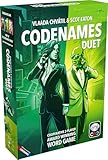
10. CGE Codenames: Duet Board Game (2nd Edition) The Top Secret Cooperative Word Association Game for Two Players & Couples Game Nights
Overview:
Codenames Duet adapts the acclaimed word-association formula for cooperative two-player gameplay. Partners work together to locate 15 hidden agents within a 5×5 grid, but each player sees only half the key card, creating an information gap. Players alternate giving one-word clues with numbers to guide their partner’s guesses while avoiding the assassin and time markers. The 2nd Edition includes 400 new words compatible with both Duet and original Codenames, enhancing cross-game utility.
What Makes It Stand Out:
The asymmetric information design forces genuine teamwork and trust. You must interpret clues knowing your partner lacks your full perspective, creating uniquely cooperative tension. The shared victory condition eliminates competitive friction, perfect for couples. The time tracker system adds urgency without pressure. Compatibility with original Codenames cards effectively doubles your word pool. It’s rare to find a two-player game this intellectually engaging yet socially warm.
Value for Money:
This delivers the Codenames experience for pairs at a fraction of the cost of acquiring the base game for just two players. The included words integrate with the original, providing expansion value. Comparable two-player cooperative games offer less replayability. Its portability makes it a travel essential, replacing multiple potential purchases. For couples who game regularly, it’s an economical staple.
Strengths and Weaknesses:
Strengths include brilliant cooperative mechanics, portability, and cross-game compatibility. It fosters communication and shared problem-solving. Weaknesses: limited to exactly two players, lacking scalability. The assassin threat can create undue stress for some partnerships. Requires compatible thinking styles; mismatched players may struggle. Lacks the boisterous fun of team-based original.
Bottom Line:
The definitive two-player word game that transforms cooperation into compelling puzzle-solving. An indispensable tool for couples’ game nights and intimate gatherings.
Why Game Inserts Revolutionize Your Tabletop Experience
Why Fast Setup Matters for Modern Board Games
Modern board games have grown increasingly complex, with some featuring hundreds of tokens, dozens of decks, and intricate component sets. A 90-minute game can easily balloon to two hours when you factor in setup alone. Quality inserts eliminate this friction by assigning every piece a designated home that’s both visible and accessible. This means less time reading rulebooks for component identification and more time actually playing. The psychological benefit is equally significant—when setup is effortless, you’re more likely to get games to the table regularly, maximizing your investment.
The Hidden Cost of Game Cleanup Time
Cleanup often takes longer than setup because fatigue has set in, and the motivation to organize properly has vanished. Players resort to tossing components into baggies, creating future setup problems. Well-designed inserts make cleanup intuitive and fast—often under two minutes—by providing clear visual cues for where everything belongs. This preservation of components also extends their lifespan, preventing the bent cards, scratched tokens, and lost pieces that plague poorly stored games.
Key Features to Look for in Quality Game Inserts
Core Components of Effective Inserts
The foundation of any worthwhile insert begins with its tray design. Look for systems that offer individual compartments for each component type rather than generic bins. The best designs incorporate finger notches or easy-lift features that let you remove trays without dumping everything. Depth matters tremendously—shallow trays prevent components from stacking and hiding beneath each other, while appropriately deep wells keep pieces secure during storage.
Material Quality and Durability
Material choice directly impacts longevity and protection. High-density materials resist wear from repeated handling and won’t shed particles that could damage components. Smooth finishes prevent snagging on card edges or delicate tokens. The weight-to-strength ratio is crucial—heavy enough to stay stable on the table, light enough not to add significant shipping weight or stress the game box. Premium options often feature reinforced corners and edges that won’t split or crack after repeated assembly.
Modular vs. Fixed Designs
Modular systems use removable trays that can be passed around the table during gameplay, keeping components organized while in use. This flexibility shines in games where different player counts require different component sets. Fixed designs remain anchored in the box, offering superior stability but less table functionality. Consider your typical gaming scenario—do you play in a fixed location where trays can stay in the box, or do you need portability for game nights away from home?
Types of Game Inserts by Material
Wooden Inserts: Classic Appeal
Wooden organizers bring a tactile, premium feel that complements the aesthetic of many Euro-style games. They typically feature precise laser-cut joints that snap together without glue, though wood glue adds permanence. The natural material absorbs impact better than rigid plastics, protecting delicate components. However, wood can be susceptible to humidity changes and may require occasional sanding of rough edges. The assembly process itself becomes a satisfying puzzle project.
Plastic Inserts: Modern Efficiency
Injection-molded plastic inserts offer consistency and precision impossible with other materials. They’re lightweight, washable, and resistant to environmental changes. The best designs use varied compartment shapes tailored to specific components rather than generic grid patterns. Look for plastics with some flex rather than brittle rigidity—this prevents cracking under stress. Transparency can be a feature, allowing you to see contents without opening trays, though opaque designs often look more premium.
Foam Core Inserts: Lightweight Customization
Foam core offers unparalleled customization for the DIY-inclined. This lightweight material is easy to cut and shape, letting you create perfectly tailored compartments. Professional foam core inserts use acid-free materials that won’t damage components over time. The downside is durability—edges can crush if handled roughly, and the material doesn’t age as gracefully as wood or plastic. It’s ideal for games with unusual component shapes that commercial inserts don’t address.
Acrylic and 3D-Printed Options
Emerging technologies have made acrylic and 3D-printed inserts increasingly viable. Acrylic offers crystal-clear visibility and a modern aesthetic, though it can be brittle. 3D-printed options provide ultimate customization, with designs that can be iteratively improved by the community. Print quality varies dramatically—look for high-resolution prints with smooth surfaces. These materials excel for games with expansion content, as new designs can be printed to accommodate additional components.
Organization Systems and Tray Designs
Token Tray Configurations
Token organization separates mediocre inserts from exceptional ones. The best systems use tiered trays where commonly used tokens sit in shallow, accessible wells while rarely needed pieces reside in deeper storage. Some designs incorporate magnetic lids or sliding covers to prevent spillage during transport. Consider whether you prefer trays that sit flat on the table or those with angled compartments that display tokens like a dealer’s tray.
Card Organization Systems
Card storage must balance accessibility with protection. Vertical slots let you flip through cards like a filing cabinet, while horizontal stacks save space but hide bottom cards. Premium inserts account for sleeved cards, which add 2-3mm thickness per deck. Some systems use removable card caddies that can travel around the table, while others keep cards anchored in the box. For deck-building games, consider inserts with shuffle-ready wells that protect edges.
Miniature Storage Solutions
Miniatures demand specialized care—foam padding, individual cutouts, or magnetic systems. The gold standard uses modular foam trays where you pluck out custom shapes for each figure. Magnetic systems embed tiny magnets in miniature bases that stick to metal-lined trays, offering supreme accessibility. For unpainted miniatures, ensure compartments prevent rubbing that could remove primer. Painted miniatures need even more protection, with soft linings and zero-component contact.
DIY vs. Commercial Inserts: Making the Right Choice
Cost-Benefit Analysis
DIY foam core inserts cost a fraction of commercial options—typically $10-20 in materials versus $30-80 for pre-made solutions. However, factor in your time investment and the learning curve. Commercial inserts offer guaranteed fit and professional finish, while DIY projects carry the risk of misaligned cuts or measurement errors. For a single game, DIY might make sense. For organizing an entire collection, the time savings of commercial inserts often justify the premium.
Time Investment Considerations
A first-time foam core project can consume 4-6 hours including design, cutting, and assembly. Commercial inserts typically assemble in 15-45 minutes with pre-cut pieces and clear instructions. 3D-printed inserts require printer setup time but minimal hands-on effort. Consider your crafting skills and available free time—many enthusiasts find the DIY process therapeutic, while others view it as a chore that delays actually playing the game.
Skill Level Requirements
Foam core crafting demands precision cutting, measuring, and gluing skills. Beginners should start with simple grid designs before attempting complex shapes. Wooden inserts require careful assembly and sometimes wood glue cleanup. Plastic inserts are usually tool-free, using snap-together construction. 3D printing requires technical knowledge of slicer software and printer settings. Be honest about your patience for trial and error—frustration during assembly can sour your opinion of the final product.
Compatibility Considerations
Game Box Size Variations
Not all game boxes are created equal, even for the same title. Printing variations can create 5-10mm differences in internal dimensions. Quality insert makers provide measurements for multiple print runs. When selecting an insert, verify it matches your specific edition—first printings often differ from later ones. Some inserts use adjustable spacers to accommodate these variations, while others offer version-specific models.
Expansion Planning
The best inserts anticipate future content. Look for designs with预留 space for expansions or modular add-ons that can be purchased separately. Some systems use a base tray with removable modules—add an expansion, swap in a larger module. Consider whether expansions add more cards, tokens, or boards, as each requires different storage solutions. An insert that perfectly fits the base game but leaves no room for expansions creates future headaches.
Sleeve Compatibility
Sleeving cards dramatically impacts storage requirements. Premium inserts explicitly state their sleeve compatibility—“fits premium sleeves” or “accommodates double-sleeving.” Measure your sleeved cards and compare to insert specifications. Some designs use adjustable dividers to handle varying sleeve thicknesses. Remember that sleeves add weight, so ensure card trays have adequate structural support to prevent sagging.
Storage and Transport Solutions
Vertical Storage Benefits
Storing game boxes vertically (like books) prevents component weight from crushing lower pieces, but requires inserts that lock components in place. Look for designs with lids over each tray or interlocking components that prevent shifting. Vertical storage also makes browsing your collection easier and prevents box tops from becoming concave under weight. The best vertical-ready inserts pass the “shake test”—shake the closed box and hear nothing move.
Travel-Friendly Designs
For gaming on the go, prioritize inserts with secure lids, integrated handles, and compact profiles. Some designs transform into carrying caddies that lift directly from box to table. Magnetic closures prevent spillage during transport. Consider the total weight—wooden inserts can add several pounds, making the game less portable. Stackable tray designs let you bring only what you need for your player count, reducing bulk.
Budget-Friendly Strategies
Entry-Level Options
Start with simple, universal token trays that work across multiple games. These modular pieces let you test the insert concept without committing to a full system. Many affordable options use vacuum-formed plastic that, while less durable than injection-molded, costs significantly less. Focus first on your most-played games—the time savings there justifies even modest investment. Some communities share DIY plans for basic inserts costing under $5 in materials.
Mid-Range Investments
The sweet spot for most hobbyists lies in the $30-50 range per game. At this price point, you get durable materials, thoughtful design, and expansion capacity. Prioritize complex games with many components—Eurogames with resource tokens, miniatures games, or deck-builders. Spread purchases across your collection rather than outfitting everything at once. Many manufacturers offer bundle discounts for multiple inserts, reducing per-unit cost.
Premium Solutions
High-end inserts ($60-100+) often feature exotic materials, laser-etched designs, or integrated accessories like dice towers. These suit display pieces or frequently played favorites. The law of diminishing returns applies—premium inserts offer aesthetic and marginal functional improvements over mid-range options. For collectors, these can become part of the game’s value proposition, especially for out-of-print titles where component preservation matters.
Mix-and-Match Approaches
Nobody says every game needs the same insert type. Use premium wooden inserts for centerpiece games, commercial plastic for workhorse titles, and DIY solutions for oddball components. This hybrid strategy optimizes both budget and functionality. Some gamers use commercial inserts for 80% of a game, then DIY custom trays for unique pieces that standard designs miss. This approach lets you upgrade gradually as budget allows.
Frequently Asked Questions
How much time do game inserts actually save?
Most users report 50-80% reductions in setup and cleanup time. A 20-minute setup might drop to 5 minutes, while cleanup goes from 15 minutes to under 3. The exact savings depend on the game’s complexity and your previous organization method.
Will inserts damage my game components over time?
Quality inserts actually protect components better than baggies, which can trap moisture and cause cards to warp. Look for smooth, unfinished surfaces and avoid inserts with rough edges or tight fits that could scuff pieces.
Do I need to sleeve my cards before using an insert?
Not necessarily, but sleeve-compatible inserts offer more flexibility. Many inserts accommodate both sleeved and unsleeved cards through adjustable dividers. If you plan to sleeve eventually, buy an insert that supports it from the start.
Can I use one insert for multiple games?
Generally no—inserts are game-specific due to unique component shapes and box sizes. However, some modular token trays work across games with similar pieces. Universal solutions exist for common components like standard meeples or dice.
How do I know if an insert fits my game edition?
Check the insert manufacturer’s compatibility list, which should specify print run dates or edition markers. Measure your box interior and compare to listed dimensions. When in doubt, contact the maker with your specific version details.
Are foam core inserts durable enough for heavy use?
Professionally made foam core inserts use high-density archival board that lasts years with normal handling. DIY versions vary based on material quality and construction technique. Reinforce corners with extra glue and handle trays by their bases, not sides.
What’s the easiest insert type for beginners to assemble?
Snap-together plastic inserts require no tools and minimal skill. Pre-assembled wooden inserts ship ready to use. If you must assemble, choose designs with tab-and-slot construction and clear video tutorials.
How do inserts affect game resale value?
A quality insert often increases resale value, especially for out-of-print games. Keep the original insert if possible, as some collectors prefer untouched boxes. Document the insert’s brand and model for the next owner.
Can inserts accommodate expansions I don’t own yet?
Many designs include expansion space or sell add-on modules. Look for inserts labeled “expansion ready” or with removable spacers. When in doubt, choose a slightly larger tray system that can grow with your collection.
Is it worth inserting cheaper or lighter games?
Focus on games where setup friction prevents you from playing. A $20 insert for a $25 game makes sense if it gets the game to the table weekly. For party games that set up in 2 minutes anyway, inserts offer minimal benefit.
See Also
- 10 Best Tabletop Game Inserts for Keeping Components Organized This Year
- The 10 Best Tabletop Game Inserts Every New Collector Needs This Year
- The 10 Best Tabletop Game Inserts Every Enthusiast Needs This Year
- 10 Best Tabletop Game Inserts for Expansions That Prevent Component Chaos in 2026
- 10 Best Tabletop Game Inserts for Maximum Component Protection in 2026