Table of Contents
Gather ‘round the table, because the era of simple roll-and-move games is evolving. Families today crave more than just luck-based outcomes; they’re actively seeking experiences that spark lively discussion, encourage critical thinking, and create memorable moments of shared triumph (and maybe a little friendly rivalry). If your game nights have outgrown pure chance and you’re ready to dive into deeper waters where planning, foresight, and clever maneuvers decide the winner, you’re part of a growing wave. The right strategic board game can transform your family time into a dynamic workshop for problem-solving, where every decision matters and victory feels truly earned through collective brainpower.
Forget the notion that complex strategy is only for hardcore gamers in basements. Modern family strategy games are masterclasses in accessibility meeting depth, designed with intuitive rules that unfold layers of possibility as you play. They offer the perfect sweet spot: challenging enough to engage adults and older kids, yet streamlined enough to be learned and enjoyed by younger players with a bit of guidance. Choosing the ideal game isn’t about finding the heaviest rulebook; it’s about discovering a shared language of tactics, resource management, and spatial reasoning that brings your family closer through the thrill of the intellectual challenge. Let’s explore what truly makes a strategy game shine for families who love to test their wits together.
Top 10 Strategy Board Games
Detailed Product Reviews
1. CATAN Board Game (6th Edition) Trade, Build & Settle in The Classic Strategy Game for Family, Kids & Adults, Ages 10+, 3-4 Players, 60-90 Min Playtime

Overview: CATAN 6th Edition remains the definitive gateway into modern strategy board gaming. Players compete to build settlements, cities, and roads on a dynamic island, gathering resources like wood and wheat through dice rolls while trading with opponents or the bank. Its blend of luck mitigation and strategic depth has captivated families and gamers for decades. What Makes It Stand Out: The modular hexagonal board ensures every game layout is unique, driving immense replayability. The core tension between aggressive expansion and resource scarcity—exacerbated by the “robber” mechanic—is brilliantly engaging. Its elegant focus on player negotiation sets it apart from purely luck-based or solitaire-style games. Value for Money: Priced competitively for its component quality and strategic depth, CATAN offers exceptional longevity. While cheaper games exist, few deliver such consistent, high-stakes interaction over hundreds of plays. Expansions further extend value, but the base game alone justifies the cost for strategy newcomers and veterans alike. Strengths and Weaknesses: Strengths: Highly replayable, fosters meaningful player interaction, intuitive core mechanics, stunning visual evolution in the 6th Edition. Weaknesses: Can suffer from “alpha player” dominance in new groups, potential for player elimination if luck turns sour, setup time slightly lengthy for casual players. Bottom Line: An essential, timeless investment for any board game collection. CATAN masterfully balances accessibility with strategic richness, making it perfect for family game nights or dedicated gaming circles seeking dynamic, interactive fun.
2. Azul Asmodee Azul Board Game - Award-Winning Tile-Placement Strategy Game, Beautiful Mosaic Art, Family Fun for Kids & Adults, Ages 8+, 2-4 Players, 30-45 Minute Playtime
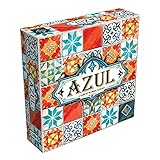
Overview: Azul distills strategic depth into a deceptively simple tile-drafting experience. Players compete to decorate a royal palace wall by selecting vibrant, lacquered tiles from central factories, aiming to complete rows and columns on their personal boards for maximum points within 4-5 swift rounds. What Makes It Stand Out: Its stunning, tactile tiles and minimalist Portuguese-inspired artwork create immediate visual appeal. The genius lies in its razor-thin margin for error: one wrong tile grab can cascade into point losses, while clever planning yields satisfying combos. Rules take minutes to learn, but mastery demands foresight. Value for Money: Excellent for the price, given the premium components and near-perfect replayability. Compared to heavier strategy games, Azul delivers disproportionate strategic weight in a compact, affordable package. Its universal appeal across ages ensures frequent table time, maximizing cost-per-play. Strengths and Weaknesses: Strengths: Exceptionally beautiful components, rules simplicity with deep strategy, short playtime ideal for all audiences, highly replayable. Weaknesses: Limited player interaction beyond tile denial, scoring nuances can confuse beginners initially, minimal theme integration. Bottom Line: A must-own modern classic that excels as a gateway game and a satisfying standalone experience. Azul’s blend of beauty, brevity, and brain-burning decisions makes it a phenomenal value for casual and serious gamers alike.
3. Gamewright - Forbidden Island - Cooperative Strategy Survival Board Game, 2-4 Players
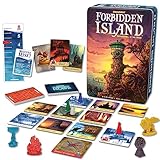
Overview: In Forbidden Island, players become adventurers racing against time to retrieve sacred treasures from a sinking island. Working cooperatively—not competitively—they must strategize moves, share actions, and mitigate rising waters before the island vanishes beneath the waves. What Makes It Stand Out: As one of the earliest accessible cooperative board games, it pioneered the “all-win-or-all-lose” dynamic for families. The adjustable difficulty (via water level) and unique character roles (like the Diver or Pilot) create tailored tension. Its theme of urgent teamwork is flawlessly integrated into mechanics. Value for Money: Highly cost-effective for fostering genuine collaboration. Priced modestly, it outperforms many competitive games in promoting communication and shared problem-solving. Replacement value is high due to frequent play, especially for families seeking non-confrontational gaming. Strengths and Weaknesses: Strengths: Builds teamwork and communication skills, tense yet family-friendly, adjustable difficulty, compact and durable components. Weaknesses: Can suffer from “quarterbacking” (one player dictating moves), limited strategic depth for hardcore gamers, high luck dependency in early plays. Bottom Line: An indispensable cooperative introduction that remains engaging years after release. Forbidden Island’s focus on collective victory over individual competition makes it a uniquely valuable, heartwarming addition to any family’s game shelf.
4. AEG & Flatout Games | Cascadia - Award-Winning Board Game Set in the Pacific Northwest | Easy to Learn | Quick to Play | Ages 10+

Overview: Cascadia challenges players to build evolving ecosystems across the Pacific Northwest. Using a clever draft-and-place system, you simultaneously select habitat tiles and wildlife tokens to create connected corridors, scoring points through strategic spatial arrangement and species-specific goals. What Makes It Stand Out: Winning Spiel des Jahres 2022, it shines with serene yet strategic gameplay. The dual-drafting mechanism (choosing both terrain and animals each round) creates elegant tension. Its puzzle-like spatial scoring—balancing bear clusters, river continuity, and salmon runs—feels deeply satisfying without complexity overload. Value for Money: Justifies its price with premium wooden wildlife tokens, vivid artwork, and exceptional replayability. At 15-30 minutes per game, its low time investment per session maximizes value. Competes favorably with longer, pricier games by delivering rich strategy in a compact frame. Strengths and Weaknesses: Strengths: Award-winning accessible strategy, beautiful nature theme, quick setup/playtime, multiple scoring paths, minimal downtime. Weaknesses: Limited player interaction (mostly indirect), solo mode essential for full enjoyment (sold separately), scoring nuances require reference cards initially. Bottom Line: A near-perfect blend of tranquility and tactical depth. Cascadia’s effortless learning curve, combined with enduring strategic appeal, makes it an outstanding investment for casual gamers and puzzle enthusiasts seeking meaningful, bite-sized fun.
5. SEQUENCE- Original SEQUENCE Game with Folding Board, Cards and Chips by Jax ( Packaging may Vary ) White, 10.3" x 8.1" x 2.31"
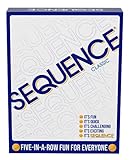
Overview: SEQUENCE merges classic card play with a board-based strategy twist. Players match cards from their hand to the board, placing chips to form lines of five. It’s a race to complete the required number of “sequences” while blocking opponents—combining luck, memory, and spatial tactics. What Makes It Stand Out: Its genius lies in universal accessibility: children grasp the card-matching instantly, yet adults strategize blocking and multi-sequence setups. The folding board and durable chips ensure portability and longevity. The dual-deck card system (with board duplicates) creates clever memory challenges. Value for Money: Exceptional for its durability and cross-generational appeal. Priced modestly, it withstands heavy use far better than many flimsier games. Its STEM-focused strategy development (planning, pattern recognition) adds educational value, making it a smart buy for families. Strengths and Weaknesses: Strengths: Truly all-ages appeal, portable and sturdy components, quick rounds (20-30 mins), develops strategic thinking subtly, easy to teach. Weaknesses: High luck element from card draws, limited depth for strategy purists, potential for analysis paralysis in larger groups. Bottom Line: A timeless, brilliantly executed hybrid game that delivers reliable fun for any gathering. SEQUENCE’s perfect balance of simplicity and strategic hints ensures it remains a versatile, high-value staple for game nights spanning generations.
6. Stonemaier Games: Wingspan (Base Game) by Elizabeth Hargrave | A Relaxing, Award-Winning Strategy Board Game About Collecting Birds for Adults and Family | 1-5 Players, 70 Mins

Overview: Wingspan is an elegant engine-building board game where players act as bird enthusiasts curating wildlife preserves across forest, grassland, and wetland habitats. Designed by Elizabeth Hargrave, it masterfully blends natural history with strategic depth, featuring stunning bird illustrations and tactile components like wooden eggs and a custom dice tower. Its relaxing yet engaging gameplay appeals to both casual and seasoned gamers.
What Makes It Stand Out: The game’s genius lies in its seamless integration of theme and mechanics—each of the 170+ unique bird cards triggers habitat-specific abilities that chain together to build powerful combos. The birdfeeder dice tower adds whimsy, while the swift-start guide lowers the entry barrier. Winning the Kennerspiel des Jahres award underscores its exceptional design, balancing accessibility with strategic richness rarely seen in family-friendly games.
Value for Money: Priced around $70, Wingspan delivers remarkable value. The high-quality components (durable cards, engraved dice, wooden tokens) and near-limitless replayability from variable setups justify the cost, especially compared to less thematic strategy games. Expansions further extend longevity, making it a worthy investment for families or strategy enthusiasts.
Strengths and Weaknesses: Strengths: Exceptional artwork, intuitive rules, high replayability, and educational value about biodiversity. Supports solo play admirably. Weaknesses: Setup can feel fiddly with many bird cards; the dice-rolling element introduces minor luck; storage solutions are not included.
Bottom Line: An essential, award-winning gem that transforms birdwatching into captivating strategy. Perfect for families, nature lovers, or anyone seeking a beautiful, thoughtful game that balances competition with tranquility.
7. Unstable Games Twisted Cryptids Board Game - Strategy Card Game for Adults and Kids - Family Board Games for 2-4 Players, Ages 12 and Up - from The Creators of Unstable Unicorns and Here to Slay

Overview: Twisted Cryptids is a fast-paced, “take-that” card game where players compete as rival cryptid hunters using hidden trait cards to sabotage opponents. From the makers of Unstable Unicorns, it combines cheeky humor with strategic depth, featuring beloved creatures like Bigfoot and Mothman. The lenticular box art and high-quality components make it a visually striking addition to any game shelf.
What Makes It Stand Out: The hidden trait mechanic—where players secretly align with cryptids to earn bonus points—creates delicious tension and bluffing opportunities. With 60-minute play sessions, it’s lighter than Wingspan but packed with player interaction. The spooky-meets-silly theme and expansions (like Ness is More) offer extensive replayability, while the take-that mechanics ensure no two games feel alike.
Value for Money: At $30, it’s competitively priced for the component quality (thick tarot cards, custom meeples). While less complex than heavy strategy games, its replay value through expansions and group dynamics makes it a strong buy for casual gamers seeking laughs and light competition.
Strengths and Weaknesses: Strengths: Engaging hidden roles, high-quality art, quick setup, and expansions enhance longevity. Ideal for game nights. Weaknesses: Take-that elements can frustrate new players; theme may overshadow strategy for some; limited depth for hardcore gamers.
Bottom Line: A hilarious, accessible card game perfect for families or friends wanting lighthearted competition. Its blend of strategy and humor shines in social settings, though sensitivity to “mean” mechanics is advised.
8. Gamewright - Shifting Stones – A Visual, Decision-Making Family Strategy Game of Tiles, Cards, and Tactics, 8 years +

Overview: Shifting Stones is a compact abstract strategy game where players rearrange nine double-sided hexagonal tiles to match patterns on scoring cards. Designed for ages 8+, it emphasizes spatial reasoning and forward planning in quick 20-minute sessions. Its minimalist design—featuring only tiles and cards—makes it ideal for travel or casual play.
What Makes It Stand Out: The game’s brilliance is in its simplicity: flipping or rotating tiles changes adjacency rules, creating constant tactical puzzles. Unlike luck-driven games, every move is skill-based, fostering critical thinking without overwhelming complexity. The solo mode adds versatility, and its portability stands out among family strategy games.
Value for Money: Priced under $20, it offers exceptional value for the replayability and educational benefits. The durable components punch above their weight, rivaling pricier abstract games like Blokus while being far more accessible for younger players.
Strengths and Weaknesses: Strengths: Teaches spatial logic, ultra-portable, quick to learn, and supports solo play. Minimal setup enhances accessibility. Weaknesses: Limited player count (2-5); scoring can feel arbitrary early on; lacks thematic depth for story-driven gamers.
Bottom Line: A superb, affordable brain-teaser for families seeking quick, skill-based fun. Its elegance and educational value make it a standout for developing decision-making skills in children and adults alike.
9. Hasbro Gaming Connect 4 Classic Grid,4 in a Row Game,Strategy Board Games for Kids,2 Player .for Family and Kids,Ages 6 and Up
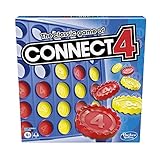
Overview: Connect 4 Classic Grid revitalizes the timeless “4-in-a-row” strategy game with modern aesthetics and three distinct play modes. Targeted at ages 6+, it retains the core gameplay—dropping colored discs into a vertical grid—but adds visual flair through vibrant colors and a sleek grid design. It’s a reliable staple for family game nights.
What Makes It Stand Out: The inclusion of three variants elevates it beyond nostalgia: classic play, Frenzy (simultaneous disc-dropping), and Pop-Out (ejecting bottom discs). This versatility extends replayability significantly, while the durable plastic grid ensures longevity. Its simplicity makes it uniquely accessible for young children learning strategy.
Value for Money: At $15, it’s a budget-friendly classic with near-universal appeal. While not innovative, the added variants justify repurchasing over older versions. Comparable games (e.g., Quarto) lack its instant recognizability and multi-generational charm.
Strengths and Weaknesses: Strengths: Effortless to learn, quick rounds (under 5 minutes), promotes strategic thinking for kids, and travel-friendly. Weaknesses: Still fundamentally the same 40-year-old game; variants feel tacked-on; limited depth for adults seeking complexity.
Bottom Line: An excellent entry-point strategy game for young children, offering quick, competitive fun. Worth buying for the Pop-Out variant alone, though seasoned gamers may crave deeper mechanics.
10. Asmodee Sid Meier’s Civilization: A New Dawn Board Game - Rewrite History Your Way! Strategy Game for Kids & Adults , Ages 14+, 2-4 Players, 1-2 Hour Playtime

Overview: Sid Meier’s Civilization: A New Dawn condenses the epic PC franchise into a streamlined board game where 2-4 players guide civilizations from antiquity to industry. Focusing on exploration, culture, and warfare, it replaces complex mechanics with action cards and iconic “wonder” achievements, capturing Civilization’s essence in 60-90 minutes.
What Makes It Stand Out: The game’s standout feature is its elegant action-selection system: players draft cards to move units, build wonders, or expand territory, fostering dynamic player interaction. Multiple victory paths (science, culture, domination) encourage diverse strategies, while the modular map ensures high replayability. It brilliantly distills Civilization’s grandeur without overwhelming newcomers.
Value for Money: Priced around $60, it offers solid value with detailed miniatures, a vibrant board, and rich thematic depth. Though less intricate than Gathering Storm, it surpasses most 60-minute strategy games in scope, justifying its cost for fans of 4X gameplay.
Strengths and Weaknesses: Strengths: Streamlined yet strategic, beautiful components, multiple win conditions, and strong player agency. Weaknesses: Luck in card drafting; limited diplomacy depth; setup time exceeds advertised claims.
Bottom Line: A compelling gateway to 4X strategy that honors its digital namesake. Ideal for intermediate gamers seeking thematic depth without excessive complexity, though veterans may desire more granularity.
Understanding Strategic Depth for Family Play
Defining “Strategy” in the Family Context
True strategy in family games moves beyond simple choices. It involves meaningful decisions where players must weigh short-term gains against long-term goals, anticipate opponents’ moves, and adapt plans based on evolving game states. It’s about resource allocation, spatial reasoning, and understanding cause-and-effect relationships within the game’s systems, all presented in a way that feels engaging, not overwhelming, for mixed-age groups.
The Crucial Balance: Challenge vs. Frustration
The magic lies in finding that sweet spot where the game provides a genuine mental workout without tipping into excessive complexity or downtime that loses younger players. Ideal family strategy games feature clear objectives, manageable decision trees, and mechanisms that allow less experienced players to grasp core concepts quickly while still offering depth for veterans. Look for games where mistakes are learning opportunities, not game-ending disasters for kids.
Why Strategic Play Benefits Families
Engaging in strategic gameplay together fosters essential life skills: critical thinking as players evaluate options, communication as families discuss tactics (even non-verbally), patience while waiting for turns, and resilience when plans go awry. It creates a shared intellectual space where parents and children collaborate and compete on a more level cognitive playing field, building confidence and mutual respect through problem-solving.
Key Features to Evaluate Before You Buy
Complexity Level: Reading the Signs
Don’t rely solely on age ranges; delve into the complexity indicators. Look for descriptions mentioning “light strategy,” “medium weight,” or “streamlined rules.” Consider the number of distinct actions per turn, the presence of hidden information, and the length of the rulebook summary. A game with 2-3 clear, meaningful choices per turn is often more accessible than one offering dozens of minor options that cause analysis paralysis.
Player Count and Interaction Dynamics
How the game scales across different player numbers is critical. Does it support your typical family size (e.g., 2, 3, 4, or more players) effectively? Crucially, examine the type of player interaction. Is it primarily indirect competition (like racing to complete objectives), direct conflict (negotiation, blocking), or cooperative elements? Families often thrive with games featuring positive or neutral interaction (trading, shared goals) rather than highly aggressive take-that mechanics that can sour the mood.
Game Length and Pacing Sweet Spot
For family adoption, session length is paramount. Aim for games that realistically fit within 60-90 minutes for your group, including setup and teach time. Pay attention to pacing: games with simultaneous actions, minimal downtime between turns, or clear phases that keep everyone engaged are far more successful than those where players wait passively for extended periods. A well-paced game maintains energy and focus throughout.
Essential Mechanics for Engaging Family Strategy
Resource Management Made Relatable
Games where players gather, convert, and spend resources (like wood, stone, workers, or abstract tokens) teach fundamental economic principles in a tangible way. The best family versions use thematic resources (e.g., farming crops, building structures) and provide clear, visual tracks or boards to manage them, making the abstract concept concrete and satisfying to manipulate.
Area Control and Influence: Claiming Your Space
This mechanic involves strategically placing influence (workers, tokens, pieces) to dominate regions of the board for points or advantages. For families, look for games with intuitive spatial elements – perhaps claiming territories on a map or controlling areas of a shared board – where placement decisions have visible, immediate consequences, fostering spatial reasoning and forward planning without excessive calculation.
Set Collection and Pattern Building: Satisfying Synergies
Collecting specific combinations of cards, tiles, or resources to trigger bonuses or score points is inherently engaging. Family-friendly versions often use colorful, thematic sets (animals, artifacts, ingredients) and provide clear visual goals. Pattern building takes this further, where arranging pieces to create specific shapes or sequences on a personal board offers a delightful puzzle-like challenge alongside strategic planning.
Design Elements That Make Strategy Accessible
Visual Clarity and Intuitive Iconography
A game’s visual design is half the battle for family adoption. Boards, cards, and player aids should be uncluttered, with information presented logically. Well-designed iconography that is consistent and easy to decipher (often supplemented by clear text) drastically reduces the need for constant rulebook consultation, allowing players to focus on strategy rather than decoding symbols.
Streamlined Turn Structure and Action Selection
Games with a clear, repetitive turn structure (e.g., “Take one action from this list”) are significantly easier to learn and teach. Action selection mechanisms, where players choose from a limited, visible set of possible moves each turn, provide structure and reduce decision overwhelm. Look for games where the core loop is immediately apparent after the first round.
The Power of Solo Modes and Scalable Difficulty
An excellent feature for family strategy games is a well-integrated solo mode. This allows adults or older kids to practice, maintains engagement when the full group isn’t available, and can be a fantastic tool for teaching the game step-by-step. Similarly, built-in difficulty sliders or variant rules that adjust complexity based on player experience ensure the game grows with your family.
Building Long-Term Engagement and Replayability
Variable Setup: A New Puzzle Every Time
Games that randomize key elements at the start (like tile layouts, objective cards, or initial resources) ensure no two games play identically. This variability is crucial for replayability, as it forces players to adapt their strategies to the unique conditions of each session, preventing the game from becoming predictable or solvable after just a few plays.
Meaningful Player Agency and Divergent Paths
Replayability thrives when players have distinct ways to approach victory. Games offering multiple viable winning strategies (e.g., focus on military, science, or culture) encourage players to experiment with different tactics in subsequent games. This “paths to victory” design ensures players feel their choices genuinely shape the outcome and motivates them to try new approaches.
Modular Expansions vs. Core Depth
While expansions can add longevity, prioritize games with strong inherent replayability in the base box. Deep core mechanics that offer fresh strategic puzzles through variable setup and player interaction are more valuable for family longevity than reliance on additional purchases. A game that remains engaging after 20 plays without extras is a keeper.
Navigating Thematic Integration for Family Appeal
Theme Supporting Mechanics, Not Overwhelming Them
The best family strategy games use theme to enhance understanding and enjoyment, not complicate it. A farming theme can intuitively explain resource gathering and conversion; an exploration theme can frame area control. Avoid games where the theme feels pasted on or where excessive narrative elements bog down the strategic flow with unnecessary bookkeeping or lengthy story segments.
Age-Appropriate Thematic Resonance
Consider what themes resonate with your family’s interests and maturity levels. Themes involving light fantasy, historical exploration, scientific discovery, or creative building often have broad appeal. Steer clear of overly aggressive, violent, or thematically complex subjects that might not suit younger players or detract from the strategic focus you’re seeking.
Component Quality and Thematic Immersion
Durable, well-made components that reflect the theme (like chunky resource tokens, sturdy miniatures, or beautifully illustrated boards) significantly enhance the experience. They make setup enjoyable, provide tactile satisfaction during play, and help immerse players in the game world, reinforcing the strategic decisions within a cohesive context. Don’t underestimate the joy of manipulating high-quality pieces.
Practical Considerations for Family Integration
Storage Solutions and Table Footprint
Be realistic about your space. A game with a massive board and hundreds of tiny pieces might be strategically brilliant but impractical for frequent family play if storage is awkward or it requires clearing the entire dining table for weeks. Look for games with efficient storage trays within the box and a board size that fits your typical play area without dominating it.
Teachability and the “First Play” Experience
The ease of teaching a game is often the biggest hurdle to adoption. Prioritize games known for intuitive learning curves. Look for features like “learn to play” guides, clear examples of play, or rulebooks structured around a sample turn. Games where the core concept can be grasped in 5-10 minutes of explanation (even if nuances emerge later) stand the best chance of becoming family staples.
Balancing Skill Disparities Within the Family
This is a common challenge. Seek games with built-in catch-up mechanics (like end-game bonuses for trailing players), variable player powers that cater to different styles, or cooperative elements that allow stronger players to subtly assist others without taking over. Games with some element of可控 randomness (like dice that introduce variability but don’t dictate outcomes) can also help level the playing field without sacrificing strategy.
Frequently Asked Questions
Frequently Asked Questions
What’s the biggest mistake families make when choosing a strategic board game? Overestimating the complexity younger players can handle and underestimating the need for clear visual aids and minimal downtime, leading to frustration and disengagement.
How can I tell if a game has “true” strategy versus just being complicated? True strategy offers meaningful, impactful choices with clear consequences that players can learn to influence through skill. Complexity without meaningful decisions (like excessive bookkeeping) is just fiddly, not strategic.
Are cooperative strategy games good for families who want a challenge? Absolutely. Well-designed cooperative games create shared problem-solving experiences where the family strategizes together against the game system, fostering teamwork and collective critical thinking without direct player conflict.
What age is generally appropriate for introducing “light strategy” games? Many children as young as 8-10 can grasp light strategy games (like those involving simple set collection or route building) with adult guidance, especially if the theme is engaging and the rules are taught incrementally.
How important is physical dexterity for strategic board games? Generally, not important at all. Pure strategy focuses on mental decisions. Avoid games requiring significant manual dexterity (like flicking or stacking) if you want the challenge to be purely intellectual and accessible to all physical abilities.
Can strategy games be fun for families with a wide age gap (e.g., 6-year-old and grandparents)? Yes, but choose carefully. Prioritize games with extremely simple core rules, high visual clarity, strong theme, and possibly variable difficulty. Games with a strong spatial or puzzle element often bridge age gaps well.
How do I prevent arguments during competitive family strategy games? Set clear expectations beforehand. Choose games with minimal direct conflict (“take-that”). Emphasize that the goal is shared fun, not just winning. Use games with clear victory point tracking to reduce scoring disputes. Take breaks if tensions rise.
Should I prioritize games with shorter playtimes for family strategy? Generally, yes, especially when starting out. Games under 60 minutes are easier to schedule and maintain focus. However, if your family enjoys longer, immersive sessions (90-120 mins), ensure the game has excellent pacing and engagement throughout to justify the time investment.
What’s the role of luck in a good family strategy game? A small, controlled amount of luck (like card draws or dice rolls) can introduce exciting variability and help balance skill differences, making wins feel achievable for less experienced players. However, the outcome should still be primarily determined by player decisions, not random chance.
How can I encourage strategic thinking in younger players during the game? Ask open-ended questions: “What do you think will happen if you do that?” “What’s one thing you need to get next turn?” Focus on the process (“That was a clever way to use your resources!”) rather than just the outcome. Model your own thought process aloud.
See Also
- 10 Game-Changing Strategy Board Games for Families Who Love a Challenge in 2026
- 10 Best Board Games for Families Who Love Strategy and Fun in 2026
- 10 Best Strategy Board Games for Couples Who Love Competition in 2026
- Top 10 Best Strategy Board Games for Mixed-Age Families in 2026
- How to Solve Boring Game Nights with the 10 Best Strategy Board Games in 2026