Table of Contents
The satisfying click of a lock mechanism, that rush of adrenaline when a hidden compartment reveals itself, the collective cheer when your team solves a seemingly impossible puzzle—these are the moments that make escape rooms unforgettable. But what if you could capture that same immersive thrill around your dining room table, whenever the mood strikes? The board game industry has been quietly revolutionizing its narrative-driven offerings, transforming from simple dice-rolling into richly woven experiences that mirror the best aspects of physical escape rooms. As we look toward 2026, the convergence of sophisticated storytelling, tactile puzzle design, and collaborative gameplay has created a golden age for enthusiasts craving that next-level mental challenge.
This evolution means you’re no longer limited to booking weekend time slots or traveling to specialized venues. Today’s story-driven board games offer branching narratives, physical components that beg to be manipulated, and challenges that scale from intimate two-player mysteries to epic group campaigns spanning multiple sessions. Whether you’re a seasoned escape room veteran looking to recapture that magic at home, or a board game enthusiast seeking deeper narrative immersion, understanding what features truly matter will help you navigate this expanding landscape. Let’s explore the essential elements that separate genuinely immersive experiences from mere puzzle collections, and discover how to choose adventures that will captivate your group time and time again.
Top 10 Story-Driven Board Games
Detailed Product Reviews
1. Storyfold: Wildwoods – Solo Narrative Adventure Board Game | 1 Player Board Game | Immersive Storybook Gameplay, Unique River Card Mechanic, Learn as You Play, Fast Setup

Overview: Storyfold: Wildwoods is a solo narrative adventure casting you as Luma and her bear companion Brom on a heartfelt quest to heal a corrupted forest. Guided by a richly illustrated storybook, this game delivers a deeply personal experience focused on storytelling and atmosphere. Setup takes under two minutes thanks to pre-packaged chapters and an organized storage tray that keeps everything tidy between sessions.
What Makes It Stand Out: The innovative River Card Mechanic creates dynamic tension in every scene, while the debut Storyfold system prioritizes accessibility and immersion. The stunning artwork brings the magical forest to life, making each session feel like turning pages of an interactive novel rather than playing a traditional board game. The system learns as you play, reducing rulebook dependency.
Value for Money: For solo gamers, Wildwoods offers exceptional value compared to narrative giants like Tainted Grail. The quick setup maximizes actual playtime, while the organized storage ensures component longevity. At its price point, you’re getting a premium solo experience without overwhelming rules overhead.
Strengths and Weaknesses: Strengths include lightning-fast setup, gorgeous production values, innovative mechanics, and genuine emotional storytelling. The organized components are a rarity in narrative games. However, the strictly solo format limits audience, and the fixed story reduces replayability after completion. The new system may need refinement in future installments.
Bottom Line: If you crave narrative depth without complex rules, Wildwoods is essential. It’s perfect for solo players seeking an emotional, artful journey that respects your time.
2. Adventure Games: Monochrome, Inc. - A Kosmos Game from Thames & Kosmos | Collaborative, Replayable Storytelling Gaming Experience for 1 to 4 Players Ages 16+

Overview: Adventure Games: Monochrome, Inc. plunges 1-4 players into a biotech corporation’s sinister headquarters, tasking you with unraveling dark secrets through exploration, clue-gathering, and item combination. This collaborative narrative game unfolds like a classic PC adventure title, with each action revealing new plot threads. Designed for ages 16+, it offers mature storytelling that can span multiple gaming sessions.
What Makes It Stand Out: The replayability factor is impressive—you can experience approximately three distinct stories from one box, a rarity in narrative games. The game requires no app, relying on clever card-driven mechanisms that evolve based on your choices. Its collaborative nature encourages genuine teamwork rather than alpha-gaming, with each player contributing to the investigation.
Value for Money: Getting three full playthroughs from a single purchase positions this as excellent value against one-shot escape room games. While each session reveals more of the system, reducing surprise, the branching narratives provide genuine variety rather than slight variations, making it worth the investment for mystery fans.
Strengths and Weaknesses: Strengths include strong mature storytelling, genuine replayability, smart puzzle design, and quality components that support multiple sessions. The 16+ rating ensures complex themes. However, once you’ve exhausted the three story branches, the game has limited long-term value. Some puzzles may feel obscure, and the noir aesthetic, while fitting, can be visually dark and hard to parse.
Bottom Line: For mystery enthusiasts seeking narrative depth with real replay value, Monochrome, Inc. delivers. It’s ideal for adult gaming groups who enjoy collaborative puzzle-solving with cinematic flair.
3. Ludonova Adamastor Board Game - Hand & Tableau Management Strategy Game Set in The Age of Discovery, Story-Driven Family Fun for Kids & Adults, Ages 14+, 1+ Players, 30 Minute Playtime
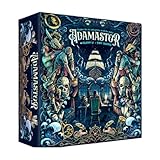
Overview: Ludonova Adamastor casts you as a fleet captain during the Age of Discovery, navigating treacherous seas and managing crew morale through strategic hand and tableau management. This 30-minute game supports 1+ players and offers both standalone voyages and a story-driven campaign where choices carry forward. You’ll battle storms, despair, and dwindling resources in a race against the ocean’s fury and growing hopelessness among your sailors.
What Makes It Stand Out: The multi-use card system creates agonizing decisions, while accumulating trauma mechanics ensure each voyage feels increasingly desperate. Campaign mode distinguishes Adamastor from quick filler games, giving weight to your captain’s legacy across multiple sessions. The shifting weather conditions and dynamic events guarantee no two expeditions play identically, demanding constant adaptation.
Value for Money: For a 30-minute strategic experience, Adamastor punches above its weight class. It offers the depth of longer games like Robinson Crusoe compressed into an accessible timeframe. The replayability and campaign mode provide substantial content that justifies the price point, especially for solo gamers seeking substantive quick-play options that don’t sacrifice complexity.
Strengths and Weaknesses: Strengths include brisk gameplay, genuine strategic depth, excellent solo mode, and atmospheric storytelling through mechanics. The premium components enhance immersion. However, the despair mechanic can feel punishing, and the 14+ rating seems conservative given the accessible rules. The Age of Discovery theme, while well-executed, may not resonate with all players seeking more fantastical settings.
Bottom Line: Adamastor is a masterclass in efficient design, delivering narrative weight and strategic crunch in just 30 minutes. Perfect for solo players wanting meaningful decisions without a massive time commitment.
4. Asmodee The Hobbit: There and Back Again Board Game - Competitive Story-Driven Strategy Game, Thrilling Family Adventure for Kids & Adults, Ages 10+, 1-4 Players, 30 Minute Playtime

Overview: Asmodee’s The Hobbit transforms Tolkien’s classic journey into a competitive dice-drafting adventure for 1-4 players ages 10+. Over 8 unique scenarios, you’ll guide Bilbo from Bag End to the Lonely Mountain, collecting resources and overcoming obstacles through tactical decisions. Designed by Reiner Knizia, this 30-60 minute game uses individual player books and dry-erase markers to track progress, creating a personalized adventure experience for each participant.
What Makes It Stand Out: The competitive angle on a traditionally cooperative story is refreshingly different—players race to complete objectives while sharing the narrative journey. The dice drafting mechanic offers tactical depth without rules complexity. Individual player books keep everyone engaged simultaneously, eliminating downtime common in story games and making it equally viable for solo play.
Value for Money: With 8 replayable adventures and Knizia’s proven design pedigree, this offers solid family value. It compares favorably to other narrative dice games, providing more content than many story-driven titles at a similar price point. The dry-erase system ensures infinite replayability of scenarios without consumable components.
Strengths and Weaknesses: Strengths include family-friendly accessibility, strong IP appeal, quick setup, and clever dice drafting. The competitive twist creates engaging player interaction. However, the competitive framing feels slightly at odds with the collaborative Hobbit narrative. Dry-erase markers will eventually need replacement, and dice luck can frustrate strategic plans despite drafting mitigation.
Bottom Line: An excellent family gateway game that balances theme, strategy, and accessibility. While not for hardcore gamers, it’s perfect for Hobbit fans seeking light competition with narrative flavor.
5. Mass Effect: Priority Hagalaz - The Board Game - Cooperative Story-Driven Experience, Strategy Game for Teens & Adults, Ages 14+, 1-4 Players, 45-90 Minute Playtime

Overview: Mass Effect: Priority Hagalaz thrusts 1-4 players into the beloved sci-fi universe as Commander Shepard leading a squad through a Cerberus cruiser. This cooperative story-driven game features a 45-90 minute campaign with branching narratives, deep character customization, and optional loyalty missions. Your choices genuinely impact outcomes as you race against an impending storm on Hagalaz, with multiple endings ensuring varied experiences across playthroughs.
What Makes It Stand Out: The card-driven AI system creates dynamic, unpredictable enemy behavior while the deep character customization lets you equip iconic squadmates like Liara and Garrus with meaningful upgrades. Loyalty missions unlock special powers, adding narrative depth. The branching storyline captures the video game’s signature decision-making tension and moral complexity perfectly.
Value for Money: For Mass Effect fans, this is essential. It delivers a faithful universe experience with substantial campaign content. Compared to narrative dungeon-crawlers, it offers similar depth with stronger story integration. The replayability from multiple endings justifies the investment for fans, though non-fans may find less value in the licensed IP.
Strengths and Weaknesses: Strengths include authentic IP translation, deep customization, meaningful choices, and excellent cooperative integration. The evolving story system works brilliantly. However, the game assumes significant Mass Effect knowledge, potentially alienating newcomers. The 45-90 minute runtime can extend with analysis paralysis, and the complexity may deter casual players seeking lighter narrative experiences.
Bottom Line: A must-have for Mass Effect devotees that successfully translates the video game’s essence to tabletop. It’s a robust co-op narrative game, though primarily for established fans of the franchise.
6. Ham Helsing – Cooperative Monster Adventure Board Game | 1–4 Players, Ages 10+, 60–90 Min | Deck-Crafting with Transparent Cards | Spooky Halloween Theme
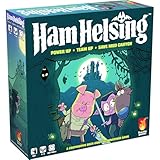
Overview: Ham Helsing plunges players into a delightfully creepy comic book world where pig heroes battle monstrous creatures across Mud Canyon. This cooperative deck-crafting game for 1-4 players combines transparent card technology with rich storytelling, creating a unique tabletop experience that lasts 60-90 minutes. The game draws inspiration from Rich Moyer’s graphic novel series, delivering vibrant artwork and thematic depth that immediately captures attention.
What Makes It Stand Out: The transparent card mechanism is genuinely innovative, allowing players to layer upgrades and create powerful skill combinations through visual stacking. This tactile approach to deck-building feels fresh and strategic. The game’s inclusion on Clamour’s Best of Holiday 2025 Influencer Choice List validates its quality and appeal. The comic-inspired aesthetic isn’t just window dressing—it permeates every component, from hero figures to villain boards, creating an immersive spooky atmosphere perfect for Halloween gaming sessions.
Value for Money: Positioned in the premium board game category, Ham Helsing justifies its price through exceptional component quality and the novel transparent card system. While more expensive than entry-level deck-builders, it offers a unique mechanism you won’t find elsewhere. The game provides substantial replayability through varied hero combinations and monster encounters, making it a better long-term investment than many theme-heavy games that lose appeal quickly.
Strengths and Weaknesses: Strengths include the innovative transparent card crafting, strong thematic integration, flexible player count including solid solo mode, and high production values. Weaknesses involve a learning curve for the unique layering system, potential for analysis paralysis with complex card combinations, and the niche theme may not appeal to all audiences. The 60-90 minute playtime can extend with AP-prone players.
Bottom Line: Ham Helsing is a must-have for fans of innovative mechanisms and spooky themes. It successfully merges deck-building with puzzle-like transparency mechanics, offering enough depth for seasoned gamers while remaining accessible to enthusiastic newcomers. Perfect for cooperative gaming groups seeking something genuinely different.
7. Stonemaier Games: Origin Story by Jamey Stegmaier & Pete Wessinger | A Trick-Taking Strategy Board Game About Creating Superheroes or Supervillains for Adults and Family | 1-5 Players, 45 Mins

Overview: Origin Story reimagines trick-taking through a superhero lens, challenging 1-5 players to craft compelling hero or villain narratives over 45-minute sessions. Designed by Jamey Stegmaier and Pete Wessinger, this dynamic game transforms traditional trick-taking into an interactive tableau-building experience where each round adds new story cards that fundamentally alter your strategic options.
What Makes It Stand Out: The genius lies in subverting trick-taking conventions—sometimes you actively want to lose tricks to gain villain points. The story card system creates emergent narrative arcs, making each game feel like a unique comic book issue unfolding. The charged power mechanism adds tactical depth, while Clémentine Campardou’s stunning artwork elevates the superhero theme. The ability to develop grudges, gather gadgets, and unleash ultimate abilities makes this far more than a standard card game.
Value for Money: As a Stonemaier title, it commands premium pricing but delivers exceptional production quality and replayability. The compact box and relatively short playtime make it more accessible than their heavier titles, while the depth ensures lasting table presence. Compared to other trick-taking games, the innovative twist on the genre justifies the higher price point for gamers seeking evolution in familiar mechanics.
Strengths and Weaknesses: Strengths include the clever twist on trick-taking, high replayability through varied story cards, excellent solo mode, and manageable playtime. The superhero theme is universally appealing. Weaknesses include potential confusion for traditional trick-taking purists and the relatively abstract connection between theme and mechanism. Some players may find the “lose to win” concept counterintuitive initially.
Bottom Line: Origin Story brilliantly revitalizes trick-taking for modern audiences. It’s an essential purchase for Stonemaier completists and anyone craving innovative card games. The dynamic storytelling and strategic depth make it equally suitable for family game nights and serious gamer sessions.
8. Destinies Witchwood Board Game Expansion - Folklore-Inspired Story-Driven Adventure for Kids & Adults, Ages 14+, 1-3 Players, 90-150 Minute Playtime, Made by Lucky Duck Games

Overview: Witchwood expands the Destinies universe with a folklore-inspired adventure that plunges 1-3 players into a dark, mysterious forest teeming with unique characters and monsters. This app-supported expansion requires the base game and delivers 90-150 minute narrative-driven sessions where every decision ripples through future scenarios. The expansion leverages Scan&Play technology to create a seamless, GM-less RPG experience.
What Makes It Stand Out: The expansion’s narrative flexibility stands out, offering multiple path-dependent victory conditions that genuinely respond to player choices. The folklore theme provides fresh atmosphere compared to the base game’s fantasy setting, introducing culturally rich storytelling. Dynamic world-shaping mechanics mean your decisions create persistent consequences, enhancing campaign-style immersion. The app integration handles complex admin, allowing pure focus on strategic decision-making.
Value for Money: As an expansion, its value depends entirely on your Destinies investment. For base game owners, it essentially delivers a full game’s worth of new content—new scenarios, characters, and mechanics—at expansion pricing, making it excellent value. However, requiring the base game means newcomers face a significant combined investment. The content depth rivals some standalone games, justifying the price for fans.
Strengths and Weaknesses: Strengths include rich folklore storytelling, meaningful choice consequences, app-driven narrative depth, and flexible quest paths. The expansion integrates seamlessly with base game systems. Weaknesses include absolute requirement of the base game, app dependency (problematic for tech-averse players), and the 14+ age rating may limit family play. Playtime can exceed estimates with analysis paralysis.
Bottom Line: Witchwood is essential for Destinies owners seeking fresh adventures. It deepens the narrative experience while maintaining the base game’s strengths. The folklore theme and enhanced choice consequences make it a worthwhile expansion, though it won’t convert those who disliked the original’s app integration.
9. Stonemaier Games: Vantage by Jamey Stegmaier | Cooperatively Explore an Entire Planet from First-Person Perspective | Strategy Board Game for Adults and Family | 1-6 Players, 120 Min-180 Min, Ages 14+

Overview: Vantage represents Jamey Stegmaier’s ambitious eight-year design project, creating a cooperative planetary exploration game for 1-6 players. Inspired by Zelda: Breath of the Wild, this 120-180 minute experience uses a first-person perspective mechanism where each player explores independently, seeing only their location while communicating with teammates across vast distances. The game eliminates failed actions, instead making decisions cost-unknown resources until committed.
What Makes It Stand Out: The first-person perspective is revolutionary—players experience genuine isolation while maintaining cooperative connection through limited communication. The “no failed actions” philosophy removes frustration, instead creating tense resource management decisions. Artwork intrinsically designed into gameplay means every visual element serves functional purpose. The Breath of the Wild inspiration manifests in pure, consequence-driven exploration freedom rarely seen in board games.
Value for Money: This premium-priced Stonemaier epic justifies cost through massive scope and innovation. The 8-year development shows in polished mechanisms and unique perspective. While expensive, it offers experiences unavailable elsewhere. The 2-minute setup for such depth is remarkable. For groups seeking campaign-length experiences without legacy commitment, it provides exceptional replayability across different planetary configurations.
Strengths and Weaknesses: Strengths include revolutionary first-person perspective, thematic mechanism integration, strong solo experience, and elimination of action failure frustration. The cooperative communication puzzle is brilliant. Weaknesses include substantial time commitment, complexity barrier for casual gamers, and the abstract theme may not resonate. The 14+ rating and 180-minute potential length limit accessibility.
Bottom Line: Vantage is a landmark achievement in cooperative design. It’s essential for serious gamers craving innovation and groups willing to invest time. The unique perspective and freedom of exploration create unforgettable sessions, though its length and complexity make it unsuitable for casual play.
10. Mighty Boards: Fateforge Chronicles of Kaan - Strategy Board Game, App Story-Driven Co-Op Action Adventure, Fast-Paced Combat, Age 14+, 1-4 Players

Overview: Fateforge Chronicles of Kaan delivers an accessible RPG-like board game experience for 1-4 players, condensing epic campaign adventures into sub-60-minute episodes. This cooperative action-adventure uses an app as a digital gamemaster that remembers player choices, handles admin, and creates atmospheric storytelling. Players forge their heroes’ fates across the continent of Kaan through fast-paced combat and player-driven narrative decisions.
What Makes It Stand Out: The app integration is seamless, functioning like a true gamemaster that reacts unexpectedly to choices long after they’re made. The episodic structure solves RPG scheduling problems, allowing meaningful progression in digestible sessions. Fast-paced combat maintains tension without bogging down in rules minutiae. The “you make the choices, you are the heroes” philosophy creates genuine agency within a structured narrative framework.
Value for Money: The premium pricing reflects Mighty Boards’ production values and app development. For RPG fans seeking board game accessibility, it eliminates countless hours of GM prep while delivering comparable storytelling depth. The episodic format provides better value than single-session narrative games, while the app ensures ongoing content support. Compared to traditional RPGs requiring book purchases, it offers a contained, high-quality experience.
Strengths and Weaknesses: Strengths include exceptional app gamemaster integration, manageable episodic playtime, strong narrative agency, and accessible RPG experience. The app handles all tedious admin flawlessly. Weaknesses include mandatory device requirement, campaign nature limits replayability after completion, and the 14+ rating excludes younger family members. Some purists may miss traditional RPG freedom.
Bottom Line: Fateforge Chronicles of Kaan is perfect for RPG enthusiasts wanting board game convenience or groups struggling to maintain regular RPG campaigns. The brilliant app integration and episodic structure create an accessible yet deep experience. It’s a worthwhile investment for narrative-driven gamers, though completionists should consider replay value.
Understanding the Escape Room Mindset
What makes escape rooms so addictive isn’t just the puzzles—it’s the complete sensory package. The best board games for escape room fans understand this psychology and replicate it through clever design choices that trigger those same neural pathways of curiosity, urgency, and triumph.
The Thrill of Timed Challenges
That ticking clock creates a unique pressure that transforms ordinary puzzle-solving into a heart-pounding race against time. While not all narrative board games include literal timers, the best ones create a sense of temporal urgency through narrative stakes, limited resources, or escalating threats. Look for games that build tension naturally rather than forcing arbitrary countdowns. The most satisfying experiences simulate time pressure through story elements—perhaps a character’s life hangs in the balance, or a villain’s plan progresses with each mistake your team makes.
Collaborative Problem-Solving Dynamics
Escape rooms shine because they force players to communicate, delegate, and combine different thinking styles. Quality story-driven board games replicate this by designing puzzles that physically require multiple perspectives. You might find scenarios where one player deciphers a linguistic clue while another manipulates physical components, and only by sharing information can the solution emerge. Games that punish solo heroics and reward genuine teamwork capture the essence of what makes escape rooms social bonding experiences rather than individual competitions.
Immersive Environmental Storytelling
The most memorable escape rooms tell stories through their set design—the vampire’s lair with its hidden coffin, the mad scientist’s lab with notes scrawled on walls. Board games achieve this through component design, artwork, and narrative text that feels discovered rather than dictated. Seek out games where the very board, cards, and tokens feel like artifacts from the story world. When a game’s physical elements make you want to touch everything, examine details, and imagine yourself inside the narrative, it’s successfully replicated that environmental storytelling magic.
Key Features That Mirror Escape Room Satisfaction
Not all story-driven games are created equal when it comes to satisfying escape room cravings. Certain mechanical and narrative elements consistently deliver that “aha!” moment feeling that keeps enthusiasts coming back for more.
Puzzle Integration and Variety
The best experiences offer a buffet of puzzle types that engage different cognitive skills within a single session. You might encounter spatial reasoning challenges, linguistic ciphers, pattern recognition, logical sequencing, and tactile manipulation puzzles—all woven into the narrative fabric. Games that excel here ensure puzzles feel like natural parts of the story rather than arbitrary roadblocks. A cryptogram might reveal a character’s secret diary entry, while a 3D assembly puzzle constructs a crucial device your characters need to escape a collapsing temple.
Narrative Depth with Branching Paths
Linear stories in board games can feel restrictive, especially for escape room fans accustomed to discovering plot twists through their own deductions. Look for games offering meaningful choices that genuinely alter story outcomes. This might manifest as moral decisions that affect character relationships, investigation paths that reveal different clues, or failure states that don’t simply end the game but instead launch you down darker, more challenging narrative branches. The sense that your team’s decisions matter transforms puzzle-solving from a mechanical exercise into genuine storytelling agency.
Progressive Difficulty Curves
Escape rooms typically start with accessible puzzles to build confidence before layering complexity. Effective board games mirror this pacing, introducing core mechanics gently before combining them in novel ways. Early challenges should feel satisfyingly solvable, teaching you the game’s language, while later puzzles remix those established elements into intricate webs requiring synthesis and creative leaps. This progression keeps all players engaged rather than having puzzle-solvers dominate while others disengage.
Game Mechanics That Create Escape Room Magic
Specific mechanical systems have proven especially effective at translating the escape room experience to the tabletop format. Understanding these approaches helps you identify games that will click with your group’s preferences.
Code-Breaking and Cipher Systems
The satisfying moment when a scrambled message becomes clear is pure escape room catnip. Games that incorporate multi-layered cipher systems—where you might first discover the key, then realize you need to apply it differently than expected—create those cascading revelation moments. The physical act of decoding, whether through overlay tools, rotating discs, or pattern matching, feels tangible and earned. Advanced systems might even require you to break one code to discover the key for another, creating satisfying puzzle chains.
Hidden Component Discovery
That drawer in the escape room that suddenly opens to reveal a new space? Board games replicate this through sealed envelopes, boxes within boxes, or components hidden beneath board sections. The psychological thrill of “unlocking” new content mirrors escape room progression. Some games structure entire campaigns around this reveal mechanism, where completing one scenario literally unlocks the next chapter’s components. This physical sense of discovery and expansion keeps excitement high across multiple sessions.
Deduction and Logical Reasoning
Escape rooms often require you to connect disparate clues across the room. Similarly, narrative board games shine when they force players to hold multiple pieces of information in their heads simultaneously, drawing connections that aren’t explicitly spelled out. Perhaps the murder weapon’s location only makes sense when you cross-reference the timeline with character alibis and physical evidence. Games that reward careful note-taking, discussion, and synthesis of scattered information deliver that detective-like satisfaction escape room fans crave.
Narrative Themes That Resonate with Puzzle Enthusiasts
Certain story genres naturally lend themselves to puzzle-forward gameplay and tend to satisfy escape room veterans more consistently. Recognizing these patterns helps narrow your search.
Mystery and Detective Stories
The classic whodunit structure perfectly mirrors escape room progression: examine the scene, gather clues, interview suspects, and reconstruct events. These narratives justify puzzle-solving as natural investigation, making each solved challenge feel like genuine detective work. Look for games where you’re not just solving puzzles arbitrarily placed in a mystery setting, but actually piecing together evidence to form logical conclusions about means, motive, and opportunity.
Supernatural and Horror Elements
The stakes feel higher when something otherworldly is involved, which amplifies the tension. Haunted houses, cursed artifacts, and eldritch mysteries provide perfect justification for elaborate puzzles—after all, ancient spirits love their riddles and curses demand specific rituals to break. These themes also encourage creative puzzle design involving occult symbols, mystical patterns, and reality-bending logic that feels fresh compared to standard logic puzzles.
Historical and Archaeological Adventures
Raiding tombs, deciphering ancient scrolls, and exploring lost civilizations naturally incorporate puzzle elements. These settings justify complex mechanisms, cryptic languages, and architectural puzzles that feel authentic to the time period. The narrative stakes—discovering lost knowledge, preventing historical disasters, claiming legendary treasures—provide clear motivation while the historical veneer adds educational intrigue and atmospheric depth.
Player Count and Group Dynamics Considerations
Escape rooms are inherently social, and the best board game adaptations respect that different group sizes create different energy levels and challenges.
Optimal Player Counts for Engagement
Two-player narrative games tend toward intimate, focused deduction sessions where every decision feels weighty. Four to five players captures that classic escape room energy with enough minds to tackle multiple puzzle threads simultaneously but not so many that anyone gets lost in the crowd. Games that scale well across these numbers often include mechanisms that split information asymmetrically—giving each player unique clues that must be shared, ensuring everyone participates rather than spectating.
Managing Different Skill Levels
Escape room teams often blend puzzle veterans with newcomers, and the best board games accommodate this mix. Look for games offering hint systems that feel integrated rather than tacked-on—perhaps a consulting detective character you can “pay” for advice, or a lore book that provides increasingly direct guidance. Some games include optional “expert mode” puzzles that challenge veterans while keeping the main path accessible, ensuring everyone contributes without feeling patronized or overwhelmed.
Session Length and Pacing
Escape rooms typically run 60 minutes, creating a perfect burst of intense focus. Board games can replicate this with modular scenarios designed for single sessions, or they can expand into multi-hour epics for dedicated game nights. Consider your group’s stamina and scheduling realities. Games that offer clear “save points” or naturally break into chapters give you flexibility, allowing epic narratives to be consumed in digestible chunks rather than demanding marathon commitments.
Replayability and Long-Term Value
One challenge narrative games face is the “one-and-done” problem—once you’ve solved the story, what’s left? Forward-thinking designs address this in several ways that escape room fans should evaluate.
Branching Narratives and Multiple Endings
A game that offers substantially different experiences on replay—through randomized culprit identities, variable puzzle solutions, or divergent story paths—provides stronger value. Some games achieve this by having puzzle components that can be reconfigured into new challenges, while others include multiple distinct scenarios in the box. The key is whether these variations feel meaningfully different or just cosmetically altered.
Legacy and Campaign Elements
Legacy games, where your decisions permanently alter components and storylines, create investment and anticipation across months of play. For escape room fans, this means puzzles in later scenarios might reference clues from earlier sessions, rewarding careful attention and creating a meta-puzzle that spans the entire campaign. The permanence of changes—tearing up cards, placing stickers, unlocking sealed content—mirrors the irreversible progression of a great escape room narrative.
User-Generated Content and Expansion Potential
Games that support community-created scenarios or official expansions extend their lifespan indefinitely. Some systems provide puzzle-creation tools, allowing creative players to craft challenges for their friends. Others release regular expansion content that slots into the existing framework, offering fresh narratives without requiring you to learn an entirely new system. This ecosystem approach means your investment grows richer over time rather than gathering dust after completion.
Technology Integration in Modern Board Games
As we approach 2026, digital elements are becoming more sophisticated and seamlessly integrated, offering new ways to capture escape room magic.
App-Assisted Puzzle Complexity
Companion apps can handle timing, sound effects, and complex calculations that would be cumbersome manually. More importantly, they can introduce dynamic elements—perhaps a virtual security system that responds to your actions, or an AI antagonist that adapts its strategy based on your progress. The best integrations use technology to enhance rather than replace the tactile experience, perhaps having you physically manipulate components then input results into the app for narrative consequences.
AR and Interactive Components
Augmented reality features are emerging that let you point your phone at game boards to reveal hidden layers—ghostly messages, secret passages, or animated story sequences. This creates a magical “reveal” moment that mirrors discovering a hidden panel in a physical escape room. The technology should feel like a natural extension of the game’s world rather than a gimmicky overlay.
Sound Design and Atmospheric Audio
Audio apps can provide synchronized soundtracks that respond to game events—intensifying music as you approach a solution, or delivering voice-acted journal entries that provide clues. This auditory layer deepens immersion without requiring players to read lengthy text passages aloud. For escape room fans, familiar audio cues like lock clicks, distant footsteps, or ominous whispers can trigger that same visceral excitement.
Physical Component Quality and Tactile Satisfaction
Escape rooms are deeply physical—you’re touching, moving, and manipulating your environment. Board games that nail this aspect create stronger emotional connections to the experience.
Component Durability and Heft
High-quality cardstock, wooden components, and metal tokens feel substantial and important. When you’re handling pieces that have weight and texture, the experience feels valuable and real. This tactile satisfaction matters especially for puzzle solutions—turning a heavy brass key in a cardboard lock feels more rewarding than sliding a flimsy paper token.
Hidden Compartments and 3D Structures
Games that transform from flat boards into three-dimensional structures—towering spires, unfolding mansions, layered puzzle boxes—create that physical sense of discovery. Components that slot together, stack meaningfully, or reveal hidden spaces when assembled correctly mirror the environmental manipulation that makes escape rooms so engaging. The moment when flat pieces become a functional device delivers that same “building something real” satisfaction.
Artwork and Graphic Design as Clues
In escape rooms, every detail might be relevant. Games that embed clues within their artwork—symbols hidden in border designs, patterns in background illustrations, or meaningful details in character portraits—reward careful observation. This approach makes the components themselves part of the puzzle rather than just pretty packaging, encouraging players to examine every element with detective-like scrutiny.
Budget Considerations and Value Assessment
Story-driven games with elaborate components range widely in price, and understanding what you’re paying for helps set expectations.
Entry-Level vs. Premium Experiences
Budget-friendly options often focus on card-driven narratives with clever puzzle design but simpler components. They deliver solid experiences without breaking the bank, perfect for testing whether this genre suits your group. Premium games justify higher price tags through elaborate 3D structures, metal components, or extensive campaigns with dozens of hours of content. Consider your group’s commitment level before investing heavily.
Expansion Costs and Hidden Expenses
Some games appear affordable initially but require multiple expansions to complete the narrative arc. Research whether the base game offers a satisfying standalone experience or feels incomplete without additional purchases. Factor in potential costs for replacement components, storage solutions, or required apps with in-app purchases. The true cost of ownership extends beyond the initial box price.
Resale Value and Trading Culture
Unlike traditional board games, heavily narrative games with sealed content or legacy elements often have limited resale value once completed. However, some retain value due to replayable mechanics or collectible components. Understanding community trading norms can help you recoup some investment if a game doesn’t click with your group, though many enthusiasts consider these experiences worth the price even as one-time journeys.
Researching and Selecting Your Perfect Match
With countless options emerging, strategic research ensures you invest in experiences that align with your group’s preferences and play style.
Community Reviews and Playthrough Videos
Seek out detailed reviews from players with similar escape room experience levels. Watch spoiler-free playthroughs to gauge pacing, component interaction, and narrative tone. Pay attention to comments about puzzle fairness—games that feel challenging but logical versus those with obscure solutions. Communities focused on escape room enthusiasts often provide more relevant insights than general board game reviewers.
Demo and Trial Opportunities
Many game cafes and conventions now feature narrative game demos, letting you experience the mechanics before purchasing. Some publishers offer print-and-play samples of early puzzles, giving you a taste of their design philosophy. Taking advantage of these opportunities prevents costly mismatches between a game’s style and your group’s expectations.
Matching Complexity to Group Experience
A group of escape room veterans might find beginner-level games too simple, while newcomers could be overwhelmed by complex systems. Honestly assess your collective puzzle experience and choose games that offer appropriate challenge without frustration. Many games provide difficulty ratings or “first play” scenarios designed to teach the system gradually.
Storage, Organization, and Table Presence
The physical footprint and setup complexity can significantly impact whether a game hits your table regularly.
Setup Time and Component Management
Games requiring 30 minutes of sorting before play often gather dust. Look for designs with intuitive organization systems—molded inserts, labeled bags, or logical component layouts that speed up setup. The faster you can dive into the narrative, the more often the game will see play. Some games even include creative “in-world” storage solutions that feel like part of the experience.
Table Space Requirements
Epic narrative games can sprawl across large tables, which may not suit everyone’s gaming space. Consider your available area and whether the game’s design condenses well or requires extensive real estate. Some games offer vertical stacking or compact designs that maintain complexity without demanding banquet-table dimensions.
Resetting and Saving Progress
For longer campaigns, consider how easily you can save your exact game state. Does the game include save sheets, or will you need to photograph component placements? Can you pack away a partially completed scenario without losing progress? These practical considerations matter more for narrative games than traditional board games since story continuity is crucial.
The Future of Narrative Gaming in 2026
As technology advances and design philosophies mature, several trends are shaping what escape room fans can expect from upcoming releases.
Cross-Media Storytelling
Games are beginning to integrate with alternate reality experiences—perhaps receiving mysterious emails between sessions, or finding real-world websites mentioned in the game that contain actual clues. This blurring of physical and digital boundaries creates immersive worlds that extend beyond the tabletop, making the narrative feel alive and responsive.
Sustainable and Modular Design
Environmental consciousness is driving innovations in reusable components and digital alternatives to disposable elements. Expect more games designed for infinite replayability through modular, reconfigurable puzzles that create new challenges from the same physical pieces. This approach satisfies both eco-conscious values and desire for long-term value.
Accessibility and Inclusive Design
Forward-thinking designers are creating games with multiple difficulty paths, visual and text-based clue options, and mechanics that accommodate different cognitive styles. This inclusivity means groups with mixed abilities can all contribute meaningfully, mirroring the best escape rooms where diverse skill sets become strengths rather than barriers.
Frequently Asked Questions
What makes a board game feel like an escape room experience?
The key elements are collaborative puzzle-solving, narrative urgency, physical component manipulation, and that cascade of revelation moments where solving one challenge unlocks the next. Games that embed puzzles naturally within their stories and require teamwork rather than solo brilliance capture the essence most effectively.
How long should a narrative board game session last?
Ideal lengths vary by group, but most successful designs aim for 90-180 minute sessions—long enough for complex puzzles but short enough to maintain energy. Campaign-based games break longer stories into these digestible chapters, while standalone experiences might condense to 60 minutes for a quick hit of puzzle satisfaction.
Are these games replayable after solving the story?
It depends on design. Some offer branching paths or randomized elements that support multiple plays. Others focus on a single, curated experience meant to be savored once. Neither approach is inherently better; choose based on whether you value narrative surprise or mechanical replayability more highly.
Can I play these solo if I love escape rooms but lack a regular group?
Many narrative games include solo modes that adapt puzzles for individual play, often by reducing complexity or providing automated hint systems. While you lose the collaborative energy, the puzzle satisfaction and story immersion remain strong. Some games even design specifically for solo detectives.
How do I avoid spoilers when researching games?
Stick to spoiler-free reviews that discuss mechanics and overall feel without revealing puzzle solutions or plot twists. Many publishers provide “first scenario” demos that showcase the system without spoiling the main campaign. Community forums often have dedicated spoiler-free discussion threads.
What’s the difference between a narrative board game and an escape room in a box?
Escape room kits typically focus on rapid-fire puzzle sequences with minimal story connection. Narrative board games weave puzzles into deeper story arcs with character development, meaningful choices, and atmospheric world-building. Both satisfy puzzle cravings, but narrative games offer richer, more layered experiences.
How much table space do I realistically need?
Most narrative games require at least a 3’ x 3’ surface, with more elaborate setups needing 4’ x 6’ or larger. Check reviews for specific space requirements and consider games with vertical elements or compact designs if your space is limited. Many can be played on standard dining tables with careful organization.
Are digital components a requirement now?
While many 2026 releases offer app integration, plenty of exceptional games remain fully analog. Apps can enhance atmosphere and handle complex timing, but they’re rarely mandatory. Choose based on your group’s tech comfort level—great puzzle design transcends medium, and analog games offer fewer distractions.
How do I teach these games to new players effectively?
Start with the first scenario or tutorial mission without explaining every rule upfront. Let players discover mechanics naturally through play, providing guidance only when stuck. Many narrative games are best learned by doing, with rulebooks serving as reference guides rather than pre-game lectures. Set expectations that early mistakes are part of the learning experience.
What should I do with a game after completing it?
Consider passing it along to friends who haven’t played, creating a shared experience chain. Some enthusiasts keep completed games as trophies, displaying unique components. Others repurpose components for craft projects or donate to game libraries. For campaign games, some groups create photo books documenting their journey, preserving memories without keeping the physical box.
See Also
- 10 Top-Rated Story-Driven Board Games with Escape Room Elements in 2026
- 10 Game-Changing Story-Driven Board Games for 2026
- 10 Essential Story-Driven Board Games Every Thematic Gamer Needs in 2026
- 10 Essential Story-Driven Board Games Every Narrative Gamer Needs in 2026
- 10 Must-Have Sci-Fi Board Games for Space Exploration Fans in 2026