Table of Contents
Choosing the right board games for children aged 5 to 8 is more than just entertainment—it’s a powerful tool for shaping young minds during a critical developmental window. This age group is bursting with curiosity, rapidly developing social skills, and learning to navigate rules and consequences. The perfect game can transform screen time into meaningful face-to-face interaction, building confidence through small victories and gentle challenges. But with so many options flooding the market, how do you cut through the noise to find games that truly resonate with a first-grader’s evolving abilities without causing frustration or disinterest? The answer lies not in flashy packaging or popular characters, but in understanding the subtle interplay between game design and childhood development.
At this stage, children are mastering turn-taking, recognizing basic patterns, and beginning to grasp strategic thinking—yet their attention spans remain short, and emotional regulation is still a work in progress. A game that’s too complex can lead to tears, while one that’s overly simplistic feels like a chore. The magic happens when mechanics align perfectly with a child’s cognitive and social readiness: think cooperative play that reduces competitive pressure, vibrant visuals that aid comprehension, and components sturdy enough to survive enthusiastic little hands. This guide cuts through the hype to focus on universal features that matter most, helping you select games that grow with your child and create joyful, screen-free moments that strengthen family bonds. Let’s explore what truly makes a game a standout choice for this vibrant age group.
Top 10 Kids Board Games for Ages 5-8
Detailed Product Reviews
1. Hasbro Gaming Trouble Board Game for Kids Ages 5 and Up 2-4 Players

Overview:
This classic roll-and-move board game introduces young children to foundational gaming concepts. Players race to move all four pawns around the board first, using the iconic Pop-o-Matic die roller. Designed for ages 5+, it offers simple rules ideal for family game nights or playdates, fostering turn-taking and basic counting skills in a vibrant, engaging format.
What Makes It Stand Out:
The legendary Pop-o-Matic bubble is the star—providing tactile satisfaction while eliminating lost dice. Power Up Spaces add strategic depth for older kids, offering two gameplay modes (classic or enhanced). Its nostalgic appeal bridges generations, making it a timeless choice for inclusive play where adults can genuinely enjoy competing with preschoolers.
Value for Money:
Priced accessibly, Trouble delivers exceptional longevity through durable construction and endless replayability. The dual-rule options extend its usefulness beyond early childhood, outperforming many modern alternatives that lack physical interactivity. For under $20, it’s a no-brainer for building a foundational game library.
Strengths and Weaknesses:
Strengths: Effortless setup/teardown; universally intuitive rules; Pop-o-Matic bubble encourages fine motor skills; compact storage; accommodates 2-4 players seamlessly.
Weaknesses: Limited strategic depth for older kids; pure luck-based gameplay may frustrate competitive players; board art could feel dated to some.
Bottom Line:
Trouble remains a gold-standard starter game for young children, blending sensory engagement with straightforward competition. Its durability, simplicity, and nostalgic charm make it a worthwhile investment for families seeking screen-free bonding—highly recommended for ages 5-8.
2. Hasbro Gaming Candy Land Kingdom of Sweet Adventures Board Game for Kids, Ages 3 & Up (Amazon Exclusive)

Overview:
Candy Land offers a whimsical, story-driven race through a sugary kingdom for the youngest gamers (ages 3+). Players draw colored cards to advance gingerbread pawns along a winding path toward a candy castle, encountering sweet-themed landmarks. Zero reading skills are required, making it perfect for toddlers mastering color recognition.
What Makes It Stand Out:
Its complete accessibility for pre-readers is unmatched—children learn through vibrant visuals and simple color matching. The Amazon-exclusive version features refreshed, dreamy illustrations that heighten immersion. As one of the few true “first games,” it builds foundational skills like patience and color identification without frustration.
Value for Money:
At an entry-level price point, Candy Land provides immense value for its target demographic. The sturdy board and thick cards withstand toddler handling, and its 5-minute playtime suits short attention spans. While lacking complexity, it fills a critical niche no app can replicate: cooperative, shared physical play for preschoolers.
Strengths and Weaknesses:
Strengths: Zero literacy barriers; enchanting visuals hold kids’ interest; extremely quick to learn/play; ideal for 2-4 young players; promotes color-learning.
Weaknesses: Entirely luck-based with no strategy; repetitive after prolonged play; artwork may not appeal to older siblings; limited replay depth.
Bottom Line:
An essential preschooler starter game that excels at its core mission: introducing absolute beginners to board gaming joyfully. Despite simplicity, its educational value and ease of play make it indispensable for ages 3-5—buy it for your youngest gamers.
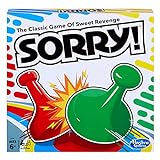
3. Sorry! Board Game for Kids Ages 6 and Up; Classic Hasbro Board Game; Each Player Gets 4 Pawns; Family Game
Overview:
Sorry! delivers fast-paced strategy where players race four pawns home while sabotaging opponents through calculated “bumps” and slides. Targeted at ages 6+, it introduces meaningful decision-making—drawing cards dictates moves but players choose how to deploy them, blending luck with tactical choices for engaging family competition.
What Makes It Stand Out:
The “sweet revenge” mechanic—sending rivals’ pawns back to start—is brilliantly addictive. With 4 pawns per player and diverse card actions (slides, swaps, jumps), each game unfolds uniquely. It masterfully bridges simple childhood games and complex strategy titles, teaching spatial reasoning and consequence evaluation.
Value for Money:
Priced competitively, Sorry! offers superior replay value over luck-dominant alternatives. Its 20-30 minute sessions accommodate family schedules, and the robust components endure years of play. Compared to modern strategy games costing twice as much, it delivers exceptional fun-per-dollar for mixed-age groups.
Strengths and Weaknesses:
Strengths: Exciting player interaction; meaningful strategic depth; accommodates up to 4 players well; durable board/pawns; rules scale for younger kids (using 3 pawns).
Weaknesses: Can feel overly aggressive for sensitive players; setup slightly complex for preschoolers; luck elements sometimes override strategy.
Bottom Line:
Sorry! remains a near-perfect family game for school-aged children, transforming basic roll-and-move into thrilling tactical warfare. Its balance of chaos and control earns it a permanent spot in any game night rotation—highly recommended for ages 6+.
4. Hasbro Gaming Hungry Hungry Hippos Game for Preschoolers | Instant Marble Relaunch, Easy Set-Up & Storage| Ages 4 and Up | 2 to 4 Players | Kids Games

Overview:
This revitalized classic tasks preschoolers (ages 4+) with controlling colorful hippos to “chomp” marbles from a central pond. The updated version features instant marble reload and streamlined storage, preserving the original’s kinetic joy while solving past frustrations like scattered marbles and lengthy setup.
What Makes It Stand Out:
The instant-reload trough is genius—marbles automatically reset after each game, enabling nonstop play. Hippos now collapse vertically for compact storage, and the marble corral prevents losses. Simultaneous action (all players chomp at once) eliminates waiting, keeping short attention spans engaged through pure, giggly chaos.
Value for Money:
Despite a premium price, the engineering upgrades justify the cost. Durability is exceptional for toddler handling, and the 5-minute playtime encourages endless replays. Compared to cheaper knockoffs with flimsy mechanisms, this version’s thoughtful redesign ensures years of reliable use—a smart investment for active households.
Strengths and Weaknesses:
Strengths: Zero-setup instant play; simultaneous action prevents boredom; innovative storage; highly durable; perfect for 2-4 energetic kids.
Weaknesses: Marbles pose a choking hazard for under-3s; limited strategic depth; noise level may overwhelm some settings.
Bottom Line:
Hungry Hungry Hippos shines as the ultimate high-energy preschool game, with modern tweaks amplifying its timeless appeal. Its physical engagement and simplicity make it a must-have for developing motor skills—ideal for ages 4-7 in lively play environments.
5. Spin Master Games, Hedbanz 2023 Edition with New Cards, Picture Guessing Board Game, for Family & Kids, 2-6 Players, for Ages 6 & Up

Overview:
Hedbanz challenges players to guess their mystery character by asking yes/no questions while wearing a headband displaying their card. This refreshed 2023 edition includes six new themed bands (dino, robot, etc.) and updated illustrations, maintaining the quick-thinking fun that made it a party staple for ages 6+.
What Makes It Stand Out:
The headband mechanic creates instant, hilarious roleplay—kids and adults alike embody their unseen characters. New inclusive illustrations and diverse categories (animals, objects, professions) broaden appeal. Its portability and 15-minute playtime make it ideal for travel, parties, or quick classroom breaks.
Value for Money:
Priced mid-range, Hedbanz delivers disproportionate replay value through clever card design and adaptable difficulty. The new bands revitalize the 2017 edition, and its cross-generational fun outlasts trendier party games. For fostering deductive reasoning and laughter, it’s a budget-friendly powerhouse compared to subscription-based alternatives.
Strengths and Weaknesses:
Strengths: Encourages critical thinking; accommodates 2-6 players seamlessly; wildly inclusive for all ages; portable; new cards refresh gameplay.
Weaknesses: Younger kids may struggle with abstract concepts; card quality slightly thin; limited strategy depth for teens/adults.
Bottom Line:
Hedbanz remains the pinnacle of accessible party games, expertly balancing simplicity with intellectual engagement. The 2023 updates breathe new life into a modern classic—essential for family game nights, classrooms, or icebreakers. Buy it for ages 6 and up.
6. Endless Games The Original The Floor is Lava! Game by Endless Games - Interactive Game For Kids And Adults - Promotes Physical Activity - Indoor And Outdoor Safe

Overview:
This active play game transforms any space into a “lava”-filled challenge, requiring players to hop exclusively on included foam stepping stones. Designed for 2-6 players aged 5 to 105, it includes 25 slip-resistant foam stones, 27 challenge cards, a spinner, and instructions to encourage imaginative, screen-free physical activity indoors or outdoors.
What Makes It Stand Out:
Its genius lies in merging physical exertion with unstructured play. Unlike passive board games, it actively combats sedentary habits by demanding jumping, balancing, and quick thinking. The durable foam stones are safe for multiple surfaces, while challenge cards and the spinner add structured variety, preventing repetitive gameplay and fostering adaptability during birthday parties or family nights.
Value for Money:
Priced competitively for an active-play kit, it delivers exceptional value by replacing costly screen-time distractions with durable, reusable components. While similar foam sets exist, the included game mechanics (cards, spinner) justify the cost over generic alternatives, offering structured fun without subscriptions or batteries.
Strengths and Weaknesses:
Strengths: Highly versatile for all ages; promotes coordination and creativity; compact storage; encourages social interaction. Weaknesses: Requires significant floor space; foam stones may wear with heavy outdoor use; minimal strategic depth favors younger players.
Bottom Line:
An outstanding investment for families seeking energetic, imaginative play that bridges generations. Its ability to transform mundane spaces into adventure zones makes it a highly recommended staple for reducing screen dependency and sparking joy.
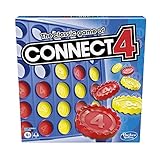
7. Hasbro Gaming Connect 4 Classic Grid,4 in a Row Game,Strategy Board Games for Kids,2 Player .for Family and Kids,Ages 6 and Up
Overview:
A refreshed take on the iconic vertical strategy game, this edition challenges two players to align four colored discs in a row on a sleek, modern grid. Targeted at ages 6+, it emphasizes quick thinking and tactical blocking in a compact, visually appealing design.
What Makes It Stand Out:
The modern aesthetic with vibrant disc colors elevates the classic experience, while the triple-play format (standard, Frenzy, and Pop-Out modes) significantly extends replayability. The Pop-Out feature—allowing disc removal from the grid’s base—adds a strategic layer absent in traditional versions, deepening engagement for older kids and adults.
Value for Money:
Its premium styling justifies a slight price bump over basic models. Given the durable construction and three distinct gameplay modes, it offers superior longevity compared to single-variant sets. Ideal for families wanting a screen-free, brain-boosting game that remains engaging after hundreds of plays.
Strengths and Weaknesses:
Strengths: Elegant design; multiple strategic variations; quick setup and playtime (under 5 minutes); excellent for developing critical thinking. Weaknesses: Strictly limited to two players; grid can wobble on uneven surfaces; discs may jam if forced incorrectly.
Bottom Line:
A must-have for strategy game enthusiasts, this Connect 4 iteration masterfully balances nostalgia with innovation. Its educational value and portability make it a top-tier choice for family game nights despite the two-player limit.
8. zeyce Tic Tac Toe Board Game,Tic Tac Toe Family Game, Classic Board Game, Classical Family Board Game,Children’s Tic Tac Toe Game, Plastic tic tac Toe Game, Board Size 15 X 15 cm

Overview:
This compact plastic Tic Tac Toe set delivers the timeless noughts-and-crosses experience in a portable 15x15 cm format. Designed for ages 4+, it features lightweight resin pieces in assorted colors and shapes, emphasizing convenience and early cognitive development.
What Makes It Stand Out:
Its ultra-portable, waterproof design is perfect for travel, car rides, or party favors. Unlike wooden sets, the plastic construction ensures durability against drops while the varied piece shapes (beyond standard X/O) subtly enhance shape and color recognition for young children, turning a simple game into an educational tool.
Value for Money:
Exceptionally affordable, it’s ideal for stocking stuffers or classroom rewards. While lacking the heft of premium sets, its focus on safety (non-toxic materials) and portability offers solid utility for the price, outperforming flimsy paper versions as a reusable on-the-go option.
Strengths and Weaknesses:
Strengths: Highly portable and lightweight; vibrant colors engage kids; promotes early math/logic skills; easy cleanup. Weaknesses: Limited strategic depth for older players; plastic feels less premium; pieces can slide on smooth surfaces.
Bottom Line:
A practical, budget-friendly introduction to strategy games for preschoolers. Best suited as a travel essential or icebreaker toy, though its simplicity may bore seasoned gamers seeking complexity.
9. Number Hunter Math Board Game – Addition & Subtraction Adventure for Kids Ages 4-8 – Fun Educational STEM Game for Kindergarten, 1st-3rd Grade, Homeschool & Family Game Night

Overview:
This STEM-focused board game turns foundational math into an adventure, where players solve addition and subtraction problems to advance. Geared toward ages 4-8, it uses dice rolls and challenge cards to build numeracy skills through playful competition without digital screens.
What Makes It Stand Out:
It seamlessly disguises learning as thrilling gameplay, with vibrant components and a race-to-the-finish mechanic that keeps kids motivated. Unlike passive worksheets, it reinforces number recognition and mental math through hands-on problem-solving, making it invaluable for homeschoolers and classrooms craving engagement.
Value for Money:
Priced mid-range for educational games, it outshines flashcards or apps by fostering social interaction and tangible skill-building. The durable, non-toxic materials ensure longevity across multiple children, offering far more replay value than disposable learning tools.
Strengths and Weaknesses:
Strengths: Effectively merges education with fun; screen-free; adaptable for varying skill levels; high-quality, safe components. Weaknesses: Primarily targets early math (less useful beyond age 8); limited player count (2-4); may feel repetitive after extended use.
Bottom Line:
An exceptional educational tool that transforms math anxiety into excitement. Highly recommended for parents and teachers seeking a joyful, effective way to build early arithmetic confidence during family game nights.
10. Hasbro Gaming Chutes and Ladders: Marvel Spider-Man Edition Board Game for Kids 2-4 Players, Preschool Games, Ages 3 and Up (Amazon Exclusive)

Overview:
A superhero-themed adaptation of the classic counting game, this version features Spider-Man and Marvel allies. Designed for ages 3+, it uses a spinner to move character tokens up ladders or down chutes on a vibrant board, requiring no reading skills.
What Makes It Stand Out:
The Marvel branding instantly captivates young fans, with eight character movers (including Spider-Man and Venom) adding collectible appeal. Bright, engaging artwork and familiar heroes transform the luck-based gameplay into a visually stimulating experience, while numerals on the board subtly reinforce number recognition for preschoolers.
Value for Money:
As an Amazon-exclusive, it offers thematic novelty over the standard edition at a similar price point. The durable board and chunky movers justify the cost for Marvel-loving families, though its educational value is limited to basic counting compared to strategy-focused alternatives.
Strengths and Weaknesses:
Strengths: Perfect for pre-readers; strong Marvel appeal; simple rules; promotes number familiarity. Weaknesses: Entirely luck-driven (no strategy); short play sessions may bore older kids; chutes can frustrate competitive players.
Bottom Line:
An ideal first board game for Marvel fans aged 3-5, blending beloved characters with foundational numeracy. While lacking depth, its charm and simplicity make it a worthwhile pick for introducing preschoolers to group play.
Understanding Developmental Needs for Ages 5-8
Cognitive Milestones and Game Complexity
Children between 5 and 8 years old experience significant leaps in logical reasoning and problem-solving. Games should introduce simple cause-and-effect relationships without overwhelming multi-step decisions. Look for mechanics where players make one clear choice per turn—like moving a piece based on a color roll or matching symbols—which reinforces early decision-making confidence. Avoid games requiring long-term strategy or memory of complex past actions, as working memory is still developing.
Emotional Regulation and Competitive Balance
Losing can feel devastating for young children, often leading to game abandonment. Prioritize designs with low-stakes competition or strong cooperative elements where players work toward a shared goal. Games incorporating “reset” mechanics (like returning pieces to a start zone without punishment) or incremental progress tracking help soften the blow of setbacks. The ideal game minimizes direct player elimination and emphasizes participation over winning.
Social Skill Integration
This age is pivotal for learning to share, communicate needs, and read social cues. Games that require verbal interaction—such as describing a card to teammates or negotiating simple trades—build foundational communication skills. Cooperative formats are especially valuable, as they teach collaboration without the pressure of “beating” a sibling. Observe if components encourage eye contact and turn-taking dialogue, not just silent piece movement.
Essential Physical Game Components
Durability and Safety Standards
Small hands demand robust construction. Prioritize thick cardboard tokens, chunky wooden pieces, or flexible plastic components that resist snapping during enthusiastic play. Rounded edges and non-toxic finishes are non-negotiable. Always verify compliance with current safety certifications—look for explicit age grading (e.g., “3+”) that confirms rigorous testing for choking hazards. Flimsy cards or tiny parts quickly become hazards or sources of frustration.
Age-Appropriate Piece Sizing
Components should be easy for small hands to manipulate: tokens larger than 1.5 inches, cards at least 2.5x3.5 inches, and spinners with substantial knobs. Avoid games relying on fine dexterity like stacking miniature blocks or placing tiny tiles. Oversized dice with bold, easy-to-read symbols (colors, large numbers, or icons) prevent confusion and counting errors. If pieces feel fiddly to an adult, they’ll frustrate a 6-year-old.
Visual Clarity and Accessibility
High-contrast colors, minimal background clutter, and unambiguous iconography are crucial. Children with developing visual processing skills struggle with subtle shades or intricate patterns. Games using distinct shapes (star, circle, triangle) alongside colors aid recognition for color-blind players. Rulebooks with visual step-by-step examples—not dense paragraphs—help kids grasp concepts independently, fostering autonomy.
Game Mechanics That Resonate
Turn Length and Pacing Dynamics
Long waits between turns spell disengagement. Opt for games where turns last under 30 seconds and incorporate simultaneous actions (like all players grabbing a matching card). Mechanics with “shared tension”—such as a timer counting down for the whole group—keep everyone invested. Avoid lengthy setup or complex upkeep phases; the fun should begin within two minutes of opening the box.
Rule Simplicity and Scalability
The golden rule: if you can’t explain core gameplay in under 90 seconds, it’s too complex. Ideal games have 3-5 fundamental rules, with optional “challenge modes” that add depth as skills grow. Look for self-correcting elements—like puzzle-like boards where pieces only fit one way—that allow kids to identify mistakes without adult intervention. Scalable difficulty ensures the game remains relevant for years, not just months.
Incorporating Physical Movement
Sitting still is hard! Games integrating gentle physical actions—hopping to a space, mimicking animal sounds, or tossing a soft beanbag—channel excess energy productively. Kinesthetic elements boost engagement and help children process game outcomes emotionally. Ensure movements are safe for indoor play and accommodate varying physical abilities without singling players out.
Educational Value Beyond Fun
Foundational Math and Literacy Integration
Subtle skill-building is key. Counting spaces during movement reinforces number sequencing, while color/shape matching strengthens early categorization. Games introducing simple probability (“Will the spinner land on blue twice?”) or pattern recognition (completing sequences) lay groundwork for abstract thinking. Avoid overt “educational” labeling; the learning should feel like discovery, not a worksheet.
Executive Function Development
Games are stealth training for focus and planning. Activities requiring players to remember a simple sequence (e.g., “First move, then draw”) or inhibit impulses (waiting to claim a token) build cognitive control. Look for mechanics that encourage anticipation (“If I move here, what might happen next?”) at a basic level. These micro-decisions strengthen neural pathways critical for classroom success.
Emotional Intelligence Through Play
Scenarios where players help “rescue” characters or make group decisions about resource sharing nurture empathy. Games with narrative elements—like collaborative storytelling prompts—allow children to explore emotions safely. Observe if the theme encourages positive social scripting (“How can we help the lost penguin?”) rather than aggressive competition.
Practical Considerations for Families
Setup and Cleanup Efficiency
With short attention spans, lengthy assembly kills momentum. Ideal games have intuitive component sorting (e.g., color-coded trays) and setup under 3 minutes. Self-storing designs—like boards with recessed piece slots or drawstring bags included—teach responsibility while preventing lost pieces. Avoid games requiring external items (pencils, timers) that complicate spontaneous play.
Space and Storage Requirements
Consider your living environment. Compact games (under 12x12 inches when stored) fit small apartments, while floor-based games suit active households. Magnetic boards or puzzle-style pieces reduce mess during play. For frequent travelers, prioritize lightweight boxes with secure closures—no one wants scattered tokens in a backpack.
Multi-Age Play Potential
Games accommodating skill gaps between a 5-year-old and 8-year-old prevent sibling rivalry. Look for adjustable rules—like letting younger players ignore one rule or granting bonus moves—that level the playing field. Cooperative formats naturally bridge age gaps, as older children can mentor without “beating” their sibling.
Theme Relevance and Relatability
Themes rooted in childhood experiences (animal adventures, space exploration, community helpers) spark imagination more than abstract concepts. Avoid overly complex narratives; simple, visual stories (rescuing a dragon’s egg, growing a garden) are instantly graspable. Themes should enhance gameplay, not distract from it—kids engage when they see themselves in the story.
Navigating the Buying Process
Reading Between the Lines in Descriptions
Marketing terms like “educational” or “strategic” can be misleading. Scrutinize rule depth: “roll and move” is beginner-friendly; “resource management” likely exceeds this age group. Watch for phrases like “simple rules” backed by video demos showing actual child gameplay. Independent reviews from child development specialists carry more weight than influencer unboxings.
Testing Before Committing
Whenever possible, observe the game in action. Libraries, community centers, or game store demo days let kids interact with components firsthand. Notice if rules confusion causes frustration or if the theme captivates them. A 5-minute playtest reveals more than box claims—does your child ask to play again immediately?
Frequently Asked Questions
How long should a game session last for this age group?
Aim for 10-20 minutes. Games exceeding 25 minutes often lose attention; look for built-in “quick play” variants or natural stopping points.
What if my child gets upset when they lose?
Prioritize cooperative games initially. If playing competitively, emphasize specific efforts (“I loved how you helped me count!”), not just winning. Shorten games to 3 rounds max.
Can board games help shy children socialize?
Absolutely. Cooperative games reduce performance pressure. Roles like “rule reader” or “piece distributor” give shy kids structured ways to contribute without spotlight anxiety.
Are digital adaptations of board games suitable?
Generally no. Physical manipulation builds fine motor skills, and screen versions often add distracting animations. Stick to tangible pieces for authentic interaction.
How do I know if a game is too advanced?
If explaining rules takes more than 2 minutes, or if your child asks “What do I do now?” repeatedly during play, it’s mismatched. Regress to simpler mechanics first.
What’s the biggest mistake parents make when choosing games?
Overestimating cognitive readiness. A game labeled “5+” might still require reading or multi-step planning beyond a child’s current ability—always check rule complexity, not just age tags.
How can I extend a game’s lifespan as my child grows?
Introduce optional challenges: add memory elements (“Remember which card was played”), time limits, or role variations. Many games include “expert rules” in the manual for this purpose.
Are expensive games worth it for young kids?
Not necessarily. Durability matters more than price. A $20 game with thick components often outlasts a fragile $40 title. Focus on material quality over brand prestige.
How do I handle constant rule renegotiation during play?
Gently reinforce consistency: “Remember, we agreed the blue path skips a turn!” Use visual aids like rule cards. If disputes persist, the game may be too complex for independent play.
Can these games replace structured learning activities?
No—they complement them. Games build soft skills (patience, focus) that support academic learning, but shouldn’t substitute for direct literacy or math instruction. Balance is key.