Table of Contents
Picture this: You’ve just cracked open your favorite board game, excitement buzzing around the table, but within minutes, what should be strategic fun devolves into a chaotic scavenger hunt. Meeples scatter like frightened villagers, resource tokens tumble into a jumbled heap, and that one crucial counter has vanished into the ether beneath your gaming mat. This scene plays out at countless game nights, turning what should be elegant gameplay into frustrating component management. As board games continue their meteoric rise in complexity and popularity, the simple truth becomes undeniable: organization isn’t just a luxury—it’s essential for preserving both your sanity and the actual gameplay experience designers intended.
Enter the unsung hero of modern tabletop gaming: the accessory tray. These humble organizers have evolved from simple plastic bins into sophisticated systems that can transform your entire gaming ritual. Whether you’re a casual player tired of knocking over stacks of cardboard chits or a dedicated hobbyist building a collection that would make a game cafe jealous, understanding what makes a great accessory tray will revolutionize how you interact with your games. Let’s explore everything you need to know about selecting the perfect organization solutions for counters, meeples, and beyond—no brand bias, just straight talk about features that matter.
Top 10 Game Accessory Trays
Detailed Product Reviews
1. Luck Lab Board Game Storage Bowls, 6-Pack | Folding Tray Accessory Holds Tabletop Bits, Chits, Pieces | Swirl Colors | Bonus Storage Bag

Overview: The Luck Lab Board Game Storage Bowls deliver a vibrant, portable solution for organizing tabletop components. This six-pack of foldable silicone trays provides colorful sorting stations for game bits, chits, and pieces, collapsing completely flat when not in use for effortless transport to game nights.
What Makes It Stand Out: These bowls distinguish themselves through eye-catching swirl color patterns that add personality to any gaming session. The high-grade silicone construction prevents scuffing while maintaining flexibility for repeated folding. Each 6-inch tray transforms from flat storage to functional bowl instantly, and the included snap-closure bag keeps everything contained between gaming sessions.
Value for Money: At their price point, six durable silicone bowls with a carrying bag represent solid value. Compared to rigid plastic alternatives, these offer superior portability and won’t crack over time. The set effectively replaces disposable cups or baggies that many gamers default to, paying for themselves through repeated use and longevity.
Strengths and Weaknesses: Pros: Colorful design aids player color-coding; truly portable with flat folding; silicone withstands heavy use; easy to clean and maintain; included storage bag adds convenience. Cons: Lack lids for secure transport of pre-sorted pieces; flexible sides may spill if bumped; limited depth for larger components; colors may not suit all aesthetic preferences.
Bottom Line: Perfect for casual and serious gamers who prioritize portability and table presence. These bowls excel at temporary sorting during gameplay but aren’t ideal for long-term component storage between sessions.
2. Taiyin 20 Pcs Clear Board Game Tokens Storage Containers Trays Clear Plastic Beads Storage Containers Box Assorted Sizes Storage Boxes Game Components with Lids Pieces, Dice, Tokens, Beads

Overview: The Taiyin Storage Containers provide a comprehensive solution for organizing board game components with twenty clear plastic boxes in multiple shapes and sizes. This versatile set includes twelve square and eight round containers, offering systematic storage for tokens, dice, beads, and other small gaming accessories.
What Makes It Stand Out: The transparent design allows immediate identification of contents without opening lids, while the varied sizing accommodates different component types. These reusable containers feature secure lid closures that prevent spillage during transport, and their compact dimensions make them ideal for labeling and stacking within larger game boxes.
Value for Money: With twenty containers included, this set offers exceptional quantity for the price. The reusable nature eliminates ongoing costs of disposable bags, and the multi-size assortment replaces several separate purchases. For organizers managing extensive game collections, the bulk packaging provides significant savings over individual container sets.
Strengths and Weaknesses: Pros: Clear visibility of contents; multiple sizes for versatility; secure lid design; reusable and durable; excellent for labeling and classification. Cons: Hard plastic may crack under impact; many pieces can be cumbersome to manage; not as portable as foldable options; square and round shapes may waste space in some game boxes.
Bottom Line: Ideal for dedicated board game enthusiasts seeking permanent, organized storage solutions. These containers excel at long-term component management but lack the portability needed for frequent travel to game nights.
3. Buffalo Games - Puzzle Sorting Trays - 7 Count (Pack of 1)
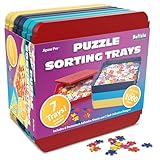
Overview: Buffalo Games Puzzle Sorting Trays provide a specialized organization system for jigsaw puzzle enthusiasts. This set includes seven interlocking trays measuring 7.5 inches square, designed to sort pieces by color, shape, or pattern during assembly of puzzles up to 1000 pieces.
What Makes It Stand Out: The trays feature an innovative interlocking design that keeps them connected during use, preventing separation on the table. A safety lid enables vertical stacking for pausing puzzles mid-completion, protecting sorted pieces from disruption. The shallow 0.7-inch depth provides easy access without pieces becoming buried.
Value for Money: While single-purpose, these trays offer excellent value for dedicated puzzlers. The sturdy construction withstands repeated use, and the included lid eliminates need for separate storage solutions. Compared to makeshift sorting methods, this professional system saves time and reduces frustration during complex puzzle assembly.
Strengths and Weaknesses: Pros: Interlocking design maintains organization; safety lid for storage; sturdy construction; optimal depth for piece access; fits 1000-piece puzzles. Cons: Not suitable for board game tokens; shallow trays limit capacity; single-purpose functionality; takes significant table space; premium price for puzzle-specific tool.
Bottom Line: Essential for serious jigsaw puzzle enthusiasts but impractical for general board game organization. These trays excel at their intended purpose but offer no crossover utility for tabletop gaming components.
4. SIQUK 2 Pieces Dice Tray PU Leather Dice Trays Portable Folding Hexagon Dice Roller Tray for Dice Games Like RPG, DND and Other Table Games (Green, Camel)

Overview: The SIQUK Dice Trays offer portable containment for dice rolling in tabletop RPGs and board games. This two-pack includes green and camel hexagonal trays crafted from PU leather with velvet lining, featuring snap-together construction that collapses flat for transport.
What Makes It Stand Out: These trays combine elegant aesthetics with functional protection. The velvet interior shields dice and table surfaces from damage while dampening noise during rolls. Metal corner snaps enable instant assembly and breakdown, while the contrasting colors allow separate players to identify their trays easily during multiplayer sessions.
Value for Money: Two quality leather trays at this price point represent strong value for RPG groups. The durable materials resist wear better than fabric alternatives, and the dual-pack configuration serves multiple players. For regular D&D or board game sessions, these trays prevent costly table damage and lost dice.
Strengths and Weaknesses: Pros: Protects tables and dice; reduces rolling noise; portable snap design; easy to clean PU leather; dual colors for player assignment. Cons: Limited to dice rolling function; snaps may loosen over time; only two trays included; shallow depth for large dice pools; leather requires occasional conditioning.
Bottom Line: Highly recommended for RPG players and board gamers seeking to contain dice rolls and protect surfaces. These trays prioritize portability and noise reduction, making them ideal for regular game nights and convention play.
5. Magnetic Board Game Storage Trays, Hexagonal Modular Organizer, Flexibility Customize Layout Tray Accessory, Holds Tabletop Bits, Components, Pieces, Dices (7-Pack)

Overview: The Magnetic Hexagonal Storage Trays introduce a premium modular organization system for board game components. This seven-pack features hexagonal trays with concealed magnets that snap together in customizable configurations, each measuring approximately 6 inches across with felt-lined interiors.
What Makes It Stand Out: The magnetic connection system allows unprecedented layout flexibility, enabling gamers to create organic shapes that fit their table space and game requirements. The sophisticated black rainbow finish provides visual flair, while soft felt bases protect components and minimize noise during gameplay, doubling as quiet dice rolling areas.
Value for Money: These trays command a premium price but deliver unique functionality. The magnetic system and aesthetic finish justify the cost for serious collectors. While more expensive than basic plastic options, the versatility and premium materials offer long-term value for gamers prioritizing both form and function.
Strengths and Weaknesses: Pros: Magnetic modularity enables custom layouts; premium felt protects components; attractive rainbow finish; stackable for storage; multi-purpose rolling areas. Cons: Higher price point; magnets may weaken over time; limited to seven trays; felt attracts dust; hexagonal shape leaves gaps in some configurations.
Bottom Line: Best suited for dedicated board game enthusiasts willing to invest in premium organization. The magnetic system excels for complex games requiring adaptable component sorting, though budget-conscious buyers may prefer simpler alternatives.
6. Collapsible Board Game Storage Bowls, Portable Folding Tray Accessory Holds Tabletop Bits, Components, Pieces, Dices for Classic & Modern Gaming, RPG Roleplaying (5-Pack) (Macoron Color)

Overview: These collapsible silicone bowls offer a practical solution for organizing board game components during play. The five-pack provides multiple color-coded options for sorting dice, tokens, meeples, and other small pieces. Designed for portability, these trays fold completely flat, making them ideal for gamers who travel to conventions or friends’ houses. The silicone construction provides flexibility while maintaining enough rigidity to hold components securely.
What Makes It Stand Out: The primary differentiator is the innovative collapsible design that combines storage efficiency with functionality. Unlike rigid plastic alternatives, these bowls can be compressed to slip into game boxes or bags without wasted space. The Macoron color set adds visual appeal, allowing players to match trays to game themes or player colors. The tear-resistant silicone material withstands aggressive handling, making them table-flip-proof accessories that endure chaotic gaming sessions.
Value for Money: At their price point, these trays deliver exceptional versatility. Comparable rigid organizers cost 30-50% more while offering less portability. The five-unit set provides enough trays for most board games’ component separation needs. While they lack the premium aesthetic of leather or wooden options, their durability and space-saving design justify the investment for mobile gamers.
Strengths and Weaknesses: Pros include excellent portability, durable silicone construction, easy cleaning, and flat storage. The color variety aids organization. Cons involve less structural rigidity than hard trays, potential for silicone to attract dust, and a casual appearance that may not suit all gaming aesthetics. The shallow depth might not contain vigorous dice rolls effectively.
Bottom Line: Perfect for gamers prioritizing portability and storage efficiency over premium presentation. These collapsible bowls excel for travel gaming and tight storage situations, though competitive players might prefer more substantial rolling surfaces.
7. SIQUK 6 Pieces Dice Tray Hexagon Dice Rolling Holder Folding PU Leather Dice Trays for Dice Games Like RPG, DND and Other Table Games(Cyan, Black, Violet, Pink, Camel, Sky Blue)

Overview: SIQUK delivers six hexagonal dice trays crafted from PU leather with velvet lining, offering a sophisticated rolling and storage solution. Each tray measures 8.7 x 7.4 inches, providing ample space for polyhedral dice sets used in RPGs like D&D. The hexagonal shape creates an elegant aesthetic while maintaining functional dice containment. With six distinct colors included, this set serves multiple players or game separation needs.
What Makes It Stand Out: The combination of premium materials—soft velvet interior protecting dice and outer PU leather providing durability—sets these apart from basic fabric trays. The metal snap construction enables rapid assembly and collapse while maintaining structural integrity. The hexagonal design isn’t merely aesthetic; it provides better corner distribution for dice rolling randomness compared to square trays. Having six trays in one package eliminates the need for separate purchases for gaming groups.
Value for Money: This six-pack represents significant savings versus buying individual trays. Comparable leather-trimmed trays retail for $8-12 each, making this bundle highly economical. The quality materials and stitching suggest longevity that cheaper fabric trays lack. For gaming groups or collectors needing multiple trays, this offers professional-grade accessories at entry-level pricing.
Strengths and Weaknesses: Pros include attractive hexagon design, protective velvet lining, quick-collapse snaps, excellent quantity for groups, and easy cleaning. The PU leather exterior feels premium. Cons involve potential snap wear over time, hexagon shape may store less efficiently than squares, and the 1.6-inch depth might be insufficient for enthusiastic rolls. Velvet can show wear with metal dice.
Bottom Line: An outstanding choice for RPG enthusiasts and gaming groups wanting stylish, functional dice trays. The six-pack value and quality materials make this a smart investment for regular players who appreciate both form and function.
8. Board Game Trays – Organize, Play, and Win! Get Your Set of Trays Perfect for Board Game Accessories, Tokens, Meeples and Other Small Items… (Mixed)

Overview: These PLA plastic board game trays provide straightforward organization for tokens, meeples, and small components across various tabletop games. The six-pack offers universal utility for strategy games, RPGs, and even puzzles or crafts. Made from sturdy PLA plastic, these trays prioritize function over flash, delivering reliable containment for gaming accessories. Their lightweight design makes them convenient for regular game nights.
What Makes It Stand Out: The stackable design maximizes storage efficiency, allowing all six trays to nest together compactly when not in use. Unlike fabric or collapsible options, these rigid trays maintain their shape permanently, ensuring consistent performance. The neutral aesthetic works with any game theme without clashing. The PLA material provides durability while remaining lightweight, and the universal sizing accommodates most standard board game components.
Value for Money: These trays sit at an accessible price point, offering excellent utility for budget-conscious gamers. While lacking premium materials like leather or wood, they deliver core functionality at a fraction of the cost. For players needing basic organization without aesthetic frills, this represents practical value. The six-unit count covers most multi-player game needs without requiring additional purchases.
Strengths and Weaknesses: Pros include sturdy rigid construction, excellent stackability, easy cleaning, universal sizing, and lightweight portability. The six-pack quantity suffices for most games. Major cons involve heat sensitivity—PLA can warp in hot cars or direct sunlight—and a basic appearance that lacks visual appeal. The plastic material may feel cheap compared to premium alternatives and can be noisy when placing components.
Bottom Line: Ideal for gamers seeking functional, affordable organization without concern for aesthetics. These trays excel for home game storage and regular play, though travelers should beware of heat exposure. A practical workhorse solution for component management.
9. LuckyVin 4-Piece Game Organizer Set - Multi-Color Chip & Token Trays for Board Games, Poker, Card Nights, Casino Party Supplies (4)
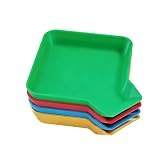
Overview: LuckyVin’s four-piece organizer set targets player-specific organization with color-coded trays in red, green, blue, and gold. Designed primarily for poker chips, tokens, and currency, these trays bring casino-style organization to home game nights. Each tray features a stable base preventing tipping, and the streamlined design facilitates easy chip stacking and retrieval. The set serves 2-4 players efficiently.
What Makes It Stand Out: The player-focused color-coding eliminates confusion during competitive games, giving each participant a dedicated station. This design choice speeds up gameplay and reduces component mixing. The stable, weighted base demonstrates thoughtful engineering absent in basic trays. While marketed for poker, the versatile sizing accommodates various board game tokens and dice, making them adaptable beyond their primary use case.
Value for Money: Positioned in the mid-range price bracket, these trays justify cost through specialized design and premium materials. Comparable basic chip trays cost less but lack the stability and aesthetic cohesion. For hosts running regular poker nights or board game sessions with dedicated player stations, the investment pays dividends in reduced setup time and enhanced experience. The four-tray set perfectly matches typical player counts.
Strengths and Weaknesses: Pros include excellent color-coding for players, stable anti-tip design, premium durable construction, versatile token capacity, and professional appearance. The set integrates seamlessly into casino-themed events. Cons involve limited to four players, chip-focused design may not suit all board games, and higher price than generic trays. The fixed structure lacks portability features.
Bottom Line: Perfect for dedicated game hosts who prioritize player organization and tabletop aesthetics. These trays excel for poker nights and competitive board games with 2-4 players, though larger groups will need additional sets. Premium quality meets functional design.
10. Token Silo Convertible | Store & Organize Board Game Tokens | 9 Removable Trays in 3 Different Sizes | Stackable | Convenient Space-Saving Design | Lime Green Color | Made by Gamegenic (GGS22004ML)

Overview: Gamegenic’s Token Silo represents a premium, modular organization system featuring nine removable trays in three sizes within a convertible storage box. Designed for serious board gamers managing complex games with numerous token types, this lime green system offers unprecedented customization. The innovative design allows trays to be used during gameplay while the base converts into a dice tray, maximizing utility in a compact footprint.
What Makes It Stand Out: The modular architecture enables gamers to arrange trays based on specific game requirements, a feature unique in this category. Removable trays allow players to pass components around the table effortlessly. The capacity to store up to 40 sleeved cards in the large tray expands functionality beyond mere tokens. Stackable design permits combining multiple Silos for extensive collections. The convertible lid-to-base transformation demonstrates ingenious space-saving engineering.
Value for Money: As a premium product, the Token Silo commands higher pricing than basic trays, but delivers corresponding innovation. For gamers invested in complex titles like Gloomhaven or Twilight Imperium, the time saved in setup and component management justifies the cost. Cheaper alternatives exist, but none offer this level of modularity and integration. It’s an investment for enthusiasts rather than casual players.
Strengths and Weaknesses: Pros include revolutionary modular design, removable trays for in-game use, card storage capability, excellent stackability, premium durable materials, and space-efficient convertible design. Cons involve premium pricing that may deter casual buyers, lime green color may not suit all preferences, and complexity may be overkill for simple games. The specialized design caters to specific gaming needs.
Bottom Line: The ultimate solution for dedicated gamers with extensive component collections. While overkill for casual play, the Token Silo revolutionizes organization for complex games, making it indispensable for serious hobbyists who value efficiency and customization.
Why Organization Matters in Modern Board Gaming
The Rise of Component-Heavy Games
Modern board games have exploded in complexity, with publishers delivering increasingly elaborate experiences packed with dozens of unique components. We’re no longer just moving a single pawn around a track—today’s games feature intricate economies requiring separate storage for multiple resource types, custom meeples representing various worker types, and enough status counters to make your head spin. This component proliferation means that setup time can easily stretch to 20-30 minutes without proper organization, eating into precious gaming time and testing everyone’s patience before the first move is even made.
Impact on Gameplay Experience
Disorganization directly sabotages the player experience in subtle but significant ways. When components aren’t easily accessible, players hesitate to engage with certain game mechanisms simply because reaching that token pile feels like too much effort. Important information gets obscured when counters blend together, leading to rules mistakes and forgotten abilities. A well-organized tray system eliminates these friction points, creating a smooth, intuitive flow where the game mechanics shine rather than the logistical challenges. The cognitive load decreases dramatically when your brain isn’t constantly scanning for that one specific piece lost in the visual noise.
Social Benefits at the Table
Beyond pure functionality, organized components elevate the entire social atmosphere of game night. New players feel less intimidated when they can clearly see and understand the game state. Turns move faster because nobody’s waiting for someone to dig through a baggie of mixed tokens. The table simply looks more inviting—a clean, organized setup signals that you value everyone’s time and are serious about creating an enjoyable experience. This professionalism, even in casual settings, sets the tone for memorable gaming sessions that focus on laughter and strategy, not component archaeology.
Key Features to Look for in Game Accessory Trays
Modular vs. Fixed Compartments
The fundamental design choice you’ll face is between modular systems with adjustable dividers and fixed-compartment trays. Modular options offer incredible flexibility, letting you reconfigure the layout for different games or even mid-game as component needs change. This adaptability makes them ideal for gamers who play a wide variety of titles. Fixed compartments, conversely, provide stability and often deeper wells that prevent spillage during enthusiastic gameplay. They excel when you have dedicated trays for specific games that you play frequently, as the consistency becomes muscle memory over time.
Stackability and Nesting
Consider how your trays behave when not in use and during transport. Stackable designs with interlocking features keep your storage area tidy and prevent catastrophic tower collapses when you’re pulling out a specific tray from the middle of a stack. Nesting capabilities—where smaller trays fit inside larger ones—save precious shelf space between game nights. Some advanced designs even allow partial stacking during gameplay, creating tiered access that keeps frequently-used components at your fingertips while deeper storage sits beneath.
Accessibility During Gameplay
The best trays understand that organization serves gameplay, not the other way around. Look for designs with angled or tiered compartments that make it easy to grab components without knocking over adjacent sections. Finger cutouts or scoop-shaped wells let you retrieve small counters without fingernail frustration. Consider how the tray sits on the table—does it have a low profile that keeps components visible to all players, or does it create a fortress wall that blocks sightlines? The ideal tray becomes an invisible assistant, present but never intrusive.
Material Matters: Choosing the Right Construction
Wooden Trays: Classic Aesthetics
Wooden accessory trays bring warmth and tactile pleasure that complements the analog nature of board gaming. High-quality hardwood options develop character over time, with natural grain patterns making each piece unique. They tend to be heavier, providing stability that prevents sliding during table bumps. However, wood requires more maintenance—it’s susceptible to moisture, can crack if poorly constructed, and may have slight variations that affect precision fits. The aesthetic upgrade comes at a premium price point, but for many enthusiasts, the sensory experience justifies the investment.
Plastic Options: Durability and Cost
Injection-molded plastic trays dominate the market for good reason: they’re affordable, durable, and washable. Modern plastics offer surprising sophistication, with textured finishes that reduce glare and rubberized feet that prevent sliding. They’re immune to spills and easy to sanitize between sessions—crucial in post-pandemic gaming culture. The downside? Cheaper options can feel flimsy, and static electricity sometimes causes lightweight cardboard chits to cling to walls. Premium plastics bridge this gap, offering near-unbreakable construction with thoughtful design details at a mid-range price.
Acrylic and Premium Materials
For the gamer who treats their collection as functional art, acrylic and other premium materials offer stunning visual appeal. Clear acrylic lets you see all components at a glance while adding a modern, sleek aesthetic to your gaming table. Some manufacturers experiment with materials like bamboo composites or recycled plastics, appealing to environmentally conscious buyers. These premium options often feature laser-cut precision and innovative designs but demand careful handling—acrylic scratches easily and can crack under impact. They’re statement pieces that say as much about your gaming style as your component organization.
Size and Capacity Considerations
Measuring Your Game Collection
Before purchasing any tray system, audit your game collection with ruthless honesty. Which games actually hit the table regularly? Which have the most problematic component mixes? Measure the largest meeples and tallest stacks of counters you need to accommodate. A tray that perfectly organizes one game might be useless for another if you haven’t considered dimensional requirements. Create a simple spreadsheet tracking component types, quantities, and sizes for your top 10 most-played games. This data-driven approach prevents emotional purchases that look great online but fail in practice.
Scaling for Different Player Counts
Many games scale component needs based on player count, requiring smart tray design that adapts to these fluctuations. Some trays offer removable sections or lids that double as secondary storage, letting you pre-sort components by player count before the session begins. Consider how the tray handles the difference between a two-player intimate duel and a six-player epic—the organization system should streamline setup regardless of scale, not create additional configuration work that varies with each player count.
Table Footprint vs. Storage
There’s an inherent tension between trays that organize components beautifully on the table and those that store efficiently in the game box. Deep, compartmentalized trays excel at keeping pieces sorted during play but may not fit back in the original box. Flat, lidless designs nest perfectly for storage but offer limited organization during gameplay. Your priority here determines the right design—tournament players who transport games frequently need different solutions than home gamers who can dedicate shelf space to dedicated organization systems.
Compartment Design: What Works Best for Different Components
Deep Wells for Meeples and Standees
Meeples and standees need compartments deep enough to stand upright without toppling, yet accessible enough for easy grabbing. The sweet spot is typically 1.5-2 inches deep for standard meeples, with slightly deeper sections for oversized or top-heavy standees. Rounded corners prevent pieces from getting trapped in right angles, while smooth interior surfaces let you scoop up multiple pieces in one motion. Consider trays with graduated depths—deeper wells for storage, shallower sections for active gameplay where you need to see available pieces at a glance.
Shallow Sections for Tokens and Counters
Flat tokens and cardboard counters demand completely different treatment. Shallow compartments (0.5-1 inch deep) prevent pieces from stacking on top of each other and becoming invisible. The bottom surface should be slightly textured or matte to reduce glare and make components visually distinct. Multiple small sections beat one large section every time—separating denominations or types during setup saves countless moments of “wait, which token is that?” during critical game decisions.
Specialized Slots for Cards and Dice
Cards require compartments with slight angles or finger slots that let you fan them out for easy drawing. Straight-walled wells make card retrieval frustrating, while curved or stepped designs let you pinch and pull without damaging edges. Dice wells need enough space for a standard handful to be rolled into them, with felt or rubber linings that dampen noise—a crucial consideration for late-night gaming sessions when family or neighbors sleep nearby. Some advanced designs incorporate separate dice towers or rolling sections that integrate with the tray system.
Portability and Storage Solutions
Travel-Friendly Designs
If you attend game nights away from home, portability becomes paramount. Look for trays with secure lids that lock tightly enough to survive transport in a backpack. Magnetic closures offer satisfying security without the wear-and-tear of plastic clasps. Consider the tray’s weight—wooden beauties that look stunning on your home table might become literal burdens when you’re hauling them across town. Modular systems that break down into flat packs or nest tightly together transform from bulky boxes into slim profile cases that slide easily into game bags.
Storage Between Gaming Sessions
How your trays store when games aren’t in play significantly impacts long-term satisfaction. Trays that nest precisely save shelf space but may trap dust in the crevices. Those with dedicated storage bags or cases stay cleaner but require additional purchase. Consider vertical storage options—some tray systems include mounting hardware or stands that let you store them upright like books, turning your organization system into a display feature. The key is matching the storage solution to your available space and aesthetic preferences, not forcing a bulky system into a cramped apartment.
Customization Options
Adjustable Dividers
The ability to fine-tune compartment sizes elevates a good tray system to a great one. Look for dividers that slot securely without wobbling, with enough friction to stay put during gameplay but not so much that reconfiguration requires Herculean effort. Some premium systems use magnetic dividers that snap into place with satisfying precision. Consider whether divider positions are permanently fixed in a grid or offer infinite adjustability—grid systems provide stability, while channel-based systems offer ultimate flexibility at the cost of potential slippage.
Labeling Systems
Smart labeling transforms trays from simple containers into intuitive game assistants. Some designs incorporate recessed areas where you can insert printed labels, while others use dry-erase surfaces for temporary notation. Consider trays with color-coded sections or the ability to add colored inserts—these visual cues speed up component identification dramatically. For dedicated game trays, etched or printed symbols directly on the tray surface create permanent organization that never needs re-explaining to new players.
Budget-Friendly vs. Premium Options
What Defines Value in Accessory Trays
Value in accessory trays isn’t simply about price—it’s about cost-per-use and longevity. A $10 tray that warps after six months represents worse value than a $50 tray that serves you for a decade. Evaluate construction quality: Do joints feel solid? Does the material resist scratching? Are there thoughtful details like rounded edges and non-slip feet? Sometimes budget options surprise with unexpected durability, while premium pieces disappoint with design flaws that only emerge after repeated use. Read user reviews focusing on long-term durability rather than initial impressions.
Long-Term Investment Perspective
Consider your trays as infrastructure investments that protect your larger game collection. Properly organized components resist wear and tear, extending the life of your games significantly. Bent cardboard tokens and scuffed meeples often result from poor storage, not gameplay. Spending more upfront on quality organization can save money by preserving your game components and reducing replacement needs. Factor in the hidden cost of frustration—how much is your time worth when you’re hunting for pieces instead of playing? Premium trays often pay for themselves in reduced setup time and preserved sanity.
DIY Solutions for the Crafty Gamer
Repurposing Household Items
Before investing in specialized trays, explore your home for organization potential. Ice cube trays with flexible silicone bottoms make excellent token sorters. Muffin tins provide perfect compartments for meeples and can be spray-painted for aesthetic appeal. Even egg cartons work for storing components between sessions. The key is ensuring these repurposed items are clean, free from food residue, and sized appropriately for your components. While not as elegant as purpose-built solutions, they let you test organization concepts before committing financially.
3D Printing Your Own Trays
For the technologically inclined, 3D printing offers unlimited customization potential. Online repositories contain thousands of tray designs ready to download and print, many optimized for specific popular games. You can modify these designs to perfectly match your component dimensions or aesthetic preferences. The learning curve is real—calibrating printers, understanding material properties, and refining designs takes time. But the ability to iterate quickly and create hyper-specialized solutions makes 3D printing the ultimate organization frontier for DIY enthusiasts who want trays no commercial manufacturer offers.
Caring for Your Accessory Trays
Cleaning Different Materials
Each tray material demands specific care to maintain its appearance and functionality. Plastic trays typically handle warm soapy water and even occasional dishwasher cycles, but avoid abrasive scrubbers that create micro-scratches where dirt accumulates. Wood requires gentle dusting and occasional conditioning with food-safe mineral oil to prevent drying and cracking. Never submerge wooden trays—wipe spills immediately with a barely-damp cloth. Acrylic scratches easily, so use microfiber cloths and specialized plastic cleaners, avoiding ammonia-based products that cause clouding.
Maintenance Tips for Longevity
Preventative maintenance extends tray life dramatically. Add felt pads to the bottom corners to prevent scratching tables and reduce noise. Store trays in climate-controlled environments—extreme temperature swings cause wood to expand and contract, while direct sunlight can fade plastics and warp acrylics. Periodically check divider connections and tighten any loose joints before they fail completely. For trays with moving parts like hinges or sliding lids, a tiny drop of silicone lubricant keeps action smooth without attracting dust like oil-based products.
Integrating Trays with Game Inserts
Compatibility with Existing Inserts
Many modern games include custom inserts, creating a potential conflict with external tray systems. Evaluate whether your trays supplement or replace these inserts. Some trays are specifically designed to fit inside game boxes, sitting atop or alongside manufacturer inserts. Others serve as table-only solutions while components return to the original insert for storage. Measure your box interiors carefully—there’s nothing more frustrating than a tray that almost fits but bows the box lid. Consider removing bulky inserts entirely if they don’t serve your organization needs; many are designed for shipping protection, not gameplay efficiency.
When to Choose Trays Over Inserts
Manufacturer inserts often prioritize component security during shipping and compact storage, not gameplay accessibility. Trays excel when setup speed and in-game organization matter more than box storage efficiency. For games you play weekly, dedicated table trays slash setup time and enhance the experience enough to justify storing the original insert separately. For shelf queens that see annual play, the box insert probably suffices. The sweet spot is identifying your “heavy rotation” games and investing in tray systems specifically for those titles while leaving occasionally-played games in their original packaging.
Future Trends in Game Organization (2026 and Beyond)
Smart Organization Features
The next evolution of accessory trays incorporates subtle technology without disrupting the analog aesthetic. Imagine trays with embedded RFID tags that track component counts, alerting you when pieces are missing before you pack up. Some prototypes feature pressure-sensitive compartments that light up when empty, making cleanup verification instant. While these features might seem gimmicky, they address real pain points—lost components and incomplete tear-downs. As manufacturing costs drop, expect to see these smart features in mid-range trays, not just premium products.
Sustainable Materials
Environmental consciousness is reshaping manufacturing across industries, and game accessories are no exception. Emerging materials like mycelium-based composites (mushroom root structures) create biodegradable trays with surprising durability. Recycled ocean plastics are being refined into premium-feel products that tell a sustainability story. Bamboo, already popular, is being engineered into new composite forms that rival hardwood strength at a fraction of the environmental cost. These materials often come with trade-offs in precision or finish, but for eco-minded gamers, the benefits outweigh minor imperfections.
Common Mistakes to Avoid When Buying
Overbuying for Your Needs
The most frequent error is purchasing elaborate tray systems before understanding your actual organization pain points. Start simple with versatile, inexpensive trays that handle your most-played games. Resist the urge to buy complete organization sets for your entire collection—many games organize perfectly fine with their included inserts. The “collection completionist” mindset leads to shelves full of unused trays while your table still suffers from chaotic gameplay. Let your organization system evolve organically based on which games actually need help, not which ones you think might need it someday.
Ignoring Component Measurements
That gorgeous tray with perfectly-sized compartments means nothing if your game’s “standard” meeples are actually 2mm taller than standard. Always measure your components, especially for games with unusual piece sizes. Pay attention to thickness—punched cardboard tokens vary dramatically between publishers. A compartment that perfectly fits thin tokens from one game will swallow thicker ones from another, making retrieval frustrating. When in doubt, choose slightly larger compartments over precisely-sized ones; the flexibility serves you better across multiple games.
Building Your Organization System Over Time
Starting with Core Games
Build your tray collection strategically, starting with the three to five games you play most frequently. These “core” games justify dedicated organization because the time savings compound with each session. Choose versatile tray designs for these initial purchases—ones that could potentially serve other games if your favorites rotate out. This focused approach lets you refine your preferences before investing heavily. You’ll discover whether you prefer deep vs. shallow compartments, wood vs. plastic, and modular vs. fixed designs through actual use, not speculation.
Expanding Your Organization Strategically
Once you’ve mastered organization for core games, expand methodically. Add trays for new game purchases as part of the acquisition cost—budget for organization alongside the game itself. For existing collection games, wait until you’ve played a title at least three times before buying dedicated trays; this ensures it’s a keeper that deserves infrastructure investment. Consider seasonal organization overhauls, reassessing your tray needs once a year. Games that have fallen out of favor can donate their trays to new favorites, keeping your system lean and purposeful rather than cluttered with solutions searching for problems.
Frequently Asked Questions
How many compartments do I actually need for most games?
Most medium-weight games organize well with 6-12 compartments. Separate denominations of currency tokens, create distinct areas for different resource types, and give each player color its own section. Avoid the temptation to micro-organize—having 20 tiny compartments often slows down gameplay as you hunt for the exact right slot. Start with fewer, larger sections and only subdivide when you consistently find yourself digging through mixed components during play.
What’s the best material for someone just starting their organization journey?
Start with medium-quality plastic trays. They offer the best balance of affordability, durability, and versatility while you discover your preferences. Once you’ve used them for six months, you’ll know whether you value the aesthetic upgrade of wood or need specific features that only premium options provide. This “training period” prevents expensive mistakes and helps you develop informed opinions about what matters for your specific gaming habits.
Can I use the same trays for different games, or should each game have dedicated organizers?
Versatile trays work beautifully for 80% of games. Focus on modular designs with adjustable dividers for your first purchases. Only invest in game-specific organizers for titles you play monthly or that have truly unique component shapes that defy general solutions. Your “heavy rotation” games deserve dedicated trays that stay pre-sorted between sessions, but most of your collection will be perfectly served by a flexible, reconfigurable system.
How do I prevent trays from sliding around on the table during gameplay?
Look for trays with rubberized or silicone feet, which grip most table surfaces effectively. For existing trays without grips, add adhesive rubber bumpers (available at hardware stores) to the bottom corners. Position trays away from high-traffic areas where elbows frequently rest, and consider using a large gaming mat underneath—textured surfaces naturally reduce sliding. Heavier wooden trays also resist movement better than lightweight plastics.
What’s the ideal depth for meeple compartments?
Standard meeples (roughly 16mm tall) work best in compartments 1.5-2 inches deep. This depth lets them stand upright while remaining easily visible and retrievable. For larger or top-heavy standees, increase depth to 2.5 inches. Shallow compartments cause pieces to spill during table bumps, while excessively deep wells make fishing out pieces frustrating. The goal is visibility plus security—a tray that keeps pieces contained but never hides them.
Are expensive wooden trays worth the investment over plastic alternatives?
Wooden trays justify their cost through longevity, aesthetic appeal, and stability. If you game frequently (weekly or more) and value the tactile experience, wood enhances the ritual. For occasional players or those who prioritize function over form, quality plastic offers 90% of the utility at a fraction of the cost. The real value question is usage frequency—a $60 wooden tray used 100 times costs less per use than a $15 plastic tray used twice.
How do I clean spilled drinks or food from my trays mid-game?
For plastic trays, keep paper towels and a small spray bottle of water-diluted mild soap nearby. Blot spills immediately—never wipe, which spreads liquid into crevices. Wooden trays need immediate attention with barely-damp cloths; dry thoroughly before returning components. Consider establishing a “no food over the trays” rule, using separate small bowls for snacks. Prevention beats cleanup every time, especially with porous materials.
Can accessory trays help with game setup time?
Absolutely. Pre-sorted trays can slash setup time by 50-70%. Instead of punching tokens from bags and sorting by type, you simply place pre-organized trays on the table. Some gamers create “setup trays” that contain exactly what’s needed for each player count, eliminating counting and sorting entirely. The time savings compound with each play, especially for games with extensive component variety. Track your setup time before and after implementing trays—you’ll be amazed at the difference.
What should I do with trays that don’t fit back in the game box?
First, evaluate whether the original insert is worth keeping—many are discardable. If the tray must live outside the box, designate a storage area for “table-only” organizers. Use clear plastic bins or dedicated shelving where trays stay sorted by game. Label everything clearly, and consider storing game boxes near their corresponding trays to avoid hunting. Some gamers repurpose old board game boxes as storage for multiple tray systems, creating custom “organization boxes” that hold trays for several games.
How do I know when it’s time to upgrade my organization system?
Upgrade when you consistently notice specific pain points. If you’re always digging through mixed tokens, you need better compartmentalization. If trays slide around, upgrade to ones with better grip. If setup still feels slow after using trays for a while, you might need game-specific solutions. Don’t upgrade just because newer, shinier options exist—upgrade to solve real problems. The best organization system is the one that fades into the background, letting you focus entirely on the game itself.
See Also
- 10 Game-Changing Game Accessory Trays for Keeping Counters and Markers in Place in 2026
- The 10 Best Board Game Trays for Keeping Components Organized in 2026
- 10 Expert-Recommended Game Accessory Trays for Clean Tabletop Setups in 2026
- 10 Best Budget Board Game Dividers Under $30 for Organized Play in 2026
- How to Solve Clutter with the 10 Best Modular Board Game Trays in 2026