Table of Contents
There’s a special kind of magic that happens when you gather around a table, open a heavy box filled with intricate components, and step into a world of dragons, ancient magic, and perilous quests. Fantasy board games offer more than just rules and dice rolls; they provide a tangible portal to realms where your decisions shape epic sagas. The weight of a detailed miniature in your hand, the rustle of textured cards depicting arcane spells, the satisfying thunk of interlocking terrain tiles forming a dungeon corridor – these sensory details combine to create an immersive experience digital games often struggle to replicate. It’s storytelling made physical, where strategy and imagination intertwine to forge adventures you’ll recount long after the board is packed away.
Choosing the perfect fantasy board game, however, can feel like navigating a labyrinth blindfolded. With countless options promising grand adventures, how do you discern which one truly resonates with your group’s preferences and playstyle? The sheer variety – from cooperative journeys against a looming doom to cutthroat battles for dominion over mythical lands – is both exhilarating and overwhelming. You might crave deep strategic combat, or perhaps you dream of collaborative storytelling where every session feels unique. Maybe quick setup and accessible rules are your priority, or you relish the challenge of mastering complex systems. Understanding what truly matters to you and your fellow players is the crucial first step towards unlocking that consistently epic game night experience you’re after. Let’s cut through the fog of options and focus on the elements that truly define a great fantasy board game journey.
Top 10 Fantasy Board Games
Detailed Product Reviews
1. Bag of Dungeon–Fantasy Adventure Board Game for Families & RPG Fans | 1–4 Players, Ages 7+ | Classic Dungeon Crawler | Portable Tabletop RPG with Endless Replayability

Overview:
Bag of Dungeon is a compact, accessible dungeon crawler designed to introduce families and young players to tabletop RPGs. Housed entirely in a drawstring pouch, it streamlines fantasy adventuring with quick setup and intuitive mechanics, making it ideal for game nights or on-the-go play without complex rulebooks.
What Makes It Stand Out:
Its standout feature is exceptional portability combined with high replayability. The 120 modular dungeon tiles and 13 randomized quests ensure no two sessions feel alike, while the 10-minute setup and solo/co-op flexibility cater to modern gamers’ need for convenience. The age-appropriate theme (7+) gently introduces strategy and cooperation without overwhelming new players.
Value for Money:
Priced competitively for entry-level RPGs, it offers remarkable value through sheer component versatility. The reusable tile system eliminates the need for multiple games, outperforming larger, pricier sets that lack its travel-friendly design. Families gain a long-term solution for varied gaming scenarios at a fraction of the cost of premium dungeon crawlers.
Strengths and Weaknesses:
Strengths: Effortless setup; superb replayability; durable, travel-ready storage; fosters teamwork and tactical thinking for kids. Weaknesses: Limited strategic depth for hardcore RPG veterans; artwork may feel simplistic compared to high-end games; minimal narrative immersion due to streamlined rules.
Bottom Line:
An outstanding gateway RPG for families and beginners, Bag of Dungeon excels as a portable, endlessly replayable starter kit. Highly recommended for parents seeking educational, screen-free fun that grows with players’ skills—just temper expectations for deep lore.
2. Unstable Games Here to Slay Card Game - Fantasy Adventure Strategy Game for 2-6 Players, Ages 10 and Up - Family Game Night Card Game from the Creators of Unstable Unicorns

Overview:
Here to Slay delivers fast-paced fantasy strategy from Unstable Games, blending party-building, monster-slaying, and tactical card play. Designed for 2–6 players, it leverages the studio’s signature humor and accessible mechanics to create a dynamic game night experience suitable for teens and adults.
What Makes It Stand Out:
The game shines with its rapid 30–60 minute sessions and modular expansions (e.g., Warriors and Druids), allowing endless customization. Smooth, intuitive gameplay lets newcomers grasp rules quickly, while strategic depth—via hero synergies, item combos, and monster tactics—keeps veterans engaged. High-quality illustrated cards and custom dice elevate the tactile experience.
Value for Money:
At its price point, it offers exceptional replayability through expansions and variable player counts. It undercuts complex board games while providing comparable strategic satisfaction, making it a cost-effective staple for game libraries. The inclusion of robust components justifies the cost better than flimsier card-only alternatives.
Strengths and Weaknesses:
Strengths: Lightning-fast setup; scalable for large groups; rich expansion ecosystem; gorgeous art; balances simplicity with meaningful choices. Weaknesses: Luck-dependent dice rolls can frustrate; expansions are essential for longevity (added cost); limited thematic depth compared to narrative-driven RPGs.
Bottom Line:
A vibrant, social card game perfect for casual and competitive players alike. Recommended for groups prioritizing quick setup, humor, and expandable strategy—though expansion purchases enhance long-term value.
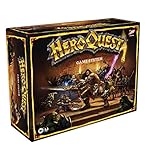
3. Hasbro Gaming Avalon Hill HeroQuest Game System Tabletop Board Game,Immersive Fantasy Dungeon Crawler Adventure Game for Ages 14 and Up,2-5 Players
Overview:
HeroQuest revives the classic 1980s dungeon crawler with modern production, casting players as heroes battling Zargon’s minions in cooperative quests. Geared toward teens and adults, it emphasizes teamwork against a gamemaster-controlled antagonist in a richly illustrated fantasy world.
What Makes It Stand Out:
The 65+ detailed miniatures—including iconic heroes and monsters—are the centerpiece, offering unmatched immersion. Stunning artwork on cards and quest booklets deepens storytelling, while the semi-cooperative structure (one player as Zargon) creates dynamic tension. Its legacy as a genre pioneer adds nostalgic appeal for veterans.
Value for Money:
Priced as a premium collector’s item, it justifies cost through exceptional component quality and 14 included quests. While pricier than entry-level games, the miniatures and expandable quest system provide years of play, outclassing cheaper sets with flimsy parts. Ideal for fans valuing physical collectibility over digital alternatives.
Strengths and Weaknesses:
Strengths: Museum-grade miniatures; evocative artwork; strong cooperative/competitive hybrid; high replayability via custom quests. Weaknesses: Steep learning curve for new players; Zargon role requires significant prep; limited accessibility for younger audiences (14+); storage solutions lacking for miniatures.
Bottom Line:
A must-have for nostalgia-driven collectors and dungeon-crawl enthusiasts seeking tactile immersion. Recommended despite the price for its unparalleled components—but beginners may prefer simpler alternatives.
4. Ravensburger Horrified Games – Dungeons & Dragons – Strategy Board Game – Boost Critical Thinking & Teamwork – Cooperative Gameplay – Unique Monster Challenges – 1 to 5 Players – Adults & Kids 10+

Overview:
Horrified: Dungeons & Dragons adapts iconic D&D monsters into a cooperative strategy game where players protect Waterdeep from four legendary foes. Focused on teamwork and problem-solving, it targets families and D&D fans with streamlined mechanics and rich thematic integration.
What Makes It Stand Out:
Each monster (Beholder, Red Dragon, etc.) features unique victory conditions and tactics, ensuring varied, replayable challenges. The custom d20, sculpted miniatures, and vibrant board immerse players in D&D lore, while cooperative gameplay actively promotes communication—perfect for developing critical thinking in younger players.
Value for Money:
It delivers strong value through high-quality, license-accurate components and modular monster scenarios that extend playtime. Priced fairly against other cooperative games, it outshines generic titles with its D&D authenticity and educational benefits, making it ideal for families investing in meaningful game nights.
Strengths and Weaknesses:
Strengths: Brilliant monster variety; fosters teamwork; stunning D&D-themed components; accessible rules; scalable for 1–5 players. Weaknesses: Shorter playtime (~60 mins) limits depth; monster mechanics can feel unbalanced; limited replayability after mastering all four scenarios.
Bottom Line:
An engaging, family-friendly gateway to D&D’s world that excels in cooperative fun. Highly recommended for parents and D&D fans seeking thematic, thought-provoking gameplay—though veterans may crave more complexity.
5. Everdell Board Game – Strategic Worker Placement & Tableau Building Game for Adults & Teens, 1–4 Players, Age 14+, Award-Winning Tabletop Fantasy Game

Overview:
Everdell is an award-winning strategy game where players build whimsical woodland cities using worker placement and tableau-building mechanics. With its enchanting aesthetic and layered gameplay, it caters to teens and adults seeking depth without excessive complexity.
What Makes It Stand Out:
The magical critter theme—featuring squirrels, hedgehogs, and a 3D Ever Tree—creates instant charm, while its elegant mechanics scale from approachable to deeply strategic. Over 120 exquisitely illustrated cards and premium components (like resource tokens) deliver a tactile, visually stunning experience that feels both fresh and timeless.
Value for Money:
As a premium-priced title, it justifies cost through exceptional artistry, replayability, and accolades (ranked among top board games ever). The strategic depth for 1–4 players offers better longevity than many competitors, making it a worthwhile investment for collectors and strategy enthusiasts.
Strengths and Weaknesses:
Strengths: Gorgeous artwork and components; perfectly balanced strategy; highly replayable; welcoming to new players; strong solo mode. Weaknesses: Setup time can deter casual gamers; “analysis paralysis” possible with complex turns; higher price may intimidate beginners.
Bottom Line:
A masterpiece of modern board gaming that blends beauty and brains flawlessly. Essential for strategy fans and collectors—though newcomers should brace for a slight learning curve.
6. The Lord of The Rings: Adventure to Mount Doom | Family Game | Cooperative Game | Strategy Game

Overview: This cooperative board game distills Tolkien’s epic journey into a family-friendly strategy experience where players unite to guide Frodo to Mount Doom. Designed for 1-4 players, it uses dice rolls and card draws to navigate Middle-earth while evading Ringwraiths, capturing the essence of the quest within a tight 50-minute playtime.
What Makes It Stand Out: Its seamless blend of accessibility and thematic immersion sets it apart. The cooperative mechanic eliminates player elimination, fostering teamwork, while simple dice/cards mechanics make it ideal for younger audiences or casual gamers. Faithful art and streamlined rules authentically evoke Tolkien’s world without overwhelming complexity.
Value for Money: Priced moderately for its niche, it offers strong replayability through variable paths and solo capability. While less intricate than hardcore strategy games, its focus on shared storytelling justifies the cost for LOTR fans seeking an entry-level cooperative experience over pricier, heavier alternatives.
Strengths and Weaknesses: Strengths: Perfect for families; quick setup; deeply thematic; encourages collaboration. Weaknesses: Limited strategic depth; high luck dependency via dice; minimal player agency in critical moments; may feel too simplistic for veteran gamers.
Bottom Line: An excellent gateway cooperative game for Tolkien enthusiasts and families, prioritizing shared adventure over cutthroat competition. Best for casual play, though strategy purists may crave more depth. Highly recommended for its intended audience.
7. Hasbro Gaming Dungeons & Dragons: Bedlam in Neverwinter Board Game, Escape Room, Cooperative Strategy Games for Ages 12+, 2-6 Players, 3 Acts Approx. 90 Mins Each (Amazon Exclusive)

Overview: This Amazon-exclusive escape-room-style board game adapts D&D’s magic into a three-act mystery where 2-6 players collaborate to solve disappearances in Neverwinter. Featuring character creation, monster battles, and evolving puzzles, it delivers a narrative-driven adventure spanning roughly 270 minutes total.
What Makes It Stand Out: The dynamic, expanding gameboard that physically transforms as puzzles are solved creates unparalleled immersion. Integrating authentic D&D elements—like race/class customization and multi-layered riddles—within an escape-room framework offers a fresh, cohesive campaign feel rarely seen in single-box games.
Value for Money: Justified by its sheer scope: three interconnected 90-minute acts with high-quality components justify the premium price. It outperforms standalone escape games in replayability (via varied solutions) and delivers more narrative depth than most D&D board adaptations, making it a standout investment.
Strengths and Weaknesses: Strengths: Brilliant modular board; rich D&D authenticity; deeply collaborative puzzles; high replay value through multiple solutions. Weaknesses: Extremely time-intensive; complex setup; some puzzles may frustrate casual players; requires full attention to avoid “party split” issues.
Bottom Line: A masterclass in cooperative storytelling and puzzle design for dedicated D&D fans. Its ambition and production quality make it worth the commitment, though its length may deter casual groups. Essential for escape-room and TTRPG enthusiasts.
8. Unstable Games Casting Shadows Board Game - Turn-Based Fantasy Strategy Game for 2-4 Players, Ages 12 and Up - 30-60 Minute Gameplay from the Creators of Unstable Unicorns and Here to Slay

Overview: From the makers of Unstable Unicorns, this competitive fantasy strategy game challenges 2-4 players to master shadow-form transformations while collecting spells and companions. With 30-60 minute sessions, it blends fast-paced turns with strategic depth, targeting teens and adults seeking magical duels.
What Makes It Stand Out: The transformative character mechanics—where players shift between human and shadow forms to unlock unique abilities—create dynamic, asymmetric gameplay. High-quality illustrated tiles and custom dice enhance immersion, while expansions (Ice Storm, Molten Rock) extend longevity without bloating core rules.
Value for Money: Priced accessibly for its component quality and replayability. It outshines similar-length strategy games by avoiding analysis paralysis and offering clear win conditions. Expansions are optional but meaningful, making the base game a strong standalone purchase for competitive fantasy fans.
Strengths and Weaknesses: Strengths: Innovative transformation system; visually stunning; quick setup; perfect session length; highly giftable. Weaknesses: Limited player interaction beyond direct conflict; expansion dependency for maximum variety; steep learning curve for non-gamers.
Bottom Line: A sharp, visually captivating strategy game that balances depth with speed. Ideal for competitive players wanting thematic flair without marathon sessions. Highly recommended for fans of Here to Slay or quick tactical battles.
9. Avalon Hill Talisman: The Magical Quest Board Game, 5th Edition | Fantasy Tabletop Adventure Games | Ages 12 and Up | 2 to 6 Players | Roleplaying Strategy Games

Overview: This refreshed 5th Edition of the classic Talisman pits 2-6 players against each other in a race to claim the Crown of Command. Players journey through three enchanted board regions, drawing Adventure cards and battling foes, with streamlined rules making it welcoming for newcomers.
What Makes It Stand Out: Lavish updated components—12 detailed character figures, stunning art, and a modular board layered with Adventure cards—elevate the nostalgic charm. The balance of luck (dice-driven movement) and light strategy (resource management) creates chaotic, unpredictable fun perfect for social gaming.
Value for Money: Excellent for group play, with high component quality justifying its cost. While lighter than modern eurogames, its broad appeal (veterans and families) and 40-year legacy offer unmatched social value compared to niche strategy titles priced similarly.
Strengths and Weaknesses: Strengths: Beautiful production; highly social; easy to learn; strong fan appeal; accommodates up to 6 players smoothly. Weaknesses: Luck-heavy (dice rolls dominate); player elimination possible; variable session length (90-180 mins); strategic depth limited.
Bottom Line: A triumphant return for a beloved classic, ideal for lively game nights. Best for casual or nostalgic players—not hardcore strategists—but its accessibility and spectacle make it a worthy centerpiece for any collection.
10. The Elder Scrolls V: Skyrim The Adventure Game - Epic Cooperative & Solo Board Game, Open-World Questing, Character Progression & Narrative Strategy, Ages 14+, 1-4 Players, 60-120 Min Playtime

Overview: This cooperative/solo game translates Skyrim’s open-world RPG magic into tabletop form, letting 1-4 players explore Tamriel through branching quests, faction alliances, and dragon battles. Character progression and permanent world-altering choices drive 60-120 minute sessions rich in Elder Scrolls lore.
What Makes It Stand Out: Unprecedented narrative freedom: players choose diplomacy, stealth, or combat to resolve quests, with decisions permanently reshaping the game world. Deep character builds mirroring Skyrim’s skill trees and high replayability via modular scenarios create a truly dynamic solo/co-op experience.
Value for Money: A premium investment justified by its ambition—few games replicate an RPG’s depth this faithfully. While lengthy, its campaign-like structure and variable outcomes offer exceptional longevity compared to linear adventure games at similar price points.
Strengths and Weaknesses: Strengths: Deep narrative agency; authentic Skyrim progression; superb solo design; immense replayability; lore-rich. Weaknesses: Steep learning curve; complex setup; playtime variability may frustrate; less combat-focused than expected.
Bottom Line: A groundbreaking adaptation that captures Skyrim’s soul. Essential for franchise fans and narrative-driven gamers, though its complexity may overwhelm beginners. Unreservedly recommended for epic, choice-driven adventures.
Understanding Your Fantasy Gaming Priorities
Before diving into mechanics or components, it’s essential to align the game with your group’s core desires. What kind of adventure sparks the most excitement? Is it the thrill of overcoming impossible odds together, the intricate dance of political maneuvering in a court of elves, or the visceral satisfaction of tactical miniature combat? Defining your primary motivation – whether it’s narrative depth, strategic challenge, or pure thematic immersion – sets the foundation for a satisfying choice. A mismatch here, like choosing a highly narrative game for a group seeking competitive strategy, is the quickest way to end up with an unused box gathering dust.
Identifying Your Group’s Playstyle
Consider the dynamics around your table. Do you have a mix of experienced gamers and newcomers? How much time can you realistically dedicate to learning rules and playing a full session? Some groups thrive on deep strategic complexity, enjoying multiple sessions to master intricate systems, while others prioritize quick setup and faster playtimes for casual fun. Be honest about your group’s tolerance for rulebook dives versus getting straight to the action. A game that demands significant mental investment might frustrate players seeking lighthearted escapism, while a simplistic game could bore veterans craving a challenge.
Defining Your Desired Narrative Experience
Fantasy games offer vastly different storytelling approaches. Some provide a strong, pre-written narrative arc where your choices influence specific plot points within a defined story. Others offer a sandbox experience, generating unique tales through emergent gameplay and player interaction, with less direct narrative guidance. Consider whether your group prefers the structure of a novel-like campaign, the freedom of open-world exploration, or the dynamic, player-driven stories that arise from competitive conflict. The level of narrative control and the type of story generated significantly impact the overall feel of the game.
Assessing Time and Commitment Realities
Be realistic about the time investment you and your group can sustain. Does the game demand a single, marathon 4-hour session, or can it be broken into manageable chapters? Consider not just playtime, but also setup, teardown, and potential learning curves. Some epic fantasy experiences require significant table space and lengthy setup for terrain, while others streamline the process for quicker immersion. Factor in storage space too – those beautiful miniatures and large maps need a dedicated home. Honesty about these practical constraints prevents disappointment when the perfect-looking game proves logistically impossible for your regular game nights.
Decoding Core Gameplay Mechanics
The engine driving your fantasy adventure is its core mechanics. Understanding these fundamental systems helps predict the gameplay flow and whether it aligns with your group’s preferences. Mechanics dictate how players interact with the game world, resolve actions, and ultimately achieve their goals. Don’t be intimidated by jargon; focus on the feel the mechanics create – is it tense and uncertain, smooth and predictable, highly interactive, or more individualistic?
Cooperative vs. Competitive Dynamics
This is often the most fundamental split. Cooperative games pit the entire group against the game system itself, fostering teamwork and shared problem-solving as you battle a common threat. Semi-cooperative games add layers of potential betrayal or conflicting individual objectives within the team framework. Fully competitive games involve direct conflict between players, vying for control, resources, or victory points through strategy and sometimes direct confrontation. Consider your group’s social dynamics: do you enjoy the camaraderie of a shared struggle, the thrilling tension of backstabbing politics, or the clean competition of striving to be the sole victor?
Resource Management and Player Agency
How do players gain and spend the means to act? Effective resource management (mana, action points, gold, influence tokens) is central to most strategy games. Look for systems that feel meaningful – where choices about how and when to spend resources create interesting dilemmas and strategic depth. Crucially, assess the level of player agency. Does the game empower meaningful decisions that significantly impact the outcome, or do players often feel at the mercy of random events or overwhelming luck? A balance where skillful play is rewarded, but not devoid of exciting unpredictability, is often ideal for sustained enjoyment.
Combat Systems and Conflict Resolution
If combat is a major component, how is it handled? Abstract systems might use card play or dice pools for quick resolution, while tactical miniatures-based combat focuses on positioning, movement, and line of sight on a grid or open terrain. Some systems emphasize narrative description alongside mechanics, while others prioritize statistical outcomes. Consider the desired level of detail: do you want crunchy tactical depth where every move matters, or a faster, more streamlined system that keeps the focus on the broader story and character progression? The combat system heavily influences the game’s pacing and intensity.
Evaluating Thematic Integration and Immersion
The best fantasy board games don’t just have a theme; they are the theme. Mechanics and narrative should feel intrinsically linked, where the rules actively reinforce the fantasy setting. When drawing a card feels like uncovering ancient lore, or moving a miniature across a detailed map evokes the peril of traversing a dangerous landscape, immersion deepens significantly. Look for games where the components and rules work in concert to make you feel like you’re living the adventure, not just manipulating abstract pieces.
Component Quality and Tactile Engagement
High-quality components significantly enhance the fantasy experience. Detailed, well-sculpted miniatures bring characters and monsters to life. Thick, textured cards with evocative artwork deepen the connection to spells and items. Sturdy terrain tiles or 3D structures transform the table into a tangible world. While aesthetics are subjective, consider how the physicality of the components contributes to the game’s atmosphere. Do the materials feel substantial and durable? Does handling the pieces enhance the sense of being in the fantasy realm, or do flimsy components break the spell? The tactile element is a unique strength of physical board games.
Art Direction and World-Building Cohesion
The visual language of the game – its art style, color palette, and graphic design – is crucial for establishing the world’s tone. Is the art dark and gritty, bright and whimsical, or richly detailed and historical? Does the graphic design make information clear and accessible, or does it obscure rules under visual noise? More importantly, does the art consistently support the intended theme and mechanics? Cohesive world-building through visuals helps players quickly grasp the setting’s nuances and feel grounded within it, making the fantasy more believable and engaging.
Narrative Depth and Replayability Through Story
How does the game generate its narrative? Some use fixed scenarios, others employ branching paths, random event decks, or legacy systems that permanently alter the game world based on outcomes. Consider the depth of the story presented and how much agency players have in shaping it. High replayability often stems from strong narrative engines that ensure no two adventures feel identical, whether through randomized elements, multiple character paths, or evolving campaign structures. A game that tells a compelling story differently each time offers lasting value beyond the initial playthrough.
Practical Considerations for Long-Term Enjoyment
Beyond the initial thrill, practical factors determine whether a game becomes a cherished staple or a regrettable purchase. These elements impact how often you’ll realistically pull the game off the shelf and how smoothly it integrates into your gaming routine. Don’t underestimate the importance of these logistical aspects; they are often the difference between a game that’s loved and one that’s abandoned.
Setup, Teardown, and Session Length
Be brutally honest about your group’s patience for preparation. Games requiring intricate terrain setup, extensive card sorting, or complex initial configurations can become barriers to play, especially for casual sessions. Similarly, consider the total time commitment, including setup and teardown. A game with a 90-minute playtime but a 30-minute setup might feel like a 2-hour chore. Conversely, a game needing minimal setup for a similar playtime is far more likely to get played regularly. How long does a satisfying session take, and does it fit your typical game night duration?
Learning Curve and Rule Accessibility
The initial hurdle of learning rules can make or break a game’s adoption. Consider the complexity of the rulebook, the intuitiveness of the core systems, and the availability of good reference materials (player aids, quick-start guides). A steep learning curve isn’t inherently bad for experienced groups, but it can be disastrous for mixed-experience groups or those wanting quicker immersion. Look for games that teach concepts progressively or have excellent, clear rule explanations. A game where the first session is spent constantly referencing rules is less likely to foster enjoyment than one where the core flow becomes intuitive rapidly.
Scalability and Player Count Flexibility
How does the game perform with different numbers of players? Does it bog down with too many, or feel sparse with too few? Some games shine best at specific counts (e.g., 3-4 players) and become unbalanced or tedious outside that range. Check the recommended player count and, if possible, seek out experiences from others about how it scales. A game that consistently delivers a great experience across its intended player range offers far more value and flexibility for your group’s varying attendance.
Storage Solutions and Component Organization
Those beautiful miniatures and countless cards need a home within the box. Poor internal organization leads to damaged components, lost pieces, and immense frustration during setup. Look for games with thoughtful compartmentalization, custom inserts (foam or plastic), or clear organizational schemes using baggies and trays. While third-party organizers exist, a game that ships with a logical, space-efficient storage solution significantly enhances the user experience and longevity of the components, making repeat plays much more inviting.
Building Your Ideal Fantasy Experience
Selecting the perfect fantasy board game isn’t about finding the single “best” title; it’s about finding the game that best resonates with your unique group’s desires, constraints, and playstyle. It requires thoughtful consideration of what truly matters to you around the table – the type of adventure you crave, the mechanics that engage you, the level of immersion you seek, and the practical realities of your game nights. By prioritizing these factors over hype or aesthetics alone, you move beyond random chance and towards consistently magical experiences. Remember, the most expensive or complex game isn’t inherently the right one; the right game is the one that gets played, enjoyed, and brings your group back to the table, eager for the next chapter in your shared epic saga. Trust your group’s preferences and let them guide your journey into the realm of fantastic tabletop adventures.
Frequently Asked Questions
What’s the biggest mistake new fantasy board game players make?
Overestimating their group’s tolerance for complexity or session length. Starting with a highly intricate, multi-hour game often leads to frustration and burnout. It’s far better to begin with a more accessible title that fits your group’s current experience and time constraints, building up to heavier games as your confidence grows.
How important is the rulebook quality really?
Extremely important. A poorly written, disorganized, or ambiguous rulebook is the fastest way to kill a game’s enjoyment. Look for rulebooks with clear examples of play, logical structure, good indexing, and integrated visuals. Many publishers offer digital previews – checking the rules online before buying is a smart move.
Can a game be too thematic and sacrifice good gameplay?
Absolutely. Sometimes a game leans so heavily into its theme that the mechanics become convoluted, slow, or unbalanced in the name of “flavor.” The best games strike a balance where the theme enhances the mechanics and vice-versa, creating a cohesive and enjoyable experience where neither element feels forced or detrimental.
How do I know if a game has good replay value?
Look for elements that change significantly between plays: variable player powers, modular boards, randomized scenarios, robust narrative engines with branching paths, or legacy/campaign systems. Read reviews focusing on whether subsequent plays feel meaningfully different and engaging, not just repetitive.
Should I prioritize miniatures or gameplay depth?
Gameplay depth should almost always come first. While beautiful miniatures enhance immersion, they are secondary to engaging, well-designed mechanics. A game with stellar gameplay and simpler components (like tokens) will provide more lasting enjoyment than a game with gorgeous minis but shallow or broken mechanics.
How do I handle a group with mixed experience levels?
Seek games with scalable complexity. These often have a “basic” rule set for newcomers that gradually introduces advanced options as players become comfortable. Cooperative games can also be excellent, as experienced players can gently guide others without the pressure of direct competition. Avoid games with extremely steep initial learning curves for mixed groups.
Are expansions worth it for fantasy board games?
It depends entirely on how much you love the core game. Only invest in expansions if the base game has become a true favorite that you play repeatedly. Expansions deepen or alter the experience but rarely fix fundamental flaws in the core system. Don’t buy expansions hoping they’ll make a mediocre game great.
What’s the best way to learn a new complex game?
Watch a high-quality, concise “how to play” video after skimming the rulebook yourself. Then, set up a dedicated “learning session” with no pressure to finish the game. Play through a few rounds focusing on understanding one mechanic at a time, referencing the rules freely. Player aid sheets are invaluable – make sure you have them ready.
How can I tell if a game’s randomness is fun or frustrating?
The key is player agency in response to randomness. If dice rolls or card draws create exciting, dynamic situations that players can strategize around and mitigate through smart play, it’s usually fun. If outcomes feel entirely dictated by luck with little player control or meaningful choices to influence results, it becomes frustrating quickly.
Is it worth investing in third-party organizers for component storage?
For games you know you’ll play frequently and that have poor stock storage, yes, it’s often a worthwhile investment. It protects components, drastically speeds up setup/teardown, and enhances the overall experience. However, don’t buy organizers for a game you haven’t thoroughly tested and committed to playing regularly.
See Also
- 10 Best Thematic Board Games for Game Night with Friends This Year
- 10 Most Durable Fantasy Board Games Based on Real User Reviews in 2026
- Stop Predictable Gameplay with the 10 Best Narrative Board Games This Year
- 10 Premium Adventure Board Games for Epic Campaigns (Worth the Investment)
- Stop Wasting Time on Boring Games with the 10 Best Story-Driven Board Games This Year