Table of Contents
There’s something truly magical about the sound of shared laughter echoing through a living room, the kind that happens when families gather for a game night. It’s more than just passing time; it’s about building connections, sparking conversations that go beyond the dinner table, and creating memories that stick long after the pieces are put away. In our hyper-connected digital world, these moments of genuine, screen-free interaction have become precious gold. Game night offers a simple, powerful way to hit pause on the daily grind and reconnect, fostering teamwork, gentle competition, and pure, unadulterated fun that both kids and adults can get equally excited about.
Choosing the right games, however, is the secret sauce that can turn a potentially awkward evening into an unforgettable tradition. Picking titles that fall flat, frustrate younger players, or exclude certain personalities can leave everyone reaching for their phones instead of the dice. The perfect family game strikes a delicate balance: it’s easy enough for the youngest participant to grasp the basics but layered enough to keep seasoned players engaged. It encourages interaction without causing tears, sparks creativity without overwhelming complexity, and most importantly, ensures that everyone feels like they’re part of the fun, not just spectators. Getting this choice right transforms game night from a chore into the highlight of the week.
Top 10 Family Party Games
Detailed Product Reviews
1. USAOPOLY The Original TAPPLE, The Fast-Paced Family Board Game,Choose a Category & Race Against The Timer to be The Last Player,Learning Word Game for Ages 8 & Up, 2-8 Players, 15-20 Minute Play Time

Overview:
TAPPLE revitalizes family game nights with its adrenaline-pumping word challenge. Players race against a built-in timer to shout category-specific words starting with a designated letter, pressing corresponding tabs to lock their answer. Its compact wheel design stores all components, making it ideal for quick sessions or travel.
What Makes It Stand Out:
The tactile timer mechanism creates intense, inclusive excitement—no reading required, so kids as young as 8 compete equally with adults. The 144 diverse categories (like “Fruits” or “Countries”) spark creativity, while the portable wheel ensures setup takes seconds. Unlike static trivia games, TAPPLE’s urgency eliminates downtime, keeping 2–8 players engaged in rapid 15–20 minute rounds.
Value for Money:
Priced competitively against similar party games, TAPPLE justifies its cost through durability (sturdy plastic wheel) and replayability. With 36 double-sided cards offering near-endless combinations, it outlasts cheaper alternatives that rely on repetitive questions. Families gain a versatile tool for vocabulary building without educational “homework” vibes.
Strengths and Weaknesses:
Strengths: Highly accessible for mixed ages; exceptional portability; timer adds thrilling pressure; minimal rules for instant play.
Weaknesses: Timer sensitivity can frustrate younger players; category depth varies (e.g., “Vegetables” feels sparse); limited strategic depth for teens/adults seeking complexity.
Bottom Line:
TAPPLE is a near-perfect pick for energetic, inclusive family fun. Its speed, simplicity, and portability make it a standout for game nights or travel—just ensure players enjoy fast-paced chaos over thoughtful strategy.
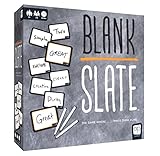
2. USAOPOLY BLANK SLATE, Where Great Minds Think Alike, Fun Family-Friendly Board Game, Word Association Party Game, Easy to Learn, Fun to Play Family Game Night, 3-8 Players, Ages 8+
Overview:
BLANK SLATE flips traditional word games by having players predict collective thinking. Each round, a “Word Cue” card (e.g., “___ and cheese”) prompts secret word submissions on dry-erase slates. Matching another player’s answer without collusion earns points, creating hilarious “aha!” moments.
What Makes It Stand Out:
The genius lies in its simplicity: no timers, elimination, or niche knowledge. Players write single words to complete phrases (e.g., writing “mac” for “___ and cheese”), then race to find matches. The scoreboard tracks alliances dynamically, while 500 cue cards ensure fresh scenarios. It’s effortlessly social, thriving in groups of 3–8 where默契 (unspoken understanding) becomes the goal.
Value for Money:
At mid-range pricing, BLANK SLATE delivers exceptional replay value. The 250 double-sided cards and reusable slates eclipse disposable party games, while its universal appeal eliminates age barriers. Compared to apps or subscription boxes, it offers screen-free bonding that scales from casual gatherings to large parties without added costs.
Strengths and Weaknesses:
Strengths: Zero learning curve; fosters laughter through shared assumptions; inclusive for non-competitive players; compact storage.
Weaknesses: Shallow strategy may bore dedicated gamers; cue cards occasionally feel repetitive; slates require frequent erasing.
Bottom Line:
A must-have for families seeking lighthearted, collaborative fun. BLANK SLATE’s brilliance is in revealing how we think alike—it’s affordable, endlessly replayable, and perfect for breaking the ice at any gathering.
3. I should have known that! - A Trivia Game About Things You Oughta Know, Green
Overview:
This compact trivia game targets knowledge gaps with cheeky confidence. Aimed at teens and adults (14+), it quizzes players on “common sense” facts spanning history, pop culture, and everyday常识—packaged in a minimalist 6x6-inch box ideal for travel or quick sessions.
What Makes It Stand Out:
The title’s self-deprecating humor sets it apart: questions avoid obscure academia (“Which planet is closest to the sun?”) in favor of universally relevant tidbits you’d expect to know. Its portability (weighing under 1lb) and 2+ player flexibility make it a stealthy conversation starter, while the green-themed design adds subtle visual flair.
Value for Money:
Though pricing details are scarce, its slim profile suggests budget-friendly accessibility. For casual trivia fans, it offers decent value as a stocking stuffer or party icebreaker—especially compared to bulkier games. However, limited player count and unspecified card quantity hint at shallower replayability than premium trivia sets.
Strengths and Weaknesses:
Strengths: Humorous, relatable questions; ultra-portable; low-pressure for trivia novices; quick rounds.
Weaknesses: Lacks depth for hardcore trivia enthusiasts; no category customization; minimal component details raise durability concerns; solo play impossible.
Bottom Line:
A playful, pocket-sized trivia option for casual settings. Best for road trips or lighthearted gatherings where laughs matter more than rigor—skip if seeking comprehensive knowledge challenges.
4. It’s Bananas! The Monkey Tail Game – Funny Family & Party Game for Kids & Adults | Hilarious Gift for Birthday, Christmas, Bachelorette, Thanksgiving, White Elephant

Overview:
It’s Bananas transforms players into wobbly monkeys competing in physical comedy challenges. Using a tail attachment, participants mimic absurd poses (e.g., “backward squats”) while avoiding dislodging bananas—sparking uncontrollable laughter in groups of 4–20+.
What Makes It Stand Out:
The game’s viral fame (250M+ TikTok views) stems from its brilliantly simple, movement-based chaos. Unlike seated board games, it demands physicality that bridges generations—teens and grandparents alike howl attempting “monkey thrusts.” Its carbon-neutral production and reduced packaging also cater to eco-conscious buyers, while celebrity endorsements (Kelly Ripa, Ryan Seacrest) underscore mainstream appeal.
Value for Money:
Priced as a premium party game, it justifies cost through durability (thick cardboard components) and unmatched group engagement. Where most games cap at 8 players, It’s Bananas scales effortlessly for large events, replacing multiple cheaper games. Eco-credentials add ethical value, though the novelty may wear thin for infrequent players.
Strengths and Weaknesses:
Strengths: Unrivaled for large-group energy; eco-friendly design; universally inclusive (no reading/skill needed); creates viral-worthy moments.
Weaknesses: Requires ample space; physical demands exclude mobility-limited players; short replayability after initial novelty fades.
Bottom Line:
A top-tier investment for active households or event hosts. If you prioritize laughter over strategy and have room to move, It’s Bananas delivers unforgettable, eco-conscious fun—ideal for holidays or parties.
5. What Do You Meme?Edition by Relatable, Now with Refreshed Content, Easter Family Games for Kids and Adults, Easter Basket Gift, The TikTok Viral Sensation, Includes 300 Caption Cards, 108 Photo Cards

Overview:
This family-friendly meme generator swaps edgy humor for wholesome creativity. Players match caption cards (“When you find the last egg”) to photo cards (e.g., a confused dog), crafting shareable memes judged by rotating peers. Targeted at ages 8+, it’s marketed as Easter basket fodder but works year-round.
What Makes It Stand Out:
The game cleverly adapts its viral adult counterpart into kid-safe territory without losing charm. With 408 total cards (300 captions, 108 photos), it avoids repetition, while the judge’s role—picking winners based on personal taste—fuels playful debates. Its TikTok pedigree and “Relatable” branding ensure contemporary relevance, and Easter-themed packaging boosts seasonal gifting appeal.
Value for Money:
Competitively priced for card quantity, it outshines single-theme party games through versatility. The refreshed content extends longevity beyond the holiday niche, though card stock quality is merely adequate. Compared to digital meme apps, it offers tangible, screen-free interaction—a win for parents seeking tech detoxes.
Strengths and Weaknesses:
Strengths: Highly adaptable for ages 8+; sparks creativity over rote answers; excellent for social gatherings; non-candy Easter alternative.
Weaknesses: Humor leans generic (“wholesome” but rarely hilarious); photo cards lack diversity; judge bias can frustrate competitive players.
Bottom Line:
A solid, accessible pick for family meme-making—especially as an Easter gift. While not as sharp as the adult version, it delivers reliable giggles and meaningful offline connection for casual players.
6. USAOPOLY Flip 7, The Ultimate Blend of Press Your Luck & Strategy, Fast-Paced Addictive Card Game,Quick to Learn & Easy to Teach,Perfect for Game Nights, 3+ Players, Ages 8 & Up, 20 Minutes Play Time

Overview: Flip 7 is a rapid-fire press-your-luck card game where players aim to be the first to 200 points by strategically revealing cards without drawing duplicates. Its unique numbered deck and action cards create constant tension between cautious point accumulation and high-risk plays, making it ideal for quick game nights with 3+ players aged 8 and up.
What Makes It Stand Out: The ingeniously weighted deck—featuring twelve 12s down to one 1—combined with action cards like “Flip Three” and “Score Modifier,” adds strategic depth beyond typical luck-based games. The bust mechanic (drawing duplicate numbers) forces dynamic risk assessment, keeping every round unpredictable and intensely engaging.
Value for Money: Priced competitively for a specialty card game, Flip 7 delivers exceptional replayability through its variable deck composition and short playtime (20 minutes). It outshines simpler press-your-luck games by integrating meaningful choices, justifying its cost for families seeking strategic yet accessible entertainment.
Strengths and Weaknesses: Strengths: Highly addictive risk/reward gameplay; exceptional replay value; easy to learn but challenging to master; compact and portable. Weaknesses: Math-heavy scoring may frustrate younger players; limited player interaction beyond shared tension; luck can occasionally overshadow strategy.
Bottom Line: Flip 7 excels as a thrilling, brain-teasing alternative to traditional card games, perfectly balancing simplicity and strategic depth. Highly recommended for families and groups wanting a fast-paced, replayable game that rewards bold thinking without complex rules.
7. Do You Really Know Your Family? A Fun Family Game Filled with Conversation Starters and Challenges - Great for Kids, Teens and Adults
Overview: This question-and-challenge card game sparks laughter and connection by testing family members’ knowledge of each other through humorous prompts and silly dares. Designed for 2+ players aged 8+, it transforms ordinary gatherings into memorable bonding sessions with minimal setup and intuitive gameplay.
What Makes It Stand Out: Unlike trivia games, it focuses on personal anecdotes and lighthearted challenges (“Do your best impression of Uncle Bob”), fostering genuine interaction. The blend of reflective questions (“What’s a family inside joke?”) and physical antics creates organic moments of discovery, making it uniquely effective for deepening family ties.
Value for Money: At a modest price point, it offers immense value through endless conversation potential and reusable cards. While lacking physical components beyond cards, its ability to replace screen time with meaningful interaction makes it a cost-effective investment in family connection compared to passive entertainment.
Strengths and Weaknesses: Strengths: Effortlessly encourages communication; inclusive for multi-generational play; zero setup time; sparks authentic laughter. Weaknesses: Gameplay depth is light; repetitive after many rounds; shy players may feel pressured by challenges; minimal strategic elements.
Bottom Line: An excellent tool for breaking the ice and strengthening family bonds, this game is perfect for households seeking screen-free interaction. Despite its simplicity, it delivers consistent joy—ideal for regular game nights but best paired with deeper games for variety.
8. CMYK Wavelength: The Mind Reading Party Game

Overview: Wavelength is a cooperative party game where teams decipher cryptic clues by guessing where concepts fall on a spectrum (e.g., “Hot to Cold”). Praised by critics like Polygon and NYT Wirecutter, it accommodates 2–12+ players in 30-minute sessions, thriving in settings from family dinners to corporate offsites.
What Makes It Stand Out: Its genius lies in the “telepathic” teamwork: clue-givers describe abstract points on a hidden spectrum, while teammates debate interpretations. The rotating dial mechanic creates suspenseful “aha!” moments, fostering hilarious miscommunications and profound insights about group thinking—all with near-instant setup.
Value for Money: Premium-priced but justified by exceptional replayability; the 100+ spectrum cards and adaptable rules ensure no two games feel alike. It outperforms trivia-heavy party games by prioritizing universal human experiences over niche knowledge, making it a versatile staple worth the investment.
Strengths and Weaknesses: Strengths: Brilliantly simple yet deeply engaging; scales perfectly for large groups; sparks meaningful conversation; minimal rules overhead. Weaknesses: Can feel slow with indecisive groups; less dynamic for competitive players; spectrum interpretations may frustrate literal thinkers.
Bottom Line: Wavelength is a masterclass in social deduction that transforms strangers into confidants. Its unique blend of psychology and play makes it an essential addition to any game library—highly recommended for gatherings where connection matters more than cutthroat competition.
9. Taco Cat Goat Cheese Pizza Wildly Entertaining Card Game for Family and Group Game Night | Easy to Learn and Play with 10-15 Minute Rounds | Fun for Kids, Teens, Adults, and Families | 2-8 Players

Overview: This chaotic slap-game has players chanting “Taco Cat Goat Cheese Pizza” while matching spoken words to cards. When a match occurs, everyone slaps the pile—the slowest player collects the cards. Designed for 2–8 players (ages 7+), it delivers nonstop physical comedy in fast 10–15 minute rounds ideal for travel or family nights.
What Makes It Stand Out: The hypnotic chant mechanic creates infectious momentum, while surprise action cards (“Slap Jack”) amplify the frenzy. Its brilliance is in universal accessibility: no reading or strategy required, just lightning reflexes and laughter. The compact size and instant setup make it a go-to for impromptu fun anywhere.
Value for Money: An outstanding value for its durability and replayability. The high-quality cards withstand frantic play, and the game’s simplicity ensures it’s pulled out constantly—unlike complex board games gathering dust. It outperforms similar speed games with its perfect balance of structure and controlled chaos.
Strengths and Weaknesses: Strengths: Incredibly easy to learn; electrifying pace; inclusive for all ages; portable; develops reflexes and focus. Weaknesses: Can become overwhelming with large groups; physical slapping may not suit all settings; limited strategic depth; occasional disputes over slap order.
Bottom Line: Taco Cat Goat Cheese Pizza is pure, unadulterated fun that reliably energizes any group. Its flawless execution of simple mechanics earns it a spot as a must-have family game—especially for households craving screen-free excitement in bite-sized bursts.
10. Ransom Notes - The Ridiculous Word Magnet Party Game, 3+ Players

Overview: Players use magnetic word tiles to craft absurd responses to outrageous prompts like “Tell someone you’ve clogged their toilet.” With 840 magnets and 250 prompt cards, this game thrives on creative chaos for 3–6 players (ages 14+ recommended), generating laugh-out-loud moments in 30–90 minute sessions.
What Makes It Stand Out: The physical magnet tiles enable tactile, collaborative wordplay that digital games can’t replicate. Prompts encourage deliberately terrible sentences, while the ever-changing word pool (drawn fresh each round) ensures endless novelty. Its genius is in making everyone—even shy players—feel creatively empowered.
Value for Money: Priced fairly for the sheer volume of components (840 magnets!), it offers near-infinite replayability. Though some prompts lean NSFW, removing 15–30% of cards creates a fully family-friendly version, making it adaptable across audiences—a flexibility few party games match at this price.
Strengths and Weaknesses: Strengths: Uniquely tactile and creative; wildly re-playable; minimal learning curve; sparks uninhibited laughter. Weaknesses: Requires magnet storage vigilance; NSFW content necessitates pre-screening for families; less structured than competitive games; magnets can be lost easily.
Bottom Line: Ransom Notes is a hilarious, inventive party game that turns linguistic creativity into communal joy. Highly recommended for adult gatherings, with a caveat to curate cards for family play—it’s the perfect icebreaker for turning strangers into collaborators.
Understanding Your Family’s Unique Game Night Needs
Before diving into shelves of boxes, take a genuine pulse of your household. What works for one family might flop for another, and that’s perfectly okay. Honest assessment prevents frustration and sets the stage for success.
Assessing Age Range and Developmental Stages
Consider the youngest and oldest regular players. Games requiring complex reading or abstract strategy will alienate young children, while overly simplistic mechanics might bore tweens or adults. Look for adaptable rules that allow scaffolding – perhaps simpler actions for younger players or optional advanced twists for older ones. Fine motor skills, attention spans, and the ability to handle light competition or chance-based outcomes are crucial factors. A game relying heavily on dexterity might frustrate a preschooler but delight a kindergartener, while abstract thinking games often resonate better with middle-schoolers and up.
Evaluating Group Size and Consistency
Be realistic about how many people typically gather. Does your crew usually consist of just parents and one child, or is it a boisterous group of ten including grandparents? Many excellent games have strict player count limits (e.g., 3-6 players), while others scale beautifully from two to eight. Consider how often the exact same group plays; if numbers fluctuate wildly, prioritize highly flexible games that accommodate various counts without breaking the experience. Games designed for two players often feel fundamentally different (and sometimes less dynamic) when stretched to eight, and vice versa.
Identifying Core Interests and Play Styles
Does your family thrive on collaborative problem-solving, or do you enjoy the friendly spark of head-to-head competition? Are you drawn to storytelling, quick physical antics, strategic planning, or creative expression? Observing what naturally engages your family during other activities provides clues. If movie nights involve lots of predicting plots, narrative-driven games might click. If building elaborate LEGO creations is a hit, spatial or construction-based games could be winners. Honoring these inherent preferences makes participation feel intuitive and enjoyable.
Key Features to Prioritize in Family Games
Not all games are created equal when it comes to bridging generational gaps. Certain design elements are non-negotiable for a truly inclusive and enjoyable family experience.
Simplicity of Rules Without Sacrificing Depth
The golden rule: rules should be explainable in under three minutes. If it takes longer to set up the instruction booklet than the first round of play, it’s likely too complex for mixed-age family fun. However, simplicity shouldn’t mean shallow. Look for games with an easy-to-grasp core mechanic that reveals subtle strategic layers or emergent storytelling possibilities as players gain experience. The best family games have that “easy to learn, hard to master” quality, allowing newcomers to jump in immediately while offering veterans room to grow.
Inclusive Gameplay Mechanics
Avoid games where players are frequently “out” or waiting long turns. Elimination mechanics are a major buzzkill for younger participants. Cooperative games, where everyone wins or loses together against the game itself, are fantastic for reducing cutthroat competition and fostering teamwork. Simultaneous play (where everyone acts at once) minimizes downtime and keeps energy high. Games with variable player powers or roles can also help level the playing field, allowing a younger player with a specific helpful ability to feel crucial to the team’s success.
Replayability Through Variation
A game that plays identically every single time quickly loses its luster. Seek out elements that ensure no two sessions feel exactly alike. This could come from modular boards that change layout, diverse card decks introducing new challenges, cooperative scenarios with multiple solutions, or games where player choices significantly alter the narrative or outcome. Randomness, when well-integrated (like shuffled cards or dice rolls affecting strategy, not just determining winners randomly), is a powerful engine for replayability, keeping each round fresh and exciting.
Navigating Different Game Genres for Families
Family game night isn’t one-size-fits-all. Different genres offer unique flavors of fun, catering to varied moods and group dynamics. Understanding these helps match the game to the occasion.
Cooperative Adventures
These games unite the group against a common challenge presented by the game system. Players discuss strategies, combine efforts, and celebrate collective victories. They excel at reducing sibling rivalry and fostering communication, as everyone shares the same goal. Success hinges on the group’s ability to work together effectively, making thoughtful discussion and shared decision-making central to the experience. This genre is particularly powerful for building empathy and teamwork skills.
Lighthearted Party and Social Deduction
Perfect for larger groups or when you want high energy and laughter. These often involve quick rounds, acting, guessing, or light bluffing. Social deduction games (where some players have hidden roles) can be fantastic for older kids and teens, teaching observation and logical reasoning, but require maturity to handle the deception without hurt feelings. The key here is keeping the stakes low and the focus on fun interaction rather than intense competition.
Creative Expression and Storytelling
Games that spark imagination through drawing, wordplay, or narrative building tap into different strengths. They provide fantastic outlets for quieter family members who might not dominate competitive strategy games. The focus shifts from “winning” to sharing ideas, laughing at creative interpretations, and building something unique together round after round. These sessions often generate the funniest anecdotes and inside jokes.
Strategic Thinking for All Ages
Don’t underestimate families’ ability to enjoy thoughtful games! Look for strategy titles with accessible rules but meaningful choices. Resource management, area control, or simple set collection can be introduced gently. The key is ensuring decisions feel impactful without being paralyzing. Games with clear cause-and-effect (“If I do X, then Y happens”) help younger players grasp strategic concepts intuitively, making them feel smart and involved.
Practical Considerations for Smooth Gameplay
Beyond the box art and theme, practical aspects significantly impact whether a game gets played repeatedly or gathers dust.
Setup and Cleanup Time
Be brutally honest about your family’s patience. Games requiring intricate board assembly, sorting dozens of tiny components, or lengthy rule explanations before the first move are likely to face resistance, especially on weeknights. Prioritize games that can be set up in under five minutes and packed away just as quickly. Streamlined setup removes a major barrier to actually playing, making spontaneous game nights far more feasible.
Physical Space and Component Durability
Consider your typical play environment. Do you have a large table, or are you crowded on a coffee table? Games needing significant surface area might not work. Also, think about component quality: flimsy cards or tiny pieces are a nightmare with young children or enthusiastic players. Sturdy cardboard, thick cards, and larger, easy-to-handle pieces withstand repeated play and accidental spills. Storage within the box should be logical to prevent lost pieces – a major frustration point.
Duration and Pacing
Respect everyone’s attention span, especially younger players. Games significantly exceeding 30-45 minutes often lead to restlessness in mixed-age groups unless engagement is exceptionally high. Look for games with clear, natural stopping points or adjustable length. Most importantly, pacing matters more than raw time; a dynamic 40-minute game where everyone is constantly involved feels shorter than a sluggish 25-minute one with long waits. Games that maintain a brisk tempo keep energy levels up.
Maximizing the Educational and Social Benefits
While fun is paramount, the best family games subtly nurture valuable skills and connections, turning playtime into meaningful development.
Building Essential Life Skills
Thoughtful gameplay naturally cultivates critical thinking as players weigh options and anticipate consequences. Turn-taking and rule-following reinforce patience and respect for structure. Cooperative games specifically teach communication, collaboration, and perspective-taking – understanding that others might have different ideas or information crucial to solving the puzzle. Even simple counting in games builds foundational math skills in a stress-free context.
Fostering Emotional Intelligence
Games provide a safe space to experience wins and losses. Learning to handle disappointment gracefully after a loss, celebrating others’ successes genuinely, and managing the frustration of bad luck are all practiced here. Cooperative play, in particular, reduces the sting of individual loss by focusing on the group effort. Discussing feelings after the game (“That was tough when we almost won! How did you feel?”) helps build emotional vocabulary and resilience.
Creating Lasting Family Traditions and Bonds
The ritual of game night itself is powerful. The shared focus, inside jokes born from hilarious moments, and collaborative victories create a unique emotional glue. Consistently choosing games where everyone participates actively ensures no one feels sidelined, strengthening the sense of belonging. These repeated positive interactions build a reservoir of goodwill and shared history that family members carry with them, reinforcing that “we’re a team” mentality long after the game is packed away.
Making Game Night a Sustainable Tradition
The initial excitement is easy; the challenge is keeping it alive week after week or month after month. Sustainability requires a bit of strategy.
Involving Everyone in the Selection Process
Rotate who gets to choose the game each week. Provide guardrails (e.g., “Must be suitable for ages 6+”) but empower each family member, including younger kids, to pick. This builds investment and ensures diverse tastes are represented. Create a shared wishlist or use a family vote for new additions. When everyone feels heard in the selection, participation naturally increases.
Adapting Rules for Inclusivity
Don’t be a slave to the rulebook! If a rule consistently causes frustration or exclusion, modify it. Pair a younger player with an older sibling as a “team.” Give a slight advantage to less experienced players (e.g., extra starting resource). Skip overly complex optional rules initially. The goal is shared enjoyment, not rigid adherence. Documenting house rules can make repeat plays smoother.
Focusing on the Experience, Not Just Winning
Explicitly set the tone: “Tonight is about laughing together, not who gets the most points.” Praise good plays, creative solutions, and helpful teamwork as much as (or more than) the final score. Start or end the night by sharing one fun moment from the game. Shifting the focus from pure competition to shared experience reduces pressure and makes the activity something everyone looks forward to, regardless of the outcome.
Frequently Asked Questions
Frequently Asked Questions
How long should an ideal family game last for mixed ages? Most families find sessions between 20-45 minutes hit the sweet spot, balancing engagement with attention spans. Look for games advertising playtimes under 30 minutes for younger groups, and consider breaking longer games into segments if needed.
What if we have players who get overly competitive or upset when they lose? Emphasize cooperative games first to shift focus from individual wins. For competitive games, discuss sportsmanship before playing. Use “house rules” like mandatory high-fives after rounds. Focus praise on effort and fun moments, not just winning. Address strong reactions calmly afterward, separate from the game.
Are there good options for just two players, like parent and child? Absolutely! Many modern games excel at two players. Look for cooperative two-player challenges, head-to-head strategy games with simple mechanics, or storytelling games designed for duos. Avoid games strictly requiring larger groups.
How can I encourage shy or hesitant family members to participate? Start with cooperative games where pressure is off individuals. Offer roles like “scorekeeper” or “rule reader” for those not ready to play intensely. Choose games with creative elements (drawing, storytelling) that provide alternative ways to contribute beyond winning.
What’s the best way to introduce genuinely new game mechanics to kids? Use physical examples during the explanation. “See this token? When you move it here, it means you get to draw a card – like this!” Keep initial explanations to the absolute core: “Our goal is X. On your turn, you do Y.” Add complexity only after the basics feel comfortable.
How important is theme versus mechanics for family appeal? Theme grabs initial interest (dinosaurs! space!), but smooth, engaging mechanics keep people playing. A weak theme with fantastic gameplay often outlasts a stunning theme with clunky mechanics. For younger kids, theme matters more for buy-in; for older players, mechanics become paramount.
Can games really help with school-related skills? Yes, subtly! Counting resources builds math fluency. Reading cards improves literacy. Strategic planning enhances critical thinking. Cooperative games foster communication and problem-solving – all valuable academic and social skills practiced in a low-stress, enjoyable context.
What should I do if a game consistently causes arguments? Honestly assess why. Is it overly luck-dependent causing frustration? Are rules unclear? Does it favor one play style? Sometimes a house rule tweak fixes it. If not, it’s okay to retire the game. Not every game suits every family, and that’s normal.
How do I store and organize games to encourage playing? Keep 2-3 current favorites easily accessible on a low shelf. Store others neatly but within reach. Use small bags for tiny pieces inside the box. A dedicated “game night tote” with instructions, scorepads, and pencils streamlines setup. Visibility invites play.
Is it worth spending more on higher-quality components? Generally, yes, for core family games. Sturdier parts withstand repeated play, spills, and little hands, making the game last for years. Flimsy components breaking quickly leads to frustration and abandonment. Prioritize durability for your most-played titles.
See Also
- 10 Best Family Party Games for Kids and Adults This Year
- Top 10 Best Family Board Games for Game Night with Kids in 2026
- Top 10 Best Board Games for Family Game Night in 2026
- 10 Essential Tips for Choosing the Best Family Board Games for Game Night in 2026
- We Tested 50 Word Games - Here are the 10 Best for Family Game Night