Table of Contents
Gathering around the table for a board game night isn’t just about passing time; it’s a powerful ritual that stitches families closer together. In a world buzzing with screens and constant distractions, these shared moments of laughter, gentle competition, and collaborative problem-solving offer a rare, tangible connection. Forget the outdated image of dusty boxes relegated to the closet – today’s family board games are vibrant, engaging experiences meticulously designed to bridge generational gaps, spark conversations that last long after the pieces are put away, and create memories etched with inside jokes and triumphant high-fives. It’s about reclaiming undivided attention, one roll of the dice at a time.
Choosing the right game, however, can feel surprisingly overwhelming. Walk into any game store or browse online, and you’re met with a dizzying array of boxes, each promising fun but often leaving you questioning suitability. Will it hold the attention of a six-year-old while still engaging teenagers? Is the setup too complex after a long day? Does it foster cooperation or spark unnecessary arguments? Navigating this landscape requires knowing what to look for beyond flashy artwork. This guide cuts through the noise, focusing on the essential features and considerations that transform a simple game night into a cherished, repeatable family tradition, ensuring everyone from the youngest player to the oldest adult feels included and excited to play.
Top 10 Family Board Games
Detailed Product Reviews
1. CATAN Board Game (6th Edition) Trade, Build & Settle in The Classic Strategy Game for Family, Kids & Adults, Ages 10+, 3-4 Players, 60-90 Min Playtime

Overview: CATAN 6th Edition is the definitive modern strategy board game where players compete to settle a modular island, gathering resources like wood and wheat to build roads, settlements, and cities. Targeted at families and strategy enthusiasts aged 10+, it supports 3-4 players in 60-90 minute sessions focused on resource management, trading, and tactical expansion. What Makes It Stand Out: Its revolutionary modular hexagonal board ensures no two games play alike, fostering immense replayability. The dynamic player-driven trading system—where negotiation is key to acquiring scarce resources—creates intense social interaction and strategic depth absent in many family games. Avoiding the “robber” adds constant tension. Value for Money: Priced competitively for a strategy game of this caliber, it offers exceptional longevity. While cheaper than complex euros, it delivers far more strategic depth than typical family fare. The durable components and endless variability justify the cost versus disposable party games. Strengths and Weaknesses: Strengths: Unmatched replayability, brilliant blend of luck and strategy, highly engaging player interaction, accessible rules for age 10+. Weaknesses: Luck-dependent resource rolls can frustrate some, limited to 4 players without expansions, initial setup slightly lengthy for casual groups. Bottom Line: An essential modern classic that masterfully balances accessibility with strategic depth. Highly recommended for families seeking a meaningful, replayable game night experience that grows with players’ skills.
2. USAOPOLY The Original TAPPLE, The Fast-Paced Family Board Game,Choose a Category & Race Against The Timer to be The Last Player,Learning Word Game for Ages 8 & Up, 2-8 Players, 15-20 Minute Play Time

Overview: TAPPLE is a lightning-fast word association party game where players race against a built-in timer to shout out words within a category starting with a specific letter. Designed for 2-8 players aged 8+, it delivers quick 15-20 minute bursts of high-energy fun centered around rapid vocabulary recall. What Makes It Stand Out: The ingenious physical “Tapple Wheel” with press-down letter tabs creates tangible, tactile urgency as the timer counts down. Its portability—storing all cards neatly—and ability to accommodate large groups (up to 8) make it uniquely suited for parties, travel, or classrooms seeking active engagement. Value for Money: Excellent value as a durable, replayable party staple. The compact design, included timer, and 144 categories offer far more longevity than similarly priced card-only games. It’s a cost-effective investment for frequent game nights compared to apps or digital alternatives. Strengths and Weaknesses: Strengths: Exceptionally fast-paced and inclusive for large groups, highly portable, simple rules enable immediate play, great vocabulary booster. Weaknesses: Can feel repetitive after extended play, limited strategic depth, timer mechanism occasionally jams with forceful presses. Bottom Line: A superb, energetic party game that consistently delivers excitement. Highly recommended for families, educators, or groups wanting a quick, brain-stimulating activity that’s easy to learn but thrilling to play.
3. Sorry! Board Game for Kids Ages 6 and Up; Classic Hasbro Board Game; Each Player Gets 4 Pawns; Family Game
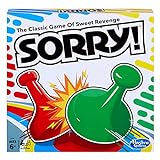
Overview: Sorry! is a timeless, luck-driven race game where players move four pawns from start to home, using drawn cards to advance, switch places, or send opponents’ pawns backward. Aimed at kids 6+, it’s a staple for family game nights, emphasizing simple movement and “sweet revenge” mechanics over strategy. What Makes It Stand Out: Its pure, chaotic fun stems from high-interaction “take-that” mechanics—sliding into opponent pawns or drawing “Sorry!” cards to bump them back creates constant, dramatic moments. The nostalgic charm and minimal rules (under 5 minutes to learn) make it uniquely accessible for very young children. Value for Money: Solid value as an entry-level game. While inexpensive, the durable board and pawns ensure longevity through countless plays. It’s significantly cheaper than strategy games but serves a different purpose: pure, quick, multi-generational fun rather than deep engagement. Strengths and Weaknesses: Strengths: Extremely easy for young kids to grasp, fast setup and play (20-30 mins), high excitement from constant player interaction, strong nostalgic appeal. Weaknesses: Zero strategy (pure luck), repetitive after many plays, limited replayability for older kids/adults, potential for frustration due to randomness. Bottom Line: An ideal starter game for preschoolers and early elementary kids seeking lively, interactive fun. Recommended for families with young children, but not for those preferring strategic depth.
4. Do You Really Know Your Family? A Fun Family Game Filled with Conversation Starters and Challenges - Great for Kids, Teens and Adults
Overview: This card-based game replaces traditional mechanics with lighthearted questions and challenges designed to spark meaningful conversations and laughter among family members. Players answer personal prompts about each other or perform silly tasks, aiming to deepen bonds during relaxed 30-45 minute sessions for ages 8+. What Makes It Stand Out: Its focus on authentic connection—rather than competition—sets it apart. Questions range from humorous (“What’s your weirdest habit?”) to reflective (“What are you most proud of?”), while challenges like “Do your best impression” create immediate, shareable memories, making it ideal for bridging generational gaps. Value for Money: High value for fostering family unity. The low price point delivers significant emotional ROI through repeated use during gatherings. Unlike strategy games, its worth lies in conversation quality, offering far more connection than generic trivia games at a similar cost. Strengths and Weaknesses: Strengths: Effortlessly encourages vulnerability and laughter, universally accessible (no reading/strategy needed), excellent icebreaker for mixed-age groups, portable. Weaknesses: Minimal game structure, limited replayability once cards are known, less engaging for very young children or competitive players. Bottom Line: An outstanding tool for strengthening family relationships through joyful interaction. Highly recommended for households seeking to replace screen time with genuine connection, especially during holidays or reunions.
5. Hasbro Gaming Scrabble Board Game, Classic Word Games for Kids Ages 8 and Up, Fun Family Game for 2-4 Players, The Classic Crossword Game
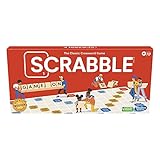
Overview: Scrabble remains the quintessential word-building game where players arrange letter tiles on a crossword-style board to form high-scoring words. This classic edition, featuring wooden tiles and racks for 2-4 players aged 8+, challenges vocabulary and strategy as competitors multiply points on premium squares. What Makes It Stand Out: The tactile satisfaction of wooden tiles and textured board enhances the experience, while the blend of linguistic skill and spatial strategy creates enduring appeal. It uniquely rewards both vocabulary breadth and tactical placement (e.g., using 2-letter words on triple-score tiles), making every game intellectually stimulating. Value for Money: Justifies its price as a durable, multi-generational heirloom. Superior component quality (wood vs. plastic in budget sets) ensures longevity, and its educational value for language development offers lifelong replayability unmatched by fleeting trends. Strengths and Weaknesses: Strengths: Timeless educational value, deeply strategic yet accessible, high-quality wooden components, fosters critical thinking, perfect for 2-4 players. Weaknesses: Can frustrate younger players with limited vocab, slow pace for some, setup/storage bulkier than card games, “scrabble rage” possible with competitive players. Bottom Line: An indispensable classic that seamlessly blends fun, education, and strategy. Highly recommended for families wanting a substantive, screen-free activity that enriches language skills for decades.
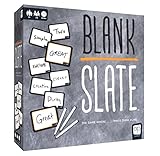
6. USAOPOLY BLANK SLATE, Where Great Minds Think Alike, Fun Family-Friendly Board Game, Word Association Party Game, Easy to Learn, Fun to Play Family Game Night, 3-8 Players, Ages 8+
Overview:
USAOPOLY’s Blank Slate is a lively word-association party game where players predict common phrases by matching their word guesses to others. Designed for 3–8 players aged 8+, it uses dry-erase slates and cue cards to create quick, engaging rounds centered on collective thinking—no reading required beyond basic card prompts.
What Makes It Stand Out:
Its genius lies in the “prediction” mechanic: players write a single word to complete a phrase (e.g., “_______ minds think alike”), then reveal matches silently. The tension of discovering overlaps—without collaboration—sparks laughter and surprise. The 250 double-sided cards ensure replayability, while the physical slates eliminate screen reliance, making it ideal for unplugged family nights or gatherings.
Value for Money:
Priced competitively for party games, Blank Slate delivers exceptional value. The included scoreboard, eight slates, and robust card count justify the cost, especially compared to app-based alternatives. It outshines trivia games by prioritizing creativity over knowledge, appealing to wider age groups without recurring fees.
Strengths and Weaknesses:
Strengths: Effortless setup, inclusive for mixed ages, encourages quick creative thinking, and scales perfectly for groups. Weaknesses: Gameplay can feel repetitive after extended play, and younger children (8–10) may struggle with abstract phrasing. Limited strategic depth might deter hardcore gamers.
Bottom Line:
A brilliantly accessible party game that transforms group dynamics through shared imagination. Highly recommended for families and casual gamers seeking lighthearted, screen-free fun—just don’t expect deep strategy.
7. Hasbro Gaming Yahtzee Game, Fast-Playing Dice Games for Kids, Teens, and Adults, Strategy Games, Family Games for Kids, 2 or More Players, Ages 8 and Up

Overview:
Hasbro’s Yahtzee revives the timeless dice-rolling classic where players chase high scores by rolling combos like straights, full houses, or the coveted five-of-a-kind “Yahtzee.” Designed for 2+ players aged 8+, it balances luck and strategy in compact, portable packaging.
What Makes It Stand Out:
Its enduring appeal stems from simplicity meeting depth: rules take minutes to learn, but mastering risk assessment (e.g., holding for Yahtzee vs. settling for points) creates genuine tension. The iconic cup-and-dice setup delivers tactile satisfaction, and the pad-based scoring eliminates app dependencies, ensuring pure, unplugged competition.
Value for Money:
An unbeatable budget buy. At under $10, it offers decades of replay value where digital alternatives often charge for features. Compared to modern strategy games costing 5x more, Yahtzee’s portability, zero setup time, and universal age appeal make it a perennial game-night essential.
Strengths and Weaknesses:
Strengths: Lightning-fast rounds, teaches probability intuitively, perfect for travel, and bridges generational gaps. Weaknesses: Heavy luck reliance can frustrate strategy-focused players, and the paper scorepads wear out quickly. Minimal interaction beyond scoring may feel isolating.
Bottom Line:
A masterclass in elegant game design that remains the gold standard for accessible dice games. An absolute must-buy for families seeking affordable, skill-building fun that never gathers dust.
8. Hasbro Gaming Candy Land Kingdom of Sweet Adventures Board Game for Kids, Easter Gifts for Boys and Girls, Ages 3 & Up (Amazon Exclusive)

Overview:
Hasbro’s Candy Land is a nostalgic journey through a sugary board for preschoolers, where players draw color cards to advance gingerbread pawns toward a candy castle. Tailored for ages 3+, this Amazon-exclusive edition emphasizes vibrant visuals and zero reading requirements.
What Makes It Stand Out:
As a pure luck-based race game, it excels in simplicity: toddlers grasp the color-matching mechanic instantly, fostering early counting and color recognition. The whimsical board—packed with gumdrop mountains and lollipop forests—holds attention spans, while the oversized cards resist tiny hands. Its “no reading” design is a standout for pre-readers.
Value for Money:
While basic, it’s priced right for its target audience. The durable board and chunky pawns justify the cost compared to flimsy alternatives, and its role as a first board game makes it a thoughtful Easter or birthday gift. However, longevity is limited as kids outgrow it by age 6.
Strengths and Weaknesses:
Strengths: Effortless for toddlers to play independently, builds color/number skills subtly, and sparks imagination with its candy theme. Weaknesses: Entirely luck-driven (no strategy), repetitive after repeated plays, and board art may feel dated to older children.
Bottom Line:
An ideal starter game for preschoolers that transforms color recognition into magical play. Best for ages 3–5; skip if seeking educational depth or replayability beyond early childhood.
9. Official Hasbro Games Jenga Game | Digital Die for 6 More Ways to Play | Original Wood Block Game | Stacking Tower | Ages 6+ | 1+ Players | Party Games

Overview:
Hasbro’s Jenga innovates the classic block-stacking challenge with a digital die feature. Players pull and stack 54 precision-cut wooden blocks while avoiding tower collapse, now enhanced by optional app-driven challenges accessed via QR code.
What Makes It Stand Out:
The digital die elevates tradition: scanning the QR code unlocks six mini-games (e.g., “thumbs-only” pulls or timed races), adding hilarious twists without replacing core gameplay. Genuine wood blocks ensure stability, and solo-play mode lets users beat personal records—rare for party games.
Value for Money:
Slightly pricier than basic Jenga sets, but the digital expansion justifies it. Free app access (no purchase needed) multiplies replay value, making it a smarter long-term investment than single-mechanic alternatives. Durability and multi-scenario play ensure it outlasts cheaper plastic versions.
Strengths and Weaknesses:
Strengths: Digital features refresh the classic, wood quality prevents splinters, works for 1–8 players, and encourages physical dexterity. Weaknesses: App dependency alienates tech-averse users, and action cards like “Team-Up” can cause disputes. QR code setup interrupts game flow.
Bottom Line:
A worthy evolution of an icon that balances nostalgia with tech-enhanced fun. Highly recommended for modern families—just ensure your group embraces the app or stick to traditional play.
10. Taco Cat Goat Cheese Pizza Wildly Entertaining Card Game for Family and Group Game Night | Easy to Learn and Play with 10-15 Minute Rounds | Fun for Kids, Teens, Adults, and Families | 2-8 Players

Overview:
Taco Cat Goat Cheese Pizza (TCGCP) is a rapid-fire card-slapping game where players chant words in sequence (“Taco, Cat…”) and race to slap the pile when the spoken word matches the card. Designed for 2–8 players aged 7+, rounds last 10–15 minutes.
What Makes It Stand Out:
Its breakneck pace and physical comedy—slapping, shouting, and frantic reflexes—create instant chaos. The absence of complex rules (just match words!) makes it universally accessible, while action cards (“Slap Battle”) escalate tension. Perfect for reigniting energy at gatherings.
Value for Money:
An outstanding budget pick. Under $15 delivers endless replayability across ages, outperforming pricier party games in engagement per minute. As a travel-sized gift (great for Easter baskets), it offers superior entertainment density versus screen-based alternatives.
Strengths and Weaknesses:
Strengths: Zero setup time, builds reflexes and focus, scales flawlessly for crowds, and guarantees laughter. Weaknesses: Slapping can cause hand injuries, noise may overwhelm sensitive players, and luck dominates strategy. Card durability is average.
Bottom Line:
A non-negotiable addition to any game shelf for groups craving high-energy, inclusive fun. Buy it for quick laughs—but keep bandages handy for overzealous slappers.
Understanding Core Family Dynamics for Game Selection
Assessing Age Range Compatibility
Matching a game’s complexity to the youngest and oldest players is paramount. Look beyond the manufacturer’s age suggestion; consider cognitive development, attention spans, and fine motor skills. A game suitable for a seven-year-old might frustrate a five-year-old but bore a twelve-year-old. Seek mechanics that offer adjustable difficulty – perhaps simpler rules for younger participants or optional advanced strategies for older ones – ensuring no one feels left out or disengaged.
Balancing Player Count Realities
Be realistic about your typical game group size. Does the game truly shine with three players, or does it require a full table of six to feel dynamic? Many games specify a minimum and maximum player count for optimal enjoyment. Choosing one that accommodates your usual family size (plus potential guests) avoids constant rule modifications or feeling like the game was designed for a different group altogether. Games that scale well are gold.
Considering Attention Span and Game Length
Honesty about collective stamina is crucial. Forcing a two-hour strategic epic on a family accustomed to short bursts of play is a recipe for frustration. Modern family games often excel with tighter playtimes (15-45 minutes), perfect for maintaining engagement, especially with younger members. Prioritize games where the perceived time flies due to constant interaction, minimizing downtime where players wait idly for their turn.
Decoding Gameplay Mechanics for Family Harmony
Cooperative vs. Competitive Play Styles
This fundamental choice significantly impacts the family atmosphere. Purely competitive games can sometimes fuel sibling rivalries or leave less skilled players feeling defeated. Cooperative games, where everyone works together against the game itself, foster teamwork, shared triumph, and reduce direct conflict – ideal for fostering unity. Many successful family games blend both elements, offering competitive scoring within a largely collaborative or light-hearted framework.
Evaluating Rule Simplicity and Teachability
The best family games feature rules that can be explained in five minutes or less, not twenty. Look for intuitive mechanics where the core actions are easy to grasp initially, with potential for deeper strategy to emerge over repeated plays. Avoid games requiring extensive setup of complex subsystems or dense rulebooks. A game that’s quick to learn means more time actually playing and less time deciphering instructions.
Importance of Player Interaction and Engagement
Games where players are constantly involved, even on others’ turns, prevent disengagement. Mechanics like simultaneous action selection, negotiation, or shared resources keep everyone invested. Conversely, games with long stretches of individual planning or excessive downtime can lead to fidgeting, distraction, or players losing interest entirely. Prioritize experiences where laughter and discussion flow naturally from the gameplay itself.
Maximizing Educational Value and Skill Development
Cognitive Skills Built Through Play
Board games are stealthy learning tools. Counting resources, managing budgets (even in-game currency), and spatial reasoning in tile placement all strengthen math skills. Following sequences, remembering rules, and planning ahead enhance memory and logical thinking. Games involving deduction or pattern recognition provide gentle mental workouts, making cognitive development feel like pure fun rather than a chore.
Fostering Social and Emotional Learning
The dining room table becomes a microcosm for real-world social dynamics. Games teach turn-taking, patience, gracious winning, and resilient losing – invaluable life lessons. Cooperative play specifically builds communication, empathy, and collaborative problem-solving as players discuss strategies and support each other. Navigating minor disagreements over rules also provides safe practice for conflict resolution.
Encouraging Creativity and Imagination
Thematic games with rich narratives or open-ended mechanics spark the imagination. Storytelling elements, character roles, or creative problem-solving tasks encourage players to think outside the box and express themselves. This isn’t just about fantasy themes; even abstract strategy games can inspire creative tactical thinking and innovative approaches to challenges.
Practical Considerations for Long-Term Enjoyment
Setup and Cleanup Efficiency
After a long day, nobody wants a game that requires ten minutes of intricate setup and another ten to pack away. Games with minimal components, clear organization within the box, or quick setup procedures are far more likely to get played regularly. Consider how easily pieces can be sorted and stored – games that can be set up in under two minutes have a significant advantage for spontaneous play.
Physical Component Quality and Durability
Family games face wear and tear. Cardboard thickness, plastic sturdiness, and overall component quality matter, especially with younger children involved. While not always the most expensive option, look for games where cards feel substantial, miniatures are robust, and the board is resistant to spills (a common occurrence!). Well-made components feel good to handle and withstand repeated use.
Replayability Factors
The true test of a family game is whether it gets pulled off the shelf again and again. High replayability often comes from variable setups (different starting conditions each game), modular boards, or legacy elements that change the game over time. Games relying heavily on luck can offer high replayability through unpredictable outcomes, while those with deep strategy provide fresh challenges with each play as players master new tactics.
Theme and Aesthetic Appeal
While mechanics are king, theme matters for initial buy-in, especially for kids. A theme that resonates with the family’s interests (animals, space, building, mystery) makes the game more inviting. However, ensure the theme complements rather than complicates the mechanics. High-quality, appealing artwork also enhances the overall experience and makes the game visually enticing to choose.
Budget Consciousness and Value Assessment
Family game budgets vary widely. Instead of focusing solely on the sticker price, evaluate value: cost per play, durability, and how well it serves your family’s needs. A slightly more expensive game that gets played constantly offers better value than a cheap one that sits unused. Consider if the game accommodates your entire family size without needing expensive expansions immediately.
Storage Space Requirements
Be mindful of where the game will live. Bulky boxes with oversized components can be difficult to store. Compact games or those with efficient internal organization are easier to keep accessible, increasing the likelihood they’ll be played. Consider if your game shelf (or closet!) has room for another large footprint before committing.
Creating the Optimal Game Night Environment
Setting Realistic Expectations
Avoid pressuring the first playthrough to be perfect. Emphasize fun over winning, especially for new players. Be prepared to simplify rules initially or stop early if energy wanes – it’s better to end on a high note, leaving everyone wanting more, than to push through to bitter frustration. Flexibility is key to building positive associations.
Fostering Inclusive Participation
Actively ensure quieter family members have opportunities to contribute, especially in cooperative games. Rotate who reads rules or sets up the game. For younger players, consider teaming them with an older sibling or parent initially. The goal is shared enjoyment, not showcasing individual prowess. Gently redirect overly competitive behavior towards supportive encouragement.
Frequently Asked Questions
How do I choose a game suitable for both young children and adults?
Focus on games with adjustable difficulty levels, simple core rules that adults can enhance with optional tactics, strong cooperative elements to minimize direct competition, and engaging themes that appeal across ages. Prioritize short playtimes and high player interaction to maintain everyone’s attention.
What’s the ideal playtime for a family game night?
Aim for 15-45 minutes for most families, especially when including younger children. This duration is long enough to be satisfying but short enough to prevent restlessness. Games that consistently end within this window are more likely to become staples. You can always play multiple short games.
How can I prevent arguments during competitive games?
Choose games with lower player conflict (e.g., set collection over direct confrontation), emphasize the fun of playing together over winning, establish “gracious loser/gracious winner” norms beforehand, and consider cooperative games initially to build positive dynamics. Redirect focus to funny moments or clever plays rather than just the score.
Are cooperative games better for families than competitive ones?
Cooperative games often reduce friction and foster teamwork, making them excellent choices, especially for younger families or to rebuild positive dynamics after competitive tensions. However, many families thrive on light, healthy competition. The best approach is often a mix – have both types available and choose based on the group’s mood and composition that night.
How important is the suggested age range on the box?
Use it as a starting point, but prioritize your specific family’s maturity, attention spans, and rule comprehension. A game listed for 8+ might work for a clever 6-year-old with simplified rules, while a complex 10+ game might bore a patient 12-year-old. Read detailed rule summaries online to assess the type of complexity involved.
What if we have toddlers present who aren’t old enough to play?
Choose games with minimal small parts that could be a choking hazard. Opt for games where the toddler can sit nearby with a simple activity or where an adult can briefly step away without derailing the game. Sometimes, the best solution is a dedicated toddler activity in an adjacent space during the main game.
How do I get teenagers interested in family game night?
Involve them in the selection process – ask what themes or mechanics they might enjoy. Choose games with slightly deeper strategy, modern aesthetics, and mechanics they might encounter in video games (like resource management or engine building). Avoid anything that feels overly childish. Respect their time by keeping sessions focused and fun.
Can one game work for our entire extended family, including grandparents?
Look for games with extremely simple core rules, high luck elements to balance skill differences, and strong social interaction. Cooperative games are often ideal for large, mixed-age groups. Avoid games with complex setups, long downtime, or fiddly components that might frustrate less agile players. Prioritize accessibility and shared laughter.
How do I handle a family member who always wants to win?
Gently shift the focus from winning to the shared experience: “Remember, we’re playing to have fun together!” Choose games where winning is less cutthroat or where multiple players can feel successful. Praise clever moves and good sportsmanship explicitly. If behavior is consistently disruptive, a calm post-game discussion about expectations may be necessary.
What’s the best way to learn a new game quickly as a family?
Designate one person (often the most experienced player) to read the rules fully beforehand. Use tutorial videos from reputable sources before opening the box. Start with the absolute simplest version of the rules, omitting advanced options. Play a very short practice round focusing just on the core actions before diving into a full game. Patience is essential!
See Also
- 10 Best Family Party Games for Kids and Adults This Year
- 10 Best Board Games for Kids Aged 8-12 That Adults Will Love Too in 2026
- Top 10 Best Family Board Games for Game Night with Kids in 2026
- The 10 Best Family Board Games Every Parent Needs This Year
- Stop Boredom with the 10 Best Family Board Games for Kids in 2026