Table of Contents
Remember that sinking feeling when weekend afternoons dissolve into endless screen time battles, or the dreaded “I’m bored” chorus echoes through your home for the tenth time? In our hyper-connected 2026 world, where digital distractions are constant and attention spans feel increasingly fragile, the simple magic of gathering around a physical board game is more vital than ever. It’s not just about passing time; it’s a deliberate act of connection, a chance to unplug, laugh together, and build shared memories away from the glow of individual screens. Board games offer a unique, tangible space where families can truly engage, fostering communication and cooperation in a way few other activities can.
Think beyond the nostalgia of classic roll-and-move games. Modern family board games are sophisticated tools designed to spark curiosity, develop critical life skills, and cater to diverse ages and interests within the same household. They’ve evolved far beyond luck-based dice throws, incorporating clever mechanics that encourage strategic thinking, creative problem-solving, and even gentle introductions to complex concepts – all wrapped in accessible, often hilarious packages. Choosing the right game isn’t just about fun; it’s an investment in meaningful interaction and creating traditions that resonate long after the pieces are put away. Let’s explore how to find the perfect games to transform those “bored” moments into cherished family adventures.
Top 10 Family Board Games for Kids
Detailed Product Reviews
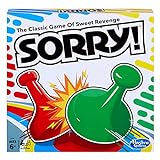
1. Sorry! Board Game for Kids Ages 6 and Up; Classic Hasbro Board Game; Each Player Gets 4 Pawns; Family Game
Overview:
This iconic Hasbro game delivers fast-paced, competitive fun for families. Players race four pawns from start to home using action cards, with the first to get all pawns home declared the winner. Designed for ages 6+, it combines simple rules with strategic depth through card-driven moves.
What Makes It Stand Out:
The “sweet revenge” mechanic—sending opponents’ pawns back to start—is the game’s thrilling core. Its nostalgic appeal bridges generations, while the high replayability stems from unpredictable card draws and tactical decisions during slides or collisions. The classic design ensures instant recognition and accessibility.
Value for Money:
Priced affordably as a mass-market staple, it outperforms many modern board games in longevity. Durability and timeless rules mean it remains engaging for years, justifying its cost as a foundational family game night item without hidden expenses.
Strengths and Weaknesses:
Strengths: Easy to learn, promotes strategic thinking, accommodates 2–4 players, and excels in fostering light-hearted competition. Weaknesses: Heavy reliance on luck can frustrate strategy-focused players, and pawn collisions may incite minor squabbles among younger kids.
Bottom Line:
An essential, budget-friendly addition to any family game collection. Its blend of simplicity, nostalgia, and replayable chaos makes it a perennial favorite for kids and adults seeking uncomplicated, laughter-filled competition.
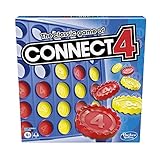
2. Hasbro Gaming Connect 4 Classic Grid,4 in a Row Game,Strategy Board Games for Kids,2 Player .for Family and Kids,Ages 6 and Up
Overview:
This updated version of the classic Connect 4 challenges two players to drop colored discs into a vertical grid, aiming to align four in a row horizontally, vertically, or diagonally. Its modern aesthetic and triple-play modes cater to families seeking quick, brain-teasing fun.
What Makes It Stand Out:
The sleek grid design and vibrant colors enhance visual appeal, while three gameplay variants—classic, Frenzy, and Pop-Out—add strategic layers. The Pop-Out feature (ejecting bottom discs) introduces dynamic reversals, elevating it beyond basic alignment mechanics.
Value for Money:
Competitively priced against similar strategy games, its dual-disc storage base and durable plastic construction ensure longevity. The added game modes double replay value, making it a smarter investment than single-mechanic alternatives.
Strengths and Weaknesses:
Strengths: Portable, teaches spatial reasoning, quick setup (under 2 minutes), and suitable for all ages. Weaknesses: Two-player limit restricts group play, and the modern grid can occasionally jam discs during rapid moves.
Bottom Line:
A brilliantly refreshed take on a timeless strategy game. Ideal for developing critical thinking in kids while offering genuinely engaging matches for adults, it’s a must-have for compact, high-value family entertainment.
3. Mattel KerPlunk Kids Game, Easy-to-Learn Family Game for 2 to 4 Players, Don’t Let The Marbles Fall

Overview:
In this suspenseful dexterity game, players build a stick lattice through a translucent tube, layer marbles on top, and take turns removing sticks without causing marbles to plummet. The player with the fewest fallen marbles wins—a perfect blend of tension and simplicity for young families.
What Makes It Stand Out:
The physics-based gameplay creates palpable tension as marbles precariously balance, turning each move into a mini-drama. Its retro charm revitalized with bold, modern colors appeals to both nostalgic adults and new players, while the marble-catching base minimizes cleanup.
Value for Money:
An economical choice for its unique mechanics. The durable plastic components withstand repeated play, and the 15-minute runtime encourages endless replays—outperforming pricier games in pure fun-per-dollar for preschoolers.
Strengths and Weaknesses:
Strengths: Teaches patience and fine motor skills, minimal setup, and accommodates 2–4 players seamlessly. Weaknesses: Marbles can scatter if toppled abruptly, and younger children may struggle with strategic stick removal.
Bottom Line:
A brilliantly tactile, affordable game that transforms simple materials into edge-of-your-seat excitement. Highly recommended for families wanting quick, screen-free thrills that build focus without complex rules.
4. Hasbro Gaming Candy Land Kingdom of Sweet Adventures Board Game for Kids, Easter Gifts for Boys and Girls, Ages 3 & Up (Amazon Exclusive)

Overview:
This beloved classic whisks children ages 3+ on a colorful journey through a candy-themed kingdom. Players draw color cards to advance gingerbread pawns along a winding path toward the Ice Cream Castle, with no reading required—making it ideal for preschoolers.
What Makes It Stand Out:
Its zero-literacy barrier and vibrant, whimsical artwork captivate early learners. The Amazon-exclusive edition features refreshed illustrations and “delicious” destinations like Gumdrop Mountain, transforming pure luck gameplay into a sensory storybook experience.
Value for Money:
Exceptional for its target age group. At a modest price, it introduces board game fundamentals without complexity, outlasting many flashier toys. The durable board and chunky pawns withstand toddler handling, ensuring years of play.
Strengths and Weaknesses:
Strengths: Perfect first game for toddlers, encourages color recognition, and fosters turn-taking. Weaknesses: Entirely luck-based (no strategy), and adult supervision is needed to prevent card mishandling.
Bottom Line:
An indispensable starter game that nurtures foundational social skills in preschoolers. While simplistic for older kids, it’s a joyful, stress-free investment for parents seeking inclusive, screen-free bonding.
5. USAOPOLY The Original TAPPLE, The Fast-Paced Family Board Game,Choose a Category & Race Against The Timer to be The Last Player,Learning Word Game for Ages 8 & Up, 2-8 Players, 15-20 Minute Play Time

Overview:
TAPPLE injects adrenaline into wordplay: players race against a built-in timer to shout category-related words starting with a specific letter. With 144 categories across 36 cards, this portable game accommodates 2–8 players in rapid 15–20 minute sessions.
What Makes It Stand Out:
The ticking timer creates exhilarating pressure, while the rotating “Tapple wheel” organizes categories and letter tabs for seamless play. Its versatility shines in diverse settings—from classrooms (boosting vocabulary) to parties—thanks to inclusive rules for all skill levels.
Value for Money:
Priced moderately for its educational heft, it surpasses generic word games with award-winning design. The compact, travel-friendly build and endless category combinations deliver exceptional replayability per dollar spent.
Strengths and Weaknesses:
Strengths: Builds vocabulary under pressure, scales perfectly for groups, and portable storage. Weaknesses: Timer sensitivity can frustrate younger players, and advanced categories may overwhelm novices.
Bottom Line:
A brilliantly innovative word game that transforms learning into pulse-pounding fun. Highly recommended for educators and families seeking an engaging, intellectually stimulating alternative to traditional board games.
6. CATAN Board Game (6th Edition) Trade, Build & Settle in The Classic Strategy Game for Family, Kids & Adults, Ages 10+, 3-4 Players, 60-90 Min Playtime

Overview: CATAN 6th Edition remains a cornerstone of modern strategy gaming, inviting players to colonize a dynamic island through resource management, trading, and territorial expansion. Designed for families and strategy enthusiasts aged 10+, it delivers a rich, interactive experience where players compete to reach 10 victory points by building settlements, cities, and roads. What Makes It Stand Out: The game’s modular hexagonal board ensures no two plays are identical, fostering immense replayability. Its genius lies in forcing player interaction—robber blockades and mandatory trading create constant negotiation and tactical depth, distinguishing it from solo-focused strategy games. The blend of luck (dice rolls) and skill (resource allocation) keeps tension high. Value for Money: Priced competitively for a premium strategy game, CATAN offers exceptional longevity. Its components are durable, and the strategic depth justifies the cost compared to simpler, shorter-lived family games. The 60-90 minute playtime provides substantial engagement per session. Strengths and Weaknesses: Strengths: Deep player interaction, near-infinite replayability, elegant rules with strategic richness. Weaknesses: Luck-dependent dice rolls can frustrate, setup is slightly lengthy, and complexity may overwhelm very young players despite the 10+ age rating. Bottom Line: An essential addition to any strategy game library, CATAN excels in fostering social dynamics and tactical thinking. Highly recommended for families seeking meaningful, replayable competition, though best suited for players ready for moderate complexity.
7. Asmodee Ticket to Ride Board Game (2025 Refresh) - A Cross-Country Train Adventure for Friends and Family, Strategy Game for Kids & Adults, Ages 8+, 2-5 Players, 30-60 Minute Playtime

Overview: Ticket to Ride’s 2025 Refresh revitalizes the beloved train-adventure classic, challenging 2-5 players (ages 8+) to claim railway routes across a beautifully illustrated North American map. Collect train cards, complete destination tickets, and build the most efficient network within 30-60 minutes. What Makes It Stand Out: Its brilliance is accessibility—simple rules (draw cards, claim routes) mask surprising strategic depth. The oversized map and colorful miniature trains create instant visual appeal, while destination tickets introduce risk-reward tension. The 2-5 player count and short playtime make it incredibly versatile for group sizes. Value for Money: Excellent value for the component quality and replayability. The refined artwork and sturdy pieces enhance the experience without inflating cost significantly compared to older editions or similar strategy games. It consistently delivers high entertainment per dollar. Strengths and Weaknesses: Strengths: Effortless to learn, visually stunning, scales perfectly for 2-5 players, highly replayable. Weaknesses: Luck in card draws can occasionally dominate strategy; destination ticket failures may frustrate younger players. Bottom Line: A near-perfect gateway game that balances simplicity with engaging strategy. Ideal for family gatherings or casual game nights, this refresh cements Ticket to Ride as a must-own for beginners and seasoned gamers alike.
8. Regal Games Card Games for Kids - Go Fish, Crazy 8’s, Old Maid, Slap Jack, Garbage Monster, War - Simple & Fun Classic Family Table Games - Games May Vary (6 Set)

Overview: This 6-pack bundle delivers timeless card fun tailored for children aged 4+. Featuring Go Fish, Crazy 8s, Old Maid, Slap Jack, War, and Silly Monster Memory Match, it’s designed for 2-6 players seeking quick, screen-free entertainment during travel or downtime. What Makes It Stand Out: Oversized, vibrant cards are perfect for small hands and easy recognition, while the variety ensures constant novelty. Beyond fun, it subtly builds foundational skills—color/number recognition, memory, and turn-taking—making playtime educational without feeling like homework. Value for Money: Exceptional value; six distinct, durable games in one affordable set. The focus on child development and portability (fits in a bag) outshines single-game alternatives, especially for families needing versatile, on-the-go activities. Strengths and Weaknesses: Strengths: Large, durable cards; skill-building gameplay; incredible portability; broad age appeal (4+). Weaknesses: Limited strategic depth for adults; “Garbage Monster” rules may confuse without clear instructions; card stock, while sturdy, isn’t premium. Bottom Line: A superb starter kit for young children, blending education with classic fun. Perfect for car rides or waiting rooms, this set is a no-brainer for parents seeking affordable, screen-free developmental play.
9. Do You Really Know Your Family? A Fun Family Game Filled with Conversation Starters and Challenges - Great for Kids, Teens and Adults
Overview: This icebreaker card game transforms family time into laughter-filled discovery, using thought-provoking questions and lighthearted challenges to spark conversations. Aimed at kids 8+ through adults, it’s designed for group play where knowing each other’s quirks becomes the path to victory. What Makes It Stand Out: It uniquely prioritizes connection over competition. Questions like “What’s the funniest thing you’ve seen Grandma do?” or challenges like “Do your best impression of Dad” create authentic, memorable moments. Its simplicity—no complex rules or scoring—ensures immediate engagement. Value for Money: Highly valuable for fostering family bonds. The low price tag delivers significant emotional ROI through improved communication and shared joy, outperforming generic board games in creating meaningful interaction. Strengths and Weaknesses: Strengths: Effortless setup; encourages vulnerability and laughter; inclusive for all ages; strengthens relationships. Weaknesses: Limited replayability once questions are exhausted; humor may miss the mark with some families; minimal strategic depth. Bottom Line: An invaluable tool for families seeking deeper connections. While not a traditional strategy game, it’s essential for game nights focused on laughter and understanding—highly recommended for households craving genuine interaction.
10. Hasbro Gaming Scrabble Board Game, Classic Word Games for Kids Ages 8 and Up, Fun Family Game for 2-4 Players, The Classic Crossword Game
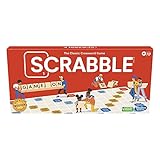
Overview: Scrabble remains the definitive word-game challenge, where players form intersecting words on a crossword-style board using letter tiles to maximize points. This classic edition, for ages 8+ and 2-4 players, emphasizes vocabulary, strategy, and friendly competition. What Makes It Stand Out: The tactile wooden tiles and racks, combined with a textured board, elevate the physical experience beyond digital versions. Premium squares (double/triple word/letter) add strategic layers, while challenging opponents’ words introduces playful debate and learning. Value for Money: Justifies its price through timeless appeal and craftsmanship. The wooden components feel premium, and decades of cultural relevance ensure it’s a multi-generational investment, outlasting trend-dependent games. Strengths and Weaknesses: Strengths: Unmatched wordplay depth; high-quality materials; educational for spelling/vocabulary; enduring replayability. Weaknesses: Can frustrate non-competitive spellers; gameplay slows with vocabulary gaps; rules disputes may arise. Bottom Line: A perennial classic that sharpens minds while uniting families. Despite a slight learning curve, Scrabble’s blend of skill and accessibility makes it a worthy staple for any game shelf—ideal for fostering literacy and friendly rivalry.
Understanding Age Appropriateness and Developmental Stages
Choosing a game that aligns with your children’s current abilities is paramount for sustained enjoyment and avoiding frustration. What excites a five-year-old might bore a ten-year-old, while a game too complex for younger players can lead to tears instead of laughter. Consider the cognitive, motor, and social skills typical for each child’s age group.
Matching Game Complexity to Cognitive Skills
Young children (3-6 years) thrive on simple cause-and-effect, short playtimes (10-15 minutes), and vibrant visuals. Look for games emphasizing color matching, basic counting, or following simple paths. School-aged kids (7-10 years) can handle light strategy, basic resource management, and slightly longer sessions (20-30 minutes). Pre-teens and teens (11+) often enjoy deeper strategy, negotiation, and games with 30-60 minute playtimes that challenge their evolving reasoning abilities.
Assessing Physical Dexterity Requirements
Some games require fine motor control – stacking small pieces, flicking discs, or precise placement. For younger children or those still developing coordination, prioritize games with larger, chunkier components or actions that don’t demand pinpoint accuracy. Dexterity games can be fantastic for development, but mismatched difficulty leads to discouragement.
Considering Attention Span Realities
Be brutally honest about how long your family can realistically focus. A game promising “endless fun” but requiring 90 minutes of intense concentration is a recipe for disaster with young kids. Modern games often have excellent “family modes” or adjustable rules specifically designed to shorten playtime while maintaining core enjoyment for mixed-age groups.
Evaluating Educational Value and Skill Building
While fun should always be the primary driver, many contemporary board games seamlessly weave in valuable learning opportunities. The best ones make skill development feel like part of the adventure, not a chore. Focus on how gameplay mechanics naturally encourage growth.
Fostering Critical Thinking and Problem Solving
Games requiring players to anticipate opponents’ moves, plan several steps ahead, or adapt strategies based on changing board states are excellent for developing logical reasoning. Look for mechanics involving pattern recognition, deduction, or optimizing limited resources – these subtly build the neural pathways for complex problem-solving in everyday life.
Enhancing Communication and Social Dynamics
Cooperative games, where the family works together against the game itself, are phenomenal for teaching teamwork, clear communication, and active listening. Even competitive games provide safe spaces to practice gracious winning, resilient losing, negotiating trades, and understanding different perspectives – crucial social-emotional skills for any era.
Integrating Foundational Academic Concepts
Many games cleverly incorporate math (counting, addition, probability), language (vocabulary building, storytelling, reading clues), and even early science concepts (classification, cause-and-effect, spatial reasoning) without feeling like a classroom lesson. The key is finding games where these elements are intrinsic to the fun, not tacked-on worksheets.
Analyzing Gameplay Mechanics and Engagement Factors
The heart of any great board game lies in its core mechanics – how you play. Understanding common mechanics helps predict if a game will captivate your family’s specific energy and preferences. Don’t get bogged down by jargon; focus on the feel of the play.
Cooperative vs. Competitive Dynamics
This fundamental choice significantly impacts the family atmosphere. Cooperative games eliminate player elimination and foster unity, ideal for younger kids or families prioritizing teamwork. Competitive games teach healthy rivalry and strategic depth but require players who can handle losing constructively. Some brilliant hybrids offer both modes, providing flexibility as your family grows.
Managing Player Interaction and Downtime
Nothing kills engagement like long stretches waiting for your turn. Prioritize games with mechanisms that keep all players involved even during others’ turns – simultaneous actions, player powers that trigger during other phases, or meaningful decisions to consider while waiting. High interaction (trading, negotiation, direct competition) creates lively discussion but can lead to arguments; low interaction offers quieter focus.
Balancing Luck and Skill Elements
Pure luck (like simple dice rolls) can be great for leveling the playing field with vastly different ages but might frustrate older kids seeking mastery. Games emphasizing skill (strategy, dexterity, knowledge) provide satisfying progression but can feel unfair if too reliant on random chance. The sweet spot often lies in games where luck introduces variability, but skill determines who navigates it best.
Considering Replayability Through Variability
A game that plays identically every time loses its luster quickly. Look for high replay value through modular boards, variable player powers, scenario-based challenges, or legacy elements (where the game evolves over multiple sessions). Random setup elements or different winning strategies also ensure no two games feel exactly the same, keeping the experience fresh for months or years.
Assessing Physical Components and Practicality
The tangible aspects of a board game significantly impact the user experience, especially with kids involved. Durability, setup time, and storage are practical considerations that can make or break a game’s place in your regular rotation.
Prioritizing Durability and Safety
With enthusiastic (and sometimes clumsy) young players, components need to withstand real-world use. Thick, laminated cards, chunky wooden pieces, and sturdy boards made from recycled cardboard are preferable. Ensure small parts are age-appropriate to avoid choking hazards for younger siblings, and check for non-toxic inks if pieces might end up in curious mouths.
Evaluating Setup and Cleanup Efficiency
Games requiring intricate setup or lengthy rule explanations before play begins often lose momentum before the fun starts. Favor games with clear, intuitive setup diagrams and components that are easy to sort. Similarly, quick cleanup (think sorting trays or clearly labeled bags) ensures the game gets played again instead of being banished to the closet due to hassle.
Considering Storage and Space Requirements
Be realistic about your home’s storage space. Oversized boxes or games with countless tiny pieces are impractical for many families. Compact games or those with efficient internal organization are winners. Also, consider the play space needed – does it require a massive table, or can it be played on a smaller surface or even while sitting on the floor?
Navigating Family Dynamics and Long-Term Enjoyment
The perfect game isn’t just about the box; it’s about how it fits into your unique family ecosystem. Consider how it will play out over multiple sessions and across different family moods and energies.
Accommodating Mixed Age Groups Effectively
This is often the trickiest hurdle. Seek games with built-in scaling mechanisms: adjustable difficulty levels, “family rules” variants, or roles where younger players have simpler, crucial tasks. Games where older kids can subtly help younger ones without taking over (like reading cards or explaining options) foster positive mentorship.
Ensuring Inclusive Participation for All Temperaments
Consider your family’s personality mix. Does a shy child get overshadowed in highly interactive games? Does a competitive child dominate? Cooperative games can level the playing field. Games with individual “sandbox” elements alongside group goals allow quieter players to contribute meaningfully at their own pace. Avoid mechanics that heavily penalize early mistakes for less experienced players.
Planning for Evolving Interests and Skill Growth
Invest in games with longevity. This could mean a core system that supports expansions (adding new mechanics or themes later), legacy games that physically change over time, or titles with clear progression paths from basic to advanced rules. A game that grows with your children provides years of value, adapting as their strategic thinking matures.
Frequently Asked Questions
How do I know if a game’s suggested age range is accurate for my child? Can cooperative games still be challenging and engaging for older kids? What are the best types of games for very short attention spans (under 5 years)? How can I prevent arguments during competitive family game nights? Are games with apps or digital components worth considering for family play? What simple rules tweaks can make a game work better for mixed ages? How important is artwork and theme when choosing a game for kids? What are reliable indicators of high component quality when shopping online? How do I store board games to maximize their lifespan with frequent use by children? Is it worth investing in more expensive games with premium components?
See Also
- 10 Premium Family Board Games for Kids (Worth the Investment) in 2026
- How to Solve Boredom with the 10 Best Family Board Games in 2026
- Stop Boredom with the 10 Best Family Board Games This Year
- 10 Must-Have Kids Board Games for Rainy Day Fun in 2026
- 10 Top-Rated Kids Board Games According to Parents in 2026