Table of Contents
Deck building games have evolved from niche hobbyist pursuits into a cornerstone of modern tabletop gaming, offering endless combinations and strategic depth that keep players coming back for more. The base games themselves provide fantastic foundations, but it’s the expansions that truly unlock the full potential of these systems, injecting fresh life into familiar mechanics and preventing your game nights from falling into predictable patterns. Whether you’re a seasoned collector looking to breathe new excitement into a well-worn favorite or a newcomer ready to dive deeper into the hobby, understanding how expansions enhance card variety is essential for making smart purchasing decisions.
This year has seen an unprecedented focus on modular expansion design, with publishers recognizing that players want flexibility rather than just more of the same. The best expansions don’t simply add volume—they introduce new strategic vectors, create unexpected interactions, and fundamentally change how you approach every decision at the table. From asymmetric player powers to revolutionary card types that break established rules, the landscape of deck building enhancements has never been more diverse or more thoughtfully crafted. Let’s explore what makes these additions worthwhile investments and how to identify the expansions that will deliver the most variety for your specific gaming preferences.
Top 10 Deck Building Game Expansions
Detailed Product Reviews
1. DC Deck-Building Game Multiverse Box

Overview: The DC Deck-Building Game Multiverse Box solves a collector’s dilemma: where to store an ever-growing card collection. This hybrid product combines robust storage with an exclusive Crossover Pack based on the Convergence storyline, offering both organization and fresh gameplay for dedicated fans of the series.
What Makes It Stand Out: The massive storage capacity with foam inserts and dividers accommodates your entire DC DBG collection with room for future expansions. The exclusive Multiverse Crossover Pack introduces the innovative Events mechanic, creating dynamic secondary line-ups from your combined cards without requiring a 500-card shuffle. The oversized Multiverse Location cards add a epic scale to gameplay.
Value for Money: Priced as a premium storage solution, it essentially bundles a $15-20 expansion with a $30-35 storage box. Compared to third-party storage options that lack game integration, this official solution provides functional value and exclusive content that justifies the investment for serious collectors.
Strengths and Weaknesses: Strengths: Exceptional organization, exclusive crossover content, innovative Events system, future-proof storage, high-quality inserts. Weaknesses: Not a standalone product (requires base game), premium price may deter casual players, storage-focused design means limited gameplay additions.
Bottom Line: Essential for DC DBG enthusiasts with extensive collections. The exclusive content and superior organization make it worthwhile, though casual players may find the storage focus excessive for their needs.
2. Legendary: Midnight Sons: a Marvel Deck Building Game Expansion

Overview: The 32nd expansion for Legendary introduces the Midnight Sons, Marvel’s supernatural defenders. This set brings five heroes including Blade, Morbius, and Werewolf by Night, plus two masterminds and villain groups that emphasize dark, mystical themes, requiring the Marvel Legendary Core Set to play.
What Makes It Stand Out: The gothic horror aesthetic distinguishes this from brighter Marvel expansions, featuring comic-accurate artwork that celebrates these cult-favorite characters. Four new schemes create challenging cooperative scenarios where players battle supernatural threats. The competitive high-score element remains intact, letting players work together while vying for individual glory—a signature Legendary mechanic.
Value for Money: Standard Legendary expansion pricing delivers five heroes and supporting content, consistent with previous releases. For fans of Marvel’s darker corners, the thematic novelty provides excellent value. Casual Marvel fans might prefer mainstream character expansions, but horror-comic enthusiasts get rare character representation.
Strengths and Weaknesses: Strengths: Unique horror theme, excellent comic-accurate art, integrates seamlessly with core set, adds variety to villain pool, cooperative/competitive balance. Weaknesses: Niche character selection may not appeal to all players, requires core set, adds complexity for new players.
Bottom Line: A must-have for Legendary veterans and fans of Marvel’s supernatural side. The thematic depth and quality make it a worthy addition, though mainstream Marvel fans might prioritize character-driven expansions first.
3. Renegade Game Studios G.I. Joe Deck-Building Game: Shadow of The Serpent Expansion - Ages 13+, 1-4 Players 30-70 Mins, Deck Building Game Expansion

Overview: Shadow of the Serpent expands the G.I. Joe Deck-Building Game with two new missions, an Expert Mode challenge card, and fresh content for the main deck. Players gain access to additional Joes, utility items, and weapons while facing new Cobra Officers and Troopers in this 30-70 minute tactical expansion.
What Makes It Stand Out: The Expert Mode card significantly ramps up difficulty for seasoned players seeking greater challenges. Mission-based gameplay adds narrative structure beyond simple deck-building, while new Cobra Officers introduce varied tactical threats. The expansion maintains the core’s one-to-four player scaling, preserving its accessible solo and multiplayer experience with enhanced strategic depth.
Value for Money: Positioned as a modestly priced expansion, it delivers targeted content that refreshes the base game without overwhelming it. The Expert Mode alone extends replayability substantially. Compared to full game replacements, this economical add-on keeps your existing investment relevant while providing meaningful variety.
Strengths and Weaknesses: Strengths: Expert Mode adds replayability, mission variety enhances narrative, integrates smoothly, maintains player count flexibility, thematic Cobra additions. Weaknesses: Requires base game, limited content for price, niche G.I. Joe appeal, may not fundamentally change core gameplay.
Bottom Line: Recommended for G.I. Joe DBG owners wanting fresh challenges. The Expert Mode and missions provide worthwhile variety, though casual players might find the base game sufficient. Nostalgic fans will appreciate the thematic additions most.
4. Legendary® 007™ Thunderball: A James Bond Deck Building Game Expansion
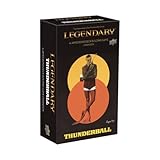
Overview: The fourth expansion for Legendary: A James Bond Deck Building Game immerses players in the aquatic thrills of Thunderball. With 120 cards featuring film imagery, this set continues the franchise’s film-by-film expansion approach, adding new allies, Q Branch gadgets, and Caribbean missions to the spy-themed deck-building experience.
What Makes It Stand Out: Thunderball’s underwater focus creates unique mission objectives diverging from previous expansions. The 120-card count matches full expansions, delivering substantial content. Film-authentic imagery enhances thematic immersion, while new gadgets and allies reflect the movie’s Cold War espionage aesthetic. The expansion preserves the core’s cooperative villain-thwarting structure while introducing nuclear threat schemes.
Value for Money: Consistent with previous Bond expansions, this offers standard pricing for 120 cards. For 007 completists, the film-specific content is essential. Players without Thunderball nostalgia might find generic spy expansions more versatile, but thematic fidelity makes this valuable for Bond purists seeking cinematic accuracy.
Strengths and Weaknesses: Strengths: Film-accurate theming, substantial card count, integrates well, unique aquatic missions, high-quality film imagery. Weaknesses: Requires base game and previous expansions for full experience, niche film focus limits broad appeal, similar mechanics to previous sets.
Bottom Line: Essential for Bond fans collecting the film series expansions. Thunderball captures the movie’s essence effectively, though general deck-building fans might prefer more innovative mechanical additions. A solid, thematic continuation of the Legendary 007 line.
5. Cryptozoic Entertainment: DC Deck-Building Game: Crossover Collection 1 Expansion- Deck Building Card Game, Ages 14+ Multi

Overview: Crossover Collection 1 bundles three DC DBG expansions—The Rogues, Birds of Prey, and New Gods—into a single package. This compilation introduces Teamwork mechanics, card rotation, and Homeworlds, plus foil oversized Character cards and a Black Racer promo, requiring any DC Deck-Building Game base set to function.
What Makes It Stand Out: The three-in-one packaging offers exceptional variety, letting players experience distinct DC factions in one purchase. Innovative mechanics like Teamwork encourage cooperative table dynamics, while Homeworlds provide persistent board effects. The foil oversized cards add premium collectibility, and the Black Racer promo is exclusive to this set, creating tangible value beyond individual pack purchases.
Value for Money: Purchasing these expansions separately would cost significantly more, making this bundle economical for fans wanting multiple factions. The exclusive promo and foil cards sweeten the deal. For players only interested in one team, however, the bundle may represent over-investment compared to targeted single-pack purchases.
Strengths and Weaknesses: Strengths: Excellent bundle value, diverse gameplay mechanics, premium foil cards, exclusive promo, expands strategic options. Weaknesses: Requires base game, may overwhelm newcomers, some factions may see less play, no storage solution included.
Bottom Line: Outstanding value for DC DBG fans wanting variety. The mechanical diversity and collectible elements justify the purchase, though beginners should master the base game first. A smart compilation that rewards dedicated players with fresh strategic dimensions.
6. Legendary 2099: A Marvel Deck Building Game Expansion

Overview: The 34th expansion for Upper Deck’s Legendary Marvel deck-building game introduces Doctor Doom as a playable hero alongside five new heroes, two masterminds, and two villain groups. This expansion continues the game’s tradition of blending comic book storytelling with strategic card play, supporting 1-5 players in cooperative or competitive modes. All 100+ cards feature exclusive original artwork.
What Makes It Stand Out: Doctor Doom’s hero deck is the headline attraction, offering complex mechanics that mirror his comic book intellect and sorcery. The “work with or against” mechanic reaches new strategic depths here, as players can form temporary alliances or sabotage each other. As the 34th expansion, it demonstrates remarkable game system longevity and integrates seamlessly with the massive existing card pool.
Value for Money: Priced similarly to other Legendary expansions, it delivers strong value for dedicated fans. The five hero decks provide dozens of play combinations, while new masterminds and villains refresh campaign scenarios. For newcomers, the investment in 34 expansions is daunting, but for collectors, each addition maintains the game’s evergreen status.
Strengths and Weaknesses: Pros: Iconic Doctor Doom hero deck; original art throughout; high strategic depth; massive integration potential; proven game system. Cons: Requires core set; steep learning curve for new players; completionist cost is prohibitive; limited standalone value.
Bottom Line: A must-have for Legendary enthusiasts and Doctor Doom fans. Doctor Doom’s implementation is thematically perfect, though casual players may find the ever-expanding ecosystem overwhelming.
7. Resident Evil Deck Building Game Expansion Outbreak

Overview: The Outbreak expansion for Bandai’s Resident Evil deck-building game injects 150 new cards into its survival horror framework, accompanied by practical accessories including a storage box, damage counters, card dividers, and a rulebook. Optimized for 2-4 players, sessions run approximately 30 minutes while delivering substantial tactical depth and replayability through its scenario-based structure.
What Makes It Stand Out: This expansion’s “Outbreak” theme intensifies the base game’s infection mechanics, creating desperate, high-stakes decision points. The included storage solution is a standout feature, directly addressing fan requests for better organization. The 30-minute runtime is ideal for modern gaming schedules, allowing multiple campaigns in one sitting while maintaining strategic weight through tactical card play.
Value for Money: Positioned as an expansion, it delivers strong utility. The 150 cards provide significant content, but the storage components and damage counters add tangible value beyond just cardboard. For owners of the base game, it’s an efficient content injection. Compared to full game purchases, expansions like this extend existing investments economically.
Strengths and Weaknesses: Pros: Solves storage issues; quick, intense sessions; high replay value; thematic mechanics; accessible tactical gameplay. Cons: Requires base game; limited to 4 players; art is utilitarian; may not fix core game issues; niche horror appeal.
Bottom Line: An essential upgrade for Resident Evil deck-building fans. The organizational tools alone warrant purchase, while the tactical gameplay refinements keep the zombie-slaying experience fresh and fast-paced.
8. Renegade Game Studios Transformers Deck-Building Game: A Rising Darkness Expansion - Standalone Expansion, Ages 14+, 1-5 Players, 45-90 Min

Overview: A Rising Darkness is a standalone expansion for Renegade’s Transformers deck-builder that shifts focus to the Decepticon faction. Supporting 1-5 players across 45-90 minute sessions, it offers both competitive and cooperative modes where players embody iconic villains. The expansion integrates with the core set for team vs. team battles, but requires no additional purchase to play.
What Makes It Stand Out: The Decepticon perspective provides asymmetric gameplay unavailable in the base game, with unique mechanics reflecting villainous strategies. The dual-mode design allows for cooperative conquest or competitive backstabbing among players. Standalone capability makes it an excellent entry point, while team battle integration creates epic Autobot-Decepticon conflicts. Solo play support adds versatility.
Value for Money: Exceptional value as a standalone product—newcomers get a complete game without core set investment. For existing fans, it essentially doubles the playable content and unlocks team battles. The 45-90 minute runtime delivers substantial gameplay per session. Compared to full game purchases, this hybrid model maximizes flexibility.
Strengths and Weaknesses: Pros: No core set required; villain gameplay is fresh; multiple modes; team battle potential; supports solo play. Cons: 14+ age rating excludes younger fans; Decepticon focus may not suit hero purists; team mode needs core set; moderate complexity barrier.
Bottom Line: An innovative expansion that succeeds as both entry point and enhancement. The Decepticon campaign is thematically rich and mechanically distinct, making it worthwhile for Transformers fans and deck-building enthusiasts alike.
9. Renegade Game Studios Renegade Game Studios G.I. Joe Deck-Building Game: New Alliances - A Transformers Crossover Expansion - Take On The Role of A Pony, Ages 14+, 1-4 Players, 30-70 Min

Overview: This ambitious crossover expansion for the G.I. Joe deck-building game introduces Autobot allies to the military strategy framework. Requiring the G.I. Joe base game, it adds cards enabling Autobots to operate in bot mode for independent missions or vehicle mode to transport JOE operatives. A new Energon dice pool mechanic fuels special abilities, supporting 1-4 players in 30-70 minute sessions.
What Makes It Stand Out: The dual-mode Autobot cards represent a mechanical breakthrough, offering distinct strategic advantages based on transformation state. The Energon dice pool introduces push-your-luck resource management, where players must balance power expenditure against future needs. This crossover captures the 1980s nostalgia of both franchises while creating genuinely innovative gameplay synergies between military and sci-fi themes.
Value for Money: Value is contingent on owning the G.I. Joe base game. For those invested, it delivers significant mechanical variety and thematic richness. The dice components and integrated design justify expansion pricing. However, fans of only one franchise may hesitate. Compared to standalone crossovers, this deepens an existing system rather than creating a new product.
Strengths and Weaknesses: Pros: Creative mode-switching mechanics; Energon dice adds strategic layer; perfect nostalgia crossover; expands replayability; flexible playtime. Cons: Base game mandatory; 4 player max; age 14+ restricts younger fans; complexity increases; title’s pony reference is confusing.
Bottom Line: Essential for G.I. Joe deck-building fans who appreciate Transformers. The mechanical ingenuity shines, but the prerequisite purchase and niche crossover appeal limit its reach to dedicated enthusiasts.
10. Legendary: A Marvel Deck Building Game - Paint The Town Red Expansion

Overview: This Spider-Man-focused expansion for Upper Deck’s Legendary Marvel delivers 100 cards centered on symbiote mythology. It debuts Black Suit Spider-Man as a complex hero and Carnage as a formidable mastermind, plus five heroes, two villain groups, and four schemes. The core set is mandatory, maintaining consistency with the Legendary expansion model.
What Makes It Stand Out: The symbiote theme achieves remarkable narrative cohesion—every element reinforces the alien costume storyline. Black Suit Spider-Man’s deck employs push-your-luck mechanics reflecting the symbiote’s seductive power. Carnage introduces unprecedented difficulty with relentless assault effects. This curated approach transforms the expansion into a comic book event rather than a simple card injection.
Value for Money: Priced equivalently to other Legendary expansions, it offers strong value for fans of the theme. While 100 cards is modest, the tight integration ensures no filler. Spider-Man collectors will find it essential. For general players, it provides concentrated quality. The core set requirement is standard but limits accessibility for newcomers.
Strengths and Weaknesses: Pros: Flawless thematic execution; iconic character implementation; brutally challenging mastermind; original art; high synergy. Cons: Requires core set; niche symbiote focus; limited card count; not for casual Marvel fans; adds to completionist burden.
Bottom Line: An expertly crafted expansion that Spider-Man devotees must own. Its narrow focus is a strength for enthusiasts but a limitation for others, making it a strategic purchase rather than an essential one.
Understanding Deck Building Expansion Types
Core Set Expansions vs Modular Additions
Core set expansions typically function as comprehensive upgrades that integrate seamlessly with the base game, often replacing or enhancing fundamental components while maintaining the original vision. These expansions usually introduce a substantial number of new cards that follow the established thematic and mechanical framework, making them ideal for players who love the base game but want more strategic options. Modular additions, conversely, function as plug-and-play components that you can mix and match based on your mood or player count, offering granular control over your game’s complexity and flavor.
Campaign-Based Expansions
Campaign expansions transform your deck builder into an episodic experience, where cards and mechanics carry over between sessions. These additions excel at providing variety through narrative context rather than randomness, as each scenario introduces specific card pools that reflect story progression. The variety emerges from how the meta-game evolves, with certain cards becoming more or less valuable depending on your campaign’s current chapter. This format particularly appeals to gaming groups that meet regularly and enjoy long-term strategic planning across multiple sessions.
Standalone vs Integrative Expansions
Standalone expansions can be played independently or combined with the base game, offering maximum flexibility for collectors who might want to travel with a compact version or introduce new players without overwhelming them. Integrative expansions require the base game to function and are designed to merge completely with the original card pool, creating a unified experience. The integrative approach generally provides greater variety in the long run, as cards are designed to interact with the entire ecosystem rather than existing in isolation.
Key Features That Enhance Card Variety
New Mechanic Introductions
The most impactful expansions introduce mechanics that fundamentally alter your decision-making process. Look for additions that bring novel concepts like dual-use cards that serve different functions depending on when you play them, or chain reactions where one card’s effect triggers a cascade of secondary abilities. These mechanics force you to reevaluate every card in your collection, as established combos may become obsolete while unexpected synergies emerge from previously overlooked cards.
Faction Diversity and Specialization
Expansions that deepen faction identities create variety by making each player’s strategic path feel distinct and purposeful. Rather than simply adding more cards to existing factions, premium expansions introduce sub-factions, hybrid cards that work across multiple allegiances, or loyalty mechanics that reward staying within a single theme. This specialization encourages diverse playstyles within the same gaming group, as each player can master a different approach while maintaining competitive balance.
Hybrid Card Types
Advanced expansions often blur the lines between traditional card categories, creating hybrid types that combine elements of resources, actions, and victory points. These multi-functional cards reduce deck bloat while increasing strategic complexity, as each card in your hand presents multiple viable pathways. The variety comes from the emergent gameplay possibilities when these hybrids interact with the base game’s more straightforward cards, creating a richer texture of choices.
Variable Setup Components
Expansions that randomize the initial game state dramatically increase variety without necessarily adding hundreds of new cards. Market row variations, random scenario cards, or setup-specific rules that change which cards are available create a different strategic landscape every time you play. This approach is particularly valuable because it makes every card in your collection relevant across different sessions, preventing any single card from becoming permanently marginalized.
Evaluating Expansion Value for Your Collection
Replayability Multipliers
A truly valuable expansion doesn’t just add content—it multiplies your base game’s replayability exponentially. Calculate this by considering how many new strategic archetypes the expansion enables, not just the raw card count. An expansion that allows for five distinct new deck archetypes provides more variety than one that adds twice as many cards but only supports one additional strategy. Pay attention to whether the expansion creates new victory paths or merely adds parallel options to existing ones.
Player Count Flexibility
The best expansions enhance variety across all player counts, not just at maximum capacity. Some additions shine with two players but create downtime issues with four, while others introduce scaling mechanisms that maintain tension regardless of group size. Consider how the expansion’s new cards and rules affect the game’s tempo and interaction levels. Does it add direct conflict cards that make two-player games more cutthroat? Does it introduce catch-up mechanisms that keep larger groups engaged until the final turn?
Storage and Organization Considerations
Card variety loses its appeal if you can’t efficiently access and randomize your collection. Quality expansions include thoughtful storage solutions or at least consider how their components integrate with existing organizational systems. Some provide divider cards, unique card backs for easy sorting, or companion apps that help randomize setups. The practical aspect of managing a larger card pool directly impacts how much variety you’ll actually experience at the table.
Rule Complexity vs Depth
There’s a delicate balance between adding strategic depth and creating rules bloat. The finest expansions introduce complexity that feels intuitive once you grasp the core concept, rather than layering exception after exception onto the base rules. Evaluate whether the expansion’s new mechanics can be explained in a single sentence or require constant rulebook consultation. True variety comes from emergent complexity—simple rules creating deep interactions—not from convoluted card text that slows down every play.
Popular Expansion Themes That Add Variety
Enemy and Challenge Modules
Expansions focusing on antagonistic forces introduce cards that actively work against players, creating a dynamic puzzle that changes based on which enemies appear. These modules often include rotating challenge decks where the “opponent” has its own deck-building rules and objectives. The variety stems from the unpredictable threat landscape, forcing players to adapt their strategies mid-game rather than executing pre-planned combos. This theme particularly revitalizes games that can feel solitaire-like in their base form.
Alternate Win Conditions
Nothing refreshes a stale meta like changing the victory conditions entirely. Expansions that introduce cards enabling alternative win paths—such as collection goals, territory control, or engine completion—force complete strategic rethinks. The variety here is psychological as much as mechanical; players must constantly gauge whether opponents are pursuing the traditional path or secretly building toward an unexpected victory, creating a layer of bluffing and reading that wasn’t present in the base game.
Cooperative and Competitive Modes
Some expansions add entirely new play modes, converting a competitive game into a cooperative experience or adding team-based variants. These mode-switching expansions provide tremendous variety value because they essentially give you multiple games in one package. The cards themselves might serve different functions depending on the mode, with competitive cards acting as threats in cooperative play and vice versa, maximizing the utility of every component.
Legacy and Campaign Elements
Legacy-style expansions that permanently alter cards and components create variety through evolution rather than addition. These might include sticker sets that modify card abilities, destruction mechanics that remove cards from your pool, or progression systems that unlock new content based on previous outcomes. While potentially less random than modular expansions, they provide narrative variety and a sense of consequence that makes each session meaningfully different from the last.
Strategic Considerations When Buying
Compatibility with Your Base Game
Not all expansions play nicely with every version of a base game, especially if you own an older printing or international edition. Research whether the card backs match, if the cardstock quality is consistent, and whether any errata have been integrated into the expansion that might conflict with your base game rules. Some publishers release “second edition” expansions that assume you own updated base game components, which can create compatibility issues for longtime collectors.
Community Reception and Reviews
While avoiding specific product names in recommendations, it’s wise to understand general community sentiment about expansion types. Fantasy-themed games with monster-focused expansions tend to receive praise for thematic integration, while sci-fi titles with technology trees often get criticized for creating runaway leader problems. Look for patterns in reviews that discuss whether an expansion’s variety feels genuine or artificial—adding randomness without meaningful choice is a common pitfall that experienced players quickly identify.
Print Run Availability
The deck building expansion market experiences frequent out-of-stock situations, with some popular additions going years between reprints. Consider whether the expansion you’re eyeing is part of a continuous production line or a limited release. This affects not just your ability to purchase it, but also the community’s ability to discuss and develop strategies around it. Expansions with consistent availability tend to develop richer meta-game variety as more players contribute to the strategic conversation.
Price-to-Content Ratio
Evaluate expansions based on their cost per meaningful strategic option rather than raw component count. A budget-friendly expansion that adds three radically new ways to play often provides better variety value than a premium box filled with cards that only subtly tweak existing strategies. Consider also the expansion’s longevity—does it introduce mechanics that will remain interesting after twenty plays, or is the novelty likely to fade quickly?
Maximizing Your Expansion Experience
Integrating Multiple Expansions
Once you own several expansions, the real variety begins when you start mixing them together. Develop a system for determining which modules to combine, perhaps using random selection or thematic grouping. Some players create “expansion cubes” where they randomly draft which card sets to include before each session. This approach prevents decision fatigue while ensuring every component gets table time. Be mindful of interaction issues—some expansion mechanics were designed in isolation and can create broken combos when combined.
House Rules and Customization
The variety potential of expansions multiplies when you start modifying them to suit your group. Create custom market row layouts that guarantee certain card types appear, or draft expansion modules before the game to create a shared card pool. Some groups implement “banned card” lists for particularly dominant strategies, forcing players to explore underutilized options. These customizations keep the experience fresh long after you’ve exhausted the official rule variations.
Organizing Mixed Card Pools
Effective organization becomes crucial as your collection grows. Sort cards by expansion, by type, by cost, or by strategic function depending on your setup preferences. Many players create “core sets” of balanced cards from multiple expansions that they always play with, then rotate in additional modules for variety. This approach reduces setup time while maintaining the strategic depth that large card pools provide. Consider using storage solutions that allow you to quickly grab specific card categories without sorting through hundreds of cards each session.
Teaching New Players with Expansions
Paradoxically, some expansions actually make teaching easier by providing clearer strategic paths. When introducing newcomers, select expansion cards that have obvious synergy or create compelling narratives. Avoid modules that add complexity layers until players grasp the core loop. Some experienced players keep a “teaching set” of cards from various expansions that showcase the game’s potential without overwhelming beginners, gradually introducing more complex modules as proficiency grows.
Frequently Asked Questions
How many expansions should I own before the variety becomes overwhelming?
Most players find that 2-3 well-chosen expansions provide optimal variety without causing analysis paralysis. The key is selecting expansions that introduce different types of variety—one might add new mechanics, another new factions, and a third alternate modes. This creates a modular system where you can mix and match based on your group’s preferences for each session.
Will mixing expansions from different release years create balance issues?
Generally, publishers design expansions to be backward-compatible, but power creep can occur over long-running series. Earlier expansions sometimes have simpler, less powerful cards compared to later releases that must compete with a larger card pool. Many players address this by creating “era-specific” card pools or gently modifying older cards to match newer power levels.
How do I prevent expansion cards from overshadowing the base game?
Implement a drafting system where players must include a certain percentage of base game cards in any setup, or create custom market rows that guarantee representation from each expansion you own. Some groups use a “rotation” system where only one expansion’s cards are featured prominently in any given session, preventing any single expansion from dominating the meta.
Are digital implementations good indicators of an expansion’s variety value?
Digital versions can be excellent for testing whether an expansion’s variety appeals to you, as they often include automated setup and rule enforcement. However, they sometimes simplify or omit complex interactions to streamline programming. Use digital play as a screening tool, but understand that the physical version may offer deeper strategic variety through nuanced card interactions.
What’s the best way to store cards from multiple expansions?
Many collectors use custom insert systems or dedicated card storage boxes with labeled dividers. Organize by card type and cost rather than expansion to speed up setup. For games with random market rows, consider pre-sleeving and storing cards in setup-ready groups. This approach sacrifices some organizational purity for dramatically faster game starts.
How often should I rotate new expansions into regular play?
Introduce a new expansion every 5-10 plays of the base game, or when you notice strategic patterns becoming repetitive. This gives your group time to master each addition and prevents the learning curve from becoming constant. For campaign expansions, commit to completing the full story arc before adding other modules to maintain narrative coherence.
Do expansions that add more players increase card variety?
Not necessarily. Many “adds a fifth player” expansions simply include more copies of existing cards rather than new strategic options. True variety comes from expansions that change the game for all player counts, not just scaling components. Evaluate whether the expansion adds new mechanics that work at any player count rather than just increasing the maximum headcount.
Should I buy expansions in release order?
Release order often matters for campaign or legacy-style expansions where narrative continuity is important. For modular expansions, you can generally jump to whichever theme or mechanic interests you most. Some later expansions assume familiarity with concepts introduced in earlier ones, so check if the expansion you’re considering has prerequisite mechanics.
How do I know if an expansion will combine well with others I own?
Look for expansions that introduce orthogonal mechanics—systems that operate independently rather than modifying the same core rules. For example, an expansion that adds a new resource type will likely combine smoothly with one that introduces new victory conditions, since they affect different aspects of the game. Avoid multiple expansions that all modify the same core system, as they often create conflicts or redundant options.
What’s the difference between variety and complexity in expansions?
Variety creates different strategic situations and meaningful choices, while complexity adds rules overhead and cognitive load. The best expansions increase variety without proportionally increasing complexity. You can assess this by asking whether the expansion’s new rules could be explained in under a minute or if they require constant reference checks. True variety emerges from simple systems interacting in complex ways, not from complicated systems operating in isolation.
See Also
- 10 Best Deck Building Game Expansions for Solo Play This Year
- 10 Best Deck Building Game Expansions for Richer Card Combos in 2026
- 10 Best Deck Building Game Expansions for Solo Gamers This Year
- 10 Best Deck Building Game Expansions for Complex Combos This Year
- 10 Top-Rated Deck Building Game Expansions According to Experts in 2026