Table of Contents
Board games are experiencing a renaissance unlike anything we’ve seen before. Gone are the days when game nights meant dusty Monopoly sets and arguments over Baltic Avenue. Today’s tabletop landscape bursts with creativity, offering immersive worlds, clever mechanics, and social experiences that foster genuine connection in our increasingly digital lives. Whether you’re seeking a lighthearted escape after a long week, a way to strengthen family bonds, or a fresh avenue for friendly competition, stepping into the vibrant world of modern board gaming promises laughter, strategic thinking, and memories that last far longer than the final turn. It’s a hobby that actively builds community, one roll of the dice at a time.
For newcomers, however, the sheer variety available can feel overwhelming. Shelves overflow with boxes of all sizes, promising everything from epic sagas spanning hours to quick, bite-sized fun. How do you navigate this exciting but complex terrain without feeling lost or making a purchase that gathers dust? The key isn’t about chasing the absolute “best” titles touted online; it’s about understanding your own group’s unique dynamics, preferences, and practical constraints. Finding the perfect game isn’t a race to the top of a list—it’s a thoughtful process of matching the right experience to your specific needs, ensuring that first (and every subsequent) game night is a resounding success and a catalyst for many more to come.
Top 10 Board Games for New Players
Detailed Product Reviews
1. Azul Asmodee Azul Board Game - Award-Winning Tile-Placement Strategy Game, Beautiful Mosaic Art, Family Fun for Kids & Adults, Ages 8+, 2-4 Players, 30-45 Minute Playtime
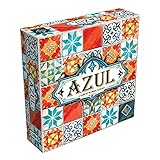
Overview: Azul is a critically acclaimed abstract strategy game where players draft vibrantly colored resin tiles to construct mosaic walls. Its elegant design, inspired by Portuguese azulejos, delivers a visually stunning and intellectually engaging experience suitable for families and seasoned gamers alike. What Makes It Stand Out: The game’s brilliance lies in its seamless blend of simplicity and depth. Easy-to-grasp rules (draft tiles, place them tactically on your board) mask significant strategic layers involving spatial planning and risk assessment. The premium, tactile tiles and board art create an immersive aesthetic unmatched in its category. Value for Money: Priced competitively for a premium component game, Azul offers exceptional longevity. Its near-perfect balance ensures repeated plays feel fresh, outperforming many cheaper games that lack its strategic richness or build quality. The 30-45 minute runtime maximizes replay value per session. Strengths and Weaknesses: Strengths: Gorgeous components, intuitive yet deep strategy, perfect pacing, superb for all ages 8+. Weaknesses: Limited player interaction beyond tile drafting, minimal theme integration, less engaging for hardcore war-game enthusiasts. Bottom Line: A must-own modern classic that excels as both family entertainment and a strategic puzzle. Its timeless design, beauty, and flawless gameplay justify the price, making it an essential addition to any board game collection.
2. Herd Mentality: Udderly Funny Family Board Game | Easy & Fun for Big Groups of 4-20 Players | Includes 20 Extra Exclusive Questions

Overview: Herd Mentality is a laugh-out-loud social deduction game where players guess how the majority thinks to win cows—or face the dreaded “pink cow of doom.” Designed for massive groups (4-20 players), it thrives on revealing hilarious insights about friends and family. What Makes It Stand Out: Its unique mass-participation format sets it apart, turning game nights into inclusive events. The “pink cow” mechanic adds comedic tension, while the included 20 exclusive questions enhance replayability. It requires zero setup, making it ideal for parties or holidays like Thanksgiving. Value for Money: Exceptional for group entertainment. Competing games often cap at 8 players; Herd Mentality’s scalability to 20 players at a modest price point delivers unmatched value for large gatherings, easily justifying its cost over niche strategy games. Strengths and Weaknesses: Strengths: Effortless to learn, wildly fun for big groups, sparks genuine laughter, highly replayable with extra questions. Weaknesses: Shallow strategy (pure social fun), humor may not land with all personalities, minimal physical components beyond cards. Bottom Line: The ultimate icebreaker for social gatherings. If you need a quick, hilarious game that accommodates crowds, Herd Mentality is a superb investment—perfect for families, teens, and adults seeking lighthearted chaos.
3. HUES and CUES - Vibrant Color Guessing Board Game for 3-10 Players Ages 8+, Connect Clues and Guess from 480 Color Squares

Overview: HUES and CUES challenges players to describe subtle color shades using only one- or two-word clues while teammates guess the exact hue from a 480-color grid. This vibrant party game blends art, language, and perception for inclusive, creative fun. What Makes It Stand Out: The game’s ingenious focus on color nuance creates a uniquely collaborative experience. Unlike trivia or charades, it sparks inventive wordplay (“sunburn,” “mossy”) and fosters empathy as players interpret others’ perspectives. The high-quality color board and simple rules ensure accessibility. Value for Money: With 480 distinct colors and scalable for 3-10 players, it offers extraordinary replayability at a mid-range price. It outperforms similar party games by avoiding divisive mechanics (e.g., elimination) and providing endless creative challenges without expansions. Strengths and Weaknesses: Strengths: Visually stunning, encourages creativity and teamwork, quick rounds, ideal for all ages. Weaknesses: Colorblind players may struggle, limited strategic depth, relies heavily on group communication skills. Bottom Line: A refreshing, visually captivating game that transforms color perception into captivating social interaction. Highly recommended for families and casual gamers seeking imaginative, non-competitive fun.
4. I should have known that! - A Trivia Game About Things You Oughta Know, Green
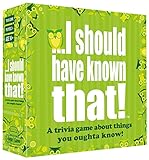
Overview: “I should have known that!” delivers bite-sized trivia focused on practical, everyday knowledge gaps—from basic geography to common idioms. Packaged in a compact 6x6x2 inch box, it targets players 14+ with a cheeky premise: testing “obvious” facts you’ve somehow forgotten. What Makes It Stand Out: Its niche theme sets it apart from history/science trivia games. Questions target relatable, useful knowledge (“What does ‘RSVP’ stand for?”), creating humorous “aha!” moments. The green edition’s portability makes it perfect for travel or impromptu challenges. Value for Money: While light on components (card-based), its curated question set offers sharp, relevant trivia. Priced affordably, it provides more meaningful engagement than generic trivia decks by focusing on universally applicable knowledge, though longevity depends on group size. Strengths and Weaknesses: Strengths: Humorous, accessible questions, ultra-portable, sparks lively debates. Weaknesses: Minimal physical production (likely card-only), narrow scope may not satisfy hardcore trivia fans, lacks team mechanics. Bottom Line: A clever, compact trivia game ideal for casual play or icebreakers. Best for groups who enjoy lighthearted self-deprecation over obscure facts—great value for quick, social fun.
5. Gamewright - Forbidden Island - Cooperative Strategy Survival Board Game, 2-4 Players
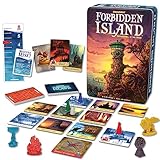
Overview: In Forbidden Island, players collaborate as adventurers racing to retrieve sacred treasures from a sinking island before it vanishes. This cooperative gem by Matt Leacock (Pandemic) emphasizes teamwork over competition, with stunning art immersing players in a race against time. What Makes It Stand Out: Its fully cooperative design—where everyone wins or loses together—fosters genuine camaraderie. Dynamic tile-based board mechanics create escalating tension as the island floods, while unique character roles encourage strategic specialization and communication. Value for Money: Priced accessibly, it delivers premium replayability through variable island layouts and difficulty levels. Surpasses similarly priced competitive games by building social bonds and critical thinking, especially valuable for families seeking meaningful interaction. Strengths and Weaknesses: Strengths: Brilliant teamwork mechanics, tense yet fair challenges, beautiful artwork, excellent for teaching strategy to kids 10+. Weaknesses: Can suffer from “alpha gamer” syndrome, limited player count (max 4), less engaging as a solo experience. Bottom Line: A masterclass in cooperative design that’s both thrilling and educational. Highly recommended for families and strategy fans—it transforms game night into a shared adventure worth every penny.
6. Asmodee Jaipur Board Game (New Edition) - Fast-Paced Duel of Merchants, Strategic Trading and Market Gameplay for Kids & Adults, Ages 10+, 2 Players, 30 Minute Playtime

Overview:
Jaipur’s New Edition revitalizes the acclaimed two-player card game where merchants compete to dominate the market of 16th-century India. Players strategically buy, sell, and swap goods like spices and gems to earn rupees and prestige, aiming to claim two of three end-game seals for victory.
What Makes It Stand Out:
Vincent Dutrait’s lush, immersive artwork elevates the tactile experience, while the exclusive metallic coin (in first prints) adds collector appeal. Its perfect two-player focus sets it apart in a market saturated with group games, offering swift 30-minute sessions packed with meaningful decisions—balancing risk, set collection, and market timing without downtime.
Value for Money:
Priced competitively for a premium component game, the enhanced art and exclusive coin justify a slight premium over the original. It outshines cheaper alternatives with its award-winning depth and replayability, making it a worthy investment for couples or strategy enthusiasts seeking quality over quantity.
Strengths and Weaknesses:
Strengths: Exceptional two-player optimization; visually stunning; easy to learn (<5 mins) yet rich in tactics; portable; high replay value. Weaknesses: Limited to two players (a pro for some, con for groups); luck from card draws can occasionally overshadow strategy; coin not included in later prints.
Bottom Line:
An essential upgrade for fans and a flawless entry point for newcomers, Jaipur New Edition masterfully blends accessibility with strategic depth. Highly recommended for duos craving a quick, engaging, and beautiful tactical duel.
7. Scorpion Masqué Sky Team | Voted Game of The Year 2024 | Best 2 Player Game | Work Together to Land The Plane | Ages 14+ | 20 Minutes

Overview:
Sky Team delivers intense cooperative tension as two players act as pilot and co-pilot racing to land a plane safely before fuel runs out. Using dice-driven action programming, you must coordinate speed, altitude, and landing gear while managing escalating crises in this 20-minute adrenaline rush.
What Makes It Stand Out:
Its “Game of the Year 2024” accolade is earned through brilliant asymmetric roles and real-time pressure. The immersive cockpit board, thematic modules (like ice or fuel leaks), and 20 unique airport scenarios create replayable, cinematic challenges where communication—and trust—is paramount until the final dice roll.
Value for Money:
At its price point, Sky Team offers exceptional value with high-quality components (coffee cup token, scenario booklets) and near-infinite replayability via scenarios and modules. It surpasses pricier co-ops by delivering a perfectly paced, two-player experience with zero filler.
Strengths and Weaknesses:
Strengths: Unmatched cooperative tension; innovative dice-chaining mechanics; stunning thematic integration; quick setup/play; rich scenario variety. Weaknesses: High difficulty curve may frustrate casual players; limited physical space causes occasional component clutter; minimal player agency once dice are rolled.
Bottom Line:
A masterpiece of cooperative design that earns its awards, Sky Team is a must-buy for couples or partners seeking a challenging, immersive, and uniquely thrilling 20-minute adventure. Unreservedly recommended.
8. CGE Codenames Board Game (2nd Edition) The Top Secret Word Association Party Game for Friends & Family Game Nights, 4+ Players

Overview:
Codenames remains a party-game staple where two spymasters give one-word clues to guide teammates in identifying their team’s secret agents on a 5x5 grid. Players must avoid the assassin (instant loss!), bystanders, and rival agents in this clever word-association battle of wits.
What Makes It Stand Out:
Its genius lies in simplicity: minimalist components enable explosive creativity. The 2nd Edition refines art and card durability while preserving the core tension of balancing risk (guessing beyond the clue number) and deduction. The assassin mechanic injects unforgettable, high-stakes drama into every round.
Value for Money:
An outstanding value for large groups, the 2nd Edition’s robust cards and rule clarity justify its modest cost. It outperforms pricier party games with limitless replayability—no app or complex setup needed—and scales perfectly from 4 to 8+ players, making it a perennial game-night hero.
Strengths and Weaknesses:
Strengths: Effortless setup/learning; fosters creative thinking; highly replayable; accommodates large groups; tense, interactive gameplay. Weaknesses: Spymaster inexperience can lead to stalemates; uneven team sizes affect balance; limited visual appeal compared to newer games.
Bottom Line:
Codenames 2nd Edition is a near-perfect party game that transcends trends. Its blend of simplicity, strategy, and social deduction makes it an essential addition to any game library—ideal for families, friends, or office gatherings.
9. WHAT DO YOU MEME? New Phone, Who Dis? by Relatable, The Offline Text Message Party Game, Spicier Edition Card Games for Adults, Game Night Games, Includes 50 Inbox Cards & 250 Reply Cards

Overview:
This “spicier” edition of the viral hit challenges players to craft the funniest fictional text threads using Inbox Cards (scenarios like “Mom found my OnlyFans”) and Reply Cards (zingers like “It’s not mine, I swear!”). Designed for adults, it thrives on relatable, often risqué humor.
What Makes It Stand Out:
Leveraging 1B+ social media views, it brilliantly mimics digital chaos in analog form. The “spicier” content pushes boundaries with modern, edgy humor, while the judge-based format ensures rapid, chaotic fun. Its strength is immediacy—no explanation needed, just pure, unfiltered laughter.
Value for Money:
Priced accessibly, the 300-card set offers immense replayability for groups. While niche due to mature content, it delivers superior value over generic card games by tapping into universal texting culture. Ideal for bachelorette parties or adult game nights seeking unfiltered fun.
Strengths and Weaknesses:
Strengths: Hilarious, culturally relevant humor; effortless gameplay; perfect for large groups; high replay value; sparks genuine laughter. Weaknesses: Humor can feel repetitive after extended play; limited appeal for conservative audiences; no strategic depth beyond comedic timing.
Bottom Line:
A riotous, no-holds-barred party essential for adults who enjoy edgy humor. If your group loves roasts and relatable cringe, New Phone, Who Dis? is a guaranteed hit—just keep it away from the kids.
10. Spin Master Games, I Need a New Butt, Kids Board Game Based on The Book with Popper & Cheek Tiles, Fun for Family Game Night, 2-4 Players, for Ages 5 & Up

Overview:
Inspired by the beloved children’s book, this silly race game tasks kids with fixing their “broken” butt by collecting matching cheek tiles. Players press the whimsical Butt Popper to move, then match cards featuring absurd rears like “robo butt” or “paintball butt” to win.
What Makes It Stand Out:
The Butt Popper—a giggly, physical centerpiece—drives engagement, while cheeky (pun intended) butt-themed humor resonates perfectly with its target age group. Bright, cartoonish art and rapid 15-minute playtime make it ideal for short attention spans, transforming potty humor into structured fun.
Value for Money:
An excellent, affordable investment for young families. Durable components withstand rough play, and the book tie-in extends engagement beyond the game. It outperforms generic kids’ games by delivering consistent laughs and simple mechanics that even 5-year-olds grasp instantly.
Strengths and Weaknesses:
Strengths: Highly age-appropriate humor; interactive Butt Popper mechanic; quick playtime; strong book synergy; encourages color/shape matching. Weaknesses: Limited replay value for older kids; humor may feel one-note to adults; storage for small tiles isn’t ideal.
Bottom Line:
A delightfully silly, well-executed game that nails its niche. Perfect for families with 5–8-year-olds seeking lighthearted, laughter-filled game nights—just embrace the absurdity!
Understanding Your Group Dynamics First
Before even glancing at game mechanics, the most crucial step is understanding who will be playing. A mismatch here is the single biggest reason games end up unused.
Assessing Player Count Realities
Be brutally honest about how many people typically gather for game nights. Many fantastic games shine with exactly four players but falter with three or five. Consider whether your group size fluctuates often – some games scale exceptionally well, while others have very rigid player counts. Factor in the reliability of your regular players; a game demanding six committed participants might be impractical if someone often cancels last minute.
Gauging Attention Spans and Energy Levels
Modern life is busy, and focus varies greatly. Is your group winding down after dinner, seeking relaxed interaction, or are they pumped for intense, brain-burning challenges? Games requiring deep concentration for 90 minutes won’t suit a group of young children or adults who are tired. Conversely, overly simplistic games might bore seasoned puzzle-solvers. Observe your group’s natural rhythm – do they enjoy quiet strategy or loud, chaotic fun?
Identifying Shared Interests and Themes
While mechanics are king, theme acts as the initial hook. Does your group lean towards history, fantasy, sci-fi, abstract strategy, or real-world themes like cooking or city-building? A compelling theme can significantly lower the barrier to entry for new players, making complex rules feel more intuitive and engaging. Don’t underestimate the power of a shared passion for dinosaurs or space exploration to drive initial buy-in.
Core Gameplay Mechanics Decoded
Understanding the fundamental ways games work is essential for predicting enjoyment. Mechanics define how you interact with the game and each other.
Worker Placement Fundamentals
This popular mechanic involves players taking turns placing tokens (“workers”) on specific board locations to claim actions, like gathering resources or building structures. It often creates interesting spatial puzzles and competition for key spots. It’s generally accessible but can feel restrictive if players aren’t used to planning multiple turns ahead. Look for games with clear, intuitive action spaces.
Set Collection and Pattern Matching Simplicity
These mechanics are often gateways to the hobby. Set collection involves gathering specific combinations of cards or tokens for points, while pattern matching requires recognizing visual or thematic groupings. They tend to have lower rules overhead, offer satisfying “aha!” moments, and facilitate player interaction through drafting or shared pools. They excel at creating quick, replayable sessions perfect for beginners.
Cooperative Play Dynamics
In cooperative games, players work together as a team against the game system itself, not against each other. This eliminates player elimination and reduces cutthroat competition, making it ideal for groups prioritizing teamwork and shared narrative. However, beware of “alpha gaming,” where one dominant player dictates everyone’s moves. Good cooperative games minimize this through hidden information or individual roles.
Practical Considerations for New Collectors
Beyond the fun factor, real-world logistics heavily influence whether a game gets played repeatedly or stays boxed.
Honesty About Time Investment
Respect your group’s time. A game promising “30-45 minutes” might take new players double that on the first playthrough. Factor in rule explanation, setup, and potential confusion. Starting with games consistently under 60 minutes significantly increases the likelihood of actually playing them. Long epic games (90+ minutes) are often better suited for experienced groups who know the rules cold.
Space Requirements You Can’t Ignore
Be realistic about your playing environment. Do you have a large, dedicated table, or are you squeezing games onto a coffee table? Some games require vast open spaces for sprawling boards and components, while others are remarkably compact. Consider storage too – towering boxes won’t fit in a crowded closet. Portability matters if you often play at different locations.
Budget and Long-Term Value Assessment
Board games range dramatically in price. While it’s tempting to go for the cheapest option, extremely low-cost games often suffer from flimsy components or poor design, leading to frustration. Conversely, a higher-priced game with exceptional replayability and durability offers better long-term value. Consider how many times you realistically expect to play it before the cost per play becomes reasonable.
Recognizing Approachable Game Design
Not all games labeled “beginner-friendly” truly deliver. Knowing what makes a game genuinely accessible helps cut through the marketing.
Streamlined Rulebooks and Intuitive Layouts
A good introductory game often features a rulebook that teaches concepts progressively, using clear examples and visuals. Look for games where core actions are immediately apparent from the component layout – you shouldn’t need to constantly flip through the manual once the first round starts. Iconography should be logical and well-explained.
Low Player Interaction Friction
For new groups, constant direct conflict (stealing, blocking, attacking other players) can feel unfun and create tension. Games with indirect competition (competing for shared resources or spaces) or minimal player-on-player mechanics often provide a smoother, more positive first experience. Positive interaction (trading, helping) is usually more welcoming than negative interaction.
Forgiving Learning Curves and Scalable Complexity
The best gateway games let players grasp the basics quickly for a satisfying first play, while revealing deeper strategic layers over subsequent games. Avoid games where a single early mistake cripples your entire chance of winning. Look for mechanisms that naturally correct imbalances or allow comeback potential, keeping new players engaged throughout.
Building a Sustainable Game Night Habit
Success isn’t just about the first game; it’s about creating a routine that keeps everyone coming back.
Managing First-Play Expectations
The very first game is primarily about learning, not winning. Emphasize this to your group! Focus on understanding the flow, celebrating small victories (“Great job figuring out that action!”), and laughing at mistakes. Rushing through setup or getting frustrated with rules confusion kills the fun instantly. Patience is the most important component.
Establishing a Consistent Rhythm
Regular game nights, even if brief, build anticipation and habit. Whether it’s “Family Game Friday” or “Tuesday Night Trivia & Tiles,” consistency matters more than duration. Short, frequent sessions are better than infrequent marathons, especially when starting out. Protect this time from easy cancellation.
Rotating Game Masters and Facilitators
Don’t let one person always be the rule-reader and setup person. Rotate this role! It distributes the mental load, gives everyone ownership, and helps the group collectively learn the games. Encourage players to take notes or watch tutorial videos beforehand if they’re facilitating a new title.
Frequently Asked Questions
Frequently Asked Questions
What’s the ideal number of players for a first board game experience? Groups of 3-4 players are often ideal for beginners, as they balance interaction, manageable downtime between turns, and ease of learning compared to very large or minimal player counts.
How long should my first game session realistically last? Aim for total sessions (setup, learning, playing, cleanup) under 60-75 minutes. The actual gameplay time for a true beginner should likely be 30-45 minutes to avoid fatigue and frustration.
Are complicated-looking components a red flag for new players? Not necessarily, but prioritize games where components have clear, intuitive purposes. Games that require extensive setup with many different tokens or miniatures might add unnecessary complexity for a first experience.
How do I know if a game’s theme is just superficial versus integral to gameplay? If changing the theme (e.g., from space explorers to baking cookies) wouldn’t alter the core mechanics or player decisions, it’s likely superficial. Integral themes make rules feel logical and enhance the narrative flow.
Is it better to start with cooperative or competitive games? Cooperative games often provide a gentler introduction as they remove player-vs-player conflict, fostering teamwork. However, light competitive games with indirect interaction can also work well if your group enjoys friendly rivalry.
What’s the biggest mistake new groups make when choosing their first game? Overestimating complexity tolerance – choosing a game perceived as “popular” that’s actually too long, too rules-heavy, or too cutthroat for their group’s current experience level and mood.
How important are physical component quality for beginners? Decent quality matters (e.g., sturdy cards, clear text), but don’t prioritize lavish components over solid, accessible gameplay. Flimsy bits can break the immersion, but a brilliant, simple game on basic cardboard is far better than a dull, expensive one.
Should new players avoid games with expansions? Absolutely start with the base game only. Expansions add rules and complexity. Master the core experience thoroughly before even considering additional content, which is often unnecessary for long-term enjoyment.
How can I tell if a game has a “mean” or unforgiving mechanic? Look for reviews mentioning “kingmaking,” where eliminated players decide the winner, or “runaway leader” problems where early advantages become insurmountable. Games with strong catch-up mechanics are generally more beginner-friendly.
Where’s the best place to learn the rules before game night? Seek out dedicated, concise “how to play” videos from reputable board game channels (not just unboxing videos) that focus on clear rule explanations. Manufacturer websites often have rulebooks and FAQs too.
See Also
- The 10 Best Board Games Every New Enthusiast Needs This Year
- Stop Arguing Over Rules with the 10 Best Easy-to-Learn Board Games This Year
- Stop Arguing Over Rules with the 10 Best Abstract Board Games This Year
- Stop Wasting Time on Boring Games with the 10 Best Quick Play Board Games This Year
- Stop Boredom with the 10 Best Timer-Based Board Games This Year