Table of Contents
Ever felt that mix of excitement and overwhelming confusion when staring at a wall of colorful board game boxes? You’re ready to dive into tabletop gaming with friends or family, but the sheer variety – and price tags – can make even the simplest decision feel like solving a puzzle blindfolded. For beginners, the perfect starter game shouldn’t break the bank or your spirit; it needs to be an inviting gateway that builds confidence, not frustration. Finding that sweet spot of genuine value – where accessibility, replayability, and enjoyment outweigh the cost – is absolutely crucial for turning a one-time experiment into a lasting hobby.
The landscape of board gaming evolves constantly, but the core need for an exceptional beginner experience remains unchanged. Value isn’t just about the lowest price tag; it’s about the long-term return on your investment in fun, connection, and learning. A truly valuable beginner game minimizes barriers to entry while maximizing the “let’s play again!” factor. In today’s market, flooded with both hidden gems and overhyped duds, understanding how to evaluate value – beyond the initial purchase price – is the smartest move you can make. Let’s unpack the essential elements that transform an affordable box into an indispensable cornerstone of your game nights.
Top 10 Board Games for Beginners
Detailed Product Reviews
1. HUES and CUES - Vibrant Color Guessing Board Game for 3-10 Players Ages 8+, Connect Clues and Guess from 480 Color Squares

Overview: HUES and CUES is a visually stimulating board game where players give one- or two-word clues to guide teammates toward identifying specific colors on a vibrant wheel. Designed for 3–10 players aged 8+, it transforms color perception into a collaborative challenge.
What Makes It Stand Out: Its 480 unique color squares ensure near-limitless replayability, while the constraint of ultra-brief clues sparks remarkable creativity and non-verbal communication. The game’s inclusive design bridges age gaps, making it equally engaging for kids and adults during family nights or parties.
Value for Money: Priced mid-range for board games, it outshines cheaper alternatives with its high-quality components and depth. Unlike trivia-heavy games, it requires no prior knowledge, offering superior longevity per play session compared to similarly priced titles.
Strengths and Weaknesses: Strengths: Encourages creative thinking; scales perfectly for large groups; quick to learn yet strategically rich. Weaknesses: Colorblind players may struggle; limited physical interaction beyond verbal clues; replay value slightly diminishes after mastering the color wheel.
Bottom Line: An exceptional choice for fostering teamwork and sensory engagement. Ideal for families seeking fresh, screen-free interaction—highly recommended for game nights where creativity trumps luck.
2. The Chameleon: Award-Winning Bluffing Board Game for Family, Adults & Friends | Includes 80 Extra Secret Words | Who is The Imposter?

Overview: The Chameleon is a fast-paced social deduction game where one player—the “Chameleon”—secretly doesn’t know the hidden word, while others must unmask them through coded clues. Designed for 3–8 players aged 14+, it thrives on wit and observation.
What Makes It Stand Out: Its brilliance lies in simplicity: no app required, just cards and cunning. The included 80 extra words extend replayability, and the 15-minute playtime creates intense, accessible rounds. Awards like “Best Party Game” at UK Games Expo validate its crowd-pleasing design.
Value for Money: Competitively priced, it surpasses similar bluffing games (e.g., Codenames) with its pure social deduction focus. The physical components justify the cost, and the extra word deck adds significant longevity without inflating the price.
Strengths and Weaknesses: Strengths: Incredibly easy setup; generates hilarious, tense moments; works brilliantly for mixed-age groups. Weaknesses: Less strategic depth for hardcore gamers; relies heavily on group dynamics; Chameleon role can feel passive if players aren’t engaged.
Bottom Line: A near-perfect party game that delivers maximum fun per minute. Essential for gatherings where quick, laughter-filled deduction is key—buy it for effortless social entertainment.
3. Hasbro Gaming Trouble Board Game for Kids Ages 5 and Up 2-4 Players

Overview: Trouble reimagines the classic 1970s race game, where players “pop” the iconic Pop-o-Matic die roller to move pieces around a board. Aimed at kids 5+, it’s a nostalgic staple for 2–4 players emphasizing luck and simple strategy.
What Makes It Stand Out: The Pop-o-Matic bubble is its genius feature—satisfying to press, eliminates lost dice, and adds tactile fun. Power Up Spaces offer optional complexity, bridging casual play for preschoolers and light strategy for older kids.
Value for Money: Budget-friendly and durable, it outperforms cheaper imitations with Hasbro’s quality. While basic, its timeless appeal and multi-generational recognition make it a smarter investment than fleeting trendy games.
Strengths and Weaknesses: Strengths: Effortless rules for young children; Pop-o-Matic enhances sensory engagement; fosters turn-taking skills. Weaknesses: Heavy reliance on luck; limited strategic depth for adults; Power Up rules feel tacked-on rather than integrated.
Bottom Line: A must-have for families introducing board games to toddlers. Its simplicity and iconic bubble justify its place in any game-night rotation—ideal for ages 5–8.
4. Hasbro Gaming Candy Land Kingdom of Sweet Adventures Board Game for Kids, Ages 3 & Up (Amazon Exclusive)

Overview: Candy Land is a timeless race game where players follow a candy-themed path to reach King Kandy’s castle. Designed for ages 3+, it uses color-matching cards instead of dice, making it accessible for preschoolers.
What Makes It Stand Out: Its zero-literacy requirement is revolutionary for early learners, using vibrant illustrations and color-coded cards to teach turn-taking. The Amazon-exclusive version features refreshed artwork and a slightly condensed board for quicker play.
Value for Money: Extremely affordable, it’s unmatched for toddlers. While simpler than modern games, its educational value in color recognition justifies the cost—especially compared to pricier “educational” alternatives that lack its charm.
Strengths and Weaknesses: Strengths: Perfect first game for non-readers; bright, engaging visuals; minimal setup. Weaknesses: Entirely luck-based; no strategic element; shorter attention spans may lead to disengagement after repeated plays.
Bottom Line: An unbeatable starter game for ages 3–5. Prioritize it for foundational play skills, but supplement with more interactive games as kids grow.
5. Sorry! Board Game for Kids Ages 6 and Up; Classic Hasbro Board Game; Each Player Gets 4 Pawns; Family Game
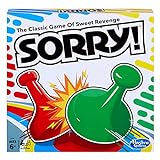
Overview: Sorry! is a classic race game where players draw cards to move pawns, with the twist of “bumping” opponents back to start. For 2–4 players aged 6+, it emphasizes luck, light strategy, and playful revenge.
What Makes It Stand Out: The card-driven mechanics create constant tension—drawing a “Sorry!” card to steal an opponent’s spot is uniquely thrilling. Its 60+ year legacy speaks to universally appealing gameplay that blends simplicity with nail-biting comebacks.
Value for Money: Priced affordably, it offers more interactive excitement than Trouble or Candy Land. The inclusion of four pawns per player adds strategic depth rivaling newer games, making it a high-value heirloom-quality purchase.
Strengths and Weaknesses: Strengths: High replayability through card randomness; teaches spatial reasoning; fosters friendly competition. Weaknesses: Can frustrate young players due to setbacks; luck outweighs skill; rules ambiguity with certain cards.
Bottom Line: A cornerstone of family game nights that ages beautifully. Best for kids 6+—buy it for competitive fun that rewards patience and tactical card use.
6. Hasbro Gaming Chutes and Ladders Board Game | 2 to 4 Players | Back to School Gifts for Kids | Preschool Classroom Games | Ages 3+ (Amazon Exclusive)

Overview:
A timeless preschool staple, this Chutes and Ladders edition introduces toddlers to board gaming fundamentals. Designed for 2–4 players aged 3+, it requires no reading—just spinning a spinner and moving pawns along a vibrant, illustrated path. The goal is simple: race to the top while navigating ladders (boosts) and chutes (setbacks), making it ideal for early learners.
What Makes It Stand Out:
Its pure simplicity shines: zero reading skills needed, durable board artwork, and intuitive gameplay that teaches number recognition and counting. The “good deeds” theme (e.g., sharing toys earns ladders) subtly reinforces positive behavior, while the physical spinner is toddler-friendly. Unlike digital alternatives, it fosters face-to-face interaction and patience during turns.
Value for Money:
Priced competitively under $20, it outperforms flashier “educational” toys by focusing on core developmental skills—counting, color matching, and turn-taking—without batteries or screens. Compared to generic knockoffs, Hasbro’s version uses thicker cardboard and non-toxic finishes, justifying its cost as a long-lasting classroom or home essential.
Strengths and Weaknesses:
Strengths: Effortless setup; perfect for short attention spans; excellent for number practice; promotes gentle sportsmanship. Weaknesses: Pure luck-based (no strategy); chutes can frustrate sensitive kids; spinner may snag if not spun firmly; limited replay depth for older preschoolers.
Bottom Line:
An unbeatable starter game for ages 3–5, blending nostalgia with foundational learning. Buy it for classrooms, siblings, or as a screen-free gift—it’s the gold standard for early board gaming.
7. Hasbro Gaming Scrabble Junior Board Game | 2-4 Players | Family Educational Word Games for Kids | Back to School Gifts for Classroom | Ages 5+
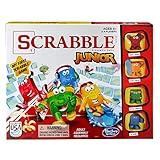
Overview:
Scrabble Junior reimagines the classic word game for young children (ages 5+), featuring dual-sided boards for evolving skill levels. One side uses picture-matching for pre-readers; the reverse challenges emerging spellers to build words independently. With 2–4 players, it transforms vocabulary practice into playful competition.
What Makes It Stand Out:
The two-tiered design is genius: beginners match tiles to animal images (e.g., placing “D-O-G” under a dog), while older kids create free-form words on the crossword grid. Adorable character tokens (like ladybugs) track scores, and chunky, durable tiles resist toddler mishandling. It grows with the child, avoiding quick obsolescence.
Value for Money:
At $18–$22, it’s pricier than basic flashcards but delivers years of literacy development. Unlike single-level games, its adaptability means it stays relevant through kindergarten and early elementary—outperforming disposable “learn-to-read” apps by encouraging tactile, social learning.
Strengths and Weaknesses:
Strengths: Seamless difficulty progression; builds spelling/confidence; vibrant, engaging art; minimal setup. Weaknesses: Advanced side still requires basic reading; limited word options may frustrate fast learners; score tokens are small (choking hazard for under 3).
Bottom Line:
A must-have for parents and teachers seeking a playful literacy bridge. It makes spelling tangible and fun—worth every penny for budding readers.
8. Hasbro Gaming Cootie Mixing and Matching Bug-Building Game | 2-4 Players | Easy Preschool Board Games | Back to School Gifts for Kids | Ages 3+

Overview:
Cootie brings whimsical chaos to preschoolers with its bug-assembly challenge. Players race to build a “Cootie” insect by collecting body parts (legs, eyes, antennas) via spinner rolls. This 2–4 player game (ages 3+) celebrates creativity—mixing pieces isn’t just allowed, it’s encouraged!
What Makes It Stand Out:
The game’s charm lies in its joyful absurdity: no two bugs need match, spinning for “crazy” accessories sparks giggles, and the plastic pieces are thick, bright, and easy to grasp. Modern updates include smoother spinner action and diverse bug parts, while “Switcheroo” variants add replayability missing in vintage versions.
Value for Money:
Retailing around $15, it’s a steal for durable, screen-free fun. Compared to flimsy dollar-store alternatives, Hasbro’s sturdy plastic withstands drops and bites. The included game-guide variations extend playtime, making it a budget-friendly classroom or travel essential.
Strengths and Weaknesses:
Strengths: Encourages fine motor skills; zero reading needed; highly inclusive (kids with varying abilities compete equally); sparks imagination. Weaknesses: Small parts require supervision for under 3s; pure luck diminishes strategy; pieces can scatter if board is bumped.
Bottom Line:
A hilarious, confidence-boosting game where “mistakes” are part of the fun. Perfect for unleashing preschool creativity without complexity.
9. Spin Master Games, Cardinal Classics Chess Teacher, Learn to Play Strategy Board Games for Beginners, Chess Sets for Adults, 2 Players, for Ages 8 & Up

Overview:
This Chess Teacher set demystifies chess for absolute beginners (ages 8+), using labeled pieces and a notation system to teach moves intuitively. Designed for two players, it transforms an intimidating classic into an accessible, stress-free learning tool—ideal for families or adult novices.
What Makes It Stand Out:
Each piece displays its name, movement range, and directional arrows (e.g., “Bishop: Diagonal Any”). The board’s grid markings clarify squares, while the guide breaks down strategy into digestible steps. Unlike traditional sets, it eliminates memorization hurdles, turning confusion into “aha!” moments during gameplay.
Value for Money:
Priced at $25–$30, it’s a smarter investment than apps or books for tactile learners. Standard chess sets assume prior knowledge; this version pays for itself by preventing early frustration. The weighted wooden pieces and felt-lined storage box also ensure longevity unmatched by budget sets.
Strengths and Weaknesses:
Strengths: Revolutionary teaching aid; high-quality materials; builds genuine chess understanding; encourages patience and foresight. Weaknesses: Labels may wear over time; not tournament-legal; advanced players might find it redundant.
Bottom Line:
The definitive starter set for chess-curious families. If you’ve ever wanted to learn (or teach) chess without headaches, this is indispensable.
10. Hasbro Gaming Scrabble Board Game, Classic Word Games for Kids Ages 8 and Up, Fun Family Game for 2-4 Players, The Classic Crossword Game
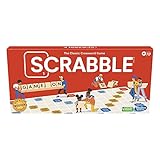
Overview:
The definitive Scrabble experience, this edition revives the beloved crossword game for families (ages 8+). With 2–4 players arranging 100 wooden tiles on a textured board, it challenges vocabulary, strategy, and arithmetic as players race to maximize points on premium squares.
What Makes It Stand Out:
It nails authenticity: premium wooden tiles/racks, a non-slip gameboard, and timeless scoring rules (double/triple word scores). Unlike digital versions, the tactile tile-drawing and physical word-building foster deeper engagement. The guide also includes team-play variants and “two-letter word” tactics to keep veterans hooked.
Value for Money:
At $30–$35, it’s marginally pricier than generic sets but justifies cost through heirloom-quality materials and enduring appeal. Mobile apps lack the social tension of contested words or the thrill of a 50-point bingo—making this a worthwhile upgrade for game-night regulars.
Strengths and Weaknesses:
Strengths: Unbeatable wordplay depth; encourages critical thinking; durable construction; scales for casual or competitive play. Weaknesses: Steep learning curve for young kids; tile-drawing luck can frustrate; scoring requires math (challenging for under 10s).
Bottom Line:
A cornerstone of family game shelves. For fostering literacy, strategy, and lively debate, nothing surpasses the charm of physical Scrabble.
Why Value Matters More Than Ever for New Gamers
The High Cost of a Bad First Impression
A confusing, overly complex, or tedious first game can instantly kill enthusiasm for the entire hobby. Investing in a game that’s genuinely accessible prevents this costly mistake, saving not just money but the precious interest of potential new players. Value here is measured in preserved curiosity and future game nights.
Beyond the Price Tag: Calculating True Investment
True value encompasses setup time, storage space, rulebook clarity, and even the emotional cost of frustration. A $30 game that takes 20 minutes to learn and plays in 30 minutes often delivers far more usable enjoyment per dollar than a $50 game gathering dust because it’s too intimidating to set up. Consider the hours of actual play versus the shelf life.
Building a Sustainable Foundation
Starting with value-focused choices allows beginners to explore diverse mechanics without significant financial risk. This experimentation is vital for discovering personal preferences before committing to larger, more specialized (and expensive) games down the line. Think of it as affordable market research for your future collection.
Essential Features to Prioritize for Beginner Value
Playtime Under 60 Minutes is Non-Negotiable
Long setup and lengthy play sessions are major hurdles. Games consistently finishing within 30-45 minutes prevent fatigue, keep attention spans engaged, and make scheduling game nights significantly easier. Shorter games also encourage playing multiple rounds, accelerating the learning curve and boosting replay value immediately.
Rule Simplicity and Intuitive Design
Look for rulebooks that can be explained in under 5 minutes with crystal-clear examples. Mechanics should feel logical and intuitive during play, not like deciphering a cryptic manual. Visual aids on the board or cards, and components that show you what to do (like clear action icons), drastically reduce cognitive load and teaching time.
Low Player Count Flexibility for Real-World Groups
Avoid games rigidly locked to 4 players. High-value beginner games often play well with 2, 3, or 4 participants, accommodating the unpredictable nature of real-life gatherings. This flexibility ensures the game gets played often, maximizing your return on investment regardless of who shows up.
Immediate Engagement Through Tangible Actions
Games where players do something physically satisfying every turn (placing a tile, drafting a card, moving a meeple) create instant engagement. Abstract concepts or long periods of inactive waiting are death knells for new players. Look for constant, visible progression and interaction.
Understanding Game Types and Their Value Proposition
The Power of Cooperative Play for Beginners
Cooperative games, where players work together against the game system, eliminate early-night player elimination and reduce cutthroat competition that can sour new experiences. This shared struggle builds camaraderie, makes teaching easier (everyone learns the same rules), and ensures everyone is invested until the very end, enhancing perceived value through positive group dynamics.
Light Strategy vs. Pure Luck: Finding the Right Balance
While pure luck games have their place, beginners often quickly crave a sense of meaningful choice. High-value games offer simple strategic decisions (e.g., “Where should I place this tile?” or “Which card should I keep?”) that feel impactful without overwhelming complexity. This balance provides the “aha!” moments that hook new players and justify the purchase.
Theme Integration: More Than Just Window Dressing
A theme that supports the mechanics (e.g., drafting cards to build a kingdom) aids comprehension and immersion far more than a random skin slapped on abstract rules. When the theme makes the actions logical (“I’m harvesting wheat, so I take grain resources”), it reduces the mental burden of learning, making the game feel more valuable and less like homework.
Assessing Component Quality and Longevity
Cardboard That Lasts Beyond the First Dozen Plays
Flimsy cards and thin cardboard tokens disintegrate quickly, diminishing the experience and value. Look for games using standard poker-sized cards (often a sign of better quality) and chunkier tokens. While not needing ultra-premium components, durability that withstands regular play for a year or more is essential for true value. Thicker inserts or organized storage within the box also contribute to longevity.
Rulebook Design: Your Most Important Component
A poorly written rulebook is the single biggest value killer. Prioritize games known for exceptional, step-by-step rulebooks with plentiful examples, illustrations, and clear FAQs. A great rulebook transforms a potentially confusing game into an accessible one, effectively multiplying the value of your purchase by ensuring you can actually play and enjoy it.
Mastering the Learning Curve for Maximum Value
The Critical First Play Experience
The initial game should be smooth and fun, not a rulebook slog. Games with a built-in “teach me” mode, tutorial scenarios, or extremely streamlined first-game setup instructions offer immense value. This smooth onboarding directly translates to higher replay likelihood and positive word-of-mouth, getting more people to the table.
Built-In Replayability Mechanisms
Random setups, variable player powers, or modular boards ensure no two games feel identical. For beginners, this variety is crucial – it prevents the game from feeling stale after just a few plays, stretching the value of the single purchase over many sessions. Look for inherent systems that create fresh challenges without needing expansions.
Evaluating Cost Against Real-World Usage
The “Per Play” Cost Calculation Method
Divide the purchase price by the number of times you realistically expect to play it in the next year. A $25 game played 15 times has a lower per-play cost ($1.67) than a $40 game played only 5 times ($8.00). Be honest about your group’s play frequency; overestimating leads to shelf-warmers and poor value.
Considering Expansion Potential (Cautiously)
Some entry-level games have affordable, well-integrated expansions that significantly increase depth and replayability later. While not essential for the initial value assessment, knowing a game has a clear, cost-effective upgrade path if you love it adds potential future value. Never buy a base game solely for promised expansions, however.
The Hidden Value of Accessibility in Your Community
A game popular locally means easier find opponents, potential loaners to try before you buy, and shared knowledge. While not a direct cost factor, this community accessibility boosts the practical value and lowers the barrier to repeated plays, making the investment feel more worthwhile.
Making the Smart Purchase Decision
Leveraging Video Reviews Focused on Teaching and First Plays
Seek out reviews specifically demonstrating how easy (or hard) the game is to learn and teach. Avoid reviews deep into strategy; focus on the beginner experience. Seeing the setup time, rule explanation flow, and actual first-game play is invaluable for assessing true value potential.
The Local Game Store (LGS) Advantage for Beginners
Many LGS offer demo copies. Playing a game before buying is the ultimate value check. Staff at good stores are also expert resources for matching your group’s specific needs to the right accessible game, preventing costly mismatches. Supporting your LGS often pays dividends in personalized advice.
Understanding “Beginner” in the Modern Context
Gone are the days when only ultra-simple roll-and-move games qualified. Modern “beginner” often means approachable strategy with clear rules. Don’t dismiss a game just because it has some depth if the learning curve is genuinely gentle. Focus on the teaching time and first-play experience as the real indicators, not just the box’s marketing label.
Frequently Asked Questions
How do I know if a game’s rules are truly beginner-friendly?
Look for rulebooks under 8 pages, clear step-by-step examples, iconography explained visually, and video reviews specifically showing the rule explanation process. If teaching takes longer than 10 minutes consistently, it’s likely too complex for true beginners.
Is a higher price tag ever justified for a beginner game?
Only if the component quality, exceptional rulebook, and proven high replayability significantly extend the game’s usable lifespan and frequency of play. For true beginners, starting low-risk is usually wiser; save bigger investments for proven favorites.
How important are player count ranges for value?
Extremely important. A game that only plays well with 4 players has limited value if your group fluctuates between 2-3 people. Prioritize games with strong 2-4 player flexibility to ensure it gets played consistently.
Should beginners avoid games with any element of luck?
Not at all. A healthy dose of luck (like dice rolling or card drawing) can offset skill gaps in new players and keep games exciting. Avoid games where luck completely overshadows player decisions, but some randomness is often beneficial early on.
What’s the biggest value mistake beginners make?
Buying games based solely on theme or artwork without considering playtime, complexity, or rule clarity. Falling for “cool” components that don’t enhance gameplay or durability also wastes budget that could be spent on more frequently played, accessible games.
How can I assess replayability before buying?
Look for keywords like “modular board,” “variable player powers,” “drafting,” or “legacy-lite” in descriptions. Games with random setup elements or multiple winning strategies typically offer higher replayability. Avoid games with a single, linear path to victory.
Are cooperative games always better for beginners?
They offer significant advantages (shared learning, no player elimination), but aren’t mandatory. Some competitive games with simple take-that mechanics or parallel play can also be excellent starters. The key is low conflict and quick turns, whether cooperative or competitive.
How do I balance wanting “quality” components with a low budget?
Focus on critical components first: sturdy cards and a clear rulebook are non-negotiable. Prioritize these over fancy miniatures. Many games with simple wooden cubes or cardboard tokens offer immense value through gameplay alone if the design is solid.
Can a game be too simple to have good value?
Yes. If a game lacks meaningful decisions or becomes predictable after 2-3 plays, its value plummets regardless of price. Look for that sweet spot of simple rules enabling interesting choices – it provides longevity and justifies the cost through repeated, engaging plays.
What’s the single best indicator of true beginner value?
The “play again” rate after the first session. If your group immediately wants to reset and play another round without sighing at the setup, you’ve found a high-value game. Observed enthusiasm trumps any review or price point.